


After the match, protesters move to the DP headquarters: Opposition sold out
After the match, the protesters moved in front of the DP h...

After the match, the protesters moved in front of the DP h...

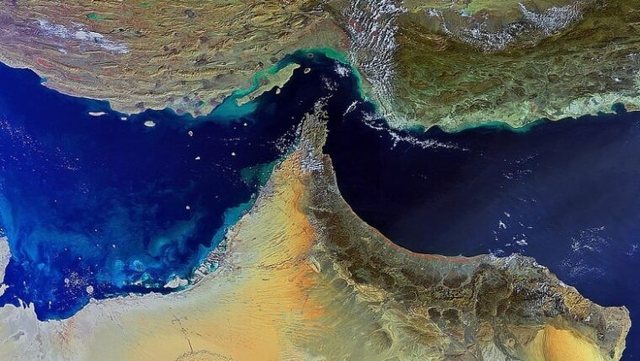
The Strait of Hormuz has been one of the most sensitive points on the globe for decades, where energy interests, geopolitical rivalries and the strategic calculations of great powers intersect. It is not just a sea route, but a constant test of the international community's ability to manage tensions and avoid escalating conflicts.
To understand current developments, it is important to analyze the initial motives that led to the United States and Israel's military attacks against Iran.
The main narrative that has been articulated over the years has been related to the Iranian nuclear program. According to this approach, interventions and pressure have been justified by the need to limit or destroy Iran's nuclear capabilities, to prevent its development of nuclear weapons, and to ensure a more stable balance of power in the Middle East.
In this context, other strategic objectives have also been mentioned: control over enriched uranium reserves and changing the political system in Iran.
However, the military conflict of recent weeks has highlighted a paradox.
As the fighting has intensified and become more severe, the current discourse increasingly focuses on the need to guarantee freedom of navigation and “unblock” the Strait of Hormuz.
This is especially significant considering that, before the war began, this route was functional and open to international trade.
This shift in focus raises important strategic questions: are we dealing with a response to a real threat, or with consequences of strategic planning policies themselves?
If a conflict begins with clear goals – such as nuclear issues or political regime change – but ends up focusing on securing a path that was previously free, then suspicion arises of a mismatch between objectives and outcomes.
Another essential dimension of this crisis is its impact on the Euro-Atlantic alliance itself. The war and the escalation of tensions produced not only consequences in the Middle East and beyond, but also a noticeable shock within NATO. Some of the alliance's most powerful countries, as well as a significant part of its members, showed strong reservations, hesitation or even opposition to the approach followed by the United States.
Qëndrimi i Presidentit të SHBA Donald Trump është mbështetur në strategjinë e “presionit maksimal”.
Ky qëndrim është shoqëruar me sanksione të forta ekonomike dhe me një retorikë që e ka vendosur Iranin në qendër të kërcënimeve për stabilitetin në Lindjen e Mesme, të cilat u përshkallëzuan duke mbërritur deri tek sulmi ushtarak dhe bombardimet masive sëbashku me Izraelin.
Megjithatë, kjo linjë nuk është ndarë në mënyrë të njëtrajtshme nga aleatët evropianë.
Në krahun tjetër, Franca nën drejtimin e Presidenti Macron është distancuar nga sulmet ushtarake të SHBA?s ndaj Iranit, duke theksuar se Franca nuk është palë në konflikt dhe se veprimet ushtarake duhet të shmangen. Presidenti i Francës Emmanuel Macron ka theksuar vazhdimisht nevojën për ruajtjen e kanaleve diplomatike dhe për rikthimin tek marrëveshjet ndërkombëtare si instrument për menaxhimin e krizës.
Një qasje e ngjashme më e kujdesshme është reflektuar edhe nga kancelari gjerman Olaf Scholz i cili synon një fund diplomatik dhe të qëndrueshëm të konfliktit, duke theksuar nevojën për dialog, koordinim ndërkombëtar dhe shmangie të përfshirjes ushtarake direkte në konfliktin SHBA?Iran.
Qeveria e Britanisë së Madhe nën drejtimin e Keir Starmerit po ndjek një politikë të distancuar dhe të kujdesshme ndaj luftës së SHBA?s me Iranin. Ajo nuk po bashkohet ushtarakisht në përshkallëzim, por ofron mbështetje të kufizuar mbrojtëse, promovon armëpushimin dhe fokuson përpjekje diplomatike për stabilizim ndërkombëtar, duke ruajtur një balancë mes lidhjes historike me SHBA dhe interesave të saj kombëtare.
Qeveria italiane nën drejtimin e kryeministres Giorgia Meloni ka theksuar qartë se Italia nuk është në luftë dhe nuk dëshiron të marrë pjesë ushtarakisht në konfliktin midis SHBA?s dhe Iranit.
Ky qëndrim përfshin refuzimin e përdorimit të bazave italiane për sulme ofensivë kundër Iranit pa mandate të qarta parlamentare dhe ndërkombëtare. Ndërkohë, që kryeministri spanjoll Pedro Sanchez ka mbajtur një qëndrim më kritik ndaj përshkallëzimit ushtarak, duke theksuar nevojën për zgjidhje diplomatike dhe respektimin e së drejtës ndërkombëtare.
Kjo përçarje nxori në pah mungesën e një konsensusi strategjik brenda aleancës dhe ngriti pikëpyetje mbi mënyrën se si merren vendimet për çështje të sigurisë globale.
Në vend që NATO të paraqitej si një bllok i unifikuar, kriza evidentoi dallime të thella në perceptimin e kërcënimeve, në prioritetet kombëtare dhe në gatishmërinë për përfshirje ushtarake.
Pasojat nuk u kufizuan vetëm në planin politik. Në vend që të sillte stabilitet dhe siguri rajonale, siç pretendohej në fillim, përshkallëzimi kontribuoi në një krizë më të gjerë globale. Tregjet energjetike u goditën nga pasiguria dhe ndërprerjet potenciale të furnizimit, duke shkaktuar rritje çmimesh dhe paqëndrueshmëri ekonomike.
In this context, the Strait of Hormuz becomes a multiple symbol: of strategic failure, of unforeseen consequences, and of the lack of international coordination.
At this point, the two-week ceasefire achieved should not be seen simply as a tactical interruption, but as a real opportunity for strategic reflection.
If used judiciously, this period can help restore strategic priorities to where they should be: security, stability, and cooperation. Otherwise, there is a risk that decision-making will be dominated by short-term impulses, the logic of confrontation, and the tendency to turn conflict into a matter of bragging or personal ego affirmation – factors that have historically led to major strategic mistakes.
If international actors can learn from this experience, then a new approach based on cooperation, dialogue, and shared security management can be built.
Only in this way can the Strait of Hormuz move from a symbol of strategic failure to a potential model of international cooperation.
In the end, the dilemma remains open: will this area continue to be an arena where strategies fail and tensions reproduce, or will it become an example of how rivalries can be managed through cooperation?
The answer to this question will determine not only the fate of this strait, but also the direction of the international order in the years to come.

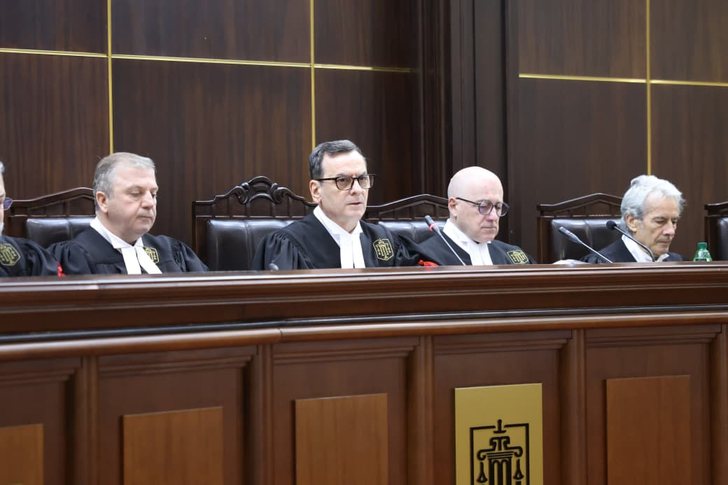
There is a subtle irony in the way Albanian justice occasi...
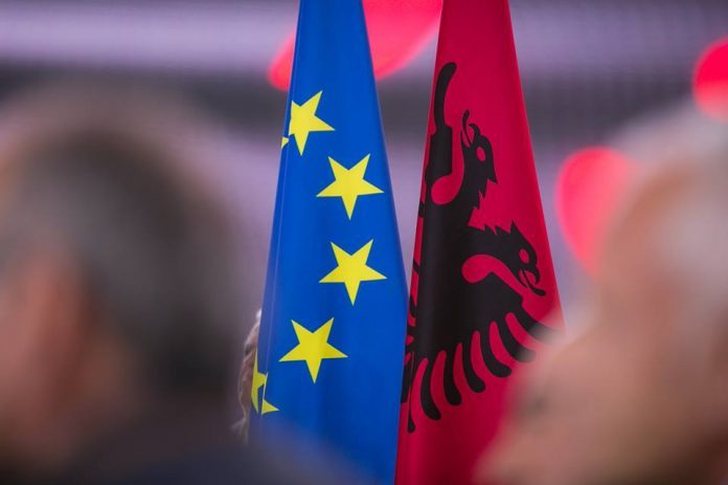
Albania's EU accession process is being shrouded in a fog ...
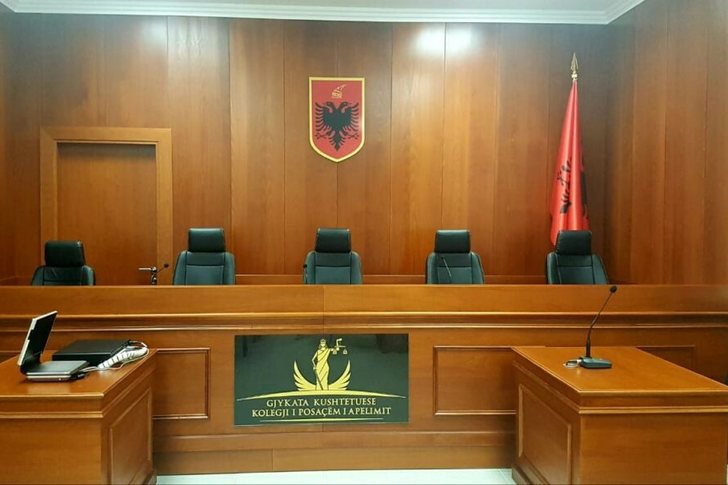
The members of the Special Appellate Panel have officially...
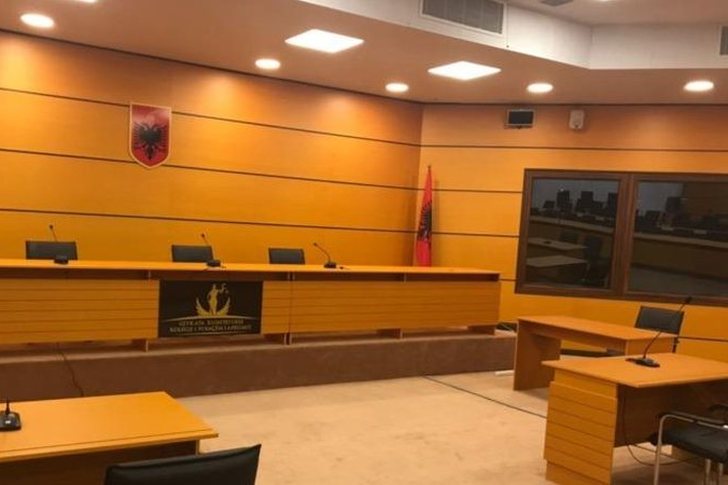
By lawyer Florian Bonjaku There are texts that, without t...
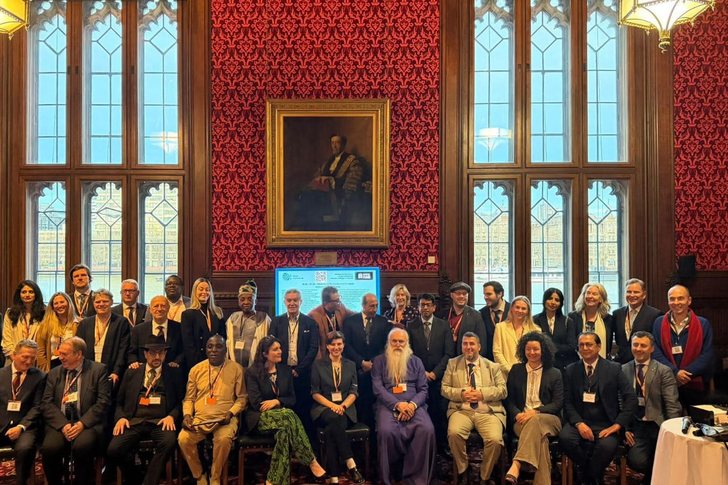
A new international initiative to limit the political use ...
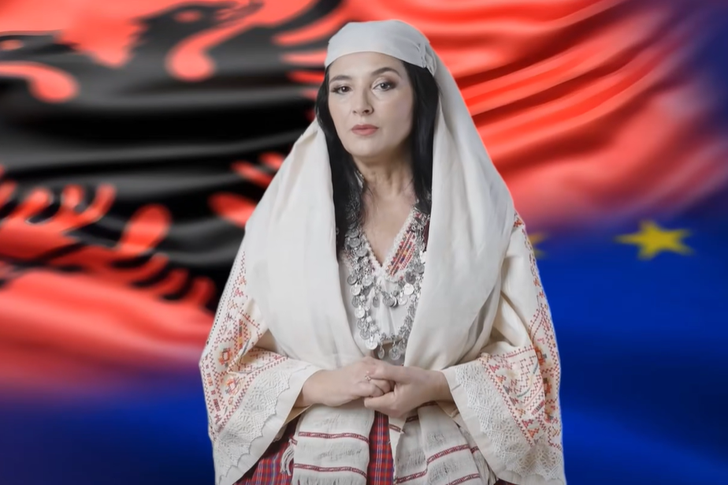
The Sun sat down to meditate. Not for long. As for a statu...
Even today, after three quarters of a century, the history o...
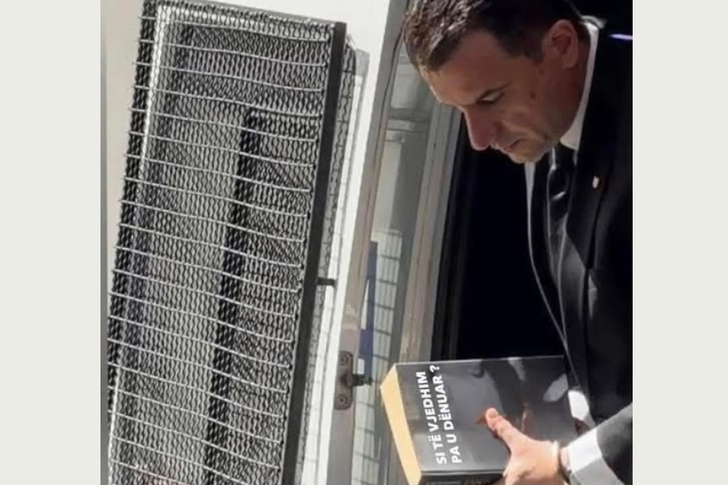
Impunity and impunity are reaching levels never seen befor...
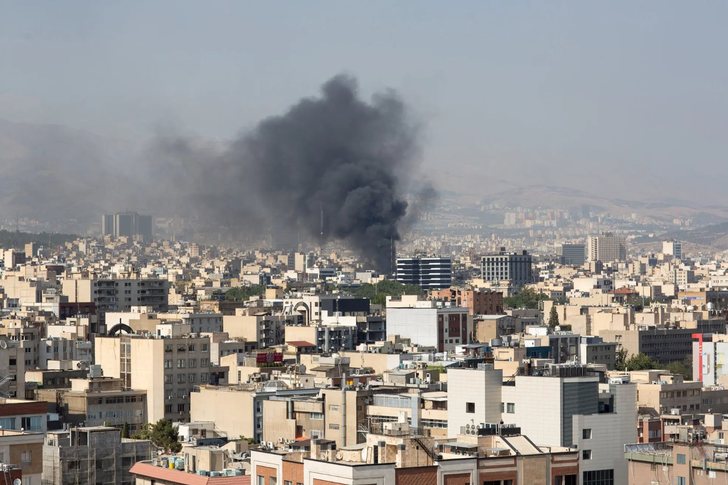
Global market movements appear to be largely driven by dev...
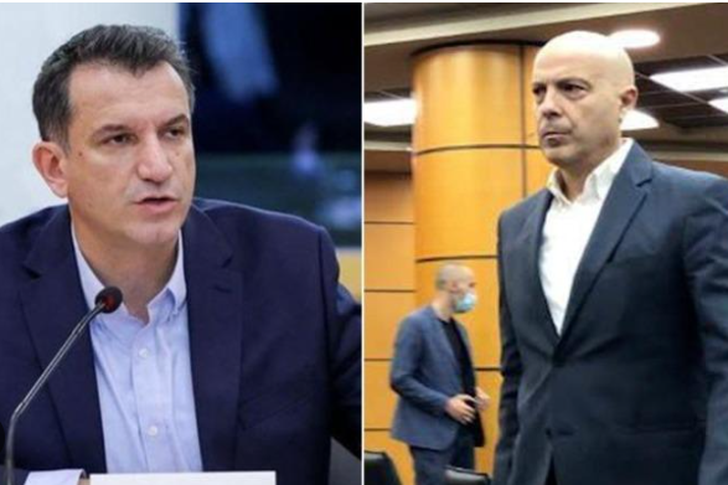
Erion Veliaj is finally being tested in the first battle o...
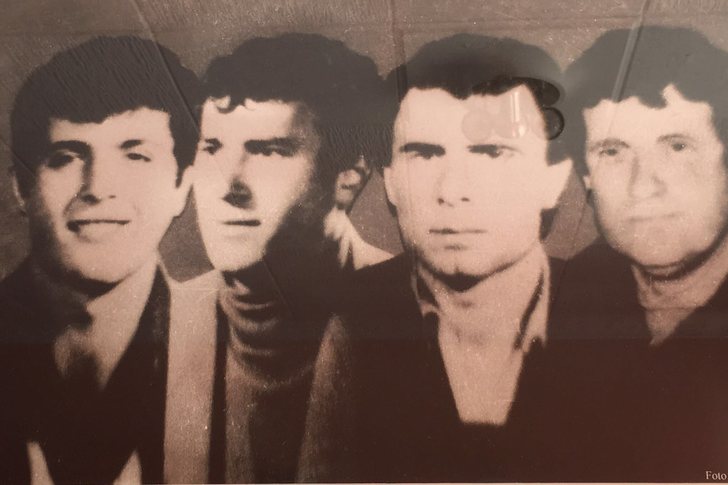
There are countries where the dead are honored. There are ...
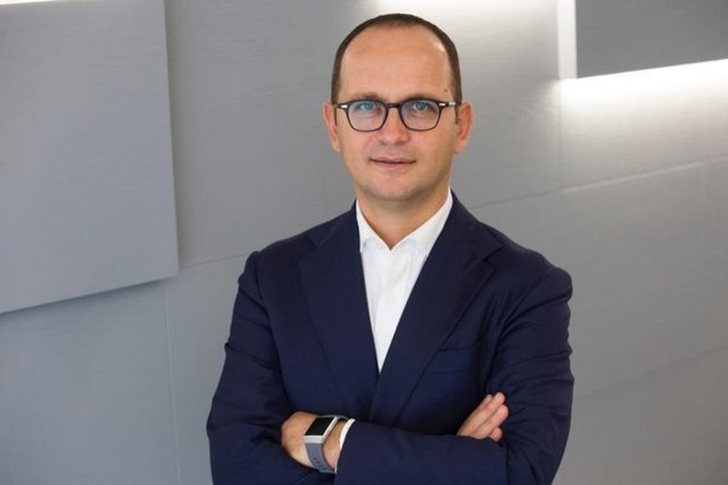
Enthusiastic promises to conclude negotiations by 2027 and...

Mimosa is a fragile, early, evocative, but also very delic...
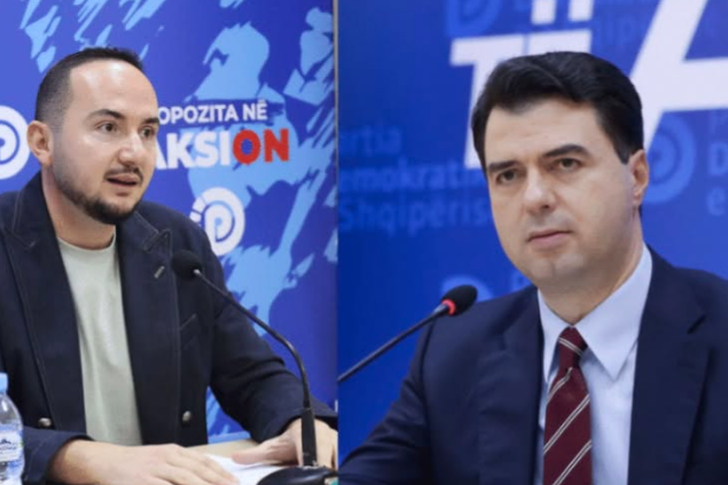
To all of Salianj's followers and supporters, I would say ...
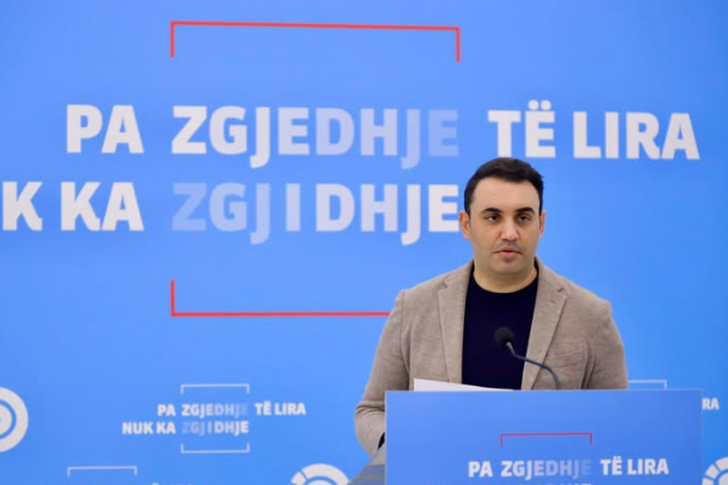
The Prime Minister, who yesterday morning increased the pr...
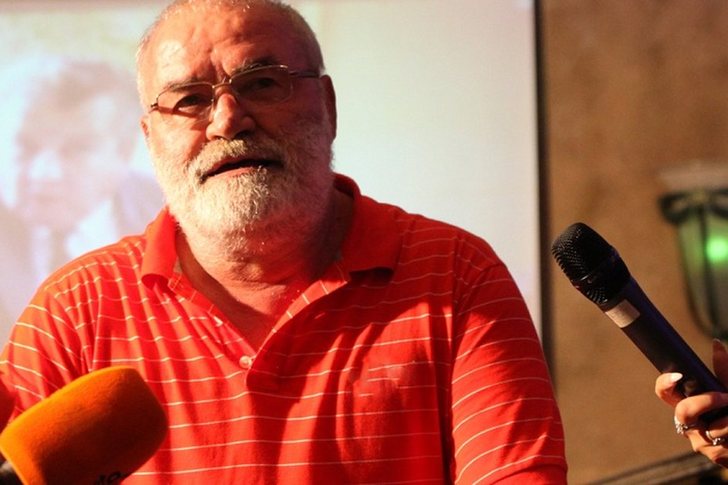
Then this guard, the last communist in the entire comm...
In politics, there are figures who build narratives. There...
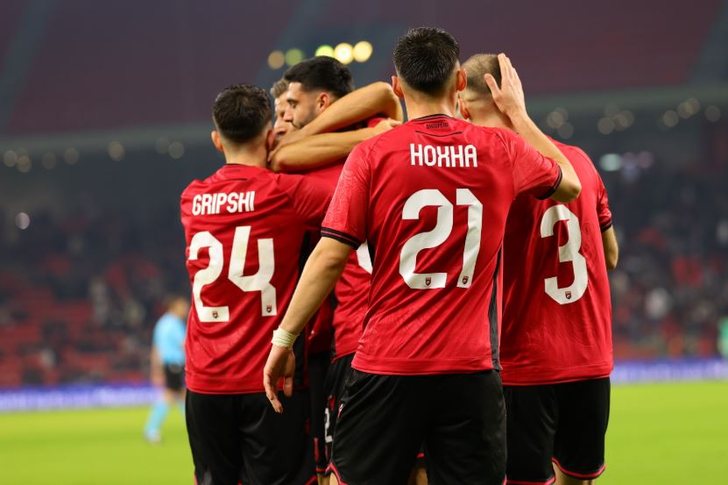
Last night, the Polish football team beat the football tea...

Artificial intelligence company Anthropic, inspired by 'an...
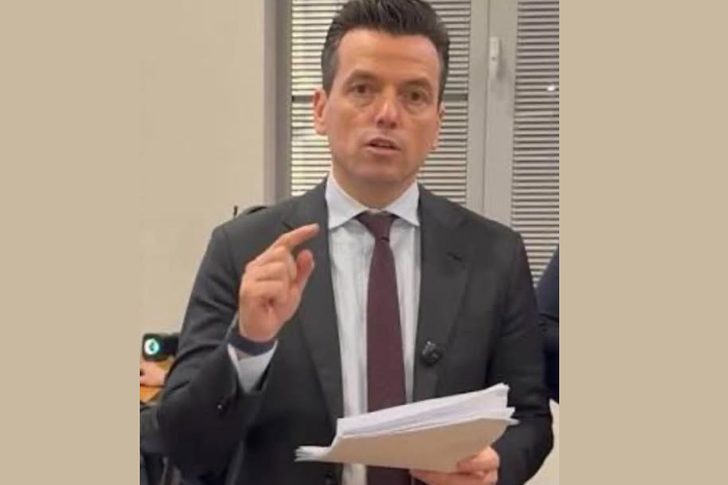
Agron Shehaj's latest action to collect 100,000 signatures "...
The case addressed this Wednesday, June 3, on the show "St...
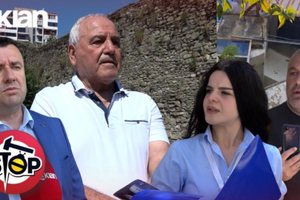
The show "Stop" broadcast this Wednesday, June 3, the case...

Irfan Hysenbelliu claims to be a big businessman, an hones...
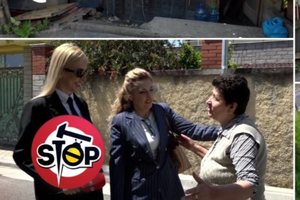
The show "Stop" dealt with a denunciation case this Tuesda...

The Special Board of Appeal (KPA) decided this Monday ...

The KPA vetting decided this Thursday to dismiss the p...

Suela Salavaçi, a prosecutor in the Prosecutor's Offic...

The Special Board of Appeal reinstated the prosecutor ...

A road accident occurred this evening on the Tirana-Durres...

Policia e Lezhës ka dalë me reagim zyrtar lidhur me ngjarj...
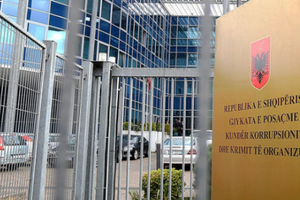
The Special Court against Corruption and Organized Crime h...
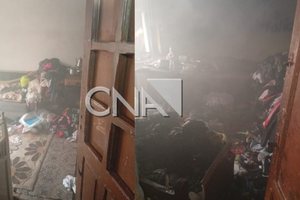
Një banesë është përfshirë nga flakët në lagjen nr. 4 në q...

An alarming figure of more than 166.4 thousand Albanians a...
The weather today will be mostly clear and temperatures wi...

The cherry harvest season is expected to begin in the vill...

The education system in Albania is facing a challenging re...
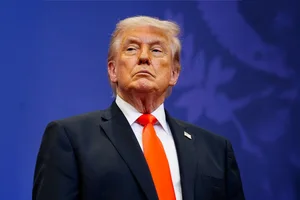
United States President Donald Trump announced in a post o...
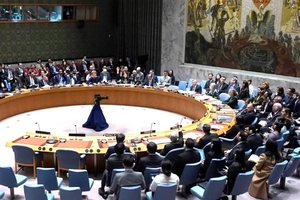
Asambleja e Përgjithshme e Kombet e Bashkuara ka përfundua...
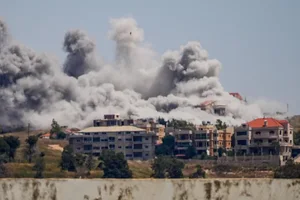
At least nine people have been killed in Israeli airstrike...
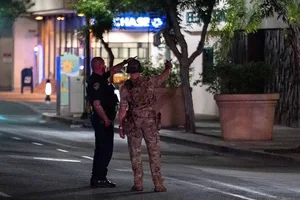
A serious incident has occurred in Bakersfield, California...

Korça is ready to open the summer season with one of the c...
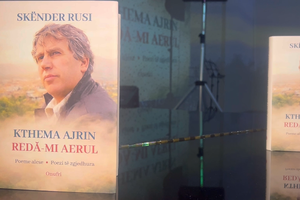
Two years after his passing, the renowned Korçë poet Skënd...

The Ethnographic Museum of Berat has opened its doors to v...
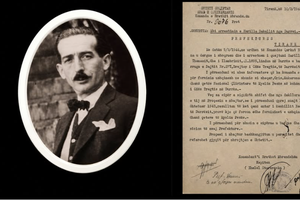
The story of Harilla Bakalli is one of the most chilling t...
The Minister of Finance, Petrit Malaj, announced today a n...
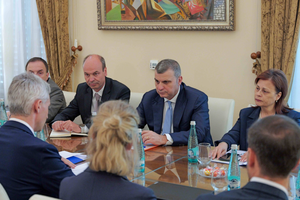
Guvernatori i Bankës së Shqipërisë, Gent Sejko, priti m...
Today, in the foreign exchange market, one US dollar is bo...

DP MP Igli Cara has submitted to the Parliament a draf...