


Businessman Artur Shehu breaks his silence: I am a long-time land owner in Zvërnec, I don't know the investors at all
Albanian businessman Artur Shehu spoke on the Opinion show...

Albanian businessman Artur Shehu spoke on the Opinion show...

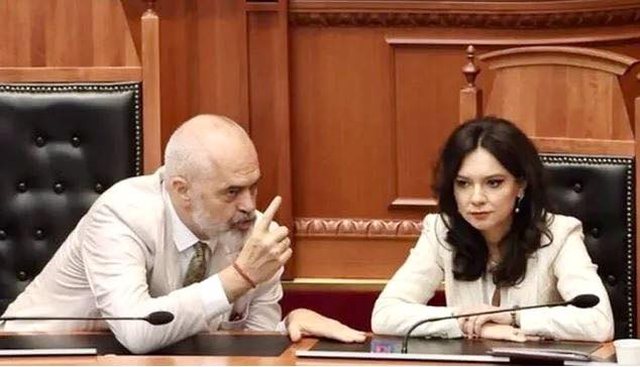
In Albanian politics, moments of individual "awakening" are often presented as acts of courage, as a break from a problematic past and as the beginning of a new path. It is enough that they are then served to the public as evidence of authenticity and as signs of a conscience that has finally decided to speak.
However, politics does not operate on statements; it operates on memory .
The latest case, after the removal from office of the minister, Ms. Spiropali, as an important figure of the Socialist Party, makes this distinction visible. The attempt to build a new profile; more critical, more independent, closer to the citizens, follows a familiar pattern: distancing from the old ways and positioning as “different from the others”.
In a climate tired of uniformity and, generally, dominated by political servility, this sounds tempting.
But this is where memory comes into play.
Because, for years, the same figure has been an inseparable part of the articulation of power; not simply as a militant or activist of the periphery, but as one of the strongest voices in the construction and dissemination of the political approach. An approach that has often fueled polarization, produced distrust and delegitimized any form of opposition.
This makes any simple act of distancing (if we can call it distancing!) insufficient.
Because distancing, in itself, is not repentance.
Credible change is not measured by speaking differently than before, but by confronting the past.
It requires an acknowledgement of the role played, an explanation of the reason for the change, and concrete evidence that this change is not merely rhetorical. Without this process, any attempt to present oneself as “different” risks remaining an exercise in careful political repackaging.
Without discouraging Ms. Spiropali's new approach in the slightest, I want to emphasize that, in essence, it reveals a deeper problem: the lack, now consolidated for many years, of a real culture of debate within the Socialist Party itself.
We must be clear that, in democratic societies, a political party is not measured only by its ability to win elections or hold power; it is also measured by its ability to produce opinion, to tolerate opposition, and to develop internal debate.
I think that's where the gap lies.
Instead of a space where ideas collide and differences are openly articulated, a structure has been built that favors and, moreover, imposes silence. Not as a result of a shared conviction, but as a product of strong political discipline and access control.
Debate, in this sense, has not disappeared; it has been replaced by simulation.
There is discussion, but no real opposition.
There are positions, but no risk of going against the line.
There are words, but no consequences.
And the lack of consequences makes the debate both harmless and useless.
Why does this happen?
Because, in a structure where power is strongly concentrated at the top, debate is not seen as a means of improvement, but as a threat to control. In practice, the leadership of the Socialist Party is centralized in the chairman, while other forums function more as formal mechanisms than as real decision-making spaces.
In this context, debate produces uncertainty.
It opens up possibilities for alternatives, creates difference and challenges the official line. And that is precisely why it is restricted. Not necessarily through outright prohibition, but through a culture where self-censorship, discipline and conformity become the norm.
This is not a deviation; it is a way of functioning.
The result is an apparent paradox: a party strong in power, but weak in debate.
And when debate is absent internally, every small deviation from the outside is perceived as a major shock. A different voice is not treated as part of normality, but as an exception that is either glorified or delegitimized.
This is where the media intervenes, amplifying this deviation as a "revolution".
But labeling any different stance as a revolution is as problematic as the lack of debate itself. It artificially inflates the act and, at the same time, shifts attention from content to spectacle.
In this climate, the public is often accused of cynicism. But distrust is not necessarily cynicism; it is often a product of memory.
A society that has seen the way political approaches are constructed and recycled has reason to be skeptical of any attempt to present itself as “different.” And this skepticism is not an obstacle to democracy; on the contrary, it is a defense mechanism for it.
The real problem, then, is not whether an individual changes. The problem is whether there is a space where change can take shape.
Because without a culture of debate, reflection remains individual and isolated, criticism remains episodic, and any attempt at change risks being absorbed by the system that produces it.
For this reason, opportunities in politics are not given as a gesture of goodwill; they are earned through cost.
And the real cost of change is not just personal; it is also institutional. It requires creating real spaces for debate and a willingness to tolerate dissent.
Without these, any distancing remains dubious.
Because, in the end, politics can only change when it confronts its own memory.
And a debate that does not produce danger does not produce change.

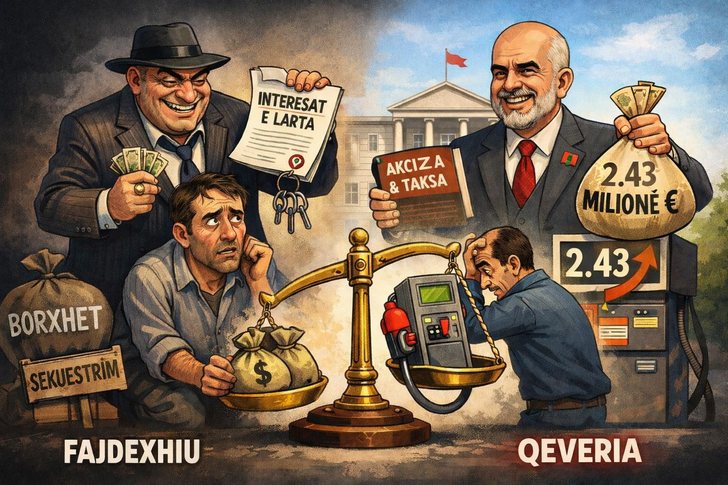
There is a figure that is generally known to every society...
Protest is a legitimate right. It is one of the few mechan...
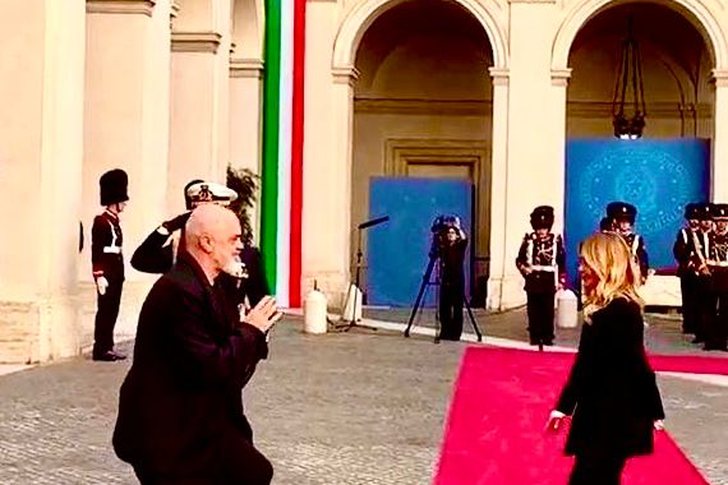
In diplomacy, a gesture is never neutral. It is always a m...
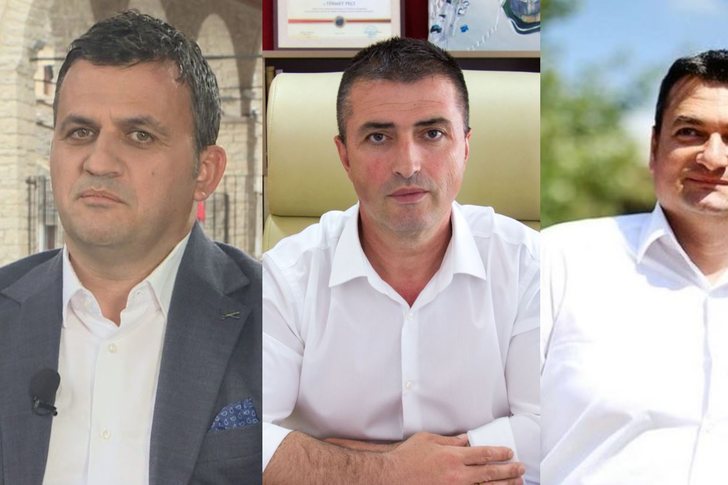
The year began at the height of the electoral campaign bet...
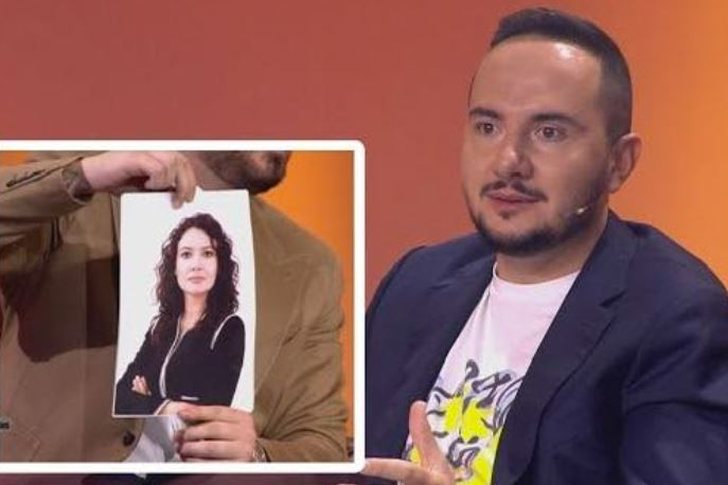
Elisa Spiropali seems to be copying Ervin Salianji. She ha...

One sentence sums up the entire Albanian political situati...
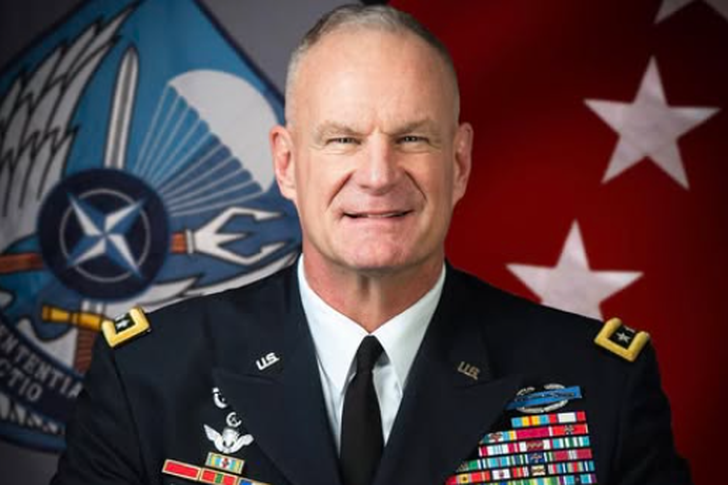
US President Donald J. Trump's proposal to appoint Lieuten...
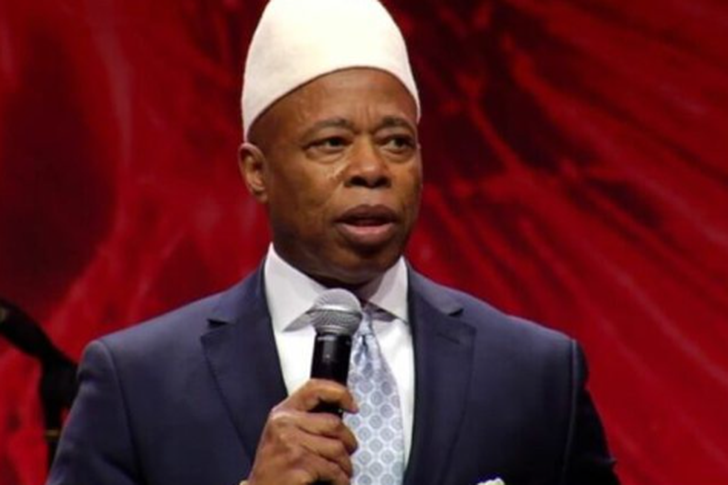
In recent days, several television studios in the capital ...
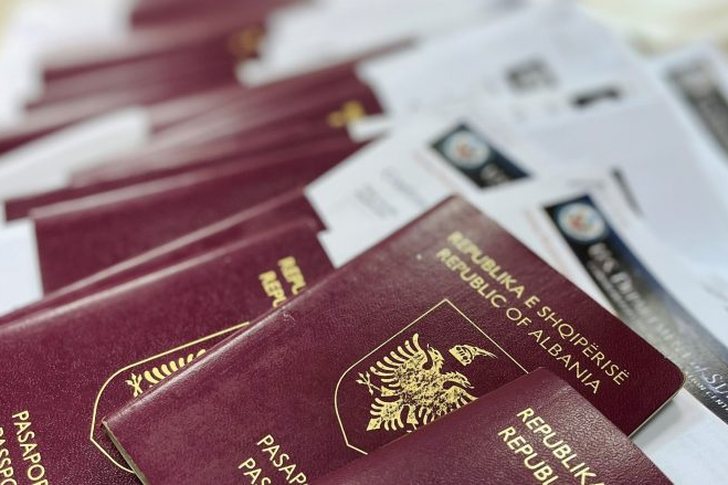
The Albanian diaspora is the only one on the planet that i...
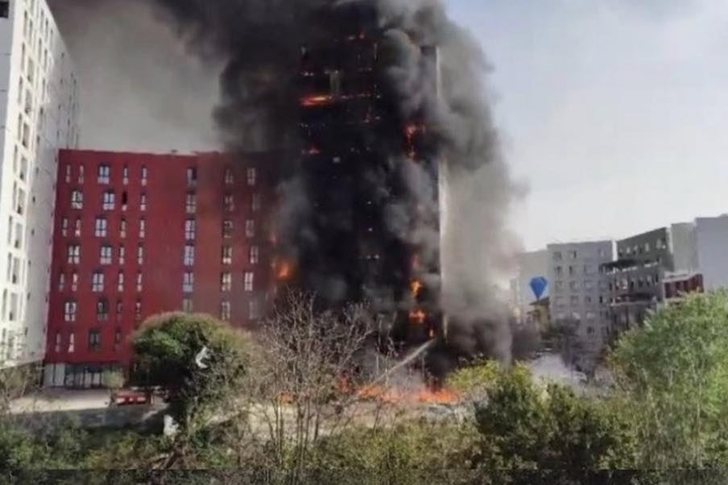
The fire that consumed an entire building in Tirana on Tue...
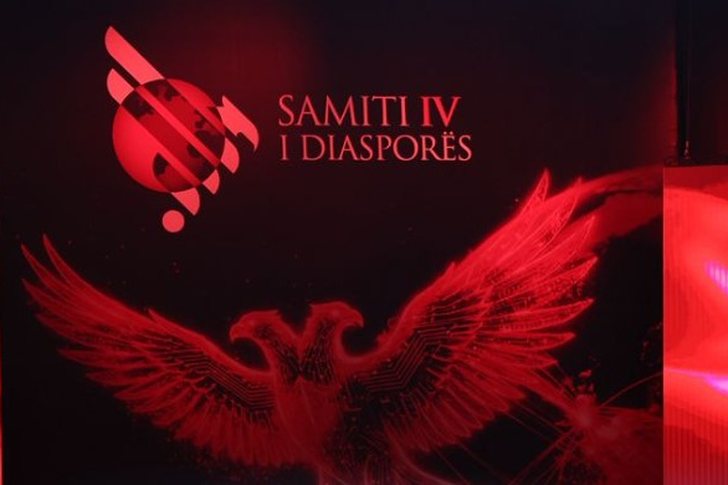
Watching the Diaspora Summit on TV, I can't help but retur...
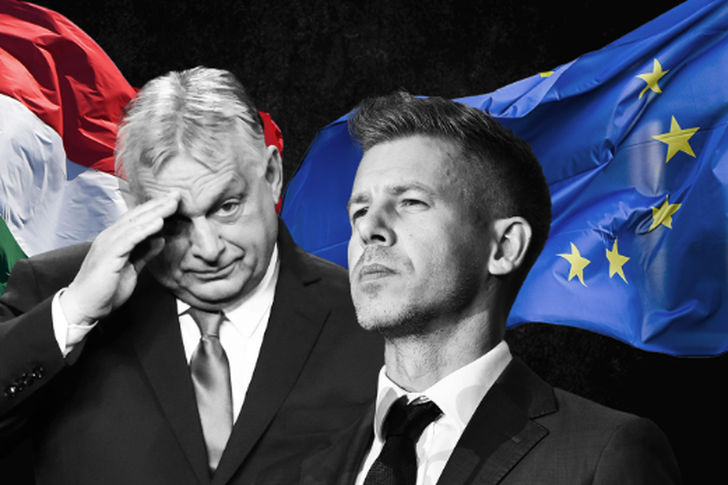
Péter Magyar's victory in Hungary marks an important victo...
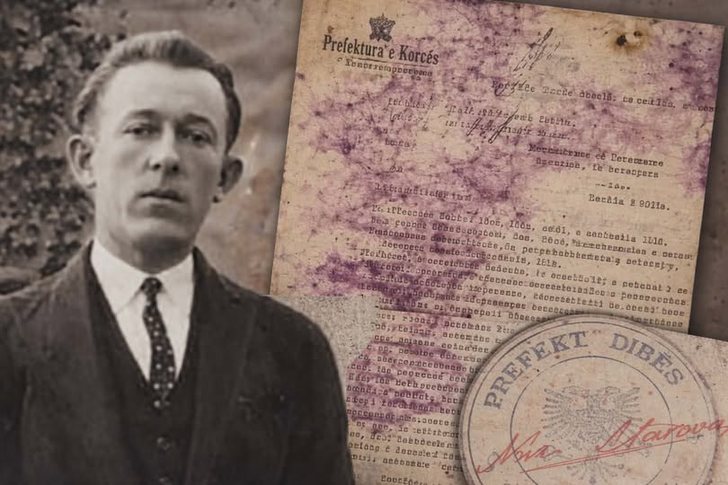
A photograph faded by time, showing a man dressed in a dark ...
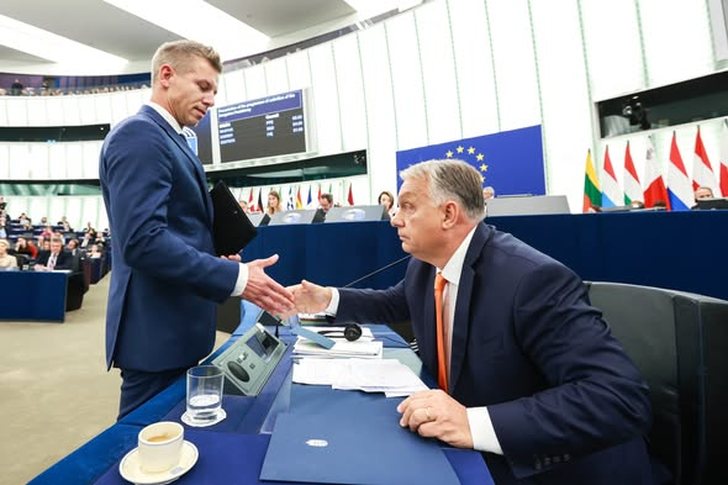
The history of the elections in Hungary cannot be read wit...
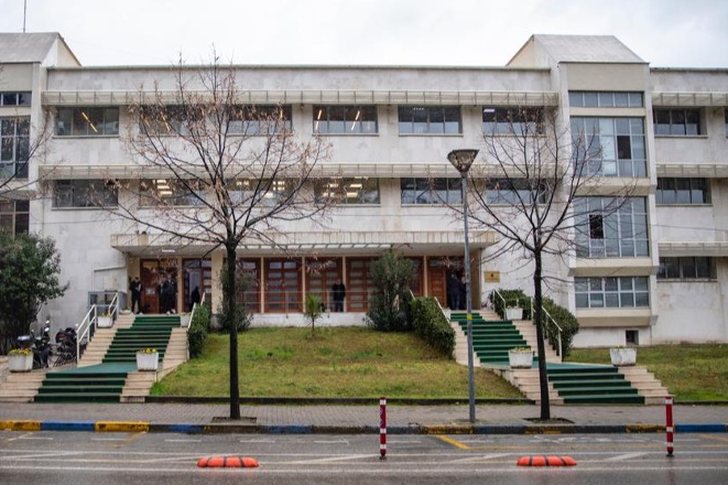
The National Agency for the Information Society (NAIS) has...
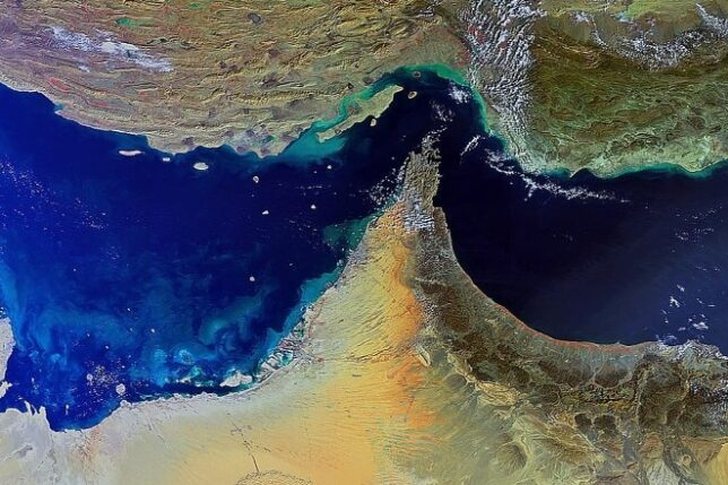
The Strait of Hormuz has been one of the most sensitive po...
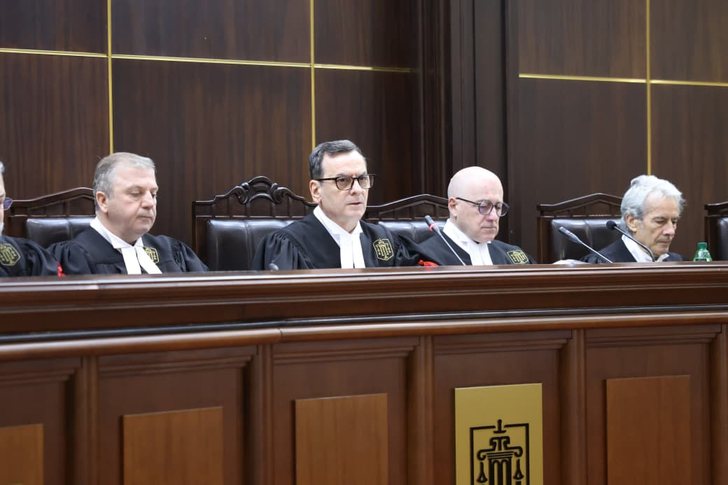
There is a subtle irony in the way Albanian justice occasi...
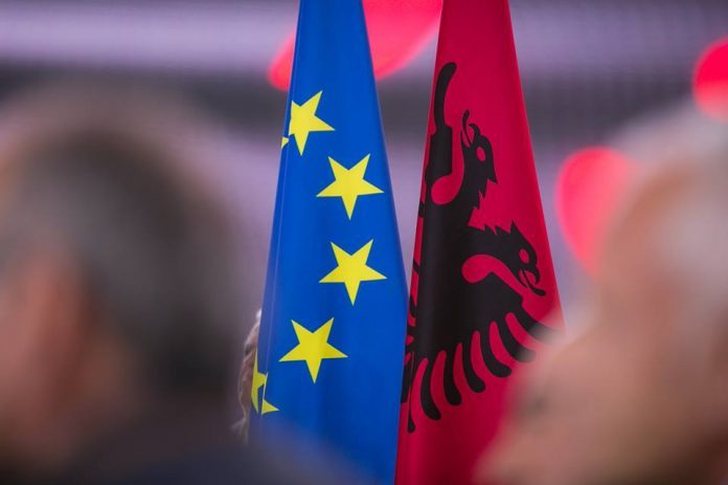
Albania's EU accession process is being shrouded in a fog ...
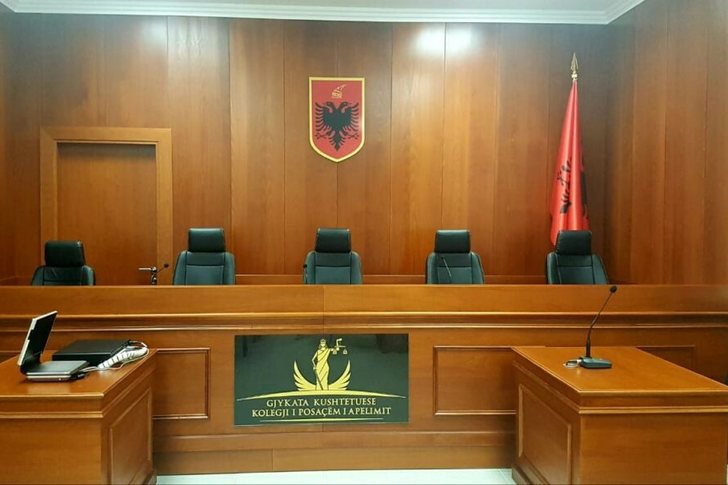
The members of the Special Appellate Panel have officially...
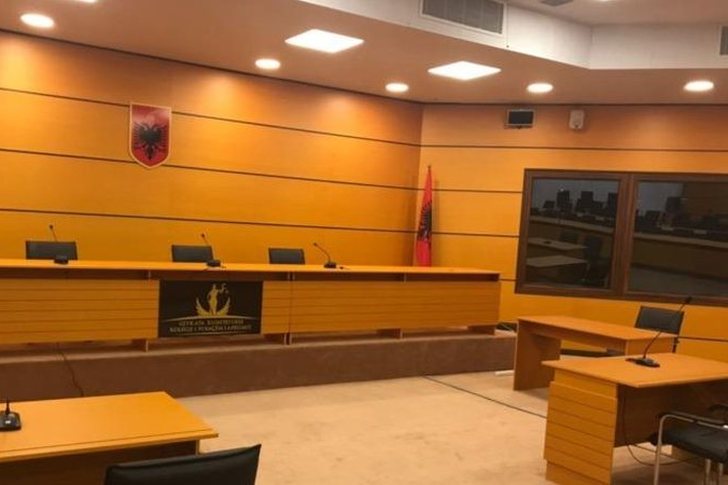
By lawyer Florian Bonjaku There are texts that, without t...
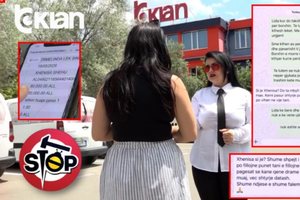
The next case broadcast on the show "Stop", this Thursday,...
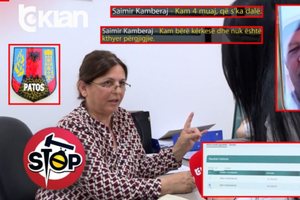
The case published this Thursday, June 4, on the show "Sto...
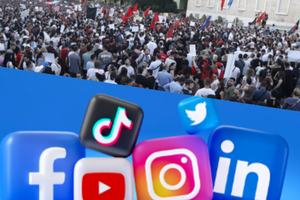
The protests of recent days related to the situation in Zv...
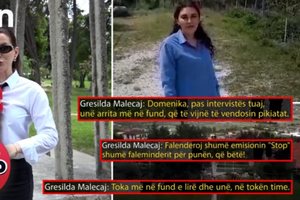
The case addressed this Wednesday, June 3, on the show "St...

The Special Board of Appeal (KPA) decided this Monday ...

The KPA vetting decided this Thursday to dismiss the p...

Suela Salavaçi, a prosecutor in the Prosecutor's Offic...

The Special Board of Appeal reinstated the prosecutor ...
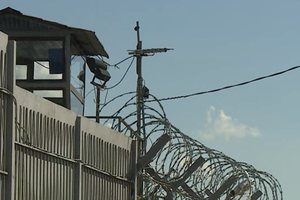
A convict was found dead today in the premises of the Pris...
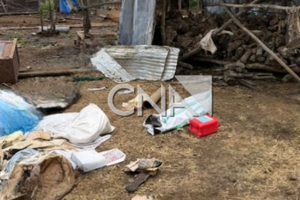
Several images provided by CNA show the area where this mo...
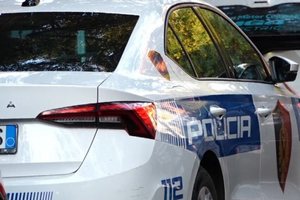
A quantity of explosive material exploded this morning at ...
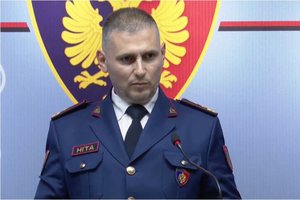
The Head of the State Police, Skënder Hita, expressed his ...

For many children and teenagers, the long summer holidays ...
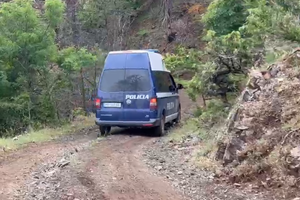
Witnesses in Lozhan, Maliqi, have shared details from the ...
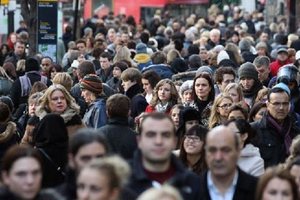
Albania is facing an unprecedented demographic transition,...
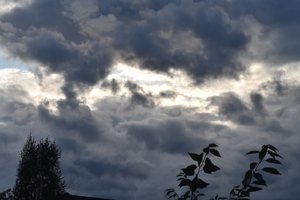
On Thursday, our country will be affected by unstable weat...
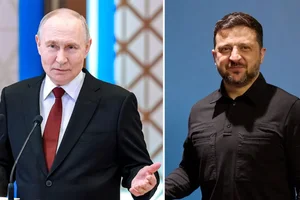
Russian President Vladimir Putin said the war in Ukraine c...
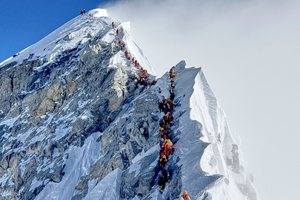
An extraordinary story of survival has been recorded in Ne...
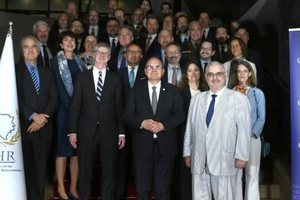
The Peace Implementation Council in Bosnia and Herzegovina...
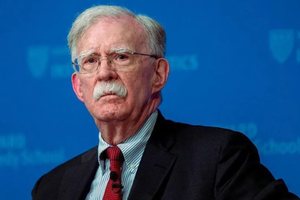
John Bolton, the former national security adviser to US Pr...
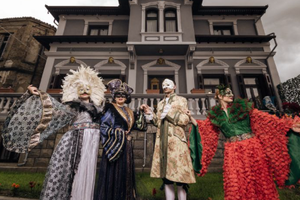
Korça is ready to open the summer season with one of the c...
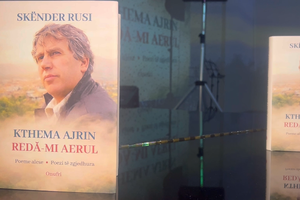
Two years after his passing, the renowned Korçë poet Skënd...
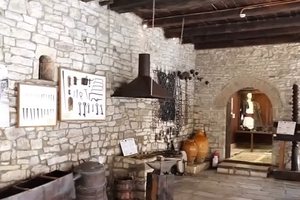
The Ethnographic Museum of Berat has opened its doors to v...
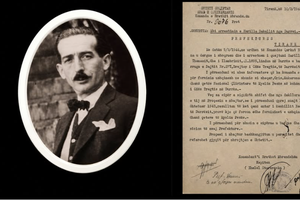
The story of Harilla Bakalli is one of the most chilling t...
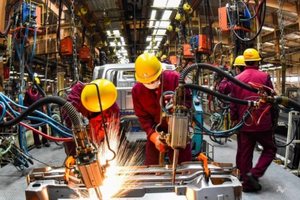
The government aims to transform the country's industrial ...
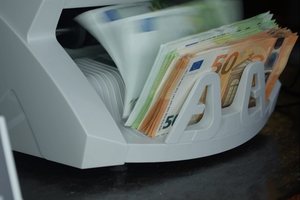
Kursi i këmbimit të euros me lekun ka rënë më tej këtë jav...

Profit margins in the construction sector have increased s...

The Transparency Board, at its meeting today, decided to i...