


Konflikti tregtar mes BE-së dhe SHBA-së
Në mosmarrëveshjen për tarifat doganore mes Bashkimit Evro...


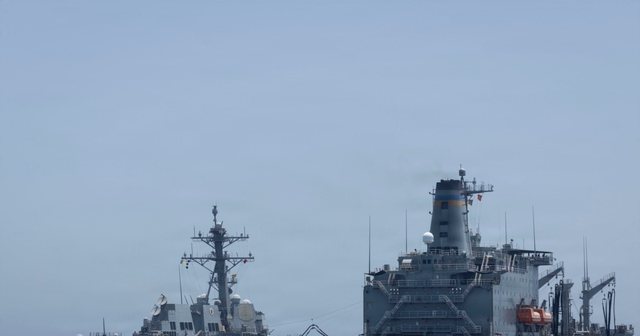
Iran blamed the United States for the recent escalation of clashes in the Persian Gulf, as Washington awaits a response from Tehran on its latest proposal to end the war between them.
Senior US officials, from President Donald Trump to US Secretary of State Marco Rubio, said on May 8 that Iran's response to a US proposal to end the conflict - which comes as fragile ceasefire efforts continue amid fresh military incidents in and around the Strait of Hormuz - was expected within hours.
But, as of May 9, there was no announcement from Tehran about its response, other than a brief statement questioning Washington's seriousness in the talks.
"The recent escalation of tensions by US forces in the Persian Gulf and their numerous actions in violation of the ceasefire have increased doubts about the motivation and seriousness of the American side on the path of diplomacy," Iranian Foreign Minister Abbas Araqchi said during a telephone conversation with Turkish Foreign Minister Hakan Fidan, according to an Iranian summary published by the semi-official ISNA news agency.
A day earlier, Rubio told reporters during a visit to Rome that the Trump administration expected a response "sometime today [May 8]."
"I hope it's a serious offer, I really hope so," Rubio added.
Trump backed up this statement in comments to CNN, saying: "We're supposed to hear from them tonight."
Rubio also strongly defended recent US military actions in the Persian Gulf and rejected Iranian efforts to regulate navigation through the Strait of Hormuz, a strategic sea route through which about a fifth of global oil and gas supplies pass.
"Iran now claims that it owns, that it has the right to control, an international waterway... This is an unacceptable thing that they are trying to normalize," Rubio said after reports that Tehran had created an agency to approve the passage of ships through the strait.
"Normalizing their control over an international waterway is both illegal and simply unacceptable," he added.
Rubio said the recent clashes in the Persian Gulf began after Iranian forces targeted American warships.
“What you saw yesterday were American destroyers moving through international waters and being fired upon by the Iranians, and the United States reacted defensively to defend itself,” he said on May 8. “We didn’t fire. They fired at us.”
Iran, however, has stated that the confrontation began after US ships attacked an Iranian civilian tanker near the Strait of Hormuz.
Araghchi on May 8 accused Washington of undermining diplomacy, saying in a post on X that “every time a diplomatic solution is on the table,” the United States chooses “a reckless military adventure.” Despite the exchange of accusations, both sides publicly stated that the ceasefire remains in effect. /REL

Në mosmarrëveshjen për tarifat doganore mes Bashkimit Evro...
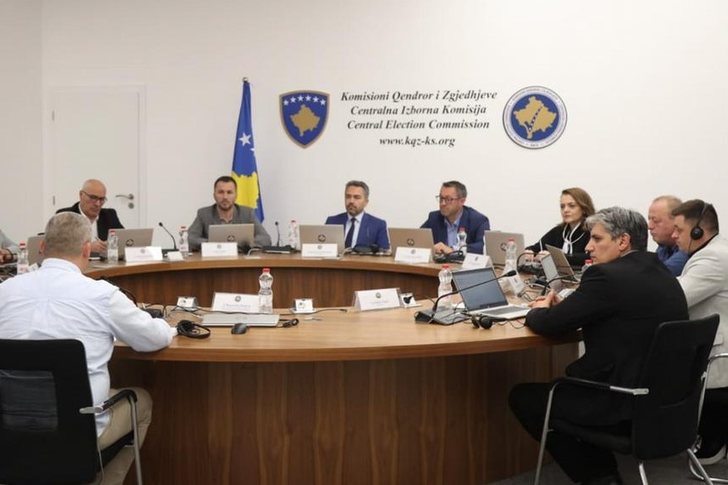
The Central Election Commission (CEC) announced that 22 po...
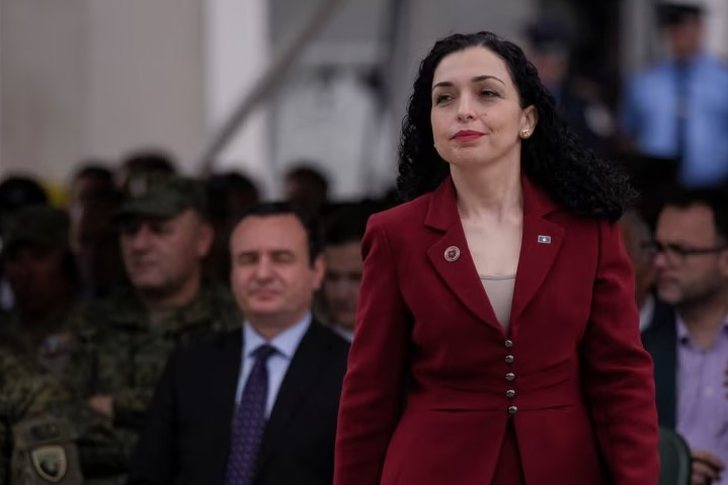
The Democratic League of Kosovo has formalized the agreeme...
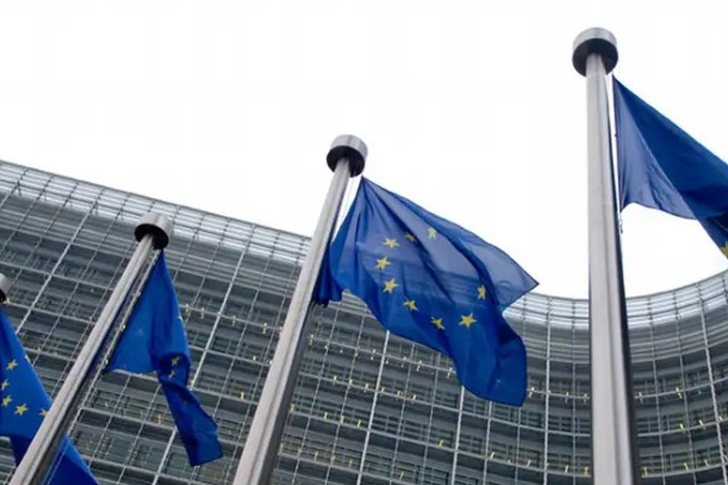
On May 9, the EU honors former French Foreign Minister Rob...
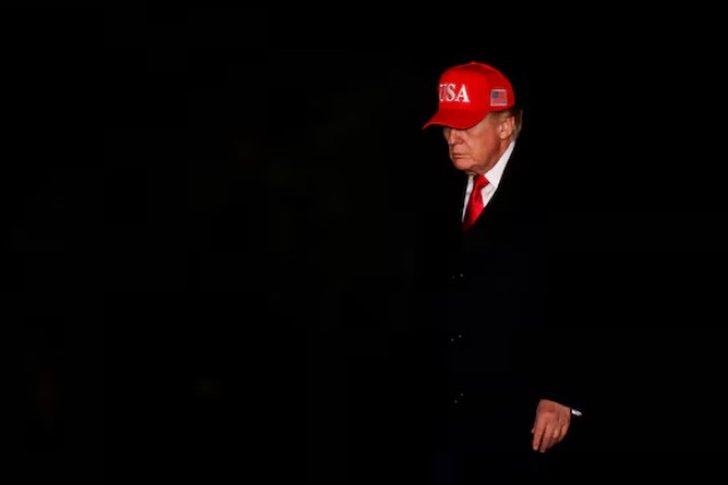
President Donald Trump is facing growing criticism and ten...
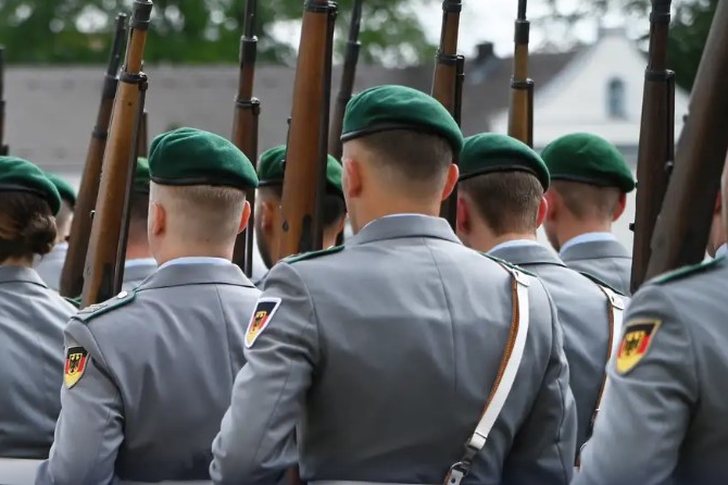
Germany has designated 24 sites for new centers to assess ...
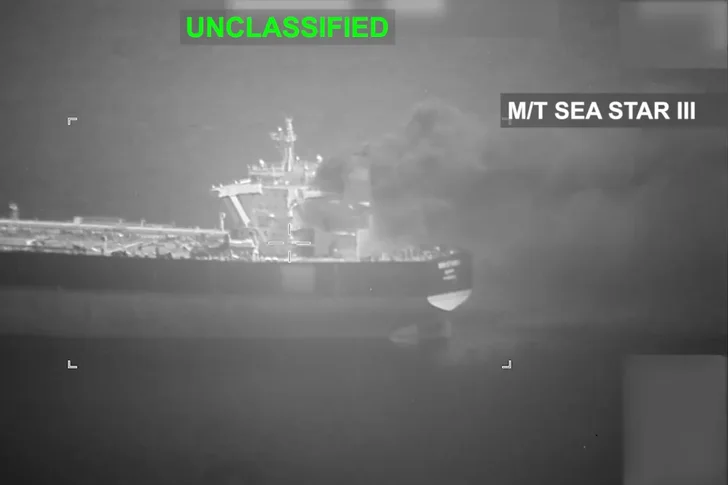
The US military has fired on two Iranian-flagged tankers t...
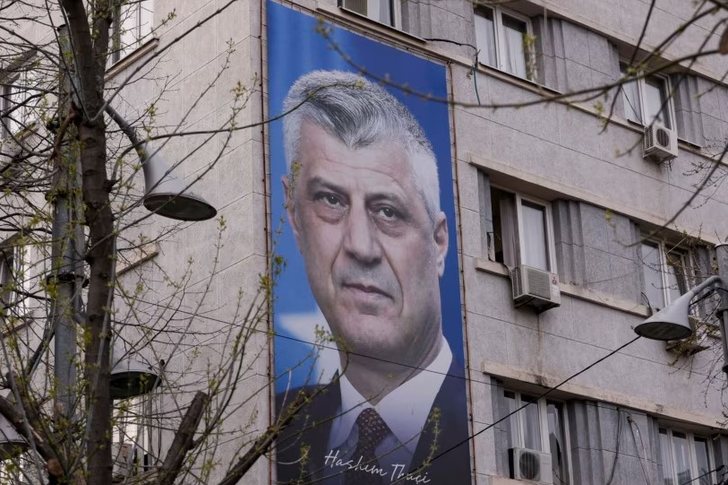
Teksa disa në Kosovë shprehën pakënaqësi me vendimin e pan...
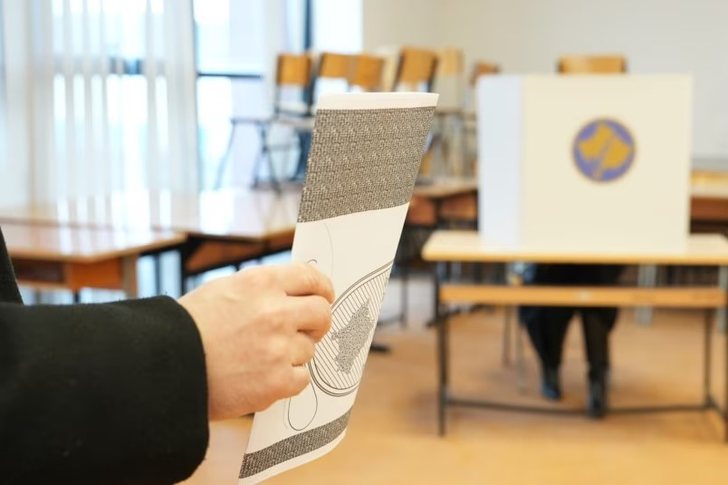
Over 20 political entities and three coalitions will offic...

Russian President Vladimir Putin is ready to negotiate wit...
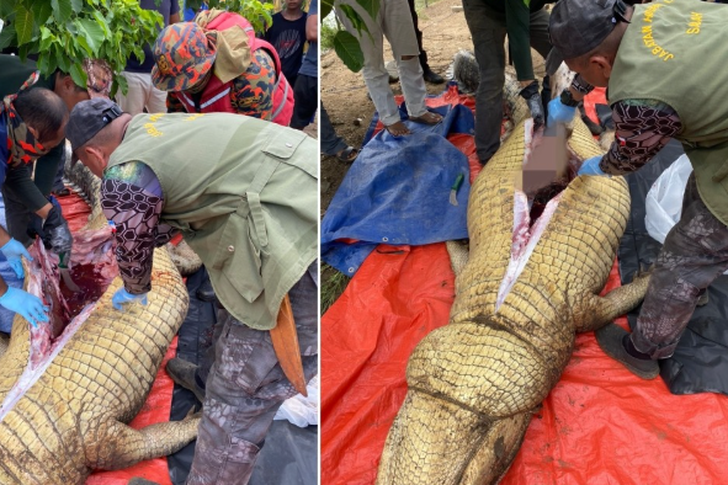
The remains of a Portuguese citizen have been recovered fr...
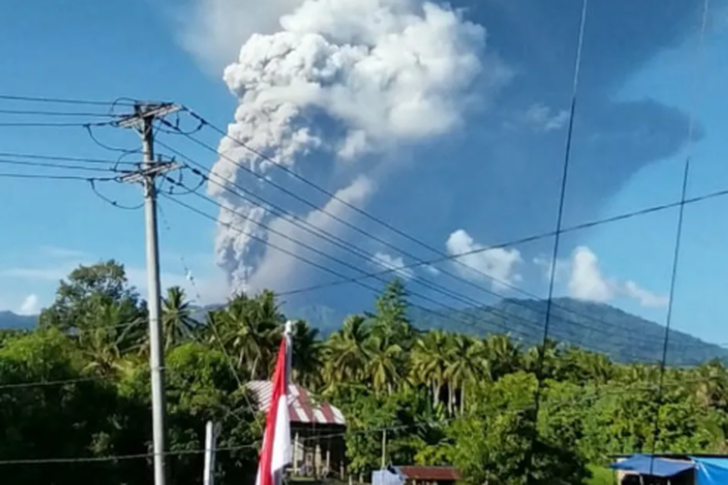
At least three climbers, one from Singapore and one from I...

A woman in Ethiopia has given birth to quintuplets, consid...
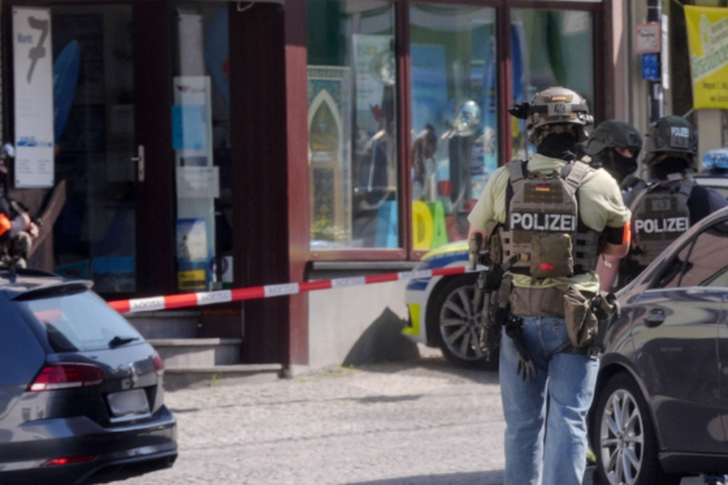
German police said Friday that several people were taken h...
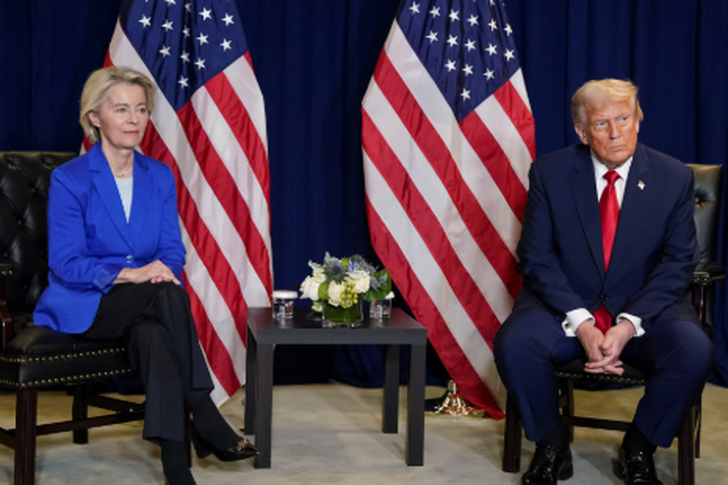
Shefja e BE-së, Ursula Von der Leyen dhe presidenti i Shte...
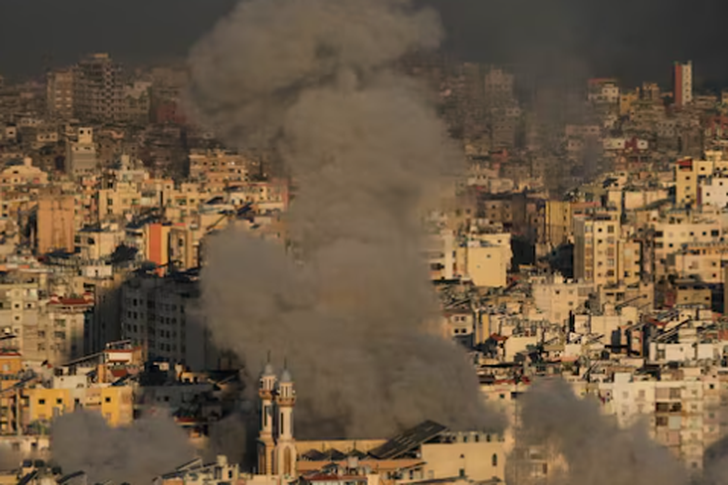
Israeli air strikes killed at least 12 people in southern ...

Pope Leo has been at the head of the Catholic Church for a...
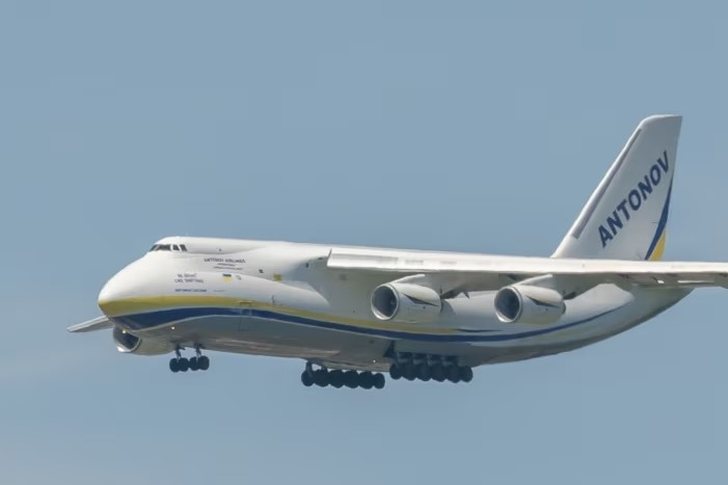
The arrival of an Antonov An-124 aircraft at Pristina Inte...
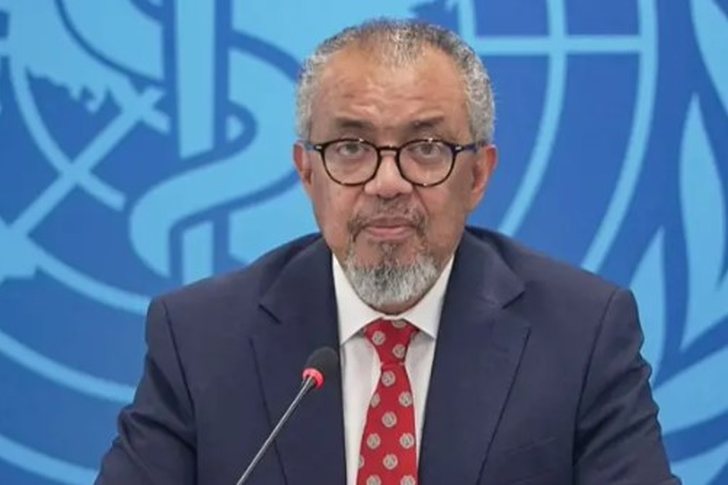
The World Health Organization has stated that the outbreak...
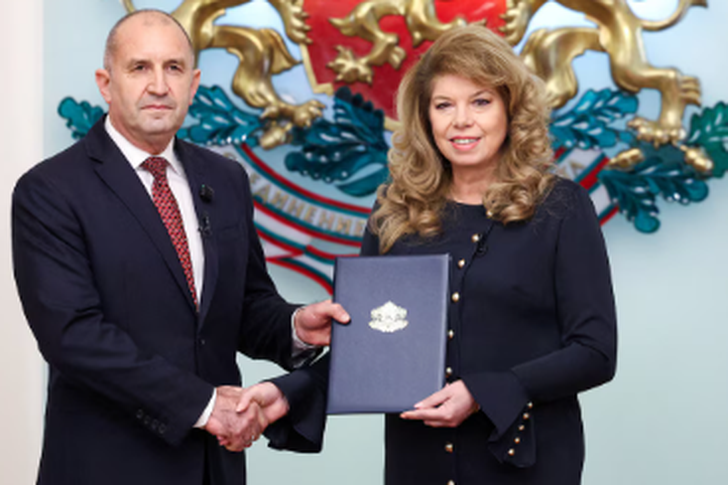
Bulgarian President Iliana Iotova on Thursday mandated Rum...

The murder of officer Enea Mekolli in the line of duty has...

The next case broadcast on the show "Stop", this Thursday,...

The case published this Thursday, June 4, on the show "Sto...

The protests of recent days related to the situation in Zv...

The Special Board of Appeal (KPA) decided this Monday ...

The KPA vetting decided this Thursday to dismiss the p...

Suela Salavaçi, a prosecutor in the Prosecutor's Offic...

The Special Board of Appeal reinstated the prosecutor ...

A money changer in Durrës lost 60 thousand euros after bei...
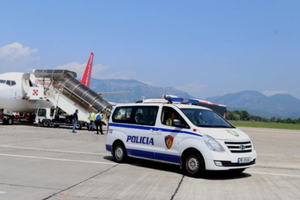
The 6 citizens captured in Dubai, members of criminal grou...
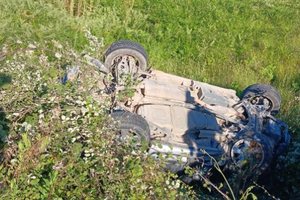
A serious accident occurred on the Kardhiq-Delvinë axis, i...

Authorities have conducted a large-scale anti-drug operati...

Today our country will be affected by stable weather condi...

For many children and teenagers, the long summer holidays ...

Albania is facing an unprecedented demographic transition,...

On Thursday, our country will be affected by unstable weat...
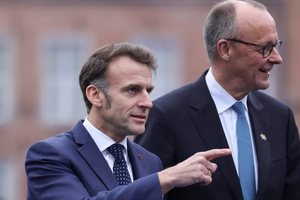
On the eve of the EU-Western Balkans summit, Germany and F...
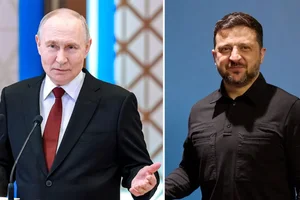
Russian President Vladimir Putin said the war in Ukraine c...

An extraordinary story of survival has been recorded in Ne...
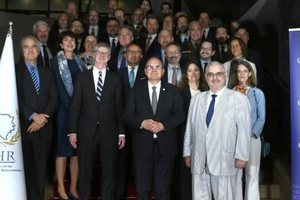
The Peace Implementation Council in Bosnia and Herzegovina...

Korça is ready to open the summer season with one of the c...
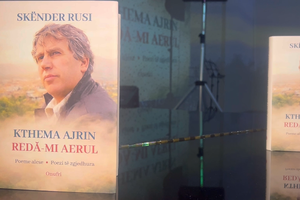
Two years after his passing, the renowned Korçë poet Skënd...

The Ethnographic Museum of Berat has opened its doors to v...
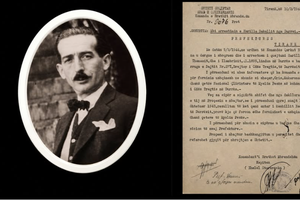
The story of Harilla Bakalli is one of the most chilling t...

Despite years of efforts at regional cooperation and free ...

Albania is the country with the highest level of severe ma...

This Friday, one US dollar is bought for 81.3 lek and sold...

The government aims to transform the country's industrial ...