

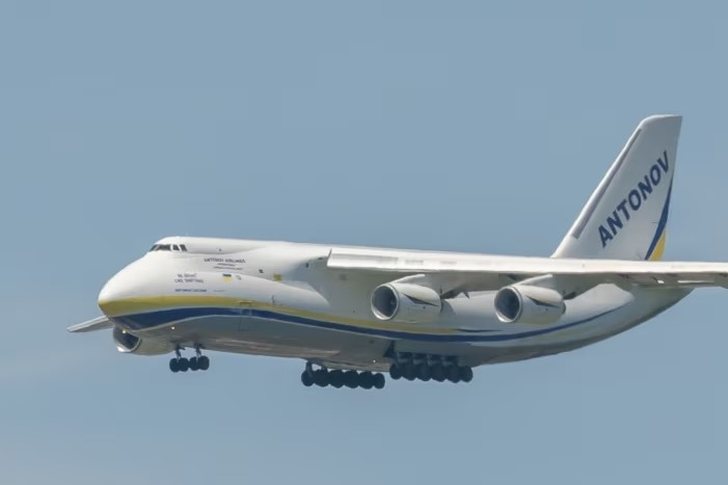
Antonov in Kosovo: Everything we know about the flight of the large transport plane
The arrival of an Antonov An-124 aircraft at Pristina Inte...


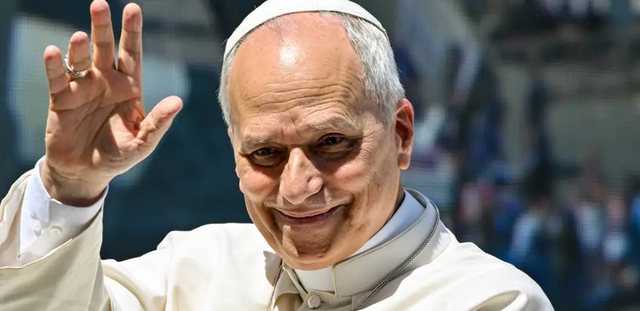
Pope Leo has been at the head of the Catholic Church for a year. From a media perspective, he is not unknown, but judging by his actions, he still is. In what direction is the Pope leading the Catholic Church?
He wears more formal and traditional clothes than his predecessor, and in addition, Pope Leo XIV, unlike Pope Francis, still lives in the Apostolic Palace high above St. Peter's Square in the Vatican. He also, something Francis never did, occasionally retreats to the papal summer residence of Castel Gandolfo.
When it comes to external features, American Cardinal Robert Prevost, who was elected head of the Catholic Church by conclave on May 8, 2025 and who took the name Leo XIV, behaves in many ways differently from his predecessor.
Where are you leading the Church?
However, when it comes to theological and church-political programmatic direction, its direction is still unclear. So far, there is no encyclical, no major teaching document from Leo's pen, pointed out Augsburg church historian Jörg Ernesti in an interview with DW.
Thus, "it remains open where he is leading theologically." The first words Leo uttered on May 8, 2025, a few hours after his election from the loggia of St. Peter's Basilica, were: "Peace be with you all!" No term appears more frequently in that speech than the word "peace."
Leo supported “an unarmed and disarming peace, humble and persistent.” In doing so, he largely followed the line of his predecessor, who had repeatedly spoken out about the Russian attack on Ukraine and the conflict in Gaza.
The particularly militarized foreign policy of US President Donald Trump gives the peace motive additional importance - US intervention in Venezuela, threats to Cuba and Greenland, war with Iran. Most recently, the attack on Iran, whose nuclear weapons ambitions have been a cause for international concern for years, led to an open conflict between the two most important Americans in the world at the moment: the Pope, who mostly speaks his mind, and the President, who acts tough.
In the Iran war, Trump openly threatened to destroy Iran after Easter. “All of civilization will disappear tonight,” he said. When the Pope dismissed the threat as “truly unacceptable” and warned against “fantasies of omnipotence” that are becoming “increasingly unpredictable and aggressive,” Trump attacked him personally.
He called it “very leftist” and, in terms of foreign policy, “terrible.” Perhaps Trump is ignoring the importance of Venezuela and Cuba, but also Lebanon, to the Catholic Church. All three countries have a Catholic tradition.
Attack on the Pope: "Neither Hitler, nor Mussolini, nor Napoleon"
Church historian Ernesti, who has written numerous books on the papacy and individual popes, calls Trump's attack on Leo unprecedented. "No one has ever spoken so disparagingly of the person of the Pope: Not Hitler, not Mussolini, not Napoleon."
It is also "completely pointless" to challenge a moral authority like the Pope. According to Ernest, Leo reacted very wisely and calmly requested his services. Later, Leo told reporters on the plane to Africa that he was not afraid of Trump.
The attack by the US President led to the fact that the critical statements of the head of the Church, made in a short speech one evening in Castel Gandolfo, received worldwide attention. The fact that several countries in the Western world, including the US, report a new surge of interest in religion and the Church in recent months may also contribute to this.
US Vice President JD Vance's polemic with the Pope drew less attention. However, in principle, it may have been more important to Leo than the president's outbursts. Vance, who converted to Catholicism only in 2019 and leans more towards reactionary theological thinkers, urged the Pope to be careful when talking about theology. It would be better "for the Vatican to stand on moral issues." Vance later softened his tone.
No opposition to Europe - so far
Unlike his predecessor, Pope Leo's previous speeches and statements cannot be read as criticism of Europe or the Church in European countries. Pope Francis has occasionally used harsh words and accused Europe of being tired and closed. So far, when he receives representatives of European countries, Leo has always been friendly. In June, he is scheduled for a six-day visit to Spain.
However, it can be seen that Africa is particularly close to him - both in his heart and in his attention. In April 2026, he spent eleven days in four African countries. Thus, he stayed longer in Africa than Benedict XVI during his eight-year papacy. Since the beginning of his papacy, he had thought about traveling to Africa, Lav said more than once.
Africa surpasses Europe
For expert Ernesti, this "very conscious decision of Leo" fits into a broader context. For 150 years, Africa has been "the focus of the popes."
Today, the Church in Africa is growing by an average of three percent a year, while the European Church is stagnating. "The centers of gravity within the Catholic Church are shifting," says Ernest. More and more Africans are working in the Vatican. This focus and appreciation on the part of the Pope certainly also applies to his view of Asia and Latin America.
Since the conflict between US President Trump and the Pope, many observers no longer expect the Chicago-born Leo to visit the US during the Trump years.
The Vatican is responding in its own way to rumors that the US administration would like to see the head of the Church at the celebration of the 250th anniversary of the US Declaration of Independence on July 4. On that very day, when Americans around the world celebrate their country, Pope Leo is visiting the Mediterranean island of Lampedusa.
Lampedusa has been considered a symbolic place for migration and the plight of refugees since the summer of 2013, when Pope Francis, a few months after the elections, visited the island and mourned the thousands of refugees who died trying to make the dangerous journey to Europe. Lampedusa is also programmatically important for Leo. He too highlights the suffering of millions of people forced to flee around the world.
This is evident in the program of his visit to Spain. The last two days of the trip take him to the two islands, Gran Canaria and Tenerife. Both are popular tourist destinations where more and more refugees from Africa are arriving by boat. Leo will also pay attention to them. In the favorite destinations of European tourists, the Pope will remind that migration and the fate of refugees are still important topics./ DW

The arrival of an Antonov An-124 aircraft at Pristina Inte...
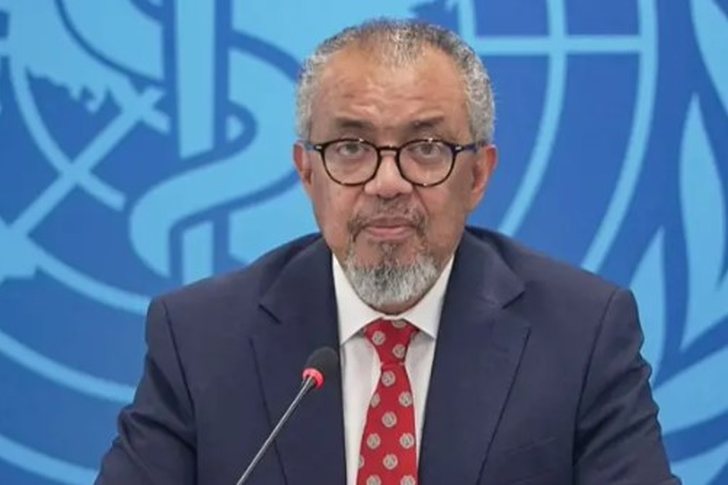
The World Health Organization has stated that the outbreak...
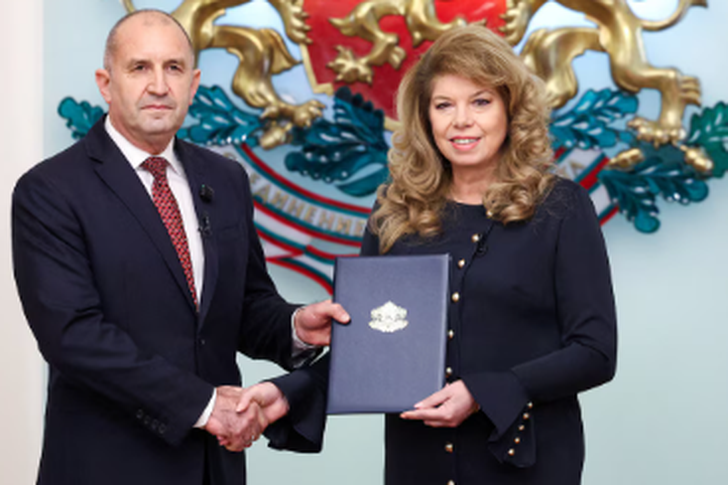
Bulgarian President Iliana Iotova on Thursday mandated Rum...

The Election Commission of Bosnia and Herzegovina announce...
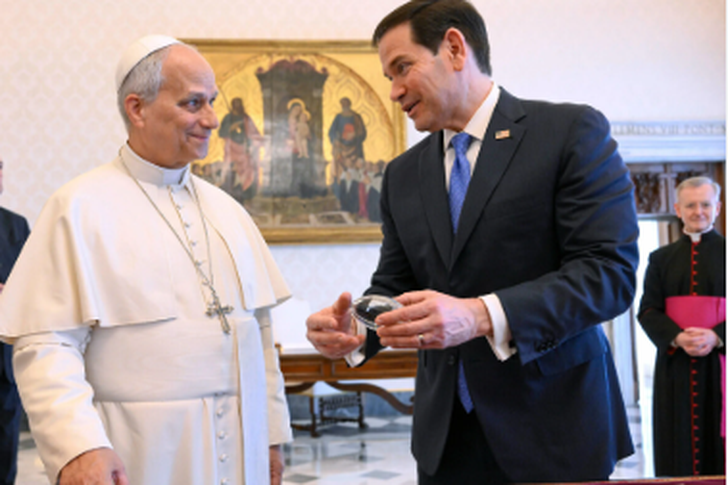
US Secretary of State Marco Rubio met with Pope Leo XIV at...
The European Public Prosecutor's Office announced today th...
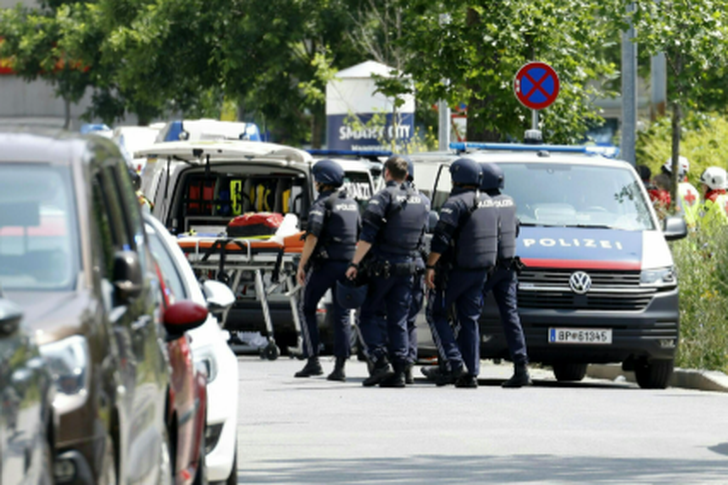
Three people were killed in a shooting in the Austrian cit...

The European Commission appears unconcerned, but on high a...
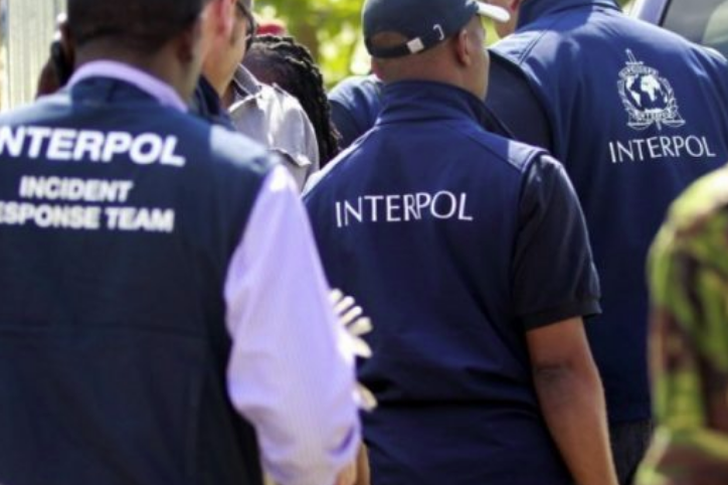
Interpol seized 6.42 million doses of unapproved and count...
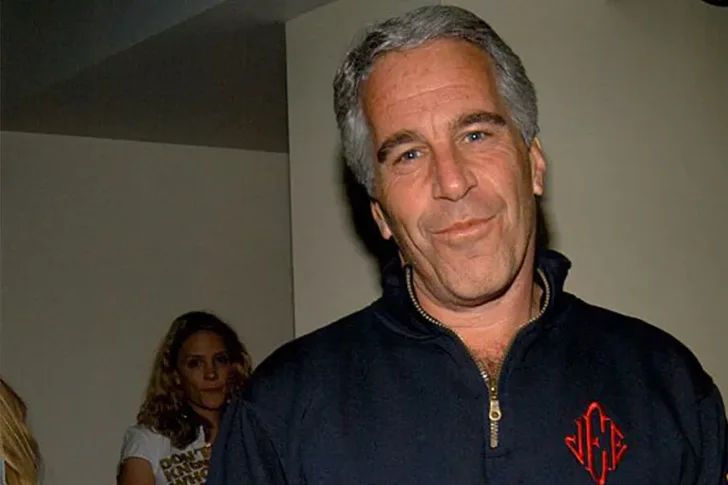
A US judge has ordered the release of a document purported...
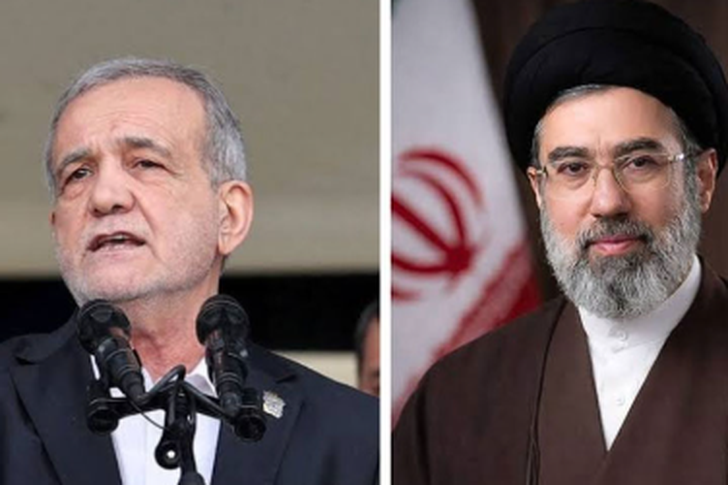
Iranian President Masoud Pezeshkian said this Thursday tha...
A Chinese military court today handed down death sentences...
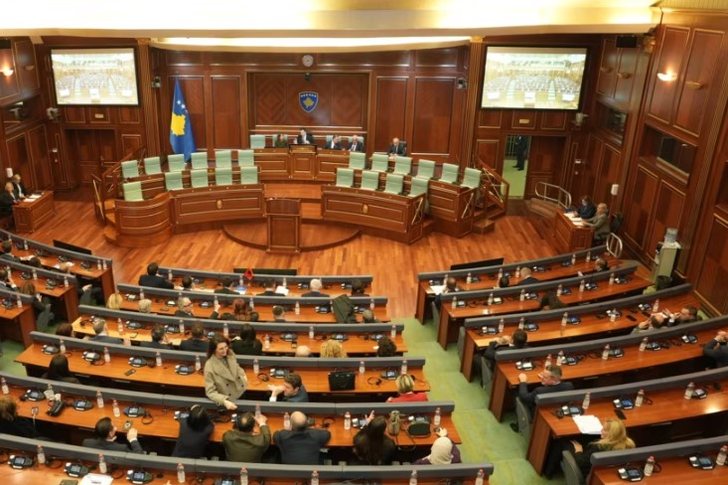
Today is the deadline for registering political parties in...
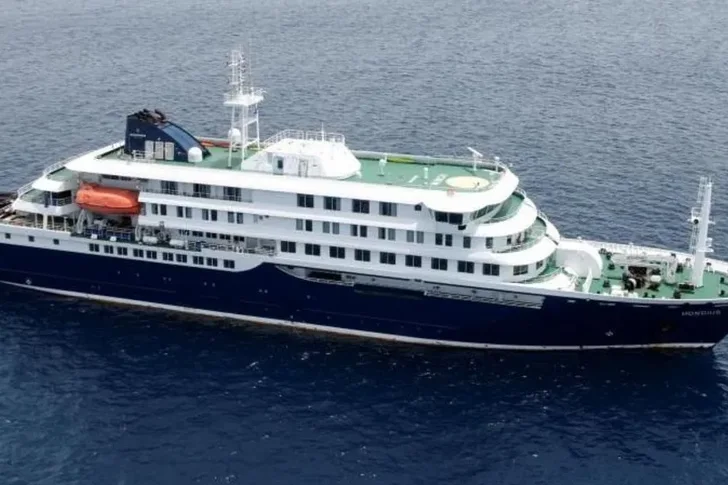
Two people in serious condition who were evacuated from a ...
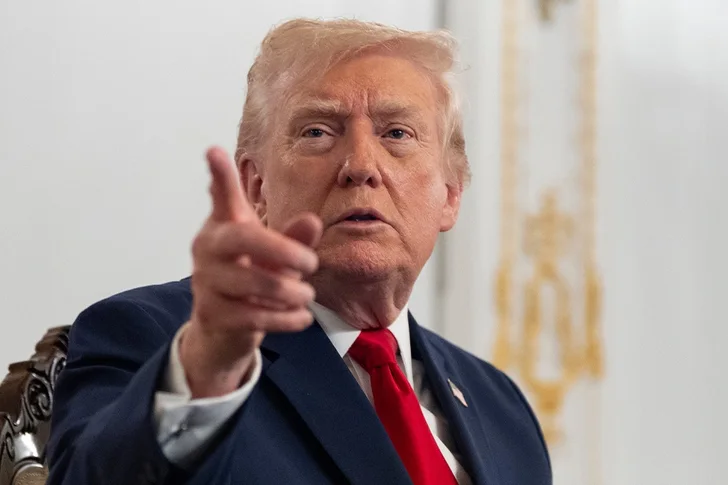
US President Donald Trump has predicted that the war in Ir...
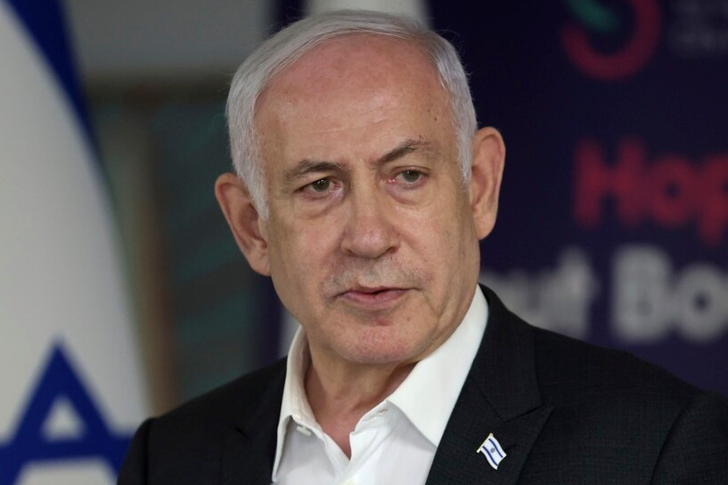
Prime Minister Benjamin Netanyahu, during a meeting with h...
US President Donald Trump has spoken about recent developm...
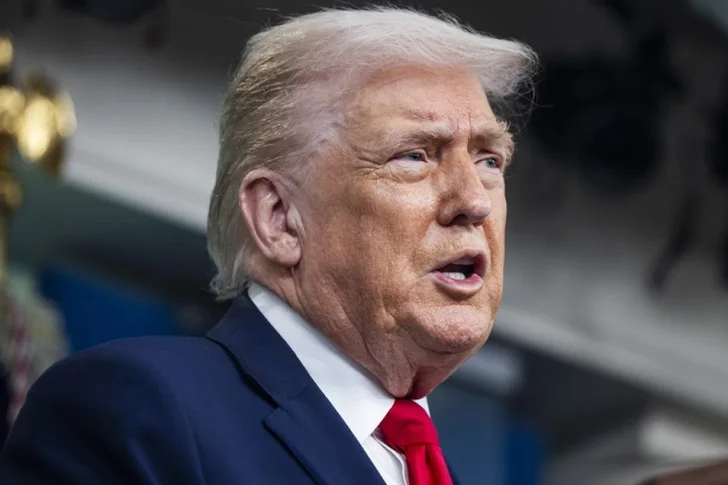
The President of the United States of America, Donald Trum...
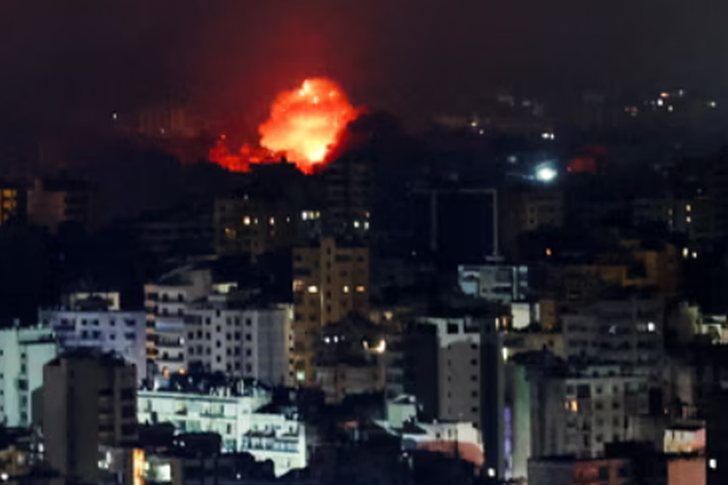
Israeli forces have targeted the southern suburbs of Beiru...
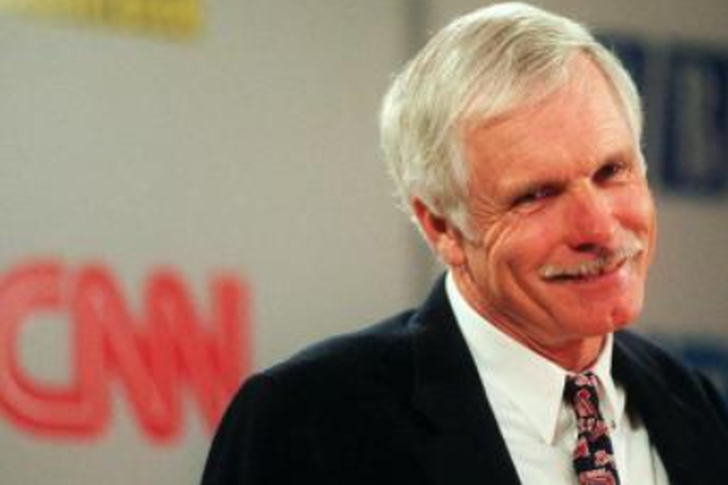
Ted Turner, the founder of the well-known American media n...
The murder of officer Enea Mekolli in the line of duty has...
The next case broadcast on the show "Stop", this Thursday,...
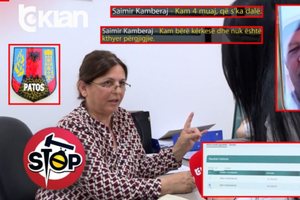
The case published this Thursday, June 4, on the show "Sto...
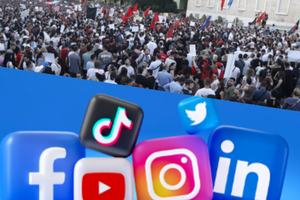
The protests of recent days related to the situation in Zv...

The Special Board of Appeal (KPA) decided this Monday ...

The KPA vetting decided this Thursday to dismiss the p...

Suela Salavaçi, a prosecutor in the Prosecutor's Offic...

The Special Board of Appeal reinstated the prosecutor ...
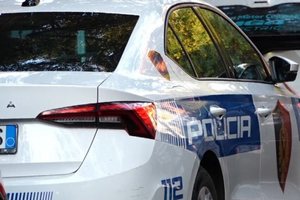
A 38-year-old man was arrested today near the Kamza turnof...

A money changer in Durrës lost 60 thousand euros after bei...
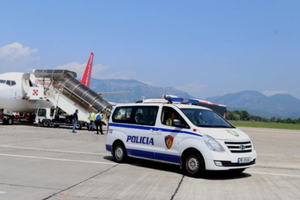
The 6 citizens captured in Dubai, members of criminal grou...
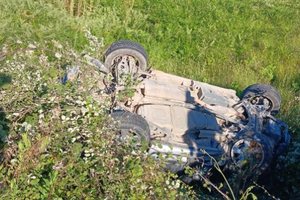
A serious accident occurred on the Kardhiq-Delvinë axis, i...
Today our country will be affected by stable weather condi...

For many children and teenagers, the long summer holidays ...
Albania is facing an unprecedented demographic transition,...
On Thursday, our country will be affected by unstable weat...
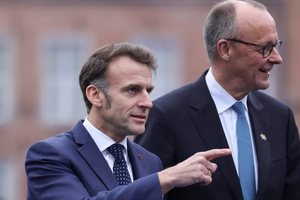
On the eve of the EU-Western Balkans summit, Germany and F...
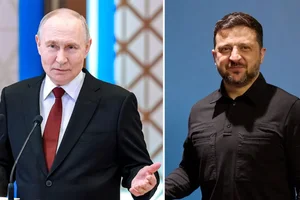
Russian President Vladimir Putin said the war in Ukraine c...
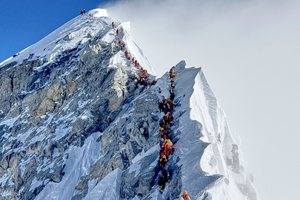
An extraordinary story of survival has been recorded in Ne...
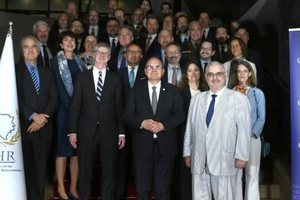
The Peace Implementation Council in Bosnia and Herzegovina...
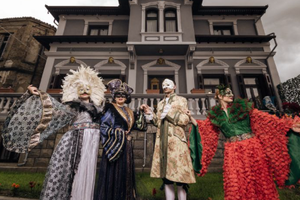
Korça is ready to open the summer season with one of the c...
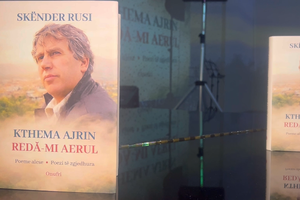
Two years after his passing, the renowned Korçë poet Skënd...

The Ethnographic Museum of Berat has opened its doors to v...
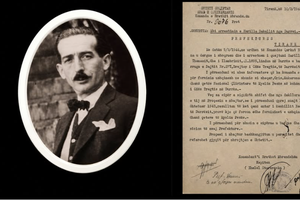
The story of Harilla Bakalli is one of the most chilling t...
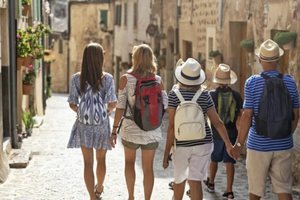
Despite years of efforts at regional cooperation and free ...

Albania is the country with the highest level of severe ma...

This Friday, one US dollar is bought for 81.3 lek and sold...
The government aims to transform the country's industrial ...