

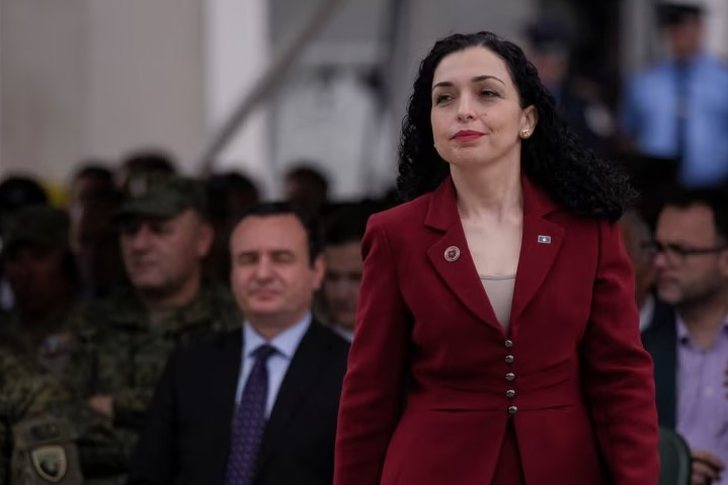
LDK makes Vjosa Osmani official for the June 7 elections
The Democratic League of Kosovo has formalized the agreeme...


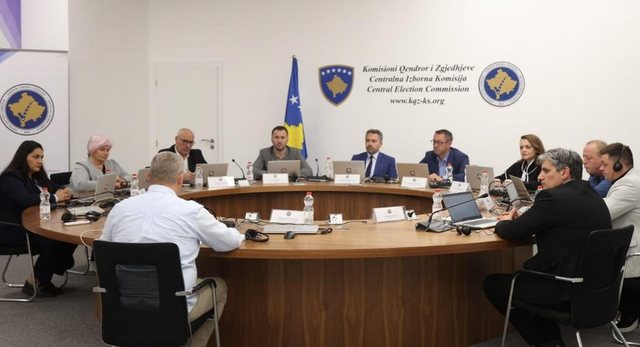
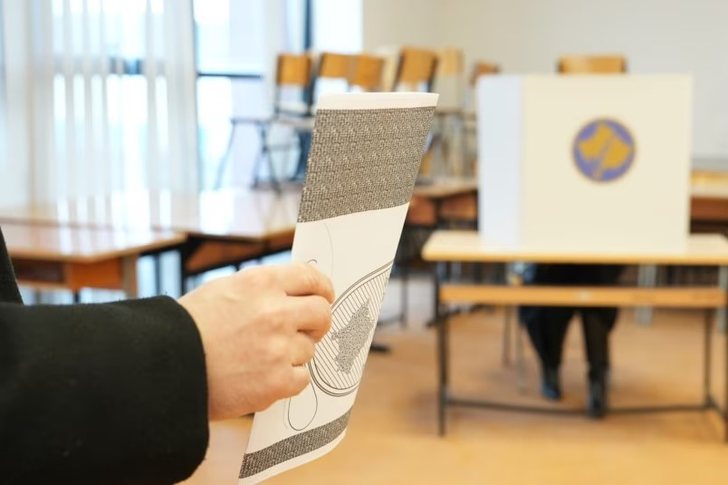
The Central Election Commission (CEC) announced that 22 political parties and three pre-election coalitions have registered for the June 7 extraordinary elections.
The winning party in the last elections, Vetëvendosje, is running in a coalition with three smaller parties, Guxo, Alternativa and the Albanian Democratic Christian Party. The other main Albanian parties, the Democratic Party of Kosovo (PDK), the Democratic League of Kosovo (LDK) and the Alliance for the Future of Kosovo (AAK), are running alone in the elections.
The only party competing in the elections is the Srpska List, which is the largest party of Kosovo Serbs that has the support of official Belgrade. Former Kosovo President Vjosa Osmani will also be part of the race, and is expected to be on a list with her former party, the Democratic League of Kosovo.
The election campaign is only 10 days away.
According to the CEC, the election campaign officially begins on 28.05. and lasts only 10 days because the June 7 elections are considered extraordinary. According to the Preliminary Voters List approved by the CEC, about two million citizens, including those living outside Kosovo, have the right to vote.
In the last elections on 28.12.2025, about 900 thousand people or about 45% of those eligible to vote participated in the elections. This time too, as in the previous elections, in addition to thousands of domestic observers, the elections are also expected to be monitored by observers from EU structures.
EU invitation for election observation mission
The Acting President of Kosovo, Albulena Haxhiu, has sent a letter to the President of the European Parliament, Roberta Metsola, and the High Representative of the European Union for Foreign Affairs and Security Policy, also Vice-President of the European Commission, Kaja Kallas, through which she has invited the EU to send an Election Observation Mission for the early elections.
"The presence of the EU Election Observation Mission would contribute to the transparency, credibility and integrity of the electoral process, in line with the Republic of Kosovo's continued commitment to democratic standards and free elections," Haxhiu wrote in her letter.
It further states that, "The Republic of Kosovo has consistently appreciated the role of the European Union in supporting democratic institutions and advancing electoral standards", therefore the invitation to send the Observation Mission "is a continuation of this institutional practice and an expression of Kosovo's commitment to an open, transparent and credible electoral process".
Fourth elections in just 15 months
The June 7 snap elections in Kosovo are the fourth in a row in just the last 15 months and are being held after successive political crises and the lack of consensus between parties on the name of the president, who according to the Constitution must receive the support of at least 2/3 of the votes from the 120 deputies of the Kosovo parliament. Currently, the acting president according to the Constitution is the speaker of the Kosovo assembly, Albulena Haxhiu, who cannot hold this position for more than six months.
Harmful for the country
Some political analysts assess the frequent holding of parliamentary elections in Kosovo as detrimental to the country in terms of economic development and European integration, while blaming political parties which, according to them, have failed to build a climate of consensus for national decisions.
"Kosovo consistently organizes free and democratic elections that are widely recognized by both the political parties participating in the electoral race and international partners. But it has failed to build political parties dominated by internal democracy, a culture of debate, pluralism or decentralized decision-making," Ehat Miftaraj from the Kosovo Institute for Law (IKD) told DW. According to him, "the inability of the political class in Kosovo to translate the election results into functional and stable institutions is related to the ego of political leaders and the imposition of their solutions."
Lack of culture of compromise
"When this is added to the lack of political maturity and the lack of a culture of institutional compromise, they lead to situations of conflict between political parties, sacrificing state interest for political control. Another fact that may also be evident is the fact that in recent years, the interest of international partners in playing the role of facilitator between political parties for the formation of institutions in Kosovo, which in the not-so-distant past was almost always evident, has almost disappeared," says Miftaraj.
Even some of the ambassadors of the most industrialized countries, QUINT, constantly criticize the Kosovar political class for the successive political crises, saying that valuable time is being wasted due to another round of parliamentary elections.
The acting head of the EU office in Kosovo, Eva Palatova, in marking Europe Day, emphasized that "Kosovo must remain a functional democracy and parliamentary elections must be free, fair and inclusive". According to her, after the elections "the EU also expects the rapid formation of institutions and a stable government with a strong parliamentary majority, capable of generating strong inter-party compromises, electing a president and advancing the reform agenda"./ DW

The Democratic League of Kosovo has formalized the agreeme...
On May 9, the EU honors former French Foreign Minister Rob...
President Donald Trump is facing growing criticism and ten...
Germany has designated 24 sites for new centers to assess ...

The US military has fired on two Iranian-flagged tankers t...
Teksa disa në Kosovë shprehën pakënaqësi me vendimin e pan...
Over 20 political entities and three coalitions will offic...
Russian President Vladimir Putin is ready to negotiate wit...
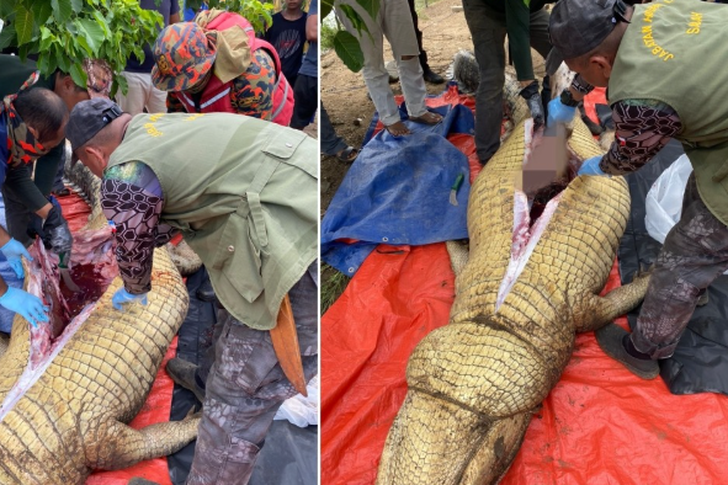
The remains of a Portuguese citizen have been recovered fr...
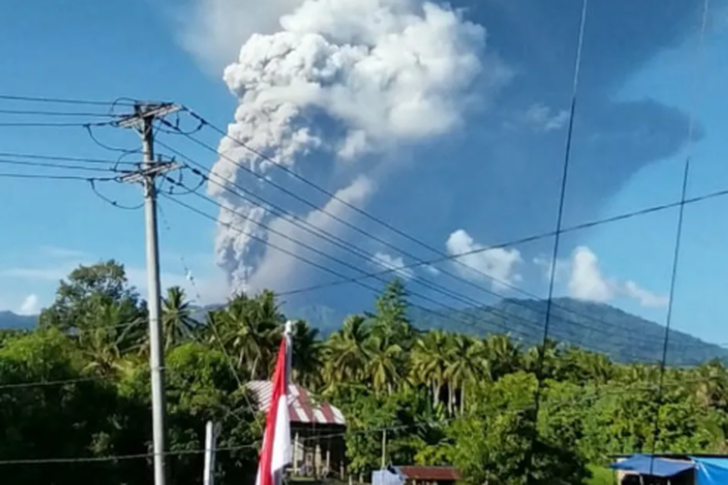
At least three climbers, one from Singapore and one from I...

A woman in Ethiopia has given birth to quintuplets, consid...
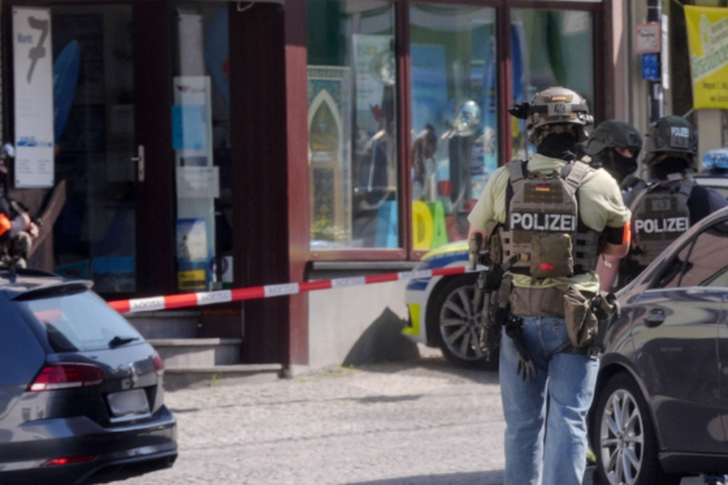
German police said Friday that several people were taken h...
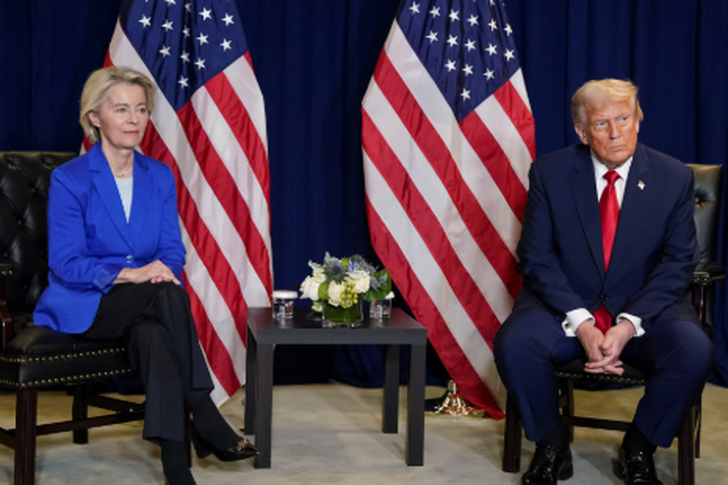
Shefja e BE-së, Ursula Von der Leyen dhe presidenti i Shte...
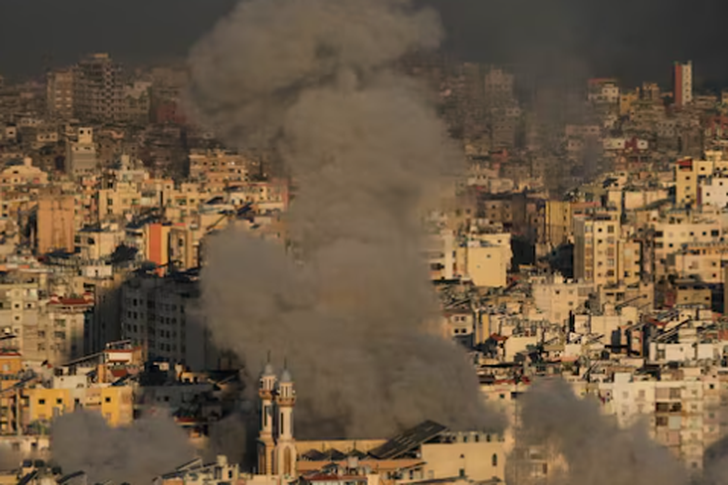
Israeli air strikes killed at least 12 people in southern ...
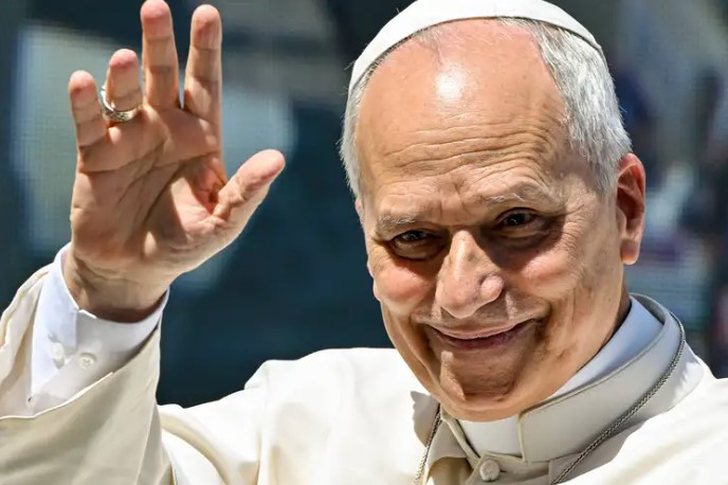
Pope Leo has been at the head of the Catholic Church for a...

The arrival of an Antonov An-124 aircraft at Pristina Inte...
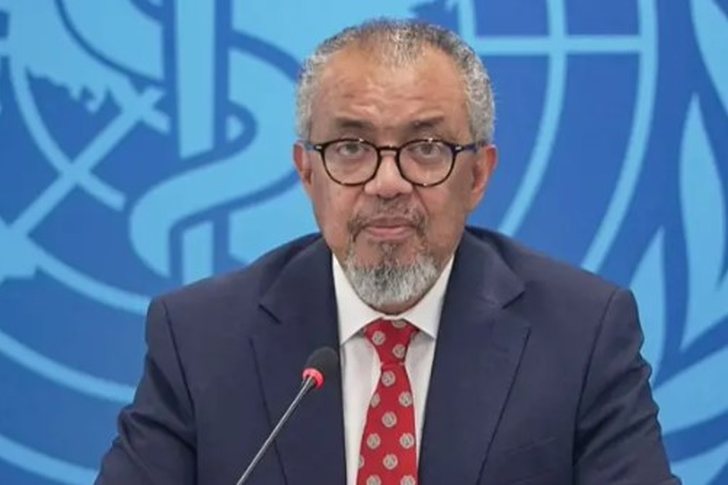
The World Health Organization has stated that the outbreak...
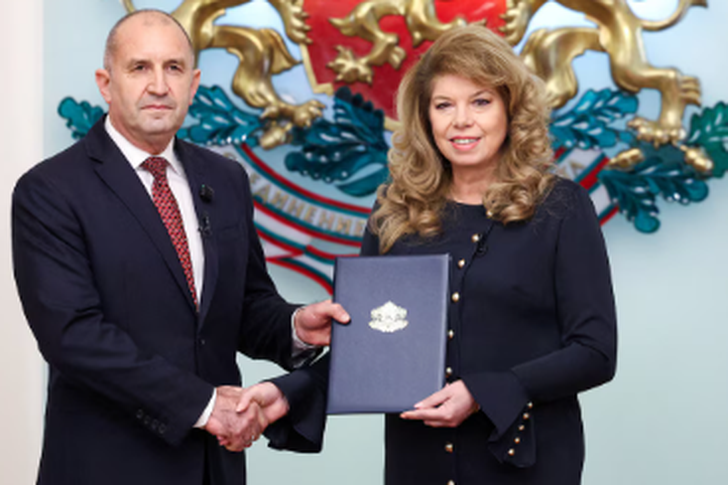
Bulgarian President Iliana Iotova on Thursday mandated Rum...

The Election Commission of Bosnia and Herzegovina announce...
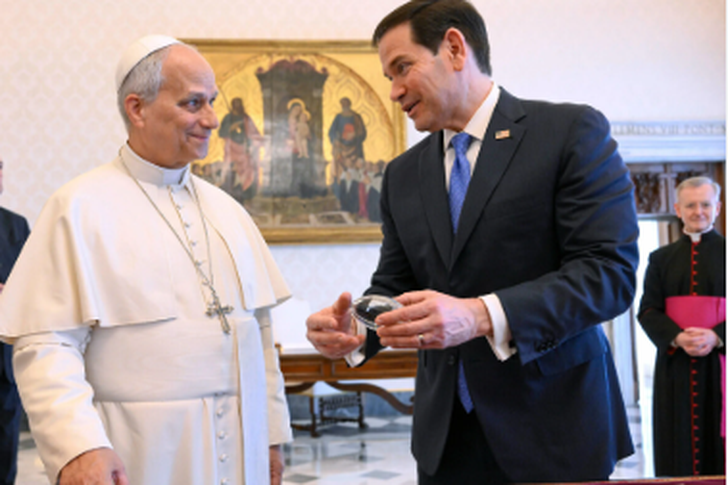
US Secretary of State Marco Rubio met with Pope Leo XIV at...

The murder of officer Enea Mekolli in the line of duty has...
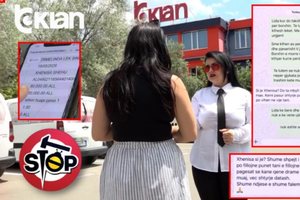
The next case broadcast on the show "Stop", this Thursday,...
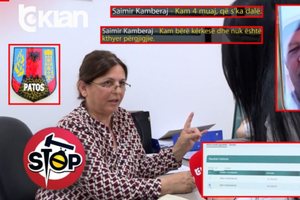
The case published this Thursday, June 4, on the show "Sto...

The protests of recent days related to the situation in Zv...

The Special Board of Appeal (KPA) decided this Monday ...

The KPA vetting decided this Thursday to dismiss the p...

Suela Salavaçi, a prosecutor in the Prosecutor's Offic...

The Special Board of Appeal reinstated the prosecutor ...

A money changer in Durrës lost 60 thousand euros after bei...
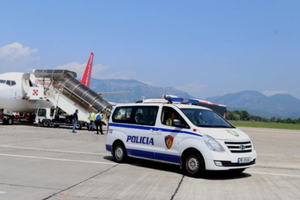
The 6 citizens captured in Dubai, members of criminal grou...
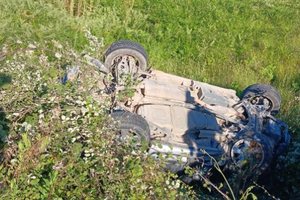
A serious accident occurred on the Kardhiq-Delvinë axis, i...
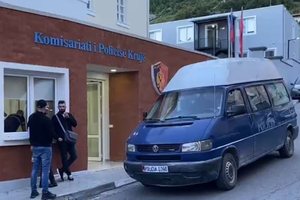
Authorities have conducted a large-scale anti-drug operati...

Today our country will be affected by stable weather condi...

For many children and teenagers, the long summer holidays ...
Albania is facing an unprecedented demographic transition,...
On Thursday, our country will be affected by unstable weat...
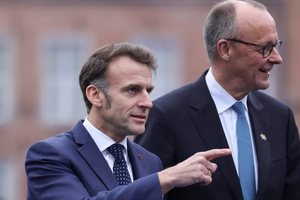
On the eve of the EU-Western Balkans summit, Germany and F...
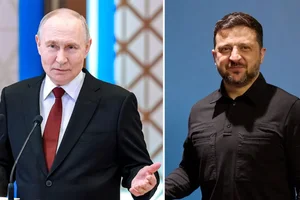
Russian President Vladimir Putin said the war in Ukraine c...
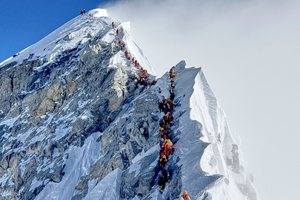
An extraordinary story of survival has been recorded in Ne...
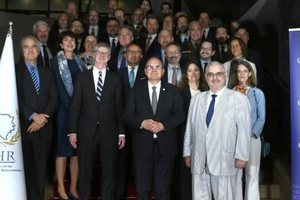
The Peace Implementation Council in Bosnia and Herzegovina...
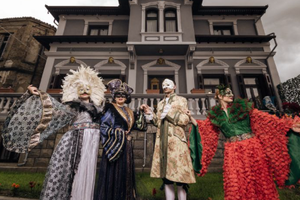
Korça is ready to open the summer season with one of the c...
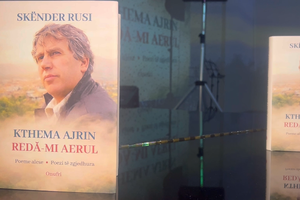
Two years after his passing, the renowned Korçë poet Skënd...
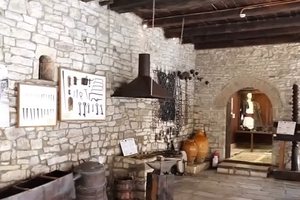
The Ethnographic Museum of Berat has opened its doors to v...
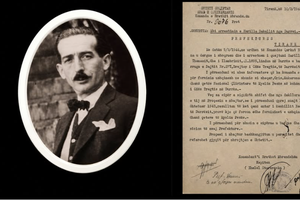
The story of Harilla Bakalli is one of the most chilling t...
Despite years of efforts at regional cooperation and free ...

Albania is the country with the highest level of severe ma...

This Friday, one US dollar is bought for 81.3 lek and sold...
The government aims to transform the country's industrial ...