

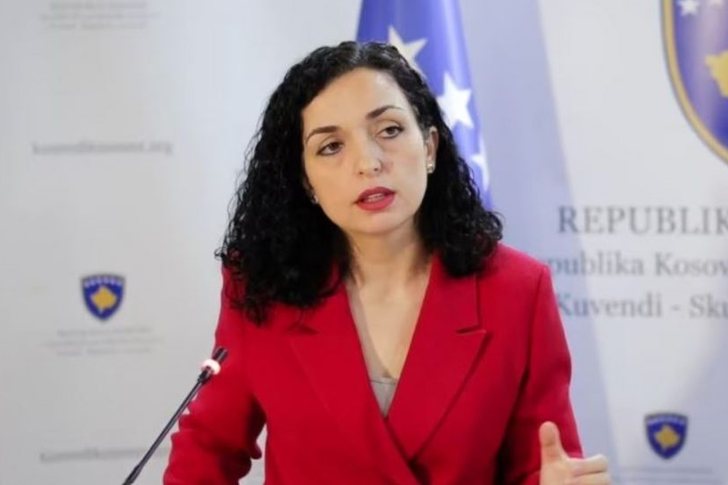
Prokuroria e Hagës kërkoi 180 vite burg për ish-krerët e UÇK-së/ Reagon Vjosa Osmani
Presidentja e Kosovës, Vjosa Osmani ka reaguar pasi Prokur...


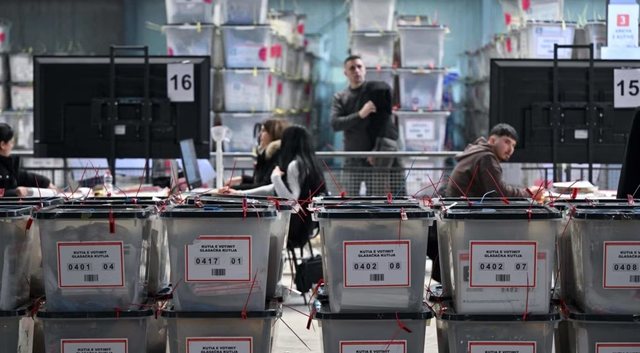
The Central Election Commission (CEC) in Kosovo will meet on Monday at 6:00 PM to certify the results of the December 28 snap parliamentary elections, confirmed the spokesman for this institution, Valmir Elezi.
The results will be certified after all deadlines for complaints by parties and candidates regarding the final results announced by the CEC days earlier have expired.
Dissatisfied parties had the opportunity to appeal to the Electoral Complaints and Appeals Panel and then to the Supreme Court.
The certification process comes after a full recount of regular votes, which was decided after discrepancies were found in the votes of the candidates for deputies. Party votes were not affected.
Dozens of people have been taken into custody, hundreds more have been interviewed on suspicion of vote manipulation, and investigative and judicial processes are expected to continue.
The State Prosecutor's Office has warned that the candidates for MPs themselves may also be the subject of investigations.
Who won how many votes?
According to the final results announced by the CEC on January 31, the Vetëvendosje Movement won 51.10 percent of the vote, securing 57 seats in the Kosovo Assembly. The Democratic Party of Kosovo received 20.19 percent of the vote, or 22 seats, the Democratic League of Kosovo 13.24 percent, or 15 seats, and the Alliance for the Future of Kosovo 5.50 percent, or six seats.
Of the seats reserved for the Serb minority, nine seats were won by the Serbian List, the largest Serb party in Kosovo, and one seat by the Party for Freedom, Justice and Survival.
What happens after the CEC certifies the result?
According to the Law on General Elections, after the certification of the election results, the next step comes, that of holding the constitutive session.
This session must be held within 30 days and must be called by the President of Kosovo, Vjosa Osmani. However, if she does not call it, according to the Rules of Procedure of the Assembly, the Assembly convenes on its own on the 30th day.
The regulation stipulates that there must be preparations for the constitutive session and this responsibility falls on the speaker of the previous legislature, in this case it is the responsibility of Dimal Basha.
He must, no later than five days before the constitutive session, hold a joint meeting with the heads of parliamentary political entities to prepare the agenda and assign seats to the deputies in the new Assembly.
The regulation stipulates that the constitutive session has four agenda items: the formation of the Temporary Committee for the Verification of Quorum and Mandates, the swearing-in of the deputies, and the election of the Speaker of the Assembly and the Deputy Speakers.
Lidhur me seancën konstituive, vitin e kaluar pati shumë paqartësi dhe Gjykata Kushtetuese përmes disa aktgjykimeve përcaktoi se kjo seancë duhet të përmbyllet brenda 30 ditësh, dhe konsiderohet e përmbyllur vetëm me zgjedhjen e kryetarit dhe pesë nënkryetarëve - tre nga partitë kryesore shqiptare dhe dy nga komunitetet joshumicë, një serb dhe një nga komunitetet serbe.
Si për kryetarin, ashtu edhe për nënkryetarët kërkohen 61 vota nga Kuvendi me 120 deputetë.
Në bazë të aktgjykimeve, një person mund të propozohet vetëm deri në tri herë për postin e kryetarit dhe nënkryetarëve.
Megjithatë, për çështjen e nënkryetarit serb, në një aktgjykim të publikuar ditë më parë, Kushtetuesja gjeti se janë bërë shkelje kur është zgjedhur Nenad Rashiqi nga Partia për Liri, Drejtësi dhe Mbijetesë, përmes shortit në legjislaturën e kaluar.
Ai u propozua në këtë mënyrë pasi të propozuarit e Listës Serbe s’arritën t'i siguronin 61 vota.
Kushtetuesja vendosi se të drejtën e propozimit për nënkryetar e kanë shumica e deputetëve të komunitetit serb, që edhe në këtë legjislaturë janë nëntë deputetët e Listës Serbe. Vendimi u kritikua nga Lëvizja Vetëvendosje e Albin Kurtit dhe mbetet e paqartë se si do të veprojnë ata për çështjen e nënkryetarit serb gjatë legjislaturës së re.
Me t’u përmbyllur çështja e konstitutimit, hapet rruga për formimin e Qeverisë së re të Kosovës. Presidentja duhet të mandatojë për kryeministër dikë nga partia fituese, në këtë rast LVV-ja.
I mandatuari, më pas, i ka 15 ditë kohë që të paraqesë para Kuvendit përbërjen e re të ekzekutivit dhe të kërkojë mbështetjen e të paktën 61 deputetëve.
Për dallim nga hera e kaluar, Kurti pritet të mos ketë vështirësi për t’i bërë numrat për Qeverinë, pasi vetëm partia e tij ka fituar 57 ulëse në Kuvend.
Çështja e presidentit
Nëse deputetët duan që të mos shkohet sërish në zgjedhje, atëherë ata do të duhet të veprojnë shpejt për konstituimin e Kuvendit dhe formimin e Qeverisë, që të arrihet afati i 4 marsit – data e fundit për zgjedhjen e presidentit të ri të vendit.
Presidentja Osmani ka mandat deri më 4 prill, por presidenti i ri nuk mund të zgjidhet më vonë se 30 ditë para kësaj date.
Vetë Osmani ka shprehur dëshirë që të jetë në krye të shtetit edhe për një mandat pesëvjeçar. Megjithatë, mbetet e paqartë nëse ajo do të arrijë të sigurojë mbështetjen e nevojshme.
Presidentja Osmani është kritikuar disa herë gjatë mandatit të saj se ka mbajtur anë nga Lëvizja Vetëvendosje.
Në një intervistë për Radion Evropa e Lirë, në fund të dhjetorit, ajo tha se nëse nuk e fiton edhe një mandat, atëherë do t’i kthehet angazhimit politik, pa treguar se me cilën parti.
Kreu i LVV-së, Albin Kurti, ka thënë për mediat ditë më parë se ka biseduar me Osmanin për çështjen e presidentit, por që, sipas tij duhet të ekzistojë një raport i ri me partitë në opozitë për çështjen e kreut të ri të shtetit.
A few hours before the certification of the result, Osmani met with the leader of the Democratic League of Kosovo, Lumir Abdixhiku, the party to which Osmani previously belonged and whose deputies had remained in the hall, enabling the quorum for Osmani's election five years ago.
It is unclear whether the issue of Osman's mandate was discussed at this meeting, but Abdixhiku said that with the head of state he discussed "recent political and international developments of importance for Kosovo."
According to the Constitution, the new president is elected through a secret ballot and anyone who wants to run must collect the signatures of at least 30 deputies.
The head of state is elected with two-thirds of the votes in the first two rounds of voting, but if there are not enough votes in these two rounds, then in the third round the candidate who receives the majority of the votes of the deputies is elected.
If the presidential election fails, new elections are automatically announced, which must be held within 45 days. /REL

Presidentja e Kosovës, Vjosa Osmani ka reaguar pasi Prokur...
The European Union said Serbia's recent arrest of a Kosovo...

A robbery like in the movies took place today in Brindisi,...
US Vice President JD Vance is embarking on a diplomatic vi...
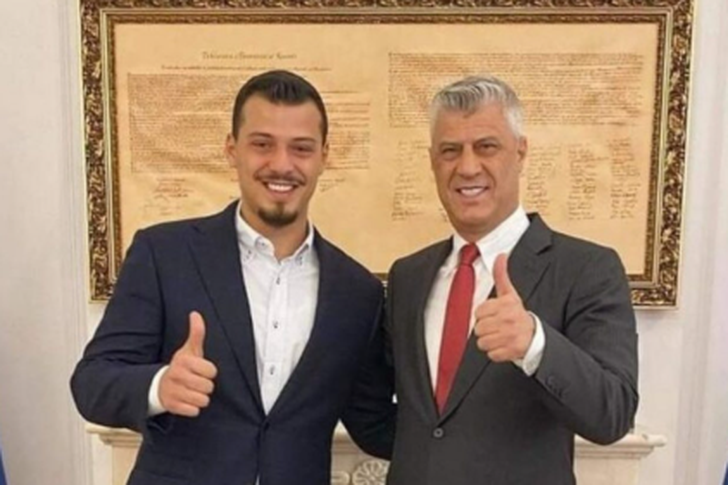
Endrit Thaçi, the son of former Kosovo President Hashim Th...
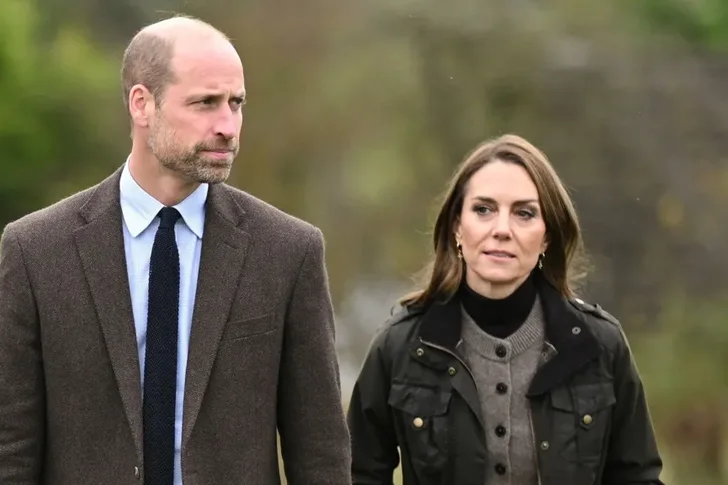
The Prince and Princess of Wales have said they are "deepl...
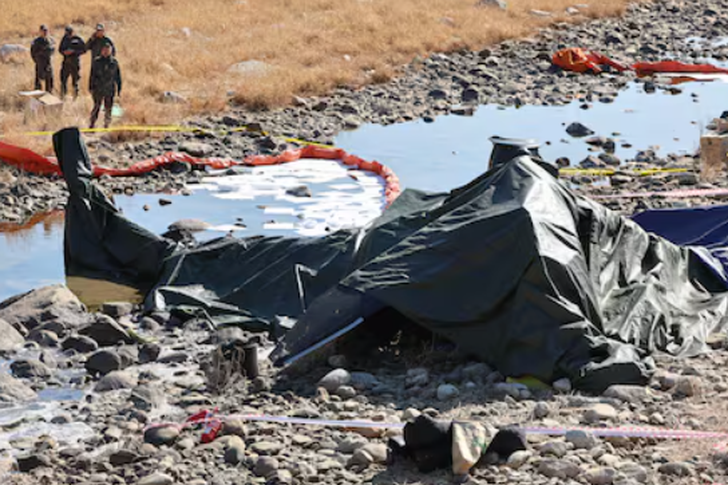
A South Korean military AH-1S Cobra attack helicopter has ...
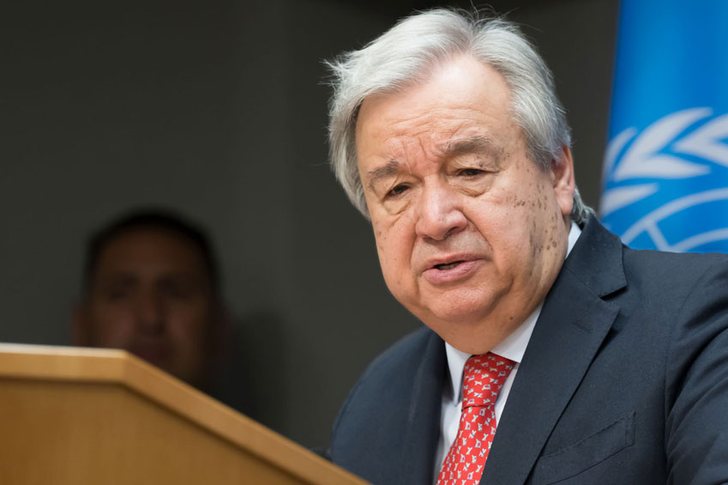
The global economy must be fundamentally transformed to st...
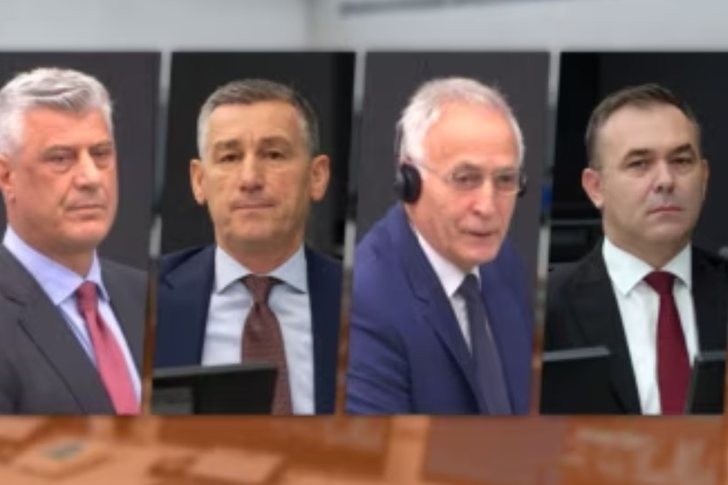
This Monday, the final phase of the trial at the Kosovo Sp...
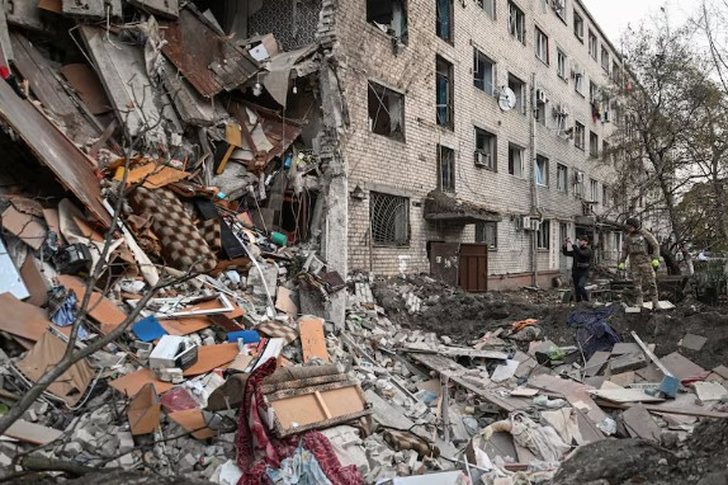
On Monday morning, a woman and a child were tragically kil...
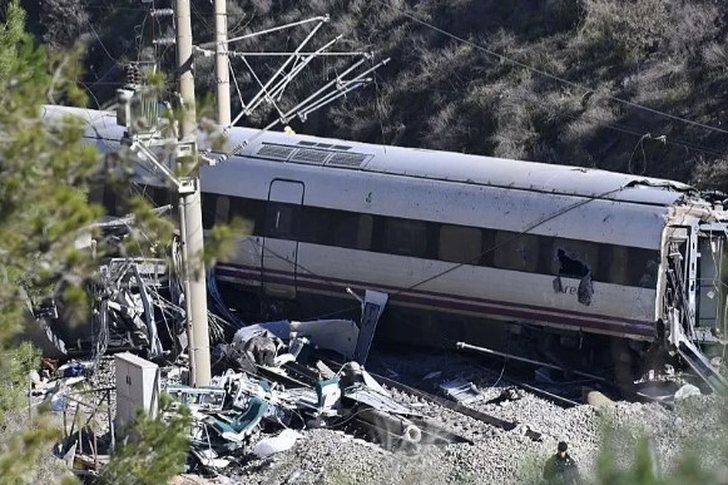
Train drivers in Spain will begin a three-day nationwide s...
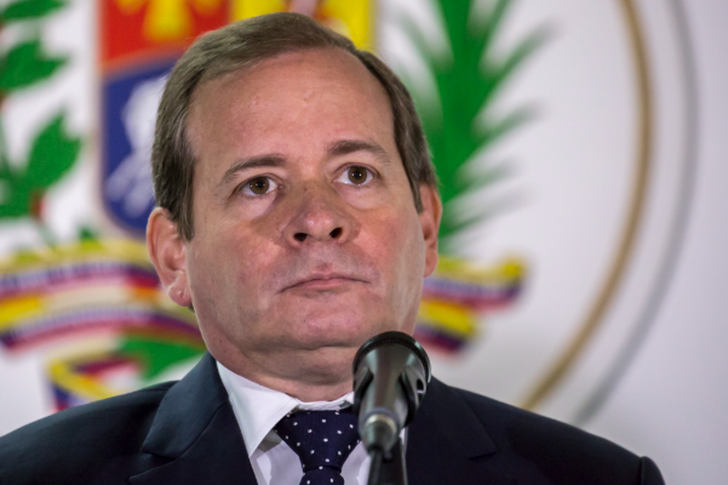
Maria Corina Machado, the leader of the Venezuelan opposit...
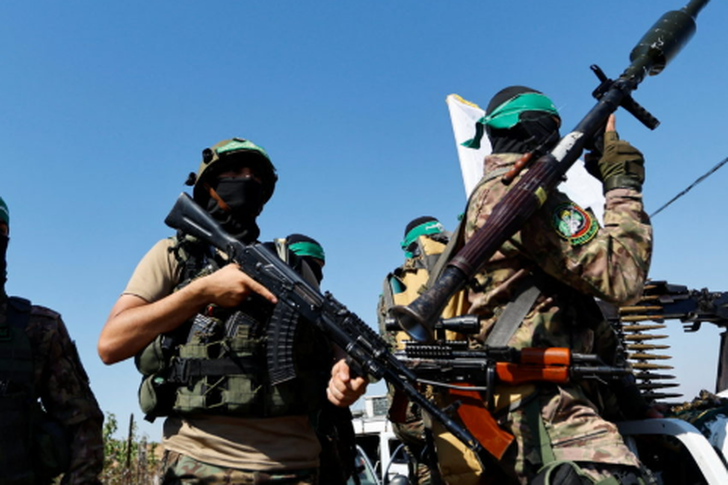
A senior official of the Palestinian Hamas organization, K...

The famous Italian island of Capri, located in the Bay of ...
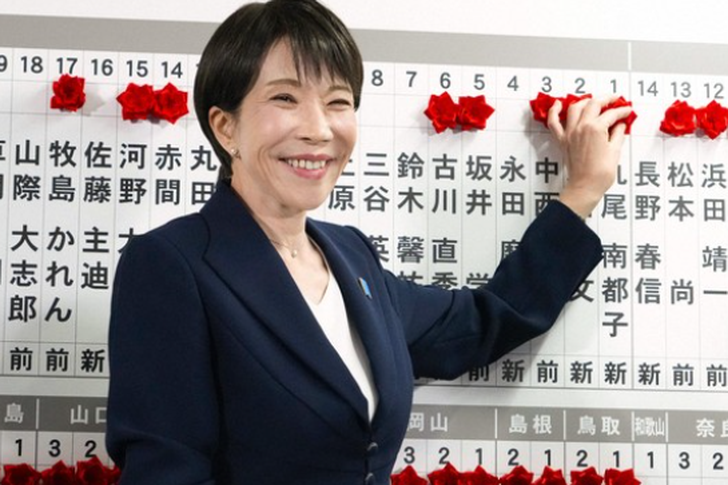
Sanae Takaichi, the leader of the Liberal Democratic Party...
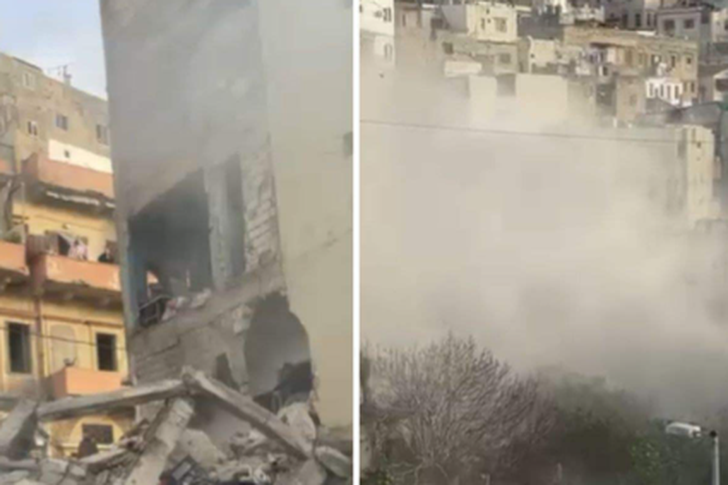
A building collapsed on Sunday in the northern Lebanese ci...

An Iranian court has sentenced 2023 Nobel Peace Prize winn...

The amount of drugs seized is extraordinary for the small ...
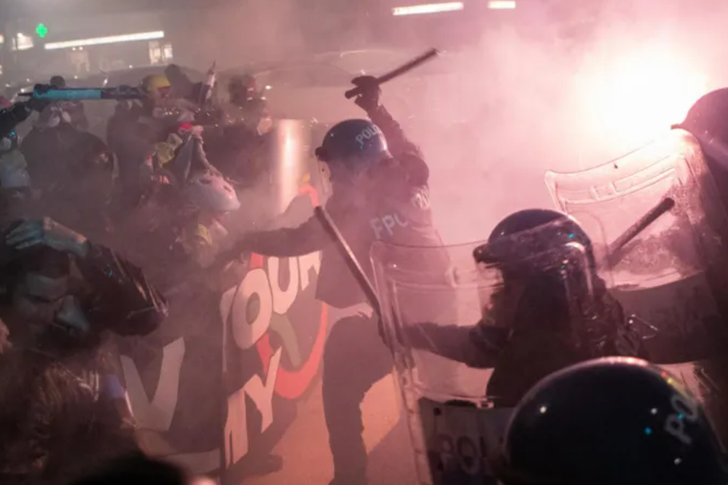
Six people were arrested on Saturday after clashes between...
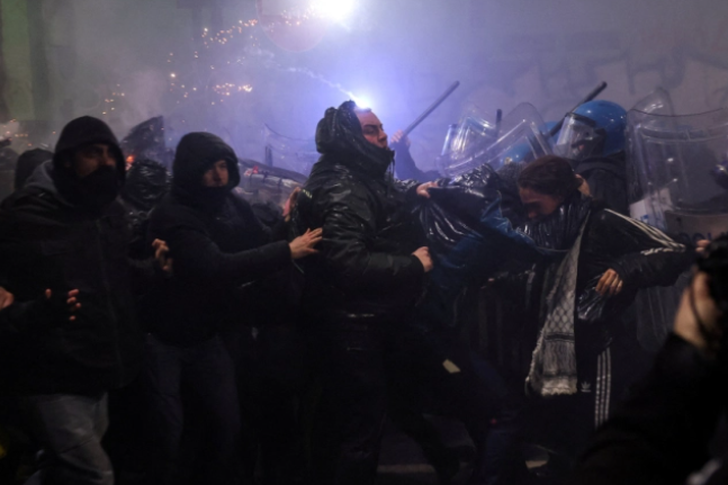
Thousands of people took to the streets of Milan on Saturd...
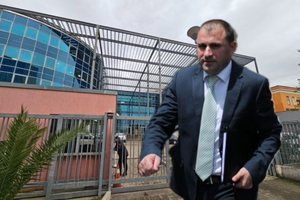
Dritan Prençi is the SPAK prosecutor who is sleeping on th...
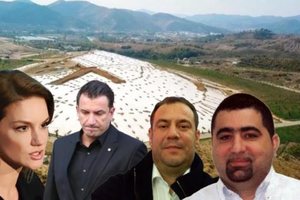
The in-depth investigations that SPAK conducted into Ajola...
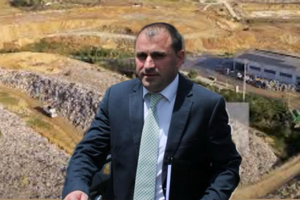
SPAK's standards, the way it investigates, how it secures ...
Irfan Hysenbelliu claims to be a big businessman, an hones...

The Special Board of Appeal (KPA) decided this Monday ...

The KPA vetting decided this Thursday to dismiss the p...

Suela Salavaçi, a prosecutor in the Prosecutor's Offic...

The Special Board of Appeal reinstated the prosecutor ...
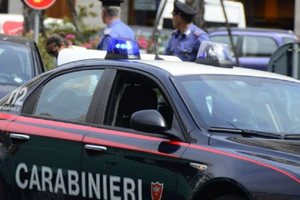
A 33-year-old Albanian citizen was arrested in Italy after...
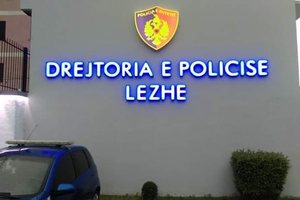
One of the perpetrators of the explosion that occurred yes...
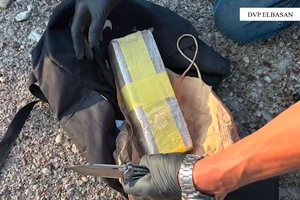
A case of heroin trafficking from North Macedonia to Alban...
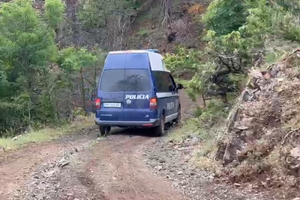
Details have been revealed from the investigation file for...

On Thursday, our country will be affected by relatively un...

Albania is facing a deep demographic crisis where official...
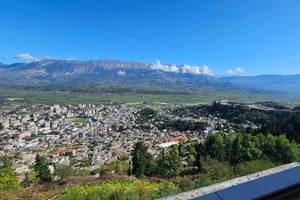
This Wednesday, our country will be affected by relatively...

The UN's World Meteorological Organization now warns that ...
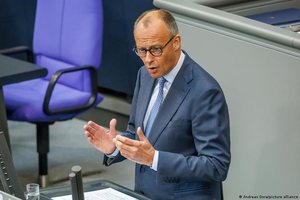
German Chancellor Friedrich Merz (CDU) defended his govern...
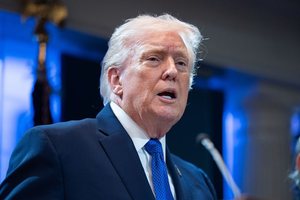
US President Donald Trump has made a post on Truth Social ...

US President Donald Trump announced today that he was canc...
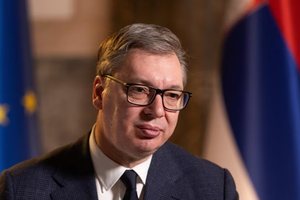
Serbian President Aleksandar Vučić said he was considering...
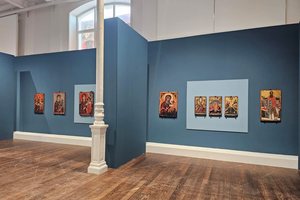
At the Museum of Fine Arts in Chambéry, France, an exhibit...

Korça has transformed this weekend into the capital of cel...
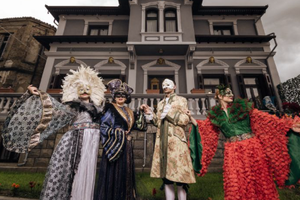
Korça is ready to open the summer season with one of the c...
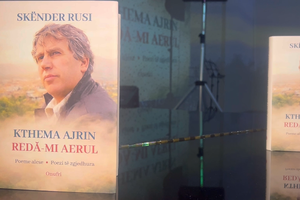
Two years after his passing, the renowned Korçë poet Skënd...

The price of gold fell to its lowest level in more than si...

Businesses reduced their borrowing abroad last year. Bank ...

Payments and withdrawals in online sports betting will be ...

This Thursday, one US dollar is bought for 81.6 lek and so...