

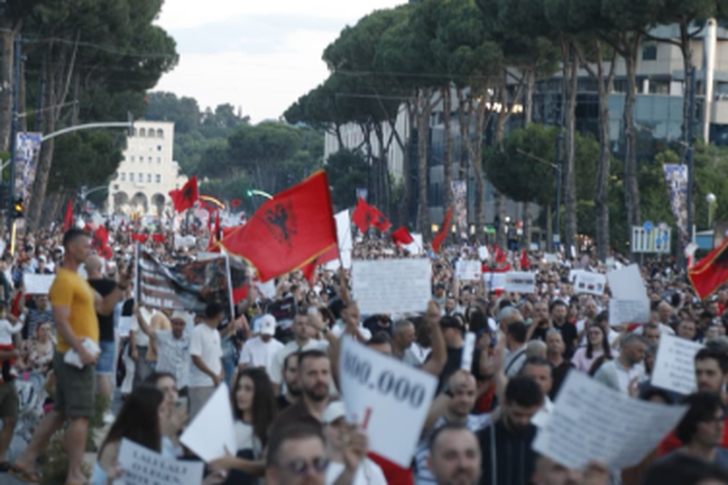
By Iris Beqiri/ Is anger enough to change politics?!
Protest is a public act of opposition, dislike, or disagre...


Sali Berisha's declaration that his "non grata" status has been lifted has immediately generated political debate, enthusiasm among his supporters and nervousness among his opponents. However, beyond the usual reactions, it is perhaps worth taking a deeper look at the situation.
First, until now there is no official confirmation from the US State Department or the US Embassy in Tirana. This does not mean that Berisha lied. There may have been contacts, communications or certain signals. But are we dealing with a real abolition of the “non ?enat” (women’s ban), or with a much broader political process than Berisha’s personal status itself?
One element that deserves attention is the very way in which the news was reported. If we are really dealing with such a significant change in the American position, then it is strange that the information was initially made public by Berisha himself and not by American institutions. This creates the impression that we are dealing with more of a political signal than a formalized diplomatic act.
In diplomacy, it is often not only the message that matters, but also the timing of the message. And timing is interesting. Albania is going through a period where protests have created unexpected pressure on the entire political class. In such a situation, such news immediately shifts public attention from the protests to Berisha and the Democratic Party. Practically, the debate shifts from the crisis of the political system to the political fate of an individual.
In international politics, decisions are rarely made by looking at just one individual. The great powers look at stability, strategic interests, the functioning of institutions and the long-term perspective of the country. For this reason, it is not excluded that the real message is not "Berisha has been rehabilitated", but "Albania is entering a new political phase".
One possible interpretation is that the US may have given signals that Albania is heading towards a political rotation. If it is perceived that the current government is entering a phase of consumption, then international partners have an interest in having a functional, organized opposition ready to govern.
Here the next question arises: "Are there any conditions for this possible tolerance towards Berisha and if so, what are they?"
Is it possible that we are dealing with a transition formula, where Berisha could receive some kind of political rehabilitation, while in return contributing to a controlled transition of the Democratic Party towards a new leadership?
After all, Berisha's age itself makes the discussion about his successor inevitable. Sooner or later, every political force is forced to produce the next generation.
Në këtë skenar, emra si Jorida Tabaku ndoshta do të kishin kuptim. Ajo ka ruajtur marrëdhënie korrekte me partnerët ndërkombëtarë, ka profil institucional, ka shmangur konfliktet e ashpra personale, ka mbajtur qëndrime që në shumë raste kanë qenë më afër standardeve perëndimore sesa retorikës tradicionale të opozitës dhe është shprehur pro protestës qytetare. Për SHBA dhe BE, një lidership i tillë mund të konsiderohej më i parashikueshëm, më i pranueshëm dhe më i menaxhueshëm një figurë e një partie të dalë nga protesta spontane dhe e drejtuar nga figura pa përvojë politike.
Një tjetër element është frika nga destabilizimi. Protestat e ditëve të fundit kanë tronditur establishmentin politik shqiptar. Protestat kanë treguar se zemërimi qytetar është real. Besimi tek partitë tradicionale është në rënie.
Hendeku mes klasës politike dhe qytetarëve po zgjerohet.
Nëse ky proces do të vazhdonte pa kontroll, ai mund të prodhonte jo vetëm ndryshim politik, por edhe destabilizim institucional.
Në momente të tilla, Perëndimi historikisht ka vendosur si primare stabilitetin. Jo gjithmonë përpara demokracisë. Sepse destabilizimi politik, ekonomik dhe social shihet si rrezik më i madh sesa defektet e sistemit. Për këtë arsye nuk është e pamundur që aktorët ndërkombëtarë të kërkojnë një tranzicion të kontrolluar, ku ndryshimi të ndodhë, por pa shembur strukturat ekzistuese.
Por kjo është një zgjidhje afatshkurtër.
Stabiliteti i qëndrueshëm nuk ndërtohet mbi marrëveshje elitash, por mbi demokraci funksionale, institucione që japin llogari dhe zgjedhje të besueshme. Çdo gjë tjetër është thjesht shtyrje e problemit.
Së fundmi, po sikur mesazhi të jetë edhe për Partinë Socialiste, e cila pavarësisht kontrollit institucional dhe avantazheve të pushtetit nuk ndihet e qetë? Protestat i kanë shkaktuar një goditje politike të dukshme, sidomos për shkak të refuzimit të vazhdueshëm për të reflektuar apo për të lëshuar terren.
Për herë të parë pas shumë vitesh, qeveria është përballur me një kundërshtim që nuk kontrollohet lehtësisht përmes logjikës tradicionale të konfliktit me Partinë Demokratike. Dhe reagimi i saj ka qenë kryesisht refuzues. Kokëfortësia për të mos lëshuar pe mund të kthehet edhe në verbëri politike.
Nëse SHBA po sinjalizon se nuk e konsideron më të paprekshëm ekuilibrin aktual politik, atëherë ky është një paralajmërim edhe për qeverinë, e cila fillon të perceptohet si e konsumuar ose që humbet aftësinë për të prodhuar konsensus shoqëror.
Po ashtu, duhet parë edhe në prizmin e integrimit europian. Shqipëria po hyn në një fazë vendimtare të negociatave me Bashkimin Europian. Në një proces të tillë, partnerët ndërkombëtarë kanë nevojë për dy gjëra: stabilitet dhe opozitë funksionale. Një qeveri pa opozitë reale është shenjë dobësie demokratike. Për këtë arsye, forcimi i opozitës mund të shihet edhe si një nevojë e vetë procesit të integrimit.
However, the headline news is not whether or not Berisha's "non grata" status has been lifted, but what is being prepared behind the scenes for political Albania and how the future of the entire Albanian political system is being projected.

Protest is a public act of opposition, dislike, or disagre...
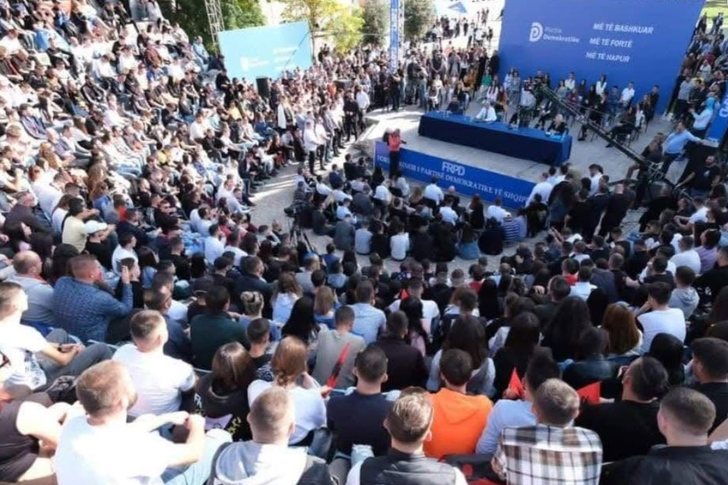
Correcting an injustice... For 5 years, we were persecute...
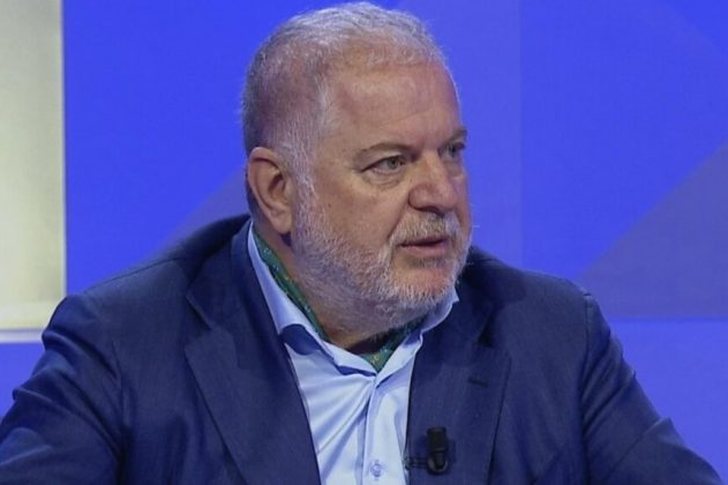
According to the New Testament, an apostle is a man who ha...
The 35-year silence of the SP & DP on the crimes of commun...
Berisha's persistence and Tirana's fatigue. Anyone else wo...
Që në zanafillë, kjo lëvizje po përballet me një presion t...
One year after Rama's landslide victory, the illusion of i...
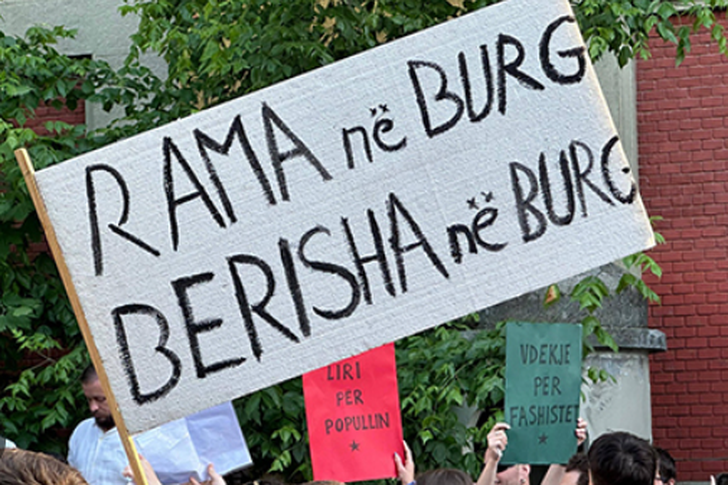
Paradoxically, protesters shout: "Berisha in prison!" Beri...
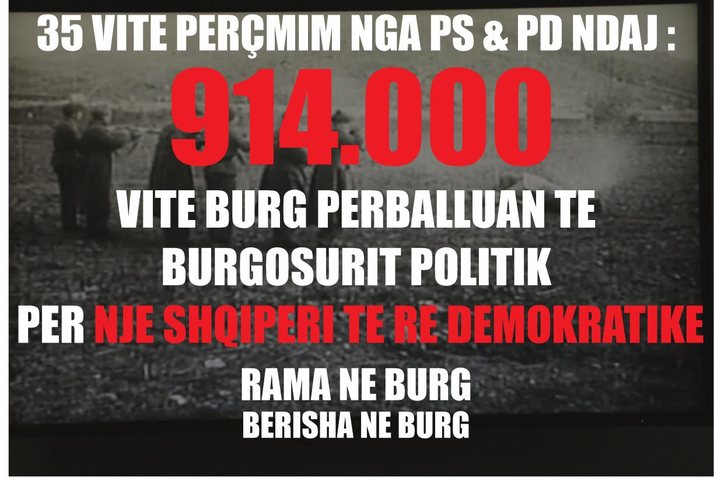
For the crimes of communism, it shows how Stalinist these ...
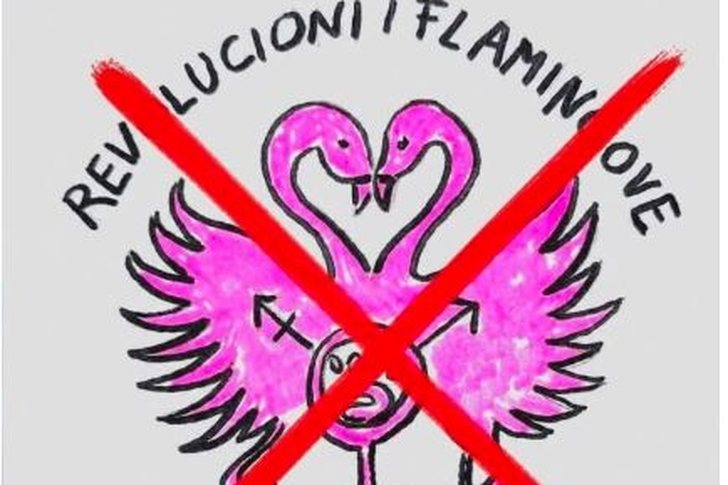
Protest is one of the most important expressions of democr...
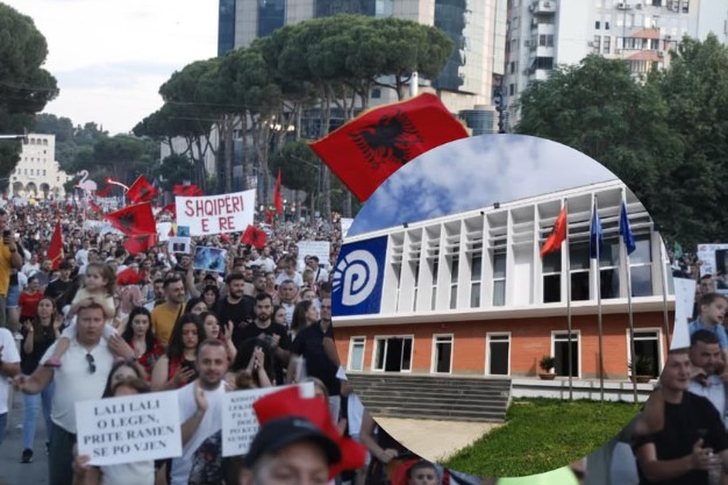
The "Martyrs of the Nation" Boulevard is lit up every day ...
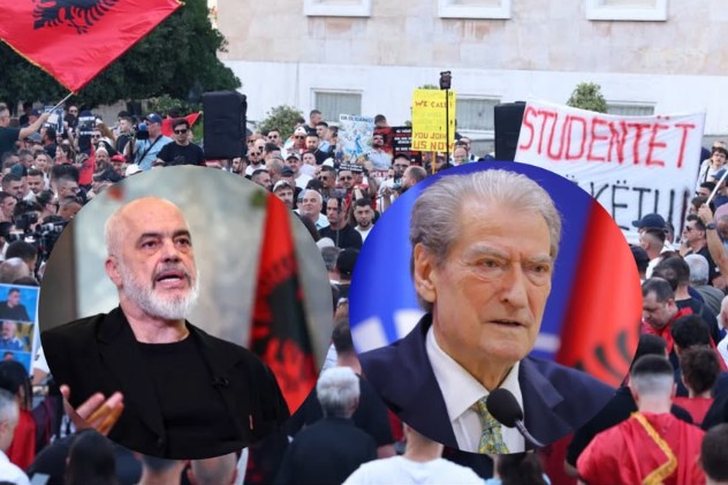
In the protest, a significant part of it are those who bro...
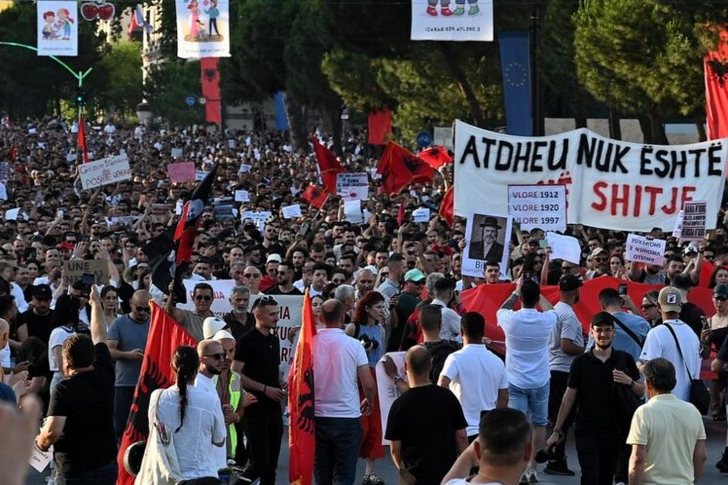
DO NOT DISRUPT THE PROTEST! Do not insult and denigrate th...
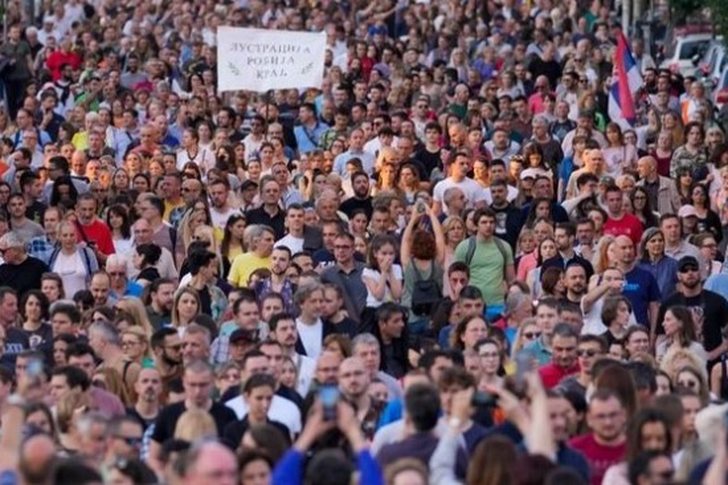
There were protests in Belgrade every day for 2 years, but...
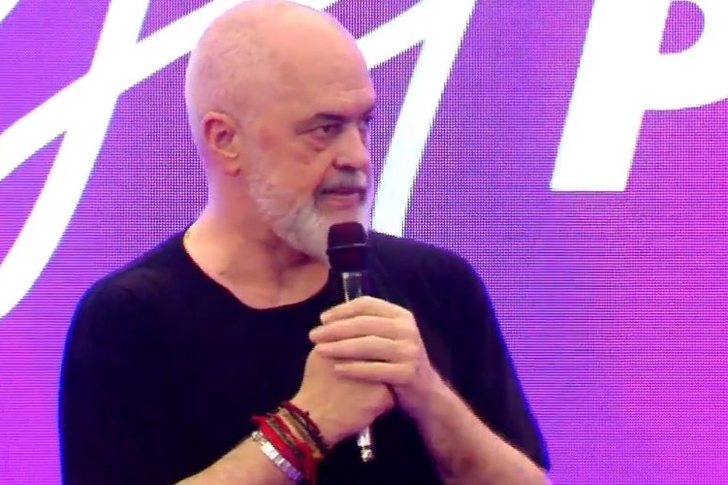
The testimony of the Prime Minister of Albania that Mustaf...
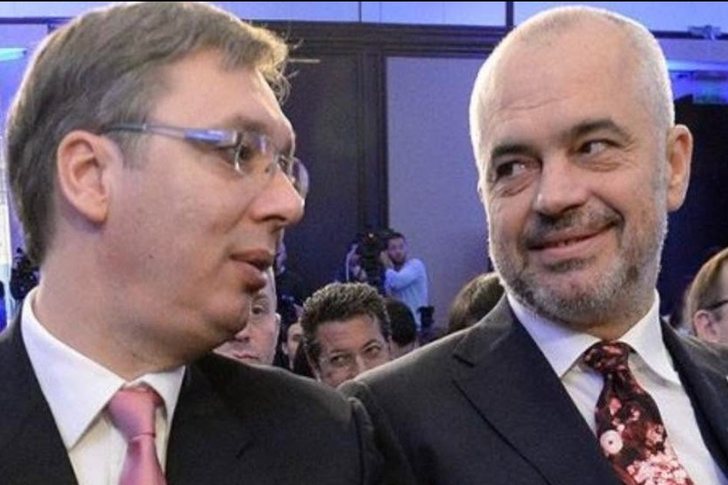
Declaring internal and external enemies is now Edi Rama's ...
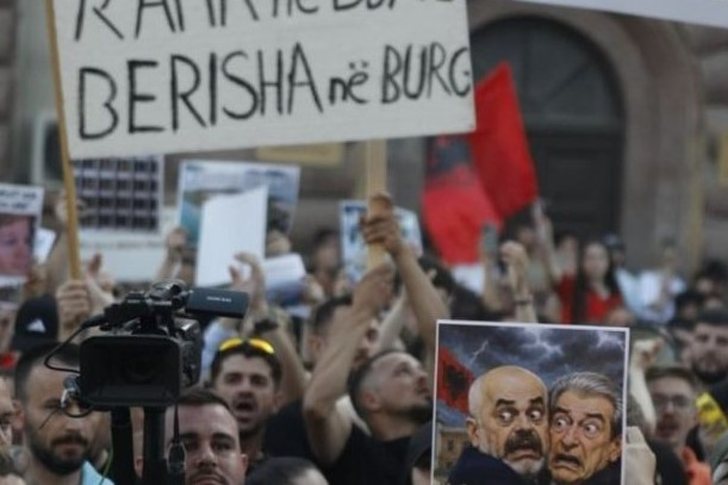
Rama in prison…!!!! Berisha in prison…???!!! Democrats.....

CURLY PELICAN -In the citizens' protests against Rama and...
In Albania, two oppositions are increasingly emerging, whi...
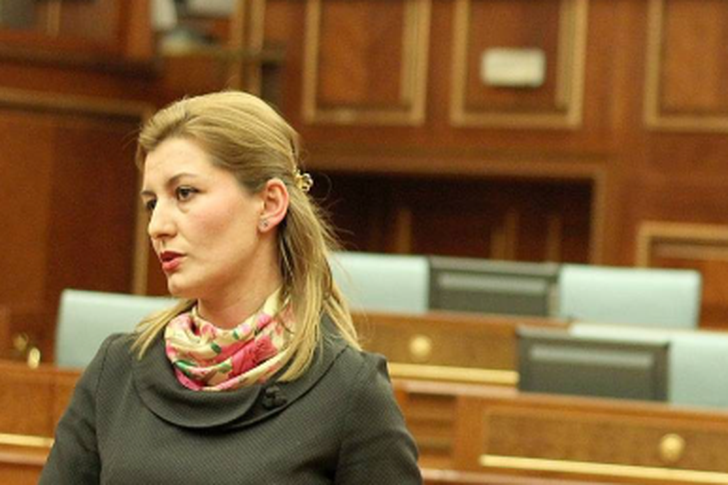
In recent days, I have devoted a significant part of my ti...
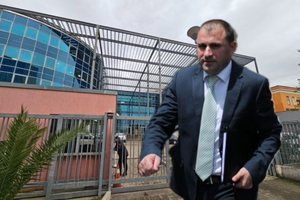
Dritan Prençi is the SPAK prosecutor who is sleeping on th...
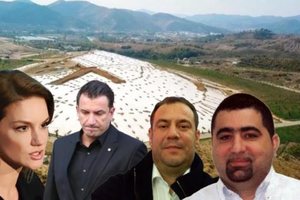
The in-depth investigations that SPAK conducted into Ajola...
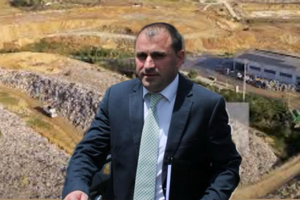
SPAK's standards, the way it investigates, how it secures ...
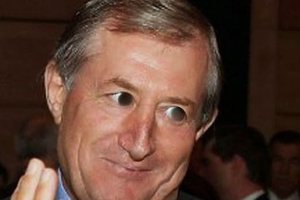
Irfan Hysenbelliu claims to be a big businessman, an hones...

The Special Board of Appeal (KPA) decided this Monday ...

The KPA vetting decided this Thursday to dismiss the p...

Suela Salavaçi, a prosecutor in the Prosecutor's Offic...

The Special Board of Appeal reinstated the prosecutor ...
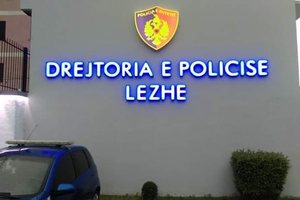
One of the perpetrators of the explosion that occurred yes...
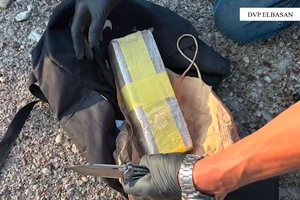
A case of heroin trafficking from North Macedonia to Alban...
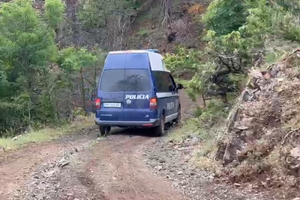
Details have been revealed from the investigation file for...
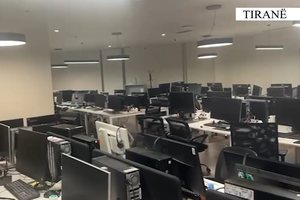
A call center where computer fraud was carried out has bee...

On Thursday, our country will be affected by relatively un...

Albania is facing a deep demographic crisis where official...
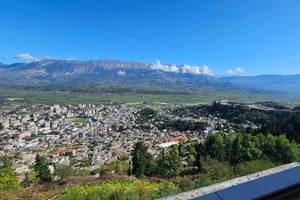
This Wednesday, our country will be affected by relatively...

The UN's World Meteorological Organization now warns that ...
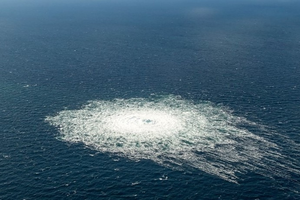
Explosions have been heard near the Iranian city of Sirik,...
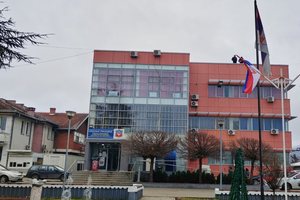
The Basic Court in Pristina has lifted the one-month deten...

US President Donald Trump has warned that the US will hit ...

The European Central Bank has raised interest rates for th...
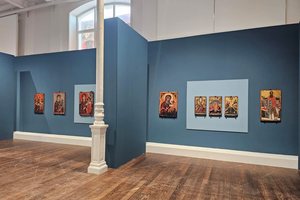
At the Museum of Fine Arts in Chambéry, France, an exhibit...
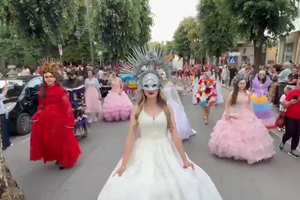
Korça has transformed this weekend into the capital of cel...

Korça is ready to open the summer season with one of the c...

Two years after his passing, the renowned Korçë poet Skënd...

Businesses reduced their borrowing abroad last year. Bank ...

Payments and withdrawals in online sports betting will be ...

This Thursday, one US dollar is bought for 81.6 lek and so...

The first three months of this year have brought a record ...