

After the former KLA commander, the Special Forces also release Smakaj and Fazliu
The Specialist Chambers announced that they have released ...


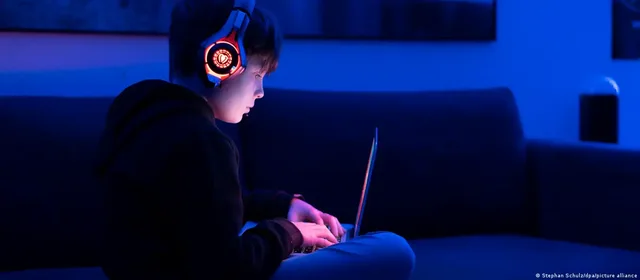
Days after French lawmakers voted to ban social media for children under the age of 15, Spanish Prime Minister Pedro Sanchez promised to protect Spain's children "from the digital Wild West."
Hours of scrolling through harmful content are reshaping young people's brains and causing anxiety and other health risks, experts say, forcing European governments to act.
"The particular focus on minors comes because of the increased risk of long-term harm, as they are still developing cognitively," Paul O. Richter, a fellow at the Brussels-based think tank Bruegel, told DW. "There is a lot of research showing strong correlations between social media use and mental health problems."
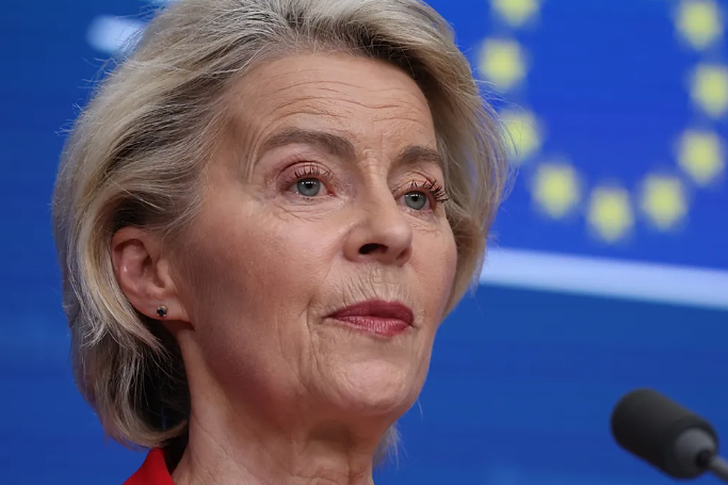
European Commission President Ursula von der Leyen has also expressed support for an EU-wide age limit, in line with a new Australian law that set the age limit at 16 for using social media.
But how could such a ban be enforced — and would it even work?
Which European countries are considering banning social networks for children?
In France, the bill calling for a ban on minors under the age of 15 will now be sent to the Senate of the French parliament for a vote.
In Spain, the Council of Ministers is expected to approve the ban on minors under the age of 16 and add the clause to a bill that is under discussion in the Spanish parliament.
"Today, our children are exposed to a space they were never meant to navigate alone, a space of addiction, abuse, pornography, manipulation and violence," Sanchez said as he announced the proposed ban.
Other European countries are also considering a ban on social media for children under the age of 16 or 15.
At the end of 2025, Denmark decided to protect children and young people from online abuse and "create a better legal framework for their digital lives."
In a multi-party agreement, political groups in Denmark said access to some social media platforms should be banned. A law has not yet come into force.
Italy has also introduced a bill in the Italian parliament to impose restrictions on social media, including for child influencers under the age of 15.
According to a senior official who spoke to the Reuters news agency, Greece is "very close" to imposing a similar ban.
Last week, Portugal introduced a bill requiring parental consent for children under the age of 16 to access social media content.
Austria gjithashtu po shqyrton një ndalim të rrjeteve sociale, ndërsa Mbretëria e Bashkuar ka nisur një proces konsultimi mbi këtë çështje.
Ndërkohë, parlamentarët evropianë nëntorin e kaluar (2025) rekomanduan një ndalim të mediave sociale në të gjithë Evropën për fëmijët nën moshën 16 vjeç, ndërsa sugjeruan gjithashtu që adoleshentët 13 deri në 16 vjeç të mund të kenë qasje me pëlqimin e prindërve.
Një ID digjitale në të gjithë BE-në për të verifikuar moshën?
Një ide që po diskutohet për verifikimin e moshës është një ID digjitale në të gjithë BE-në. Richter, bashkëpunëtor i lidhur me Bruegel, tha se ID-ja digjitale e BE-së parashikohet si një mjet që do të verifikonte moshën e përdoruesit pa kompromentuar të dhënat personale.
"Do t'u lejonte njerëzve të verifikonin në mënyrë digjitale se janë mbi një moshë të caktuar pa pasur nevojë për të regjistruar asnjë të dhënë personale shtesë, si data e lindjes, emri, adresa ose numri i identifikimit. Kjo do të lehtësonte zbatimin e një kufizimi moshor digjital," tha Richter.
Por Marc Damie, zëdhënës i ctrl+alt+reclaim të Francës ? një lëvizjeje e drejtësisë teknologjike dhe të drejtave digjitale e drejtuar nga të rinjtë ? pretendoi se detajet rreth mënyrës se si do të funksiononin aplikacionet ose dokumentet e identifikimit për verifikimin e moshës, dhe nëse informacioni privat do të ishte i sigurt, janë të paqarta.
"Të tilla ndalime do të kenë efekt të kundërt," tha ai. "Ne pajtohemi që ekziston një problem, mediat sociale po shkaktojnë çështje të shëndetit mendor, por një ndalim i tillë," pretendoi ai, "është thjesht një masë simbolike nga ana e politikanëve dhe jo një zgjidhje e vërtetë."
Eksperti: Ndalimi i mediave sociale nuk do të lehtësonte 'problemet strukturore'
"Ndalimi nuk i zgjidh problemet strukturore" në platformat e mediave sociale, tha Damie. Ai theksoi si çështje kryesore praktikat e platformës si autoplay ? e cila u imponon përdoruesve përmbajtje audio dhe video të padëshiruara dhe të papritura ? dhe skrolimin e pafund që shkakton ankth, i destinuar për t'i mbajtur përdoruesit të lidhur online. Damie gjithashtu kundërshtoi kufirin e moshës, sepse "varësia nuk ndalet në 15 ose 16 vjeç."
Richter u pajtua se mungesa e kërkimeve të mjaftueshme e bën të vështirë të argumentohet në mënyrë përfundimtare për një moshë specifike si kufiri optimal.
"Disa nga rreziqet e mundshme lidhen specifikisht me efektin që ka krahasimi social nga mediat sociale te vajzat adoleshente dhe të rejat," tha ai. "Prandaj, një kufi moshe më i lartë mund të justifikohet."
Vetëm BE-ja mund të detyrojë platformat online të bëjnë ndryshime sistematike
Bashkimi Evropian ka mbështetur një moshë madhore digjitale, por ka paralajmëruar shtetet anëtare që të mos shkelin Ligjin e tij për Shërbimet Digjitale (DSA), i cili kërkon nga kompanitë teknologjike të zbusin rrezikun lidhur me algoritmet dhe ndikimin te të miturit.
"The DSA and the EU Commission are the only entities that can impose additional obligations on very large platforms," ??Thomas Regnier, spokesman for the Commissioner for Technology, told reporters.
Richter said that member states are simply disappointed and do not think that the EU is able to effectively impose its laws on foreign technology companies, mainly those in the US.
"The DSA law requires large online platforms such as popular social networks to... change their algorithms and platform design to mitigate systemic risks, including those to minors," Richter said. "EU law also requires them to share data with researchers to allow for independent research into the risks.
"In practice, this has not happened significantly. That is why proposals for stricter regulations, including social media bans, have gained more support," he added.
A week ago, Elon Musk, owner of the social media platform X, labeled the Spanish prime minister "a tyrant and a traitor to the people of Spain," after the latter announced his plans to ban social media for children.
Musk has tried to portray European regulations on creating safe spaces online as a ploy to stifle free speech online. Damie said it was time for EU countries to "invest together in European alternatives" to non-European social platforms. "We are hostage to big American companies," he said. The reality is "it's either with them or there's no digital life," he said. The idea is being discussed among experts in the hope that a European platform would better comply with EU regulations and values. /DW

The Specialist Chambers announced that they have released ...
Former KLA commander Haxhi Shala has been released from th...
The governments of Germany, Italy and Belgium are pushing ...
French President Emmanuel Macron has urged Europe to show ...
A U.S. appeals court has cleared the way for the deportati...

The German government plans to buy attack drones worth 536...
A fire broke out at Terminal 1 of Hong Kong International ...
The United States Embassy in Kosovo will continue to suppo...
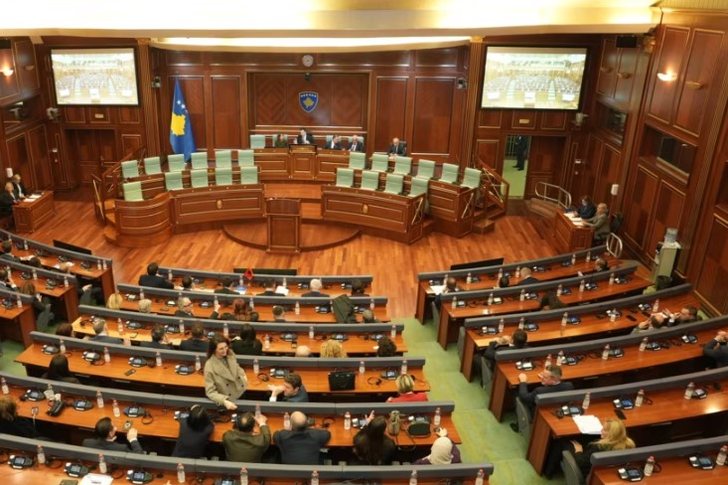
The President of Kosovo, Vjosa Osmani, has called a sessio...
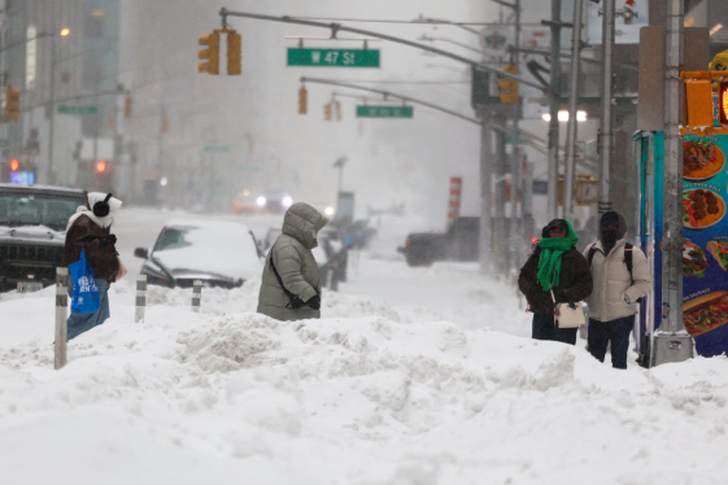
Eighteen people have died in New York City from an extende...
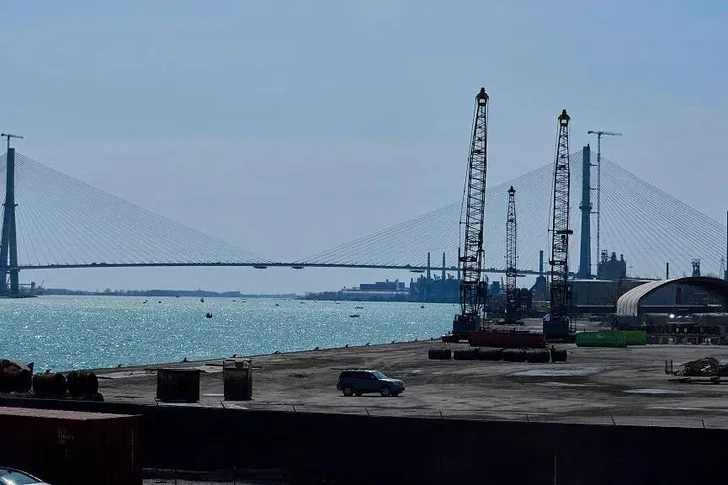
President Donald Trump has threatened to block the opening...
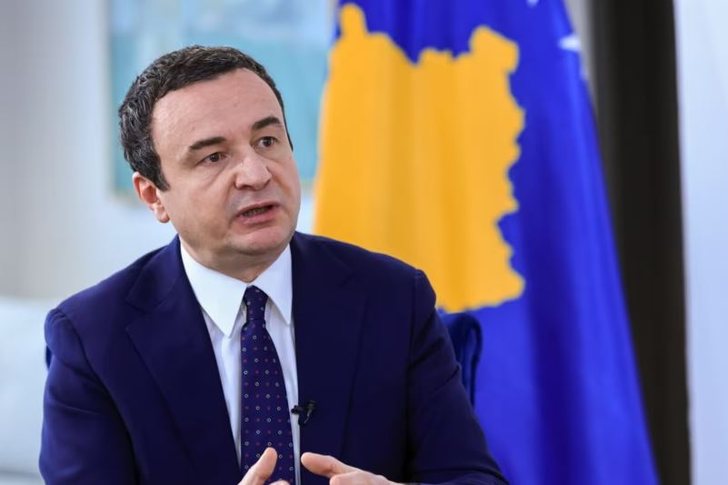
Kosovo Prime Minister Albin Kurti has reacted after the Ha...
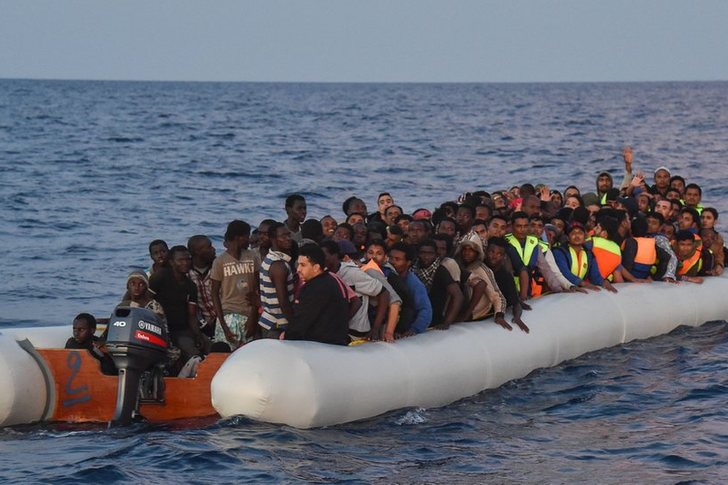
Një tragjedi ka ndodhur në brigjet e Libisë, pas përmbysje...
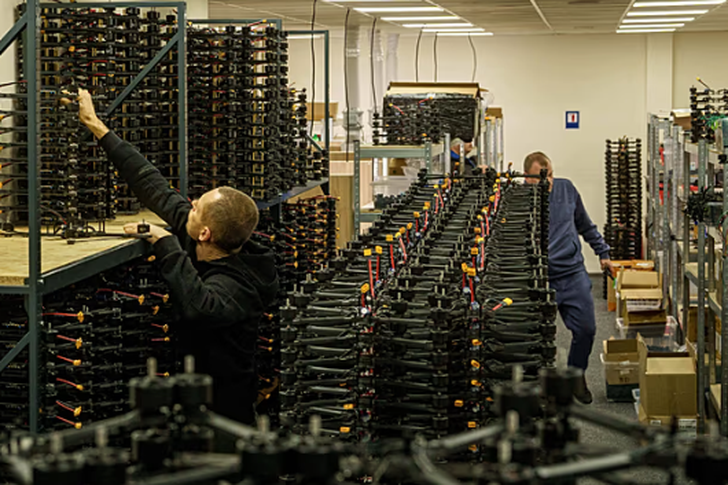
Vendimi i shumëpritur pritet të transformojë industrinë mb...
European Commission President Ursula von der Leyen has sug...
Two high-profile diplomats are under investigation in Norw...
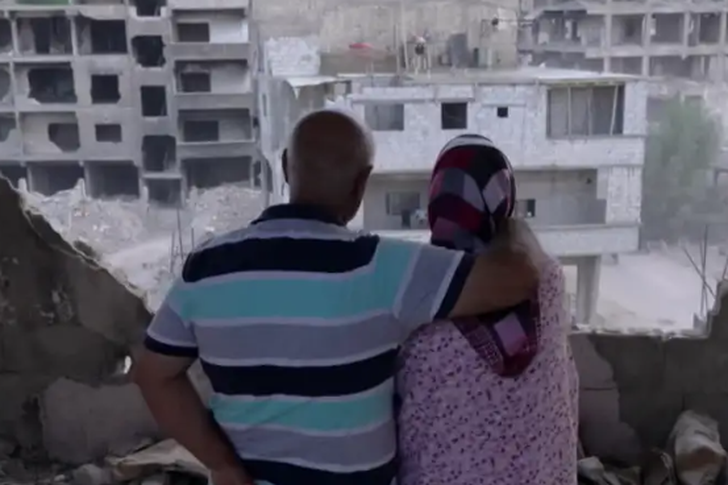
Nearly 6,000 Syrians applied for voluntary return to their...
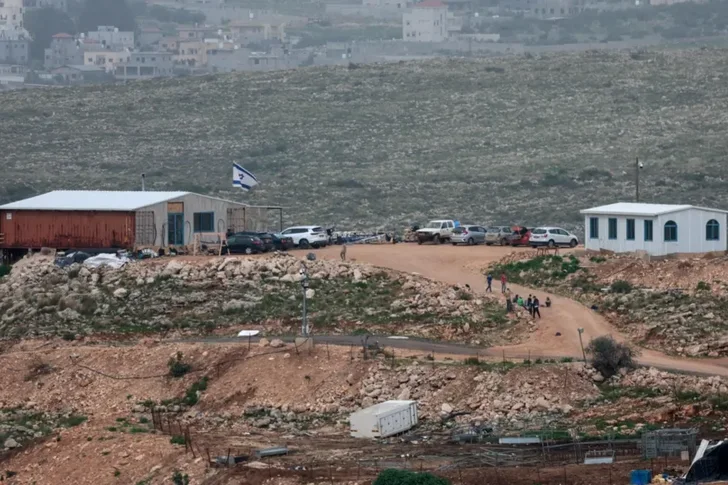
Palestinians, Arab countries and Israeli anti-occupation g...
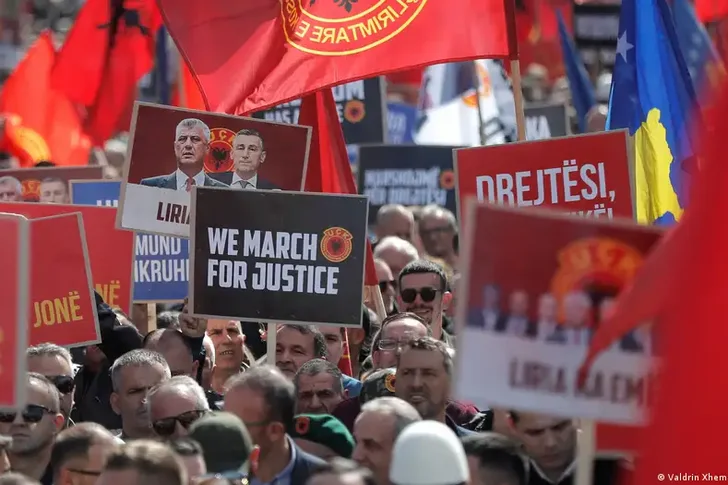
Në Kosovë pati sot reagime të shumta pasi Prokuroria në Dh...
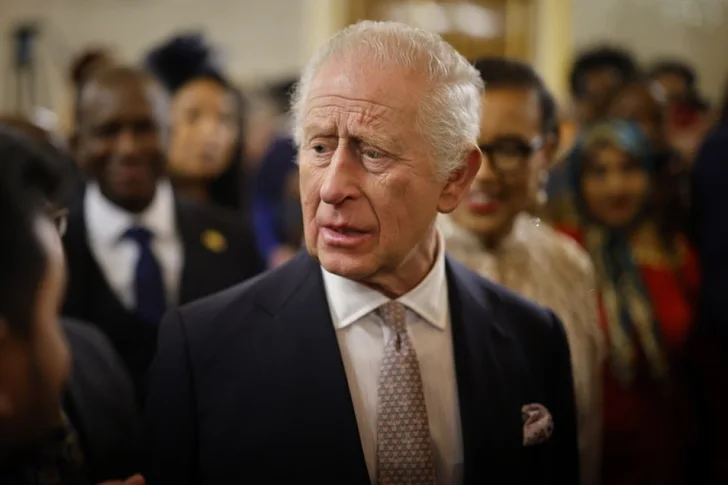
Mbreti Charles III ka reaguar për herë të parë lidhur me s...
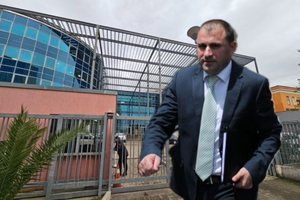
Dritan Prençi is the SPAK prosecutor who is sleeping on th...

The in-depth investigations that SPAK conducted into Ajola...
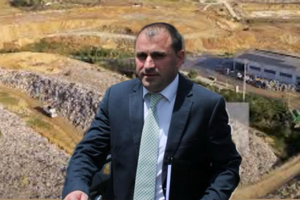
SPAK's standards, the way it investigates, how it secures ...
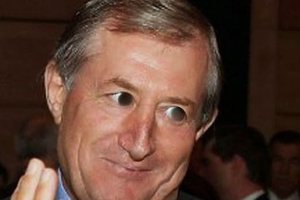
Irfan Hysenbelliu claims to be a big businessman, an hones...

The Special Board of Appeal (KPA) decided this Monday ...

The KPA vetting decided this Thursday to dismiss the p...

Suela Salavaçi, a prosecutor in the Prosecutor's Offic...

The Special Board of Appeal reinstated the prosecutor ...

A 33-year-old Albanian citizen was arrested in Italy after...

One of the perpetrators of the explosion that occurred yes...
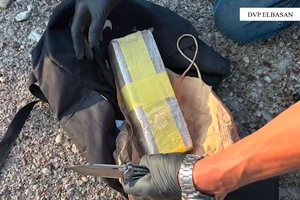
A case of heroin trafficking from North Macedonia to Alban...
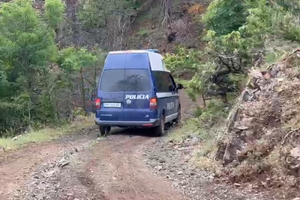
Details have been revealed from the investigation file for...

On Thursday, our country will be affected by relatively un...
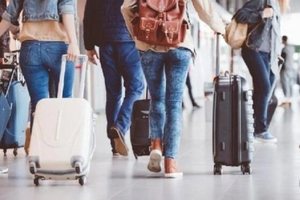
Albania is facing a deep demographic crisis where official...

This Wednesday, our country will be affected by relatively...
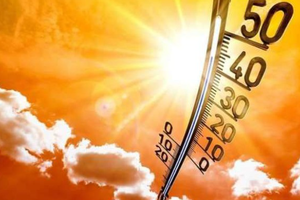
The UN's World Meteorological Organization now warns that ...
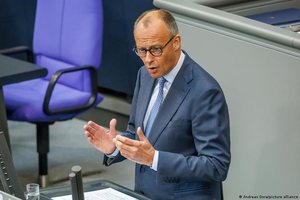
German Chancellor Friedrich Merz (CDU) defended his govern...
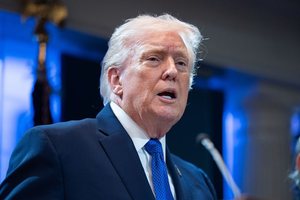
US President Donald Trump has made a post on Truth Social ...
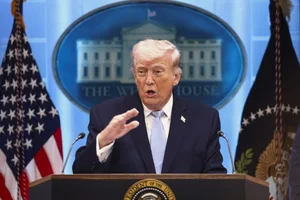
US President Donald Trump announced today that he was canc...
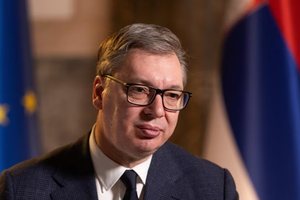
Serbian President Aleksandar Vučić said he was considering...

At the Museum of Fine Arts in Chambéry, France, an exhibit...

Korça has transformed this weekend into the capital of cel...

Korça is ready to open the summer season with one of the c...
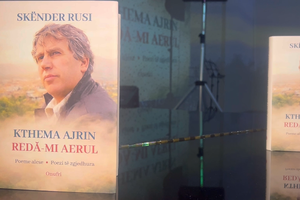
Two years after his passing, the renowned Korçë poet Skënd...

The price of gold fell to its lowest level in more than si...
Businesses reduced their borrowing abroad last year. Bank ...

Payments and withdrawals in online sports betting will be ...

This Thursday, one US dollar is bought for 81.6 lek and so...