

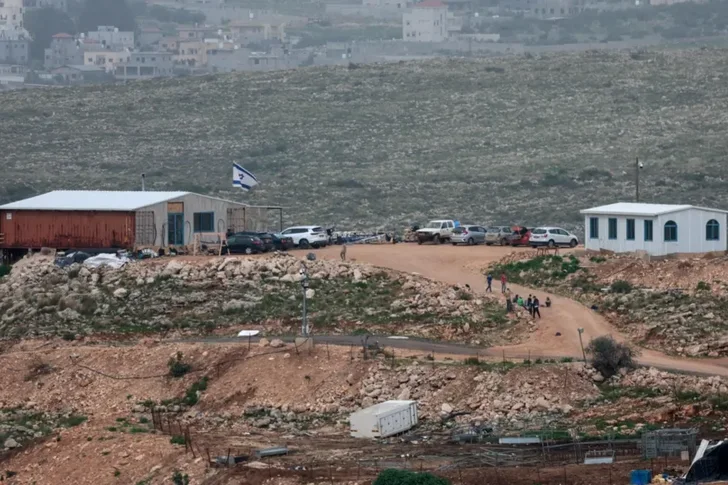
Palestinians: New Israeli measures in West Bank constitute de facto annexation
Palestinians, Arab countries and Israeli anti-occupation g...


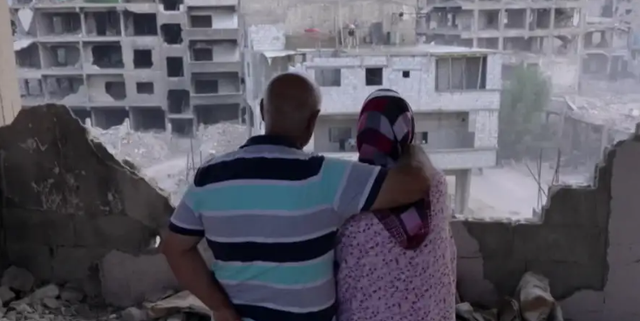
Nearly 6,000 Syrians applied for voluntary return to their country of origin in 2025. The situation in Syria remains delicate.
The figures in question are ones that German Interior Minister Alexander Dobrindt likes to hear: Last year, 5,976 Syrians applied for voluntary departure to Syria, supported by the Federal Office for Migration and Refugees (BAMF), and submitted all the necessary documents. 3,678 of them have already returned.
For the CSU politician, this is proof of the success of the migration policy he has promoted: "Those who have no prospects of residence receive special assistance for their voluntary return."
This special assistance includes the coverage of flight costs, as well as an initial grant of €1,000 for each returning adult and €500 for children and young people. A year ago, the Federal Office restarted the program, after it was suspended due to the war. The number of people taking this step and returning to their countries of origin is generally increasing.
Number of voluntary returns from Germany on the rise
In a press release, the BAMF writes: "A total of 16,576 people received assistance to return to their country of origin or to a third country willing to accept them. This represents a significant increase in the number of departures compared to the previous year, when 10,358 people left the country. In 2025, the majority of voluntary departures were to the countries of origin Turkey, Syria, the Russian Federation, Georgia and Iraq."
So is voluntary return to Syria a success story? Or is it rather a misguided debate, as Iris Schwerdtner criticizes. Civil war-like conditions continue to prevail in Syria, the Left Party leader emphasizes. Germany should therefore not deport anyone to that country, nor persuade people to travel there voluntarily. She considers any debate of this kind "completely inappropriate at this time."
The humanitarian situation in Syria remains difficult
Sandra Lorenz, communications officer at Johanniter International Assistance, is in a good position to judge. The aid organization works through partners in northwest Syria. Lorenz tells DW that she can understand why people want to return to their country.
"We see this in Ukraine too, where people want to return to their villages despite the attacks. That's completely normal. But you just have to be clear about the situation you're in. The infrastructure has been completely destroyed in many places. And the people living there today are constantly displaced because of the ongoing fighting."
Of course, the situation in largely destroyed cities like Aleppo and Afrin is different from that in the Syrian capital Damascus, for example, Lorenz explains. However, the humanitarian situation remains very difficult overall and the need for reconstruction remains enormous, especially after the severe earthquake three years ago. For Johanniter, this currently means first and foremost supporting the rehabilitation of infrastructure and supplying hospitals with gasoline, drinking water and medicines. "There are hundreds of thousands of people who are food-dependent and who need support to regain access to water, decent housing and income. The situation in Syria is like in other war zones, it's just not what it was 14 years ago. And I can only hope that people have studied this, that they have spoken to someone, that they have somewhere or someone they know, to whom they can turn first."
Germany helps with reconstruction
Nahla Osman recently saw the situation in her own country with her own eyes. The lawyer and vice president of the German Syrian Aid Association has just returned from a trip with a delegation to Syria. She was accompanied by representatives of the Gesellschaft für Internationale Zusammenarbeit (GIZ), the Federal Ministry for Economic Cooperation and Development (BMZ) and the German Bank for Reconstruction and Development (KfW).
Osmani explains to DW: "In Harasta, a suburb of Damascus, there is not a single house that is habitable or meets the minimum standards for living there. More than 80% of Syria's schools have been destroyed. At the same time, there is a real shortage of everything, especially medicines and medical supplies. The Minister of Health told us that certain medical devices may exist once or twice in all of Syria."
The resumption of Syrian hospitals is a priority for German reconstruction aid. During the trip, a corresponding contract was signed with five hospitals.
At the same time, Germany could also benefit from Syrian specialists in the future: the Syrian government has proposed introducing German as a subject from the fifth grade. The aim is to train specialists – such as doctors – at an early stage, who can then work in Germany under more favorable conditions.
Nahla Osman does not understand the debate in Germany about the return of Syrians: "Most Syrians are integrated here, they speak German and work. Many dream of returning, but not under these conditions, of course." In her opinion, the debate in Germany is not very nuanced: "All Syrians should return, pick up a shovel and rebuild the country. This is no way to have a debate in a country of immigration."/ DW

Palestinians, Arab countries and Israeli anti-occupation g...
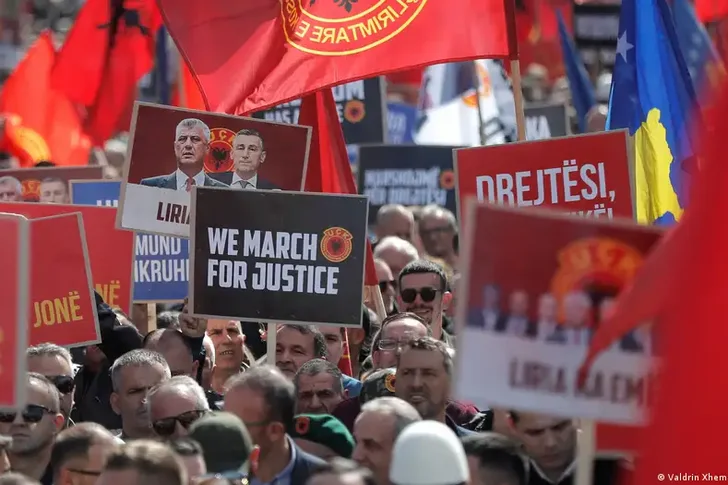
Në Kosovë pati sot reagime të shumta pasi Prokuroria në Dh...
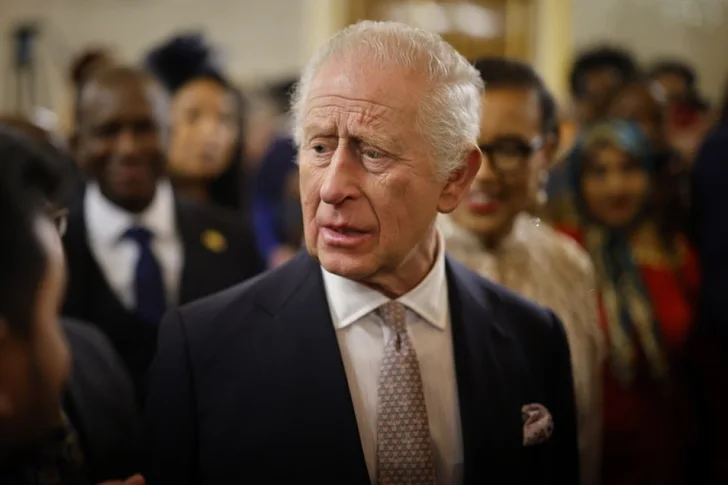
Mbreti Charles III ka reaguar për herë të parë lidhur me s...
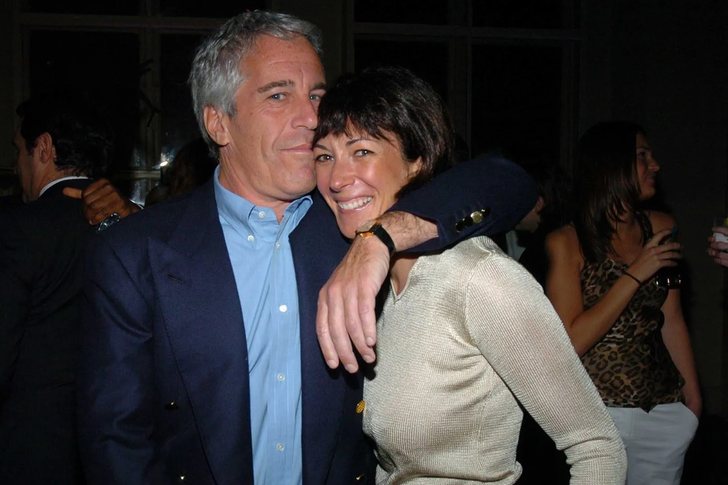
Ghislaine Maxwell, bashkëpunëtorja e dënuar e abuzuesit se...
The Central Election Commission has certified the results ...
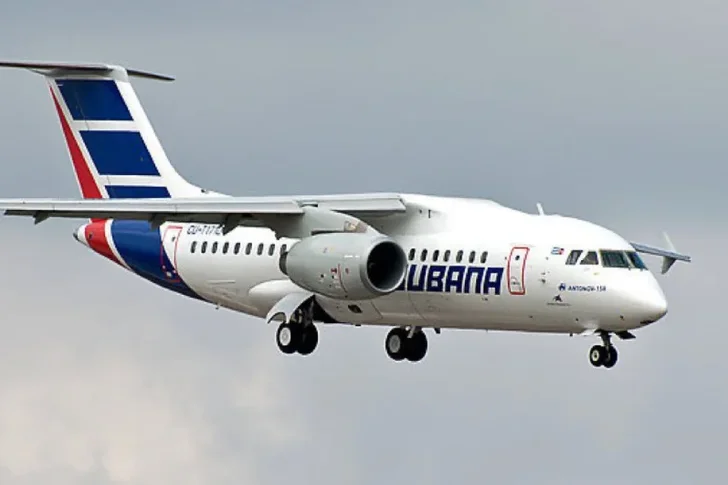
Cuba warned international airlines on Tuesday that there w...
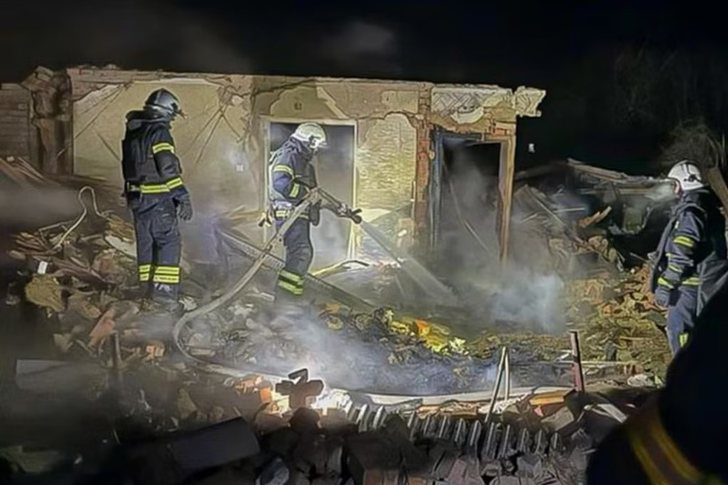
At least five people have been killed in Russian drone an...
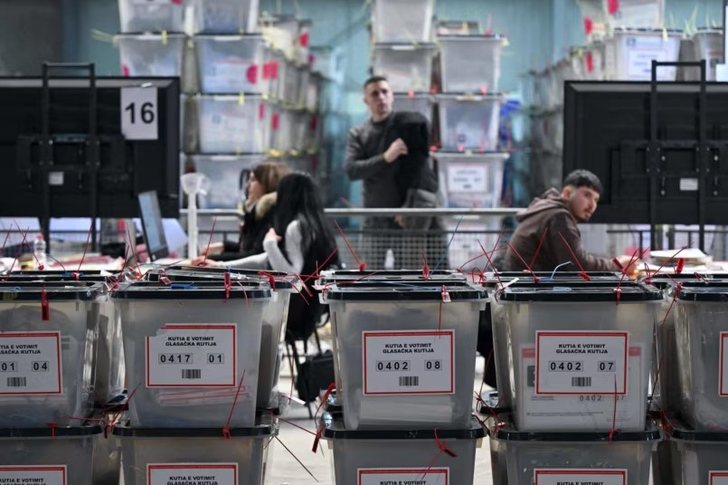
The Central Election Commission (CEC) in Kosovo will meet ...
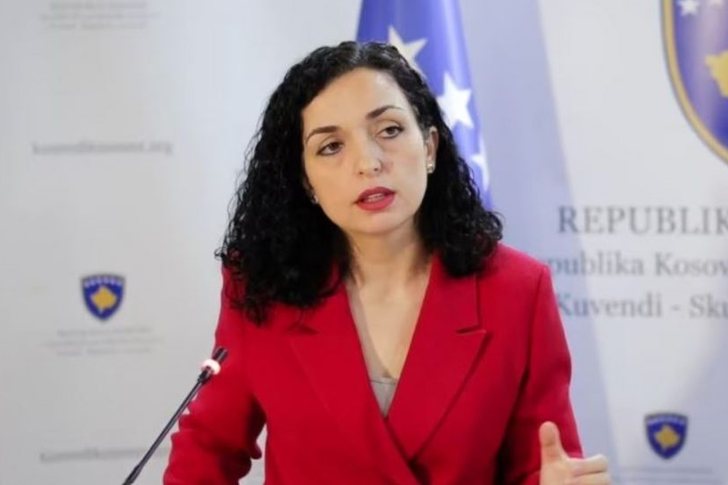
Presidentja e Kosovës, Vjosa Osmani ka reaguar pasi Prokur...
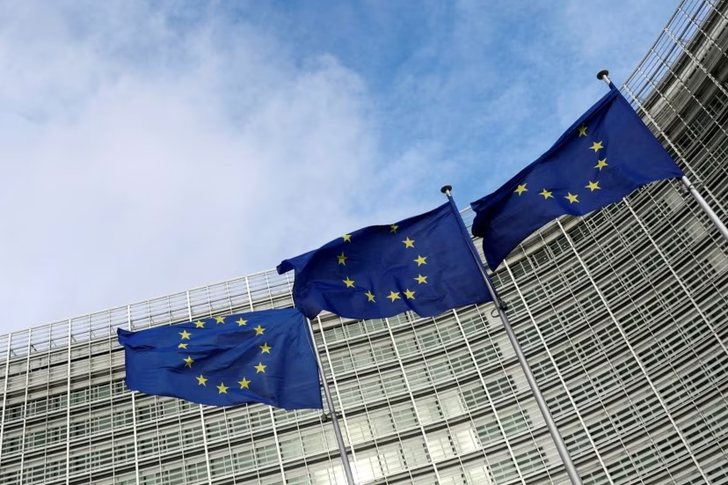
The European Union said Serbia's recent arrest of a Kosovo...

A robbery like in the movies took place today in Brindisi,...
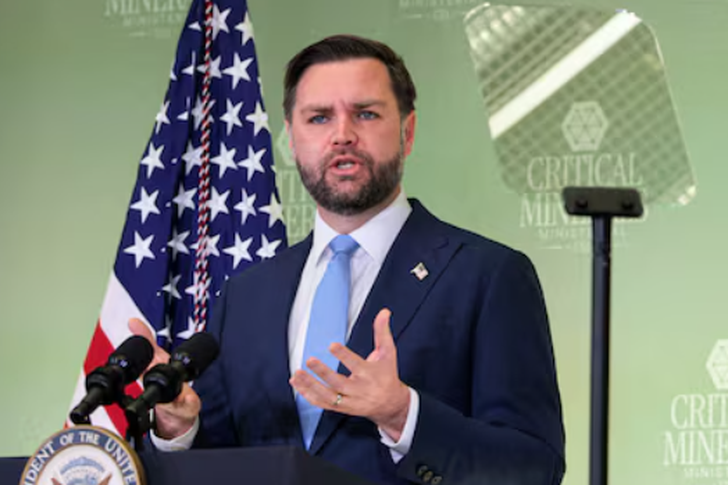
US Vice President JD Vance is embarking on a diplomatic vi...
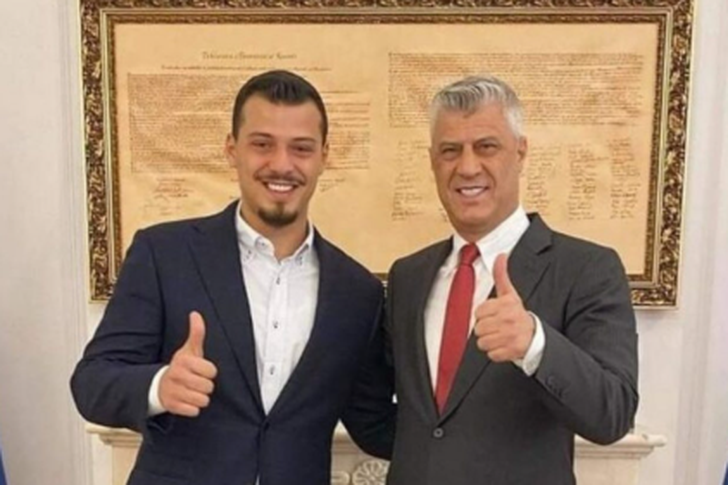
Endrit Thaçi, the son of former Kosovo President Hashim Th...
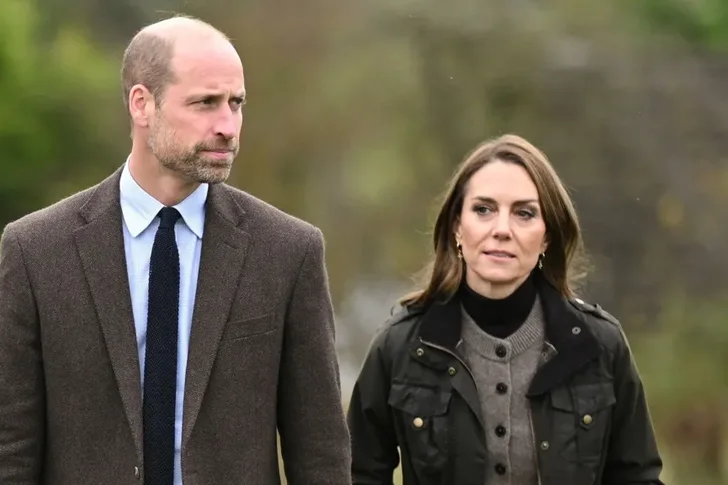
The Prince and Princess of Wales have said they are "deepl...
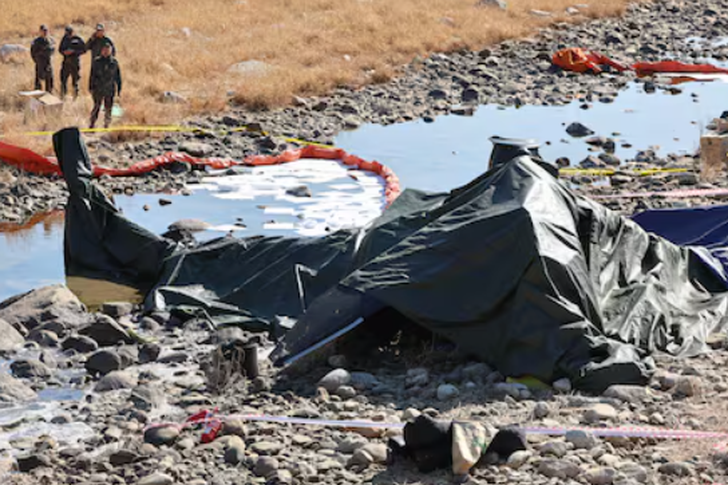
A South Korean military AH-1S Cobra attack helicopter has ...
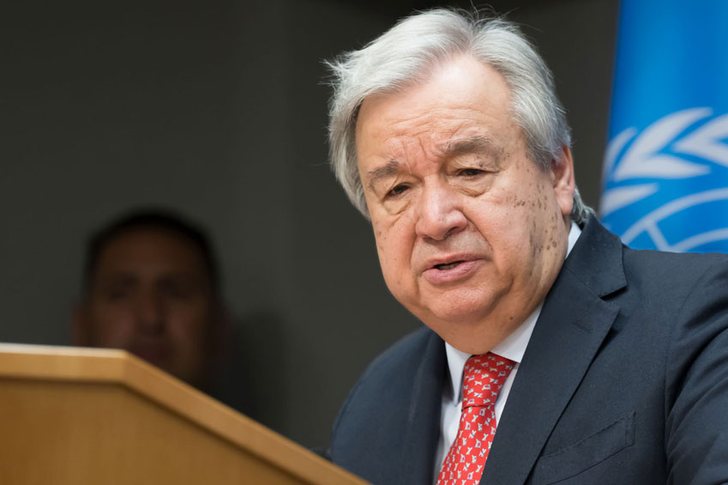
The global economy must be fundamentally transformed to st...
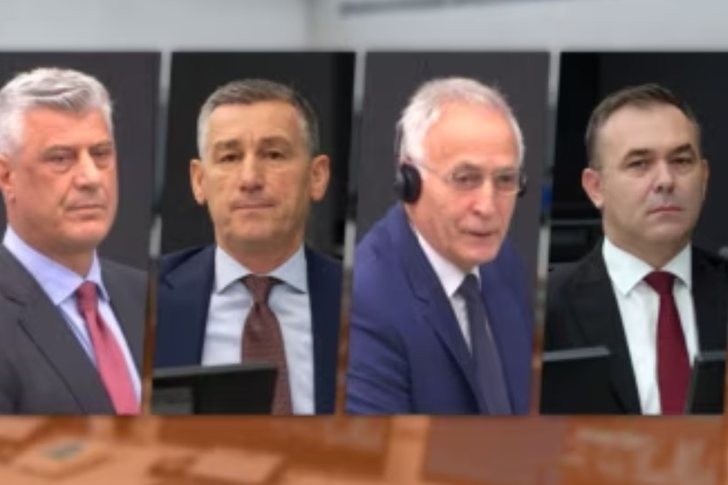
This Monday, the final phase of the trial at the Kosovo Sp...
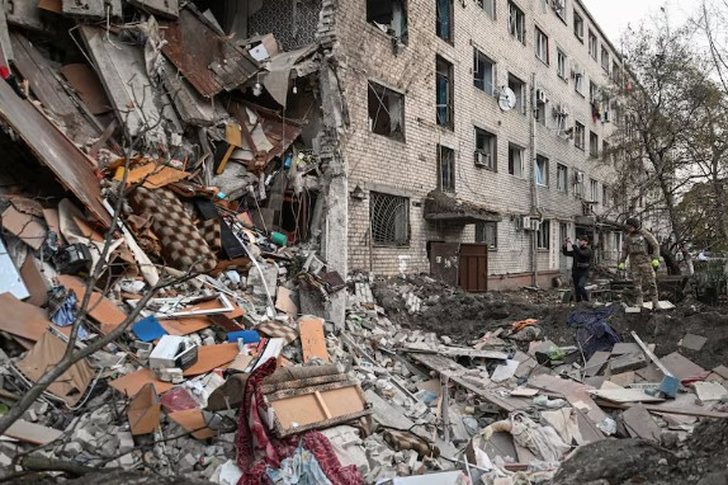
On Monday morning, a woman and a child were tragically kil...
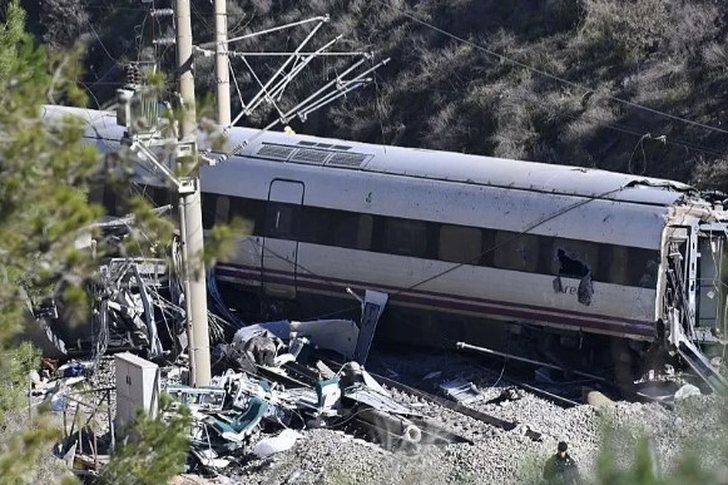
Train drivers in Spain will begin a three-day nationwide s...
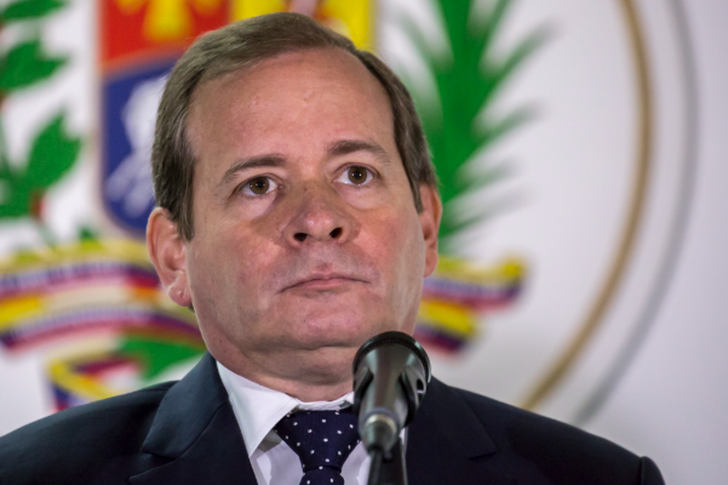
Maria Corina Machado, the leader of the Venezuelan opposit...
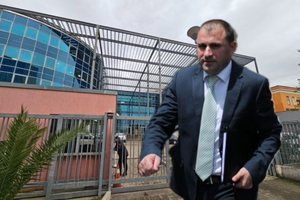
Dritan Prençi is the SPAK prosecutor who is sleeping on th...
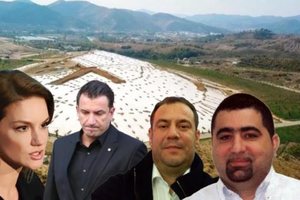
The in-depth investigations that SPAK conducted into Ajola...
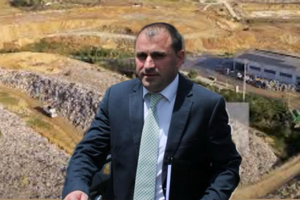
SPAK's standards, the way it investigates, how it secures ...

Irfan Hysenbelliu claims to be a big businessman, an hones...

The Special Board of Appeal (KPA) decided this Monday ...

The KPA vetting decided this Thursday to dismiss the p...

Suela Salavaçi, a prosecutor in the Prosecutor's Offic...

The Special Board of Appeal reinstated the prosecutor ...
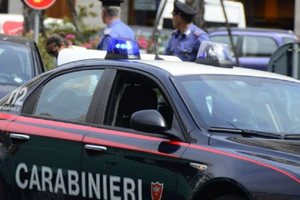
A 33-year-old Albanian citizen was arrested in Italy after...
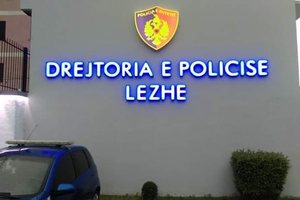
One of the perpetrators of the explosion that occurred yes...
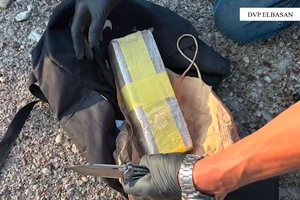
A case of heroin trafficking from North Macedonia to Alban...
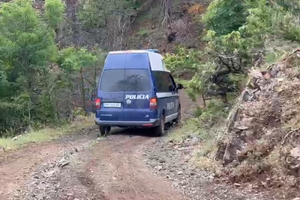
Details have been revealed from the investigation file for...

On Thursday, our country will be affected by relatively un...
Albania is facing a deep demographic crisis where official...
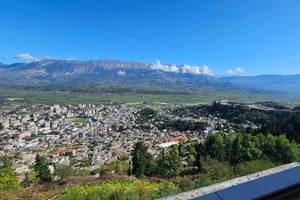
This Wednesday, our country will be affected by relatively...

The UN's World Meteorological Organization now warns that ...
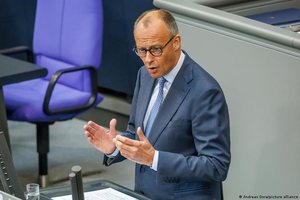
German Chancellor Friedrich Merz (CDU) defended his govern...

US President Donald Trump has made a post on Truth Social ...

US President Donald Trump announced today that he was canc...
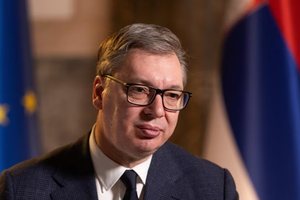
Serbian President Aleksandar Vučić said he was considering...

At the Museum of Fine Arts in Chambéry, France, an exhibit...

Korça has transformed this weekend into the capital of cel...

Korça is ready to open the summer season with one of the c...
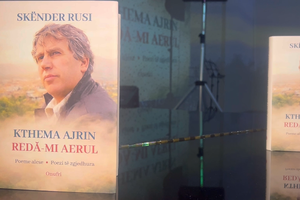
Two years after his passing, the renowned Korçë poet Skënd...

The price of gold fell to its lowest level in more than si...

Businesses reduced their borrowing abroad last year. Bank ...

Payments and withdrawals in online sports betting will be ...

This Thursday, one US dollar is bought for 81.6 lek and so...