

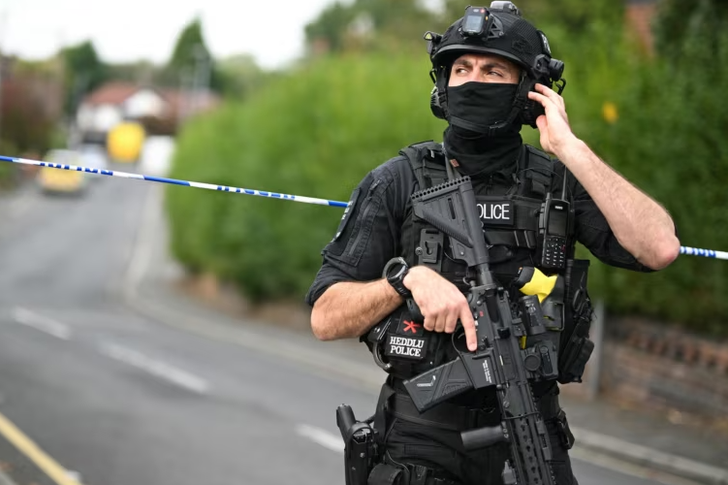
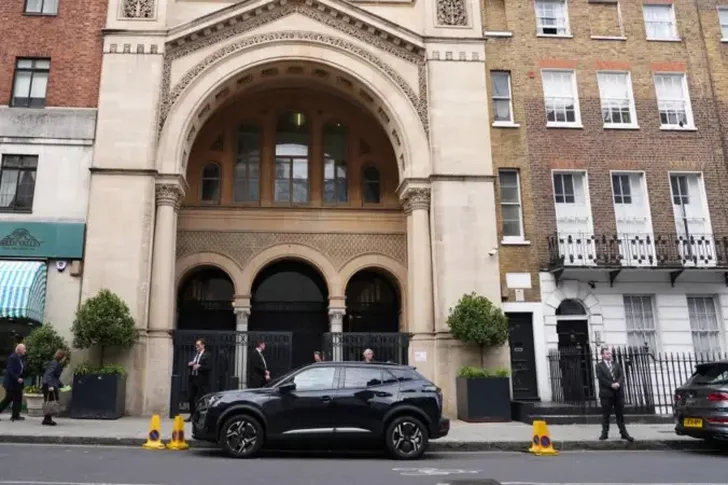
British police identify victims and perpetrator of synagogue attack
British police on Friday identified the two people who wer...


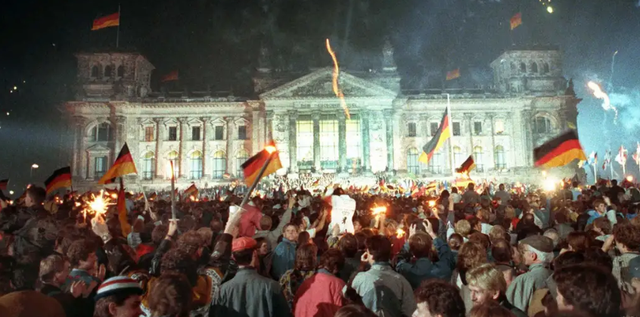
On October 3rd, Germany celebrates the reunification of East and West. But how was this achieved? How is this day celebrated? And what do Germans think about the reunification today?
After the end of World War II in 1945, Germany, defeated by the victorious powers of the USA, France, Great Britain and the Soviet Union, was initially divided into four occupation zones. In 1949, two states were created: the Federal Democratic Republic of Germany (FDR) in the West and the Socialist German Democratic Republic (GDR) under the control of the Soviet Union in the East. From this period on, Germany was divided, and GDR citizens were only allowed to travel to the GDR under strict conditions. The GDR border was strictly controlled, and a massive wall was built in West Berlin, which belonged to the GDR, so that GDR citizens could not leave their country.

People in the GDR lived in a state of surveillance and lacked freedom of expression. Anyone who did not adhere to the socialist regime was threatened with persecution and imprisonment. In the late 1980s, the people increasingly began to oppose the regime; citizens wanted freedom and democracy like their neighbors in the FRG. At the same time, the reform policy in the Soviet Union under Mikhail Gorbachev favored this process. Unlike his predecessors, Gorbachev renounced military intervention against reform movements in the GDR and other countries of the Eastern Bloc. In 1989, a wave of demonstrations in East German cities finally led to the opening of the Berlin Wall - which paved the way for the reunification of the two Germanys, the FRG and the GDR.
The fall of the Berlin Wall on November 9, 1989, was the decisive event on the road to reunification, so it would be understandable that reunification would be celebrated on November 9. But this very date is historically more charged than any other day of the year in Germany: On November 9, 1938, the Nazis burned down synagogues throughout Germany, destroyed Jewish shops and homes, and killed and arrested Jews. This was the night of the pogrom that marked the beginning of the systematic persecution and mass murder of millions of Jews.
For this reason, it was not appropriate for the reunification holiday to coincide with a dark day in German history. On October 3, 1990, a year after the fall of the wall, the reunification of the GDR with the FRG was officially achieved, so this was designated as the new day of the reunification holiday.
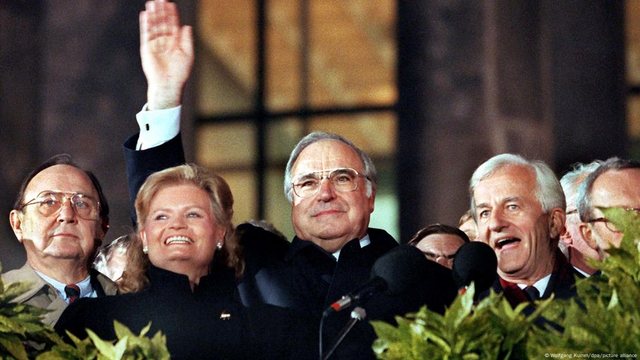
Not at all. Anyone expecting to see fireworks and crowded streets everywhere will be disappointed: Although almost all cities organize various events, such as open days or small celebrations. Also, every year one of the federal states organizes the central ceremony on the occasion of October 3. Usually the big celebration takes place in the capital of the organizing state, and this is the state that holds the rotating presidency of the Federal Council (Bundesrat).
This year, the solemn celebration takes place in Saarland. In the capital Saarbrücken, cultural and tourist activities, culinary events and activities with the exchange of democratic experiences are organized from October 2 to 4. Most Germans are happy that this is a day off.
In fact, there should have been a memorial to the unification for a long time. But after discussions that lasted almost a decade, on November 9, 2007, the Bundestag decided to create a "Memorial to Freedom and Unity". The idea was to install a 50-meter-long hemisphere in front of the Humboldt Forum in the middle of Berlin - as an interactive metaphor for democracy: When people enter it, it tilts in one direction - exactly in the direction that people are going. But even today, in 2025, this has not yet been realized. This is due to a dispute between the commissioned firms and the responsible government institutions. Whether and when a solution will be reached is unclear. In the meantime, only the foundation of the hemisphere has been laid.
Despite all the political efforts, according to a recent survey by the Demoskopie Institute, Forsa, Germany has not yet completely overcome the division: Meanwhile, only 35 percent of respondents say that East and West have "developed deeply together." The perception in the two parts of the country is very different: In the East, 23 percent believe that Germans have become one people since 1990, in the West, 37 percent think so. In 2019, the feeling of unification was at its highest level, with 51 percent of respondents saying so. When asked in the survey by Infratest dimap what is missing for unification to be achieved, 50 percent answered that equality of wages, pensions and wealth is missing./ DW

British police on Friday identified the two people who wer...
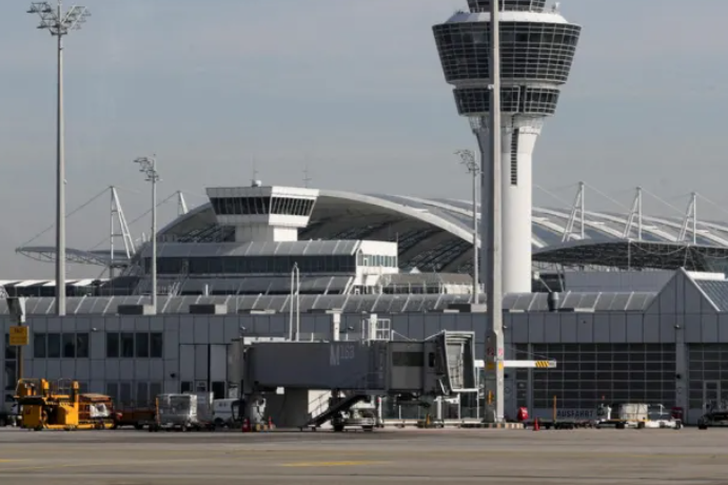
Drones in German airspace forced Munich airport to close f...
Manchester's football teams have reacted after the terrori...
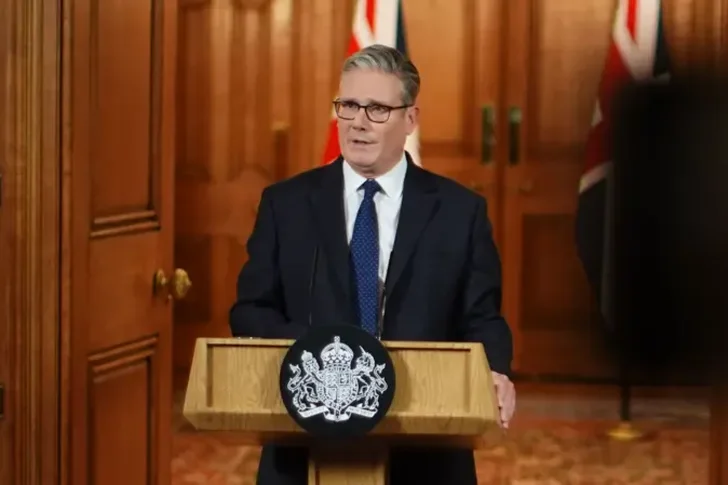
British Prime Minister Keir Starmer spoke after an emergen...
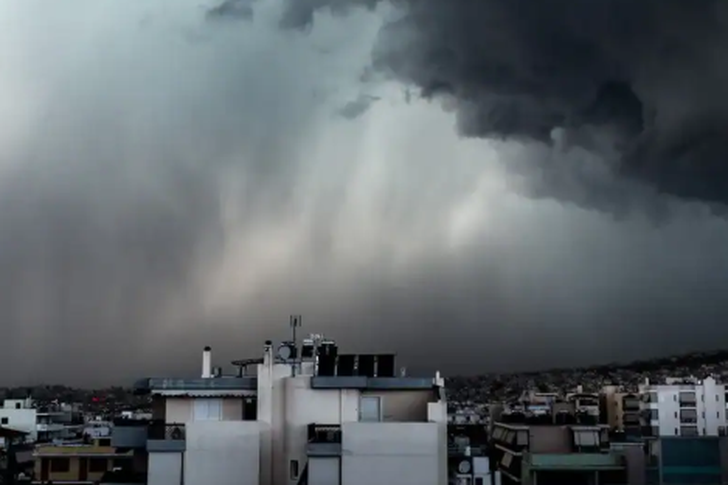
A wave of stormy weather is hitting western Greece and is ...
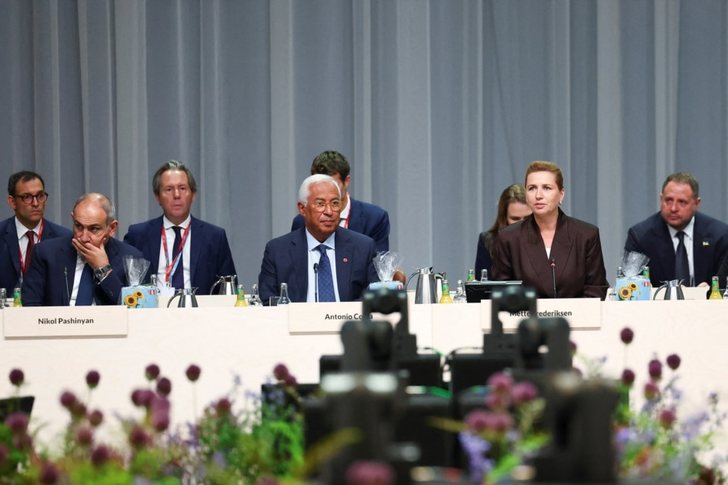
Ukrainian President Volodymyr Zelensky warned European lea...
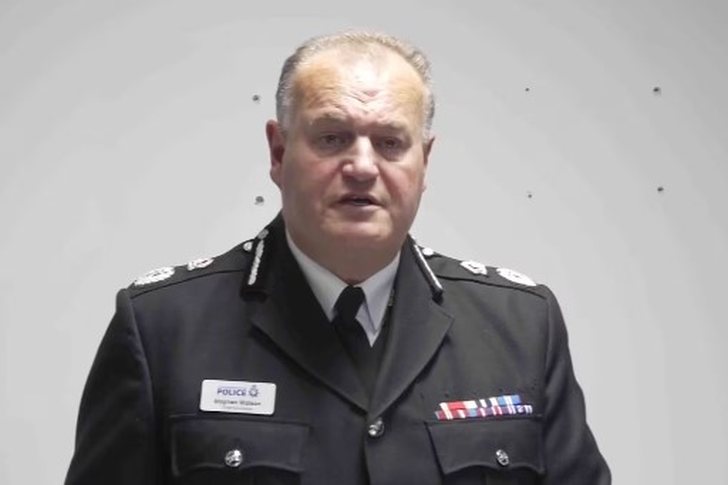
Greater Manchester Police Chief Sir Stephen Watson shared ...
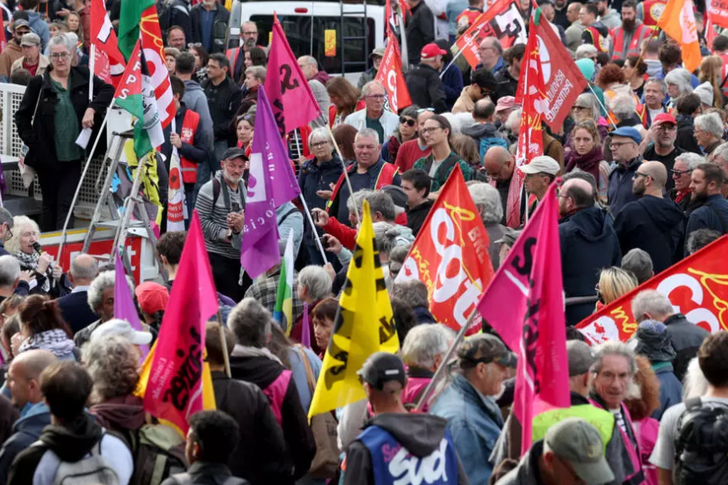
Unions in France are holding another day of widespread str...

British Prime Minister Keir Starmer has returned to London...
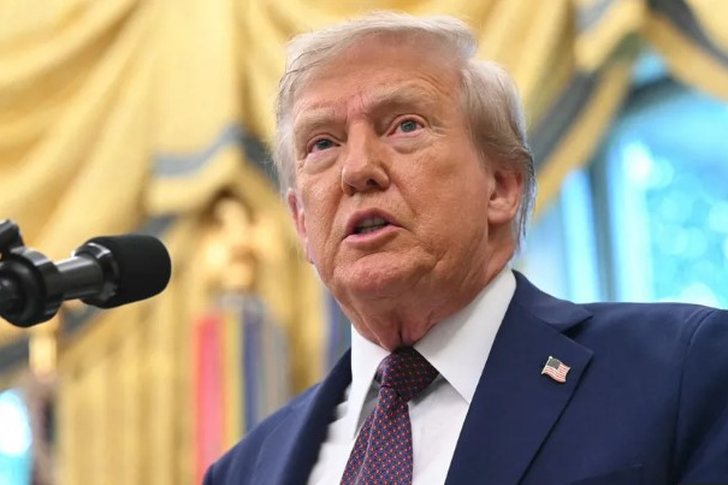
United States President Donald Trump has signed an executi...
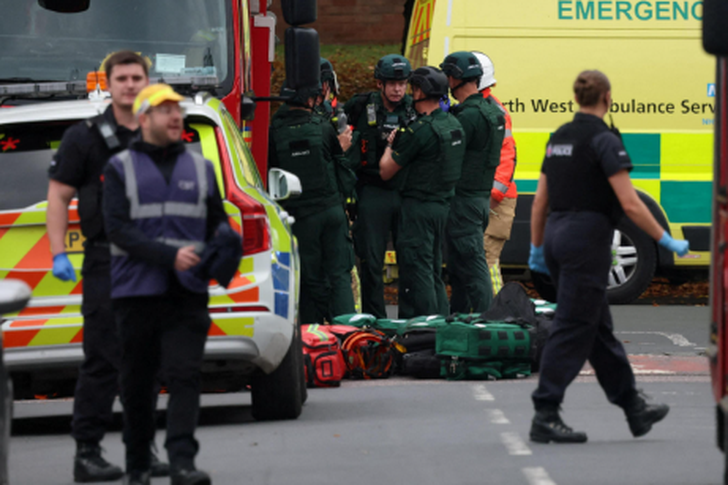
A terrorist attack occurred this Thursday at a synagogue i...
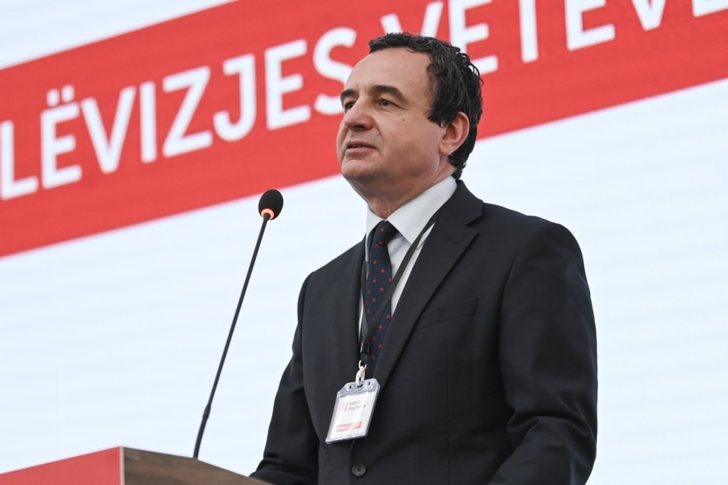
Kosovo's acting Prime Minister, Albin Kurti, has said that...
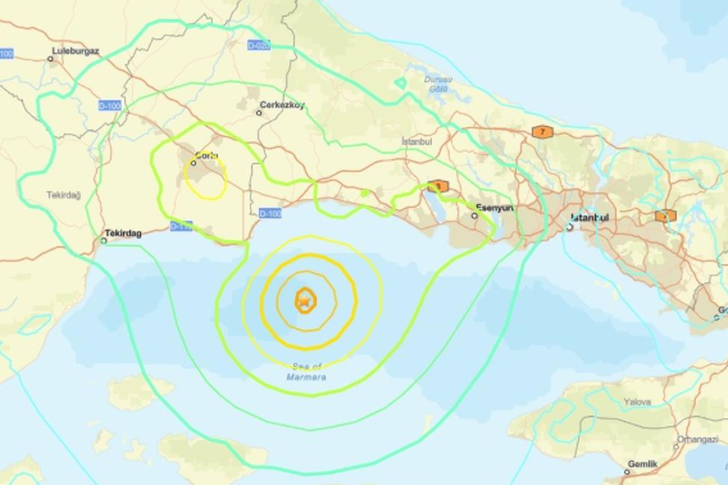
A magnitude 5.1 earthquake struck the Marmara region of Tu...
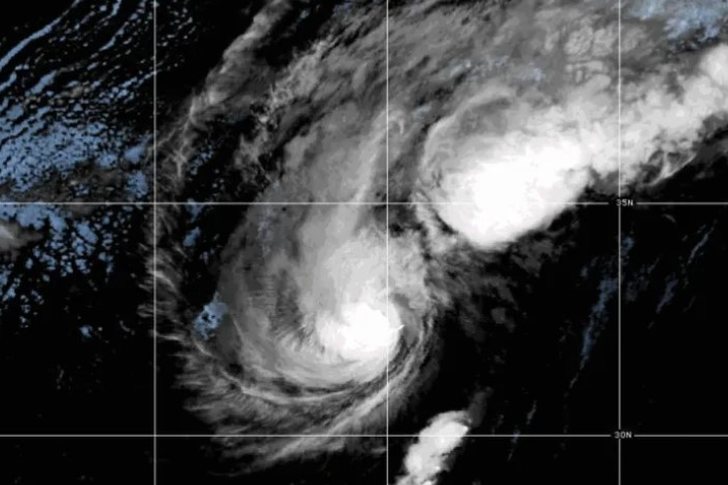
The government deploys soldiers to secure infrastructure, ...
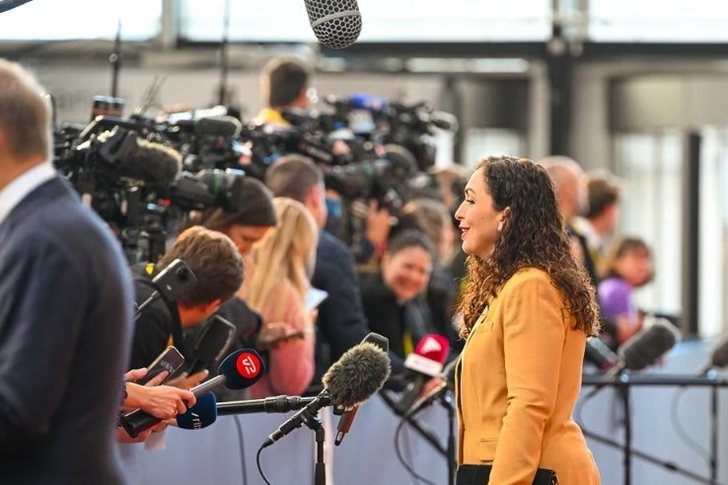
Kosovo President Vjosa Osmani said that Russia and its all...
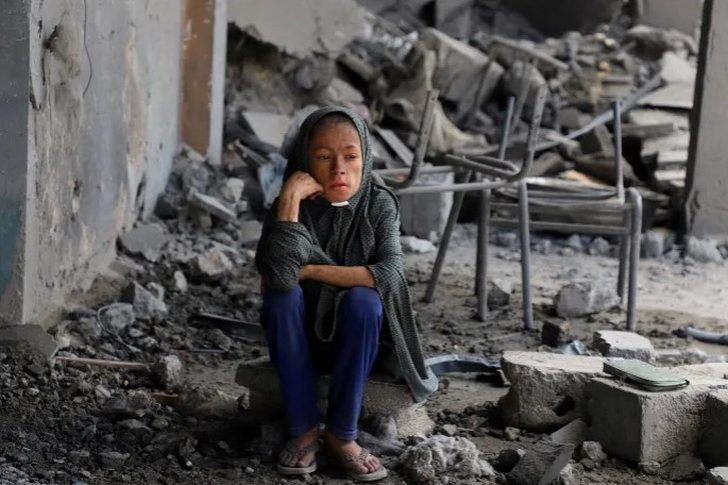
At least 17 Palestinians have been killed by Israeli strik...
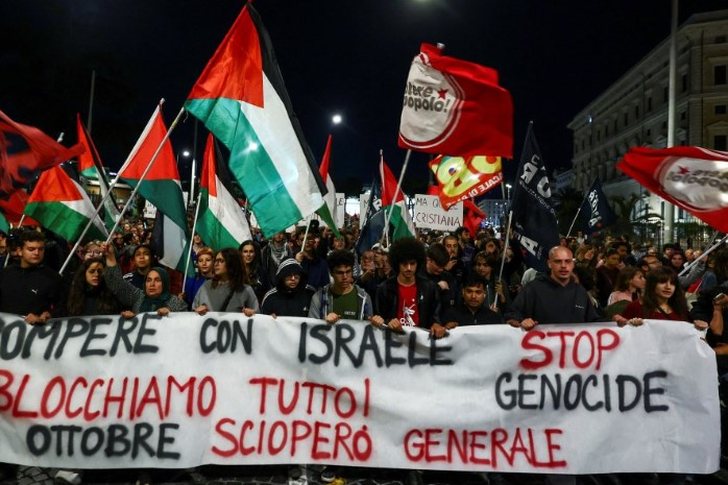
Last night, protests erupted in Milan, Rome, Turin and man...
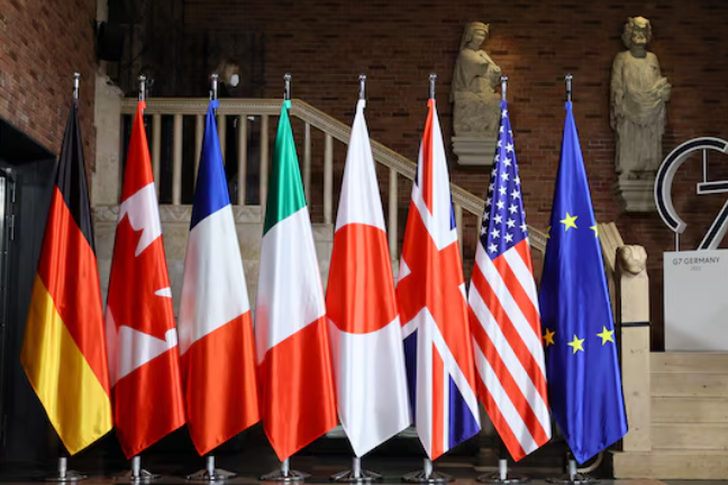
G7 finance ministers have decided to take joint steps to i...
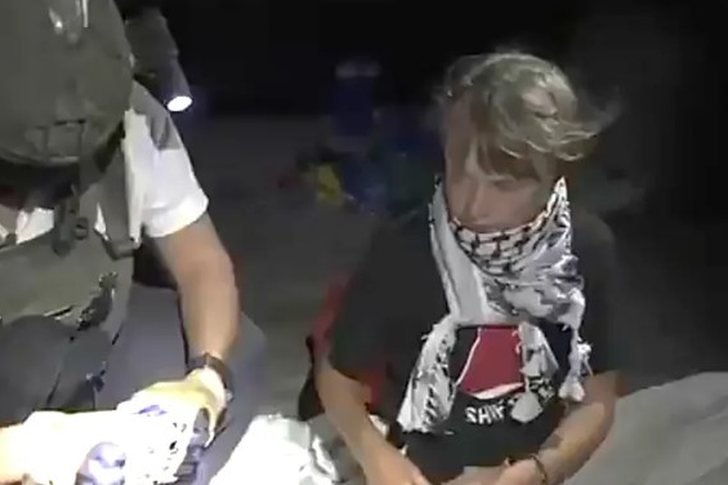
The Israeli navy has intercepted a ship carrying aid to Ga...
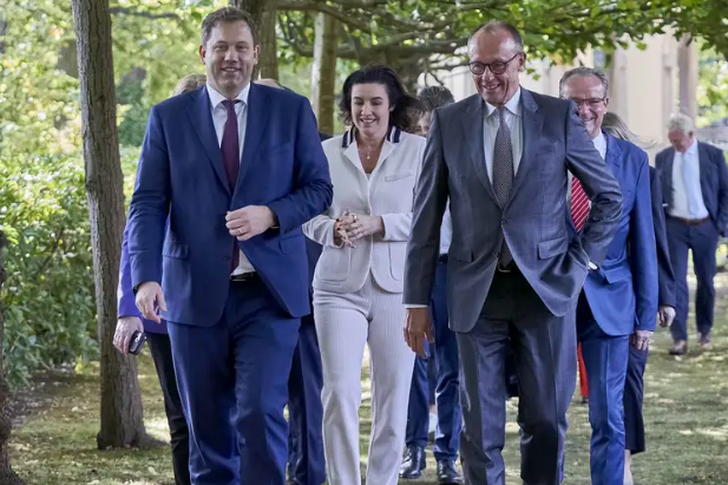
Weak economic data, low poll numbers, pessimistic sentimen...
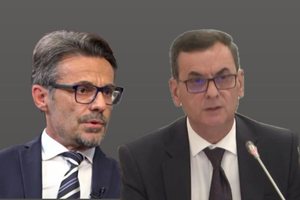
The Justice Reform and the vetting process were trumpeted ...
After revealing the property portfolio in Tirana, Kavaja, ...
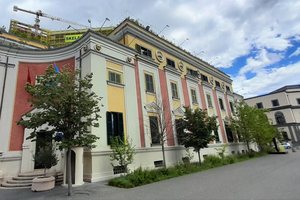
Four months ago, on March 11, CNA sent an official letter ...
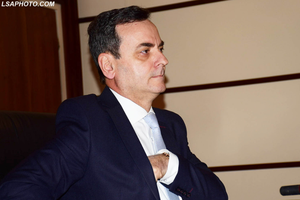
Sokol Sadushi, the president of the Supreme Court, is the ...

The Special Board of Appeal (KPA) decided this Monday ...

The KPA vetting decided this Thursday to dismiss the p...

Suela Salavaçi, a prosecutor in the Prosecutor's Offic...

The Special Board of Appeal reinstated the prosecutor ...

A serious incident occurred on Thursday afternoon in the M...

A vehicle caught fire today in neighborhood no. 4 of the c...
A lightning strike has struck a herd of cattle on Nikollar...
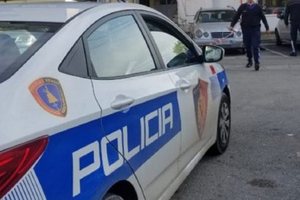
This morning, a powerful explosion suspected to be caused ...
Today is characterized by hot and mostly clear weather thr...
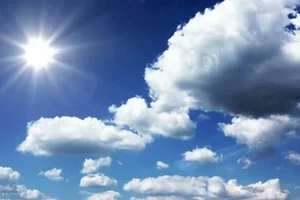
On Wednesday, our country will be affected by relatively s...
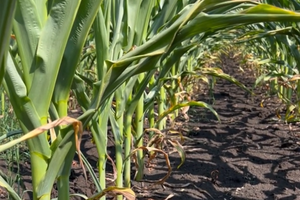
A field inspection has begun in the Maliq area, after the ...
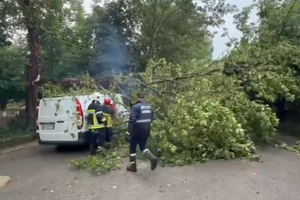
Heavy rainfall accompanied by strong winds has caused prob...

The Vita milk factory in Kosovo has been closed. According...
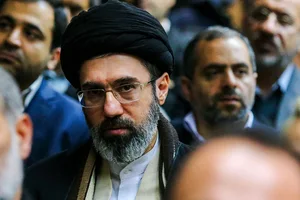
Iran's Supreme Leader Mojtaba Khamenei will not attend the...
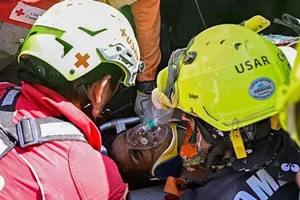
After eight days under the rubble of a building collapsed ...
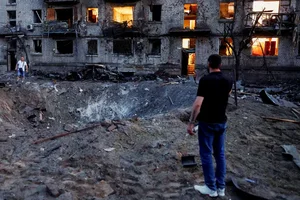
Russian forces have launched a major drone and missile att...
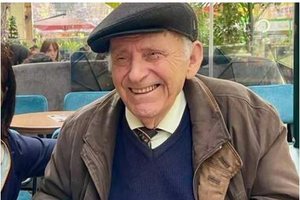
Professor and literature scholar Ali Xhiku has passed away...
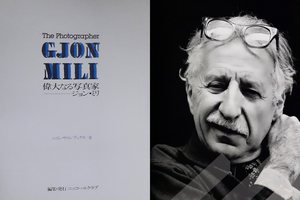
During my research into the life and artistic photographic...

This year's edition of the Gjon Mili International Video A...
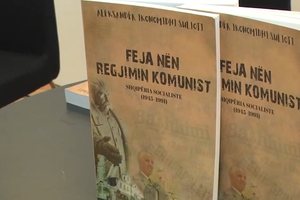
The promotion of the book by author Aleksandër Ikonomidhi ...
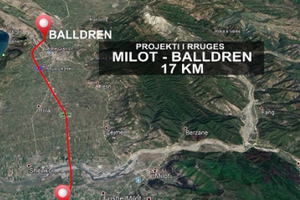
Whenever a new infrastructure project is announced, the fi...
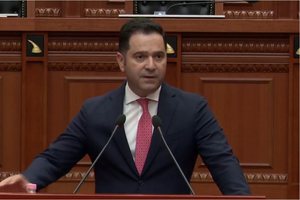
Minister of Finance, Petrit Malaj, spoke in today's plenar...
This Thursday, one US dollar is bought for 82 lek and sold...
Guvernatori i Bankës së Shqipërisë, Gent Sejko, në një kon...