

Exchange rate, October 5, 2025
Today, the US dollar will be exchanged for 81.8 lek when b...


Want better returns? Focus on fear. A new study suggests a new paradigm for asset valuation.
An investor will only take on more risk if he expects higher returns in return. This idea is a cornerstone of financial theory.
Yet, one need only look around today to raise doubts. The risks to economic growth, whether from geopolitical tensions or high government debt, are becoming increasingly daunting.
Meanwhile, stock markets in most of the world are near or have already reached record levels.
In the US and Europe, the extra profit margin from buying high-risk corporate bonds instead of government debt is close to its narrowest level in a decade. Speculative mania is erupting around everything from cryptocurrencies and “meme” stocks to Pokémon cards, writes The Economist.
A common explanation for the market rout is that investors have become careless or downright irrational. Or perhaps the relationship between risk and return simply doesn't exist, suggests a new paper by Rob Arnott of the investment firm Research Affiliates and Edward McQuarrie of Santa Clara University.
They argue that, over the past two centuries or so, risk (as commonly defined) has failed to explain the relative returns of stocks and bonds. Instead, they propose fear, a more complex concept, as the real force driving markets.
According to portfolio theory, the uncertain returns of a stock are assumed to follow a normal distribution, which is graphically represented as a bell curve. This means that most returns are clustered around the mean value, while very high or very low returns are rare. The expected return is at its peak and the risk is equal to the variance of the distribution.
Although these assumptions make the calculation and mathematical treatment simpler and more orderly, they fundamentally do not reflect reality and are incorrect. Stock returns do not actually follow such a curve: they exhibit extreme values ??much more often and are asymmetric.
On the other hand, investors do not consider the entire length of the curve as risky, but only the side associated with losses. Who, however risk-averse, would be upset by a large unexpected gain?
Furthermore, risk theory provides an inadequate explanation for historical returns. A key prediction is the “equity risk premium,” the tendency for stocks, being riskier, to offer higher long-term returns than government bonds.
To test this, McQuarrie collected data on U.S. stock and bond prices going back to 1793, using newspaper archives. Previous studies had shown that the equity risk premium was a stable feature of markets; his new database calls that into question.
An investor who would have bought American stocks in 1804 would have had to wait 97 years before their return exceeded that of bonds.
By 1933, they would have lost ground again. A statistical test of the relationship between variance and return over the entire period studied failed to find even “a modest or inconsistent” risk premium.
However, the cumulative equity risk premium (through 2023) has been large. But 70% of it came from an exceptional period between 1950 and 1999; the rest of the time, the relative performance of stocks has been average or poor.
And these are the results for one of the most successful markets in the world. Other studies have shown that, since 1900, markets in other countries have offered much lower returns on average.
Realized variance and returns include both expected and unexpected elements, so no theory is likely to fit the data perfectly. However, the magnitude of these deviations from what risk theory would predict, over such a long period, makes it necessary to seek a new framework.
Arnott and McQuarrie propose that, instead of pricing assets by variance, investors should value them by two types of fear: fear of loss ( FOL ) and fear of missing out ( FOMO ).
While risk is measured by variance, FOL refers only to its negative part (semivariance). An asset induces FOMO if it has the potential for large, unexpected gains that those who do not own it may miss out on. This is measured by the “skewedness” of the distribution of returns.
Rather than delve deeply into the mathematics of fear theory, which they acknowledge is complicated, the authors hope to attract others to join the research.
They may succeed. In addition to being a widespread and often rational impulse, FOMO helps explain why people would buy overvalued stocks, or even speculative assets with no clear source of returns. The absence of this concept in conventional theory seems like a mistake.
On the other hand, FOL describes the way people actually conceive of risk much better than variance. Like investor mood and market dynamics, the balance between the two can change significantly over time and circumstances.
Historical data suggests that portfolio theory needs new ideas. Fear may be exactly what it lacks./Monitor.al

Today, the US dollar will be exchanged for 81.8 lek when b...
Today, the US dollar will be exchanged for 81.8 lek when b...
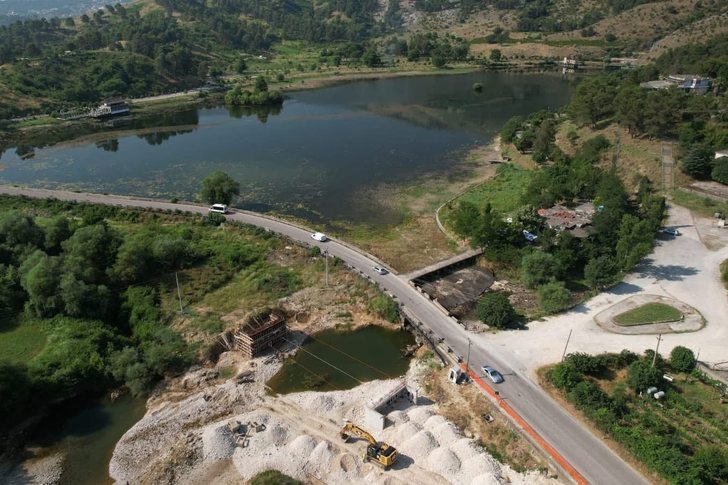
The World Bank has assessed the progress of the project to...
Today, the US dollar will be exchanged for 81.8 lek when b...
Today, the US dollar will be exchanged for 81.8 lek when b...
The fee schedule for the state bailiff service is changing...
Price pressures across the eurozone rose in September, rea...
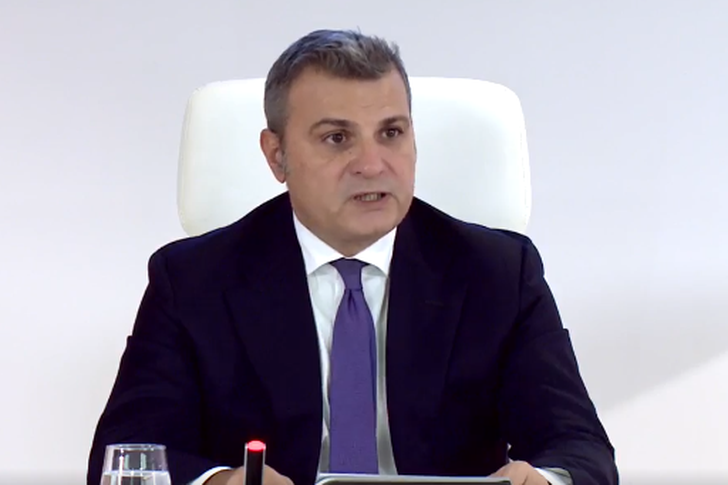
The Governor of the Bank of Albania, Gent Sejko, held a pr...
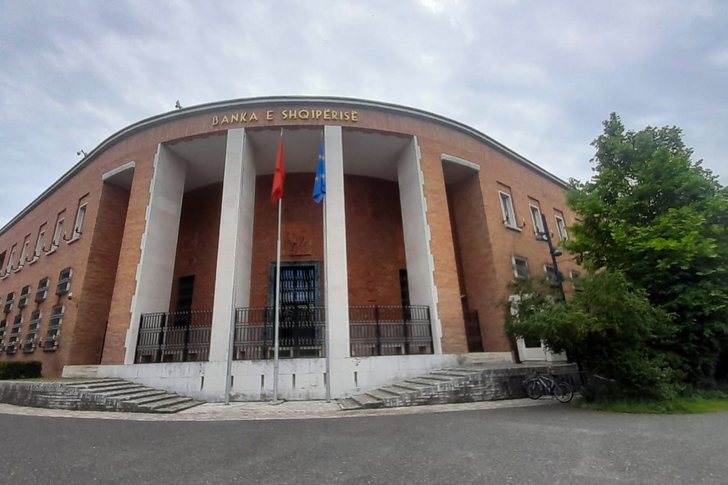
In May of this year, the Supervisory Council of the Bank o...
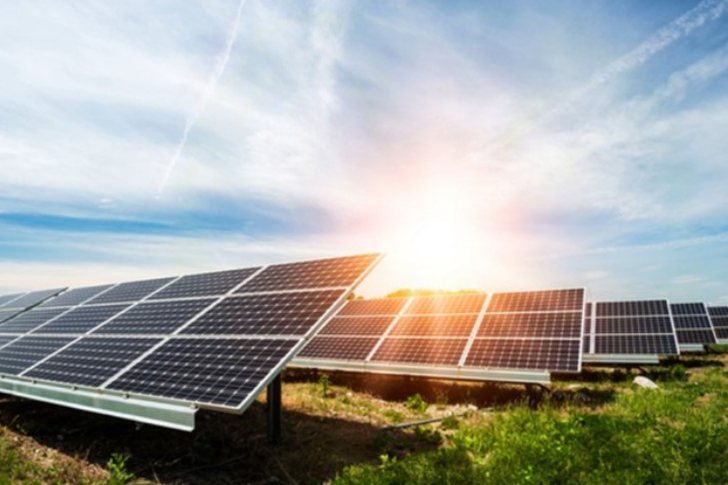
Applications for the construction of photovoltaic plants s...
Today, the US dollar will be exchanged for 82 lek when buy...
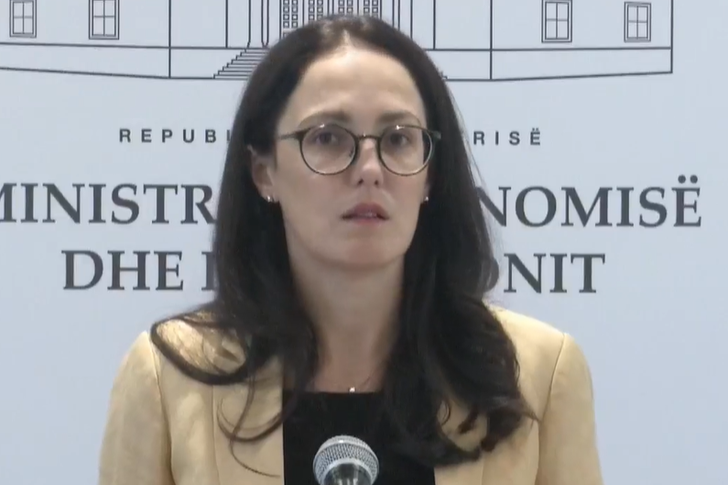
The Minister of Economy and Innovation, Delina Ibrahimaj, ...
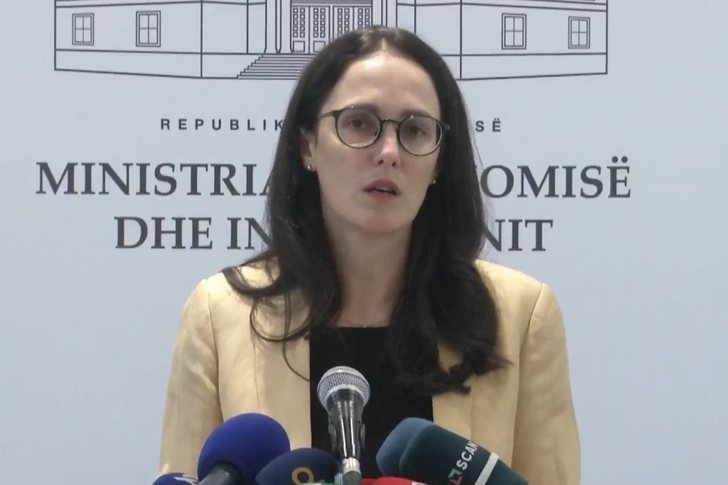
The Minister of Economy and Innovation, Delina Ibrahimaj, ...
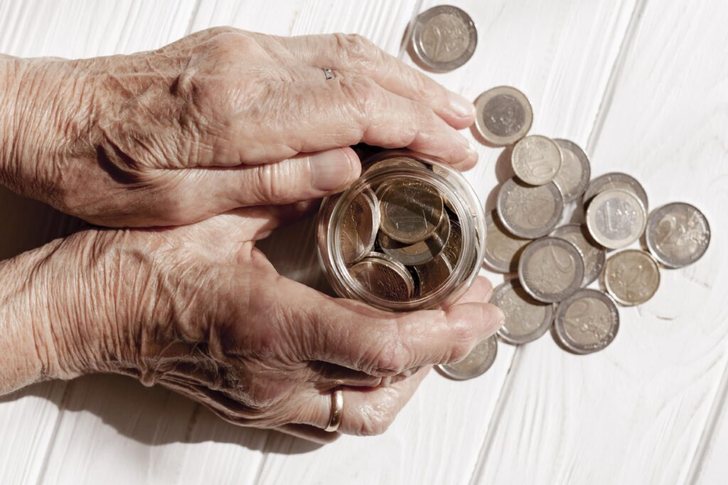
The government has approved the decision to index pensions...

The results of the survey on the perception of systemic ri...

Today, the US dollar will be exchanged for 82 lek when buy...
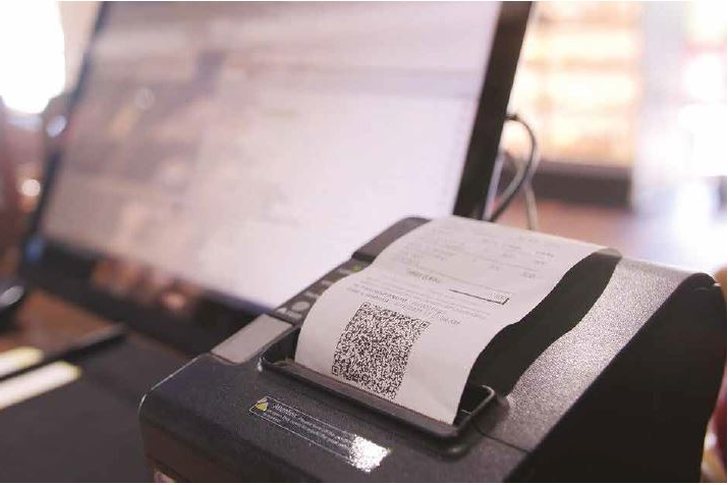
The General Directorate of Taxes has published a video exp...
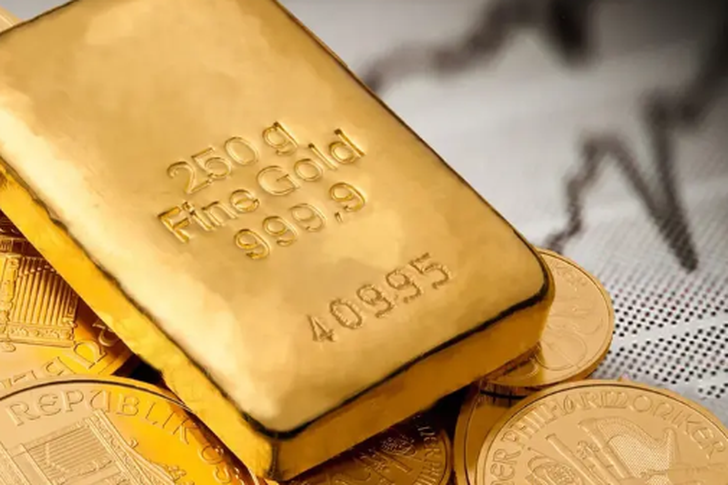
The price of gold climbed to a new record on Monday, risin...
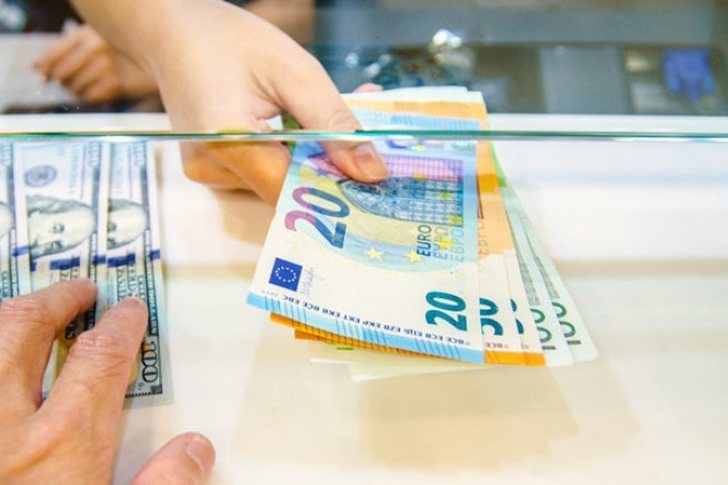
Today, in the foreign exchange market, one US dollar is bo...
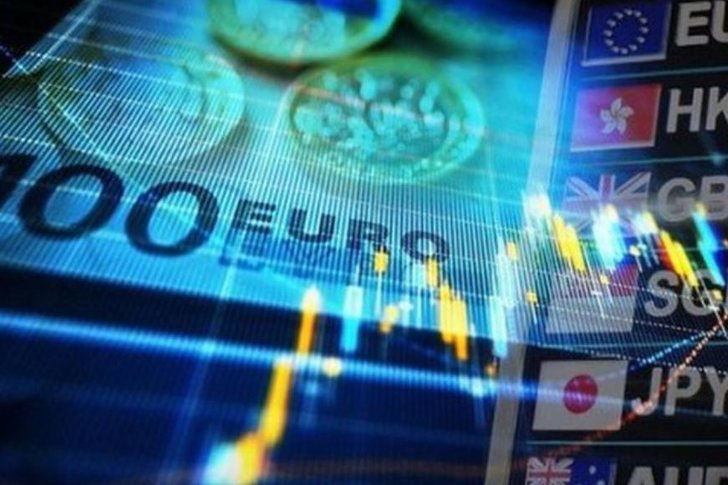
Today, in the foreign exchange market, one US dollar is bo...
Irfan Hysenbelliu claims to be a big businessman, an hones...

The murder of officer Enea Mekolli in the line of duty has...

The next case broadcast on the show "Stop", this Thursday,...

The case published this Thursday, June 4, on the show "Sto...

The Special Board of Appeal (KPA) decided this Monday ...

The KPA vetting decided this Thursday to dismiss the p...

Suela Salavaçi, a prosecutor in the Prosecutor's Offic...

The Special Board of Appeal reinstated the prosecutor ...

An accident was recorded a few minutes ago on the Pogradec...
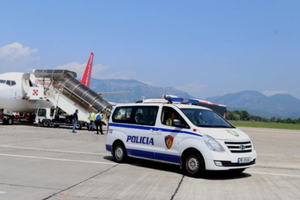
Following the cooperation of Interpol Tirana with Interpol...

An accident occurred this Saturday morning at Shkëmbi i Ka...
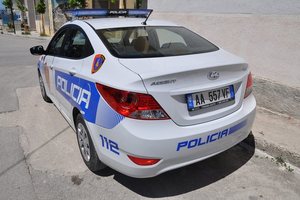
A TNT explosion occurred in Lezha in the early hours of th...

Albanians are officially the hardest working people in Eur...
This Saturday will be characterized by mostly clear weathe...
Today our country will be affected by stable weather condi...

For many children and teenagers, the long summer holidays ...
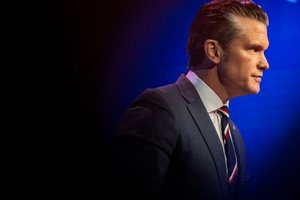
US Defense Secretary Pete Hegseth declared that Europe is ...

A federal judge in Rhode Island struck down a Trump admini...

Thousands of Kosovo citizens living abroad are voting phys...
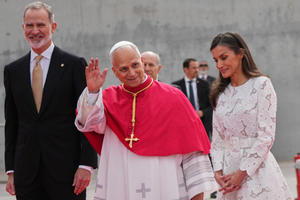
Pope Leo XIV arrived in Madrid this Saturday, where he beg...
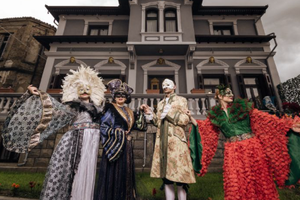
Korça is ready to open the summer season with one of the c...

Two years after his passing, the renowned Korçë poet Skënd...
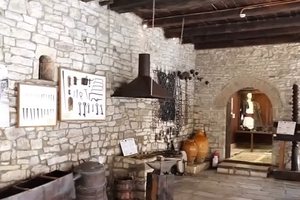
The Ethnographic Museum of Berat has opened its doors to v...
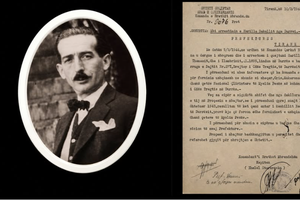
The story of Harilla Bakalli is one of the most chilling t...
The Transparency Board, in today's meeting, decided to red...

This Saturday, one US dollar is bought for 81.4 lek and so...

Despite years of efforts at regional cooperation and free ...

Albania is the country with the highest level of severe ma...