


Cannibalism on the ice, this is how John Franklin's expedition ended
What happened to British captain Sir John Franklin and his...

A mund të vendosim të ndryshojmë? “Shumica dërrmuese e njerëzve do të donin të ndryshonin aspekte të personalitetit të Ntyre,” thotëathan Hudson, një psikolog në Universitetin Metodist të Jugut në Dallas, Teksas.

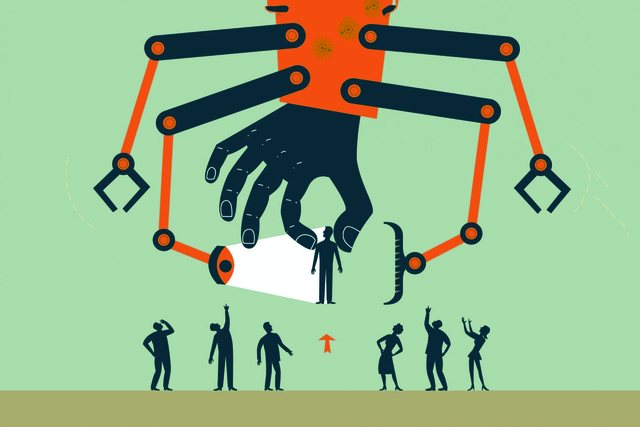
Talking to a polite and sociable seventy-year-old, you might wonder: "Has it always been like this or has it changed over the years?" And a reserved seventeen-year-old may ask herself: "When I grow up, will I be the same?".
The truth is that while we remain ourselves, we are not the same person throughout our lives. There is good news: personality improves over time.
The essence
To some extent, we can recognize ourselves in the child we once were. Quiet or noisy? Calm or prone to outbursts of anger? Confident explorer of the world or afraid of strangers and new experiences? A child's temperament affects life experiences, prompting different expectations in others (for example, a shy child is expected not to talk much and an impatient one is expected to always explode in anger) and behavior that can radicalize him: e.g. a shy child may be left to his own world or not encouraged much, just as an abandoned child may be handled nervously before he lets out his anger. In any case, these childhood behavior styles say a lot about the personality that will develop in adulthood.
"A shy 3-year-old behaves very differently from a shy 20-year-old. But some core remains," says Brent Donnellan, a psychologist at Michigan State University. Among children from age 3 to adulthood, a study from the University of Wisconsin also found continuity over time: reserved children remained reserved, and those with poor self-control became impulsive and risk-taking youths.
Maturity issue
But our personality is not carved once and for all in childhood. It is likely that after a few years the changes will be invisible, but slowly, over the course of life, they can become significant. According to Brent Roberts, a psychologist at the University of Illinois at Urbana-Champaign: “Personality is an evolving phenomenon. It is not something static in which a person is stuck, without the possibility to go further". Together with colleagues from the Universities of Houston and Tübingen (Germany), he studied the changes of almost 2,000 people over the age of 50: individuals who had participated in a study when they were in high school (average age 16) were tracked and underwent the same test as then. "Our results suggest that personality has a stable component throughout life, but that it is also malleable, so people mature with age," the authors concluded.
Në një farë kuptimi, mbi të gjitha “skajet” zbuten: pjesëmarrësit morën rezultate më të larta sesa kur ishin adoleshente në pjesë të testit që masin qetësinë, vetëbesimin, ndjenjën e përgjegjësisë dhe prirjen për të vënë veten në vendin e tjetrit. Studime të tjera konfirmojnë këtë evolucion: ndërsa plakemi bëhemi më të ndërgjegjshëm, emocionalisht të qëndrueshëm (më pak pre e impulseve dhe emocioneve), ekstrovertë, miqësorë dhe bashkëpunues. “Ndryshimet janë potencialisht pozitive. Më shumë vetëvlerësim, ndërgjegje dhe stabilitet emocional mund të përmirësojnë jetën tonë në fusha të tilla si puna, marrëdhëniet dhe shëndeti”, thotë Roberts.
Në një nga studimet e tij ai tregoi gjithashtu se mosha ul narcisizmin: në përgjithësi, drejt moshës së mesme ai është më pak i theksuar sesa kur në rini, edhe pse narcisistët e vërtetë priren të mbeten të tillë të paktën pjesërisht.
Avantazhet e ndryshimit
Ndryshimi i personalitetit me rritjen e moshës sjell përfitime të mëtejshme. Një studim nga Universiteti i Buffalo mbi njerëzit e moshës 14 deri në 99 vjeç zbuloi se me kalimin e viteve njerëzit bëhen besues ndaj të tjerëve dhe se kjo shoqërohet me një ndjenjë më të madhe mirëqenieje. Ndërsa në Universitetin e Singaporit u pa se 70-vjeçarët janë më bujarë se 20-vjeçarët me të huajt, sepse janë më pak të përqendruar te vetja. “Ekziston një ide e gabuar se njerëzit e moshuar janë më të ndrojtur. Në realitet është e kundërta. Ne shpesh bëhemi më empatikë dhe të dhembshur ndërsa plakemi”, shpjegon Rodica Damian, psikologe në Universitetin e Hjustonit.
Gjithashtu fitojmë qetësi shpirtërore sepse jemi më të patrazuar se kur ishim të rinj. Për të vlerësuar këtë, një ekip i koordinuar nga Universiteti i Kalifornisë, Santa Cruz, vëzhgoi me imazhe rezonance magnetike reagimin e amigdalës (zona e trurit që përpunon disa emocione) ndaj pamjes së imazheve me përmbajtje emocionale pozitive dhe negative, në njerëz të moshave të ndryshme. Vetëm tek të moshuarit imazhet pozitive nxisin aktivizim më të madh të amigdalës sesa ato negative. Për më tepër, pjesëmarrësit më të moshuar kishin më shumë gjasa të kujtonin imazhe të këndshme midis atyre të ndryshme që panë gjatë eksperimentit.
Siç shkruajnë autorët e studimit: “Ndërsa plakemi ne përjetojmë më pak emocione negative dhe u kushtojmë më pak vëmendje stimujve emocionalë negativë sesa atyre pozitivë”. Në shumë raste ne qeshim edhe më shumë. Kjo doli nga një studim në Universitetin e Nju Meksikos, në të cilin një grupi njerëzish iu kërkua të vlerësonin një sërë deklaratash humoristike dhe neutrale. “Të moshuarit i perceptonin si humoristët ashtu edhe ata neutralë si më argëtues sesa të rinjtë,” përfundoi autori i studimit.
Shtytja e evolucionit
With the passage of time, therefore, the personality also transforms. But why? Not so much as a result of major life events. What shapes us is rather what others expect of us, the needs we must meet to create good social relationships, to educate ourselves, to work, to build romantic relationships, to create a family.
"Over time we are asked in many contexts in life to do things a little differently," says Roberts. "Nobody tells us openly how to act, but in many situations there are very clear and implicit rules about how we should behave," he specifies. So we adapt.
So much so that a study carried out in 62 countries, coordinated by the University of Tilburg (Netherlands), found that in cultures where young people are expected to quickly take on the responsibilities of adults (such as work and leaving the family of origin), the personality matures earlier .
I decide how I want to be
Can we decide to change? "The vast majority of people would like to change aspects of their personality," says Athan Hudson, a psychologist at Southern Methodist University in Dallas, Texas. Hudson conducted a study in which participants reported which core personality dimension they wanted to change. Then, every 7 days for 15 weeks, they were asked to perform a task designed to push them out of their "comfort zone", with increasing levels of difficulty.
For example "introduce yourself to someone", someone who wanted to increase extroversion. Thus, we have seen that it can indeed evolve in the desired direction. "In addition to external factors such as social roles, intentions to change one's personality may also be strong enough to consistently shape thoughts, feelings, and behaviors over a period of time sufficient to produce trait changes," Hudson says.
A shy person can "force" themselves to go to a party where they hardly know anyone. It is an impulsive determination not to express anger in the workplace. And it is also so, giving ourselves new opportunities, that we change year after year. The awareness that the personality is in transformation has two advantages: it promotes our evolution and makes us live with the curiosity to discover how we will become. / bota.al

What happened to British captain Sir John Franklin and his...
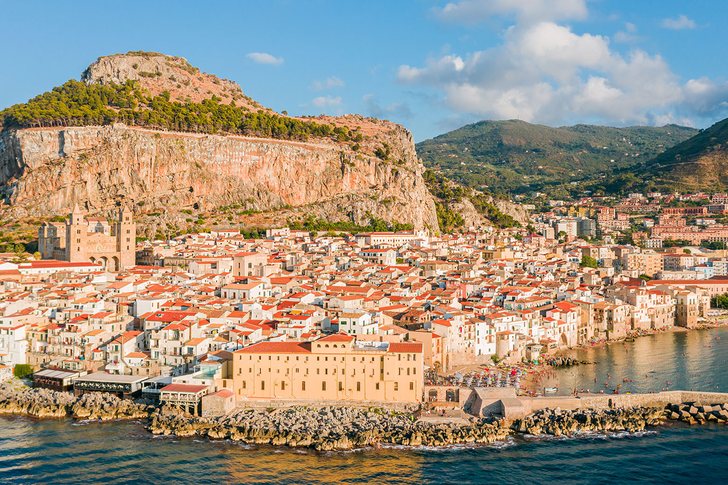
Sicily, one of the largest islands of the Mediterranean an...

Wearily, they exit the bus and enter the besieged temporar...
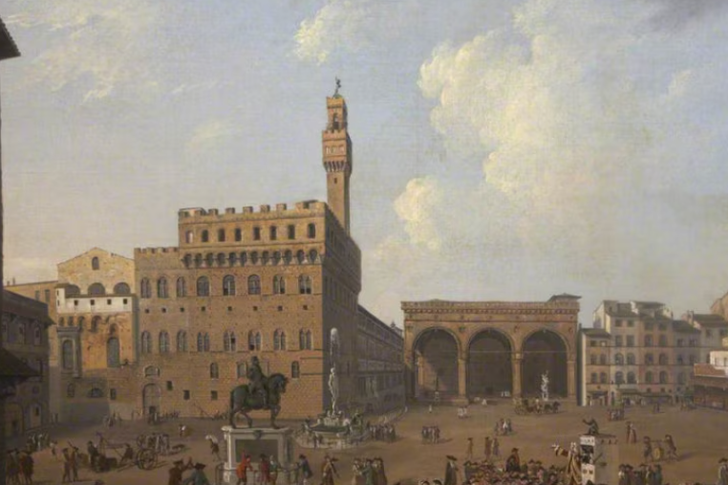
The Renaissance artists working in Florence between 1430 a...

The Albanian state, in the framework of the revision of hi...
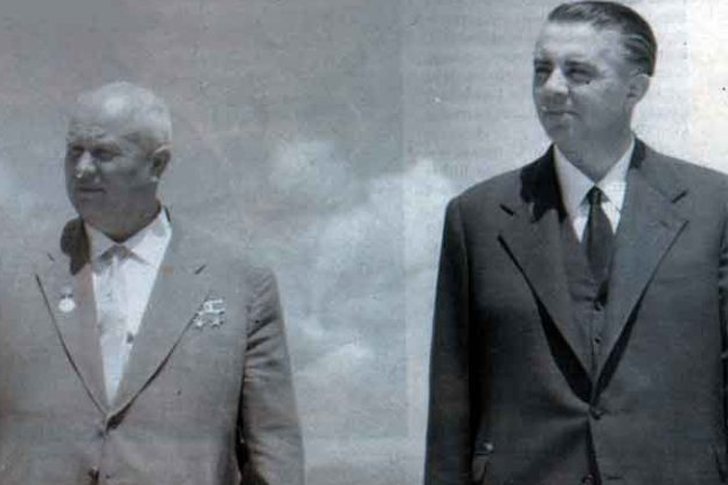
Below we publish the declassified report of the meetin...
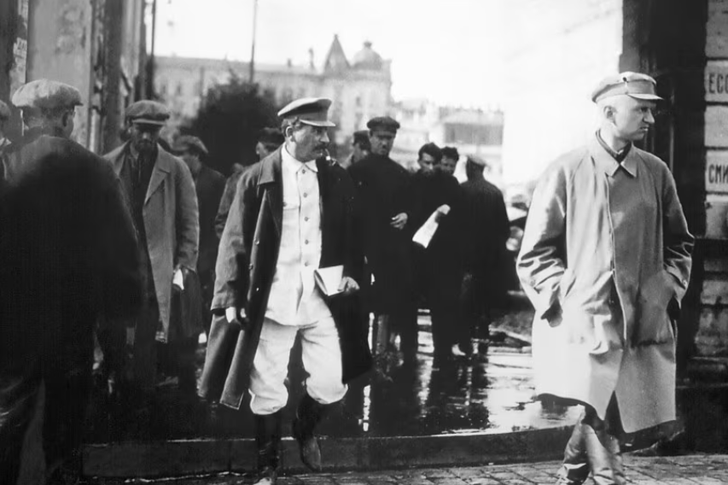
Iosif Vissarionovich Dzugasvili, known as Stalin, the ...

In the school books we learned that when Christopher Colum...

Operation "Valkyrie" (bomb attack of July 20, 1944) was th...

If today it is one of the most famous areas for tourists a...
The last decade and a half has seen unrest across the glob...
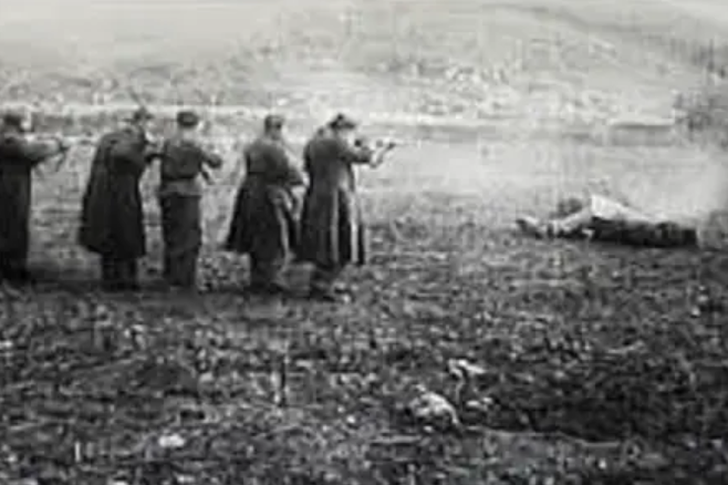
August 23 is "Black Ribbon Day", the official European Day...

It's been a few years since Artificial Intelligence is...
Tuscan physicist Bruno Pontecorvo (1913-1993), born into a...
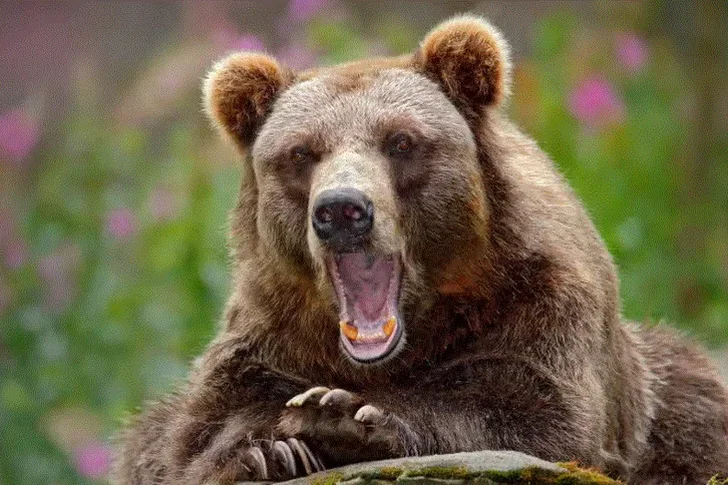
Sweden has issued licenses to kill 20% of its brown bear ...
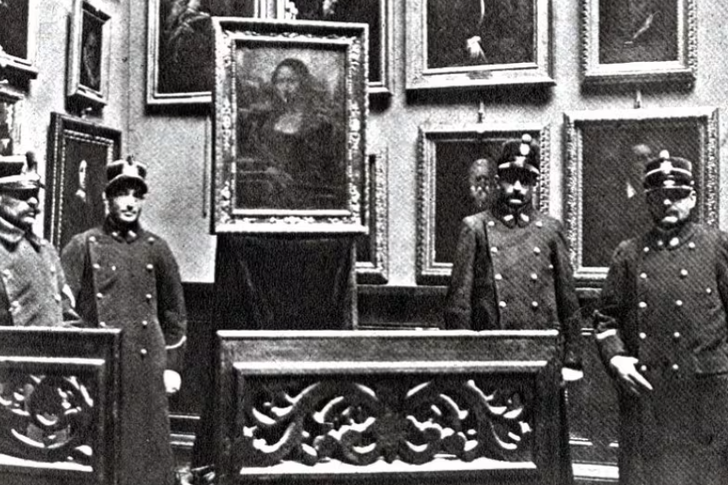
At seven o'clock in the morning on August 21, 1911, the da...
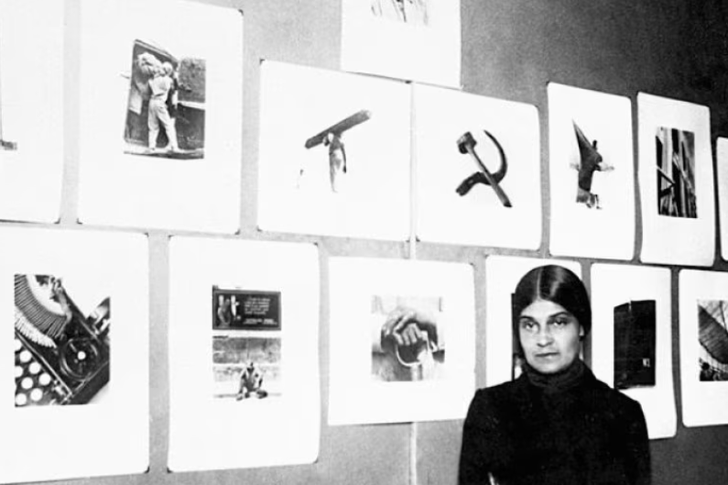
Tina Modotti, born in Friuli in 1896, is known as: actress...

During the 16th century in medieval Japan, wealthy married...

After being envisioned as a towering beacon to guide s...
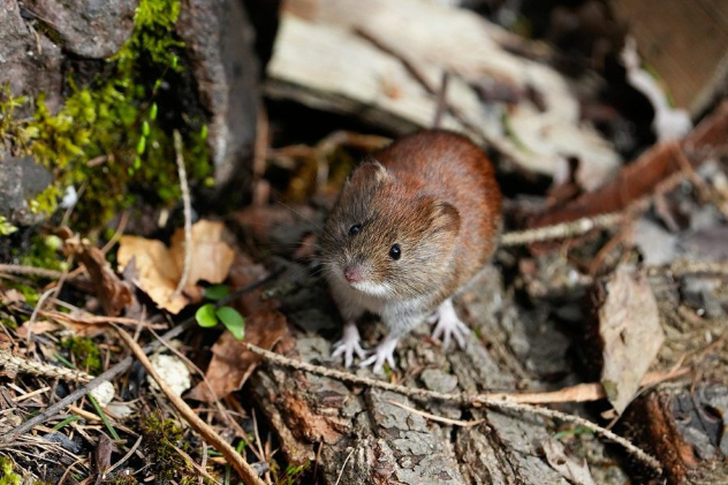
In the mid-1300s, humanity faced one of its darkest chapte...
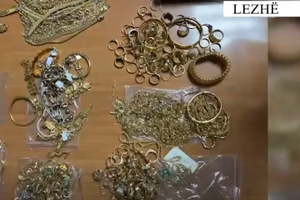
A 39-year-old citizen has been arrested in Lezha, after se...

CNA has launched another investigation that could lead to ...

Irfan Hysenbelliu is a businessman that we call "Irfan the...

In March 2026, CNA launched another investigation centered...

The Special Board of Appeal (KPA) decided this Monday ...

The KPA vetting decided this Thursday to dismiss the p...

Suela Salavaçi, a prosecutor in the Prosecutor's Offic...

The Special Board of Appeal reinstated the prosecutor ...

A serious incident occurred in Lushnje, where citizen IY, ...

As a result of the investigative and procedural actions ca...

A conflict for weak motives was recorded today in the vill...

An accident involving three vehicles occurred a few minute...

Today, our country will be under the influence of stable a...

By noon, cloudiness is expected to prevail in almost all o...

Children without parental care, for whom alternative famil...
On Thursday, our country will be under the influence of st...

Marine Le Pen is entering the decisive phase of the presid...

Member states of the International Criminal Court voted to...

From the declining role of exports to new public investmen...

South Korea is becoming one of the most sought-after desti...

Two windows, a century of history and the metaphysics of p...
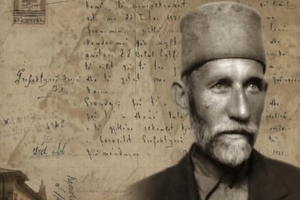
In my research at the Central State Archives, specifically...

At a time when industrial products are increasingly taking...

Trust among people is not just a three-syllable word. It c...

This Saturday, one US dollar is bought for 81.7 lek and so...

War, weather and supply disruptions could send gas prices ...
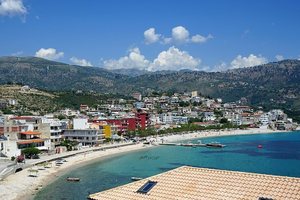
The number of active enterprises in Albania continued to g...
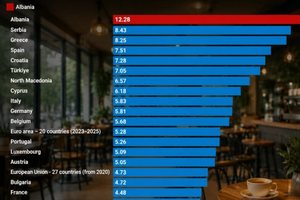
In Albania, the bar-cafe has long become an almost unique ...