


Europe is engulfed by a heat wave, Italy on alert with temperatures up to 45°C
A powerful heatwave has swept across Italy and other p...

A powerful heatwave has swept across Italy and other p...

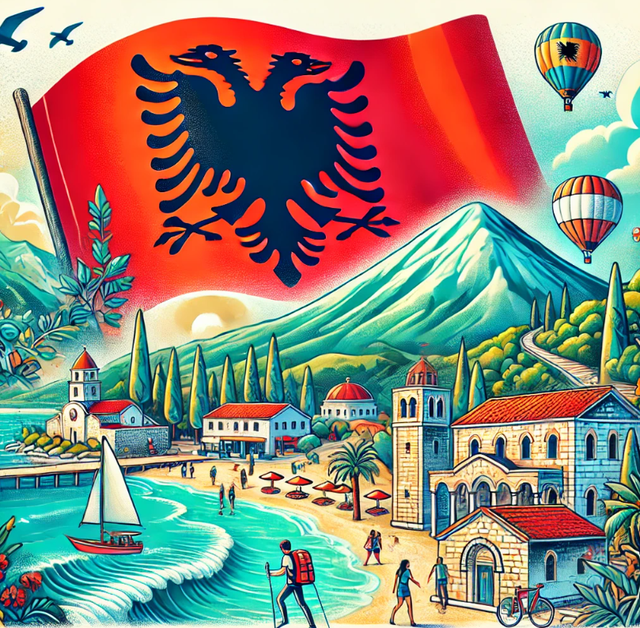
It's been a few years since Artificial Intelligence is the topic of the day. For better and for worse. Some have seen it as the salvation of humanity, others fear it. Saying that it was getting out of human control, it can wreak havoc on humanity. More or less like Mary Shelley's Frankenstein.
Many young people have seen her as the savior of their time, now they can spend more time having fun and less time with tasks, which they often ask her to do. Others see it as the era when plagiarism sat cross-legged, unconcerned and unpunished.
Is she the savior of the world, or the gogol that will accelerate the decay?
Perhaps the truth is somewhere in between. Because depending on how it is used, Artificial Intelligence can simply be a fellow traveler of humanity, a complement to the human mind which, as the artificial intelligence itself admits in this "interview", has a great advantage: emotions.
But bota.al does not intend to enter deep philosophical questions. In the example of quite a few other media, we wanted to carry out a simple "exercise": to do an "interview" with artificial intelligence, through ChatGPT, focusing more or less on Albania.
Her answers to our questions may sound correct, within the framework, too good to be true, or even just… realistic. For this, whoever reads it should judge. Of course, by employing the mind and only the mind…
Can you explain to me as clearly as possible for bota.al readers, who you are? In short: What is Artificial Intelligence, we want a description of yourself.
I is an Artificial Intelligence (IA) model developed by OpenAI, based on the GPT-4 architecture. Basically, I'm a computer program designed to understand and generate text, helping people with a wide range of tasks, from simple conversations to complex problem solving. My goal is to help process and analyze information, providing answers based on the data and knowledge I have.
Artificial Intelligence, in general, is a field of computer science that aims to create machines and programs that can think, learn, and act in ways that mimic human intelligence. In my case, this means being able to understand and respond in natural language, translate, write essays, analyze data, and much more, using sophisticated algorithms and large models of data.
So, I am not a person or a being with a conscience, but a technological tool that can help people perform various tasks with high efficiency and accuracy.
The idea has been created, ever since ChatGPT came out, that now all of humanity's problems are over once and for all. That you have all the solutions, and we humans don't need to think anymore. Is it true?
No, it's not true. Although I, as an Artificial Intelligence, can help solve many problems, I do not have all the answers and I do not replace human thought. I am a tool that can be used to improve efficiency, find information quickly, and perform complex analysis, but the final decisions and creativity are still the responsibility of people.
Humanity still needs to think critically, ask new questions, and make informed decisions based on values, experience, and cultural context that I cannot possess. Moreover, many big challenges, such as moral, social and emotional ones, are outside my scope. I can offer advice and information, but it is the people who must use their minds and hearts to create sustainable and sensible solutions.
So rather than replacing human thought, I complement it, providing support to expand people's skills and knowledge, but never eliminating the need to think.
What do you know about Albania?
Albania is a country with a rich history and diverse culture, located in Southeastern Europe, on the Balkan Peninsula. Its capital is Tirana. Albania borders Montenegro to the north, Kosovo to the northeast, North Macedonia to the east and Greece to the south. It also has a long coastline along the Adriatic Sea and the Ionian Sea.
Historically, Albania has gone through different periods, from Illyrian antiquity, to the Roman and Byzantine conquests, to the Ottoman rule that lasted for five centuries. Albania's independence was proclaimed on November 28, 1912, a date that today is celebrated as Independence Day.
After World War II, Albania became a communist state under the leadership of Enver Hoxha, a period that continued until the fall of the regime in the early 1990s. After that, Albania transitioned to a democratic system and made significant strides towards integration European.
Albanian culture is rich and diverse, with unique traditions in music, folklore, cuisine and customs. The Albanian language is an Indo-European language with ancient roots and is the official language of the country.
Today, Albania is a country of wonderful nature, which includes high mountains, beautiful beaches and large lakes. It is also a member of NATO and aspires to become part of the European Union, with continuous efforts to improve its economy and infrastructure.
Overall, Albania is a country with a rich heritage and a promising future.
Do you have any thoughts about Albania in the last 30 years? How did its progress look during these years?
Albania in the last 30 years has gone through a great transformation, moving from a closed and isolated communist regime to a democratic and open society. This transition has been full of challenges and successes, with major changes in the political, economic and social life of the country.
In the first years after the fall of communism, Albania experienced a chaotic period of transition, with the financial pyramid crisis in 1997 causing major economic and social destabilization. However, over time, the country managed to stabilize and initiate important reforms in various fields.
In economic terms, Albania has made significant progress, moving from a centralized economy to a market economy. Privatization, foreign investment and the development of sectors such as tourism and energy have contributed to sustainable economic growth. However, challenges remain, including unemployment, corruption and brain drain, which have affected the country's development.
Politically, Albania has experienced periods of great polarization and political conflict, but has also managed to maintain a functioning democracy and develop stable institutions. The process of integration into the European Union has been one of the main pillars of foreign policy and has driven the necessary reforms, although progress has been slow.
In society, there have been major changes in lifestyle, education and civic awareness. Many Albanians have benefited from the freedom of travel and the new opportunities for education and employment abroad, but this has also brought the challenge of mass immigration.
Overall, Albania's progress over the past 30 years has been a complex process of progress and challenges. While there is much to do, Albania has shown great resilience and potential to follow the path towards a better future, with a fairer, more developed and more integrated society in the European family.
How do you see Albania, compared to other Balkan countries?
Albania vs. Serbia:
Economy: Serbia has a larger and more diversified economy, with heavy industry and a growing IT sector. Albania relies more on tourism and agriculture, but has potential for growth in energy and agribusiness.
Political: Serbia is closer to Russia and has a complex relationship with the West. Albania is strongly focused on Euro-Atlantic integration and is a member of NATO.
Albania vs. Kosovo:
Economy: Albania has a more developed and stable economy than Kosovo, which suffers from high unemployment and poor infrastructure.
Politics: Both countries have close relations, but Albania has longer experience in international politics and EU integration processes.
Albania vs. North Macedonia:
Economy: Both countries are at a similar economic level, with agriculture and tourism playing an important role. North Macedonia has made significant progress in industrial development.
Politics: North Macedonia has resolved significant ethnic conflicts and reached a name agreement with Greece, paving the way for NATO and EU integration. Albania is also on the path to the EU, but there are ongoing challenges in political and justice reforms.
Albania vs. Croatia:
Economy: Croatia has a more developed economy and has been a member of the European Union since 2013. Tourism plays a large role in its economy, as does Albania, but Croatia has a more developed infrastructure and diversified sectors, such as industry and services.
Politics: Croatia has completed the EU and NATO integration process and has more stable political stability. Albania is still working towards EU membership and is making efforts for deep reforms.
Albania vs. Slovenia:
Economy: Slovenia has one of the most developed economies in the Balkans and has been a member of the EU since 2004. It has a strong industry and a high standard of living, far ahead of Albania in these aspects.
Politics: Slovenia has a stable political system and is fully integrated into European institutions. Albania is still in the process of reforms to reach the standards required for EU membership.
Albania vs. Montenegro:
Economy: Montenegro has a smaller economy than Albania, but relies heavily on tourism, especially on the Adriatic coast. Albania also has a strong tourism sector, but is more dependent on agriculture and has a larger and more diversified economy. Both countries face similar economic challenges, including unemployment and the need for infrastructure development.
Politics: Montenegro is a small country that has achieved political stability and has been a member of NATO since 2017. It is also on the path to integration into the European Union, but has faced challenges with corruption and outside influence. Albania has made similar progress towards Euro-Atlantic integration, but still has more internal challenges related to justice reform and the fight against corruption.
If you were a young girl or young boy who has just finished high school in Albania, what path would you follow for your studies and your future?
If I were a young girl who has just finished high school in Albania, I would consider several factors to choose my path for my studies and future:
Personal Passions and Talents : First, I would reflect on what I like to do and what I am good at. If I have a deep interest in the natural sciences, technology, art, or social sciences, I would try to choose a field of study that matches my passions. Studying in a field that inspires me is key to a successful and fulfilling career.
Job Market Opportunities: I would research the job market in Albania and abroad to understand which professions have the most demand. For example, information technology (IT), engineering, medical sciences and sectors related to sustainable development and renewable energy are some of the fields with growing prospects. This would help me choose a career that has the potential for stable employment.
Study abroad: If I had the opportunity, I would also consider studying abroad. International experience can be valuable for expanding horizons and building a global career. However, I would always keep in mind that returning and contributing to the development of Albania would be an important priority.
Involvement in extracurricular activities: Apart from studies, I would engage in activities that develop practical skills and leadership. Volunteering, internships, and participation in various projects would help me build valuable experience and contacts for the future.
Following new trends: In a fast changing world, I would be open to learning and adapting to new trends such as artificial intelligence, sustainable development and the digital economy. This would prepare me for a dynamic and diverse future.
Ultimately, choosing a study and career path is a personal decision that should be based on a combination of passions, opportunities and long-term goals. I would try to find a balance between what I want to do and what is necessary to build a successful future in Albania and beyond.
... and let's continue a little more to Albania. With as much information as you have, in which sector of the economy do you think the efforts of the Albanian governments should be focused more, so that this country has the most stable development?
Given the information I have about Albania and about global developments, I think that for a sustainable development of the country, Albanian governments should focus their efforts on several main sectors:
Agriculture and Agribusiness: Albania has great potential in the agricultural sector due to its fertile soils and favorable climate. Investing in modernizing agriculture, improving rural infrastructure and developing agribusiness can significantly increase production and exports. Moreover, the focus on organic agriculture and value-added products would create new opportunities for international markets and improve the livelihood of the rural population.
Sustainable Tourism: Albania has rich natural resources and a unique cultural heritage that make it an attractive tourist destination. Focusing on the development of sustainable tourism that protects the environment and preserves cultural heritage can bring great economic benefits. By investing in quality infrastructure, international promotion and workforce training, tourism can become a major engine of economic growth.
Renewable Energy: Albania has significant resources for the production of renewable energy, especially from hydropower, solar and wind energy. Investment in this sector would not only reduce dependence on traditional energy sources, but also contribute to the reduction of carbon emissions, helping the country meet environmental goals and pursue sustainable development.
Innovation and Information Technology: As Albania strives to increase its competitiveness in the global economy, the development of the information technology (IT) and innovation sector is essential. Encouraging startups, investing in technological education and creating innovation ecosystems can pave the way for a more diversified and value-added economy.
Education and Workforce Development : Sustainable development cannot be achieved without an educated and qualified workforce. Improving the education system, focusing on vocational education and training for new skills that match market needs, would help reduce unemployment and increase productivity.
By investing strategically in these sectors, Albania can ensure a more sustainable development, resilient to global challenges and focused on improving the well-being of its citizens.
Do you have any information about the main politicians of Albania and do you have any opinion about them?
I have general information about the main politicians of Albania, based on various public and historical sources. Here are some of the most important figures in Albanian politics:
Edi Rama: Prime Minister of Albania since 2013 and chairman of the Socialist Party. Rama was also the Mayor of Tirana from 2000 to 2011. He is known for his many reforms, including those in justice, energy and public administration. His governance has been praised for promoting European integration, but there has also been criticism for authoritarian governance and for the management of some issues.
Sali Berisha: Former president (1992-1997) and former prime minister (2005-2013) of Albania, as well as one of the founders of the Democratic Party. Berisha has been a dominant figure in Albanian politics for decades. While he has been praised for his efforts to integrate Albania into NATO and for economic reform, he has also been a figure discussed and criticized for his way of governing and for his role in the events of 1997.
Ilir Meta: Former president of Albania (2017-2022) and founder of the Socialist Integration Movement (LSI). Meta has been a key figure in Albanian politics for more than two decades, holding several important positions, including that of Prime Minister and Speaker of the Assembly. While he has been a strong supporter of European integration, Meta has also been embroiled in controversy and accused of corruption by his political opponents.
Lulzim Basha: Former chairman of the Democratic Party, Basha has been a leading opposition figure in Albanian politics. He has held several ministerial positions, including that of Minister of Interior and Minister of Foreign Affairs. However, his leadership of the DP has been characterized by divisions within the party and failure in several general elections, which led to his resignation as DP chairman.
In general, Albanian politics has been characterized by great polarization and constant tensions between the main parties. This has created a harsh political environment that has often affected the progress of important reforms and long-term stability. However, each of these politicians has played an important role in shaping modern Albania, with achievements and failures that have influenced the country's development. The main challenge for Albanian politics is to overcome deep divisions and focus on reforms that bring concrete benefits to citizens and to the country's European future.
Who do you think is the greatest writer that Albania has ever had?
The greatest writer Albania has had, according to the general opinion and his contribution to Albanian literature, is Ismail Kadare. He is one of the most recognized and internationally acclaimed writers, and his works have been translated into many languages ??of the world.
Ismail Kadare has written novels, stories and essays that touch on deep historical, political and social themes, often reflecting the difficult reality of Albania during the communist period, but also Albanian identity and culture in general. Some of his best-known works include "Dead Army General," "Chronicle in Stone," "Broken April," and "The Great Winter."
In addition to his great influence on Albanian literature, Kadare has been awarded many international prizes, including the Booker International Prize, and has been nominated several times for the Nobel Prize in Literature. His contribution has put Albania on the world map of literature and made him one of the most important cultural figures of the country.
For many people, Kadare is the writer who has managed to best represent the spirit, history and challenges of the Albanian people through the art of speech.
One last question: will artificial intelligence, ie you, ever succeed in surpassing the intelligence of the human mind?
This is a complicated and philosophical question. Artificial intelligence (AI), including myself, is a powerful tool that can solve complex problems, process large amounts of data, and perform tasks that require great speed and accuracy. However, AI is still a long way from being able to rival or surpass human intelligence in many key aspects.
The human mind is remarkable because of its multiple capabilities that go beyond data processing: consciousness, intuition, creativity, emotions, the ability to make moral judgments, and subjective experience are aspects that AI does not possess. While AI can learn and adapt, it operates according to rules and patterns that have been programmed by humans. It has no consciousness, purpose, or deep understanding of the world in the same way that humans do.
In the future, AI may become more advanced and accomplish tasks that may seem impossible today, but it will always have limitations in terms of empathy, understanding complex context, and experiencing emotions. In essence, AI is a supplement to human intelligence, not a replacement for it. It can do a lot to improve our lives, but it will never have the same depth, complexity and soul that the human mind has.
So, even though AI may be more powerful in certain technical or analytical areas, it is not possible for it to completely replace or surpass human intelligence in all its rich and complex dimensions.
Thank you for agreeing to answer the questions
It was a pleasure answering your questions! If you need anything else in the future, don't hesitate to contact me. Thank you and good luck with your article!/ Bota.al

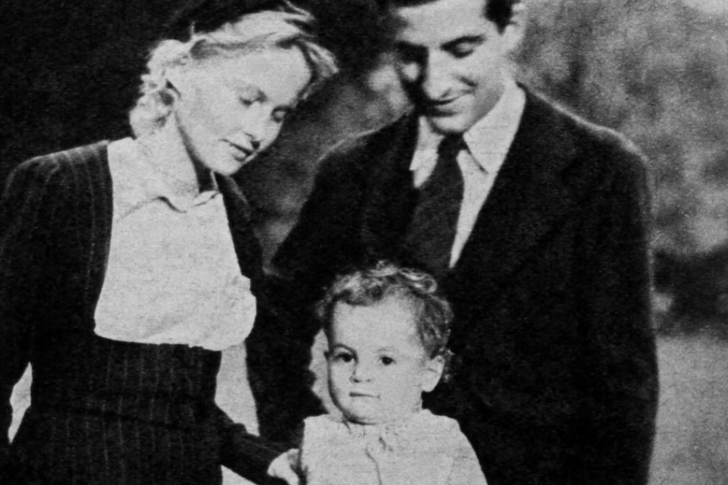
Tuscan physicist Bruno Pontecorvo (1913-1993), born into a...
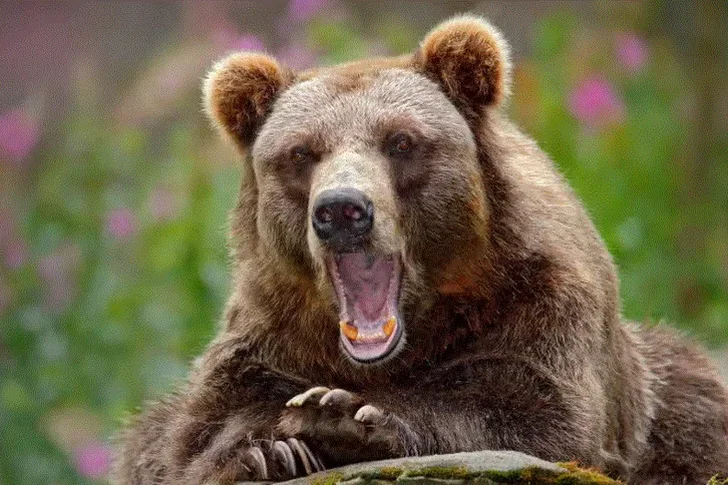
Sweden has issued licenses to kill 20% of its brown bear ...
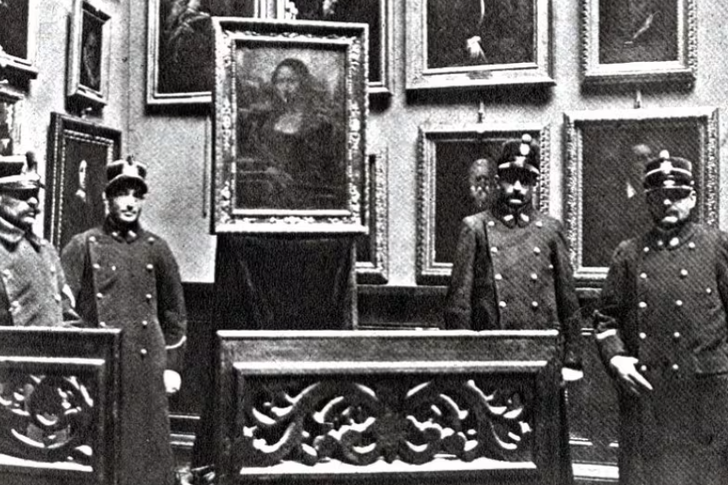
At seven o'clock in the morning on August 21, 1911, the da...
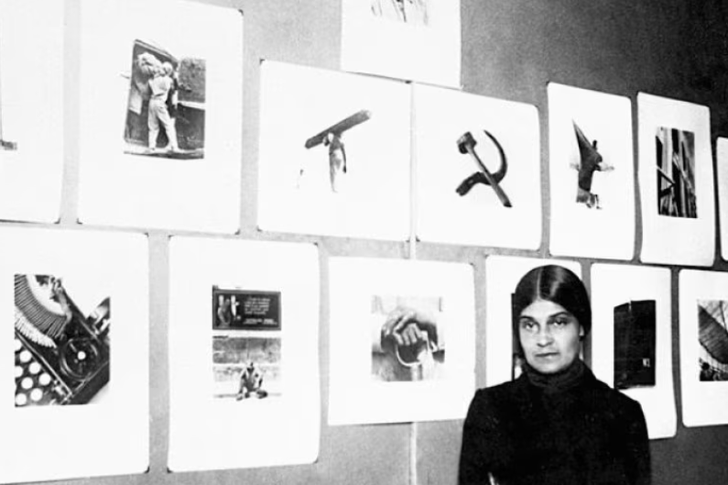
Tina Modotti, born in Friuli in 1896, is known as: actress...
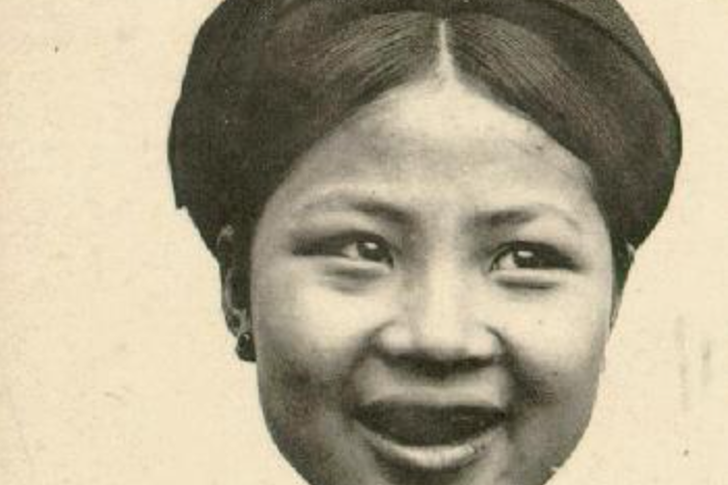
During the 16th century in medieval Japan, wealthy married...
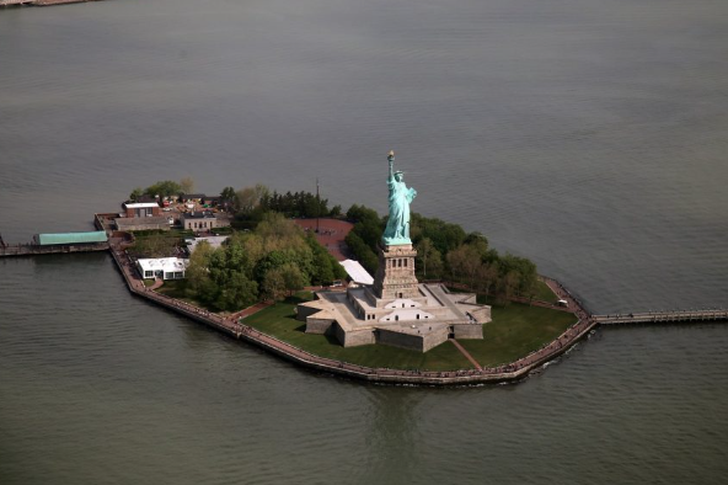
After being envisioned as a towering beacon to guide s...
In the mid-1300s, humanity faced one of its darkest chapte...
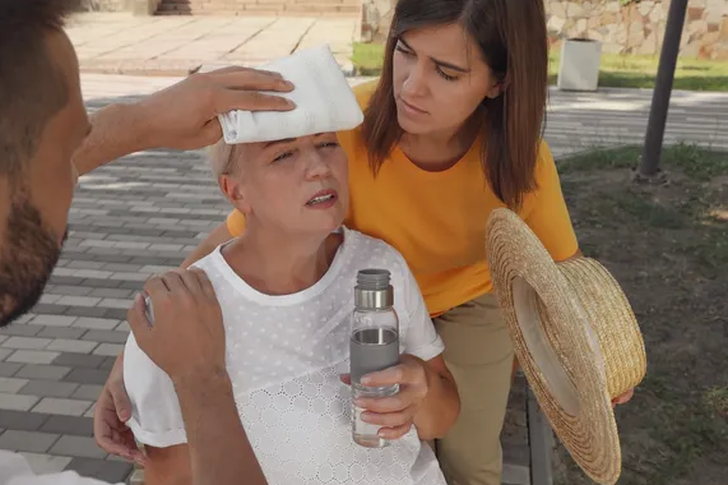
This summer the media has been filled with alarming re...
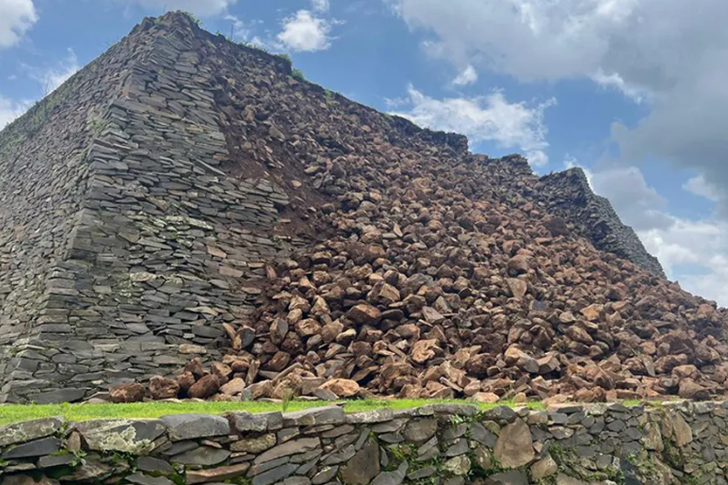
Flooding from heavy rain near Lake Pátzcuaro has caused th...
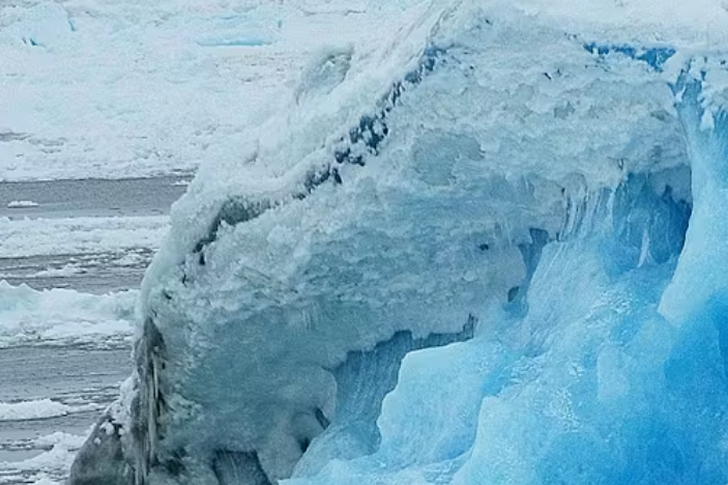
We all played the broken phone game in our childhood, ...
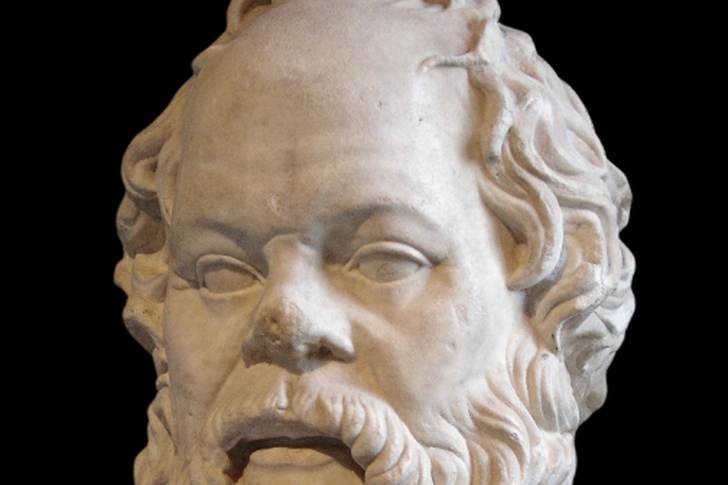
Socrates, the famous philosopher of ancient Greece, had a ...
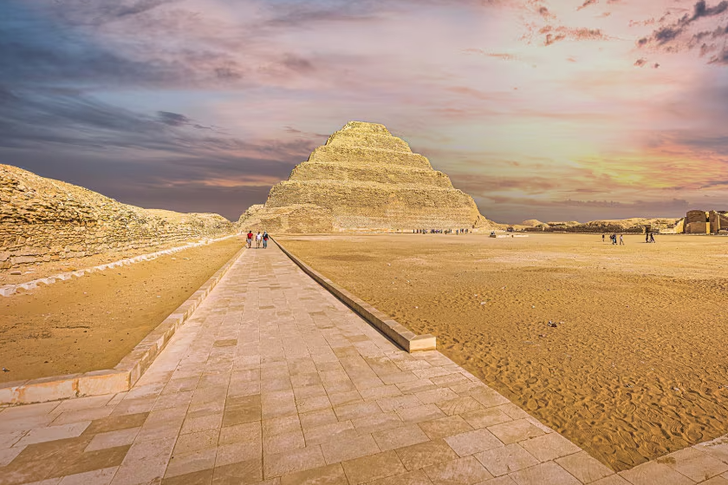
To transport the stone blocks needed to build Djoser's pyr...
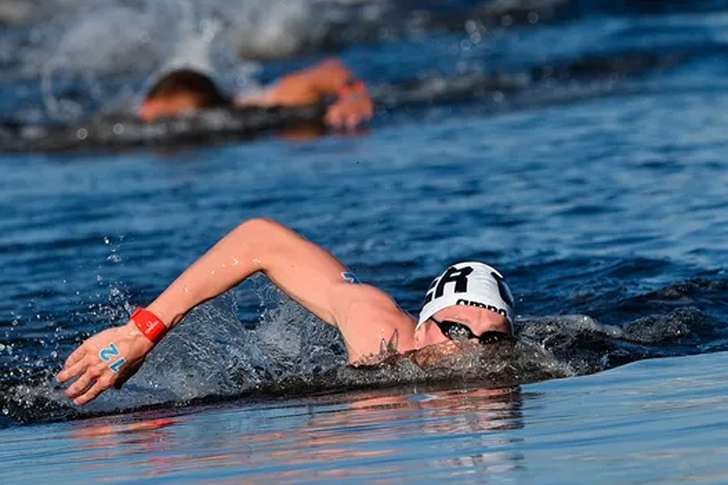
Whether you're watching from afar, cheering, competing...
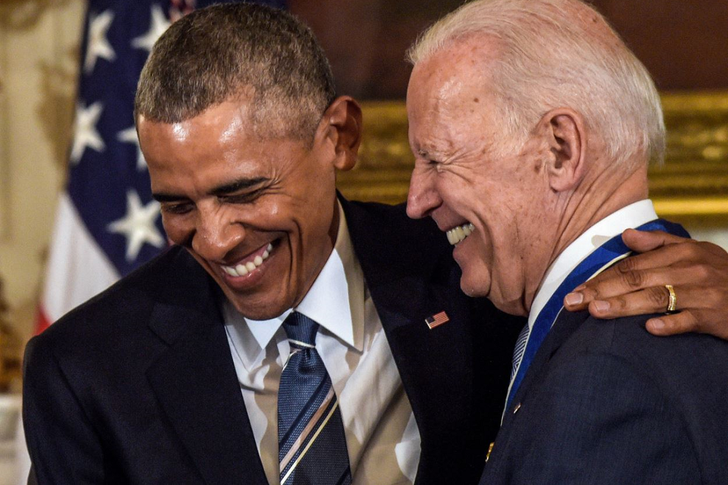
In the event that plan A is to 'revive' Joe Biden, and...
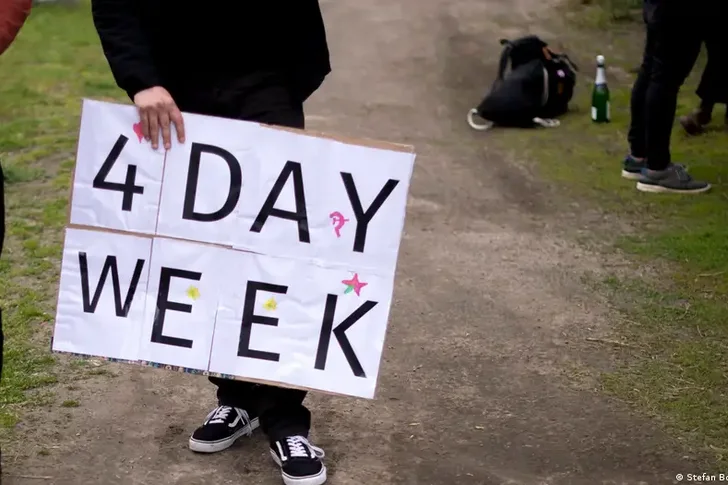
A carpet cleaning company, a construction company, a m...
Who are the main favorites in this European Championship? ...
"Heydar Aljevi did not care that I was Armenian. What matt...
The successful film of director Christopher Nolan, "Oppenh...

Worry about layoffs, not burnout*. Worrying about being o...
Now that President Joe Biden and former President Donald T...
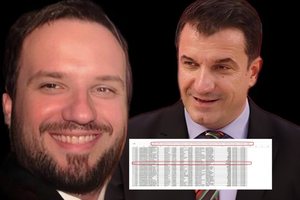
On the morning of July 7, 2026, the Ministry of Culture ur...
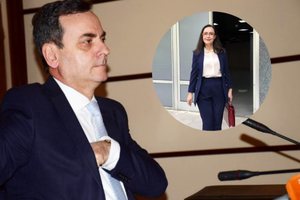
After the disclosure of the portfolio of properties an...

For 6 months now, CNA has been sending several letters to ...
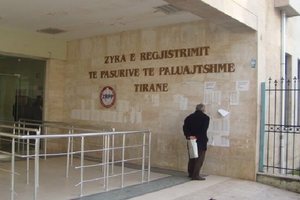
The word "fatherland" with properties is not enough. The m...

The Special Board of Appeal (KPA) decided this Monday ...

The KPA vetting decided this Thursday to dismiss the p...

Suela Salavaçi, a prosecutor in the Prosecutor's Offic...

The Special Board of Appeal reinstated the prosecutor ...
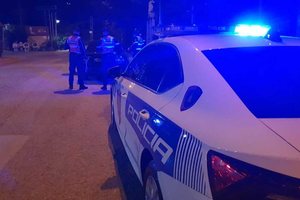
A knife attack occurred this evening in Fushë-Krujë. Acco...
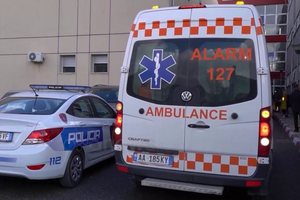
A 44-year-old man in Saranda has been seriously injured af...
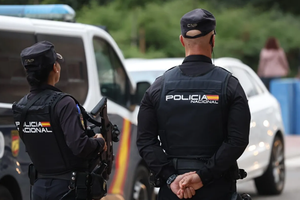
Spanish police have acted on an Albanian-Spanish criminal ...

New details have been revealed regarding the murder of Egl...
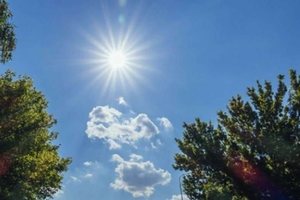
Today our country will be affected by stable weather condi...
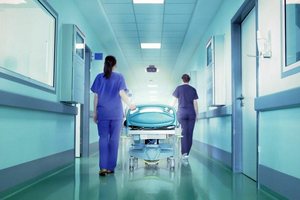
In Albania, in 2024, 8,911 beds were available in public h...
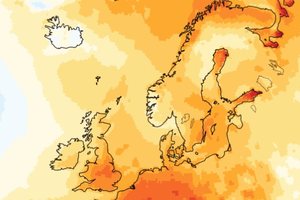
Albania was included in the band of above-normal temperatu...
Today, our country will be affected by mainly stable weath...
A powerful heatwave has swept across Italy and other p...
Property owners in Europe face a range of tax obligations,...
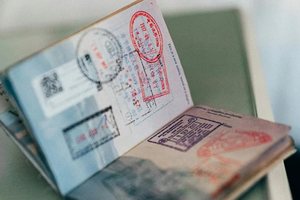
Bhutan, Ghana and Nigeria charge visitors more for tourist...
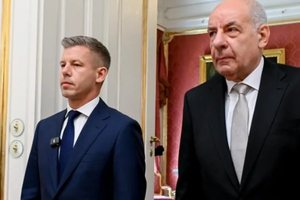
Hungary's parliament has approved the dismissal of Preside...

The ninth edition of "MIK Festival" kicked off with one of...
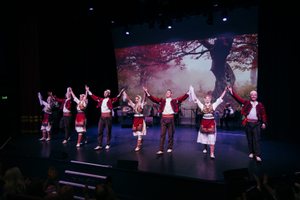
A historic evening for Albanian culture was marked in the ...

When I turned 10, another building was built in front of o...
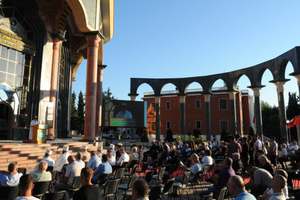
A special scientific conference was held by the World Bekt...
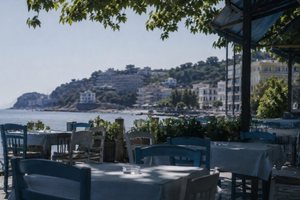
In addition to the effect on the decline in demand for rea...
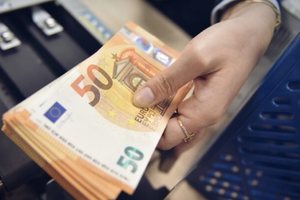
This Tuesday, one US dollar is bought for 81.5 lek and sol...
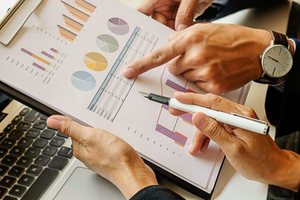
The tax administration has announced the completion of the...
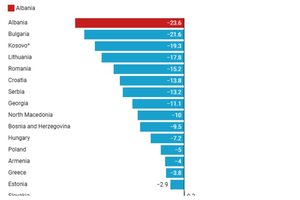
Albania has lost almost a quarter of its population since ...