


Territorial reform/ Berisha, calls on citizens to protest
DP leader Sali Berisha, in a conversation with citizens, s...

DP leader Sali Berisha, in a conversation with citizens, s...


During the 16th century in medieval Japan, wealthy married women embraced a unique trend known as ohaguro, which involved tanning their teeth. This practice was not just a passing fad, but a symbol of status and beauty. The method was fairly straightforward: iron fillings were soaked in tea or sake, causing them to oxidize and boil.
Contrary to modern standards of beauty, having black teeth was considered highly desirable. This aesthetic was believed to enhance a woman's appearance, representing unity within marriage and fidelity to her husband.
Back then, black teeth were a sign of beauty, and here's why. Sugar, a luxury at the time, was a symbol of wealth. Only the rich could indulge in this expensive import, leading to tooth decay. Surprisingly, these decayed and blackened teeth became a status symbol. What we might consider poor dental hygiene now was a display of wealth back then.
Interestingly, clean and white teeth were associated with the less wealthy, who could not afford such extravagances as sugar. This inverse relationship between the appearance of teeth and social status shaped the beauty standards of the time, with blackened teeth admired as a sign of wealth and privilege.
Conversely, those from lower socioeconomic backgrounds who could not afford sugar or the subsequent dental problems it often caused had relatively healthier and whiter teeth. As a result, pristine white teeth became associated with poverty or lower social status.
Tooth staining, also known as tooth varnish, has been a widespread custom in various cultures in Southeast Asia, Oceania, and parts of Japan and India. This practice was common among Austronesian, Austroasiatic and Kra-Dai peoples. Even in the Americas, groups such as the Shuar people of northern Peru and Ecuador practiced blackening their teeth.
Typically, during puberty, the darkening of the teeth was considered a symbol of maturity, beauty and civilization. It was believed to distinguish humans from animals. Often performed alongside tooth sharpening, dental evulsion, and other forms of body modification such as tattooing, tooth tanning had significant cultural significance.
Early European explorers and colonists viewed tanning and filling teeth with a mixture of fascination and disapproval, highlighting the cultural divide between different societies' beauty standards and traditions./ Adapted from CNA

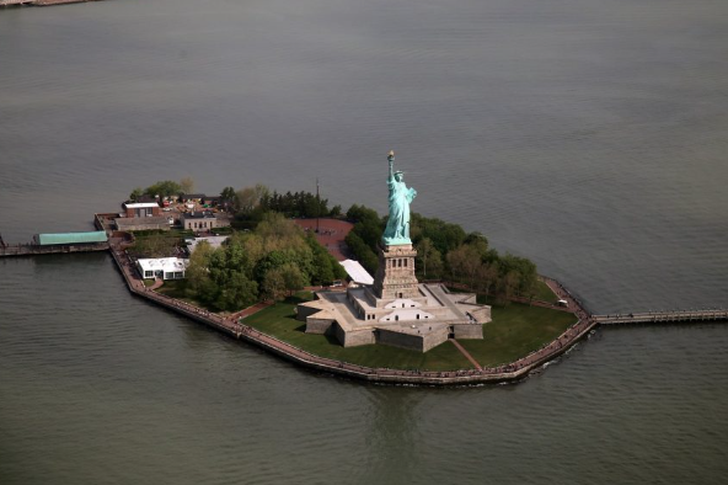
After being envisioned as a towering beacon to guide s...

In the mid-1300s, humanity faced one of its darkest chapte...

This summer the media has been filled with alarming re...
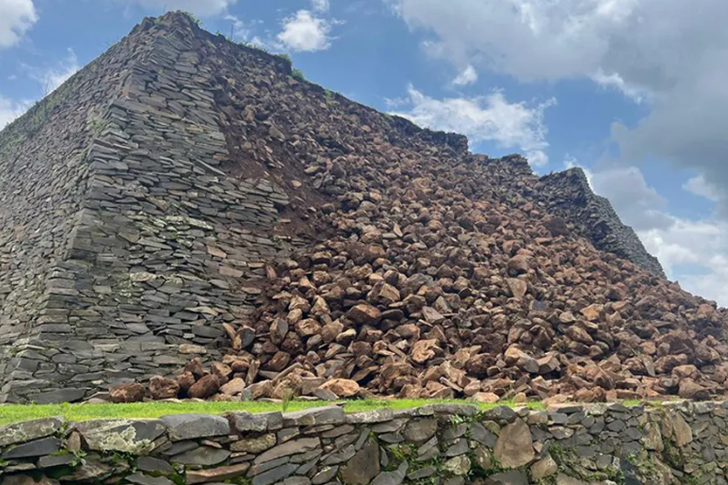
Flooding from heavy rain near Lake Pátzcuaro has caused th...

We all played the broken phone game in our childhood, ...
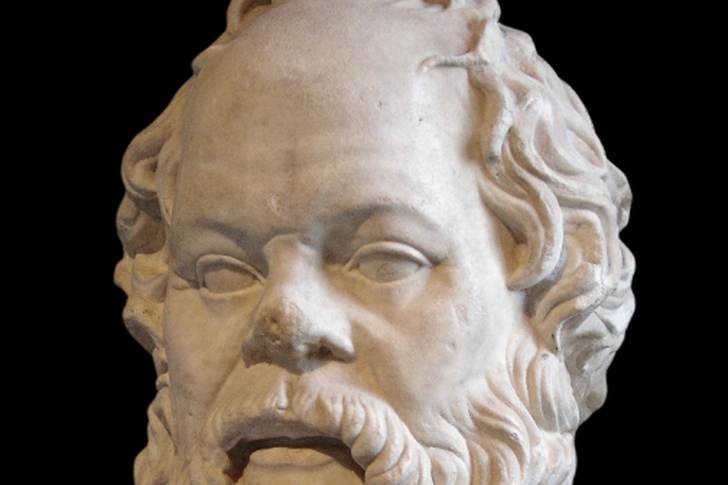
Socrates, the famous philosopher of ancient Greece, had a ...
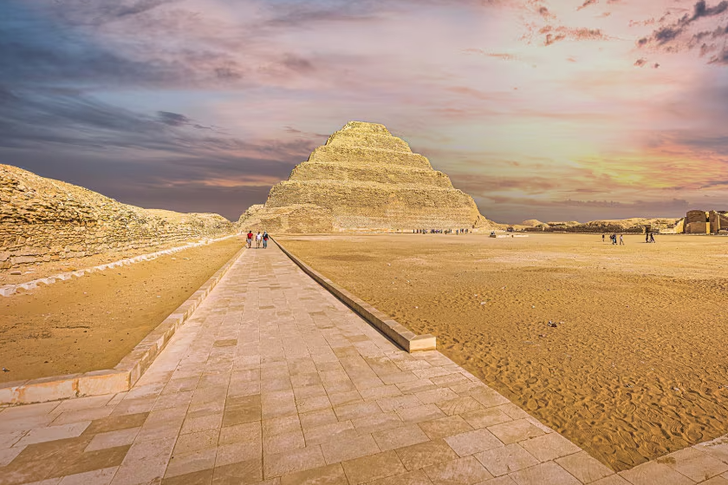
To transport the stone blocks needed to build Djoser's pyr...

Whether you're watching from afar, cheering, competing...

In the event that plan A is to 'revive' Joe Biden, and...

A carpet cleaning company, a construction company, a m...

Who are the main favorites in this European Championship? ...

"Heydar Aljevi did not care that I was Armenian. What matt...

The successful film of director Christopher Nolan, "Oppenh...

Worry about layoffs, not burnout*. Worrying about being o...

Now that President Joe Biden and former President Donald T...
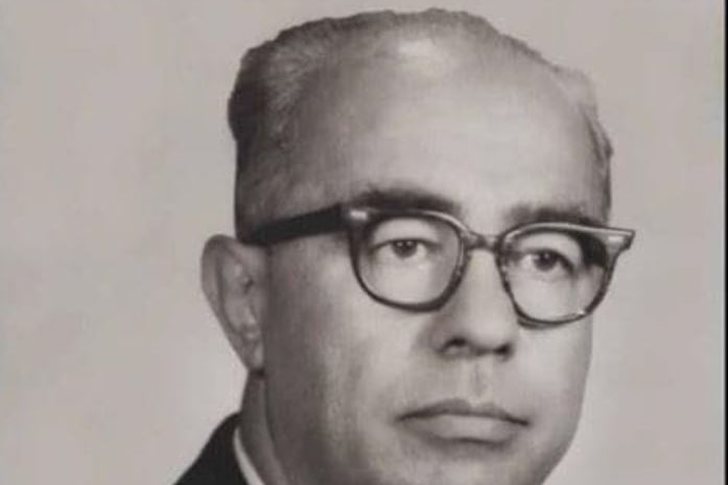
Communism is an unnatural philosophy of life, against ...

To work side by side with death! Years ago, in England, t...

The EU's goal was quite ambitious. 1 million artillery she...
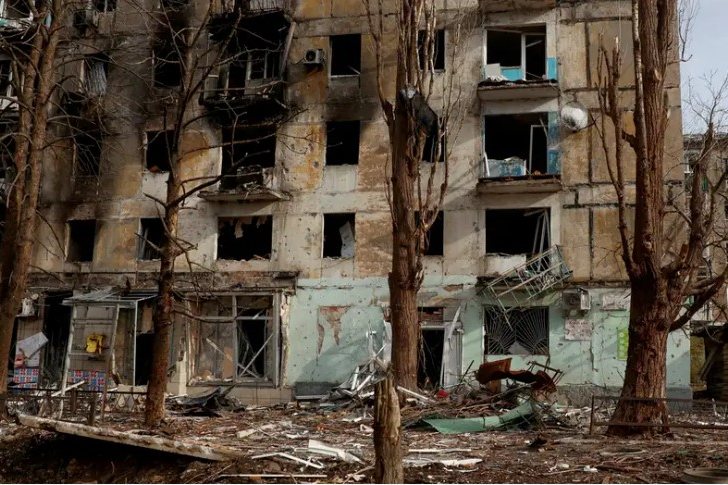
By 2026, Ukraine alone will lose the equivalent of about $...

It was a warm handshake between two statesmen, conducted i...

A 39-year-old citizen has been arrested in Lezha, after se...

CNA has launched another investigation that could lead to ...

Irfan Hysenbelliu is a businessman that we call "Irfan the...

In March 2026, CNA launched another investigation centered...

The Special Board of Appeal (KPA) decided this Monday ...

The KPA vetting decided this Thursday to dismiss the p...

Suela Salavaçi, a prosecutor in the Prosecutor's Offic...

The Special Board of Appeal reinstated the prosecutor ...

A serious incident occurred in Lushnje, where citizen IY, ...

As a result of the investigative and procedural actions ca...

A conflict for weak motives was recorded today in the vill...

An accident involving three vehicles occurred a few minute...

Today, our country will be under the influence of stable a...

By noon, cloudiness is expected to prevail in almost all o...

Children without parental care, for whom alternative famil...
On Thursday, our country will be under the influence of st...

Marine Le Pen is entering the decisive phase of the presid...

Member states of the International Criminal Court voted to...

From the declining role of exports to new public investmen...

South Korea is becoming one of the most sought-after desti...

Two windows, a century of history and the metaphysics of p...

In my research at the Central State Archives, specifically...

At a time when industrial products are increasingly taking...

Trust among people is not just a three-syllable word. It c...

This Saturday, one US dollar is bought for 81.7 lek and so...

War, weather and supply disruptions could send gas prices ...
The number of active enterprises in Albania continued to g...

In Albania, the bar-cafe has long become an almost unique ...