


"A vehicle is not a weapon!"/ Lamallari warns drivers
The Minister of Interior, Besfort Lamallari, has reacted t...

The Minister of Interior, Besfort Lamallari, has reacted t...

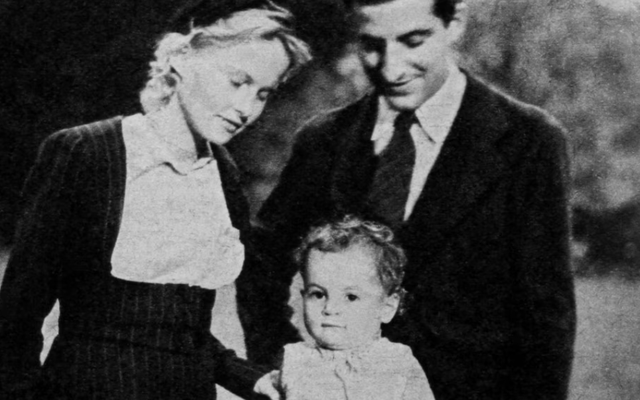
Tuscan physicist Bruno Pontecorvo (1913-1993), born into a Jewish family, decided to move with his wife and children to the closed city of Dubna, 125 km from Moscow, to do atomic research and remained there until his death. his. His choice, made secretly by friends and relatives, also dictated by his adherence to communist ideology, caused a stir around the world. Let's see how people lived in Soviet secret cities through the article " Closed Cities " by Arianna Pescini, taken from the Focus Storia archive.
In 1954, at the height of the Cold War, the residents of Novouralsk, Russia, had on their tables foods that were not available at that time: meat, the best caviar, chocolate. They received the best health care and excellent education for their children; they frequented cinemas and cultural clubs. But nobody knew about their existence. Because Novouralsk was one of many closed (and in this case also secret) cities since the mid-1940s, in the Soviet Union as well as in the United States, were destined for the development of the military and nuclear industry. Model cities isolated from the outside world, closed to foreigners and unauthorized persons. In the frenzied race for world nuclear supremacy, the state sent scientists, workers, workers and technicians with families in tow to work there.
There were dozens of closed cities in the USSR, some with "code" names to better disguise them, and they survived at least until the fall of the communist regime.
Today, there are about forty left, called "closed administrative-territorial formations". Large strategic centers from the industrial point of view, sensitive border areas or agglomerations created from scratch to host chemical and atomic plants, hidden from the world and Stalin's plan.
"It is important to distinguish between the secret closed cities, born around the Soviet nuclear project, and the "classic" closed cities, forbidden to foreigners, but known, generally larger", explains Andrea Graziosi, professor of in contemporary history at the University of Naples.
"The former did not appear on maps and were often built with forced labor, in a strange mixture of science and slavery; the latter, such as Perm, Vladivostok or Gorky (now Nizhny Novgorod) were apparently more "normal", already inhabited by those who were born or had a job there".
Stalin's plan was clear: Russia needed to excel in every sector, and to do that, it needed the best manpower and minds available.
Famous scientists specializing in nuclear energy also ended up in these golden cages. Physicist Lev Altshuler lived with his wife and three children in Arzamas-16 (today Sarov), the cradle of the atomic bomb, where until 1969 he worked on the hydrogen bomb together with distinguished colleagues: "Our families did not need nothing. All material problems were eliminated," he wrote.
The "father" of the Soviet atomic bomb Igor Kurchatov, the Italian Bruno Pontecorvo and the nuclear physicist Andrej Sakharov, confined to Gorky for opposing the regime, also lived here as "prisoners" between 1980 and 1986. The dissident, winner of the Nobel Prize for Peace in 1975, he recounts in his writings the constant control he was subjected to: bodyguards, KGB spies, hidden cameras.
The only contact with the outside was represented by his wife, Elena Bonner, who visited him and brought his works to Moscow, before she herself was sentenced to solitary confinement in Gorky in total secrecy. Abroad there were fewer cases: closed cities in the United States were erected starting in 1942, controlled by the US War Department as part of the "Manhattan Project", intended for the development of nuclear energy.
Oak Ridge, Richland, Mercury in Nevada, Los Alamos, New Mexico: in these places people worked on the atomic bomb (unknowingly) between a game of tennis and the weekly barbershop appointment.
General atomic tests. In Los Alamos, residents couldn't even pronounce the name of the place they lived in, renamed "Po Box 1663" of nearby Santa Fe. Among them, in the greatest secrecy, were the brains of the American nuclear project Robert Oppenheimer and Enrico Fermi, who together with their wives lived in the famous Y area of ??the city.
"We felt constantly nervous and under pressure, helpless in our strange situation," said Laura Fermi (1907-1977), the physicist's wife, confirming that families should enjoy life in the city without asking too many questions. A stark reality that many of the thousands of workers in America's closed cities only realized with the atomic bombs on Hiroshima and Nagasaki in 1945./ Adapted from CNA


Sweden has issued licenses to kill 20% of its brown bear ...
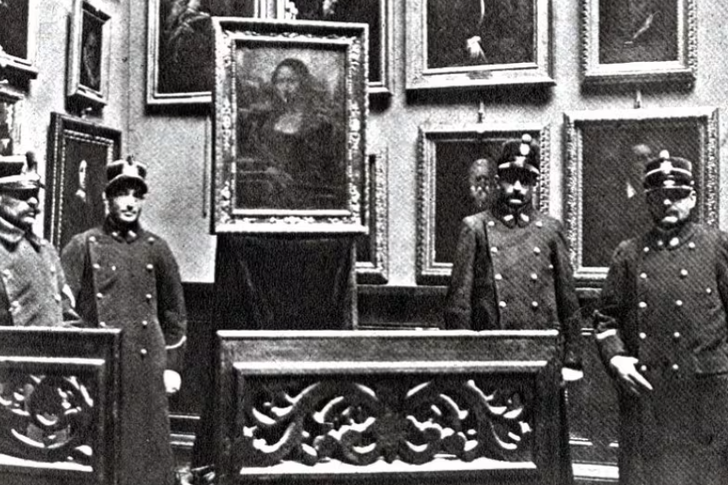
At seven o'clock in the morning on August 21, 1911, the da...
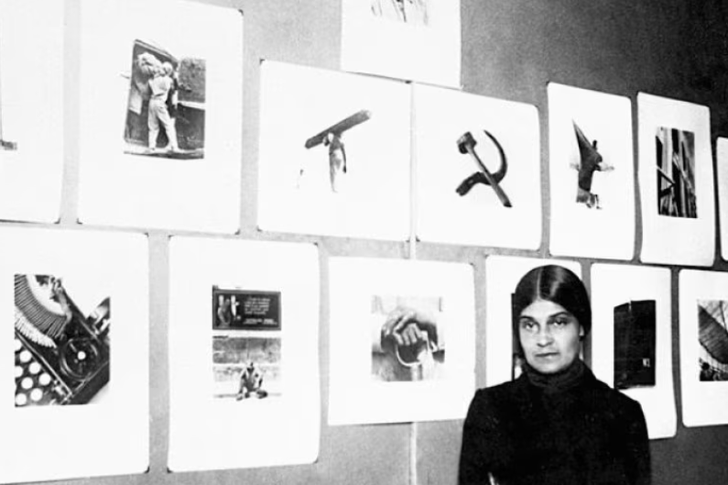
Tina Modotti, born in Friuli in 1896, is known as: actress...
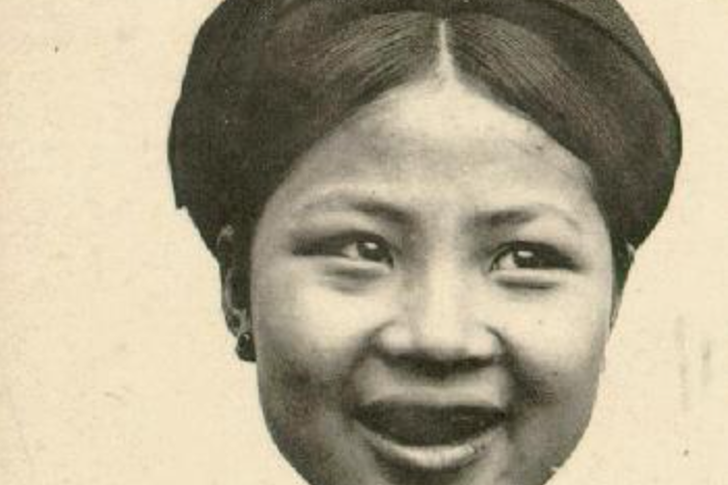
During the 16th century in medieval Japan, wealthy married...
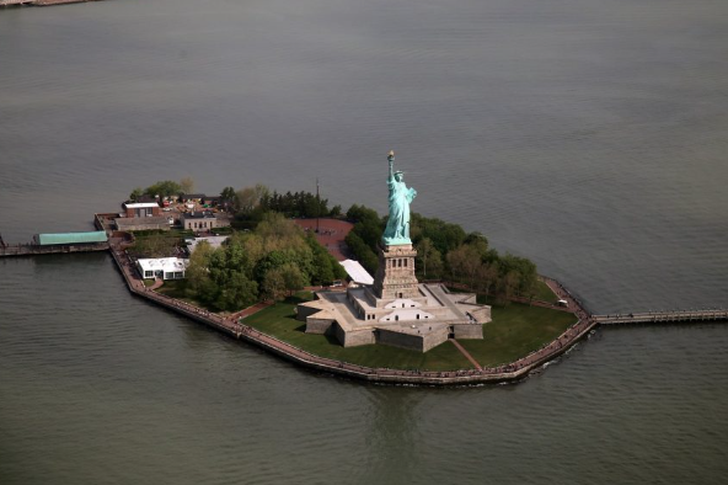
After being envisioned as a towering beacon to guide s...
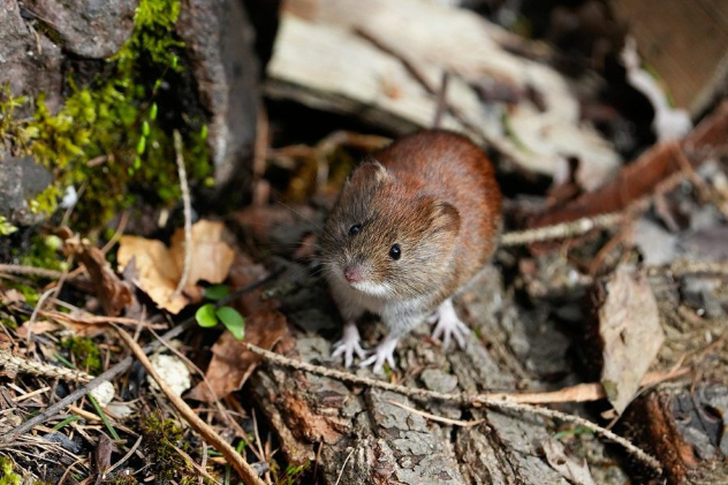
In the mid-1300s, humanity faced one of its darkest chapte...
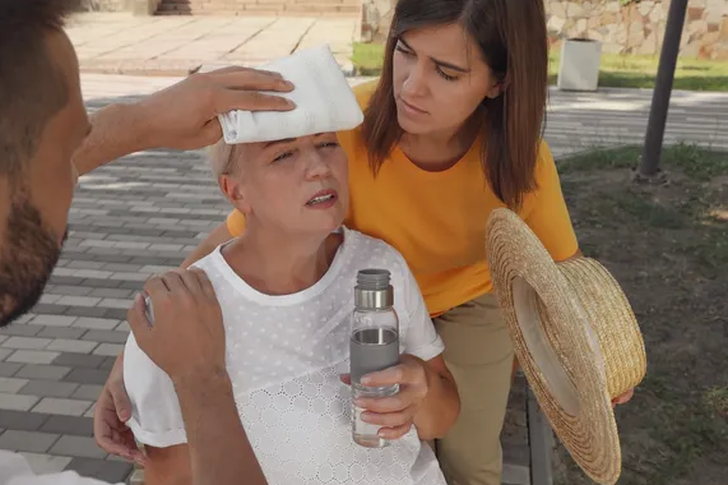
This summer the media has been filled with alarming re...
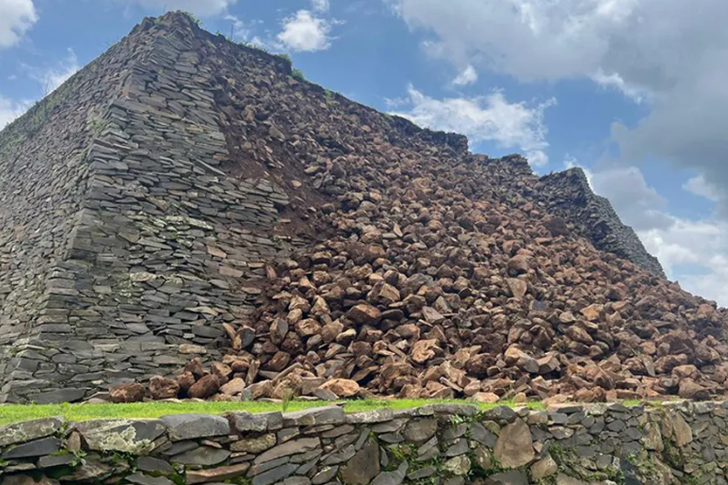
Flooding from heavy rain near Lake Pátzcuaro has caused th...
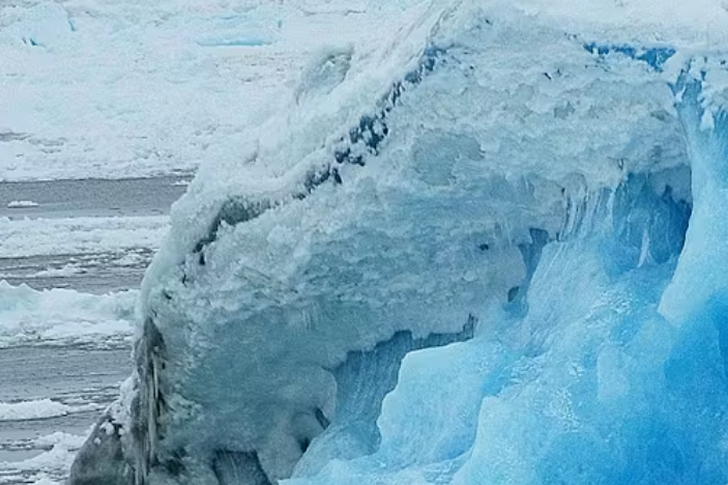
We all played the broken phone game in our childhood, ...
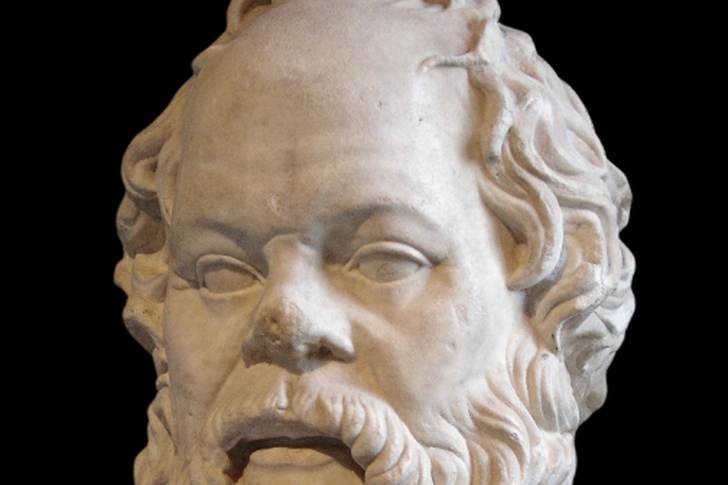
Socrates, the famous philosopher of ancient Greece, had a ...
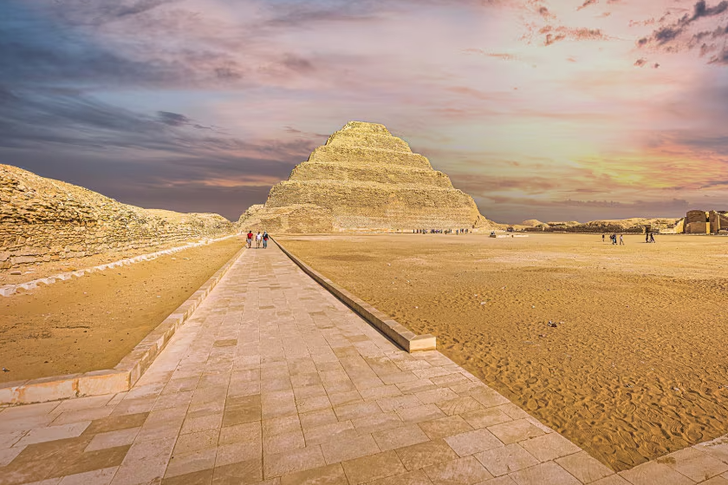
To transport the stone blocks needed to build Djoser's pyr...
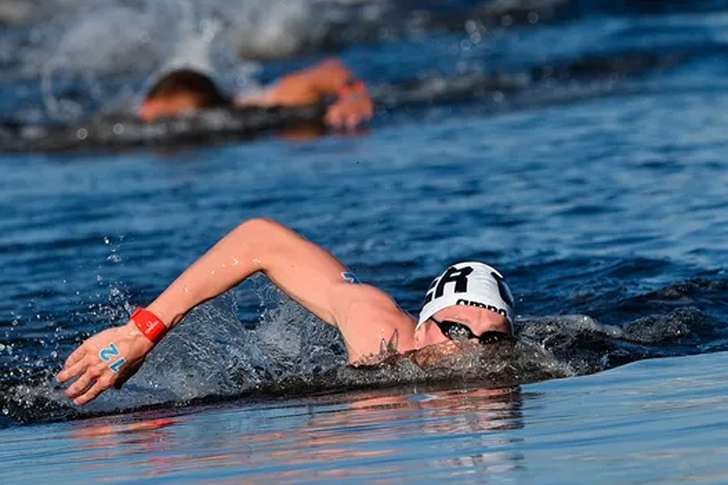
Whether you're watching from afar, cheering, competing...
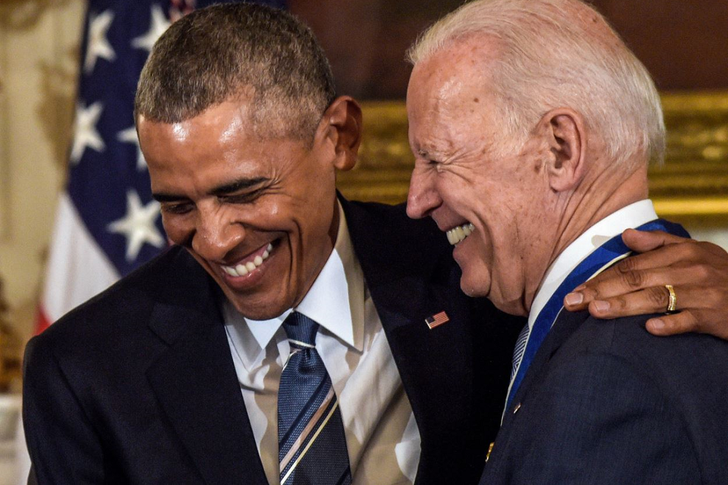
In the event that plan A is to 'revive' Joe Biden, and...
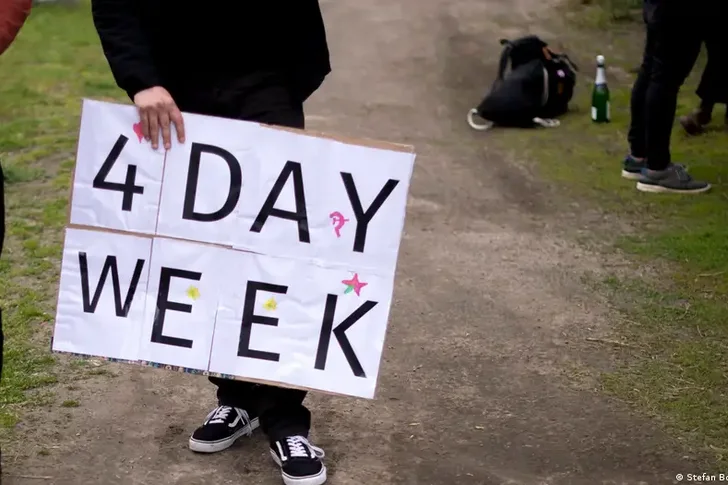
A carpet cleaning company, a construction company, a m...
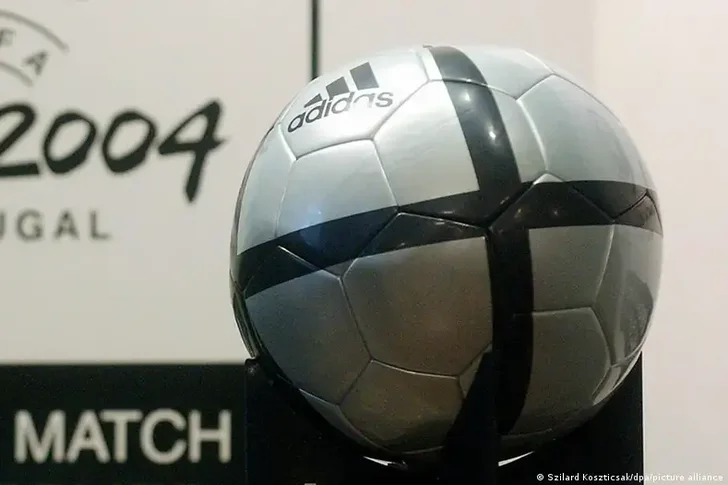
Who are the main favorites in this European Championship? ...
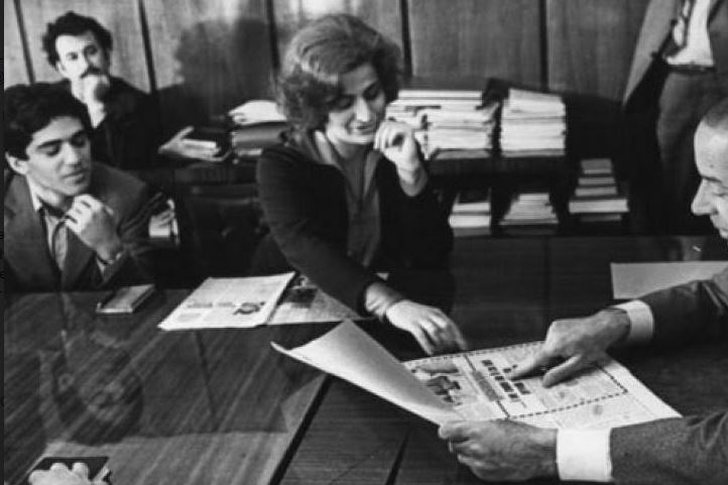
"Heydar Aljevi did not care that I was Armenian. What matt...
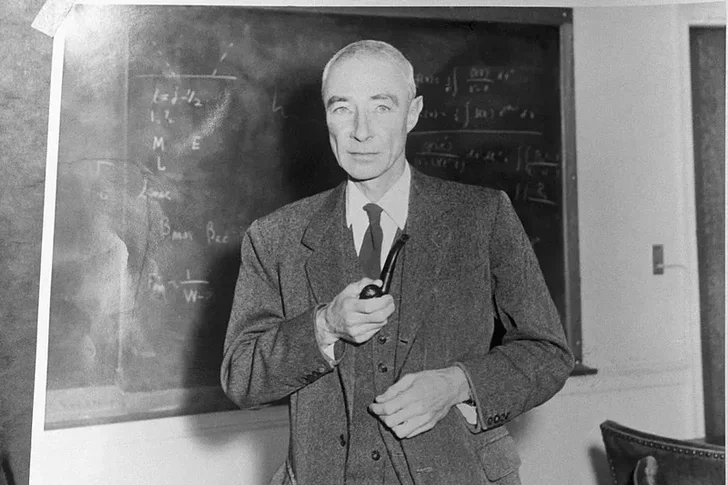
The successful film of director Christopher Nolan, "Oppenh...

Worry about layoffs, not burnout*. Worrying about being o...
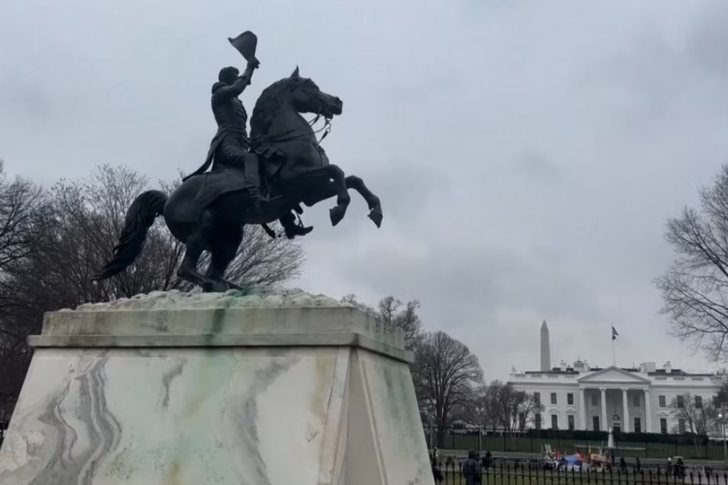
Now that President Joe Biden and former President Donald T...
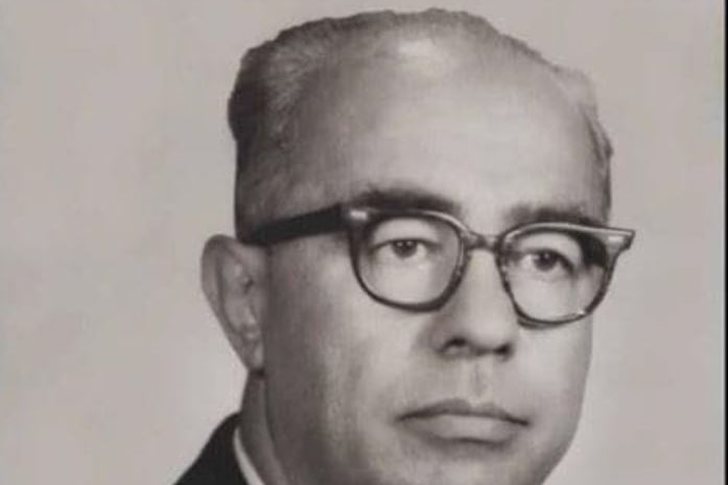
Communism is an unnatural philosophy of life, against ...
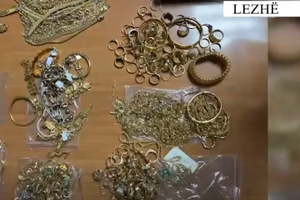
A 39-year-old citizen has been arrested in Lezha, after se...

CNA has launched another investigation that could lead to ...

Irfan Hysenbelliu is a businessman that we call "Irfan the...

In March 2026, CNA launched another investigation centered...

The Special Board of Appeal (KPA) decided this Monday ...

The KPA vetting decided this Thursday to dismiss the p...

Suela Salavaçi, a prosecutor in the Prosecutor's Offic...

The Special Board of Appeal reinstated the prosecutor ...
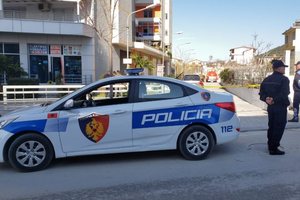
A serious incident occurred in Lushnje, where citizen IY, ...
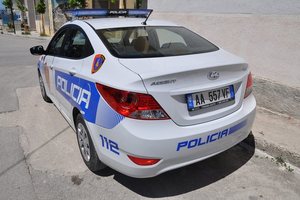
As a result of the investigative and procedural actions ca...
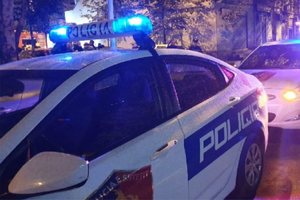
A conflict for weak motives was recorded today in the vill...
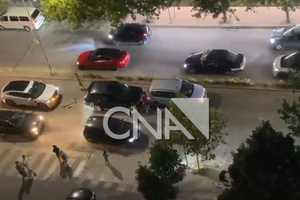
An accident involving three vehicles occurred a few minute...

Today, our country will be under the influence of stable a...

By noon, cloudiness is expected to prevail in almost all o...

Children without parental care, for whom alternative famil...
On Thursday, our country will be under the influence of st...
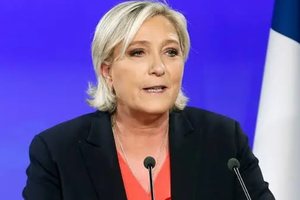
Marine Le Pen is entering the decisive phase of the presid...
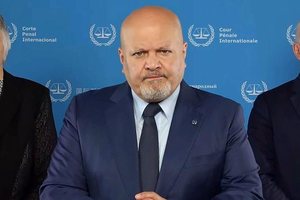
Member states of the International Criminal Court voted to...
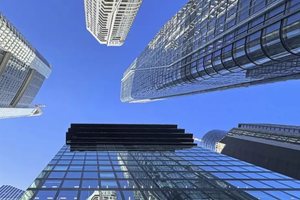
From the declining role of exports to new public investmen...
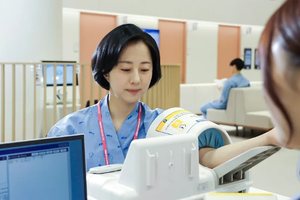
South Korea is becoming one of the most sought-after desti...
Two windows, a century of history and the metaphysics of p...
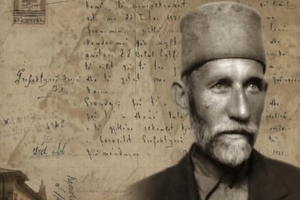
In my research at the Central State Archives, specifically...

At a time when industrial products are increasingly taking...

Trust among people is not just a three-syllable word. It c...
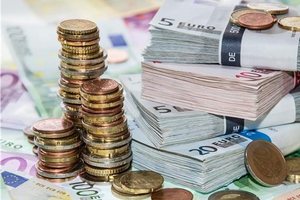
This Saturday, one US dollar is bought for 81.7 lek and so...
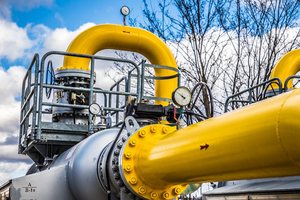
War, weather and supply disruptions could send gas prices ...
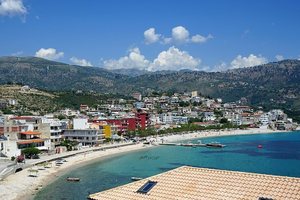
The number of active enterprises in Albania continued to g...
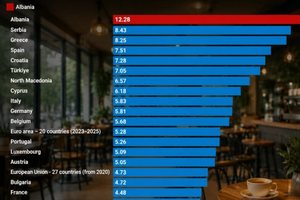
In Albania, the bar-cafe has long become an almost unique ...