


Territorial reform/ Berisha, calls on citizens to protest
DP leader Sali Berisha, in a conversation with citizens, s...

DP leader Sali Berisha, in a conversation with citizens, s...

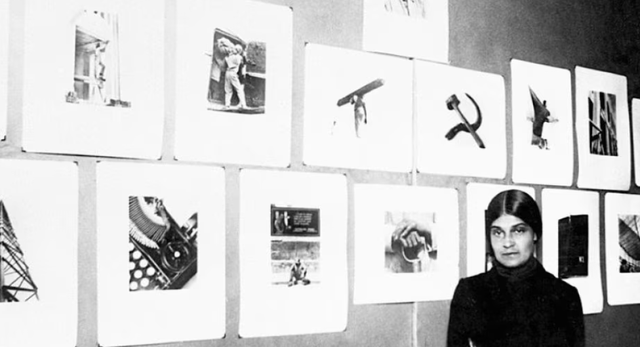
Tina Modotti, born in Friuli in 1896, is known as: actress, photographer, political activist, until she became a secret agent in the service of the Soviets.
Tina Modotti had several occupations. There she was a spinning factory worker, silent film actress and model, but also a politically engaged photographer, revolutionary communist and Soviet secret agent.
"Mata Hari of the International Communist Party". This is how this Friulian was defined in Russia, born in 1896 in a working-class neighborhood of .
He died at the age of 45, after a life full of sentimental, artistic and political experiences, lived in a complex historical period, between the First and Second World Wars, the new and the old continent, between post-revolutionary Mexico and Stalin's Moscow, between the Europe of the Nazi-fascist dictatorships and the Spain of the civil war.
But who was Tina Modotti really? And how did he end up working for the Soviet secret services?
"She was an artist, she enjoyed consideration and recognition, she had made a name for herself in a profession that in her time was reserved for men.
However, one fine day she took a step that the poet Pablo Neruda, her friend, described as follows: "She threw her camera into the Moskva River and vowed to devote her life to the most modest tasks of the Communist Party," says Christiane. Barckhausen, in the biography Tina Modotti, truth and legend (Asterios).
It wasn't a header. Tina came to that decision over time, shaped by her experiences.
At the age of twelve, he took on the responsibility of providing for his mother and 4 younger brothers, while his father and older sister sought their fortune in America. Twelve hours of work in a textile factory, little money and many sacrifices.
However, we cannot forget her father's sincere socialist faith and the trade union struggle for workers' rights, which, as a worker in shirt and then hat factories, she experienced first hand when she joined her father in San Francisco.
But at the time, seventeen-year-old Tina preferred the spectacle of showbiz: thanks to her practice on the Filodrammatica stage in Little Italy and her black hair covering her large dark eyes and full lips, she made her entrance in Hollywood, starring in 3 silent films.
They gave her the stereotype of the femme fatale: she didn't like to appear that way, but to many of her contemporaries she must have seemed that way in 1923, when, widowed for a year, she moved to Mexico City with her boyfriend her, the photographer Edward Weston.
She began working in the Mexican section of Red Aid (a communist organization with branches around the world, led by the USSR, to support victims of social injustice), participated in demonstrations of the Anti-Imperialist League, wrote and published photos in the party newspaper, "El machete"
For this reason, Rivera portrayed him in one of his most famous murals, El Arsenal, in the act of arming the people for the proletarian revolution.
Two other men important to Tina appear in that painting: the Cuban communist Julio Antonio Mella and the Trieste anti-fascist Vittorio Vidali.
In Madrid, during the civil war unleashed by General Francisco Franco's nationalist movement against the Republican government, Tina became María Ruiz.
Strong and silent, always dressed in black, she remained in the hearts of many: listed in the women's battalion of the Fifth Regiment of the popular army of Carlos Contreras (alias Vidali), María treated the wounded, comforted the displaced , helped orphans and organized hospitals.
But it also dealt with counterespionage and "liaison functions". And learned of the murders of anarchist republicans and Trotskyist communists carried out, apparently by Vidal himself, in the name of Stalin's hunt for all his protesters.
When the anti-fascist forces were routed by Franco's armies, she returned to Mexico City, with a Spanish passport registered to María del Carmen Ruiz Sánchez.
It was 1939: her friends, who had not seen her for ten years, no longer recognized their "Tinísima". Sad and war-worn, she stood aside, silent.
Even her relationship with Vidal seemed to have cooled. The non-aggression pact signed by the red dictator with Hitler (1939) and the assassination of Leon Trotsky by the Stalinists (1940) dealt the final blow.
She herself, reported in Washington as an "agent of the Soviet secret police", who according to the Mexican diplomat Octavio Paz should not have been called "Tinísima" but "Stalinísima", did not renew the party's tessa.
Death took him soon after. No more actress, no more photographer, no more communist. What remained was only her pure, bare and wounded soul: the soul of an idealist./ Adapted from CNA

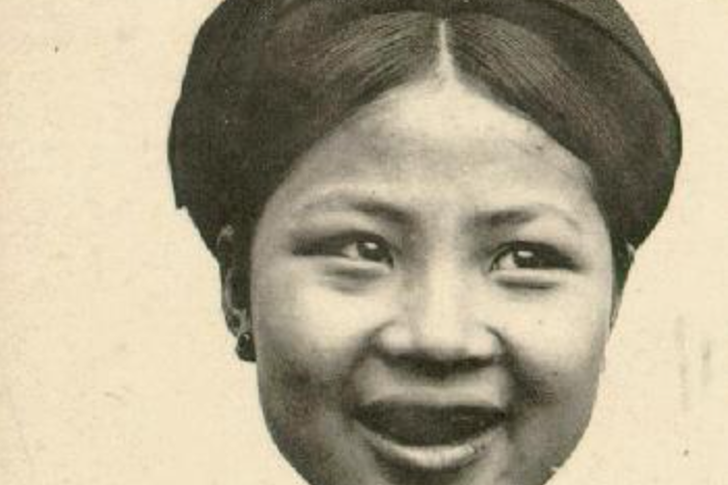
During the 16th century in medieval Japan, wealthy married...
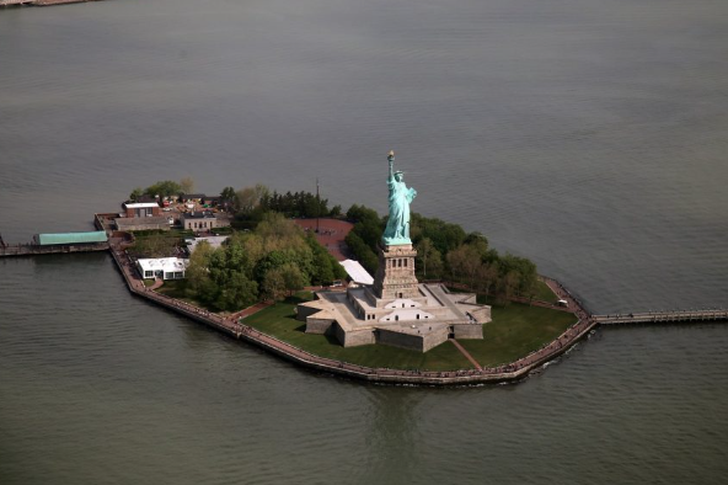
After being envisioned as a towering beacon to guide s...

In the mid-1300s, humanity faced one of its darkest chapte...

This summer the media has been filled with alarming re...
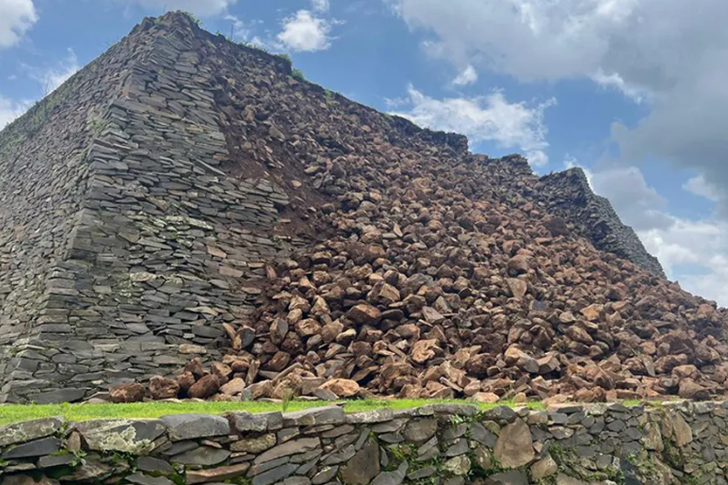
Flooding from heavy rain near Lake Pátzcuaro has caused th...

We all played the broken phone game in our childhood, ...
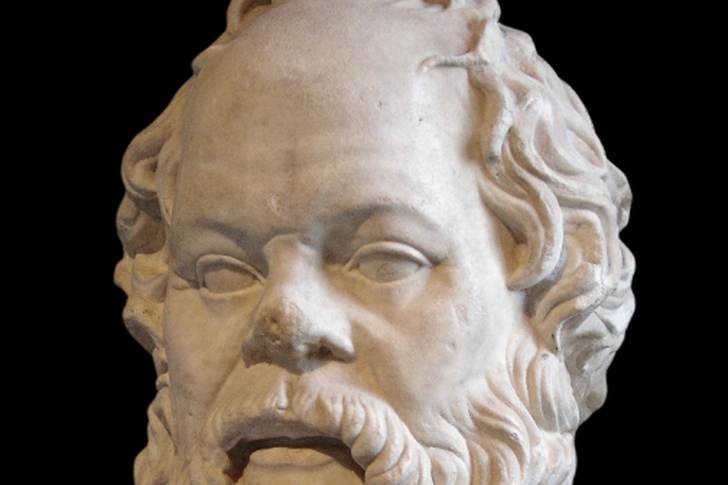
Socrates, the famous philosopher of ancient Greece, had a ...

To transport the stone blocks needed to build Djoser's pyr...

Whether you're watching from afar, cheering, competing...

In the event that plan A is to 'revive' Joe Biden, and...
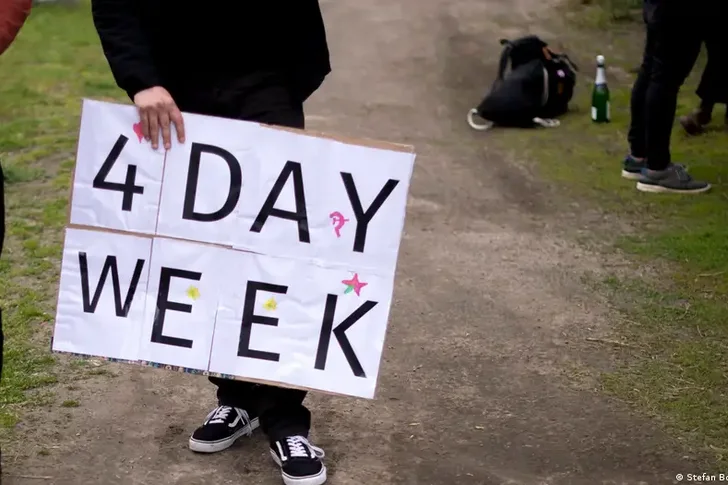
A carpet cleaning company, a construction company, a m...

Who are the main favorites in this European Championship? ...
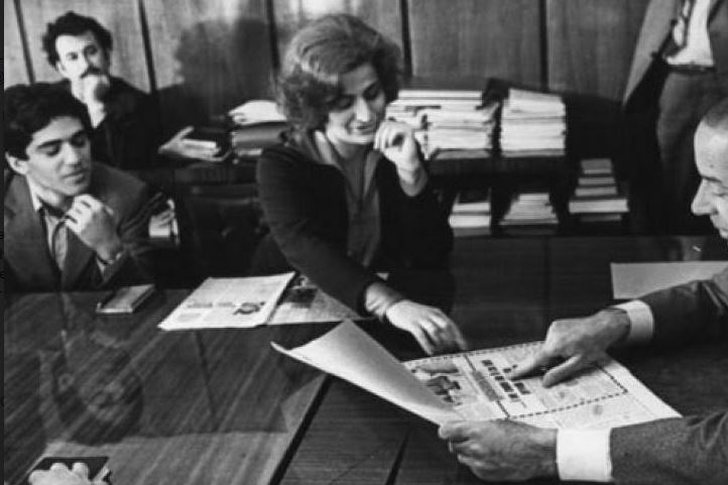
"Heydar Aljevi did not care that I was Armenian. What matt...
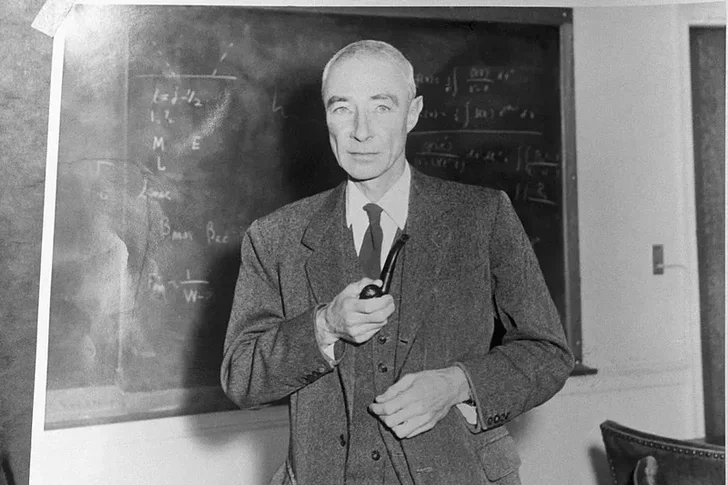
The successful film of director Christopher Nolan, "Oppenh...

Worry about layoffs, not burnout*. Worrying about being o...
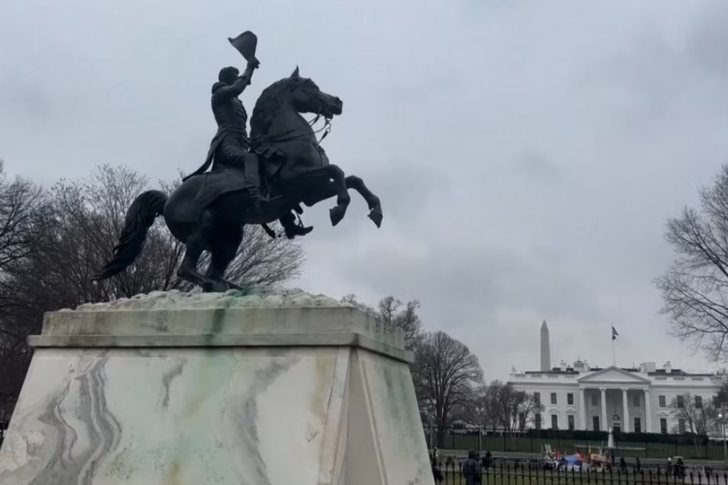
Now that President Joe Biden and former President Donald T...
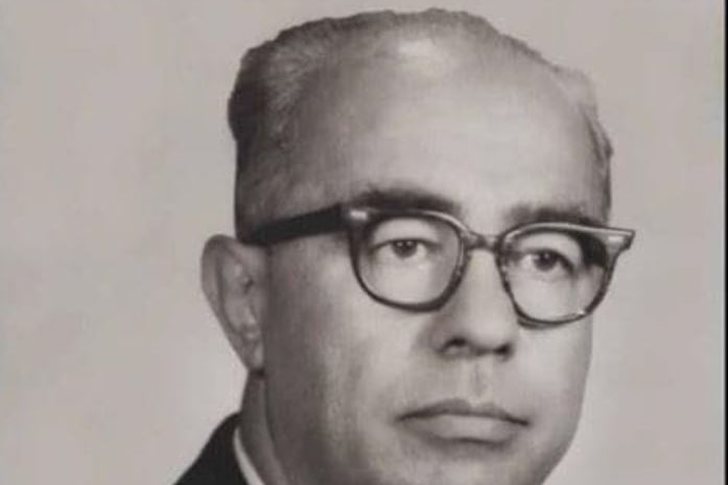
Communism is an unnatural philosophy of life, against ...

To work side by side with death! Years ago, in England, t...
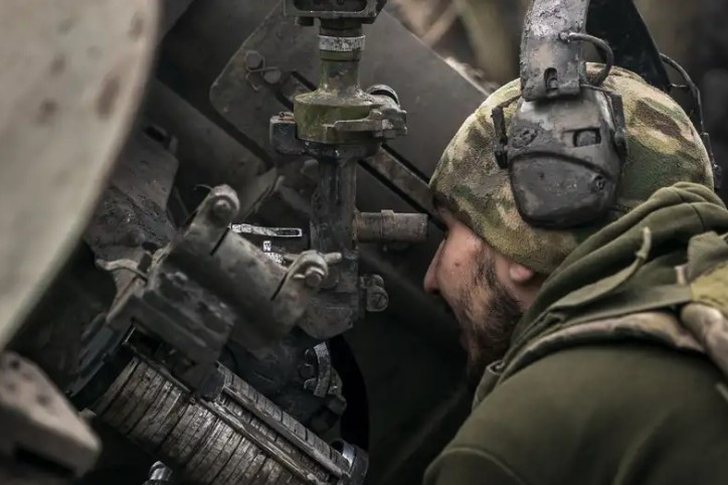
The EU's goal was quite ambitious. 1 million artillery she...
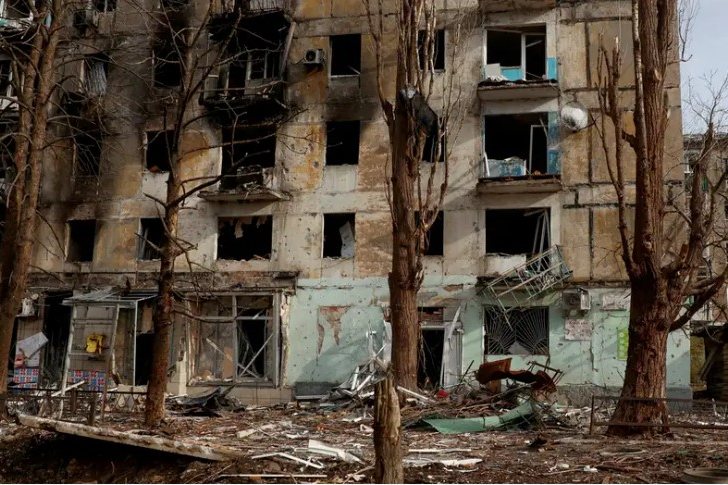
By 2026, Ukraine alone will lose the equivalent of about $...
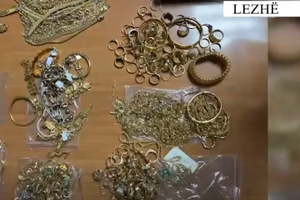
A 39-year-old citizen has been arrested in Lezha, after se...

CNA has launched another investigation that could lead to ...

Irfan Hysenbelliu is a businessman that we call "Irfan the...

In March 2026, CNA launched another investigation centered...

The Special Board of Appeal (KPA) decided this Monday ...

The KPA vetting decided this Thursday to dismiss the p...

Suela Salavaçi, a prosecutor in the Prosecutor's Offic...

The Special Board of Appeal reinstated the prosecutor ...
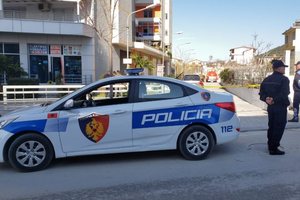
A serious incident occurred in Lushnje, where citizen IY, ...

As a result of the investigative and procedural actions ca...

A conflict for weak motives was recorded today in the vill...

An accident involving three vehicles occurred a few minute...

Today, our country will be under the influence of stable a...

By noon, cloudiness is expected to prevail in almost all o...

Children without parental care, for whom alternative famil...
On Thursday, our country will be under the influence of st...

Marine Le Pen is entering the decisive phase of the presid...
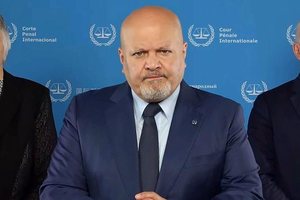
Member states of the International Criminal Court voted to...

From the declining role of exports to new public investmen...

South Korea is becoming one of the most sought-after desti...
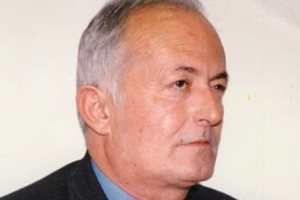
Two windows, a century of history and the metaphysics of p...
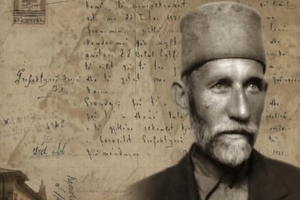
In my research at the Central State Archives, specifically...

At a time when industrial products are increasingly taking...

Trust among people is not just a three-syllable word. It c...

This Saturday, one US dollar is bought for 81.7 lek and so...

War, weather and supply disruptions could send gas prices ...
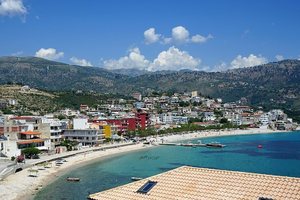
The number of active enterprises in Albania continued to g...

In Albania, the bar-cafe has long become an almost unique ...