


Boycott is always wrong.
Yesterday's boycott by the Democratic Party of the plenary...

Yesterday's boycott by the Democratic Party of the plenary...

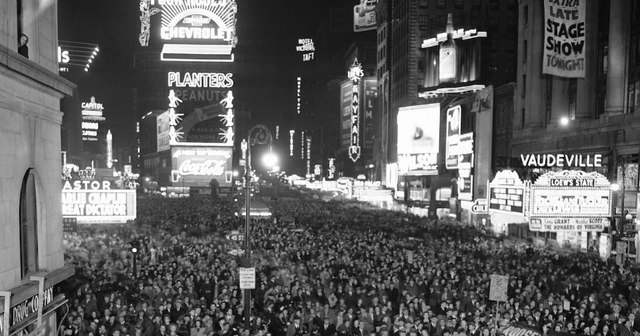
If today it is one of the most famous areas for tourists and hated by New Yorkers, it is because of an intuition of the advertiser Oscar J. Gude.
Imagining places full of big bright, colorful advertisements placed next to each other immediately brings to mind Piccadilly Circus in London, Shibuya Crossing in Tokyo and above all Times Square, one of New York's main attractions.
Today we are accustomed to imagine it with its skyscrapers and the thousands of people who daily visit its shops, restaurants and theaters with their heads up, watching the advertisements roll one after the other: it could not have been very different a century ago, when the signs illuminated spectaculars in the city appeared right there.
If Times Square became what it is today, it was because of an advertiser's intuition and his particular conformity.
Times Square is one of those places that even those who have never been to New York remember, loved by many tourists and hated by New Yorkers, who usually consider it the worst place in the city and try never to go. there, irritated by the crowds and the cheapness of the shops and entertainment it offers.
It is located in Manhattan and is formed by the diagonal intersection of Seventh Street with Broadway, the longest and one of the oldest and most popular streets in the city.
The two roads in turn intersect with the roads that go from the 42nd to the 47th road, forming an intersection, the shape of which slightly resembles that of a bow tie.
At the beginning of the twentieth century, instead of skyscrapers around the square, there were low-rise buildings: however, given the way it was laid out, it was already the ideal place to host advertising billboards.
In 1890, Broadway had become the first street in New York equipped with electricity: after a few years, the advertiser Oscar J. Goode thought of using new technologies in his work to develop writings and drawings made from thousands of controlled light bulbs from electric circuits that were quite elaborate for the time. The lights can be raised and lowered as needed, or alternated, to create animations and a spectacular motion effect.
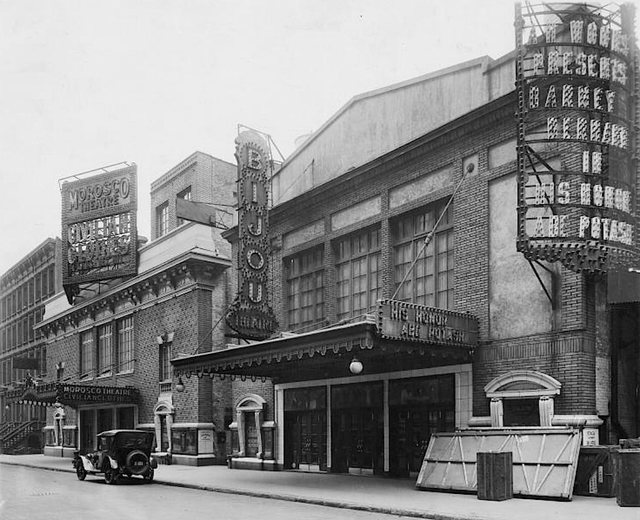
The son of German immigrants, Gude had gained experience in the poster and billboard trade before devoting himself to large outdoor signs, achieving some success. The first illuminated sign he created, in 1900, was that of Heinz in Madison Square: it advertised the famous sauces of the American company and consisted of writing that covered an entire side of the building in which it was installed and a large cucumber. , all made with 1200 bulbs. However, in the following years, he convinced other major companies that Times Square was the right place to advertise their products.
The bright ads "literally forced interested and disinterested passers-by to look at them," he said: that way the thousands of people who passed through the square every day to take the subway or go to the theater would "absorb the message." and advertising, knowingly or less".
The first such sign in Times Square was installed in 1904 and was an advertisement for Trimble whiskey, a Tennessee brand. In addition to the company logo, it featured two glasses poised to touch each other, as in a toast, and was installed right at the intersection of Broadway and 47th Street, where it could easily be seen hundreds of feet away. From then until 1917 Gude installed about twenty increasingly elaborate illuminated billboards in Times Square, with white or colored bulbs, to advertise a little bit of everything: from razors to toothpaste, from cars to clothing stores, including booze, cigarettes and of course the shows.
To give some examples, the Corticelli silk company was advertised by a kitten playing with a spool of thread, while White Rock's gingerbread daughter was advertised by a large clock that changed color next to a kind of fountain made of lights. One of the most spectacular signs was the one advertising Wrigley's chewing gum, which was located in a six-story building between 43rd and 44th streets and was made of 17,000 white and colored light bulbs: more than twenty feet high and over 75 wide , consisting of a series of drawings of exotic plants and animals, as well as his tires and brand.
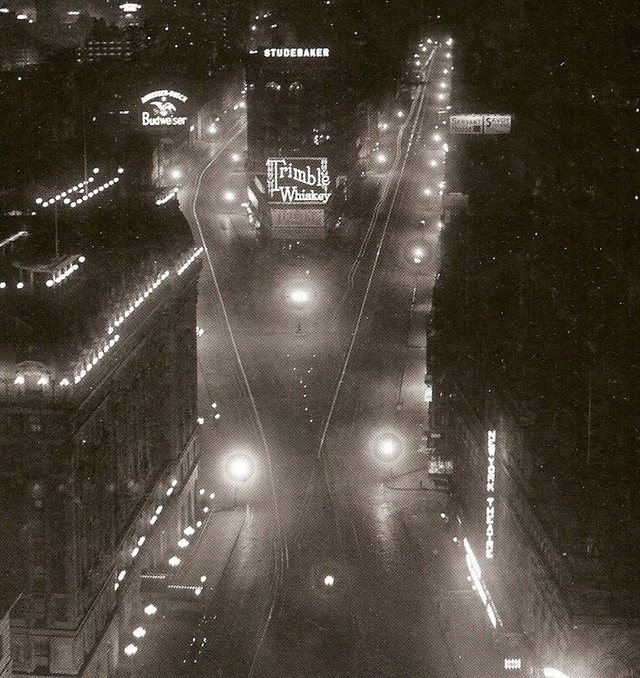
Exotic colors, lights and patterns were also popular elements in restaurants, shops and nightclubs, so they were also used in the first illuminated signs.
Around 1915 Times Square was lit up by hundreds of thousands of lamps, with the result that the area began to be called "The Great White Street", an expression attributed to Gude himself that can be translated as "the great white street" although many of the lamps used were actually colored.
All these lights contributed to defining the dynamism of an already very active area from a cultural point of view and, in addition to selling, also served to attract and entertain the public.
In a book devoted to the evolution of Times Square, Archives of American Art Journal editor Darcy Tell writes that Gude "almost single-handedly transformed Times Square into America's premier outdoor advertising market." The square was "a bit like an arena, but in reverse, with the audience in the center and the spectacle around," noted historian and professor of modern architecture Sandy Isenstadt in a book about how electric lights transformed urban spaces.
However, there were also those who did not appreciate such conspicuous advertisements, such as some residents' associations or the city's bourgeoisie, who considered them strange, unaesthetic and in some cases very erotic: bright advertisement for a shop outfits in which a girl showed her ankles and her cloak, for example, as she lifted her dress to protect herself from the rain, caused controversy.
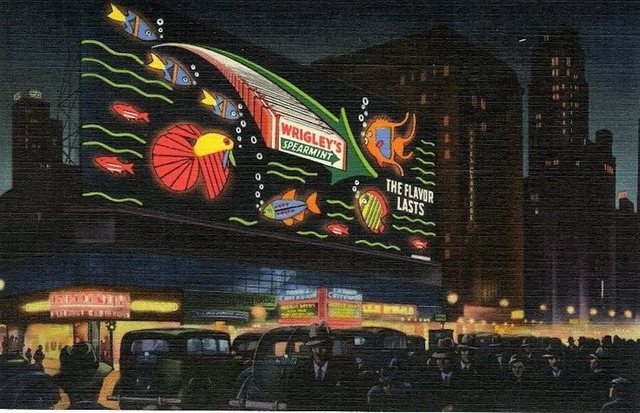
In 1913, residents' associations opposed to illuminated signs convinced Mayor William J. Gaynor to form a special commission to evaluate the issue and propose possible interventions. After discussions between the two trade associations, in 1916 these signs were banned from a long stretch of Fifth Avenue, another popular shopping street in Manhattan; in 1922, further restrictions were placed on Times Square as well, so they were allowed in a limited area.
As historian William Leach explained, it wasn't that the Fifth Avenue Merchants' Association wasn't interested in tourists: they just feared that "such a 'carnival spectacle' would attract 'the wrong people' to the area on a daily basis". and that this may have adversely affected property values, among other things.
In a way they were right, as today Times Square is where the mass tourism pouring into New York is most visible, and it's apparently the place New Yorkers avoid like the plague if they happen to be in that area of ??Manhattan.
But for a good portion of people who visit New York, a visit there remains an obligatory stop, and some of the world's most important brands have a store overlooking the square, from Disney to Levi's to Swatch./ Adapted from CNA

The last decade and a half has seen unrest across the glob...
August 23 is "Black Ribbon Day", the official European Day...
It's been a few years since Artificial Intelligence is...
Tuscan physicist Bruno Pontecorvo (1913-1993), born into a...

Sweden has issued licenses to kill 20% of its brown bear ...
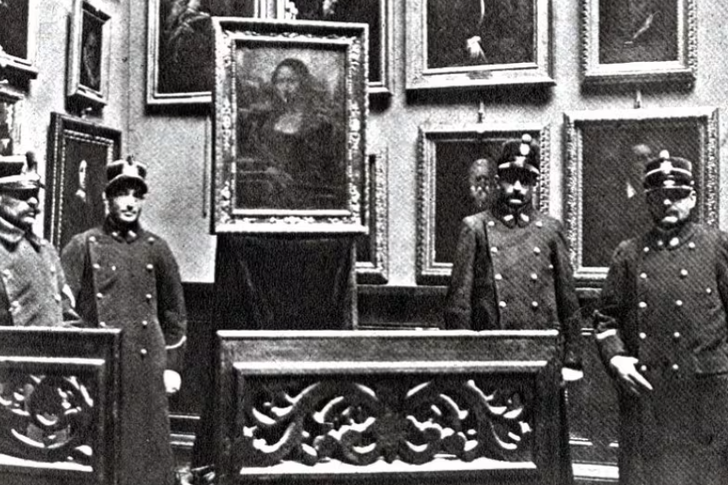
At seven o'clock in the morning on August 21, 1911, the da...
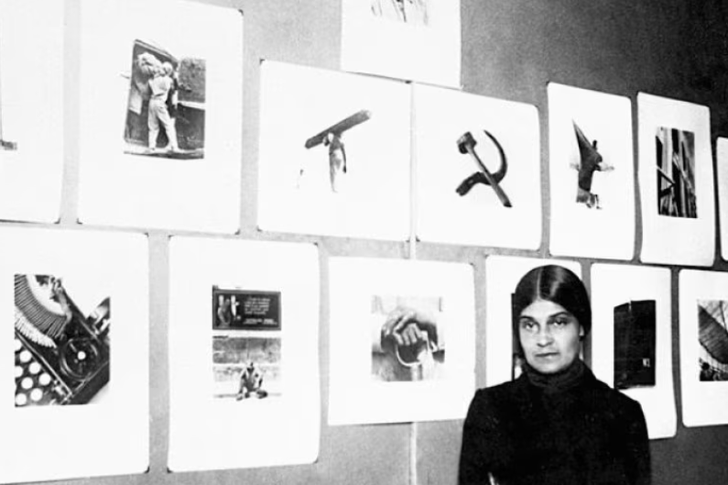
Tina Modotti, born in Friuli in 1896, is known as: actress...

During the 16th century in medieval Japan, wealthy married...
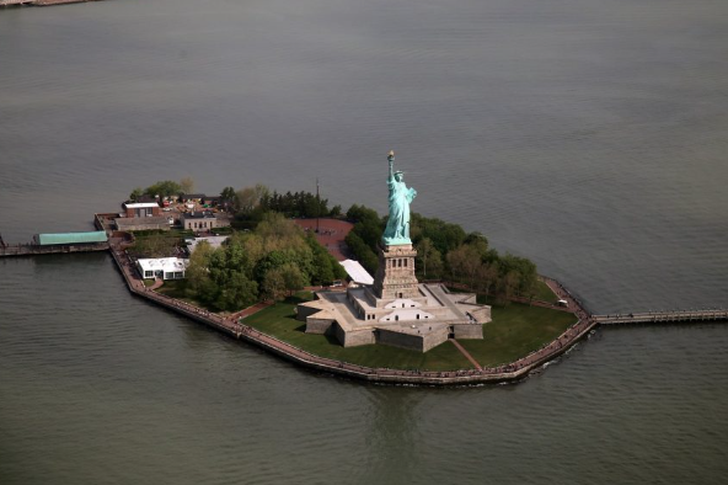
After being envisioned as a towering beacon to guide s...

In the mid-1300s, humanity faced one of its darkest chapte...

This summer the media has been filled with alarming re...

Flooding from heavy rain near Lake Pátzcuaro has caused th...

We all played the broken phone game in our childhood, ...
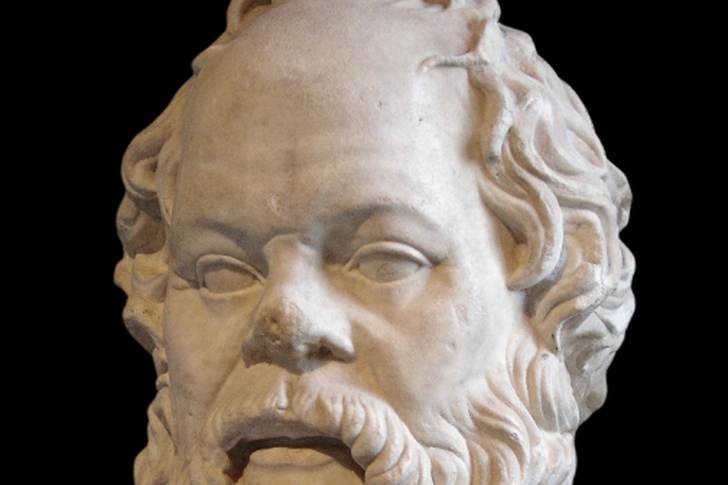
Socrates, the famous philosopher of ancient Greece, had a ...
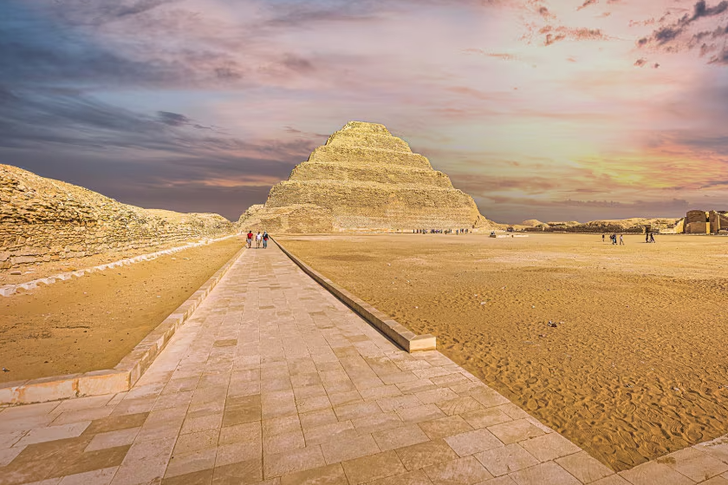
To transport the stone blocks needed to build Djoser's pyr...

Whether you're watching from afar, cheering, competing...
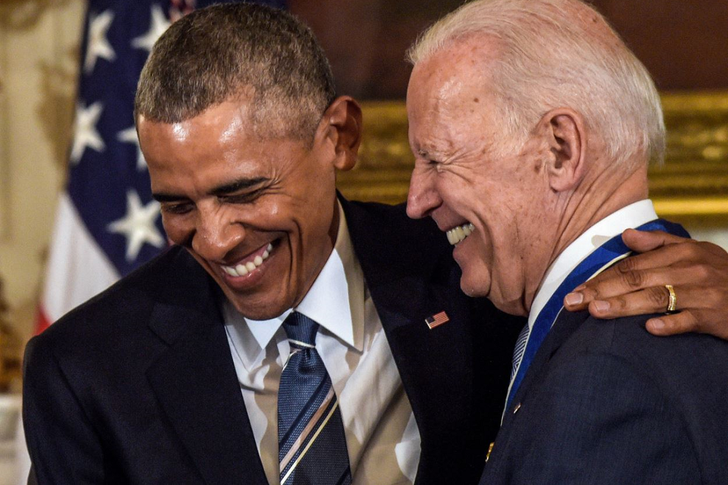
In the event that plan A is to 'revive' Joe Biden, and...
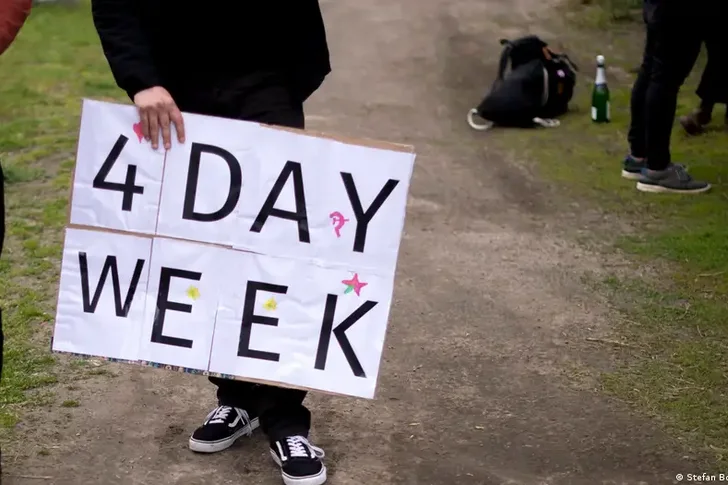
A carpet cleaning company, a construction company, a m...
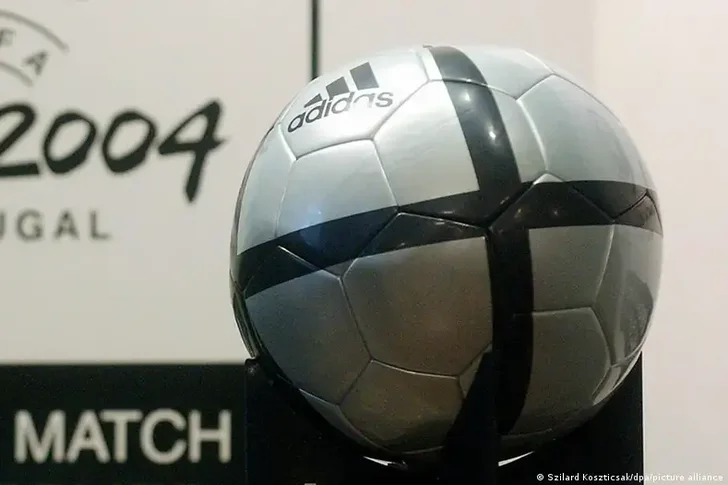
Who are the main favorites in this European Championship? ...
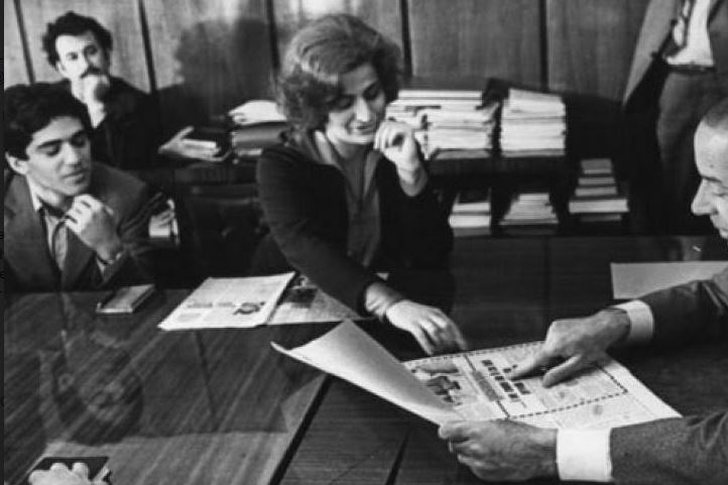
"Heydar Aljevi did not care that I was Armenian. What matt...

On the morning of July 7, 2026, the Ministry of Culture ur...

After the disclosure of the portfolio of properties an...

For 6 months now, CNA has been sending several letters to ...
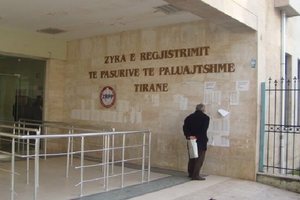
The word "fatherland" with properties is not enough. The m...

The Special Board of Appeal (KPA) decided this Monday ...

The KPA vetting decided this Thursday to dismiss the p...

Suela Salavaçi, a prosecutor in the Prosecutor's Offic...

The Special Board of Appeal reinstated the prosecutor ...

A knife attack occurred this evening in Fushë-Krujë. Acco...

A 44-year-old man in Saranda has been seriously injured af...

Spanish police have acted on an Albanian-Spanish criminal ...

New details have been revealed regarding the murder of Egl...

Today our country will be affected by stable weather condi...

In Albania, in 2024, 8,911 beds were available in public h...

Albania was included in the band of above-normal temperatu...
Today, our country will be affected by mainly stable weath...
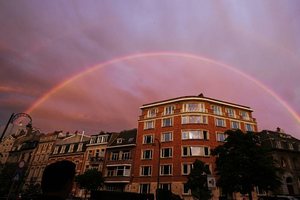
Property owners in Europe face a range of tax obligations,...
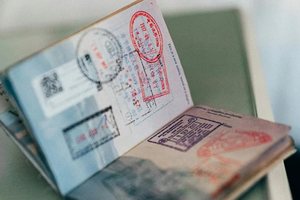
Bhutan, Ghana and Nigeria charge visitors more for tourist...

Hungary's parliament has approved the dismissal of Preside...

The Soviet nuclear submarine Komsomolets, which sank in th...

The ninth edition of "MIK Festival" kicked off with one of...

A historic evening for Albanian culture was marked in the ...

When I turned 10, another building was built in front of o...
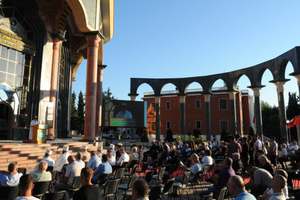
A special scientific conference was held by the World Bekt...
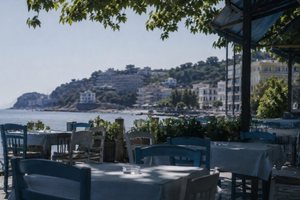
In addition to the effect on the decline in demand for rea...
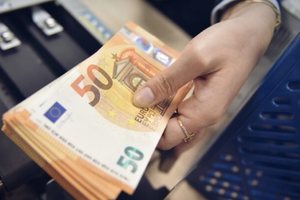
This Tuesday, one US dollar is bought for 81.5 lek and sol...

The tax administration has announced the completion of the...
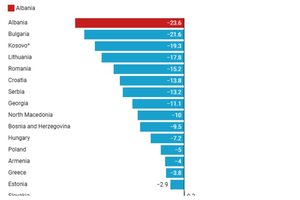
Albania has lost almost a quarter of its population since ...