


Hungary's parliament votes to remove president from office
Hungary's parliament has approved the dismissal of Preside...

Hungary's parliament has approved the dismissal of Preside...

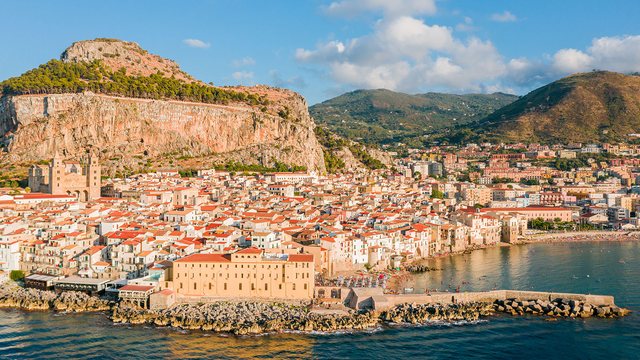
Sicily, one of the largest islands of the Mediterranean and part of Italy, has a rich and varied history dating back to ancient times.
The history of Sicily begins with the peoples who lived nearby, such as the Sicilians, Elymians and Greeks who arrived in the 8th century BC.
In this period, many Greek cities were built, including Syracuse, Catania and Akragas (Agrigento), transforming the island into an important cultural center.
After two major wars, Sicily became a Roman province in 241 BC. The island played an important role in the Roman economy, especially in the production of wheat and wine.
After the fall of Rome, Sicily fell under Byzantine control for a period. In the 9th century, it was conquered by the Arabs, who brought a great advance in agriculture and architecture, and helped develop trade.
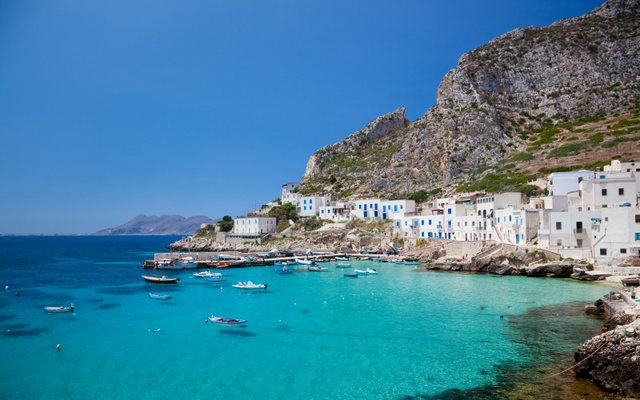
In the 11th and 12th centuries, the Normans conquered Sicily, re-establishing a rule by Christian emperors. During this period, Sicily experienced a period of prosperity and multiculturalism.
Sicily came under the rule of the Habsburgs and then the Bourbons, which brought a period of stability but also social tension.
During the 19th century, movements for liberation and independence erupted in Sicily. In 1860, Giuseppe Garibaldi led a surge of forces to unify Italy, including Sicily.
In the 20th century, Sicily experienced many important events, including the Second World War, where the island became a strategic point for the Allies.
After the war, Sicily was reunited until 1946, when Italy declared a Republic.
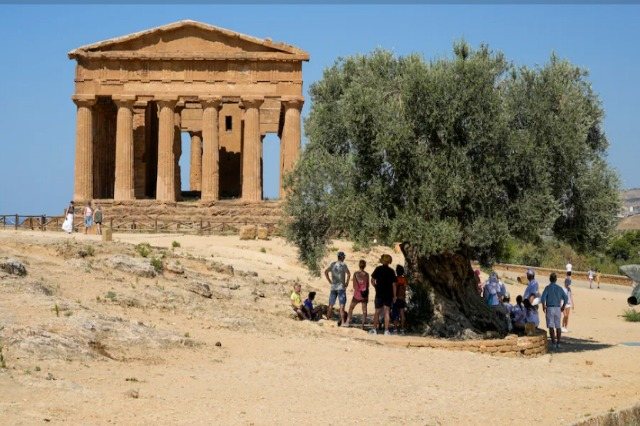
In the years after the Second World War, Sicily began to develop economically, especially in the tourism, agricultural and fishing sectors. Tourism has played an important role, with many visitors going to explore the beaches, culture, and historical heritage.
Sicily is known for its rich cultural heritage, which includes music, art, and gastronomy. It is also home to many traditional festivals, such as the Festa di Sant'Agata in Catania.
Although Sicily has made notable progress, it continues to face social problems, including poverty, corruption and mafia activity, which have remained a concern in many aspects of life and politics.
Sicily continues to be a place known for its beauty, rich history and cultural diversity, making it a special destination in the Mediterranean./ Adapted by CNA

Wearily, they exit the bus and enter the besieged temporar...
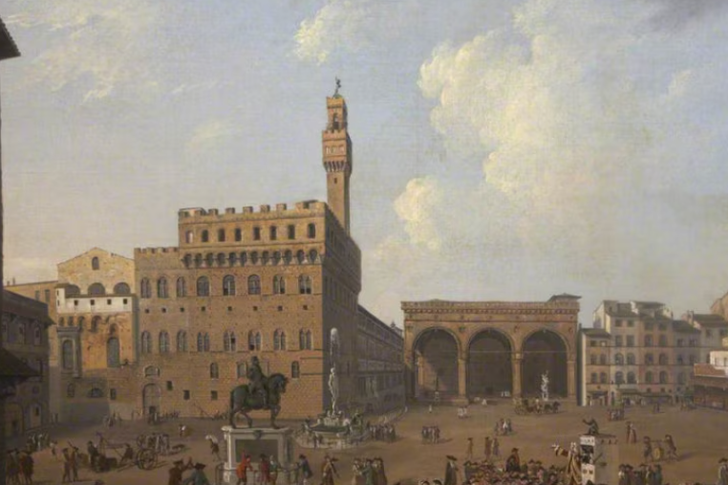
The Renaissance artists working in Florence between 1430 a...

The Albanian state, in the framework of the revision of hi...
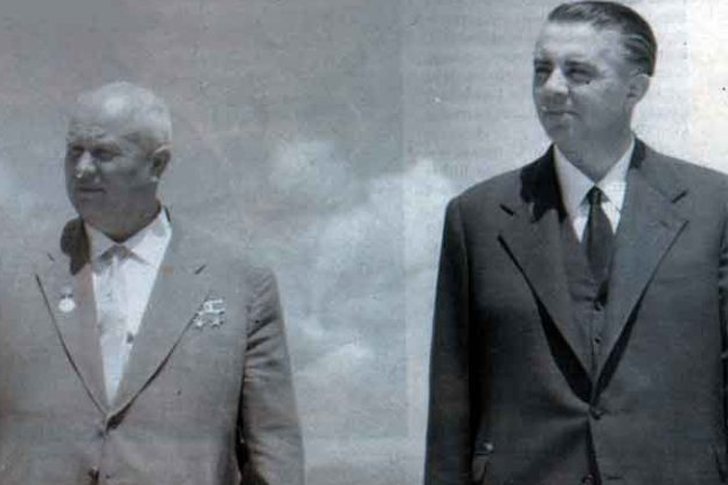
Below we publish the declassified report of the meetin...
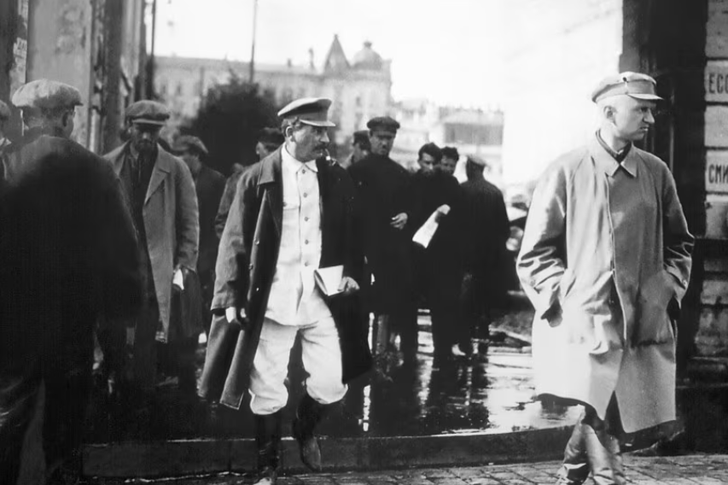
Iosif Vissarionovich Dzugasvili, known as Stalin, the ...
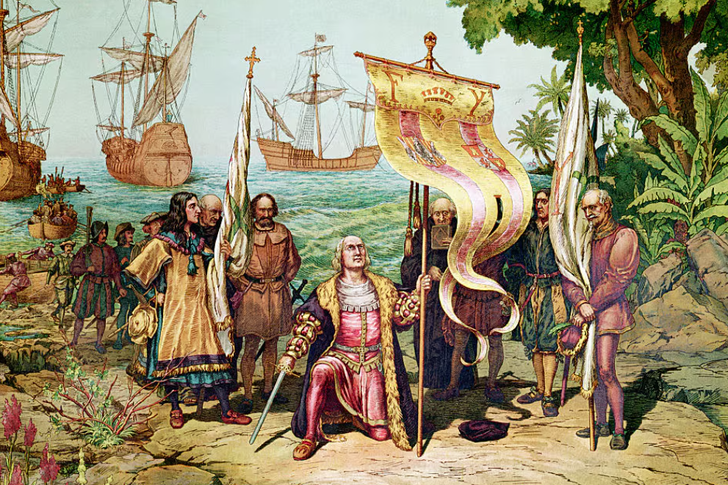
In the school books we learned that when Christopher Colum...
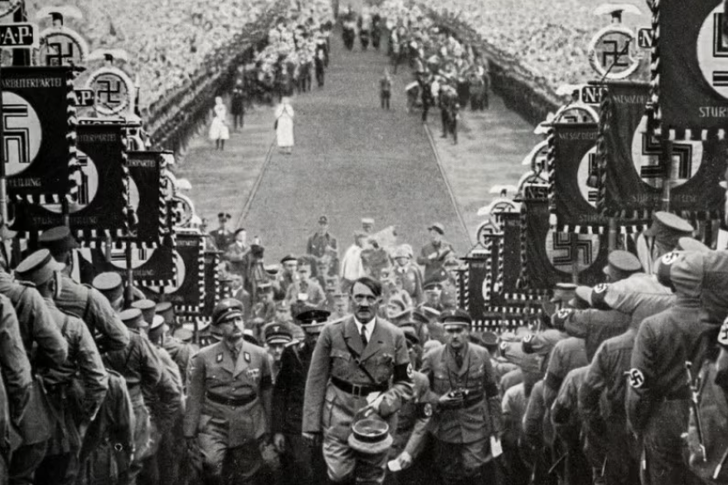
Operation "Valkyrie" (bomb attack of July 20, 1944) was th...

If today it is one of the most famous areas for tourists a...
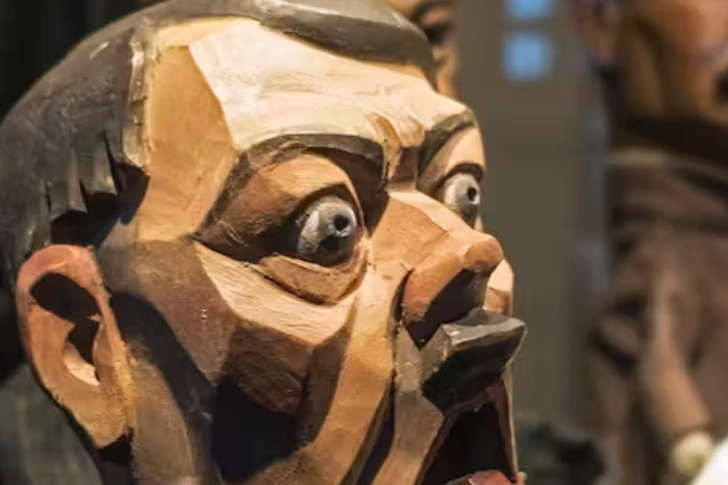
The last decade and a half has seen unrest across the glob...
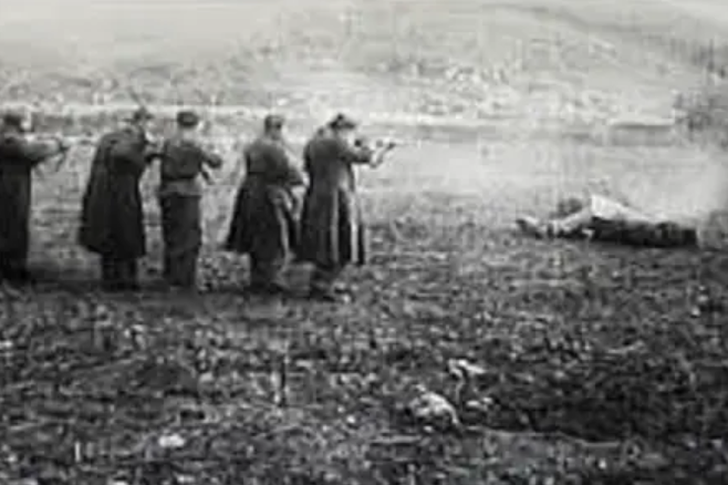
August 23 is "Black Ribbon Day", the official European Day...
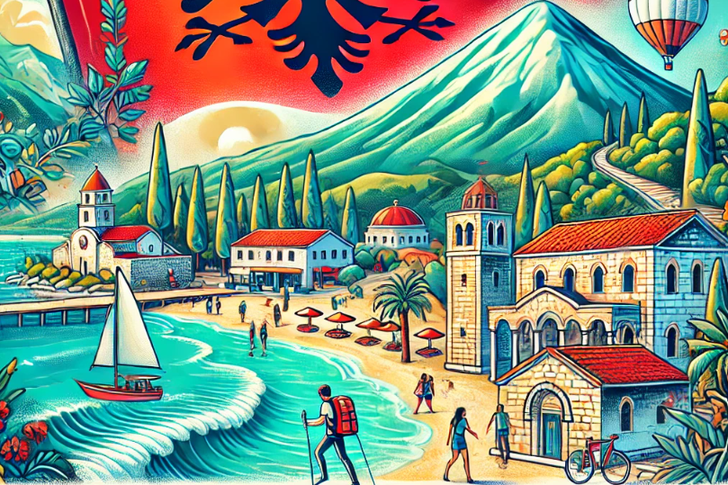
It's been a few years since Artificial Intelligence is...

Tuscan physicist Bruno Pontecorvo (1913-1993), born into a...

Sweden has issued licenses to kill 20% of its brown bear ...
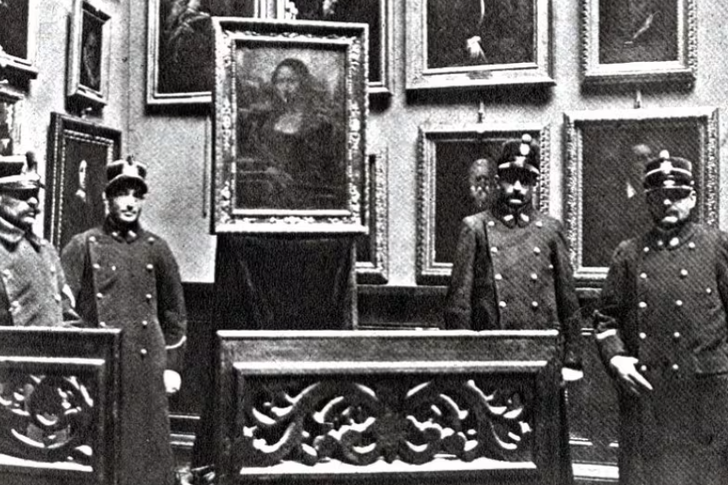
At seven o'clock in the morning on August 21, 1911, the da...
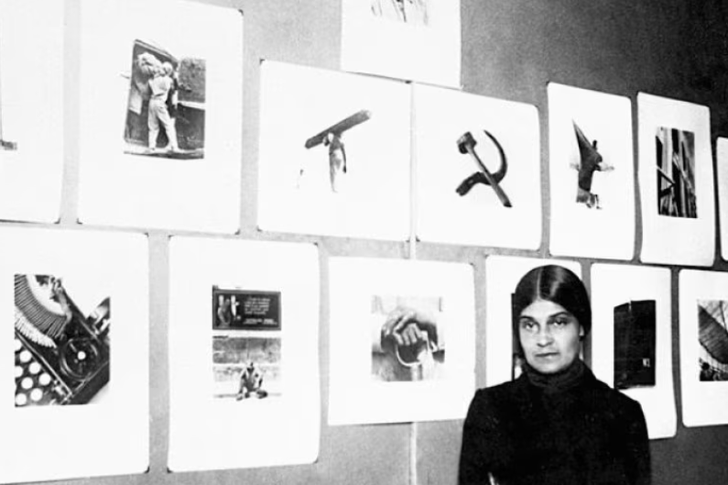
Tina Modotti, born in Friuli in 1896, is known as: actress...

During the 16th century in medieval Japan, wealthy married...
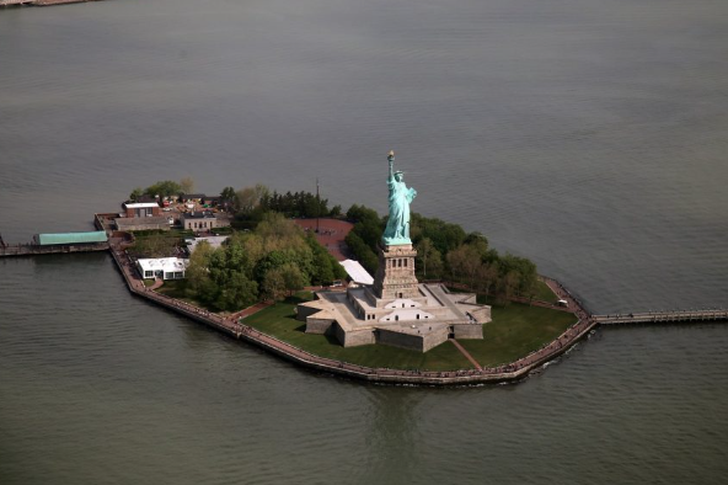
After being envisioned as a towering beacon to guide s...

In the mid-1300s, humanity faced one of its darkest chapte...
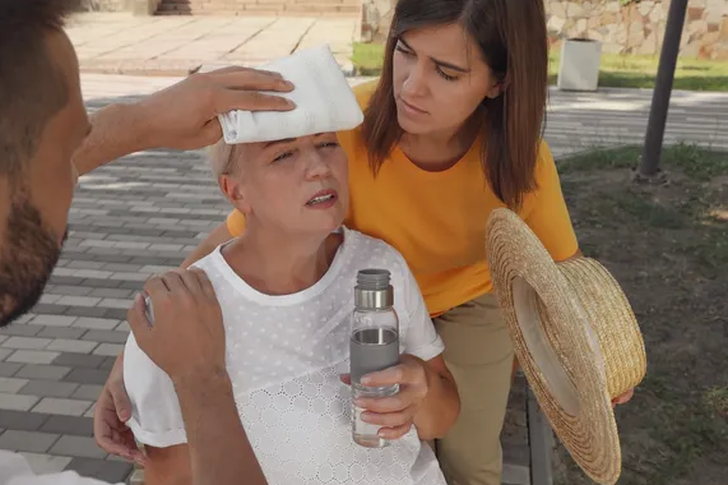
This summer the media has been filled with alarming re...
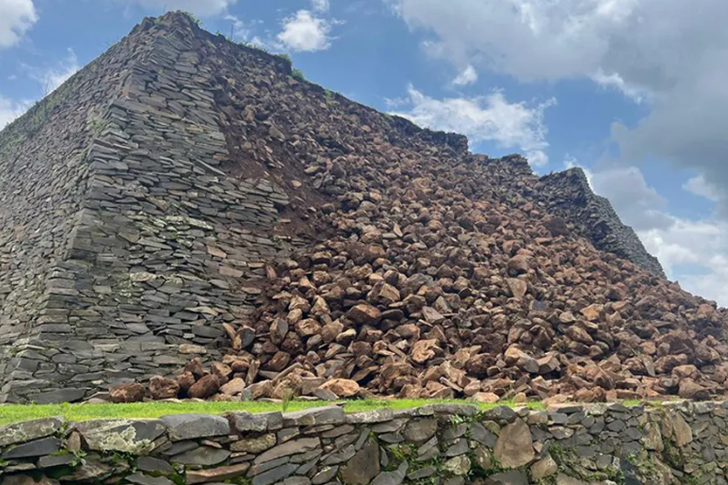
Flooding from heavy rain near Lake Pátzcuaro has caused th...

On the morning of July 7, 2026, the Ministry of Culture ur...

After the disclosure of the portfolio of properties an...

For 6 months now, CNA has been sending several letters to ...
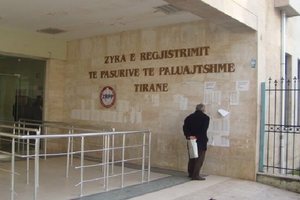
The word "fatherland" with properties is not enough. The m...

The Special Board of Appeal (KPA) decided this Monday ...

The KPA vetting decided this Thursday to dismiss the p...

Suela Salavaçi, a prosecutor in the Prosecutor's Offic...

The Special Board of Appeal reinstated the prosecutor ...

A knife attack occurred this evening in Fushë-Krujë. Acco...

A 44-year-old man in Saranda has been seriously injured af...

Spanish police have acted on an Albanian-Spanish criminal ...

New details have been revealed regarding the murder of Egl...

Today our country will be affected by stable weather condi...

In Albania, in 2024, 8,911 beds were available in public h...

Albania was included in the band of above-normal temperatu...
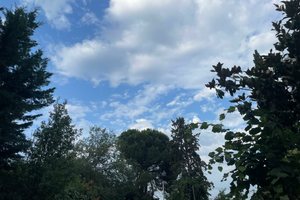
Today, our country will be affected by mainly stable weath...

Hungary's parliament has approved the dismissal of Preside...

The Soviet nuclear submarine Komsomolets, which sank in th...
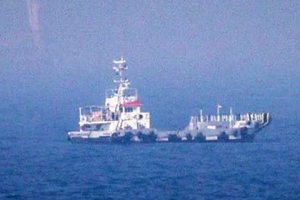
The United Arab Emirates has strongly condemned the attack...
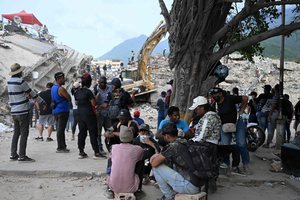
The death toll from two powerful earthquakes that struck V...

The ninth edition of "MIK Festival" kicked off with one of...

A historic evening for Albanian culture was marked in the ...

When I turned 10, another building was built in front of o...
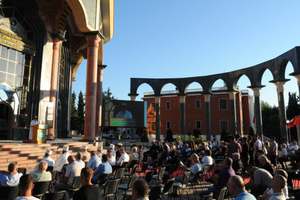
A special scientific conference was held by the World Bekt...
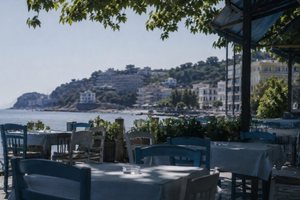
In addition to the effect on the decline in demand for rea...

This Tuesday, one US dollar is bought for 81.5 lek and sol...

The tax administration has announced the completion of the...
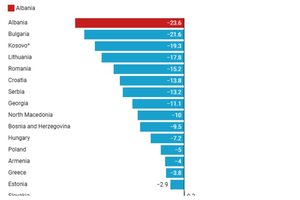
Albania has lost almost a quarter of its population since ...