


Hungary's parliament votes to remove president from office
Hungary's parliament has approved the dismissal of Preside...

Hungary's parliament has approved the dismissal of Preside...

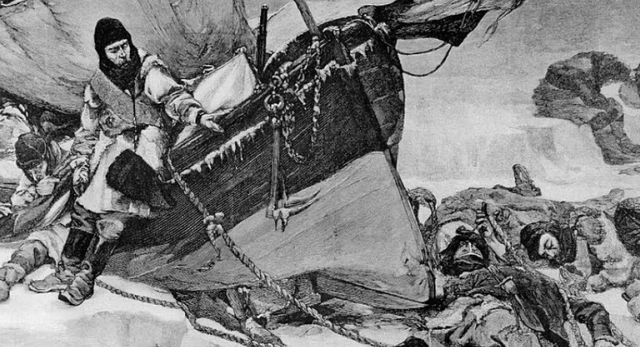
What happened to British captain Sir John Franklin and his 129-man crew, around 1850, when they disappeared into the Arctic ice without a trace? Today, DNA analysis has made it possible to identify those who died as victims of cannibalism.
Sir John Franklin's adventure, one of the most tragic in the history of polar exploration, began in London in 1845. Franklin's mission, now on his third polar expedition, was to brave the icy waters of the North Atlantic, beyond the Arctic Circle, to find a way to Asia, the famous Northwest Passage.
The expedition, aboard the sailing ships Erebus and Terror, had a duration of three years, but at the end of July 1845 (a few months after departure) the ships entered Baffin Bay (Canada) and from that moment disappeared between the Arctic Ice . Over the years, various English expeditions followed each other to search for the missing crew. During one of these missions a letter was found, dated April 1848, in which Captain James Fitzjames, commander of the Erebus, wrote that the ships had been abandoned on April 22. Later, the remains of many crew members were found scattered across various locations in the Canadian Arctic, such as King William Island.
Researchers, analyzing the skeletons of those who participated in the expedition, had already found in the past marks left by the same type of knives supplied to Franklin's men, this proves that the survivors practiced acts of cannibalism out of desperation. But today, thanks to DNA analysis, it was revealed for the first time who the cannibalized remains found by the expedition belonged to: Captain James Fitzjames was identified as the first known victim of cannibalism among members of the expedition.
Douglas Stenton's team from the University of Waterloo in Canada published a study in the Journal of Archaeological Science that explains how Captain Fitzjames was identified.
Analysis by bioarchaeologist Anne Keenleyside also reveals cut marks on the lower jaw in many of the remains found. Further evidence that some of the last survivors, who were trying to escape from land, ended up eating some of the body parts of Fitzjames and the other sailors. This research confirms the importance of the evidence of the indigenous Inuit populations. The natives had reported, in October 1854, to John Rae, one of the most respected explorers of the time, engaged in the search for survivors, that they had seen a group of starving whites near the mouth of the Black River (North Canada) " four winters ago", so it falls in 1850.
According to the Inuit, those men showed signs of cannibalism, so much so that Rae wrote: "The expedition met a fate so terrible that the human mind can hardly imagine. Our countrymen were driven by hunger to choose the last, horrible alternative of staying alive, cannibalism"./ CNA


Sicily, one of the largest islands of the Mediterranean an...
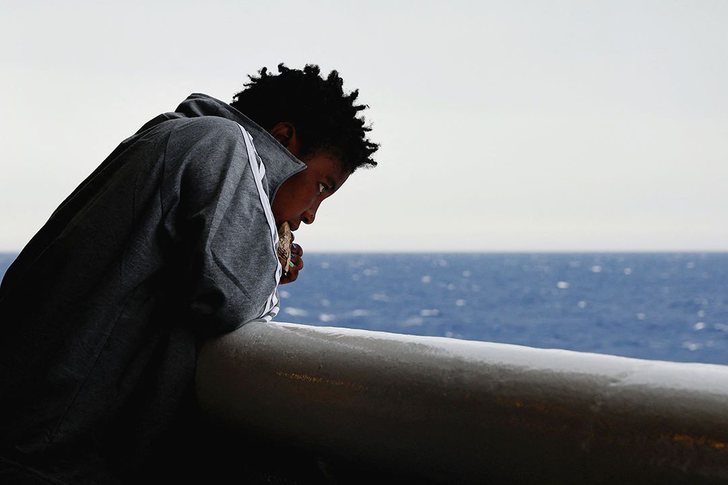
Wearily, they exit the bus and enter the besieged temporar...

The Renaissance artists working in Florence between 1430 a...

The Albanian state, in the framework of the revision of hi...
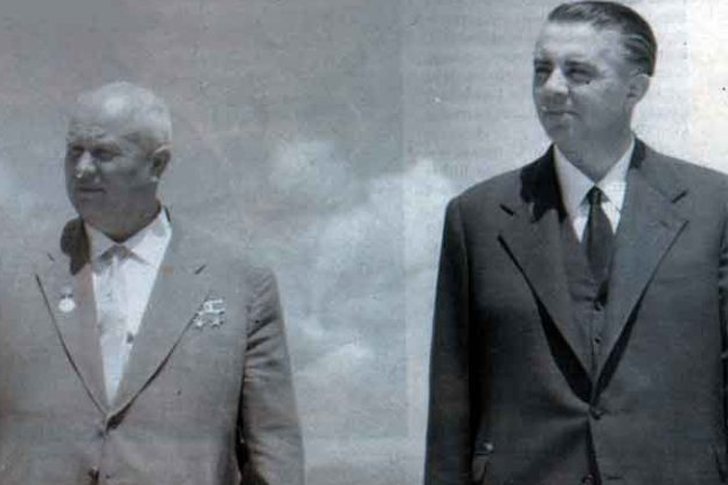
Below we publish the declassified report of the meetin...
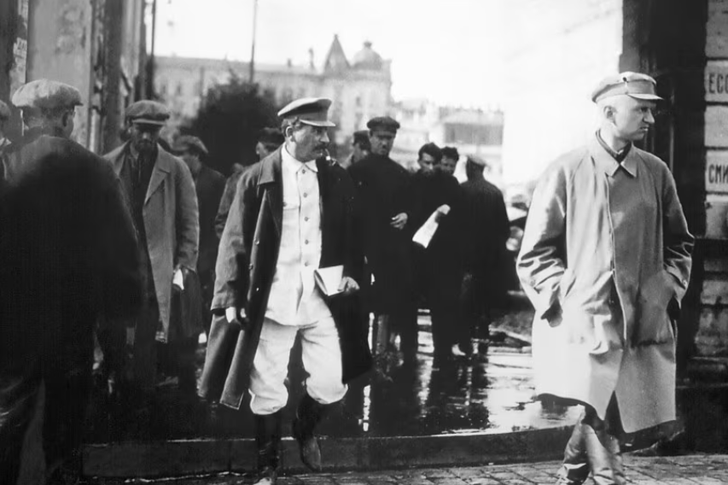
Iosif Vissarionovich Dzugasvili, known as Stalin, the ...
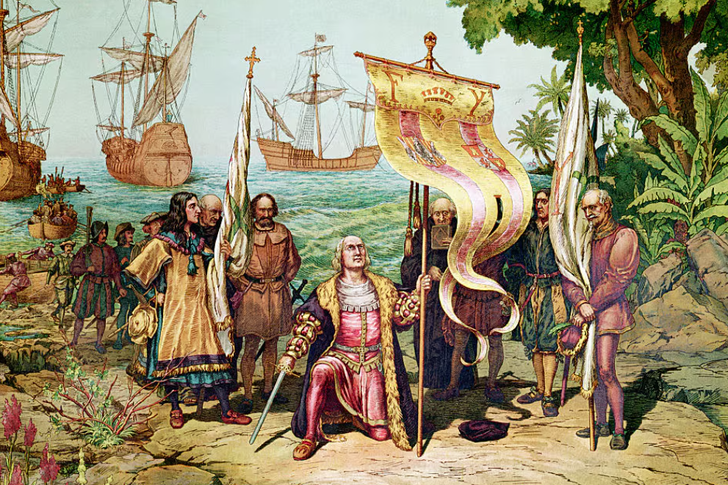
In the school books we learned that when Christopher Colum...

Operation "Valkyrie" (bomb attack of July 20, 1944) was th...

If today it is one of the most famous areas for tourists a...

The last decade and a half has seen unrest across the glob...
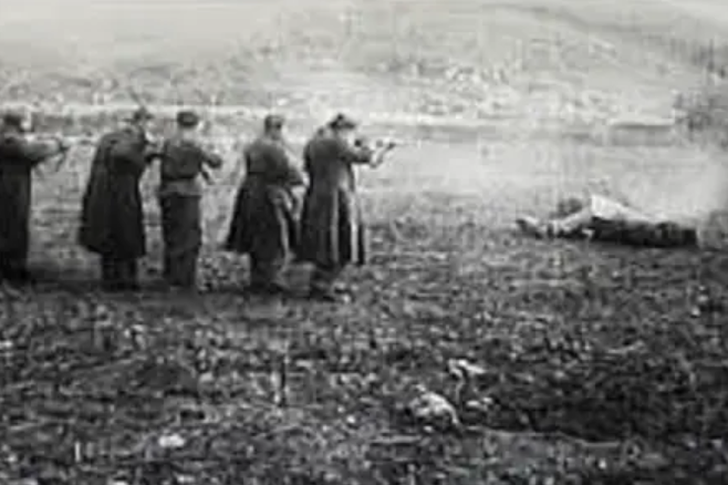
August 23 is "Black Ribbon Day", the official European Day...

It's been a few years since Artificial Intelligence is...

Tuscan physicist Bruno Pontecorvo (1913-1993), born into a...

Sweden has issued licenses to kill 20% of its brown bear ...

At seven o'clock in the morning on August 21, 1911, the da...

Tina Modotti, born in Friuli in 1896, is known as: actress...

During the 16th century in medieval Japan, wealthy married...

After being envisioned as a towering beacon to guide s...

In the mid-1300s, humanity faced one of its darkest chapte...

This summer the media has been filled with alarming re...

On the morning of July 7, 2026, the Ministry of Culture ur...

After the disclosure of the portfolio of properties an...

For 6 months now, CNA has been sending several letters to ...
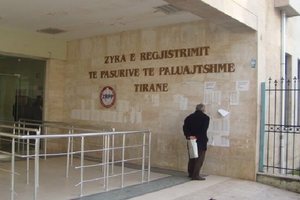
The word "fatherland" with properties is not enough. The m...

The Special Board of Appeal (KPA) decided this Monday ...

The KPA vetting decided this Thursday to dismiss the p...

Suela Salavaçi, a prosecutor in the Prosecutor's Offic...

The Special Board of Appeal reinstated the prosecutor ...
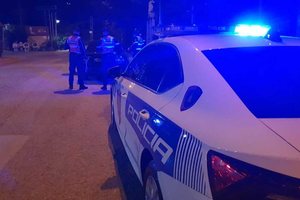
A knife attack occurred this evening in Fushë-Krujë. Acco...

A 44-year-old man in Saranda has been seriously injured af...

Spanish police have acted on an Albanian-Spanish criminal ...

New details have been revealed regarding the murder of Egl...

Today our country will be affected by stable weather condi...

In Albania, in 2024, 8,911 beds were available in public h...
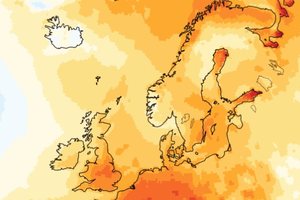
Albania was included in the band of above-normal temperatu...

Today, our country will be affected by mainly stable weath...

Hungary's parliament has approved the dismissal of Preside...

The Soviet nuclear submarine Komsomolets, which sank in th...

The United Arab Emirates has strongly condemned the attack...
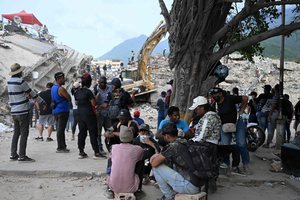
The death toll from two powerful earthquakes that struck V...

The ninth edition of "MIK Festival" kicked off with one of...

A historic evening for Albanian culture was marked in the ...

When I turned 10, another building was built in front of o...

A special scientific conference was held by the World Bekt...

In addition to the effect on the decline in demand for rea...

This Tuesday, one US dollar is bought for 81.5 lek and sol...

The tax administration has announced the completion of the...

Albania has lost almost a quarter of its population since ...