

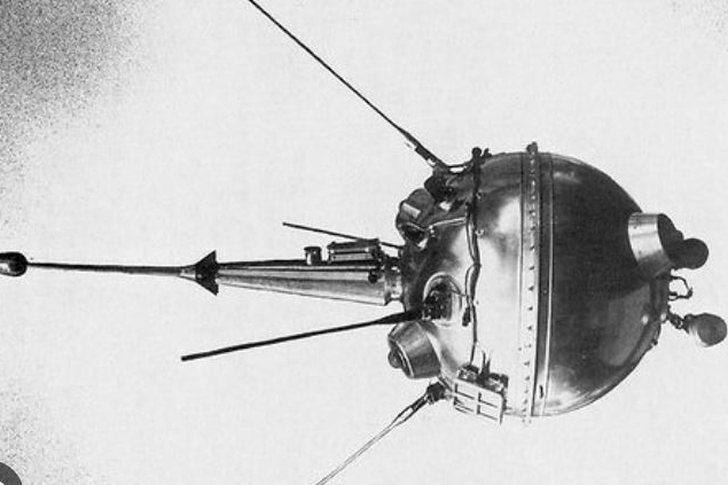
Historical calendar/ What happened on September 14?
1959 - The Soviets land their first space probe on the Moo...


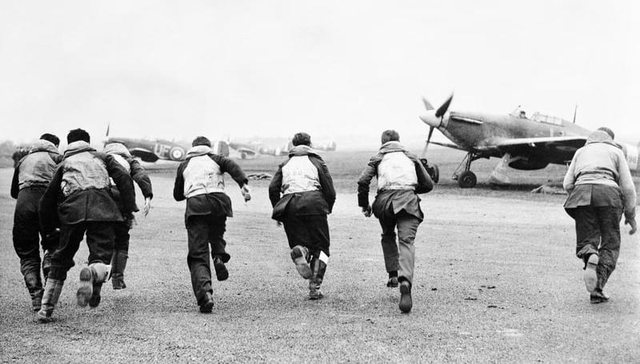
1940 - The Battle of Britain begins
On September 15, Nazi Germany's air force, the Luftwaffe, launched 2 major attacks on London. Believing that the British Air Force, RAF, was close to collapse, the attacks were a repeat of their devastating attack just 8 days earlier.
That same day, Prime Minister Winston Churchill visited the headquarters of the RAF Pilots' Central Command. The first attack wave of about 250 bombers began at 11:00. While many Luftwaffe aircraft were shot down by the RAF, about half reached London dropping their cargo.
A second wave of strikes involving roughly the same number of aircraft took place at around 2pm and is believed to have targeted South London and the railways linking it to Kent. The attacks continued during the night. During the attacks that day, the RAF managed to damage many of the German bomber formations.

This meant that when the surviving planes dropped their payloads, the shells fell over a wide area and were less damaging. The RAF claimed to have shot down 185 German aircraft. It was actually only 61, but still the heaviest losses the Luftwaffe had suffered in over a month.
The RAF itself lost 31 aircraft. Although fighting continued for several more weeks, and British cities were bombed sporadically for the rest of World War II, German tactics to achieve air superiority before a possible invasion of the island failed.

Sunday 15 September marked a clear and decisive defeat for the Luftwaffe. It abandoned daytime bombing on 30 September, although night attacks continued until May 1941. The Battle of Britain would go down in history as a turning point in World War II.
Other important events
1835 - The ship "HMS Beagle" with Charles Darwin on board arrives at the Galapagos Islands. The expedition would last several years and would be essential for the drafting of the famous thesis of evolution by the British naturalist.
1928 - Scottish bacteriologist Alexander Fleming discovers penicillin while studying the influenza virus.
1935 - The Nuremberg Laws are adopted in Germany. They would deprive German Jews of citizenship. They also banned marriages or sexual relations between Jews and "citizens of German blood or relatives", and made the swastika (broken cross) an official symbol of Nazi Germany. The Nuremberg Laws would culminate in the Holocaust.
1943 - Benito Mussolini forms a new fascist government in Italy, declaring the Republic of Salò.
1950 - United Nations troops land in Incheon, South Korea, repelling an invasion by North Korean troops during the Korean War.
1959 - Soviet leader Nikita Khrushchev arrives in the US to begin a 13-day visit./ Adapted from CNA

1959 - The Soviets land their first space probe on the Moo...
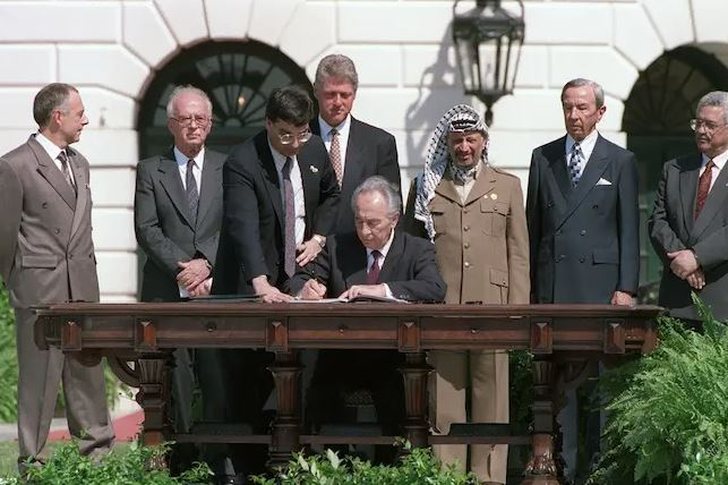
1993 - Nënshkruhet marrëveshja e paqes mes Izraelit dh...
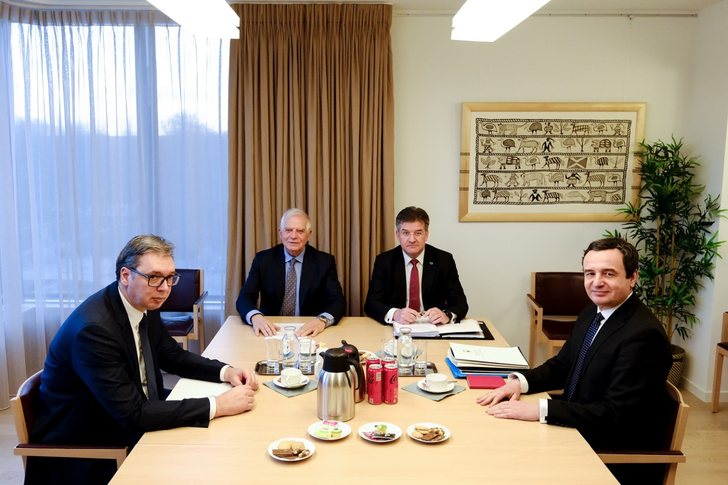
The Balkans experienced another hot summer, especially in ...
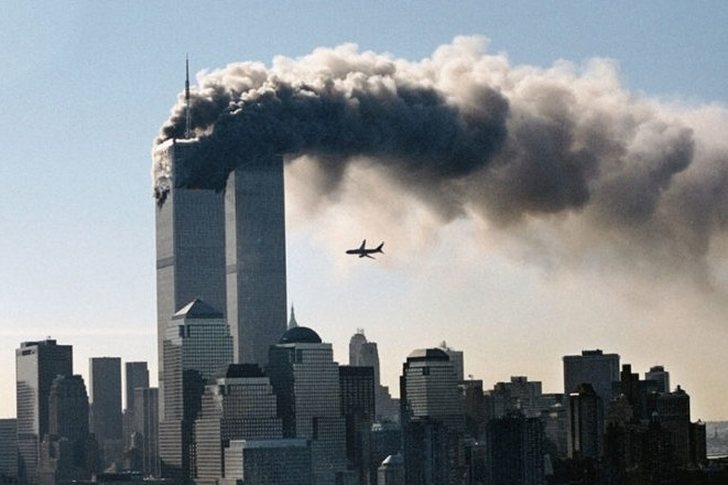
2001 - The US suffers the worst attack since World War II ...

Greece and Turkey have engaged in an all-out effort to nor...
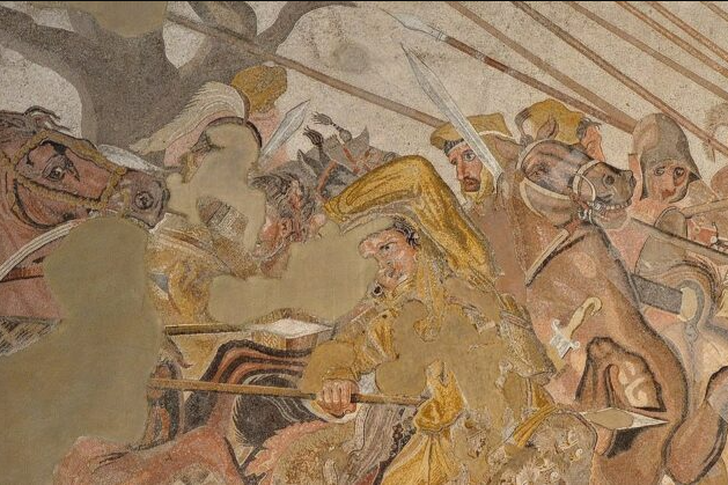
Alexander the Great ascended the Macedonian throne at the ...
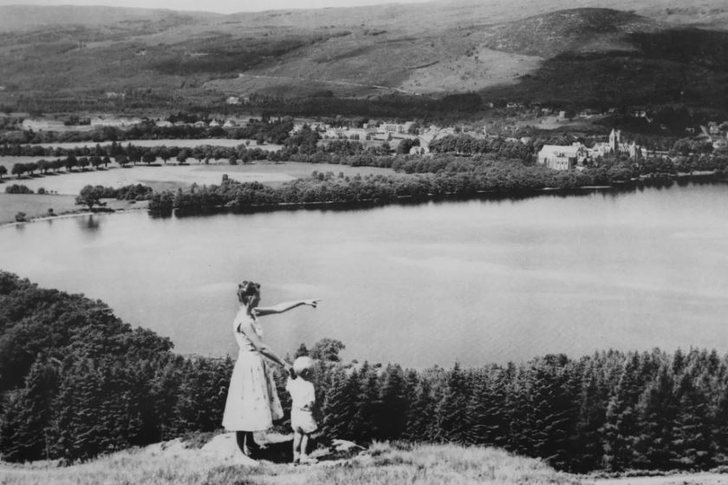
Monster hunters have once again gathered in Northern Scotl...
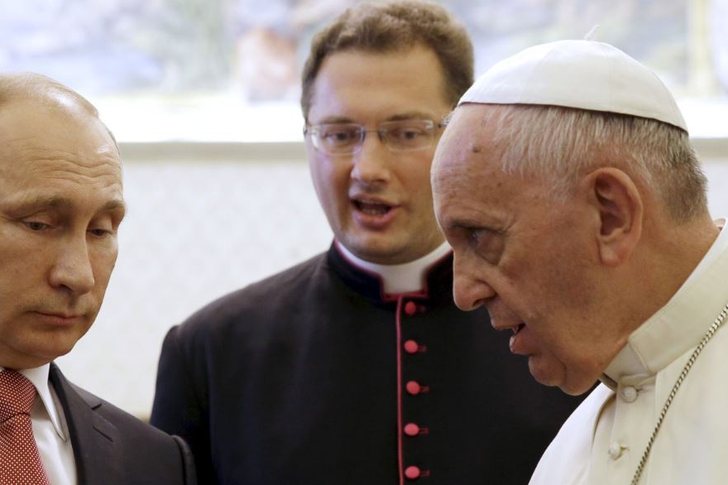
When Pope John Paul II visited his homeland, Poland, in 19...
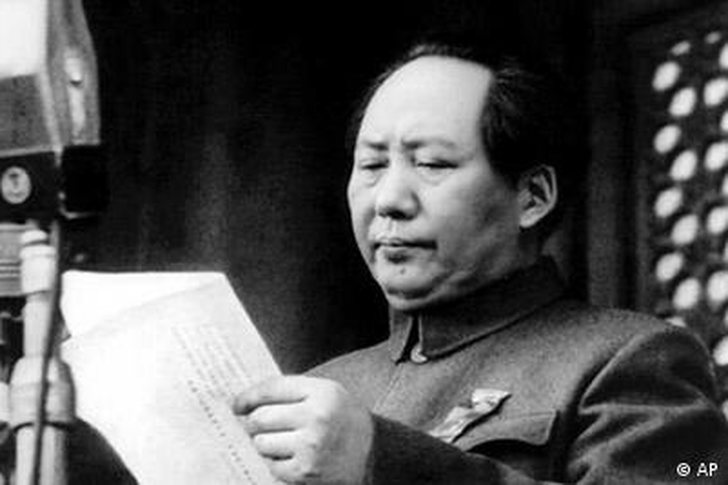
On September 9, 1976, the leader of Communist China, Mao Z...
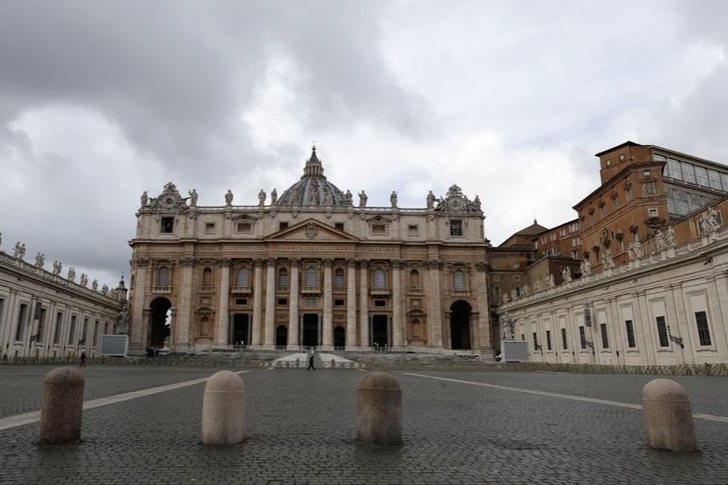
According to some estimates, the Catholic Church, led by t...

The United States and its Western allies have launched...

Since the beginning of this century, the practice of relig...
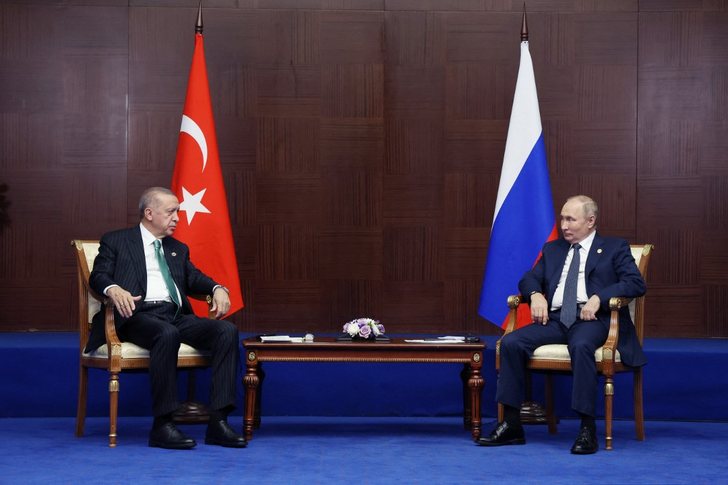
If there was a bet on how Yevgeny Prigozhin would die, mos...
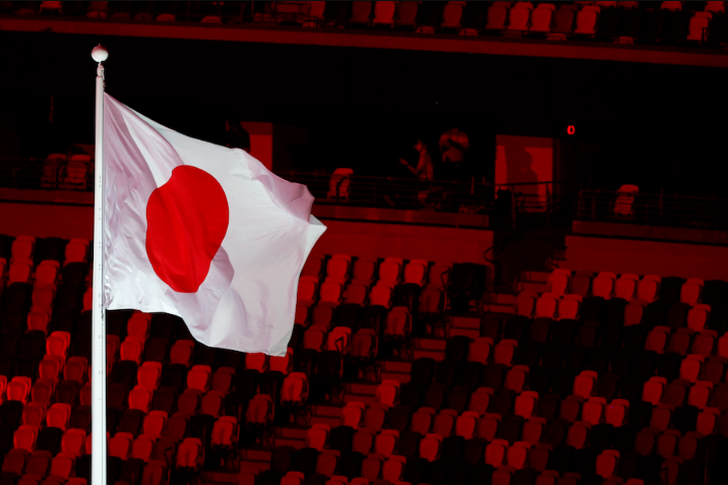
Japan has the highest public debt in the world. It is equa...
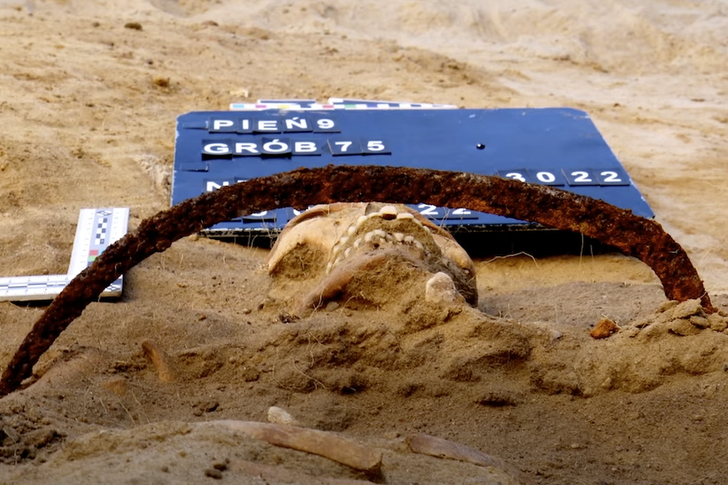
At the end of July, during archaeological excavations near...
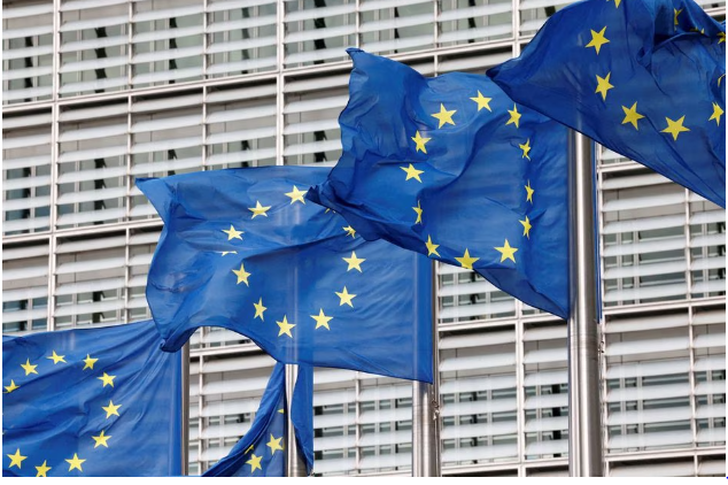
Finally there is a date, 2030, for the Europe of the futur...

President Joe Biden was "fine" according to White House Co...
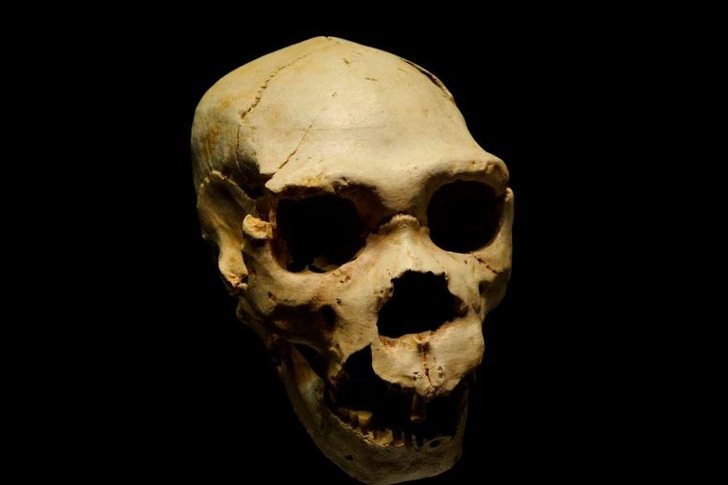
About 930,000 years ago, the human race was on the ver...
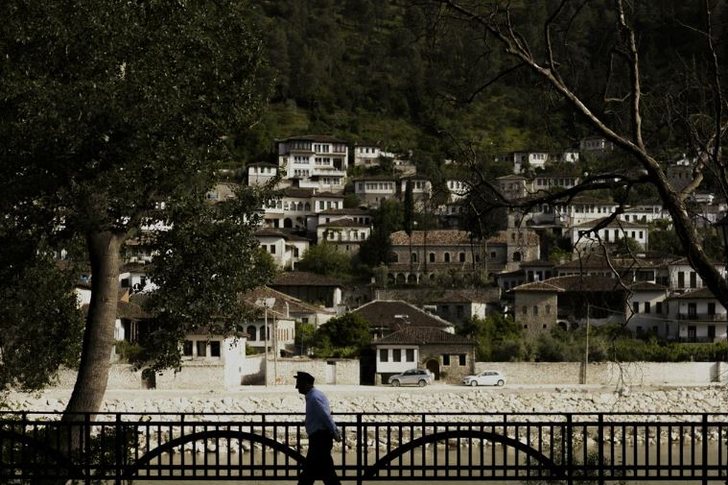
It is 1 o'clock in the afternoon on a summer Saturday, and...

Cheating is a complex topic, with an emotional charge, tha...

A 39-year-old citizen has been arrested in Lezha, after se...

CNA has launched another investigation that could lead to ...

Irfan Hysenbelliu is a businessman that we call "Irfan the...

In March 2026, CNA launched another investigation centered...

The Special Board of Appeal (KPA) decided this Monday ...

The KPA vetting decided this Thursday to dismiss the p...

Suela Salavaçi, a prosecutor in the Prosecutor's Offic...

The Special Board of Appeal reinstated the prosecutor ...

Several gunshots were reported today in the village of Gjo...

Following the successive operations carried out by the ope...
The Police Supervision Agency has seized the service weapo...
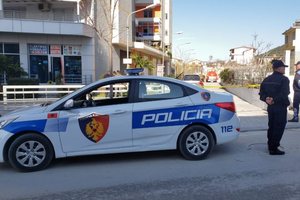
A serious incident occurred in Lushnje, where citizen IY, ...

As the year 2026 is in its second half, the world is exper...

Today, our country will be under the influence of stable a...

By noon, cloudiness is expected to prevail in almost all o...

Children without parental care, for whom alternative famil...
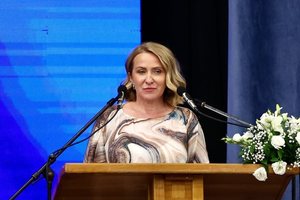
Serbia's Minister of State Administration and Local Self-G...
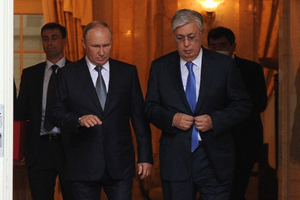
Kazakh President Kassym-Jomart Tokayev shared some critici...

Thirty-five people were killed and 30 others were injured ...

US President Donald Trump has announced that he will seek ...
Two windows, a century of history and the metaphysics of p...
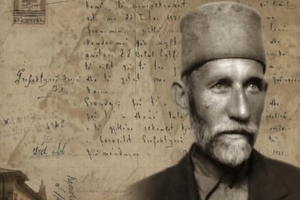
In my research at the Central State Archives, specifically...

At a time when industrial products are increasingly taking...

Trust among people is not just a three-syllable word. It c...

This Saturday, one US dollar is bought for 81.7 lek and so...
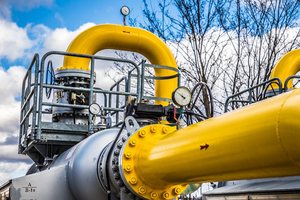
War, weather and supply disruptions could send gas prices ...
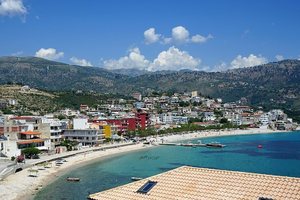
The number of active enterprises in Albania continued to g...
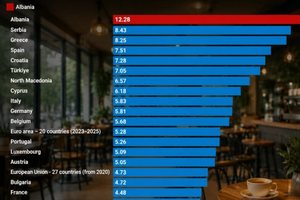
In Albania, the bar-cafe has long become an almost unique ...