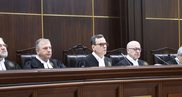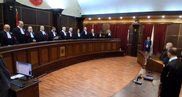


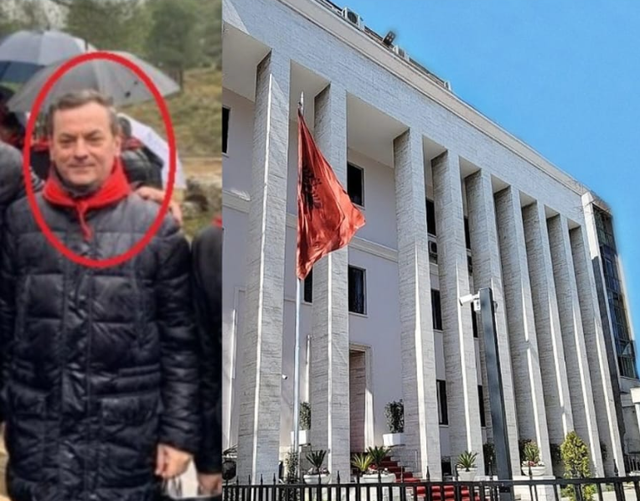
There is something deeply paradoxical about the way Albanian justice today deals with the issue of pre-trial detention. After more than a decade of case law based on the unifying decision of 2011, the Joint Panels of the Supreme Court recently came out to solemnly proclaim some principles that, in fact, have been part of Albanian law and European standards since the beginning.
The Supreme Court stated that courts must realistically analyze alternative measures to “prison arrest,” that the risk cannot be based solely on the abstract importance of the criminal offense, and that the burden of justifying pretrial detention lies with the prosecution. At first glance, this sounds like a big step forward for the protection of personal liberty.
The Code of Criminal Procedure has always considered “prison arrest” as an exceptional measure. Articles 228, 229 and 230 have always required proportionality, concrete risk and real need for the restriction of freedom. The jurisprudence of the European Court of Human Rights has also been clear for decades: pre-trial detention cannot be justified by stereotyped formulas, by the abstract importance of the offense or by automatic references to the margin of punishment.
The answer is as simple as it is institutionally difficult: it is self-correcting.
Because the problem has not been the absence of law. The problem has been the way the judicial system itself has, for years, tolerated the use of pre-trial detention as an almost routine solution. Decisions filled with standard wording, shallow risk analyses, and stereotypical reasoning have become commonplace. And this has not happened in a vacuum. It has happened under the watchful eye of the Supreme Court itself.
This is why the latest decision creates a strong institutional contradiction. On the one hand, the Supreme Court is today proclaiming stronger standards of protection for personal freedom. On the other hand, it is implicitly admitting that for more than a decade it has coexisted with a practice that was not fully consistent with either Albanian law or Strasbourg standards.
Essentially, the system is telling us: “The law has always been correct, but we have not implemented it properly.” This shifts the debate from the law to institutional responsibility.
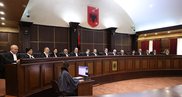
Because it did not take such a large judicial exercise to discover that detention should be a measure of last resort. It did not take a mobilization of the United Colleges to understand that the risk must be concrete. It did not take a “further development of practice” to say that the burden of proof lies with the prosecutor.
All of this has always been there.
And it is precisely for this reason that the public perception arises that this move is not simply legal, but also contextual. In a climate where high-profile political issues dominate public debate, the timing of when the Supreme Court chooses to “rediscover” standards of personal liberty becomes as important as the content of the decision itself.
No one needs to openly declare that a new practice is related to a specific issue. In justice, the moment often speaks louder than words.
This does not mean that the latest decision is legally wrong. On the contrary, in substance it is correct and in line with European standards. But this is precisely where the irony lies: the Supreme Court is presenting as a new development what should have been normal for a long time.
In the end, the biggest problem is neither in legal theory nor in new formulations. The problem is in institutional credibility.
Because a justice system is not judged solely by its ability to produce good standards on paper, but by its ability to implement them consistently, without waiting for a political or public moment to impose the need to recall them.
And at this point, the latest decision of the United Colleges, more than a new legal triumph, remains a tacit admission of a long-standing institutional failure./ CNA

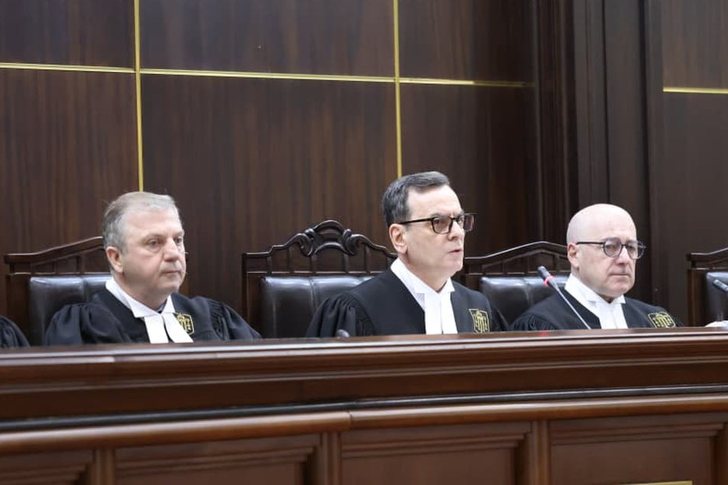
After about a month, the Joint Panels of the Supreme Court...
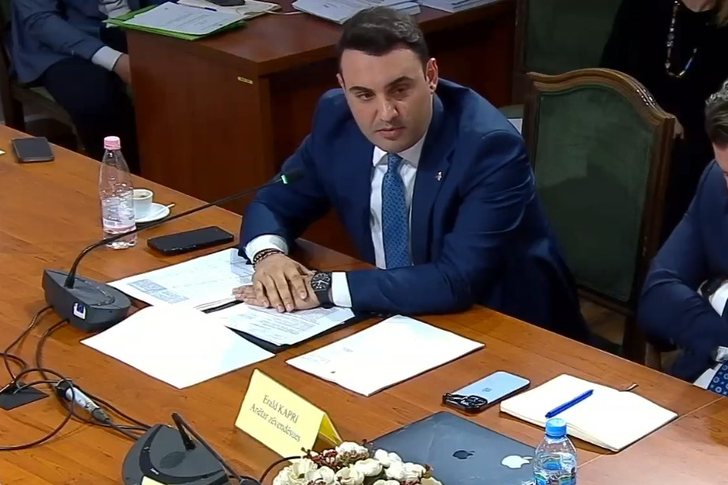
DP MP Belind Këlliçi has reacted on social media to the re...
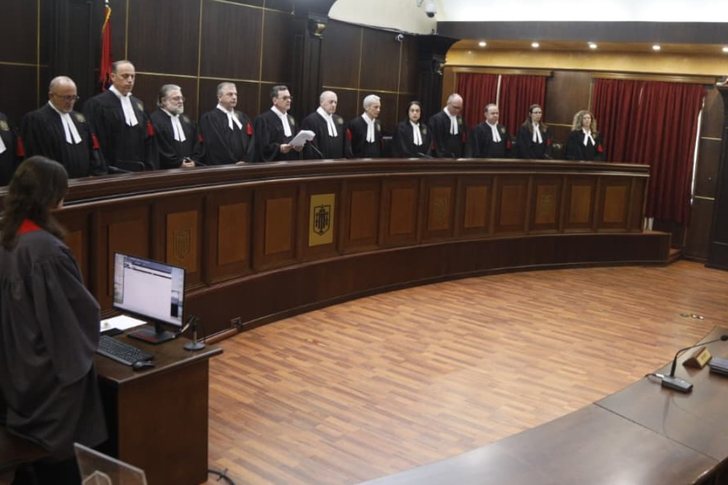
The Joint Panels of the Supreme Court today overturned Sok...
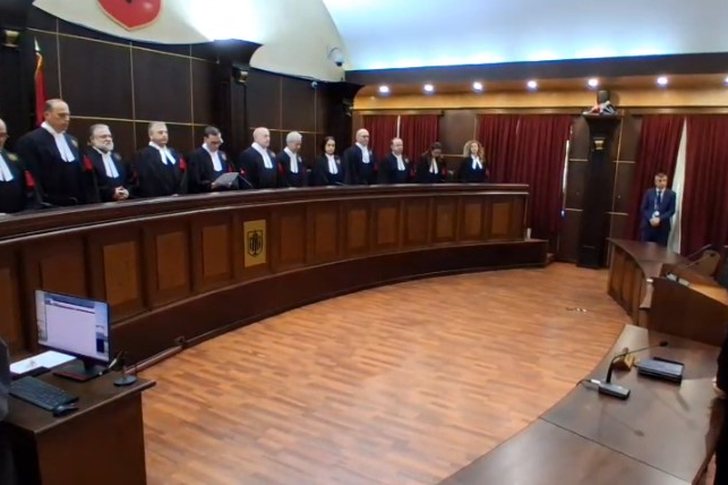
The United Panels of the Supreme Court "overthrow" Sokol S...
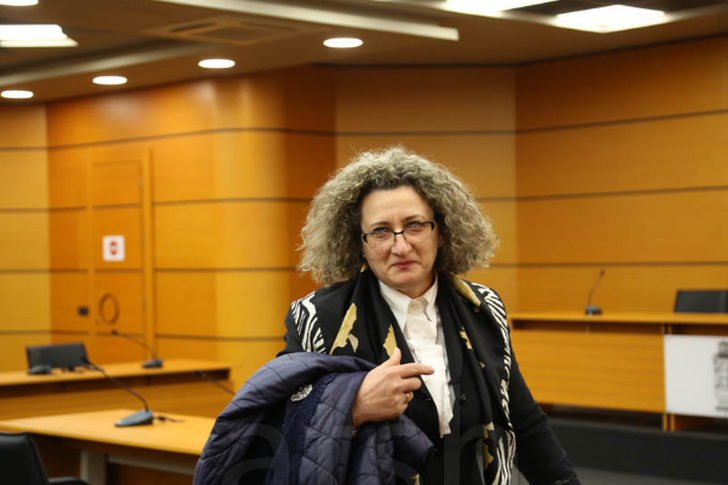
The process for dismissing the case in charge of the judge...
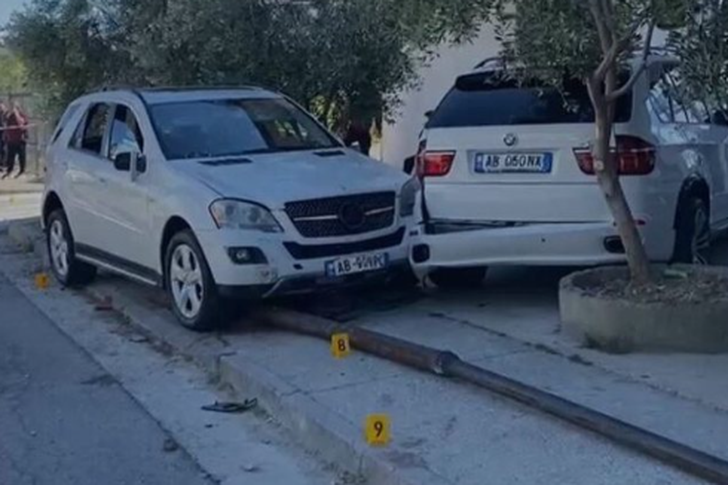
Former Minister of Justice, Eduard Halimi, reacted today r...
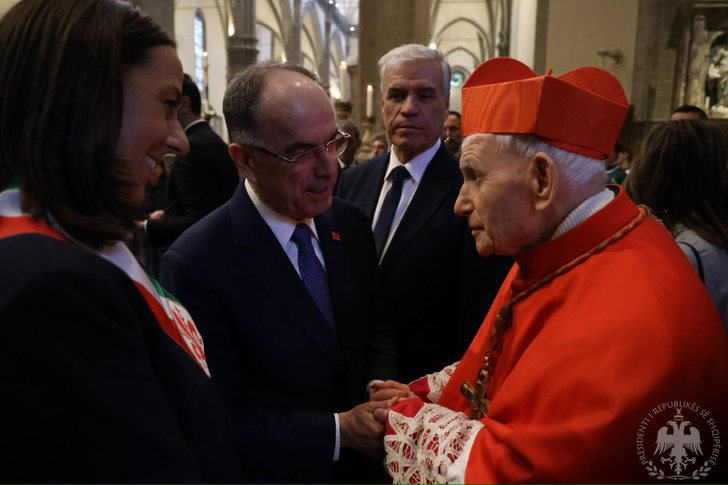
The President of the Republic, Bajram Begaj, was present a...
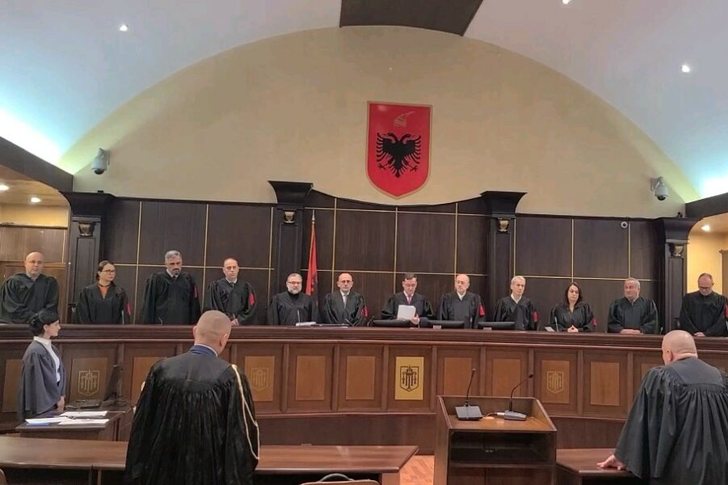
The Supreme Court is expected to hold a meeting of the Joi...

Former officials of the "Bankers" company appeared today a...

Former head of KESH, Erald Elezi, and former head of ARRSH...
The Shkodra Prosecution Office completed the investigat...
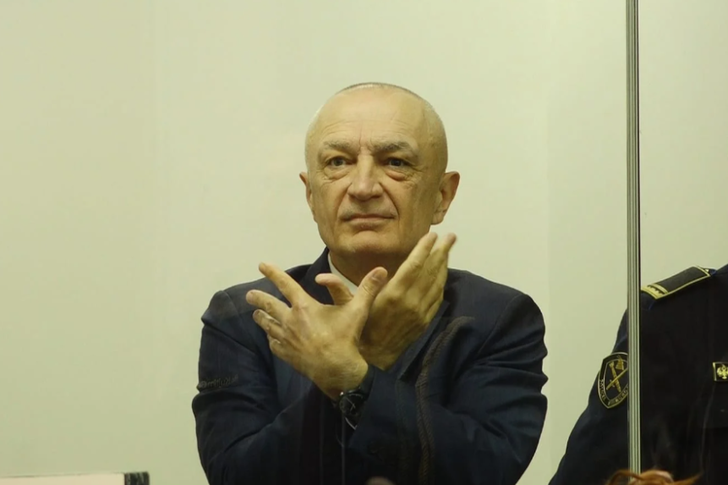
The Special Court of Appeal has rejected the request of th...

Safety expert, Gert Metani, shared some explanations based...
New details are being learned regarding the condition of t...

Democratic Party MP Belind Këlliçi has reacted to the trag...
The Supreme Court will announce today the decision on the ...

At first glance, the offices look like any other modern co...

The use of generative artificial intelligence is spreading...
The leader of the Democratic Party, Sali Berisha, has reac...
The head of the Audiovisual Media Authority, Armela Krasni...

Irfan Hysenbelliu claims to be a big businessman, an hones...
The murder of officer Enea Mekolli in the line of duty has...

The next case broadcast on the show "Stop", this Thursday,...
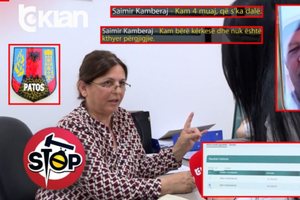
The case published this Thursday, June 4, on the show "Sto...

The Special Board of Appeal (KPA) decided this Monday ...

The KPA vetting decided this Thursday to dismiss the p...

Suela Salavaçi, a prosecutor in the Prosecutor's Offic...

The Special Board of Appeal reinstated the prosecutor ...

A road accident has been reported on the Fier-Levan axis, ...

An accident was recorded a few minutes ago on the Pogradec...
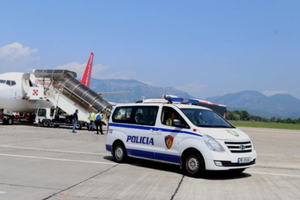
Following the cooperation of Interpol Tirana with Interpol...

An accident occurred this Saturday morning at Shkëmbi i Ka...
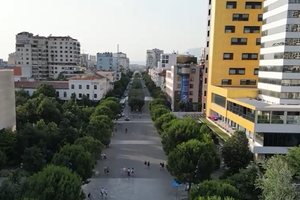
Albanians are officially the hardest working people in Eur...

This Saturday will be characterized by mostly clear weathe...
Today our country will be affected by stable weather condi...

For many children and teenagers, the long summer holidays ...

The military advisor to Iran's supreme leader, Mohsen Reza...
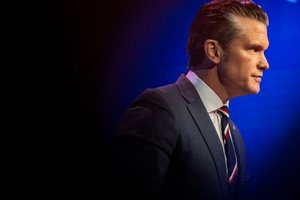
US Defense Secretary Pete Hegseth declared that Europe is ...
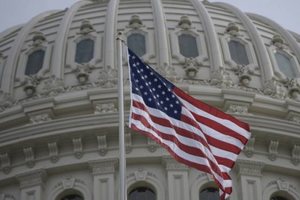
A federal judge in Rhode Island struck down a Trump admini...
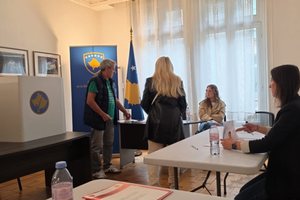
Thousands of Kosovo citizens living abroad are voting phys...
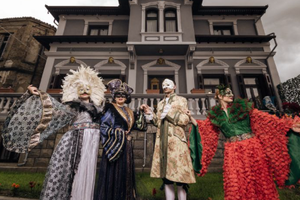
Korça is ready to open the summer season with one of the c...
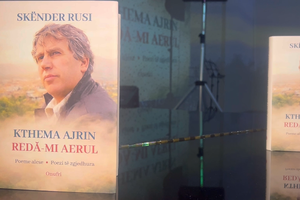
Two years after his passing, the renowned Korçë poet Skënd...

The Ethnographic Museum of Berat has opened its doors to v...
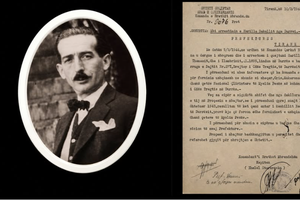
The story of Harilla Bakalli is one of the most chilling t...

The Transparency Board, in today's meeting, decided to red...

This Saturday, one US dollar is bought for 81.4 lek and so...

Despite years of efforts at regional cooperation and free ...

Albania is the country with the highest level of severe ma...