


Businessman Artur Shehu breaks his silence: I am a long-time land owner in Zvërnec, I don't know the investors at all
Albanian businessman Artur Shehu spoke on the Opinion show...

Albanian businessman Artur Shehu spoke on the Opinion show...

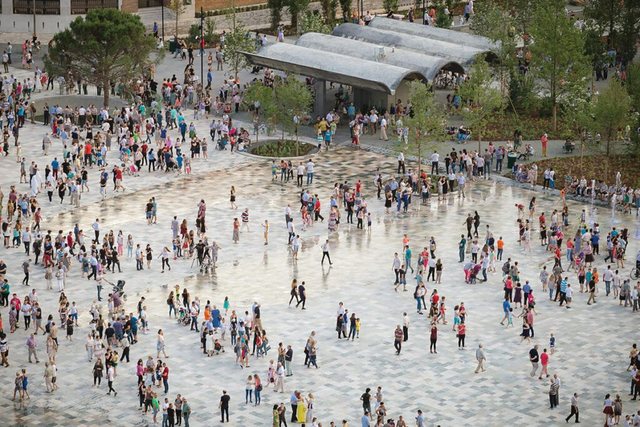
Albania's population decline was unusual for a country not at war. The latest Eurostat data show that for every 1,000 inhabitants, Albania's population fell by 12 in 2024, representing the gross rate of net migration, proving that the country is experiencing an unprecedented contraction in peacetime.
This figure means that within the year 2024 alone, Albania has lost around 29,000 inhabitants as a result of emigration.
The comparison with the European Union is shocking.
The EU average for this indicator is moving in positive figures, around +5.2 per 1,000 inhabitants, which means that in the same year more than 5 people per 1,000 people were added to the EU. While Europe is growing and becoming richer in human capital, Albania is still serving as a net exporter that is losing its workforce.
Even within the Western Balkans region, Albania remains in the hottest zone of the crisis. While countries like Serbia show greater resilience in terms of net migration, Albania is suffering the hardest hit.
This phenomenon is pushing the country towards a dangerous demographic crossroads. Unlike past decades, when natural growth and births somewhat balanced emigration, today Albania is being hit from both sides, with birth rates falling to historic lows, while the exodus of young people continues at a high rate.
In Europe, positive net migration is helping countries cope with aging, but in Albania, the negative figure is accelerating the country's shrinkage and aging. In this way, Albania is losing the population of an average city like Lezha or Kavaja every year.
Our country is experiencing what Central and Eastern European countries managed to stop years ago. If we look at the table, countries like Poland, Hungary, Slovenia and the Baltic states (Estonia, Lithuania) are showing a completely opposite trend.
For example, Estonia and Lithuania, which once had emigration rates similar to Albania, now have positive net migration. Estonia has managed to absorb not only foreign professionals through digitalization, but also to bring back its citizens, turning the figure from negative to an increase of +2 to +4 per 1,000 inhabitants.
The change is also impressive in Poland and Hungary. These countries used a dual strategy that Albania is still not effectively applying: aggressive wage growth to curb emigration and strong support policies for young families to improve natural change.
Poland, from a country that supplied Western Europe with labor, has today become a regional magnet.
While we lose 1.2% of our population each year from this indicator alone, these countries are increasing their resident population, creating a more stable economy and a more secure job market.
Even within our region, the Croatian model is significant. After joining the EU, Croatia suffered a strong emigration shock, but in recent years it has been seeing a trend of stabilization and return of the workforce, thanks to full integration and investments in infrastructure and technology.
Albania, meanwhile, remains hostage to emigration that is not stopping, while the countries of the former East used emigration as a transitional phase towards development, in our country this phenomenon is turning into a chronic condition. The figure -12.1 is proof that, unlike our neighbors to the east, we have not yet created the reasons to return.
Poland and Romania managed to reverse the trend by becoming industrial and technological centers, but tourism-oriented Albania cannot keep its population in the country. Experts claim that Albania should learn from the school of the East, as emigration can be defeated, but only by making the country livable for those who flee. /Monitor

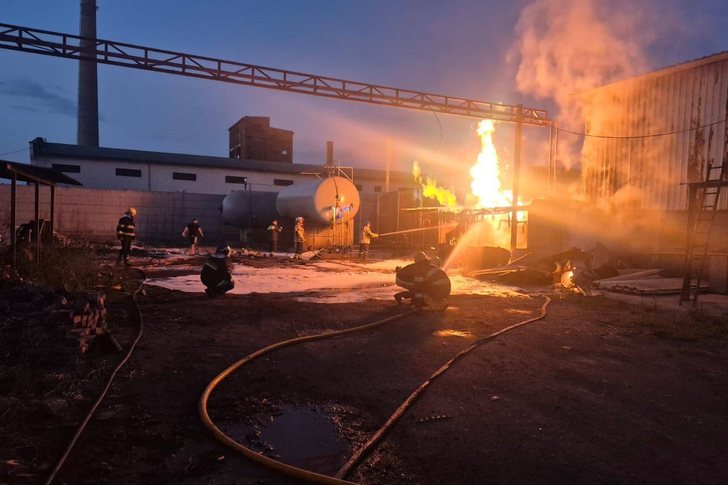
A large-scale fire engulfed a battery processing plant in ...
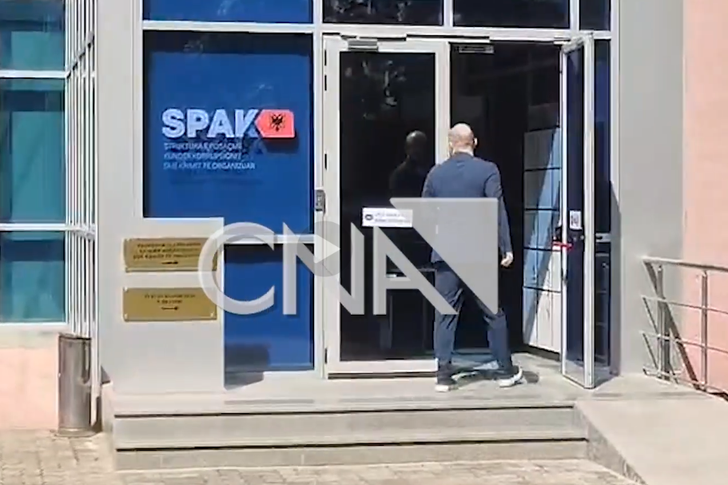
The former head of the Albanian Electric Power Corporation...
Qeveria shqiptare ka miratuar së fundmi një ndryshim në më...
On Friday, our country will be affected by relatively unst...
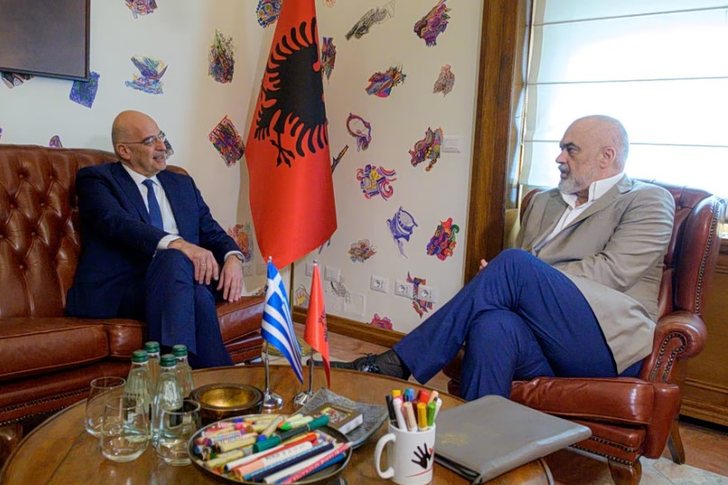
Greece is stepping up efforts to revive negotiations with ...
Journalist Ferdinand Dervishi has spoken about the disappe...
The OSCE Presence in Tirana has reacted to the consensus a...
Journalist Xhevahir Zhabina has spoken about the disappear...
Former Senior Director of the State Police, Shemsi Prençi,...
The Assembly has approved in today's plenary session the d...
Journalist Klodiana Lala spoke about the testimony of Must...
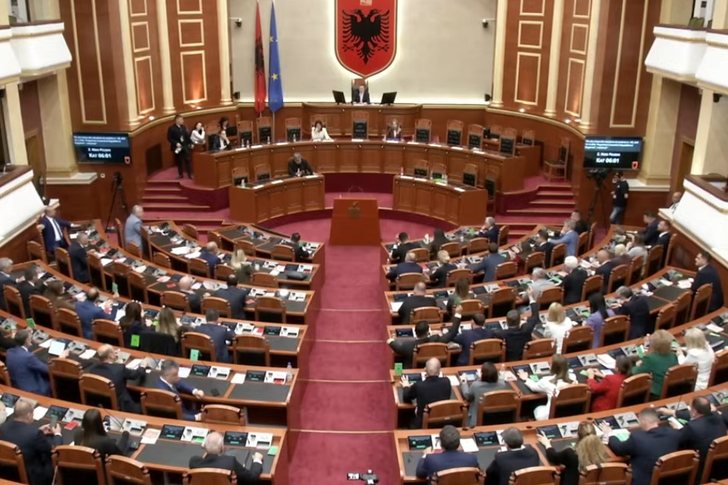
The Parliament has approved in today's plenary session the...
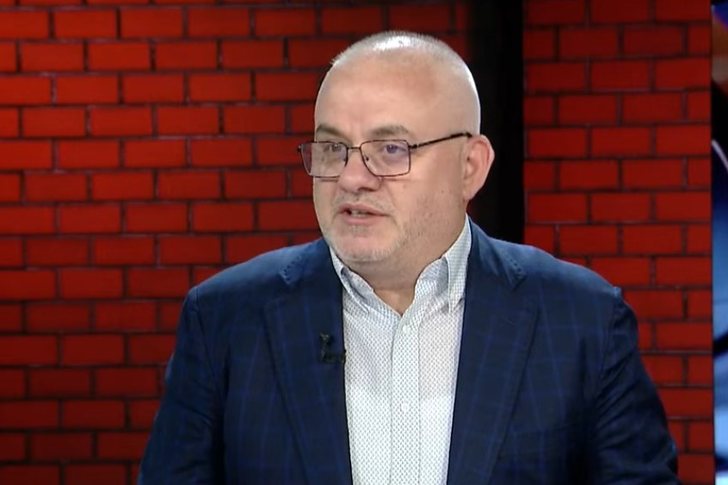
Journalist Artan Hoxha spoke this evening regarding the re...
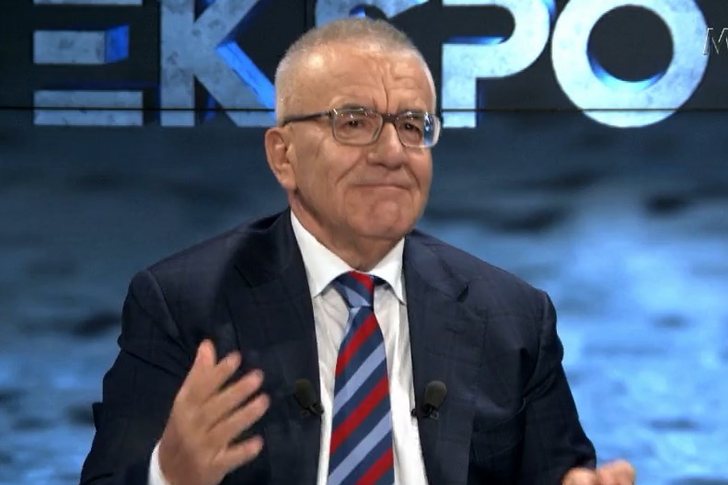
The moderator of the show Të Paekspozuarit, Ylli Rakipi, d...
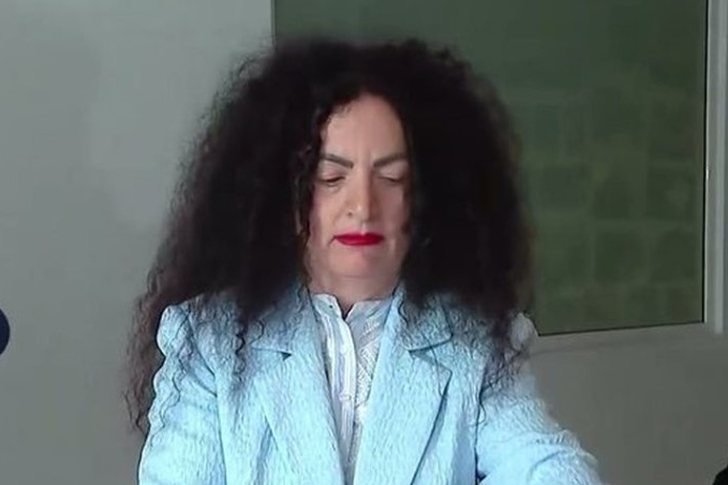
Mereme Sela claims that he can take the Democratic Party f...

Lawyer Saimir Vishaj has revealed on the Rudina show his b...
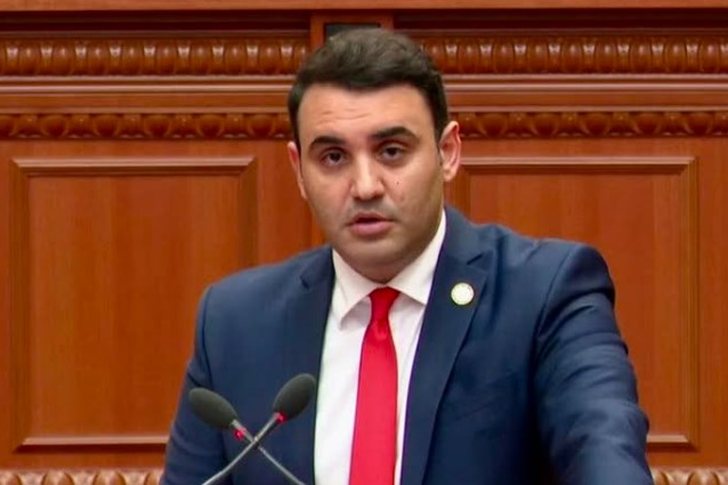
DP MP Belind Këlliçi, during his speech in the Parliament,...

The final report of the European Union member states on Al...

Journalist Klodian Tomorri has commented on the IBAR repor...
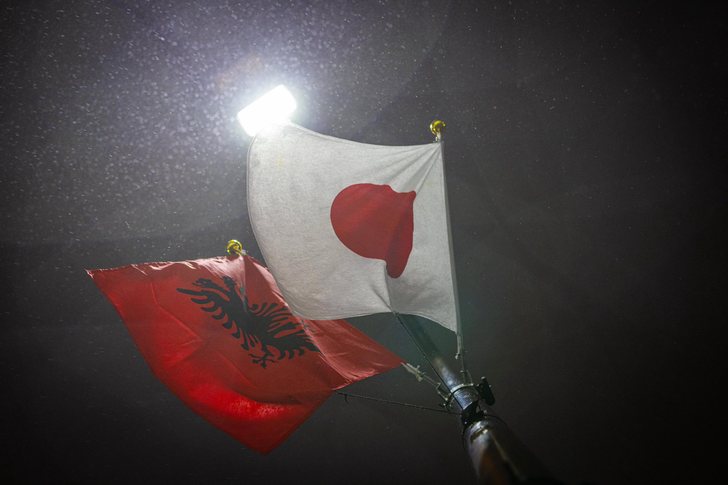
Prime Minister Edi Rama is on an official visit to Tokyo, ...
The next case broadcast on the show "Stop", this Thursday,...
The case published this Thursday, June 4, on the show "Sto...

The protests of recent days related to the situation in Zv...
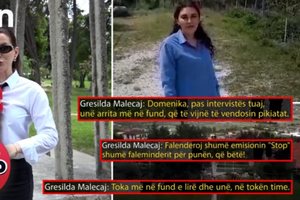
The case addressed this Wednesday, June 3, on the show "St...

The Special Board of Appeal (KPA) decided this Monday ...

The KPA vetting decided this Thursday to dismiss the p...

Suela Salavaçi, a prosecutor in the Prosecutor's Offic...

The Special Board of Appeal reinstated the prosecutor ...
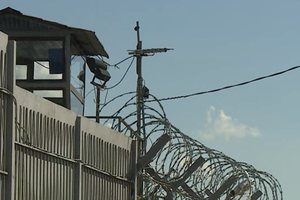
A convict was found dead today in the premises of the Pris...
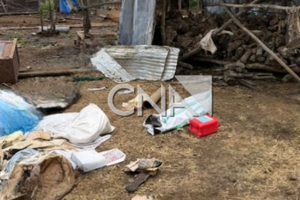
Several images provided by CNA show the area where this mo...

A quantity of explosive material exploded this morning at ...
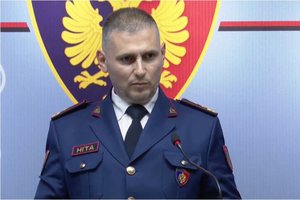
The Head of the State Police, Skënder Hita, expressed his ...

For many children and teenagers, the long summer holidays ...
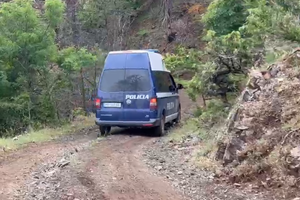
Witnesses in Lozhan, Maliqi, have shared details from the ...
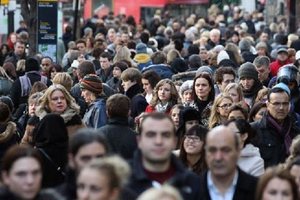
Albania is facing an unprecedented demographic transition,...
On Thursday, our country will be affected by unstable weat...

Russian President Vladimir Putin said the war in Ukraine c...
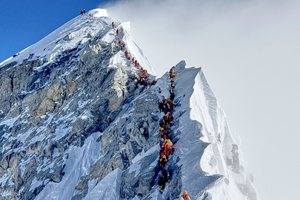
An extraordinary story of survival has been recorded in Ne...
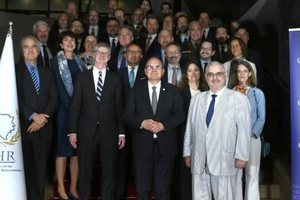
The Peace Implementation Council in Bosnia and Herzegovina...
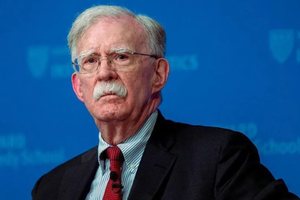
John Bolton, the former national security adviser to US Pr...
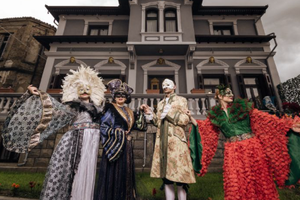
Korça is ready to open the summer season with one of the c...
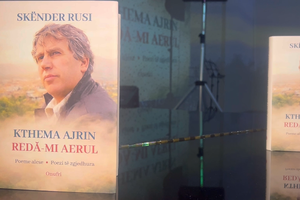
Two years after his passing, the renowned Korçë poet Skënd...
The Ethnographic Museum of Berat has opened its doors to v...
The story of Harilla Bakalli is one of the most chilling t...
The government aims to transform the country's industrial ...
Kursi i këmbimit të euros me lekun ka rënë më tej këtë jav...

Profit margins in the construction sector have increased s...

The Transparency Board, at its meeting today, decided to i...