


Google or Safari/ Which is the most used search engine in the world?
Microsoft Edge, Google Chrome or maybe Apple's Safari. Base...


Nik Bostrom is a Swedish professor of philosophy. He directs the Institute for the Future of Humanity at Britain's University of Oxford. Bostrom's field of study is that of transhumanism, and includes areas such as cloning, Artificial Intelligence (AI), super-intelligence, the possibility of transfer of consciousness to technological support, nano-technologies and theses on simulated reality.
As for AI and its future developments, the professor is pessimistic, and says they pose a danger to all of humanity. This risk can appear over a very long period of time, but according to him it can also appear much faster. To understand what the risks really are, but above all how AI works in view of the possible arrival of super-intelligence, we interviewed him.
Professor, you are very critical of the development of AI, with a very pessimistic long-term perspective regarding the dangers it may pose to all of humanity. So I ask you: Is it possible to teach a machine ethics, sensitivity and compassion, exclusively human values? How is this done?
I have both a sympathetic and a skeptical approach to Artificial Intelligence. I am very optimistic about the potential progress if we get things right. But on the other hand I think there are serious risks associated with the development of super-intelligence machines. It is not yet known exactly what we need to drive advanced AI systems, and this is an ongoing area of ??research. Many of the smartest people I know now work in this very field.
If Artificial Intelligence can be taught human values, knowing that man is not only characterized by positive values, but also evil, vile and violent, will it not be dangerous that the machine independently, and by knew us well, would copy these too, and behave aggressively towards us?
Yes, she can even become aggressive towards us even without those negative values. Can Isaac Asimov's Laws of Robotics Apply to AI?
Isaac Asimov's approach was very simplistic.
Do you believe that controlling the abilities of an Artificial Intelligence can only be a temporary measure? Wouldn't it be enough to introduce another type of algorithm that automatically curbs any aggressive behavior? Is it possible to define such an algorithm?
Isn't it aggressive behavior when we crush an ant colony to build a parking lot?
Knowing that Artificial Intelligence works based on the data set we give it, wouldn't it be enough to choose the data set wisely to avoid bad surprises?
Intelligent AIs can generalize beyond the data they operate on. They can build models of the world and use them to understand new situations and make plans.
Artificial Intelligence machines are faster than humans in learning concepts and reasoning, but are not yet capable of performing automatic human actions, that is, those based on instinct. Will this void ever be filled?
I think AIs are currently slower than humans at learning concepts. For example, ChatGPT-4 is trained on almost the entire Internet. But people reach a similar conceptual understanding based on much less data./ Adapted from CNA.al

Microsoft Edge, Google Chrome or maybe Apple's Safari. Base...
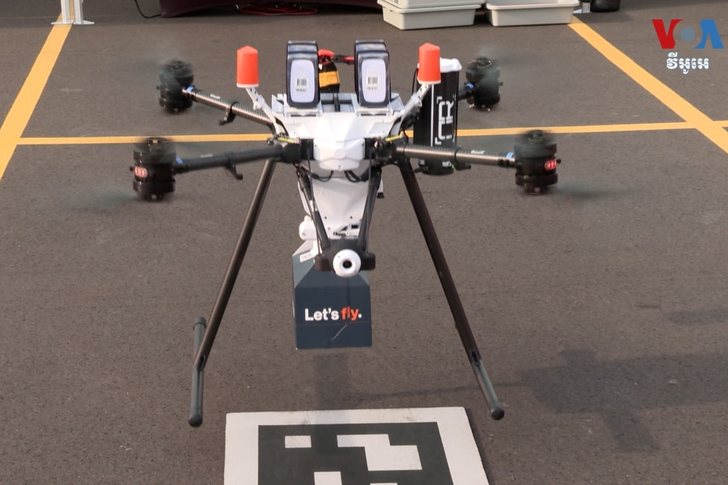
Drones are often used in warfare, law enforcement, and agr...

The US Department of Defense already prohibits AI from auto...

Instagram, the popular photo and video platform, is now te...

Swiss radio station Couleur 3 is broadcasting an all-day p...

By decision of the Federal Supreme Court, the "Telegram" p...

Samsung Electronics announced a gradual chip recovery ...
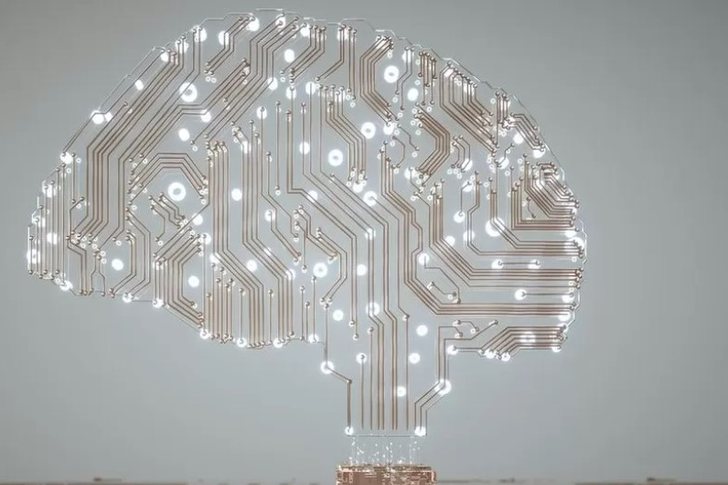
An open letter signed by dozens of academics from around t...

"WhatsApp" has brought a new feature for all users of ...
Today, millions of people in the world use social netw...

Streaming giant Netflix says it will invest $2.5 billi...

The mobile phone is already a personal item that we can ha...

In every missile launch, the surrounding space is blocked ...

What do Beyoncé and Cristiano Ronaldo have in common? ...
Parents are posting more and more pictures of their ch...

Meta CEO Mark Zuckerberg revealed that Instagram is bringin...

President Joe Biden's climate envoy, John Kerry, says so m...

Pronari i Twtter, Elon Musk, gjatë një interviste, ka ...

The FBI has warned people around the world not to use publ...
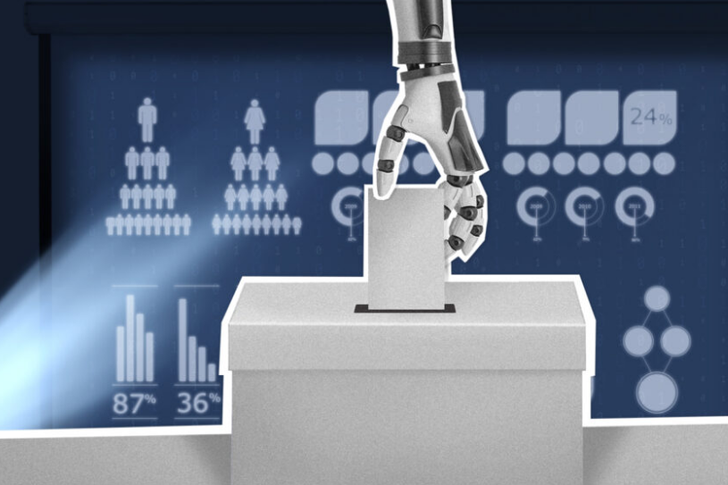
Brigham Young scientists have found that some AI robots can ...

Today, CNA has published a complaint from residents of the...

A complaint from residents of the village of Gjashtë in Sa...

A complaint to CNA also led to the publication of several ...

A mountain of documents for a flagrant case, in the na...

The Special Board of Appeal (KPA) decided this Monday ...

The KPA vetting decided this Thursday to dismiss the p...

Suela Salavaçi, a prosecutor in the Prosecutor's Offic...

The Special Board of Appeal reinstated the prosecutor ...

A tragic event occurred this evening in the village of Ago...

A truck overturned today on the Librazhd-Prrenjas axis, in...

A serious accident was recorded this afternoon in the Shko...

Two people have been arrested in Vau i Dejës for cultivati...

As climate change warms coastal waters in northern Europe,...

Today, our country will be affected by almost the same met...

Turkish police said on Tuesday they had arrested more than...

Today, our country will be affected by relatively stable w...

Russia is still advancing slowly in the Donetsk region of ...

Iran's Foreign Ministry has criticized the US government f...

Until recently, the entrance to the Troyarova mine was ope...

The International Monetary Fund and the official Bureau of...

The promotion of the book by author Aleksandër Ikonomidhi ...

The Albanian Embassy in Switzerland has organized an eveni...

This Wednesday, the prominent actor of Albanian cinema, Gj...

Several archaeological excavations conducted during this s...

In 2025, agriculture made a negative contribution to econo...

Fuel doesn't just affect drivers. This is the part that's ...
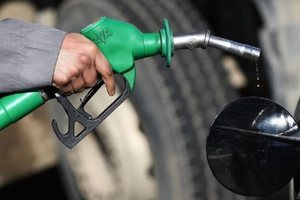
The pump changes a few lek and the effect is felt immediat...

Albania has a low weight of gold in its foreign exchange r...