


30 years of the public World Wide Web
30 years ago a scientist in Geneva found a way for sci...


Germany has more than a million battery-powered cars, but another country is doing the best in EV penetration, here's why.
Electric cars are not the answer to the climate crisis. But they are an important part of the energy transition to zero emissions.
Fortunately, battery-only vehicles are becoming more and more popular. In 2022, the number of these electric cars in EU countries increased by 58 percent compared to 2021 - from 1.9 million to 3.1 million. Between 2019 and 2022 they increased by more than 400 percent.
Most importantly, the share of electric cars increased to 76 per 10,000 in the EU in 2021, from just 2 per 10,000 in 2013. All these figures show a change in the automotive sector in Europe.
Cars are responsible for around 12 percent of total carbon dioxide emissions in the EU.
In February, the European Parliament voted to approve a new law banning the sale of gasoline and diesel cars from 2035. This law is now expected to be voted on by the European Council, which was postponed because it was believed that it would not receive the required majority.
And which European countries are moving away from fossil fuel vehicles the fastest? And which have the highest percentage of electric output among all cars?
In 2013, there were only 52,000 fully electric cars in the EU according to Eurostat. That figure grew gradually at first, reaching 600,000 in 2019, and the number of fully electric cars has boomed every year since. It exceeded 3 million in 2022.
These figures reflect the total number of fully electric cars, not the new ones registered each year. The 2022 data comes from the European Automobile Manufacturers Association (ACEA).
The percentage of fully electric cars in the total number of cars is a more significant statistic. In 2013, it was just 2 per 10,000 cars. The number per 10,000 increased to 24 in 2019, 44 in 2020 and 76 in 2021. While their share is still limited at present, the rate of growth over the past decade suggests major growth in the near future.
The number of fully electric cars exceeds one million in Germany
In 2022, the number of fully electric cars exceeded 500,000 in four European countries; namely Germany (1,089,854), UK (641,801), France (605,791) and Norway (603,697).
They were followed by the Netherlands (318,485), Sweden (205,212) and Italy (167,213).
Eurostat's figures, which go up to 2021, have been combined with ACEA's figures for 2022 for a complete picture of the state of electric cars in Europe.
Norway is racing ahead with its share of fully electric cars
More than the numbers, the shares of electric cars among all other cars show how they are moving away from fossil fuel energy. As of 2021, Norway has made the best progress so far towards zero emissions.
In 2022 in Norway, 15.5 percent of all cars will be fully electric. This rate was only 0.8 percent in the EU as a whole.
The Netherlands (2.8 percent), Denmark (2.4 percent), Sweden (2.2 percent) and Iceland (2.2 percent) also had a share higher than 2 percent of fully electric cars in 2021.
The share of electric cars among all cars was 1.3 percent in Germany, 1.2 percent in the United Kingdom and 1 percent in France.
Cyprus, Poland, Bulgaria and the Czech Republic (all 0.1 percent) had the lowest percentages of battery-only electric cars in the EU.
4 out of 5 cars sold in Norway in 2022 were fully electric
In 2022, Norway was again an outlier with its share of electric cars among all newly registered cars being 4 out of 5 (79 percent).
It was followed by Sweden (33 percent), then Iceland (31 percent), the Netherlands (24 percent) and Denmark (21 percent). That figure was 18 percent in Finland, showing that the Scandinavian countries are doing their best to move away from fossil fuel energy.
These were also the countries that had significantly increased shares of fully electric cars between 2021 and 2022.
In the same year, Slovakia and the Czech Republic (both 2 percent) had the lowest percentages of electric cars among new car registrations.
This rate was 18 percent in Germany, 17 percent in the United Kingdom and 13 percent in France.
Germany leads in new registered fully electric cars
In 2022, over 350,000 electric cars were registered in Germany, which was the highest number ever according to ACEA data. The United Kingdom (190,727), France (162,167) and Norway (113,751) followed Germany.
This figure was lower than 1,000 in Cyprus, Latvia, Bulgaria and Estonia.
Why does Norway have the most electric cars?
In Europe, the most successful country in the transition to electric vehicles is clearly Norway; in fact, this oil-rich country is a statistical outlier. Why does Norway have the most electric cars?
Its approach is key according to Yoann Le Petit, a clean vehicles officer at Transport and Environment.
Norway has pushed manufacturers towards electric vehicles by setting strict pollution limits and insisting that all new cars sold by 2025 must be emission-free. This is the "key" of politics.
According to the Organization for Economic Co-operation and Development, drivers are offered tax incentives, including the exemption of zero-emission vehicles (ZEV) from registration tax, VAT and motor fuel taxes, as well as at least a 50 percent discount in road taxes and ferry and parking fees.
Almost a fifth of cars will be electric in 2023
The use of electric cars is expected to grow significantly in the years leading up to the EU's 2035 ban on combustion engine cars, according to Eurostat.
This planned ban is linked to the Sustainable Development Indicator which includes the reduction of CO2 emissions from cars.
Globally, the IEA's annual report predicts that sales of electric cars will grow by record numbers again this year, expanding their share of the overall car market to roughly a fifth.
More than 10 million electric cars were sold worldwide in 2022, and sales are expected to grow another 35 percent this year to reach 14 million, according to the IEA.

30 years ago a scientist in Geneva found a way for sci...

Greek television is following the AI revolution as it un...
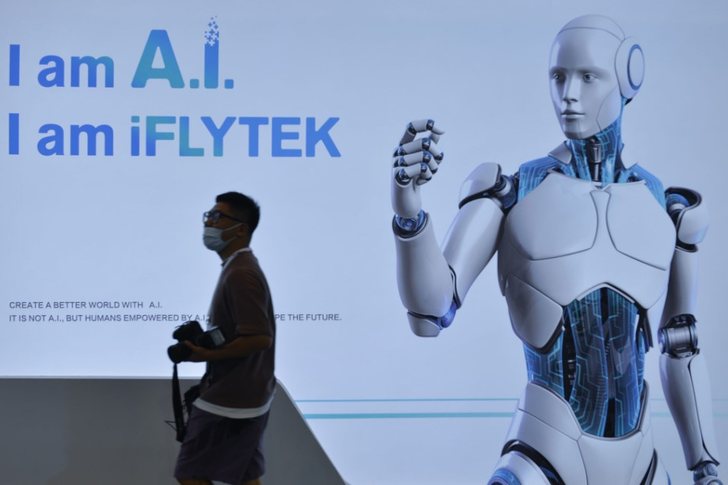
Nik Bostrom is a Swedish professor of philosophy. He d...

Microsoft Edge, Google Chrome or maybe Apple's Safari. Base...
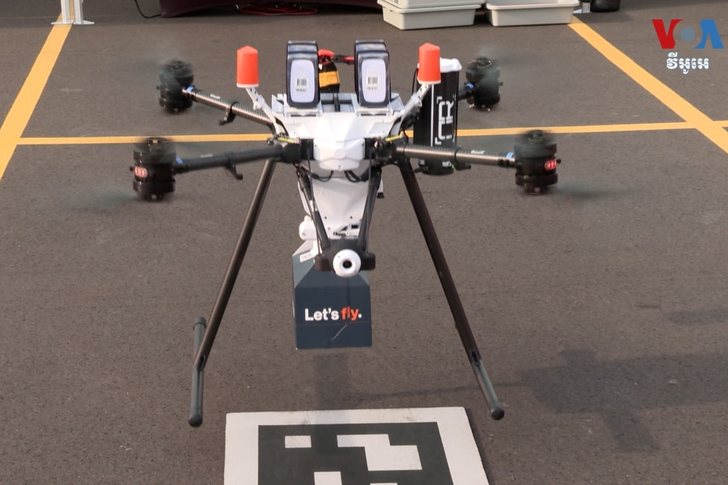
Drones are often used in warfare, law enforcement, and agr...

The US Department of Defense already prohibits AI from auto...

Instagram, the popular photo and video platform, is now te...

Swiss radio station Couleur 3 is broadcasting an all-day p...

By decision of the Federal Supreme Court, the "Telegram" p...

Samsung Electronics announced a gradual chip recovery ...

An open letter signed by dozens of academics from around t...

"WhatsApp" has brought a new feature for all users of ...
Today, millions of people in the world use social netw...

Streaming giant Netflix says it will invest $2.5 billi...

The mobile phone is already a personal item that we can ha...

In every missile launch, the surrounding space is blocked ...

What do Beyoncé and Cristiano Ronaldo have in common? ...

Parents are posting more and more pictures of their ch...

Meta CEO Mark Zuckerberg revealed that Instagram is bringin...
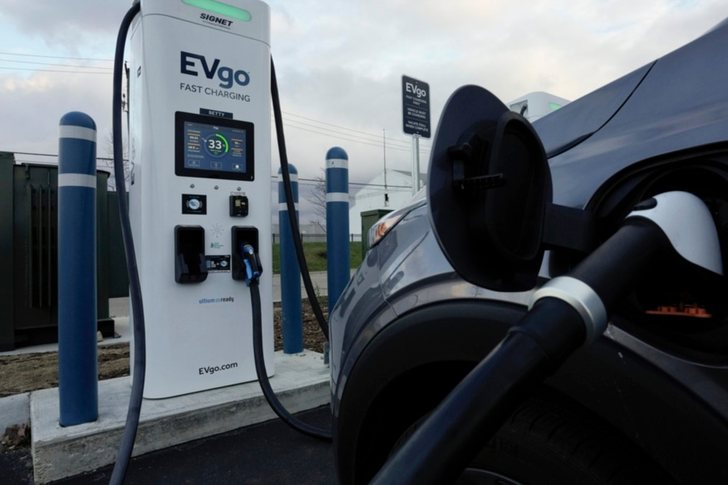
President Joe Biden's climate envoy, John Kerry, says so m...

Today, CNA has published a complaint from residents of the...

A complaint from residents of the village of Gjashtë in Sa...

A complaint to CNA also led to the publication of several ...

A mountain of documents for a flagrant case, in the na...

The Special Board of Appeal (KPA) decided this Monday ...

The KPA vetting decided this Thursday to dismiss the p...

Suela Salavaçi, a prosecutor in the Prosecutor's Offic...

The Special Board of Appeal reinstated the prosecutor ...

A tragic event occurred this evening in the village of Ago...

A truck overturned today on the Librazhd-Prrenjas axis, in...
A serious accident was recorded this afternoon in the Shko...

Two people have been arrested in Vau i Dejës for cultivati...

As climate change warms coastal waters in northern Europe,...

Today, our country will be affected by almost the same met...

Turkish police said on Tuesday they had arrested more than...

Today, our country will be affected by relatively stable w...

Russia is still advancing slowly in the Donetsk region of ...

Iran's Foreign Ministry has criticized the US government f...
Until recently, the entrance to the Troyarova mine was ope...

The International Monetary Fund and the official Bureau of...

The promotion of the book by author Aleksandër Ikonomidhi ...

The Albanian Embassy in Switzerland has organized an eveni...

This Wednesday, the prominent actor of Albanian cinema, Gj...

Several archaeological excavations conducted during this s...

In 2025, agriculture made a negative contribution to econo...

Fuel doesn't just affect drivers. This is the part that's ...
The pump changes a few lek and the effect is felt immediat...

Albania has a low weight of gold in its foreign exchange r...