

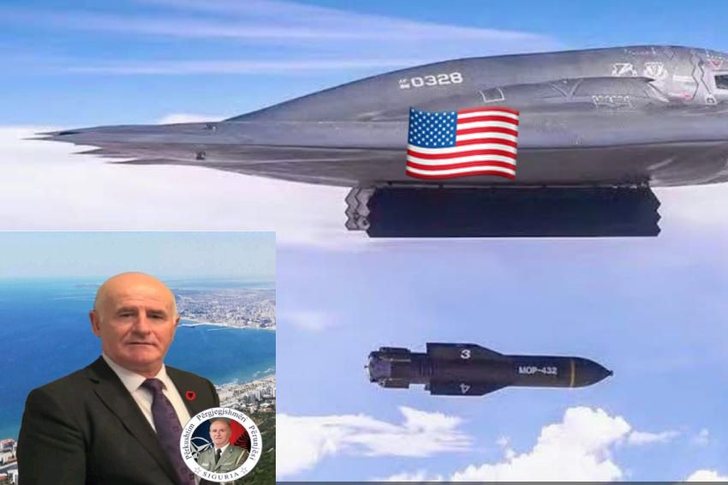
The US strike on Iran's nuclear bases, an exemplary punishment against bloody dictators and terrorist minds!
After all diplomatic efforts were exhausted, the unrivaled...


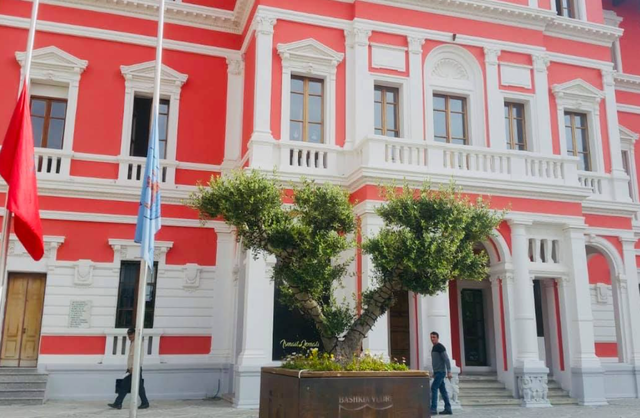
In any city, especially in those with strategic tourist and economic importance like Vlora, it is natural that daily problems arouse strong reactions. In recent months, the city of Vlora has faced two or three issues that have significantly affected the lives of citizens: interruptions in the supply of drinking water and the phenomenon of waste burning in some areas and open roads due to investment in the drinking water network, or the construction of the Citrus Boulevard.
For a city that hosts thousands of tourists every season and aspires to be a modern urban development hub, these are certainly serious challenges. But more dangerous than the problems themselves is the way blame is often sought — without analysis, without context, and above all without honesty.
In this emotional wave of spontaneous reactions, the name of the mayor, Ermal Dredha, has often been mentioned as the addressee of dissatisfaction. But the question we must ask as citizens, analysts or public actors is simple: Are these problems the result of the incompetence of the current administration or are they the consequence of a long, deep and neglected legacy?
And it is important to distinguish between current accountability and the legacy of a system that has suffered for decades from neglect, abuse, and lack of long-term investment.
Ermal Dredha took over as mayor of Vlora at a time when the city’s infrastructure challenges were immense and deepened from previous years. The water and sewerage system is an outdated network that needs a complete overhaul, not temporary patches. Similarly, waste management and its disposal infrastructure is a wound that dates back long before Dredha’s term. Blaming him for problems stemming from decades of mismanagement is looking for an easy culprit, rather than addressing the core of the problem.
Furthermore, it is important to understand that waste management, improving the city's road infrastructure, or the water supply network are not exclusively the responsibility of the municipality. They are part of a wider institutional network and public enterprises subordinate to Tirana, which have often been unable to provide quality services, regardless of local leaders.
Let's take them in turn:
a. The lack of drinking water in Vlora is not a new phenomenon. It is a problem that dates back decades and is rooted in the city's outdated infrastructure. The water supply network, built at a different time and for a much smaller population, no longer meets the needs of the residents, let alone the summer tourist influx. These are challenges that cannot be solved with a single decision by the municipality or with empty promises. They are issues that require much greater funding than a municipality can afford and coordinated interventions at the central level. All the more so since, despite the fact that the municipality is a shareholder in UKV, the direct dependence is on Tirana.
b. The torn roads, for which it is accused. In fact, the problem has become unbearable and the traffic and smog very worrying. But is everything an investment of the municipality? Or are there other firms that work on behalf of institutions dependent on Tirana? Is the municipality responsible for everything?
c. The issue of waste burning is part of a failed environmental management system, where for years there has been no investment in processing plants, collection logistics or in building a responsible civic culture. In many cases, “spontaneous” burning is the result of unorganized collections, lack of supervision in certain areas, but also of the negligence and irresponsibility of the citizens themselves.
The start of operation of the Sherishta Landfill in April seems to have solved part of the problem, but not all. Inert waste, which cannot be processed, is not accepted at Sherishta.
In this whole scenario where the municipality and local government are only responsible for taxes, cleaning, and greening, while the Water Supply-Sewerage and Roads-Bridges depend on Tirana or other cities, what is Ermal Dredha's fault?
He has his share of the blame, but not all of it. Or do we need a "scapegoat"?
Do we need a "scapegoat" for a musty and inefficient administration that is slow to emerge from the air conditioning of field offices?
We need a "scapegoat" because the mayor is more civil and tolerant than he should be? Yes, civility and tolerance are values, not weaknesses!
And in this challenging panorama, while uninformed people, political opponents or even his "party friends" were rubbing their hands with satisfaction at the "massacre" that was being done to Dredha by portals that amplified a criticism of the prime minister, the mayor has chosen a sincere approach and far from populism. He has not sought to avoid moral responsibility, but has transparently clarified the limits of the municipality's and his own competencies, showing a clear willingness to cooperate with central institutions for real solutions. Under his leadership, the Municipality of Vlora has launched investments in the road system, in the rehabilitation of public spaces, as well as in increasing institutional capacities. Dredha is trying to administer Vlora not simply as a daily manager of an ordinary city, but as a long-term manager to work for a modern, friendly, livable and civic Vlora.
Dredha is a realistic administrator, trying to build a sustainable foundation for a city that has long been more marketing than real management. His work has not always been visible, because often sustainable investments do not produce the immediate effect that media headlines demand — but they are exactly what Vlora needs today.
Today, Vlora does not need a savior, but a leader who works every day, with his feet on the ground and a vision on the horizon.
Instead of hastily looking for culprits for problems that have been deepening for years, let's show patience, support, and realism towards a mayor who has shown that he does not avoid challenges, but faces them head on.
And this, in the times we live in, is perhaps the greatest virtue a public leader can have.

After all diplomatic efforts were exhausted, the unrivaled...
The new SP MPs will hold a training, summer school, party ...

How is it possible for the SP's votes to increase after fo...
I read, I listen, and I am even one of those who writes fr...
Nga Besim NDREGJONI, Autor i filmit dokumentar “Spaç 1973 ...
They can't get a single MP, but they can give an idea of ...
Parliamentarism is a system of government that faces many ...
Since 2013, when Albania decided to accept the Khalq Mujah...
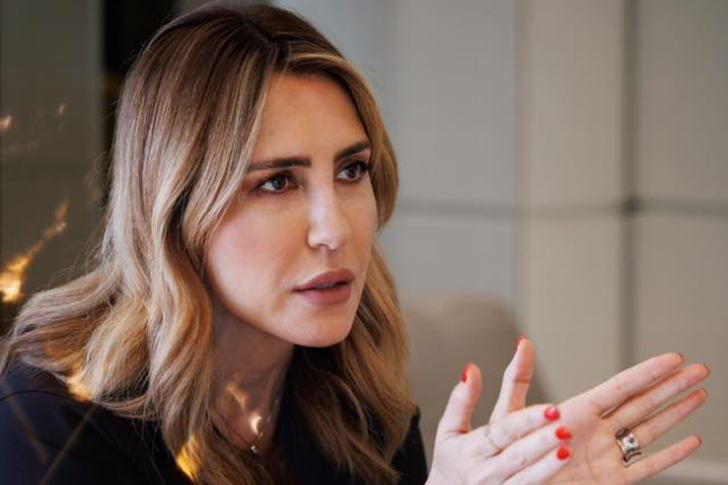
After years of effort and work to understand the European ...
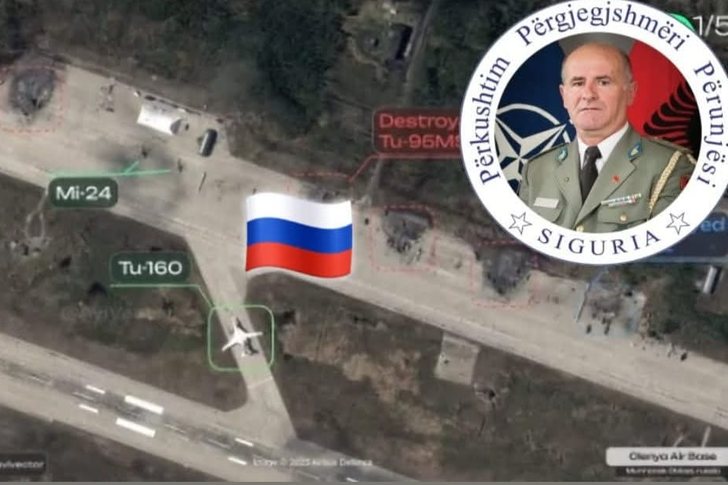
In the capacity of engagements in National Security, Regio...
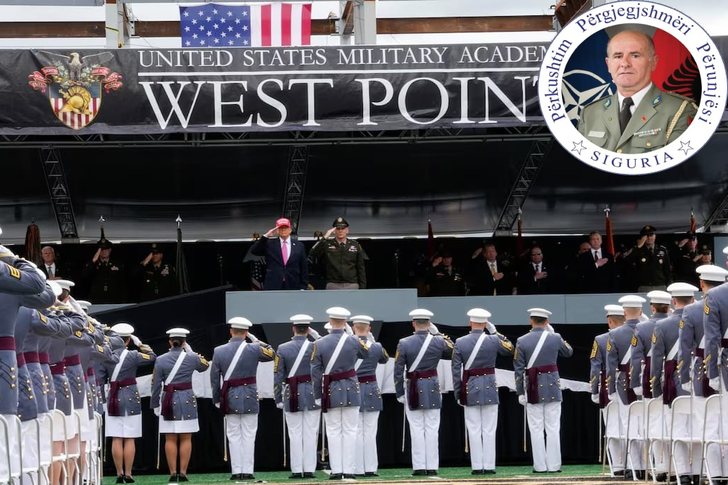
Almost two weeks ago, US President Donald Trump triumphant...
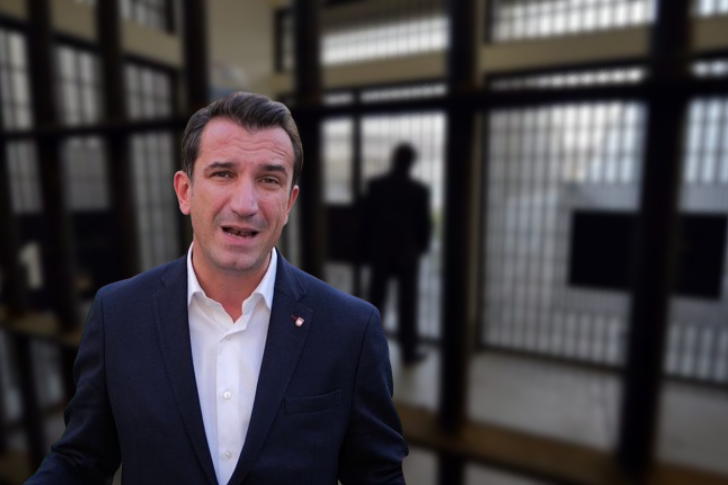
The next day, June 9, the appeal hearing of Erion Veliaj w...

12 years ago, one of the events that took center stage in ...
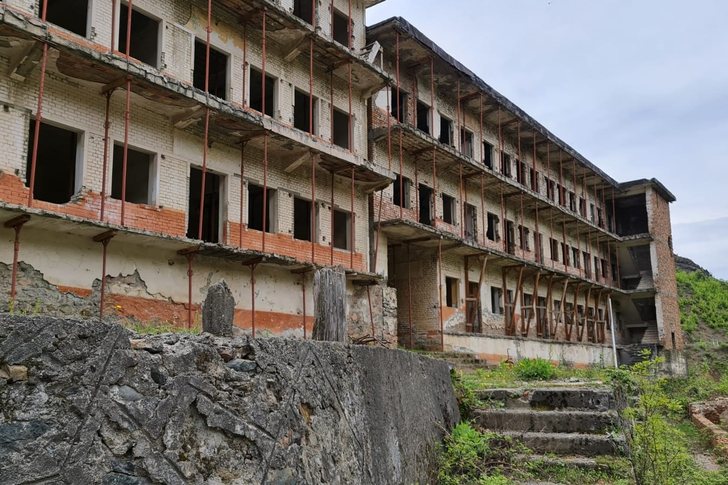
There are places that are wounds, not only on the body of ...
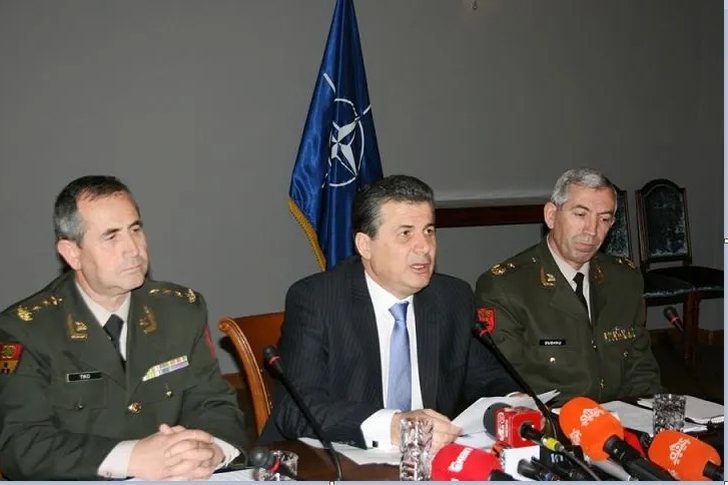
On May 11, Albania's 11th parliamentary elections were hel...
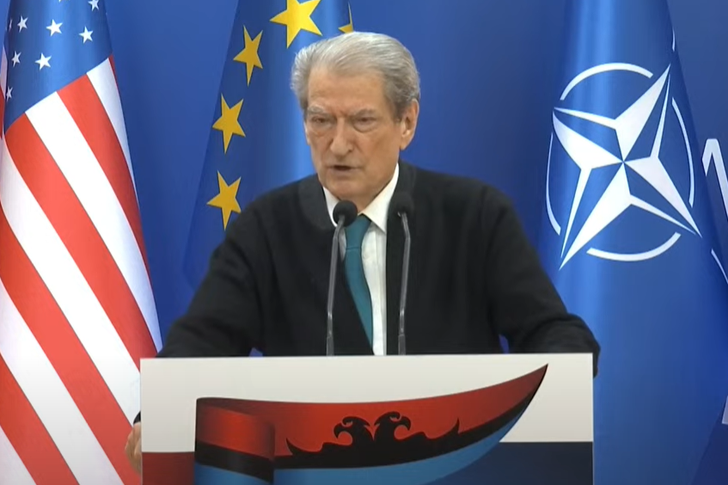
From 1945 to 1990, we had a taboo to think about Europe, w...
The CEC will recount the votes in the Tirana District unde...
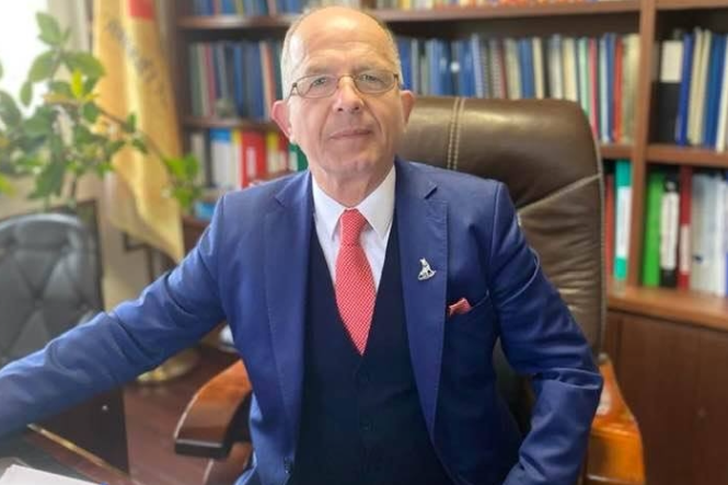
In a country where the state is a party, where justice is ...
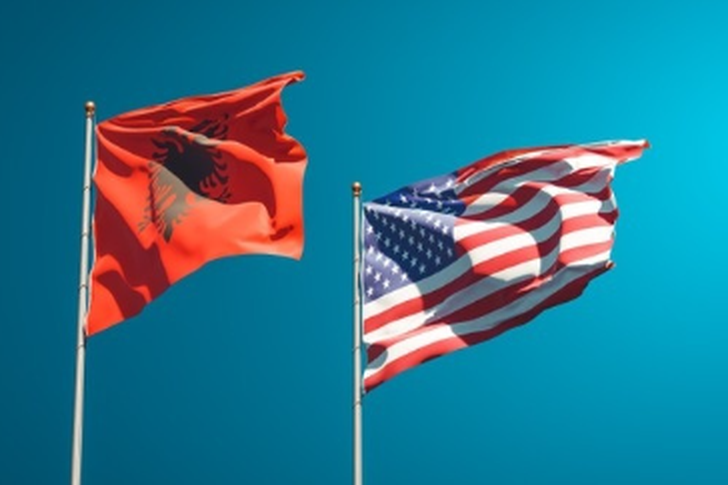
"We congratulate the people of Albania on the parliamentar...
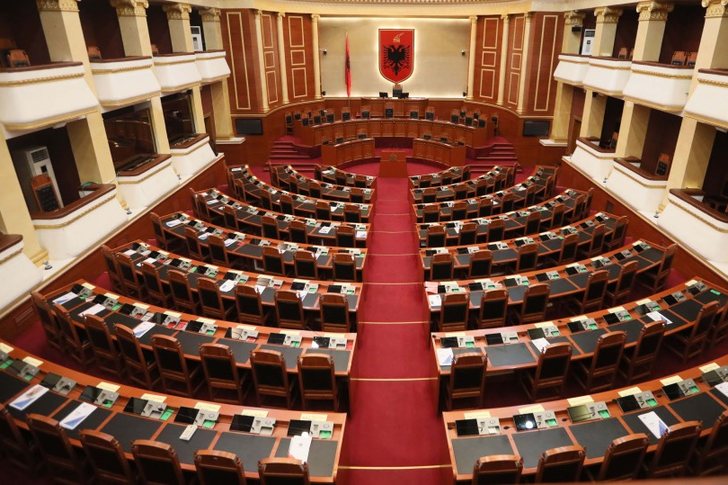
Anyone today can see that in Albania we have a very large ...
The murder of officer Enea Mekolli in the line of duty has...
The next case broadcast on the show "Stop", this Thursday,...
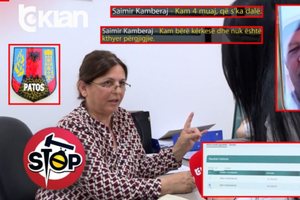
The case published this Thursday, June 4, on the show "Sto...
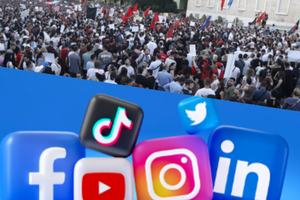
The protests of recent days related to the situation in Zv...

The Special Board of Appeal (KPA) decided this Monday ...

The KPA vetting decided this Thursday to dismiss the p...

Suela Salavaçi, a prosecutor in the Prosecutor's Offic...

The Special Board of Appeal reinstated the prosecutor ...
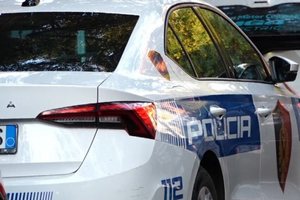
A 38-year-old man was arrested today near the Kamza turnof...

A money changer in Durrës lost 60 thousand euros after bei...
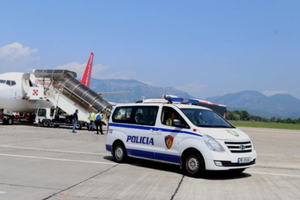
The 6 citizens captured in Dubai, members of criminal grou...
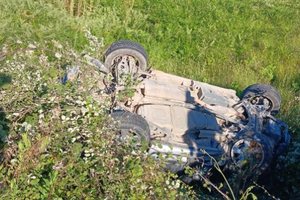
A serious accident occurred on the Kardhiq-Delvinë axis, i...

Today our country will be affected by stable weather condi...

For many children and teenagers, the long summer holidays ...
Albania is facing an unprecedented demographic transition,...
On Thursday, our country will be affected by unstable weat...
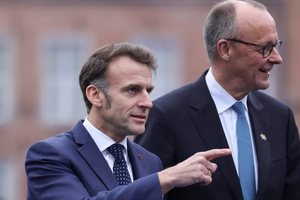
On the eve of the EU-Western Balkans summit, Germany and F...
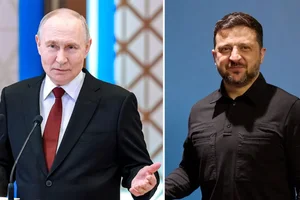
Russian President Vladimir Putin said the war in Ukraine c...
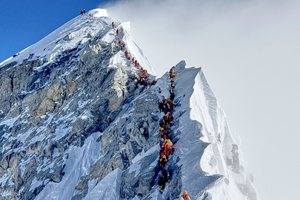
An extraordinary story of survival has been recorded in Ne...
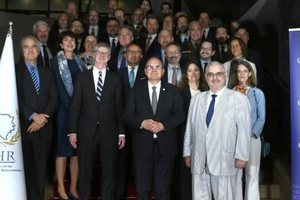
The Peace Implementation Council in Bosnia and Herzegovina...
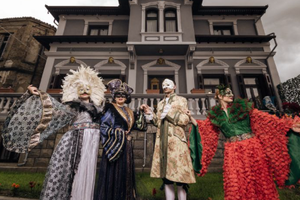
Korça is ready to open the summer season with one of the c...
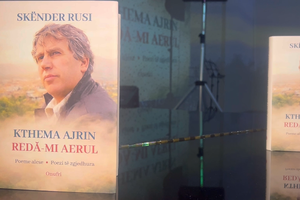
Two years after his passing, the renowned Korçë poet Skënd...
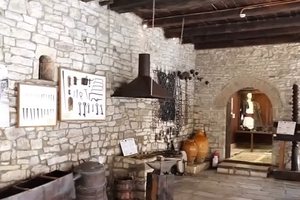
The Ethnographic Museum of Berat has opened its doors to v...
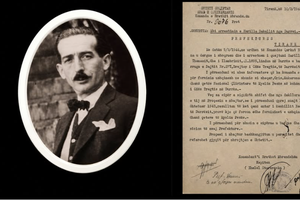
The story of Harilla Bakalli is one of the most chilling t...
Despite years of efforts at regional cooperation and free ...

Albania is the country with the highest level of severe ma...

This Friday, one US dollar is bought for 81.3 lek and sold...
The government aims to transform the country's industrial ...