

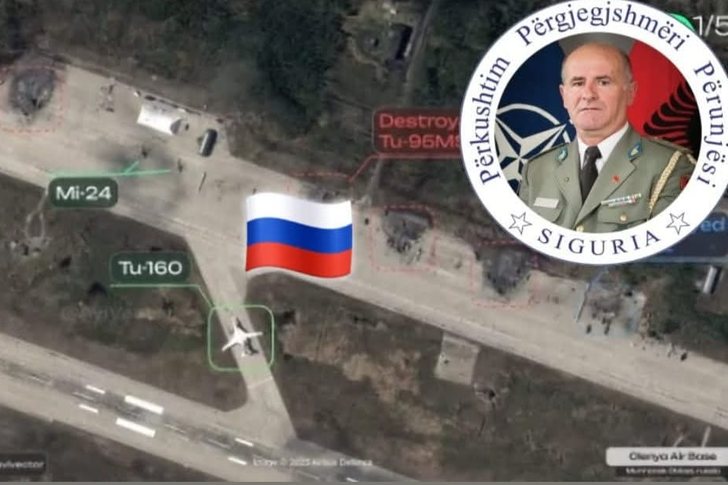
"Polar Bear Fury from Ukrainian Drone Barrage"!
In the capacity of engagements in National Security, Regio...


After years of effort and work to understand the European future of the Western Balkans, I no longer read economic reports solely through a political lens. I read them with growing concern. I hope that I am able to judge them even more objectively without compromising a simple analysis.
The OECD, or Organization for Economic Cooperation and Development, has recently published two reports, the Global Economic Prospects and the Western Balkans Economic Convergence Scoreboard, or the Western Balkans Development Gap Scoreboard, which compares the region's performance with Europe. If you read them together, you can easily understand that global shocks = local pain. Slowdown in global economic growth, inflation that is expected to increase, trade barriers, and every new conflict or war, affects the smallest and economically weaker countries the most. The dependence of the countries of our region on trade with the EU adds to the concern about high prices, especially in food and energy. In short, uncertainty will be dominant for a long time.
In an increasingly fragmented and uncertain world, the ability to cooperate on trade, digital development and investment is no longer an option. It is a necessity. For regions like the Western Balkans, which aim not only for EU membership but for comparable living standards, the message is clear: structural reforms are no longer about completing a checklist, they are bridges to a competitive and future-ready economy.
Supporting innovation and digital services, from healthcare to education, could be the engine of growth that finally narrows the competitiveness gap. But only if we shake off the complacency that holds us hostage and get serious about closing this gap.
In the Western Balkans, the lack of trust is not a scientific formula. It has names, it has faces. It is the young person preparing to leave; it is the entrepreneur reluctant to grow; it is the small business paying ever higher bills and facing more obstacles than help.
-Between 2015-2024, more than 635 thousand people emigrated, reducing the population in the Balkans by 4.4 million, with Albania having the highest growth in emigration.
-77% of businesses in the region report increased costs. Only one in three expects any improvement. (Balkan Barometer, 2023)
-Meanwhile, labor productivity is 'stuck' at just 40% of the EU average. Youth unemployment remains dramatically high. Only 34% of adults possess basic digital skills.
-Investments in Research & Development are low, around 17% of the EU level, and rely almost entirely on exhausted state budgets.
The OECD uses a significant term: “hurdle rate,” or the minimum rate of return on investment. In the Western Balkans, the “hurdle rate” is not simply economic. It is institutional. Legal. Psychological. It is no longer the interest rate that decides whether to invest or not. It is uncertainty.
Every delayed reform, every unstable law, every complicated procedure pushes it even further down the line.
The OECD warns: if we continue like this, without bold and coordinated reforms, the Western Balkans could reach the EU average only in 2074.
An older Europe. More digital. More exposed to climate crises.
And perhaps more fragmented, if cohesion policies do not deliver on their promises.
A continent where Artificial Intelligence will guide industrial policies, where the green economy will no longer be the exception, but the rule.
And where regions that don't catch up today risk being left behind forever.
We know our problems on the moral, human, and institutional levels.
The middle ones seem more complicated and cannot be solved with ratio formulas. Youth unemployment, low funding for innovations, lack of career stability, legal instability, still fragmented regional market, etc.
Of course, I have only referred to the reports here, which, as is the symbolism of the publication, are like a lighthouse in the middle of a storm - they shine, but the path to safe swimming does not depend on the light of the lighthouse.
In a troubled sea, it is not the lack of tools that sinks, but the reluctance to use them responsibly and seriously./ CNA

In the capacity of engagements in National Security, Regio...
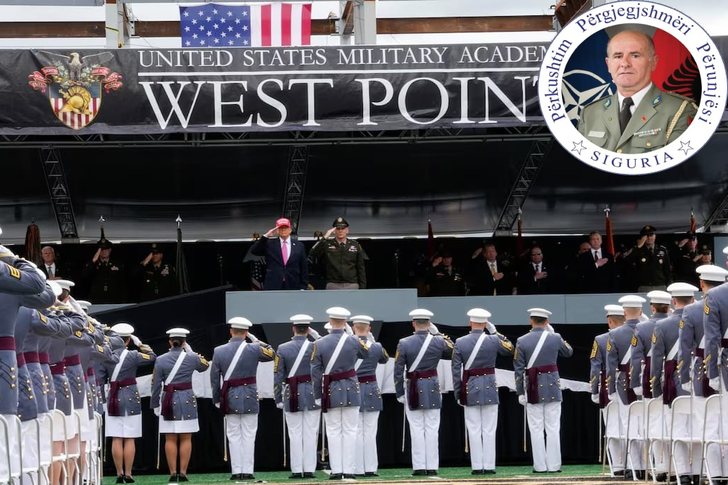
Almost two weeks ago, US President Donald Trump triumphant...
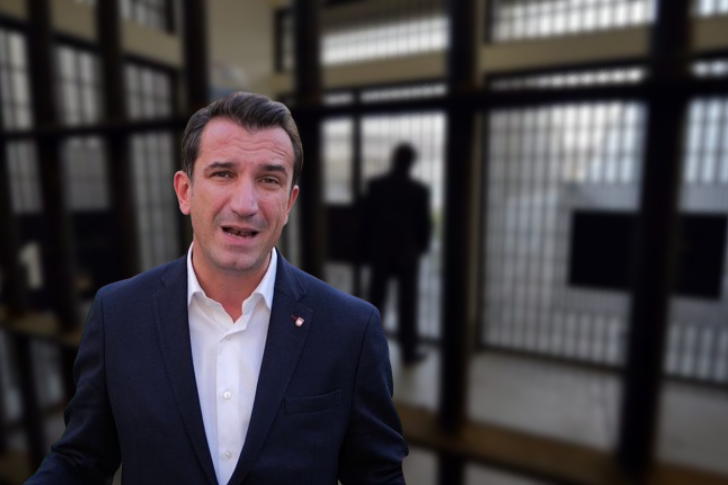
The next day, June 9, the appeal hearing of Erion Veliaj w...

12 years ago, one of the events that took center stage in ...
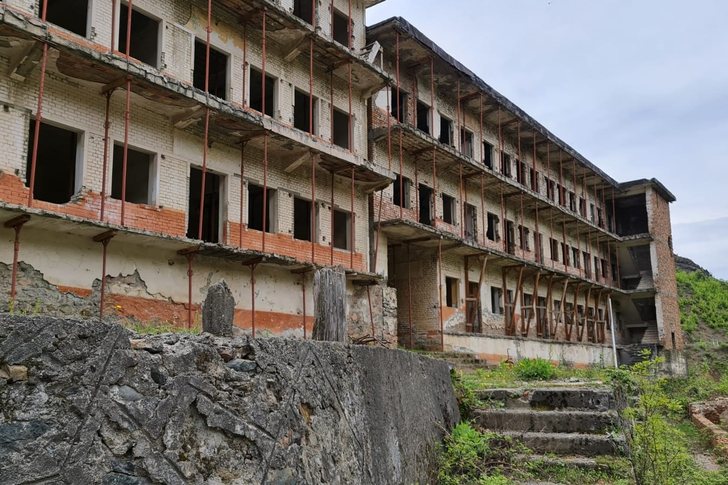
There are places that are wounds, not only on the body of ...
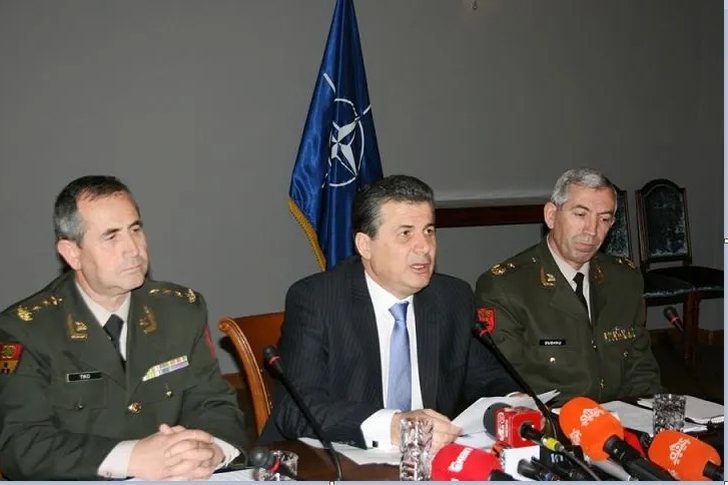
On May 11, Albania's 11th parliamentary elections were hel...
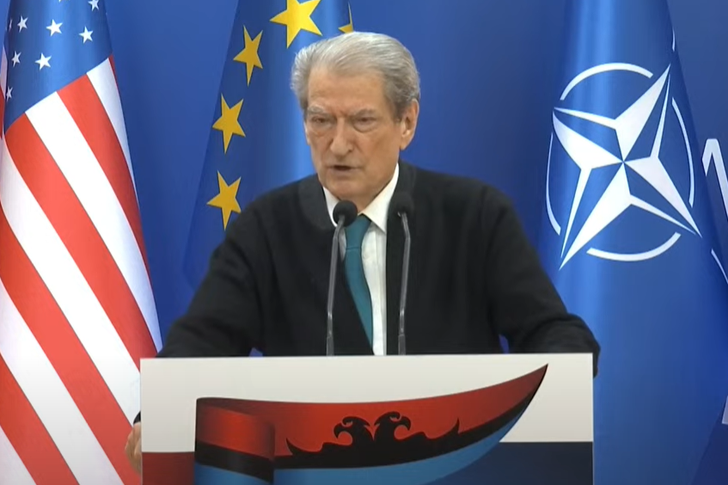
From 1945 to 1990, we had a taboo to think about Europe, w...
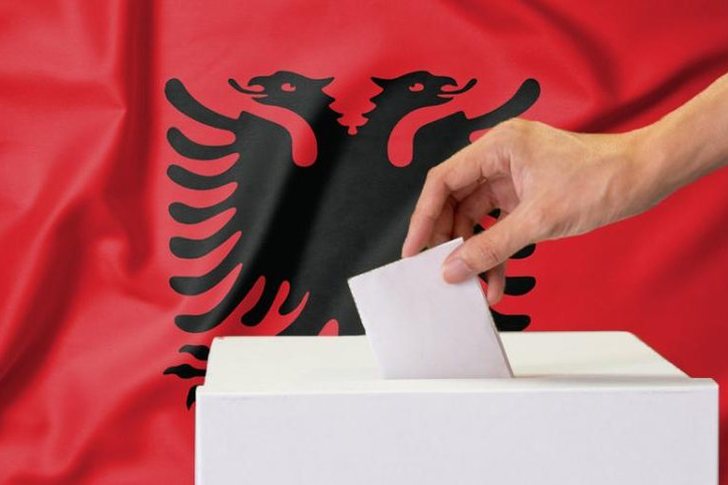
The CEC will recount the votes in the Tirana District unde...
In a country where the state is a party, where justice is ...
"We congratulate the people of Albania on the parliamentar...
Anyone today can see that in Albania we have a very large ...

The worst news of the day is not that Sali Berisha is not ...
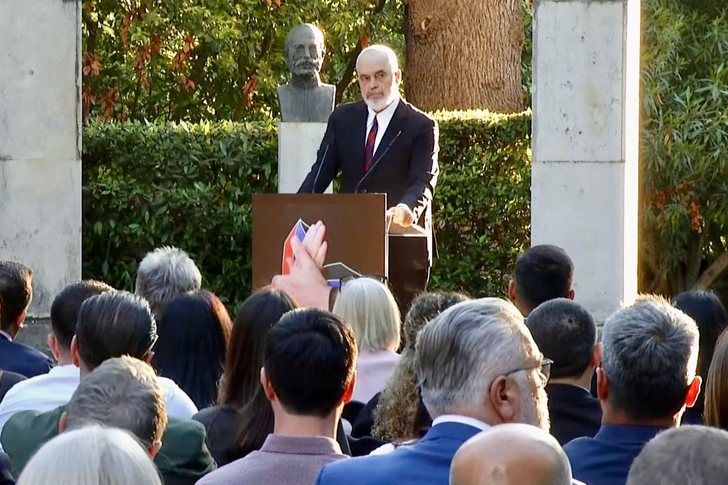
Prime Minister Edi Rama, in a celebratory meeting with the...
The President of France was slapped, LIVE, in front of the...
Two stances: Collective Absurdity and Naive Nihilism In t...
By Ulsi Manja I didn't write yesterday, hoping that God w...
The greatness of a man is not determined by the kind words...
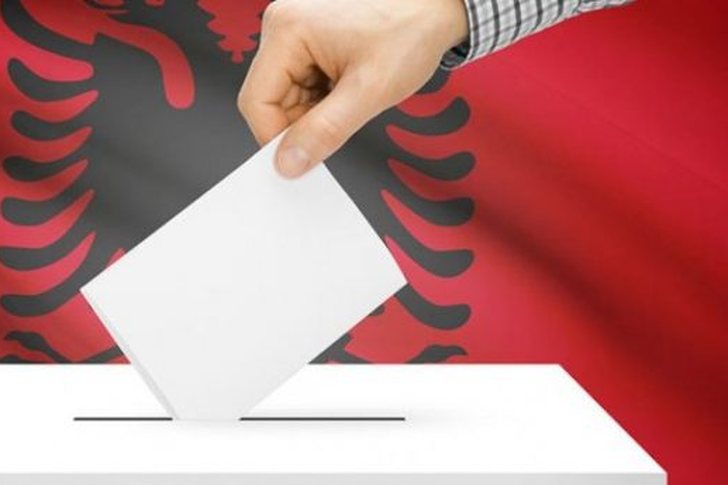
The preliminary report of the OSCE/ODIHR mission states th...
Albanian law firms are gradually gaining recognition and c...
Twelve years ago, in March 2013, in Venezuela, Hugo Chavez...
Irfan Hysenbelliu claims to be a big businessman, an hones...
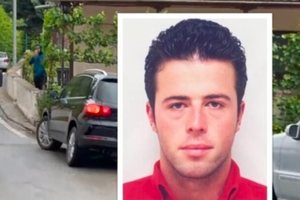
The murder of officer Enea Mekolli in the line of duty has...
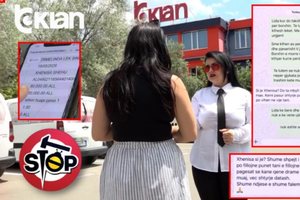
The next case broadcast on the show "Stop", this Thursday,...
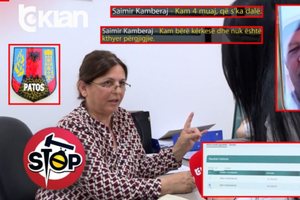
The case published this Thursday, June 4, on the show "Sto...

The Special Board of Appeal (KPA) decided this Monday ...

The KPA vetting decided this Thursday to dismiss the p...

Suela Salavaçi, a prosecutor in the Prosecutor's Offic...

The Special Board of Appeal reinstated the prosecutor ...
A 38-year-old man was arrested today near the Kamza turnof...
A money changer in Durrës lost 60 thousand euros after bei...
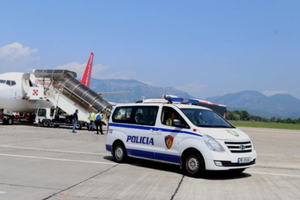
The 6 citizens captured in Dubai, members of criminal grou...
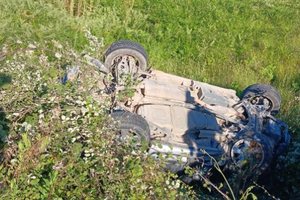
A serious accident occurred on the Kardhiq-Delvinë axis, i...
Today our country will be affected by stable weather condi...
For many children and teenagers, the long summer holidays ...
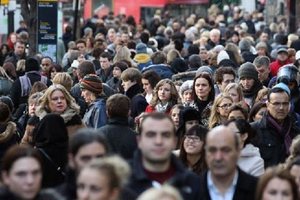
Albania is facing an unprecedented demographic transition,...
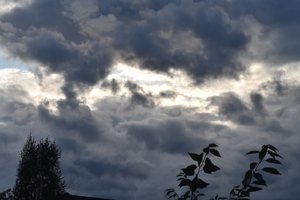
On Thursday, our country will be affected by unstable weat...
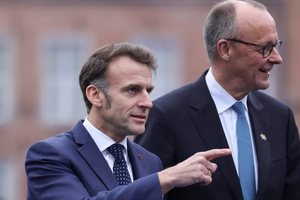
On the eve of the EU-Western Balkans summit, Germany and F...
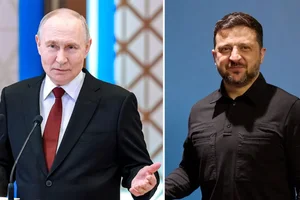
Russian President Vladimir Putin said the war in Ukraine c...
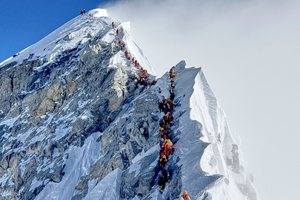
An extraordinary story of survival has been recorded in Ne...
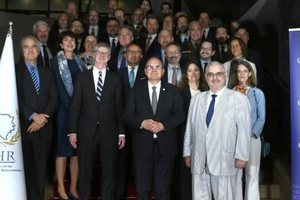
The Peace Implementation Council in Bosnia and Herzegovina...
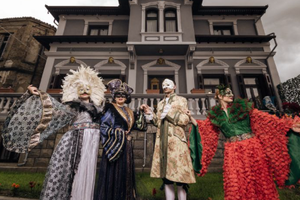
Korça is ready to open the summer season with one of the c...
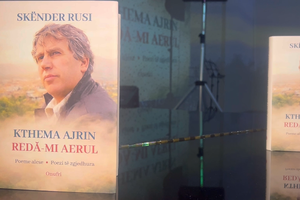
Two years after his passing, the renowned Korçë poet Skënd...
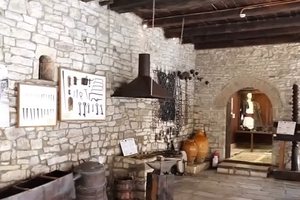
The Ethnographic Museum of Berat has opened its doors to v...
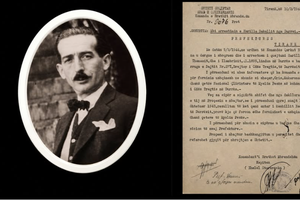
The story of Harilla Bakalli is one of the most chilling t...
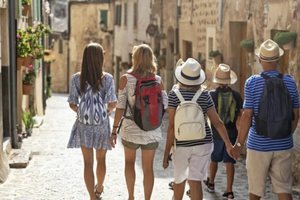
Despite years of efforts at regional cooperation and free ...
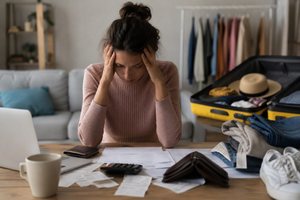
Albania is the country with the highest level of severe ma...

This Friday, one US dollar is bought for 81.3 lek and sold...
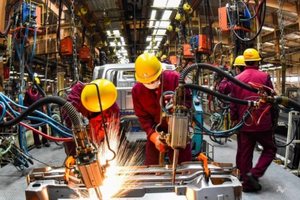
The government aims to transform the country's industrial ...