

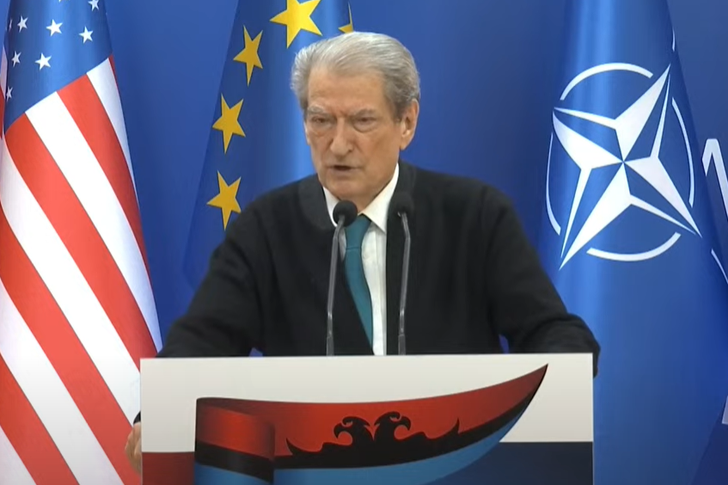
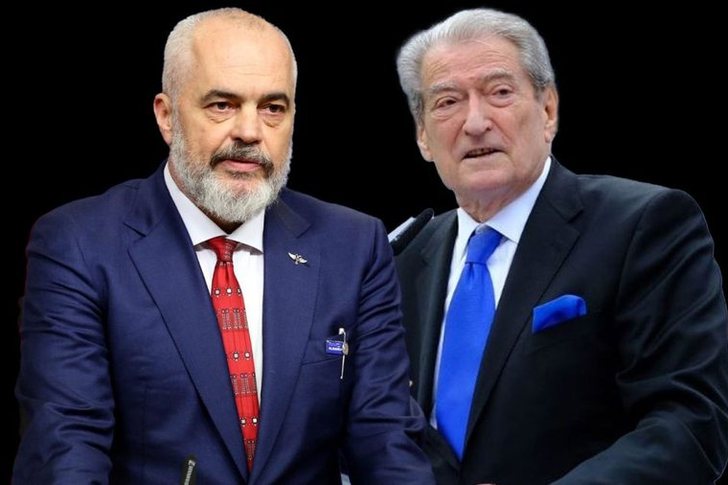
The vagabond Sali Berisha and the communist ambassador
From 1945 to 1990, we had a taboo to think about Europe, w...


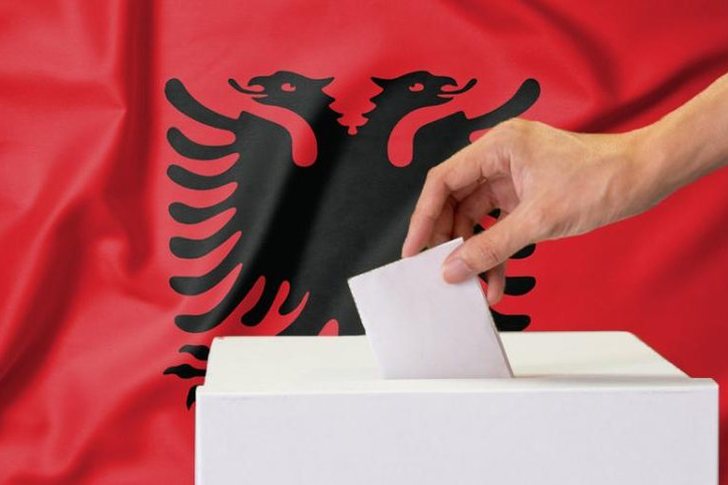
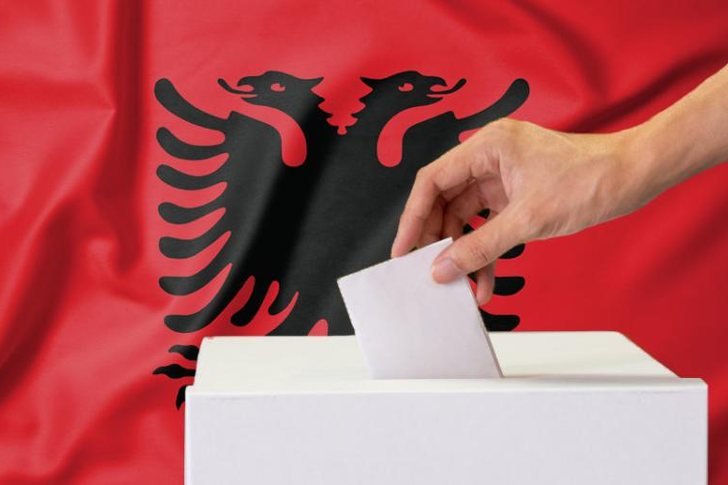
On May 11, Albania's 11th parliamentary elections were held. Defined as an indispensable instrument in democracy and for political rotation, these elections did not achieve such a standard. On the contrary, they recycled for the fourth time in a row only one political force.
The question raised by the Albanian citizen, but also by the international factor, is: Has Albania become safer or more insecure? Because it is a universally accepted correlation: national security is linked to internal stability, and internal stability is conditioned by political elections.
Precisely, in the assessment of these elections, Albania has not become safer. First, these elections were attended by an undemocratic electoral reform, which was in the interest of only the two main parties and to the detriment of democracy .
Secondly, the entire election process was unfair to the other competing entities.
Thirdly, the vote counting process is showing that there are complaints about vote fraud, with the loudest and most aggressive internal anathemas being leveled against the SP and DP, which had members at all levels of the committees and counting groups . The question that will never be answered is: what happened to the votes of other entities that did not have any members on the committees and counting groups?!
From the standard applied in elections also flows trust in institutions, which is essential for national security. In this respect, it is a fact that the third mandate of the political force in power showed great compromise. I am convinced that in the fourth mandate this compromise will be even greater since it is a continuation of the first three mandates.
In Albania, elections were held on May 11th and the Parliament is performing its functions with the deputies of the previous legislature, which will continue until September, a full 4 months! As paradoxical as it is intentional for the possibility of abuse.
In Kosovo, although the political elections have been over for 4 months, the new Parliament has not yet been constituted, an unprecedented case in the democratic world. And this is happening precisely when the clouds over Kosovo's security remain dark : international recognitions have been halted; relations with major natural allies have been damaged; the security situation in the region is threatened by many actors and factors.
Intentionally or unintentionally, the fact is that, in both countries, a vacuum of legislative power has been created, which undoubtedly negatively influences national security.
In North Macedonia, the Ohrid Agreement seems to be being undermined by transforming it from a document that was supposed to guarantee fundamental equality between ethnic communities into a formal document. In practice, its function has been degraded to the political, economic, military and social representation of the Albanian entity. The Albanian language is being attacked, and Slavicization tendencies are being inspired on the one hand and de-factorization tendencies of Albanians on the other.
We are living in a historic time, when geopolitical balances are changing rapidly. A resizing of the geographic and geostrategic engagement of the US is expected, an increasingly different role for Europe and an increase in Russia's aggressiveness. Of course, these developments will bring a resizing of the presence and support from allies and partners. This was also emphasized these days by Christopher Landau, Deputy Secretary of the US Department of State on the 30th anniversary of the Dayton Agreement, an agreement concluded specifically for the Balkans, when he said that the US "does not provide unlimited means for unspecified, uncertain or unrealistic goals" and "we will work only with those who are committed with practical realism to their countries".
Of course, these will and should bring about a re-dimensioning of the Albanian national security policy. Albanian politicians should not think only about the next elections, but especially about future generations, about Albanian national security. If one thinks and acts in function of this obligation, that is, in function of national security, there is a way out, both in Albania and in Kosovo. In Albania, the way out is a transitional government with three goals: carrying out the necessary constitutional changes, reviewing the territorial division and democratic and transparent electoral reform, while in Kosovo, a compromise to create a government based on a broad coalition.
It is time to remember that the Albanian Kingdom, the only Albanian political regime that declared itself and truly worked for all Albanians, respecting political elections and institutions, which had voice and power, but above all respected the Albanian nation and national security.

From 1945 to 1990, we had a taboo to think about Europe, w...
The CEC will recount the votes in the Tirana District unde...
In a country where the state is a party, where justice is ...
"We congratulate the people of Albania on the parliamentar...
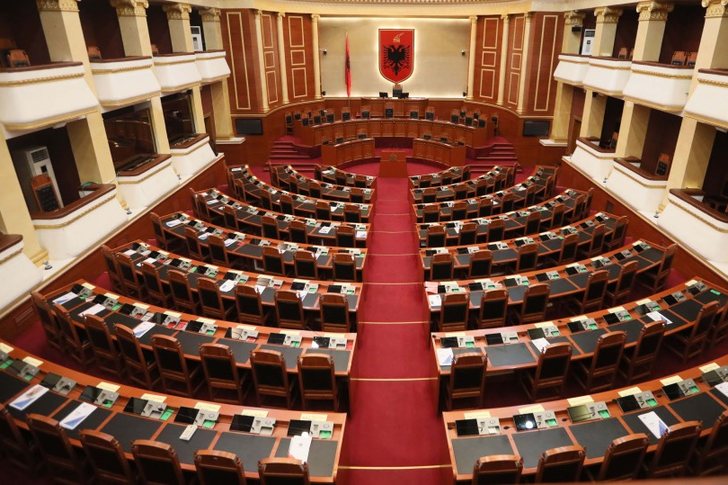
Anyone today can see that in Albania we have a very large ...

The worst news of the day is not that Sali Berisha is not ...
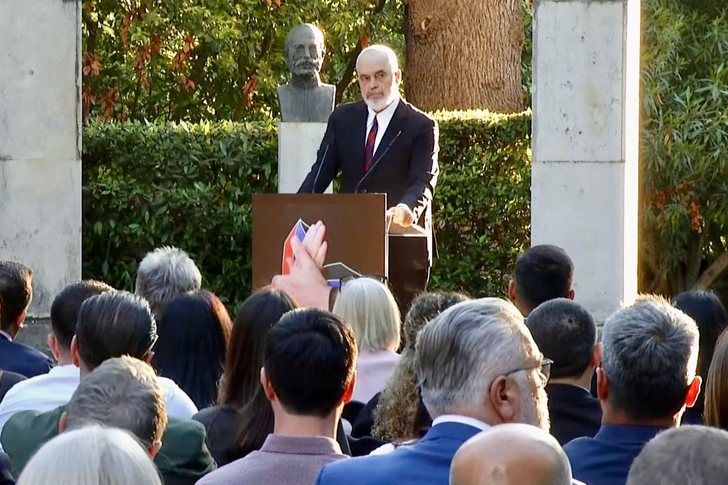
Prime Minister Edi Rama, in a celebratory meeting with the...
The President of France was slapped, LIVE, in front of the...
Two stances: Collective Absurdity and Naive Nihilism In t...
By Ulsi Manja I didn't write yesterday, hoping that God w...
The greatness of a man is not determined by the kind words...
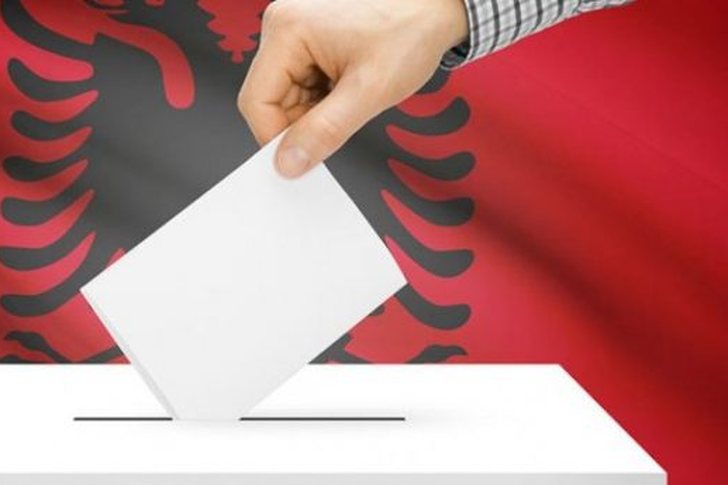
The preliminary report of the OSCE/ODIHR mission states th...
Albanian law firms are gradually gaining recognition and c...
Twelve years ago, in March 2013, in Venezuela, Hugo Chavez...
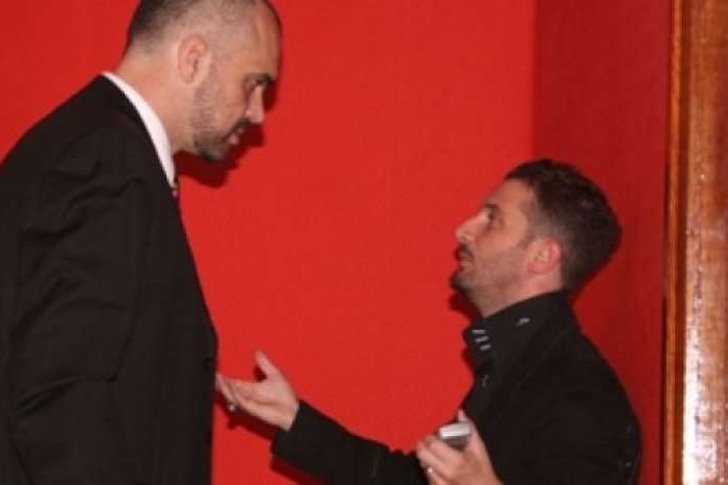
Before the final results of the elections were out, Erjon ...
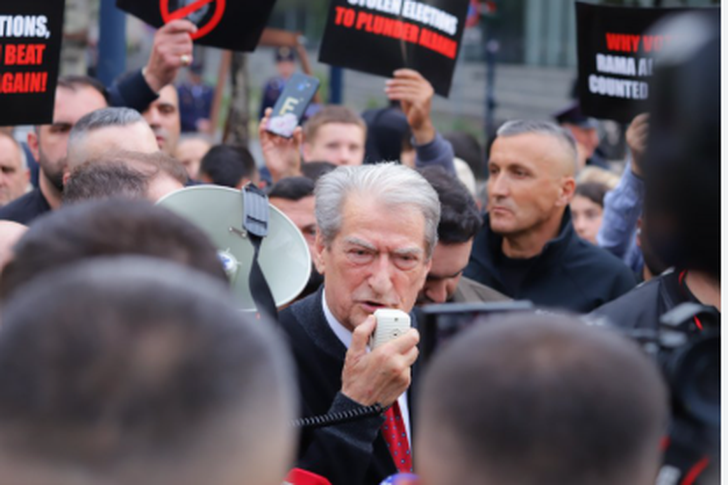
Edi Rama won his fourth term... The DP lost for the fourth...
Factual analysis with concrete figures by Andrea Bregu Be...
The most important challenge of this year in the country's...
After failing with "non grata", with SPAK and the Special ...

An incident with the votes of the "Mundësia" Party was eno...
Irfan Hysenbelliu claims to be a big businessman, an hones...

The murder of officer Enea Mekolli in the line of duty has...
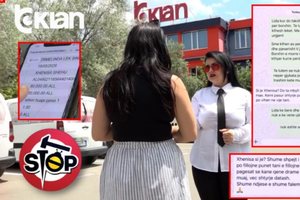
The next case broadcast on the show "Stop", this Thursday,...
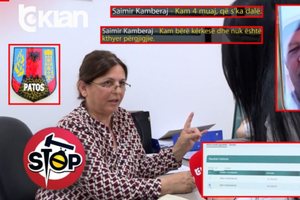
The case published this Thursday, June 4, on the show "Sto...

The Special Board of Appeal (KPA) decided this Monday ...

The KPA vetting decided this Thursday to dismiss the p...

Suela Salavaçi, a prosecutor in the Prosecutor's Offic...

The Special Board of Appeal reinstated the prosecutor ...
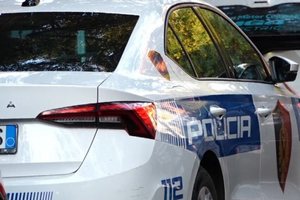
A 38-year-old man was arrested today near the Kamza turnof...

A money changer in Durrës lost 60 thousand euros after bei...
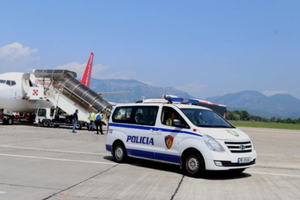
The 6 citizens captured in Dubai, members of criminal grou...
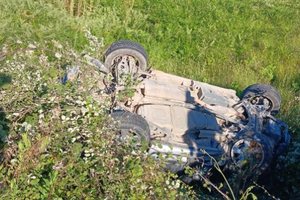
A serious accident occurred on the Kardhiq-Delvinë axis, i...

Today our country will be affected by stable weather condi...

For many children and teenagers, the long summer holidays ...
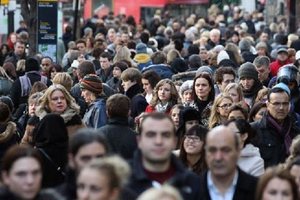
Albania is facing an unprecedented demographic transition,...
On Thursday, our country will be affected by unstable weat...
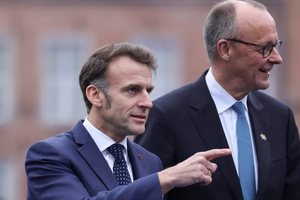
On the eve of the EU-Western Balkans summit, Germany and F...
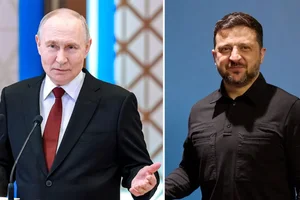
Russian President Vladimir Putin said the war in Ukraine c...
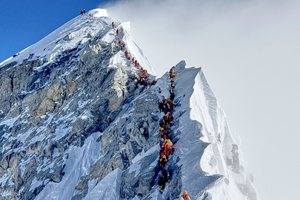
An extraordinary story of survival has been recorded in Ne...
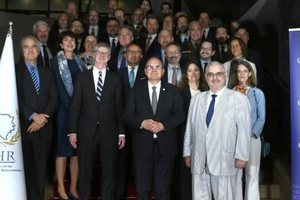
The Peace Implementation Council in Bosnia and Herzegovina...
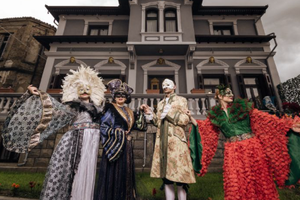
Korça is ready to open the summer season with one of the c...
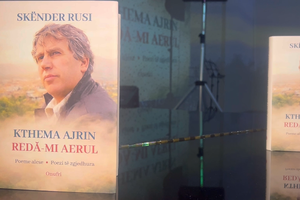
Two years after his passing, the renowned Korçë poet Skënd...
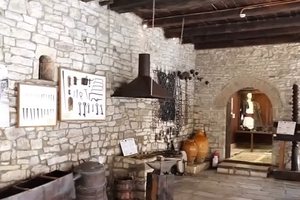
The Ethnographic Museum of Berat has opened its doors to v...
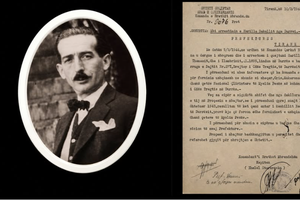
The story of Harilla Bakalli is one of the most chilling t...
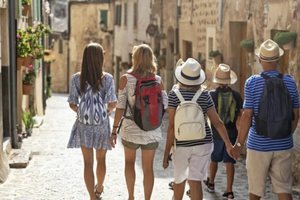
Despite years of efforts at regional cooperation and free ...

Albania is the country with the highest level of severe ma...

This Friday, one US dollar is bought for 81.3 lek and sold...
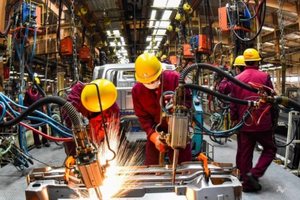
The government aims to transform the country's industrial ...