


More details emerge/ 3 weapons found in the shed where Braçellari was hiding
Investigations into the serious incident in Lozhan, where ...

Investigations into the serious incident in Lozhan, where ...

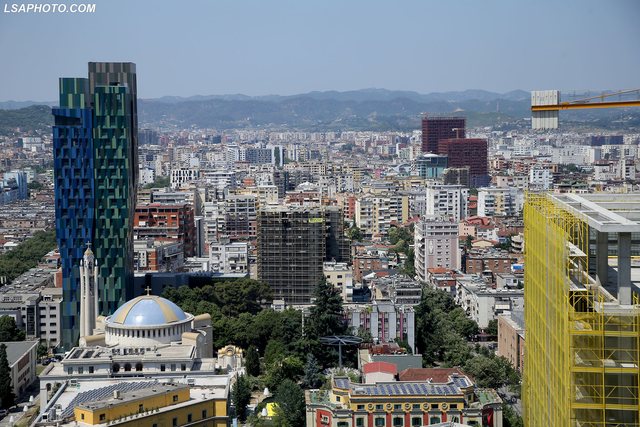
Official Gross Fixed Capital Formation (GFCF) data for 2024 show that 31.5% of net investment in the economy was channeled into housing construction, up from 30.8% in 2023. Meanwhile, investments in technology equipment are almost symbolic. Only 0.21% of the total. Even spending on intellectual property products (innovations, patents, software) remained at 0.37%. This trend indicates an economy that is consuming capital in an unproductive sector, instead of building modern production capacities.
In the European Union, housing investment accounted for an average of 5.6% of GDP in 2021, while the countries with the largest share, such as Cyprus (7.6%) and Germany and Finland (7.2%), remain far from the Albanian level. Greece had a minimum share of 1.3%. Also, the gross value added of the construction sector in the EU fluctuates around 5.5% of GDP, while in the US fixed residence (construction and redesign of housing) accounts for around 4% of GDP and the entire housing economy (rent, utilities) around 16.2%. These figures show that even countries with strong construction sectors do not allow this sector to absorb a third of national investments.
Why is orientation from concrete problematic?
1. Low productivity and lack of diversification. Investment in housing does not increase productive capacity or international competitiveness. Capital spending on technology and intangible assets is necessary to increase productivity. When only 0.21% of investment goes into technology, the country risks being left out of the digital revolution.
2. Lack of financial education. Most Albanian families, due to tradition and lack of financial literacy, see real estate as the safest form of investment. In the absence of knowledge about other instruments (capital markets, investment funds, bonds), savings are massively channeled into construction. This lack of diversification makes the economy vulnerable to real estate market crises.
3. Growth of the informal economy. The latest report by the Global Initiative Against Transnational Organized Crime highlights that the construction and real estate market in Albania are among the sectors with the highest risk for money laundering. Buying property with cash without proving the origin of the funds is still possible, only 40% of transactions are financed with mortgages, and many construction companies have links to criminal groups. The study highlights that 68% of money launderers use expensive real estate to “launder” illicit profits. These practices artificially increase demand and housing prices, creating a bubble that could burst.
4. Suspicious financing. According to the Albanian Conservative Institute, illicit flows entering Albania amount to 1–4 billion euros per year (5–17% of GDP) and are mainly channeled into construction. Banks cover only about 22% of the sector’s financing, raising questions about where the rest of the funds come from. Other reports suggest that 500–700 million euros are laundered annually through construction.
Countries with consolidated economies have developed diversified investment cultures. Capital is channeled into technology, research and development, infrastructure and intangible assets. To move towards this model, Albania needs to take several steps:
* Increase financial education. School programs and family savings should orient citizens towards different investment instruments (bonds, stocks, index funds). Financial literacy helps individuals understand risk and avoid dependence on a single asset.
* Strengthening capital markets and innovation. Creating a reliable environment for start-ups, the creative economy and technology would diversify the investment portfolio and increase productivity.
* Combating the informal economy and money laundering. Specialized bodies such as SPAK should increase control over real estate transactions, requiring proof of the origin of funds for any large investment. The GI TOC report highlights that investigations into undocumented construction should be intensified and cash purchases should be restricted.
* Stimulative fiscal and banking policies. Reducing the tax burden on productive sectors and facilitating lending for innovation and agriculture can shift capital from concrete to value-added activities.
Albania faces a development paradox. Economic growth supported by construction, but with a lag in sectors that generate long-term income. A modern economy cannot rely only on “mortar and bricks”. To break this cycle, it is essential to strengthen financial education, diversify investment portfolios and crack down on illicit sources of capital. Only then will we be able to build a sustainable economy that creates employment, innovation and well-being for all.

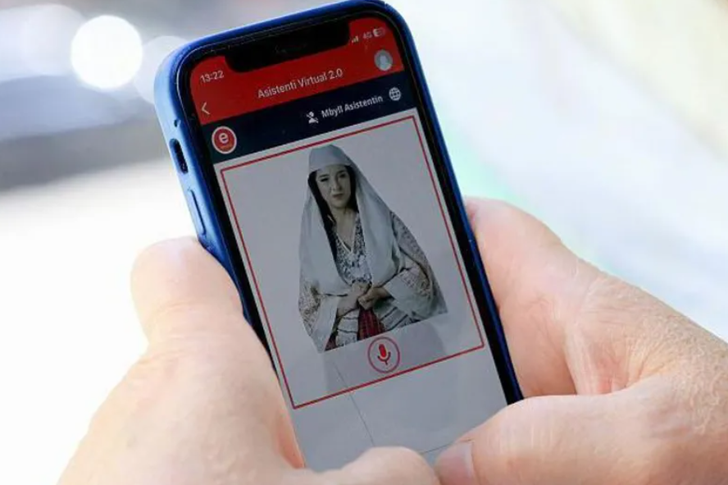
We couldn't solve the problems, they were deep, But from tod...
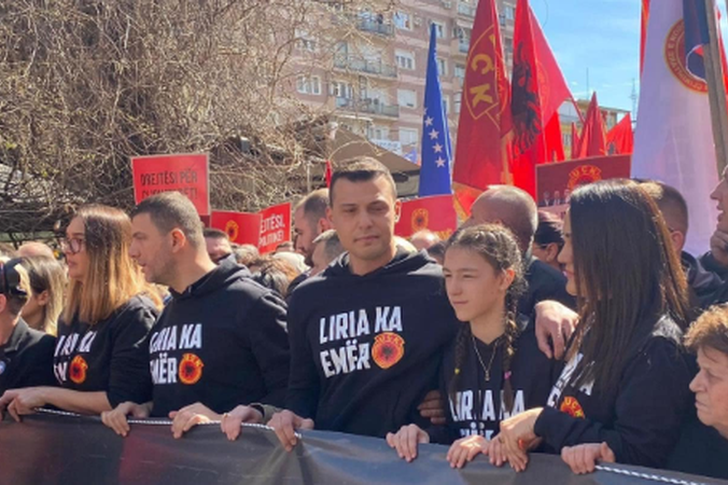
Dëshmia e James Rubin, ish zv sekretarit amerikan të shtet...
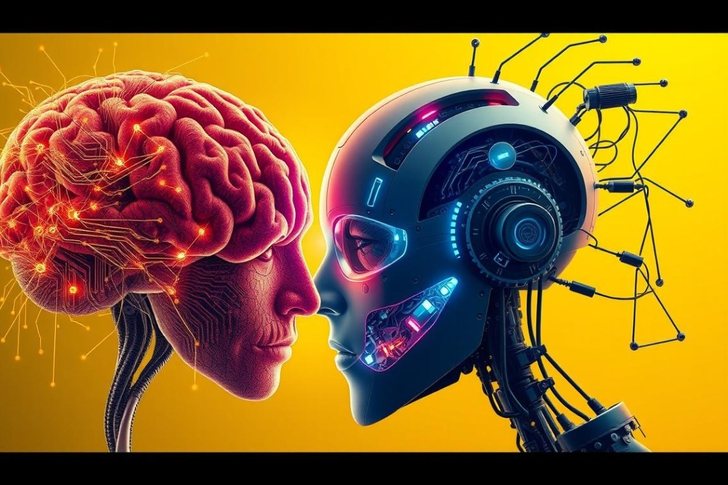
It is not a topic of debate or a matter of sensational hea...
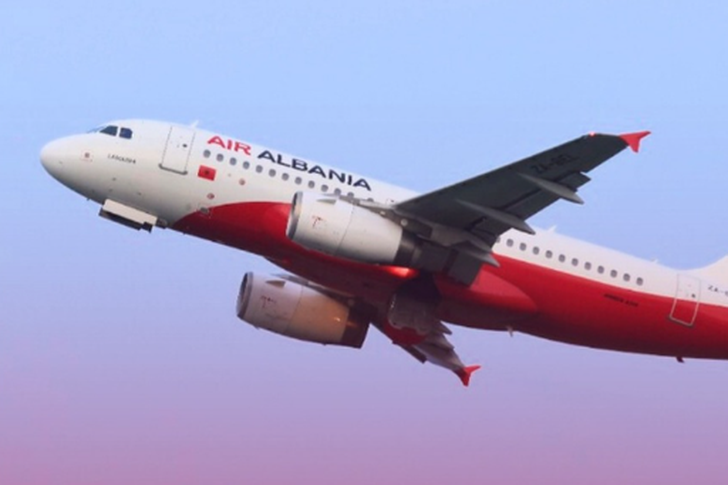
"Air Albania" is an airline, not without problems, started i...
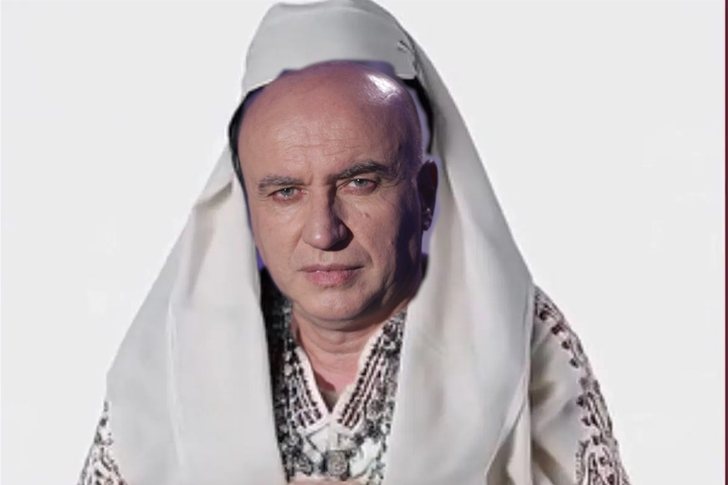
Prime Minister Edi Rama announced that there would be a mi...
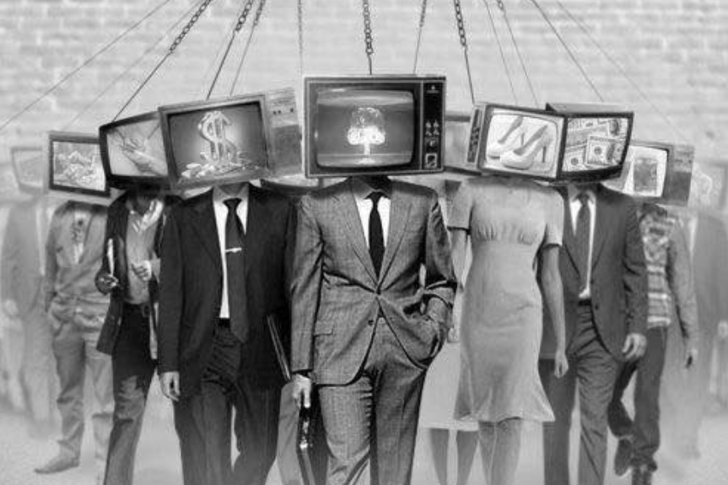
How can politics and ethics be reconciled, or, put anoth...
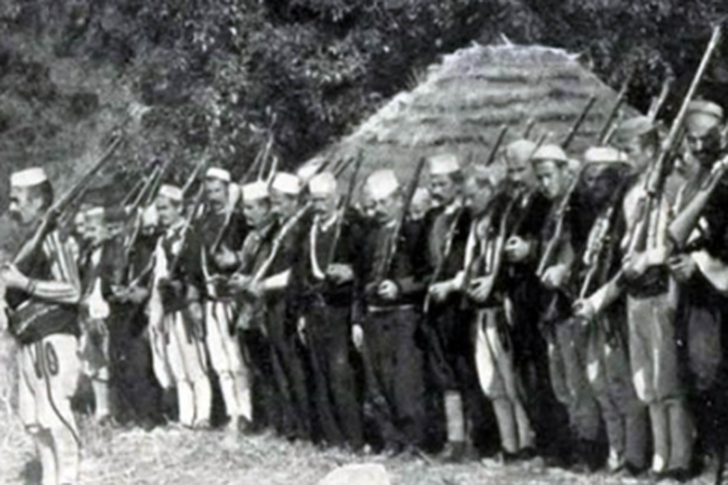
September 9, 1946, the second anti-communist uprising of P...
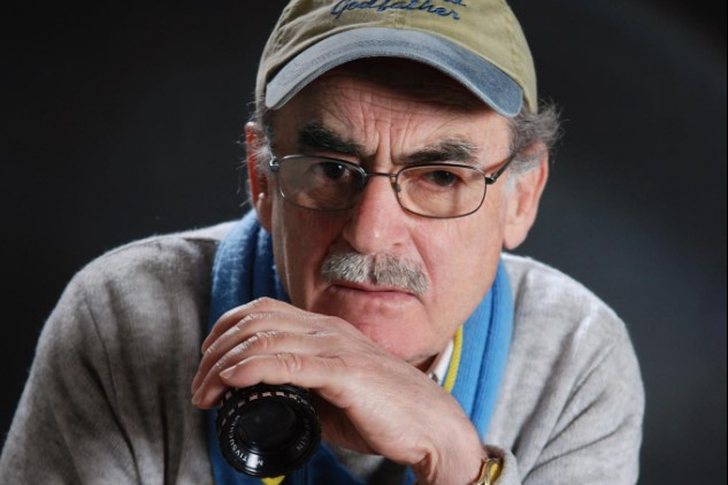
Dhimitër Anagnosti is gone, but his cinema lives on. His f...
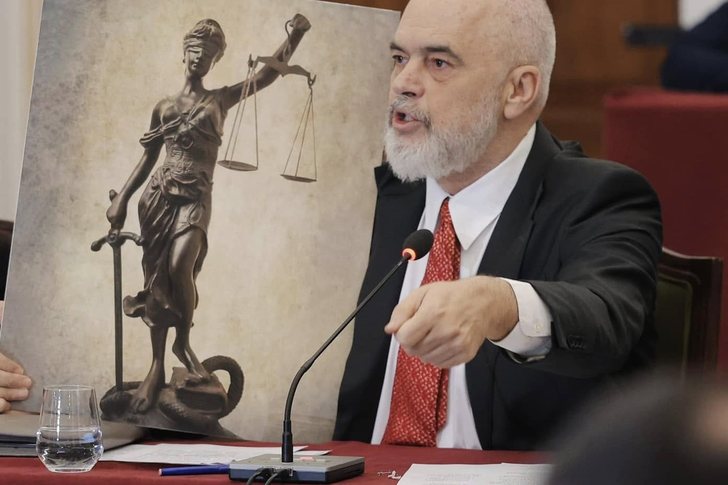
"The theatre of power is always greater than the theatre o...

Metaphorically A popular aphorism, a bitter metaphor for ...
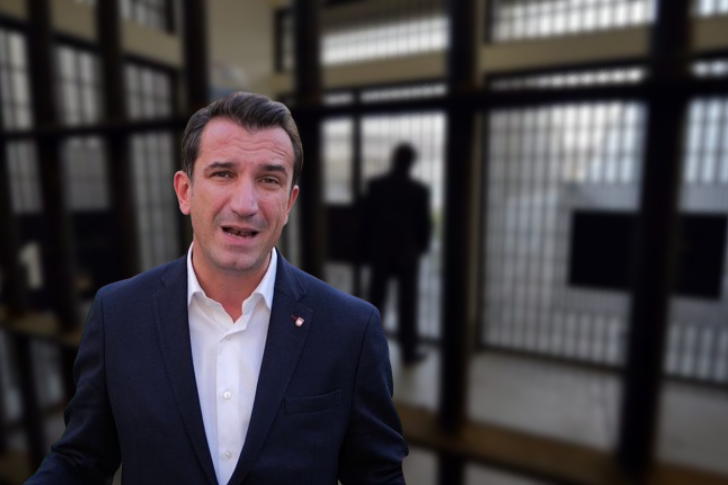
Erion Veliaj has overcome the "first confusion". Focusing...

Today, integrity is a forgotten value. In a time when facade...
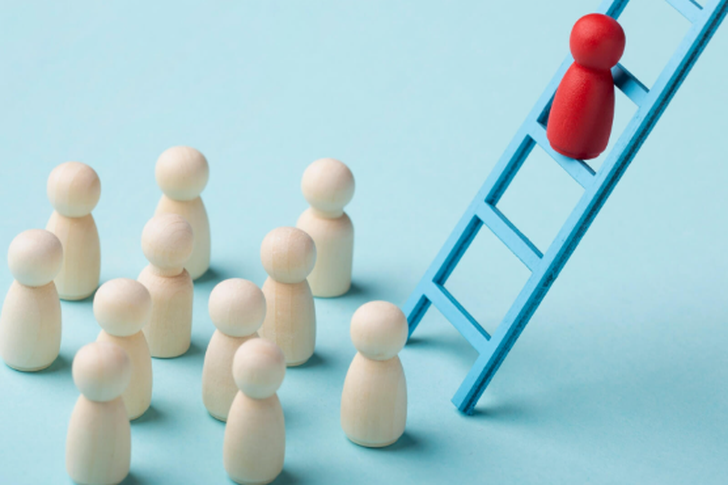
I first heard this expression in 1997 at a press conference ...

One of the most negative phenomena of the free media is it...
In Albania, you are not who you are, but who you declare y...
Why do you speak up when those who work there don't sp...
At a time when the debate over the role of wealth and the ...
Albania is burning. From south to north, the flames have ...
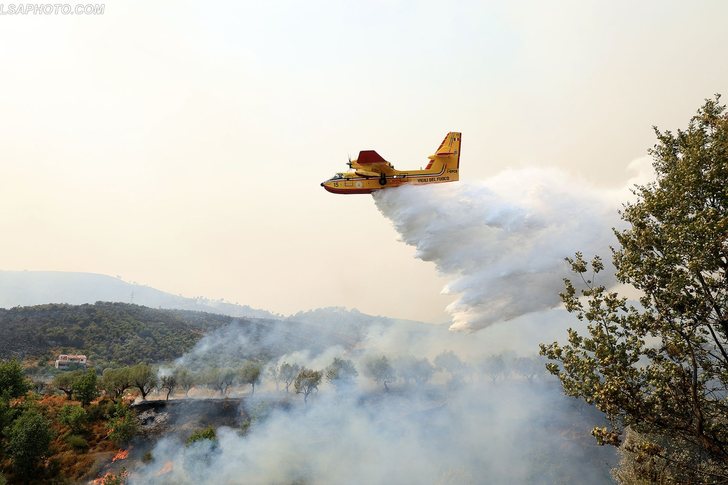
Albania is facing the flames. The fires have conquered...
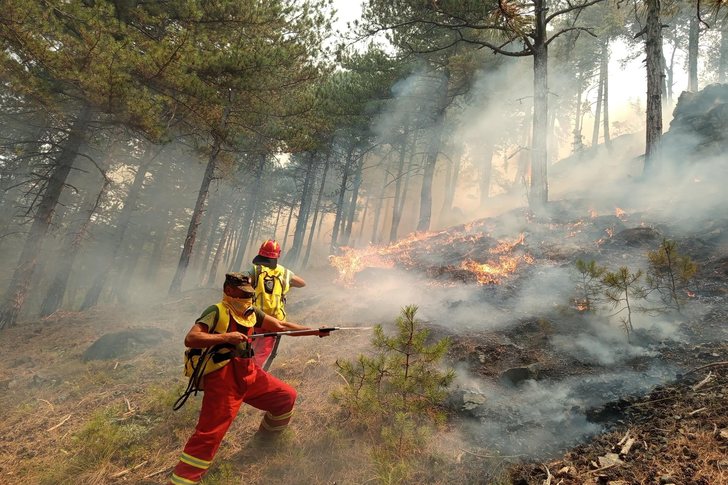
Man is the only creature that knows how to light fires, th...
The next case broadcast on the show "Stop", this Thursday,...
The case published this Thursday, June 4, on the show "Sto...
The protests of recent days related to the situation in Zv...
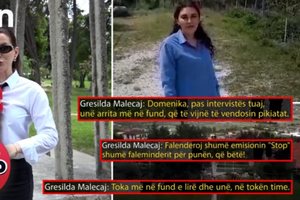
The case addressed this Wednesday, June 3, on the show "St...

The Special Board of Appeal (KPA) decided this Monday ...

The KPA vetting decided this Thursday to dismiss the p...

Suela Salavaçi, a prosecutor in the Prosecutor's Offic...

The Special Board of Appeal reinstated the prosecutor ...

A money changer in Durrës lost 60 thousand euros after bei...
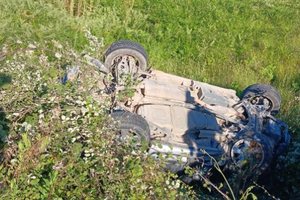
A serious accident occurred on the Kardhiq-Delvinë axis, i...
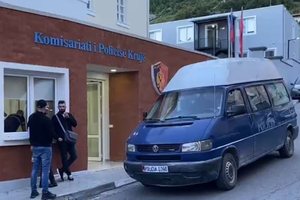
Authorities have conducted a large-scale anti-drug operati...
A convict was found dead today in the premises of the Pris...
Today our country will be affected by stable weather condi...

For many children and teenagers, the long summer holidays ...
Albania is facing an unprecedented demographic transition,...
On Thursday, our country will be affected by unstable weat...
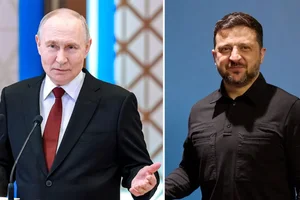
Russian President Vladimir Putin said the war in Ukraine c...
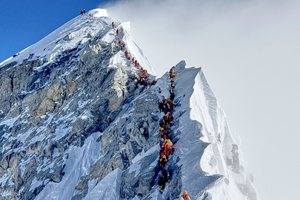
An extraordinary story of survival has been recorded in Ne...
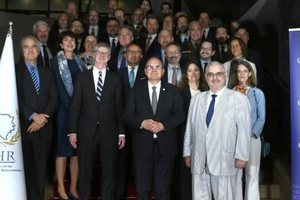
The Peace Implementation Council in Bosnia and Herzegovina...
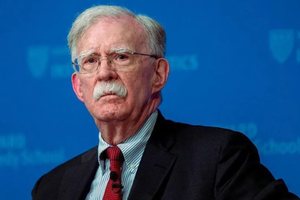
John Bolton, the former national security adviser to US Pr...
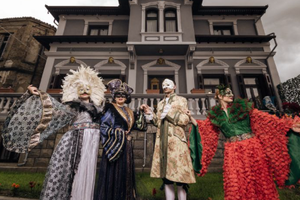
Korça is ready to open the summer season with one of the c...
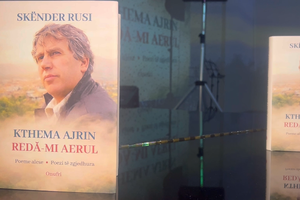
Two years after his passing, the renowned Korçë poet Skënd...
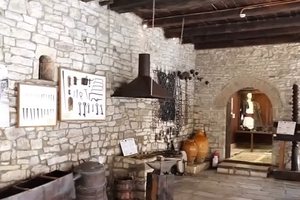
The Ethnographic Museum of Berat has opened its doors to v...
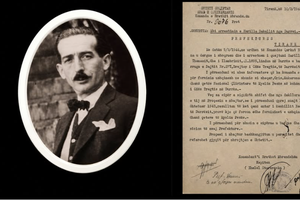
The story of Harilla Bakalli is one of the most chilling t...
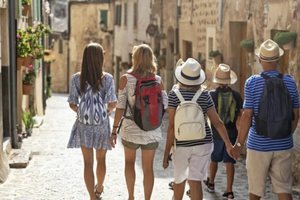
Despite years of efforts at regional cooperation and free ...
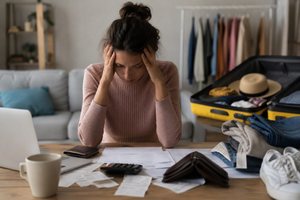
Albania is the country with the highest level of severe ma...
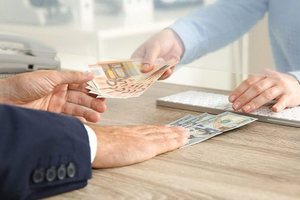
This Friday, one US dollar is bought for 81.3 lek and sold...
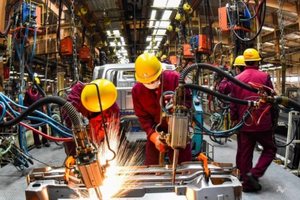
The government aims to transform the country's industrial ...