


Begaj pays tribute to the slain officer/ Family members demand accountability: You are killing us, be smart
President Bajram Begaj participated in the tributes in hon...

President Bajram Begaj participated in the tributes in hon...

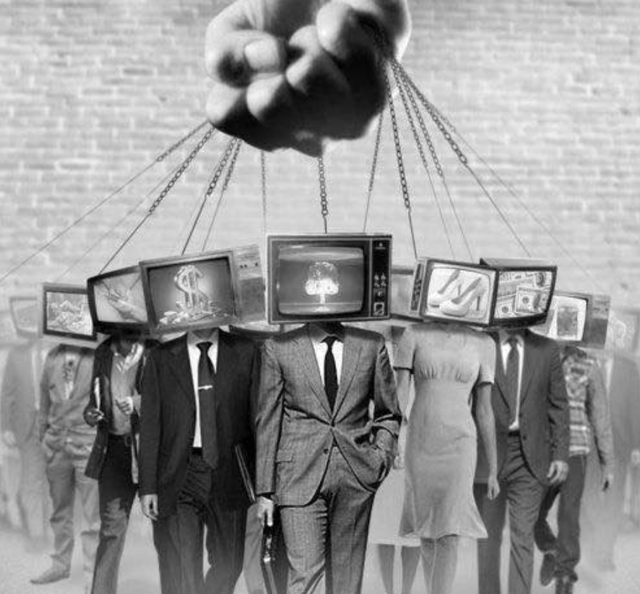
How can politics and ethics be reconciled, or, put another way, how can the tension between them be managed?
This is the dilemma that the renowned German sociologist Max Weber elaborated in his lecture “Politics as a Call,” which he delivered to the “Association of Free Students” in January 1919, during the short-lived Munich Revolution. More than a century later, his work still serves as a stark reminder of the overlapping dangers of demagogy, personalized leadership, and improvisation.
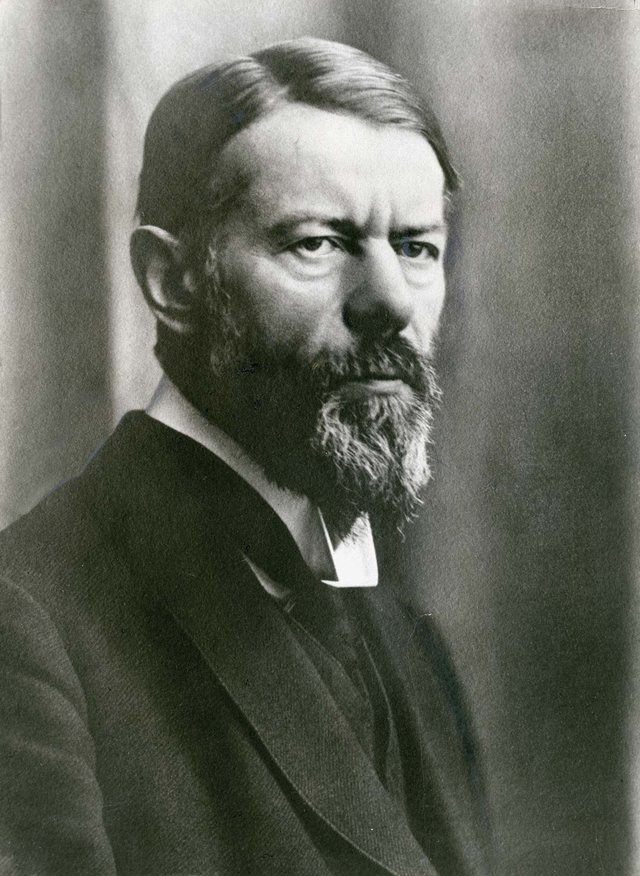
Although nowadays it seems utopian to answer the question of what is the ethical essence of politics, the answer would not be complete if it were limited only to the contrast between the "ethics of obedience" and the "ethics of responsibility".
According to Weber, the first is about moral strength, while the second is a true political call that requires a wholehearted commitment to a major issue, accompanied by the exercise of a deep sense of responsibility.
I called on Weber to help me better understand the paradoxical situation in which the process of EU enlargement and consolidation finds itself. After Russia's invasion of Ukraine, most of the European political elite believes that the enlargement and consolidation of the European project is necessary and inevitable, but at the same time, it is impossible.
Since that dramatic moment for European security, three opportunities have been missed. First, the Europeans have failed to capitalize on the resistance of Ukrainians in the east of the continent to end the unresolved statehood conflicts in Southeast Europe in order to focus on the long-term confrontation with Russia in the east of the continent.
In the current geopolitical annihilation context, the main EU member states chose the shortest path with the Western Balkans, concluding several agreements driven by the obsession with migration (Italy-Albania); access to natural resources (Germany-Serbia); access to the military industry (France-Serbia). Reinforcing the conviction that the Western Balkans, although geographically surrounded by the EU, are treated as a periphery where the 'problems' of the EU giants can be solved.
In terms of security and politics, the Western Balkans is far from being a region in the true sense of the word with common objectives. The investment of more than two decades in a policy focused on Serbia or its good relations with Albania in the function of regional stability, resulted neither in its democratization, nor in Serbia's embrace of a common European foreign policy.
Even at this point, the EU once again found a shortcut by imposing some restrictive measures on Kosovo, even though it is well known who is instigating the disorders in the region, and that Kosovo, as a state, has been aligned with the West since the first day of its creation.
Although Albania has cultivated a Western-aligned approach to foreign policy since the fall of the communist regime, it strangely asked the EU to "not put pressure on Serbia to join sanctions against Russia." While, on the other hand, it did not hesitate to publicly warn against the unjust restrictive measures that the EU imposed on Kosovo. And even canceled the joint meeting of governments, as a sign of distancing itself from the latter.
Not even the terrorist attack in Banjska, which, unlike other conflicts in Europe, was an aggression instigated by an EU candidate country against a neighboring country aiming for EU membership, changed the EU's pragmatic compass without a strategic vision towards the region. The reprimanding statements against Belgrade were not accompanied in any case by concrete actions.
Therefore, today no one should be surprised by what is happening in Serbia. The reason why students who have been protesting in the streets of Serbia for a year do not wave the EU flag should be sought in the fact that the EU has preached more than fought for the implementation of democratic standards and European values ??in our region. It is no exaggeration to say that the EU, with its policy, has lost Serbia, in addition to losing its investment: Aleksandar Vu?i?.
Second, President Biden’s administration did not produce the desired changes in the region. Although Biden will probably be remembered as the last Atlanticist president in the White House, his thesis of a division between democracy and autocracy did not work in relation to the challenges of democracy and the rule of law in Southeast Europe. As one of the most prominent political scientists in the US, Ian Bremmer, said in my podcast “Public Square”, “The US had that position in 1989, when the ‘Berlin Wall’ fell.
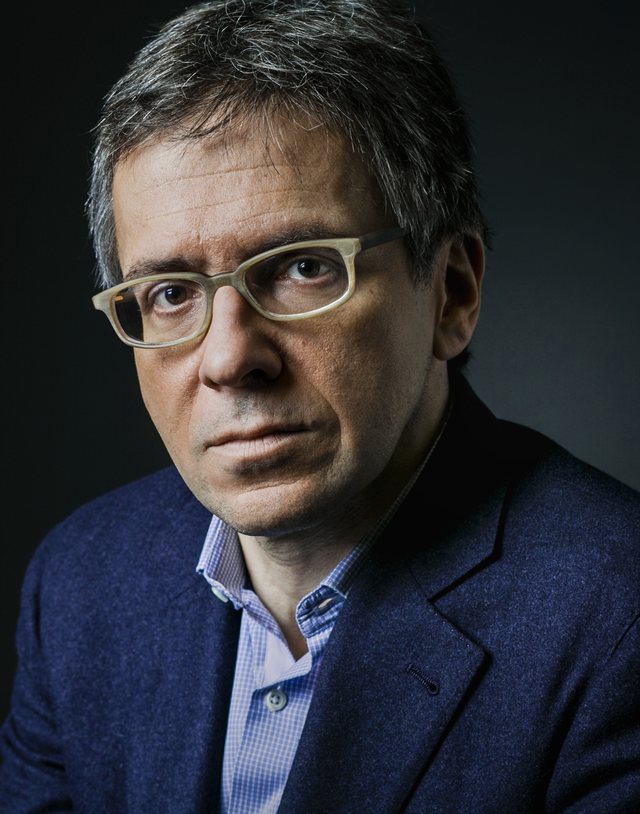
But in 2024, the idea that an American president says that 'the United States will distinguish between democracies and authoritarian regimes' is not very credible, it does not reflect reality."
In our region , elections have lost their importance. What Tocqueville once defined as their "surprise effect" is due to the hectic state in which society is involved in an electoral process and the fact that the outcome of the elections cannot be predicted in advance, nor can it be changed afterwards .
Unlike most Western countries and Central and Eastern European countries, which experienced frequent changes of power as they became part of the EU, the longevity and personalization of power are distinctive features in the Western Balkans. Even in those cases where political rotation has been possible, it has not been accompanied by a transformative agenda and a vision for the future.
Likewise, regional initiatives with an economic background, which were supported by the Biden administration with the principle of "let's do business first and politics later" did not achieve the expected results nor did they help mitigate disputes and transform former enemies into good neighbors.
Third, Chancellor Olaf Scholz's Germany spoke of a "Zeitenwende" (turning point) and promised in the government program an "acceleration" of the EU accession process of the Western Balkan countries, which did not happen.
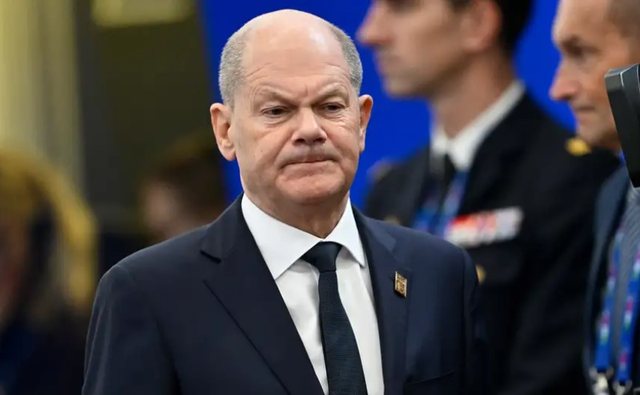
To date, each wave of EU accession has had Germany as the driving force, combined with leading coalitions from member states pushing the process forward.
Let us have no illusions. The Commissioner for Enlargement's encouraging words regarding negotiation chapters, frontrunner countries and possible dates for EU accession must be matched by the reality on the ground regarding the state of democracy, the rule of law in the economy, the de-capturing of the state, media freedom, the inclusion of the opposition, civil society, academia and business as an integral part of the enlargement process. At the same time, these words must be matched by the political commitment of the main EU countries and the practice of previous enlargement rounds.
The same approach was followed with the 2018 Enlargement Strategy, where the then Enlargement Commissioner stated that: “Serbia and Montenegro, as two vanguard countries, could join the EU in 2025.” Looking back seven years later, I think that, in any case, words should be backed up by concrete actions, as otherwise they risk producing the scene of “double claim”, which we have witnessed several times, where on the one hand, the Western Balkan countries claim to be “reforming”, and on the other hand, the EU claims to be “enlarging”.
Although since February 24, 2022, there has been a new geopolitical moment in Europe, the enlargement process is still a side story, part of a much larger story about the future of Europe, war, relations with other global powers, its strategic autonomy, and security architecture.
Yes! The EU's enlargement policy has been revived as a geostrategic necessity after Russia's invasion of Ukraine, with the prospect of membership for Ukraine and Moldova, as well as with the accession talks with Montenegro and Albania, or with the European Commission's adoption of new growth plans and facilitation instruments, tailored to the specific profiles of the countries involved in the enlargement process.
But this is not enough!
The Economic Growth Plan offers only a minor recalibration of the status quo in EU-Western Balkans relations in the new geopolitical context, with limited results, lacking the political ambition and institutional innovation needed to signal real progress towards EU membership. The Plan’s measures are modest and unlikely to reshape economic relations or change the development trajectory of the Western Balkans, to achieve economic and developmental convergence with the EU average.
Instead, the Plan follows a gradual logic that adds to the already overcrowded landscape of political tools and financial instruments since the introduction of the Stabilisation and Association Process in 1999. Which, to be fair, have expanded the EU’s institutional and normative footprint over the years in the region, but have failed to enable structural transformation. Instead of serving as an instrument for overcoming the challenges related to democratic backwardness, economic and social development, and full integration into the EU single market, the Growth Plan risks serving as a mere companion to them.
Therefore, the ongoing barriers in terms of production factors between the Western Balkans and the EU will continue, as will the facilitations in transfers and banking services for citizens and businesses from our region, compared to what the Single Euro Payments Area (SEPA) offers for citizens and businesses operating within the EU.
In the case of Central and Eastern European countries, integration into the EU single market was a major driver of regional cooperation and increased trade between them only after EU accession, which testifies to the irreplaceable role of the single market in economic development and rules-based trade. Therefore, the emphasis on a regional common market does not meet the need and aspiration of the Western Balkan countries for sustainable economic development.
If we compare the 2 billion euro grant of the Growth Plan for the Western Balkans with the 357 billion euro grant to member states, within the framework of the Next Generation EU, the contrast is stark.
During the budget cycle, which coincides with the expressed ambition of the Commissioner for Enlargement and Montenegro and Albania to conclude the EU accession negotiation process, the Western Balkans will receive grants from the EU, on average, worth up to 619 euros per capita. While grants per capita in the EU member states that surround us in this corner of Europe range from 3,540 euros for Slovenians to 5,700 euros for Greeks, proof of the fact that the development gap between us is not narrowing, but deepening.
The project of European consolidation in our region requires decisive bilateral action, not gradualism to cement the status quo. It is about three things:
a) a credible promise coordinated between the European Commission and EU member states that each country can realistically achieve membership;
b) a cooperative internal political environment for the implementation timeline of reforms stemming from the talks, and co-identifying for the protection and promotion of national interests in the EU;
c) financial assistance and support programs to meet standards and mitigate the development gap.
To close again where I started, with Weber's haunting dilemma, about the tension between the "ethics of obedience" (the consolidation of the European project is irreversible) and the "ethics of responsibility" (concrete work and readiness for sacrifices by those who want to be part of this project), although he acknowledged the moral force of the first, he supported the second. Since a true political project, such as the consolidation of the European project, requires a fervent commitment and a deep sense of responsibility from both sides: the Western Balkan countries and the EU.
The analysis is a publication of the Friedrich-Ebert-Stiftung Tirana Foundation./ CNA

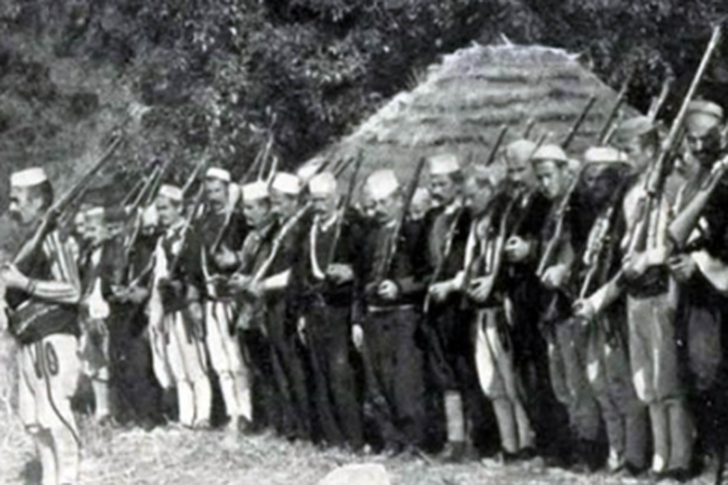
September 9, 1946, the second anti-communist uprising of P...
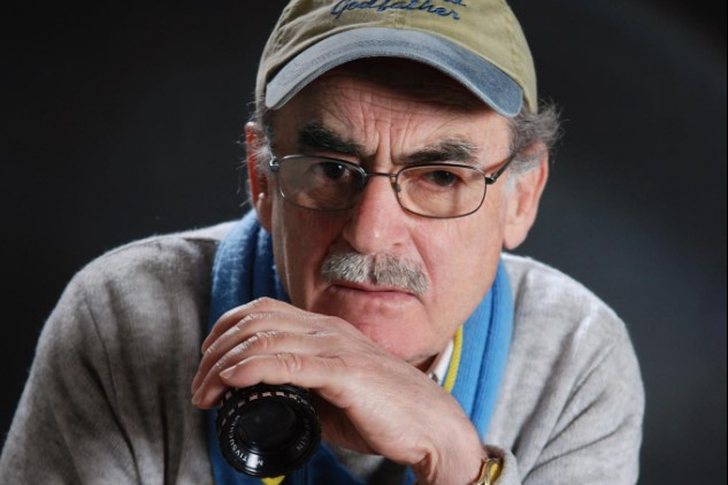
Dhimitër Anagnosti is gone, but his cinema lives on. His f...
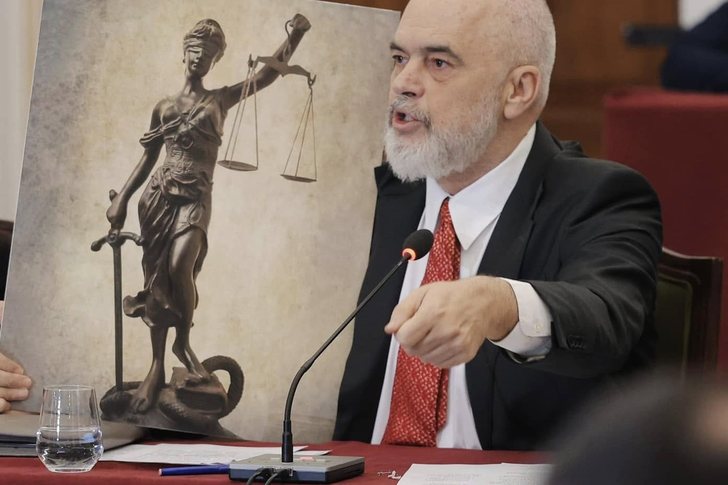
"The theatre of power is always greater than the theatre o...

Metaphorically A popular aphorism, a bitter metaphor for ...
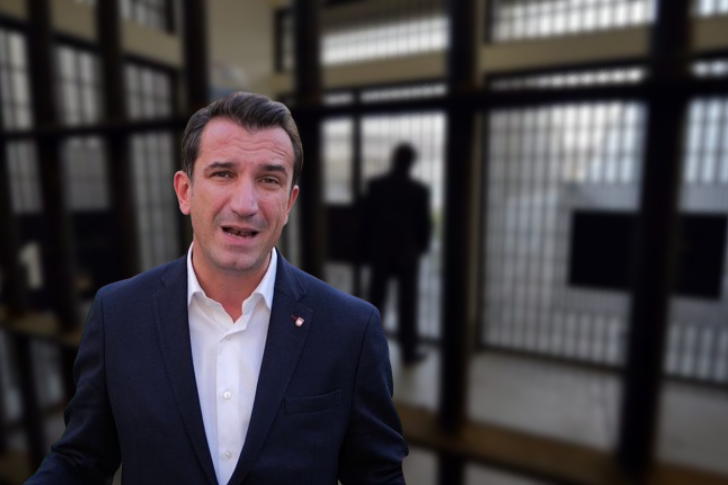
Erion Veliaj has overcome the "first confusion". Focusing...

Today, integrity is a forgotten value. In a time when facade...

I first heard this expression in 1997 at a press conference ...

One of the most negative phenomena of the free media is it...
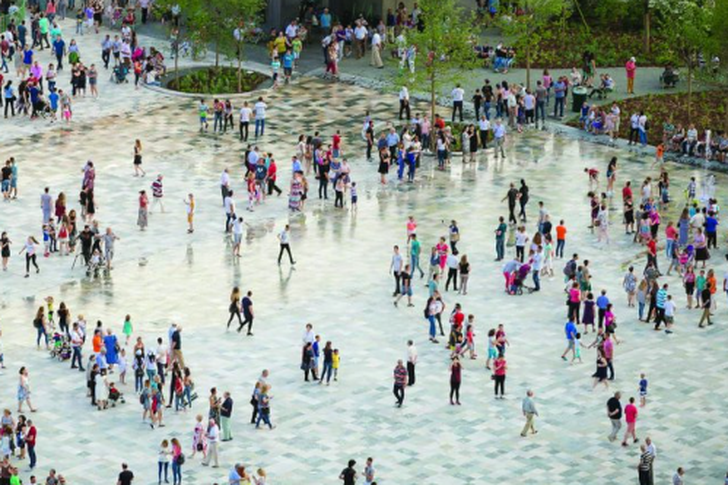
In Albania, you are not who you are, but who you declare y...
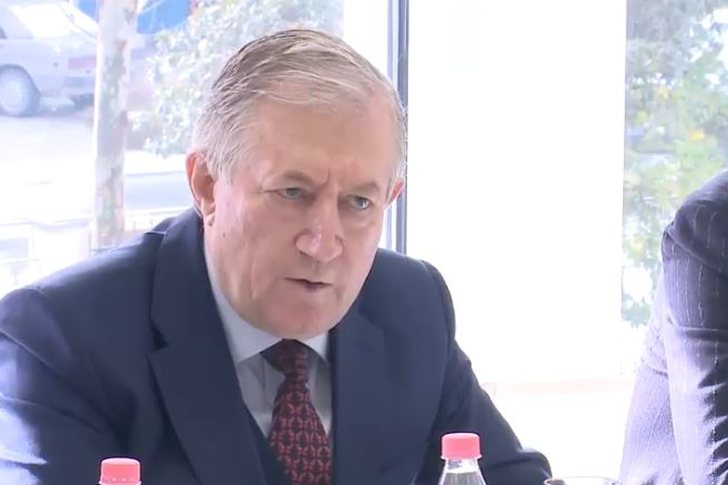
Why do you speak up when those who work there don't sp...

At a time when the debate over the role of wealth and the ...
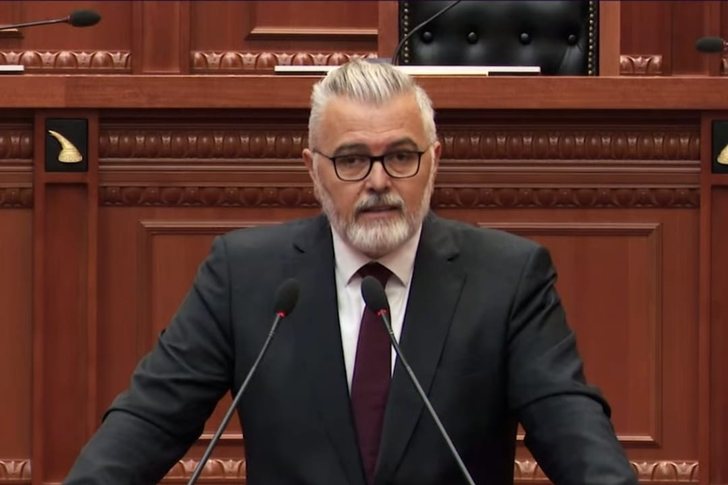
Albania is burning. From south to north, the flames have ...
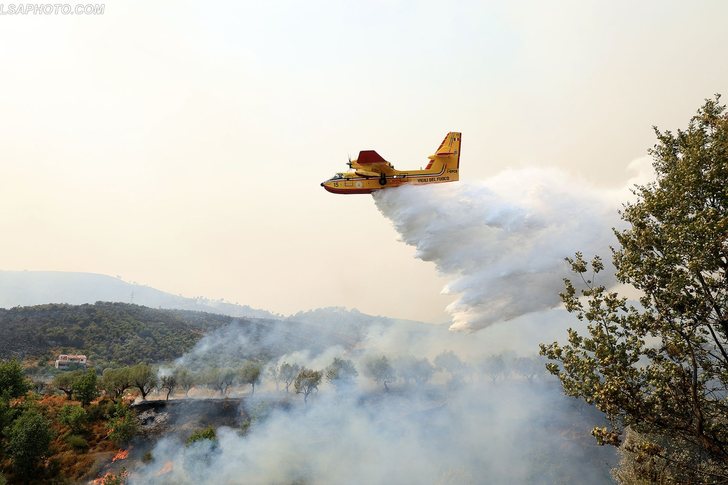
Albania is facing the flames. The fires have conquered...
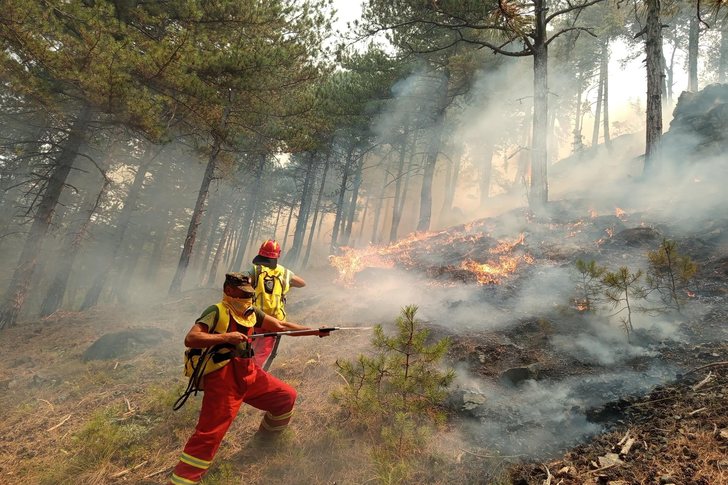
Man is the only creature that knows how to light fires, th...

I remember when I lived in Greece for about 20 years, whenev...
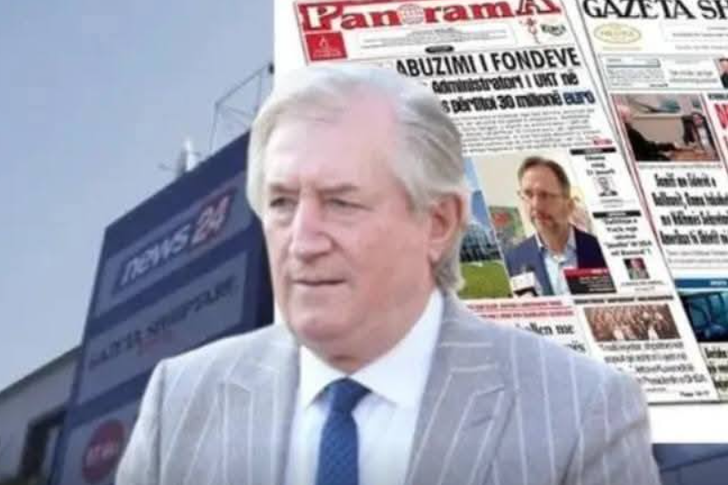
230 employees of Focus Media Group owned by Irfan Hysenbel...
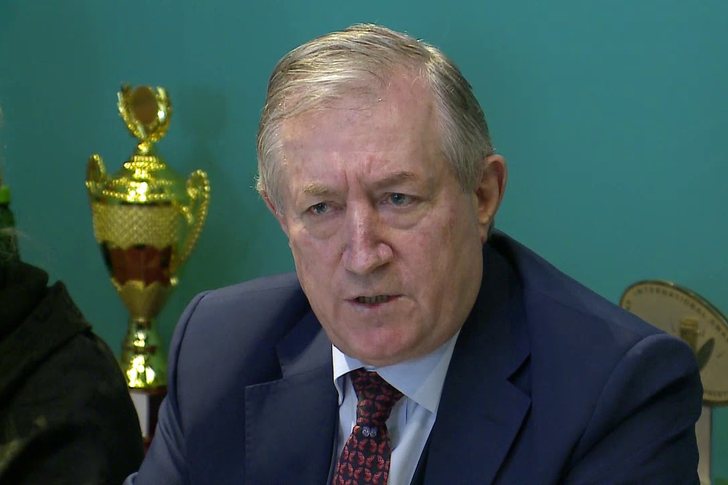
Today, the police and institutions have intervened to vaca...
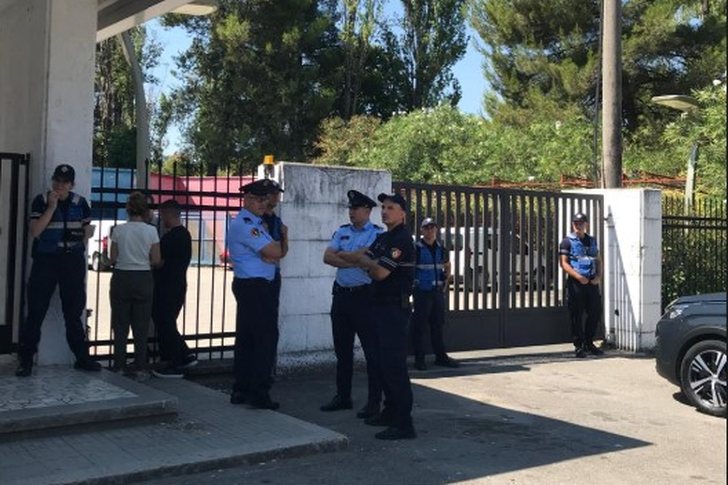
Police turn off News24's signal! Instead of news, the New...
Dear friends! I want to share with you an experience of min...
The European Union Representation in Tirana (read: the hig...

The murder of officer Enea Mekolli in the line of duty has...
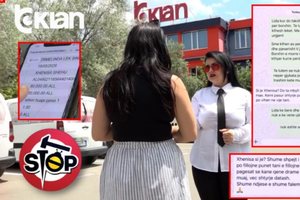
The next case broadcast on the show "Stop", this Thursday,...
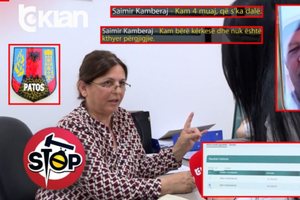
The case published this Thursday, June 4, on the show "Sto...
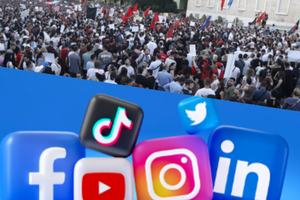
The protests of recent days related to the situation in Zv...

The Special Board of Appeal (KPA) decided this Monday ...

The KPA vetting decided this Thursday to dismiss the p...

Suela Salavaçi, a prosecutor in the Prosecutor's Offic...

The Special Board of Appeal reinstated the prosecutor ...

A money changer in Durrës lost 60 thousand euros after bei...
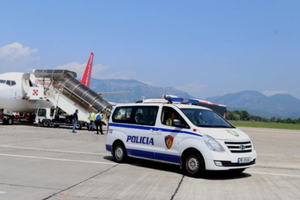
The 6 citizens captured in Dubai, members of criminal grou...
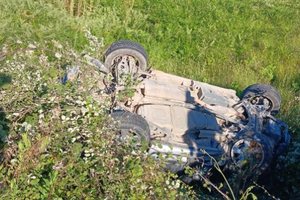
A serious accident occurred on the Kardhiq-Delvinë axis, i...
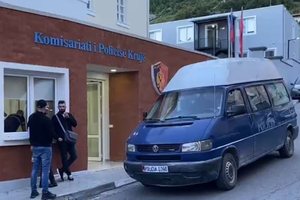
Authorities have conducted a large-scale anti-drug operati...
Today our country will be affected by stable weather condi...

For many children and teenagers, the long summer holidays ...
Albania is facing an unprecedented demographic transition,...

On Thursday, our country will be affected by unstable weat...
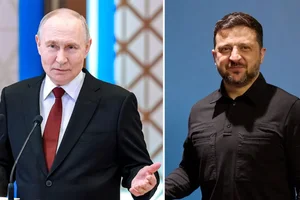
Russian President Vladimir Putin said the war in Ukraine c...
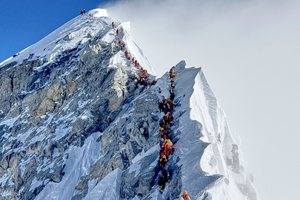
An extraordinary story of survival has been recorded in Ne...
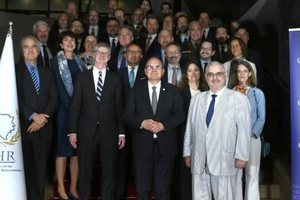
The Peace Implementation Council in Bosnia and Herzegovina...
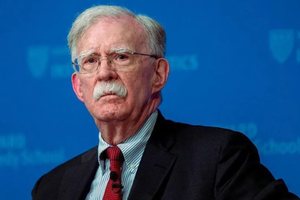
John Bolton, the former national security adviser to US Pr...
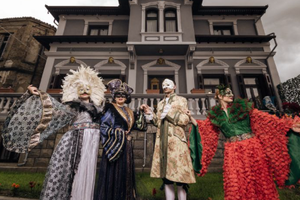
Korça is ready to open the summer season with one of the c...
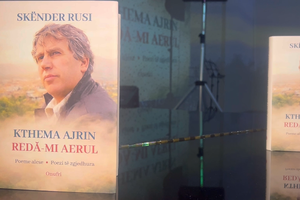
Two years after his passing, the renowned Korçë poet Skënd...
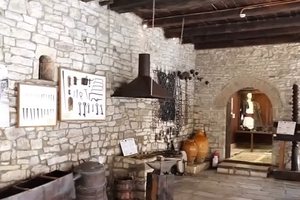
The Ethnographic Museum of Berat has opened its doors to v...
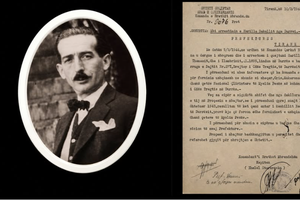
The story of Harilla Bakalli is one of the most chilling t...
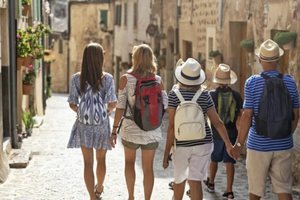
Despite years of efforts at regional cooperation and free ...
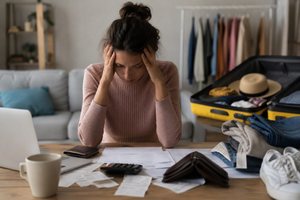
Albania is the country with the highest level of severe ma...
This Friday, one US dollar is bought for 81.3 lek and sold...
The government aims to transform the country's industrial ...