


Begaj pays tribute to the slain officer/ Family members demand accountability: You are killing us, be smart
President Bajram Begaj participated in the tributes in hon...

President Bajram Begaj participated in the tributes in hon...


I remember when I lived in Greece for about 20 years, whenever politicians and the media wanted to avoid something, they would use an expression, metaphorically, but also in a literal sense: “The people's beach” (“Τα μπ?νια του λαο?”).
It was first used by Andreas Papandreou when he decided not to hold early elections in the summer of 1987, with the excuse that "we will not spoil the people's beach", he meant it seriously.
After all, swimming in the sea and going to the beach in Greece was conceived as a victory for the people in the 1950s, who would escape from everyday life, lower the shutters, empty their minds, and relax.
With bags in their arms and buses full, Greek families in post-war Greece flocked to the beaches to relax. A towel on the sand and a watermelon in hand, this was the lifestyle of the time.
While the people were relaxing, politics, seemingly, was going on vacation; in reality, it was working, working, working so that when the beachgoers returned in the fall, they would find themselves faced with fait accompli and start the political, social, and economic stress all over again.
The same thing in Albania. Beach, beach, beach... Rubber balls, bread with watermelon and white cheese, card games and diving in the sea. Over the decades, social differences became clearer and summer vacations not only required a large budget, but also often seemed unattainable. The middle class was where it was: somewhere in the middle, between ideal vacations and safe bathing.
Routine...
And then, times changed, they became a luxury, but a luxury that suited the "fathers of the nation "!
In Albania, in July and August, under the pretext of summer vacation, everything is paralyzed, a long phase of calm where public life slows down to the point of paralysis. Politics is silenced, institutions disappear from public attention, the media follows VIPs to the coast, civil society seems to enter a seasonal hibernation.
But does Albania have the luxury of enduring two months of institutionalized vacuum, without significant political and social developments? Is this summer calm a need for reflection and rest, or a symptom of a state that is not functioning sustainably?
In a country like Albania, where economic, institutional and social challenges are daily and numerous, the idea that political and social dynamics can stop for two months is dangerous. Not only does it create a vacuum in public life, but it also gives room for stagnation, forgetfulness and disregard for issues that require immediate attention.
In countries with consolidated institutions, the political calendar may be quieter during the summer, but the work does not stop. Parliamentary committees continue, crises are managed, controls remain active, and civil society does not sleep.
In Albania, every debate, initiative or investigation is "postponed until after August", every reform, every initiative, every movement.
Even the media, which should maintain its critical and supervisory role, often shifts from chronicling political analysis to light headlines, embracing the sensationalism of summer: beaches, temperatures, accidents and VIP parties or misguided people who walk around like clowns with flags and guards and warn of shocking developments... Meanwhile, healthcare, justice, corruption, electoral reform, transparency and accountability disappear from the public radar.
And I am returning to the example I brought earlier with the former Greek Prime Minister Andreas Papandreou. Metaphorically and realistically, the “people's beach” launched by A. Papandreou is nothing more than an extraordinary political metaphor, which, built and exploiting the psychology of the people, maintains the status quo of power over the people.
Unfortunately, this reality is not a luxury. It is indicative of a system that has not yet built a culture of continuous operation, independent of individuals and the season. A country that stops because "it is not the time to deal with these things" is a country that does not yet have the luxury of resting.
To change this dynamic, more than political rhetoric is required. It requires continued institutional commitment, a media that does not lower its vigilance, and a civil society that understands that challenges do not take a break.
Because Albania needs rhythm, accountability, and continuity. And above all, it needs institutions that don't get heated up by the head and cooled by the sea.

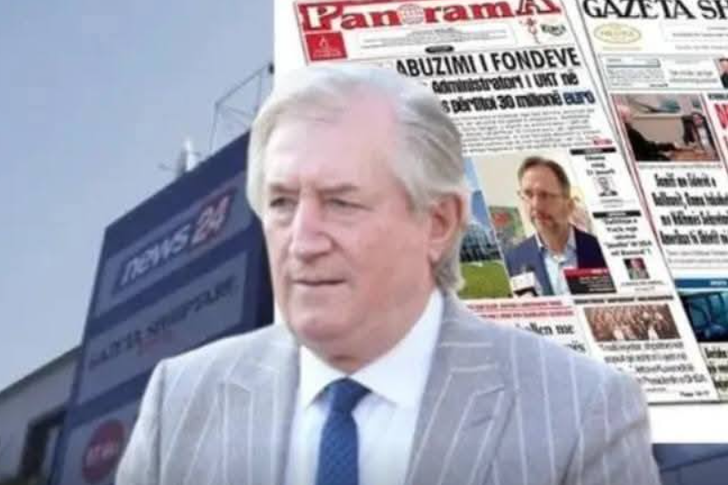
230 employees of Focus Media Group owned by Irfan Hysenbel...
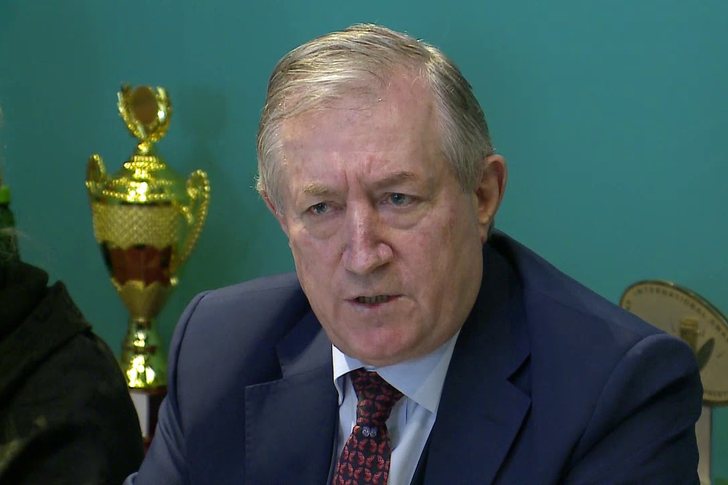
Today, the police and institutions have intervened to vaca...
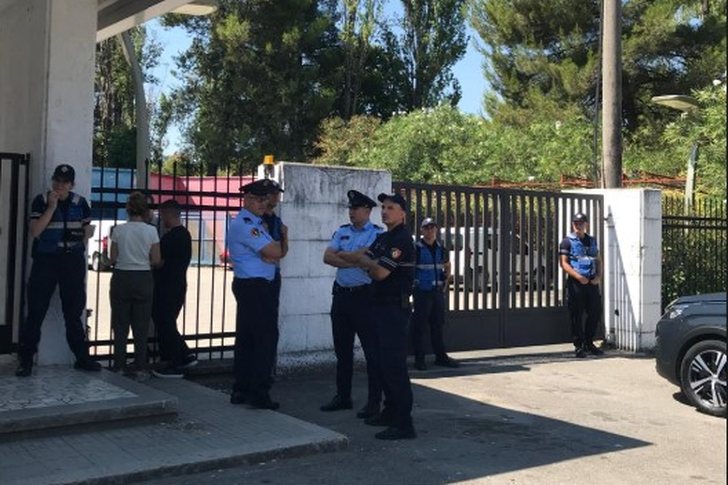
Police turn off News24's signal! Instead of news, the New...
Dear friends! I want to share with you an experience of min...
The European Union Representation in Tirana (read: the hig...
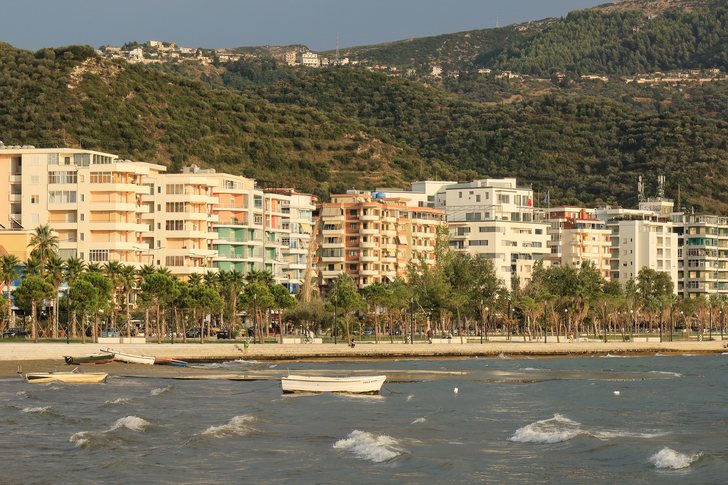
It doesn't take much imagination to imagine a normal city....

In September 2024, Albanian Prime Minister Edi Rama presen...
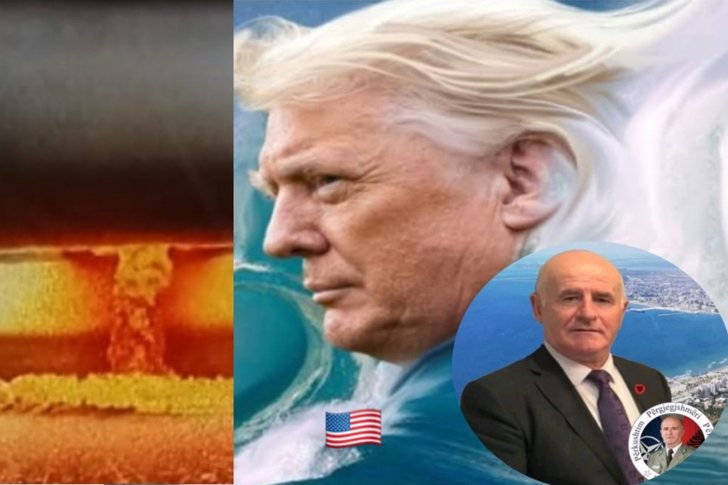
Trillion dollar question: "Are we on the brink of World Wa...
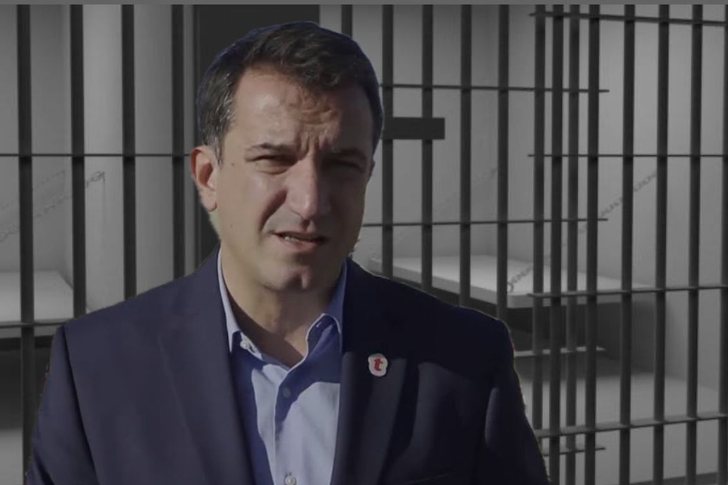
Erion Veliaj, the Mayor of Tirana, has been in prison for ...
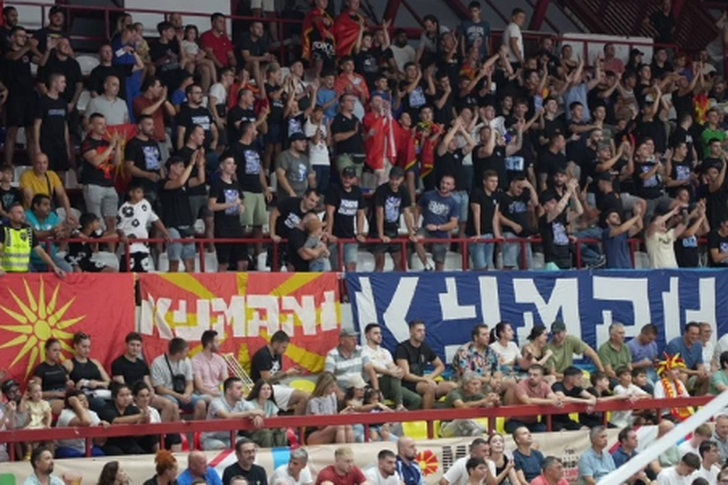
When calls for "death to Albanians" and "gas chambers" are...
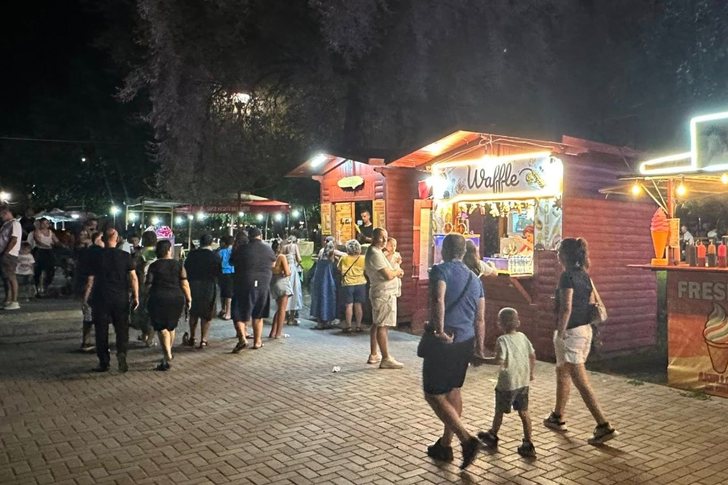
Tour operators should lower their prices! The government s...
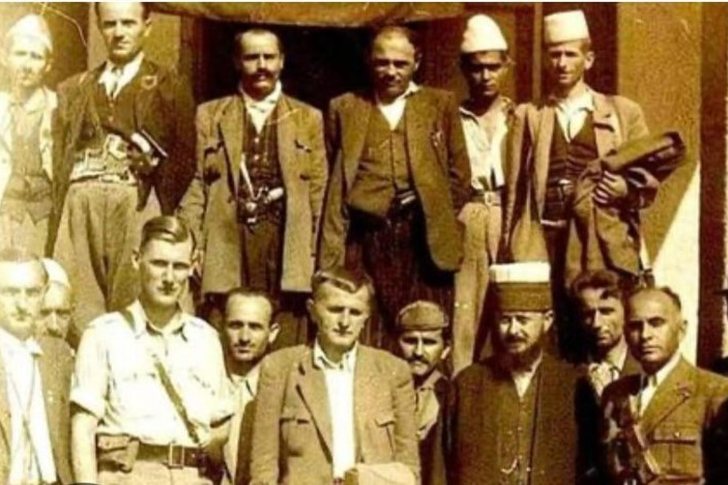
(on the occasion of the 82nd anniversary) The Mukje Agre...
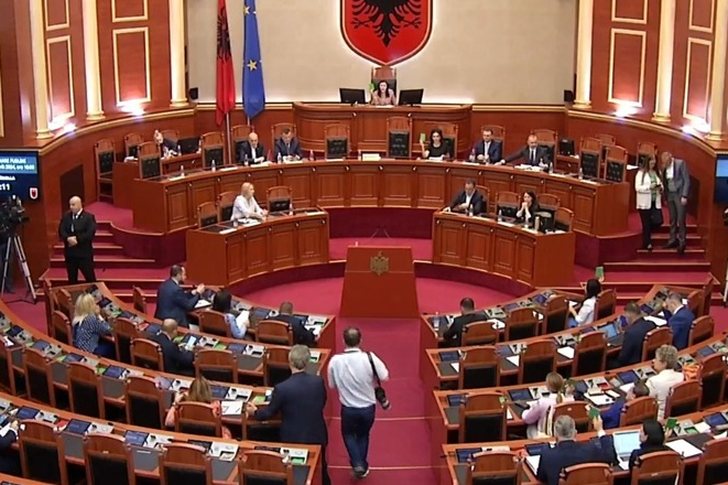
Personally, I am in favor of cooperation between polit...
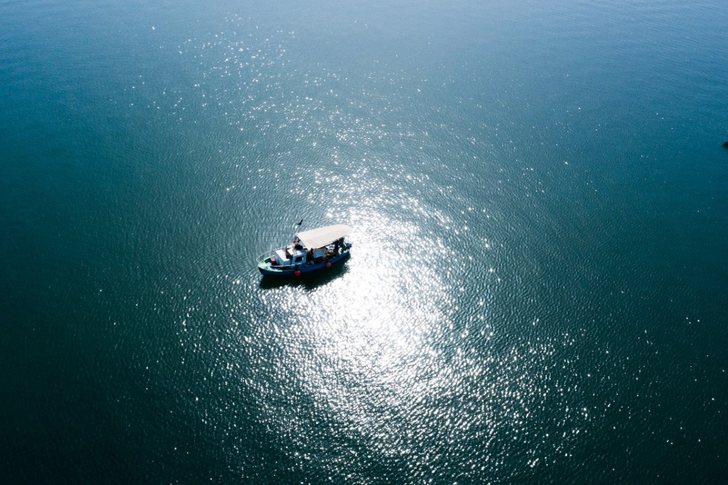
In a country where reality is often rejected as a mirror a...
The month of July is a blessed month for us Albanians, as ...
Reforms cannot wait for the satisfaction of parasites. Th...
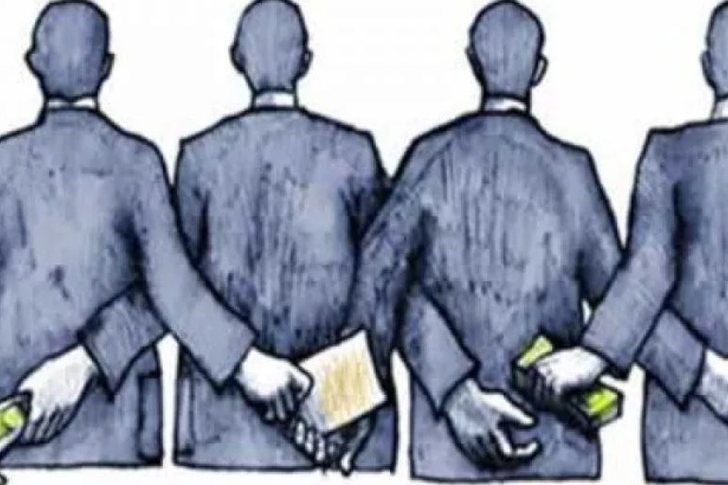
The most slanderous propagandists of a government are thos...
In Ismail Kadare's novel "The Palace of Dreams", peopl...
In the middle of the heat, when everyone's problem is lack...
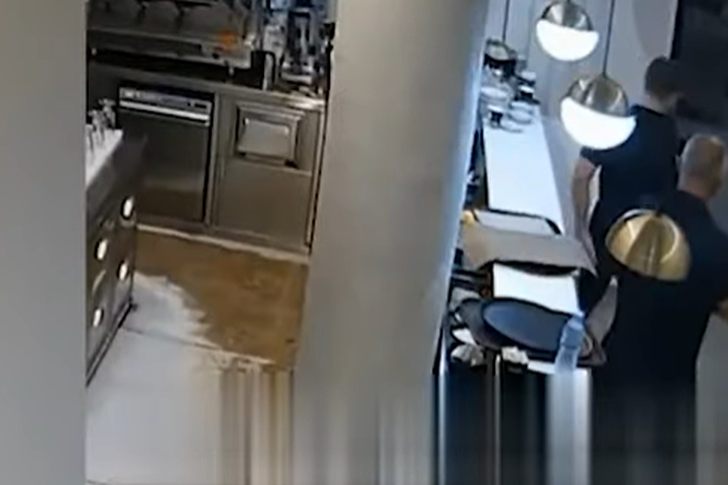
A policeman slaps an 18-year-old waiter. Lightning strikes...
The murder of officer Enea Mekolli in the line of duty has...
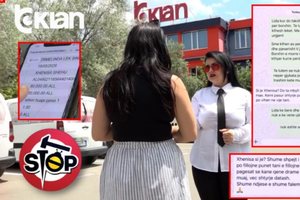
The next case broadcast on the show "Stop", this Thursday,...
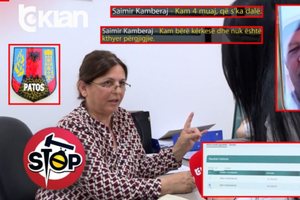
The case published this Thursday, June 4, on the show "Sto...
The protests of recent days related to the situation in Zv...

The Special Board of Appeal (KPA) decided this Monday ...

The KPA vetting decided this Thursday to dismiss the p...

Suela Salavaçi, a prosecutor in the Prosecutor's Offic...

The Special Board of Appeal reinstated the prosecutor ...

A money changer in Durrës lost 60 thousand euros after bei...
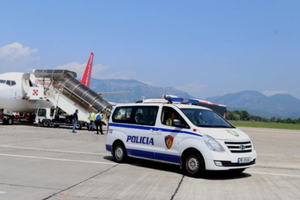
The 6 citizens captured in Dubai, members of criminal grou...
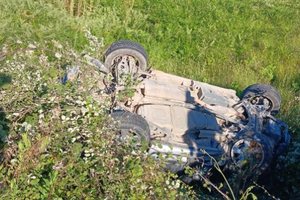
A serious accident occurred on the Kardhiq-Delvinë axis, i...
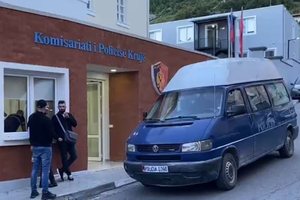
Authorities have conducted a large-scale anti-drug operati...

Today our country will be affected by stable weather condi...
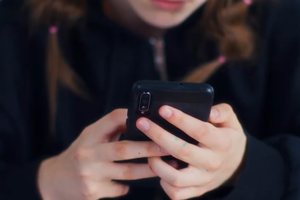
For many children and teenagers, the long summer holidays ...
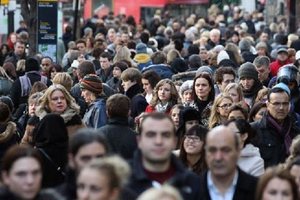
Albania is facing an unprecedented demographic transition,...
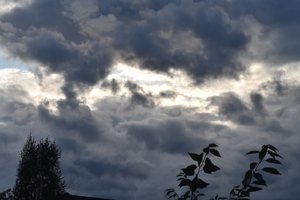
On Thursday, our country will be affected by unstable weat...
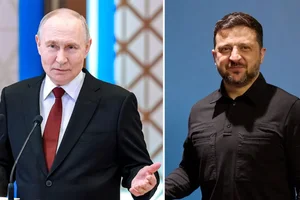
Russian President Vladimir Putin said the war in Ukraine c...
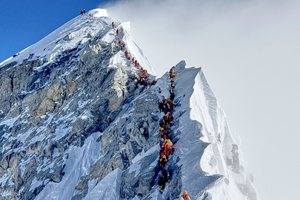
An extraordinary story of survival has been recorded in Ne...
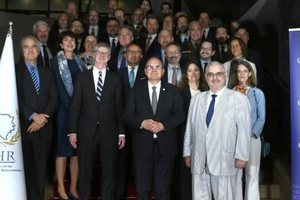
The Peace Implementation Council in Bosnia and Herzegovina...
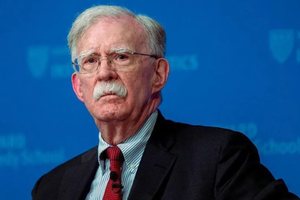
John Bolton, the former national security adviser to US Pr...
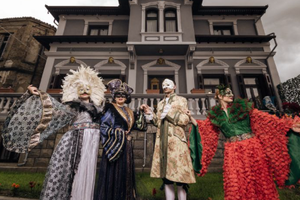
Korça is ready to open the summer season with one of the c...
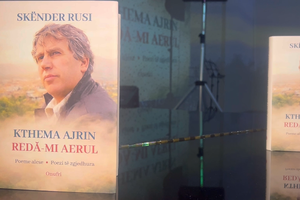
Two years after his passing, the renowned Korçë poet Skënd...
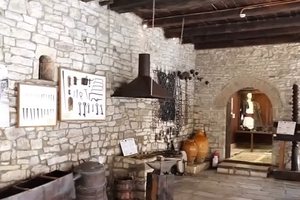
The Ethnographic Museum of Berat has opened its doors to v...
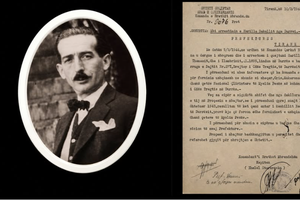
The story of Harilla Bakalli is one of the most chilling t...
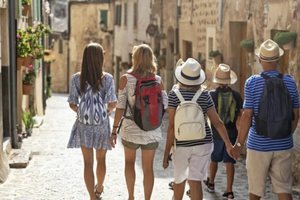
Despite years of efforts at regional cooperation and free ...
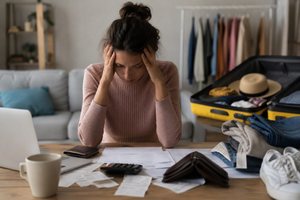
Albania is the country with the highest level of severe ma...

This Friday, one US dollar is bought for 81.3 lek and sold...
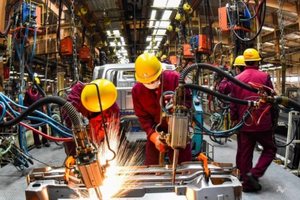
The government aims to transform the country's industrial ...