


Murder of the officer/ Enea Mekolli's uncle raises accusations: They were without any kind of protection
The uncle of the murdered officer, Enea Mekolli, Hazbi Mek...

The uncle of the murdered officer, Enea Mekolli, Hazbi Mek...

The month of July is a blessed month for us Albanians, as 4 of the most important events in our history have occurred.
This month is the month of the baptism of Albanian states, since on July 29, 1913, the Conference of Ambassadors in London recognized "de jure" the Albanian state declared independent on November 28, 1912, as "... autonomous, sovereign principality ... under the guarantee of the six Powers", while on July 22, 2010, the International Court of Justice called the Declaration of Independence of Kosovo of February 17, 2008 legal and declared that: "It did not violate international law or resolution 1244, nor the UNMIK Constitutional Framework", but is in full compliance with them. With this decision, the ICJ (UN judicial body) confirmed the borders and statehood of Kosovo.
July is the month when diplomatic relations were established between the United States and Albania, our great strategic ally.
We also remember July 2, 1990, the day of the embassies, when the collapse of the communist regime began.
My expectation was that all these events would be celebrated as Albanians everywhere deserved. But with the silence that accompanied them, we showed that even this time we Albanians never "disappoint", or we are not very interested in becoming a state. These 3 events in the eyes of history should have been very important, but they passed almost without being mentioned at all, both in the public and Albanian political space in Albania and Kosovo. The only one who remembered was the US embassy, when it declared: "We are proud of our partnership with Albania to advance our common security, strength and well-being". Blessed are those who have us, because who knows how many problems they could have encountered, without our support!?
Well, politics on both sides of the Albanian-Albanian border was busy with "big problems". That of Kosovo for the 50th vote to elect the speaker of parliament, while that of Tirana with finding the thief among themselves, the thieves who had stolen votes from their friend and friend, or with the police who did not intervene to break up a shameful fight in a bar in Vlora. But the media, the scientific and cultural institutions that are paid for with our taxes for these jobs, where were they?, or is it beach time and they are "tired of working"?
Forgetting, my friends, is a common occurrence in our daily human routine and is evident in individuals. As scientists say, it is a phenomenon caused by the degree of interest in remembering, by the emotions that an event, a phenomenon, a news item, a piece of information causes, as well as by the importance that the development of what is called the “process of events” takes on.
But can it happen that the process of forgetting is conceived in social groups, peoples and nations, in their political and intellectual elite, as in this case?
This is both shameful and frightening. To at least partially atone for this forgetfulness, I am bringing something about these events to the reader's attention.
THE BAPTISM OF THE ALBANIAN STATES
On 22 July 2010, the decision of the International Court of Justice, as an organ of the United Nations General Assembly, regarding the declaration of Kosovo’s Independence was announced. The President of the International Court of Justice, Mr. Hisashi Owada, stated, among other things, that: “The Declaration of Independence of Kosovo on 17 February 2008 did not violate international law”. With 10 votes in favour and 4 against (Russia, Slovakia, Morocco, Sierra Leone), the court ruled that the Declaration of Independence of Kosovo did not violate international law. According to it, from all the evidence it appears that the Independence of Kosovo did not violate either resolution 1244 or the UNMIK Constitutional Framework.
Today, the Republic of Kosovo has been formally recognized by 119 out of 193 UN member states and 3 non-UN member states.
On July 29, 1913, the Conference of Ambassadors in London recognized "de jure" the Albanian state, declared independent on November 28, 1912, as "...an autonomous, sovereign principality... under the guarantee of the six Powers".
Despite the great limitations of this decision (it legalized the fact that Albanians were the only people on earth that limited themselves), it had a special importance for the fate of Albania, since even though the Albanian territory and population were severely fragmented and in frightening numbers, it still managed to survive, through the blood and centuries-old sacrifices of men who felt sorry for their nation.
Establishment of diplomatic relations between the United States and Albania
On July 28, 1922, diplomatic relations between the United States and Albania were first established. In a telegram dated July 25, 1922, Secretary of State Charles Evans Hughes informed the American Commissioner to Albania, Maxwell Blake, that on July 28, 1922, Blake “may send to the Minister of Foreign Affairs of Albania written notice of the ‘de jure’ recognition of Albania by the United States.” On December 4, 1922, Envoy Extraordinary and Minister Plenipotentiary Ulysses Grant-Smith presented his credentials to the Albanian government in Tirana.
In 1922, the United States granted Albania and the Albanians most-favored-nation status. Prior to formal mutual recognition, U.S. Commissioner Maxwell Blake exchanged notes with the President of the Council and Minister of Foreign Affairs of Albania, Mr. Xhafer Upi, to secure mutual most-favored-nation status in future trade treaties between Albania and the United States.
In 1945, the United States established the Additional Assistance and Relief Corps, which showed increased American concern for Albania and Albanians despite the orientation towards the East and the communist system by the leadership of Albania at the time.
Diplomatic relations between the United States and Albania were reestablished on March 15, 1991, after a 52-year hiatus. The U.S. Embassy in Tirana opened on October 1, 1991, with Christopher Hill as Chargé d'Affaires and succeeded by U.S. Ambassador William Eduin Ryerson, who presented his credentials to the government of Albania on December 21, 1991.
At the historic ceremony in 1991 for the signing of the Memorandum of Understanding, which restored diplomatic relations between the two countries, then-Assistant Secretary of State for European and Canadian Affairs, Raymond GH Saitc, said: “The relationship between our countries dates back to the early years of this century, when President Wilson offered American support to the new Albanian state. The relationship was never forgotten by the thousands of Americans of Albanian origin… who maintained contact with their homeland throughout all these years.”
At the foundation of these relations lie the most brilliant figures of our nation, at the beginning of the 20th century, such as Fan Noli, Faik Konica, Kristo Floqi, Petro Nini Luarasi, Mehmet Konica, Mihal Gramenja, Kostë Çekrezi or Parashqevi Qiriazi, etc.
Unlike us Albanians today, the "Vatra" Federation, in the letter of gratitude it sends to President Wilson, writes: "Sir, will you allow us, the representatives of a small nation, which has always valued honor, justice and courage as the highest virtues, to express to you our deepest gratitude for your noble feelings, to which you have given such powerful expressions? In them we see the proclamation of freedom...".
My friends, as President Roland Reagan said: "America is more an idea than a country, it is the love of freedom, of dignity, that lies deep within the heart of each of us."
In conclusion, I would like to bring to the attention of the reader Walt Whitman, one of the most powerful voices of American poetry, recognized and explored in depth the concept of collective forgetfulness, especially in relation to the infinity of experience and the fading of grateful memory and the passage of time. It is true that gratitude and collective memory are transient in nature, it can fade, but it never disappears, as it lives both in the individual and in the narrative of the greater and continuous narrative of the nation, which also shows the reasons for the stability of a nation, thanks to eternal memory and gratitude. Thanks to memory and gratitude, nations deserve respect. This relationship between individual and collective memory is also expressed quite well by the poet Mahmoud Darwish, when he writes: represent only yourself, but yourself is full of collective memory.

Reforms cannot wait for the satisfaction of parasites. Th...

The most slanderous propagandists of a government are thos...

In Ismail Kadare's novel "The Palace of Dreams", peopl...
In the middle of the heat, when everyone's problem is lack...

A policeman slaps an 18-year-old waiter. Lightning strikes...
Plutarch recounts in “Parallel Lives” that Caesar deci...

"If cannibals used forks, could we say that they had mad...
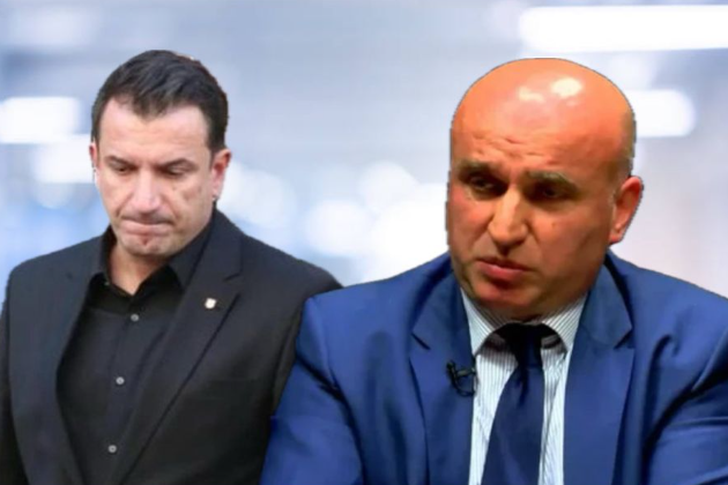
This article by Erion Veliaj for the newspaper "Tema" and ...
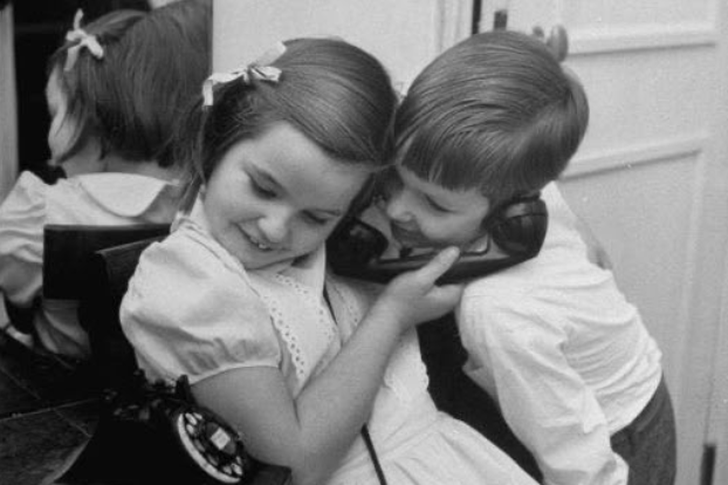
Yesterday, the European Union decided to include Ukraine a...
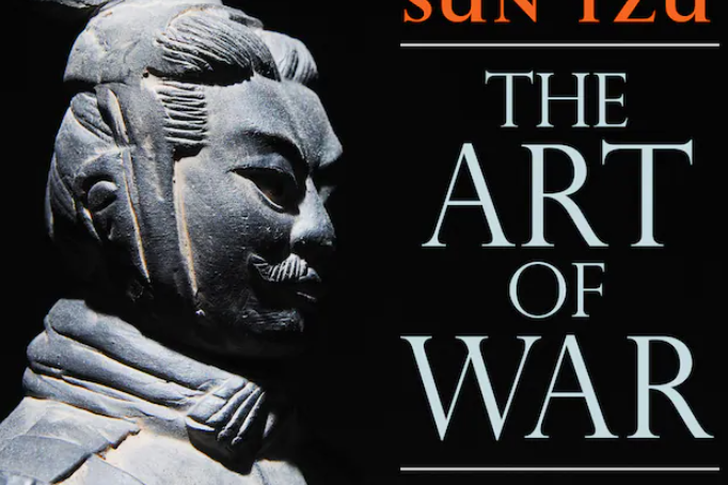
One of Sun Tzu's most famous expressions in "The Art of Wa...
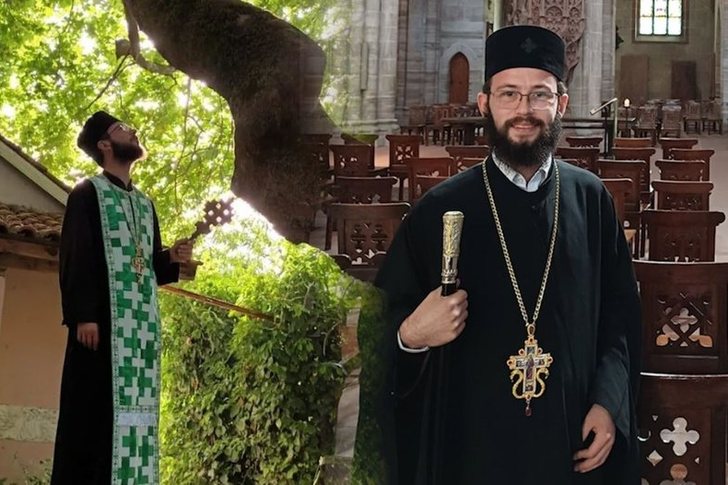
The war in Kosovo had ended, it must have been the spring ...
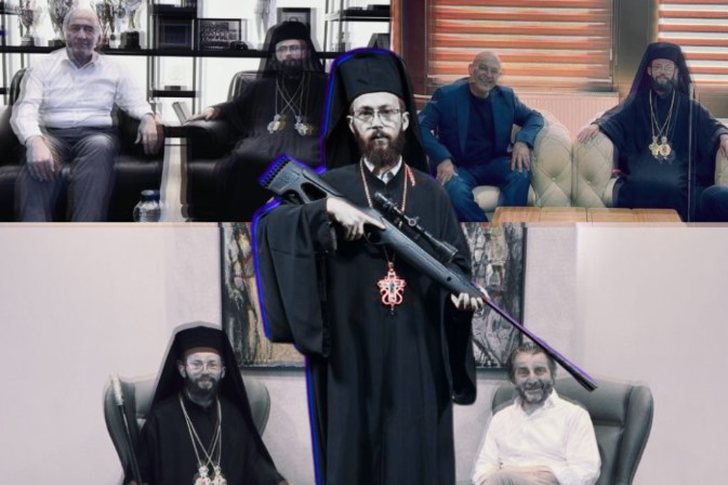
Former Prime Minister Albin Kurti is not the only one who ...
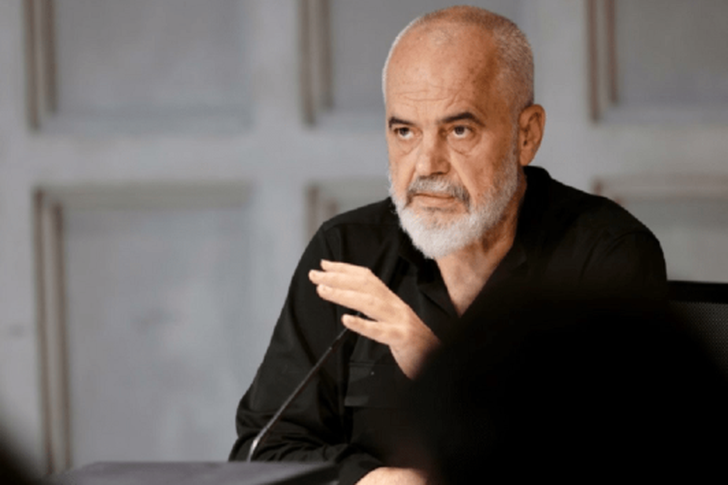
The recent events in the municipality of Tirana, after tho...

No one can feel the current state of road traffic more tha...
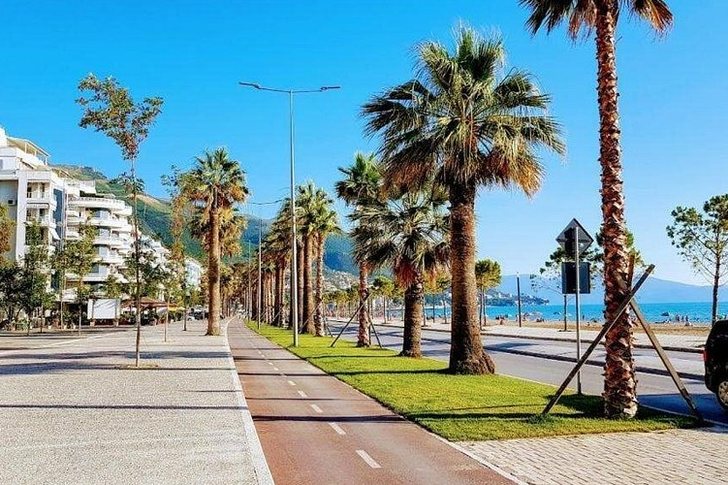
Politics is often divisive and public decision-making is p...

A few days ago, the Council of Europe clearly established ...
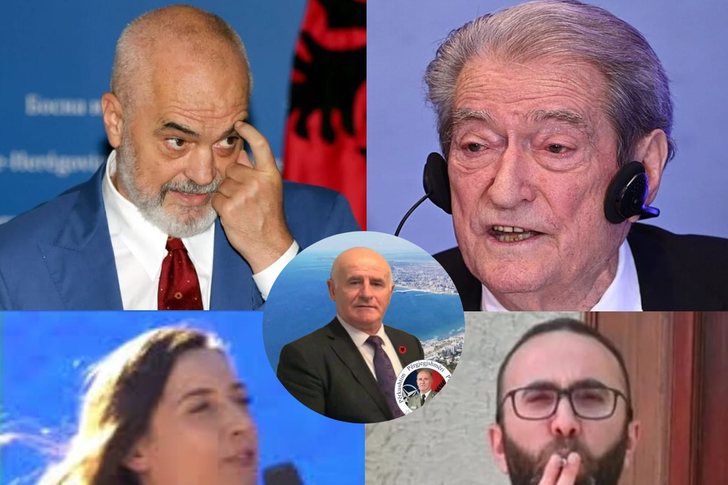
First of all, I must confirm that I have no personal preju...
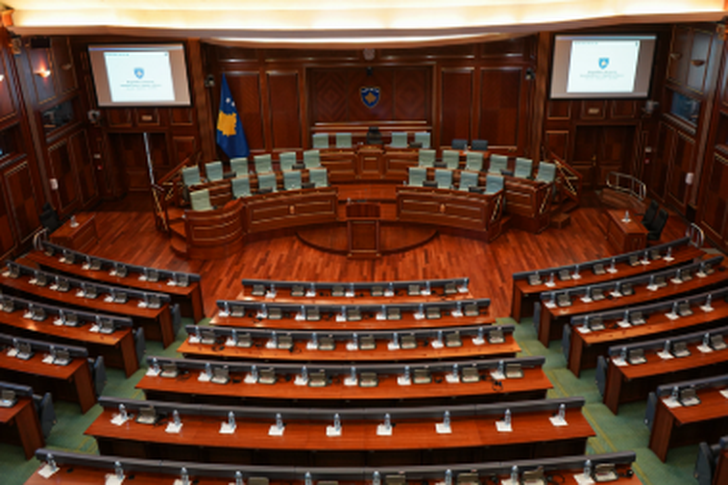
by Iris BEQIRI February 9 of this year was not only the d...
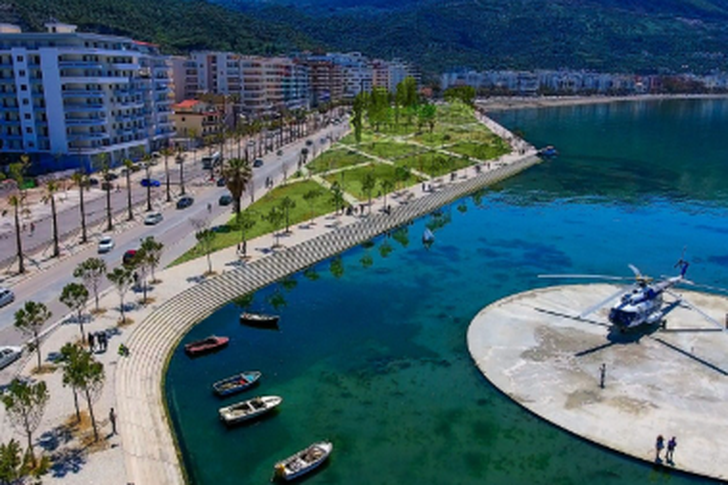
In a political climate often overloaded with clashes and d...

The time has come, and we are even overdue, for the media ...

The murder of officer Enea Mekolli in the line of duty has...

The next case broadcast on the show "Stop", this Thursday,...
The case published this Thursday, June 4, on the show "Sto...
The protests of recent days related to the situation in Zv...

The Special Board of Appeal (KPA) decided this Monday ...

The KPA vetting decided this Thursday to dismiss the p...

Suela Salavaçi, a prosecutor in the Prosecutor's Offic...

The Special Board of Appeal reinstated the prosecutor ...

A money changer in Durrës lost 60 thousand euros after bei...
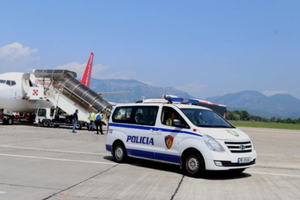
The 6 citizens captured in Dubai, members of criminal grou...
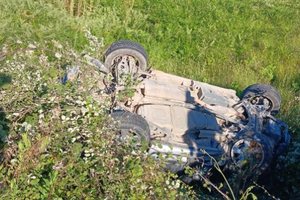
A serious accident occurred on the Kardhiq-Delvinë axis, i...

Authorities have conducted a large-scale anti-drug operati...

Today our country will be affected by stable weather condi...

For many children and teenagers, the long summer holidays ...

Albania is facing an unprecedented demographic transition,...

On Thursday, our country will be affected by unstable weat...

Russian President Vladimir Putin said the war in Ukraine c...

An extraordinary story of survival has been recorded in Ne...
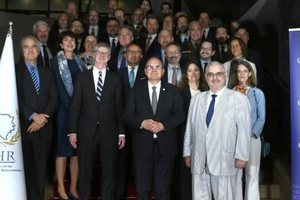
The Peace Implementation Council in Bosnia and Herzegovina...
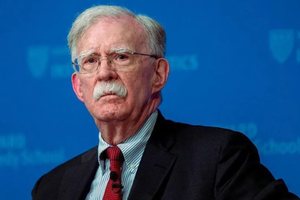
John Bolton, the former national security adviser to US Pr...

Korça is ready to open the summer season with one of the c...

Two years after his passing, the renowned Korçë poet Skënd...

The Ethnographic Museum of Berat has opened its doors to v...
The story of Harilla Bakalli is one of the most chilling t...

Despite years of efforts at regional cooperation and free ...

Albania is the country with the highest level of severe ma...

This Friday, one US dollar is bought for 81.3 lek and sold...

The government aims to transform the country's industrial ...