


Murder of the officer/ Enea Mekolli's uncle raises accusations: They were without any kind of protection
The uncle of the murdered officer, Enea Mekolli, Hazbi Mek...

The uncle of the murdered officer, Enea Mekolli, Hazbi Mek...

Plutarch recounts in “Parallel Lives” that Caesar decided to divorce his wife Pompeia, not because she had been proven to have done anything improper, but because she had become involved in a scandal that tarnished the perception of her moral purity. Caesar said: “My wife must not only appear pure, she must be so.”
And this is a saying that History has preserved for a reason!
Essentially, this ancient saying is not about marriage or women, but carries a powerful message about the integrity and moral standards that one should have, especially when one is part of public life and holds public positions. It is a clear call for inner integrity, not just the moral facade that is often presented to the public.
If we place this saying in today's Albanian context, it resonates deeply with the state of politics, justice, and public ethics.
Albania is a country in a long and arduous transition, where important reforms have been undertaken, but where the shadows of corruption, clientelism, and lack of transparency continue to haunt institutions.
In Albania, today more than ever, this saying sounds like a strong appeal to those who hold public responsibilities: politicians, judges, prosecutors, senior officials, but also other influential figures in public life.
In a country where perceptions of corruption remain high, where justice reform still struggles with the shadows of the past, and where form often carries more weight than substance, we seem to be more concerned with how things appear than how they really are.
Albania is the place where facades cover reality, it is the place where "appearing honest" is often more important than "being so".
People who present themselves as defenders of the law, as voices of moral purity or as champions of reform, who speak of transparency, swear by honesty and appear in the media with strict moral stances, while behind the cameras they are involved in scandals, related to corrupt structures and oligarchic interests, conflicts of interest and decisions dictated by narrow personal or clientelistic interests in opposition to the public interest.
Only on the surface does everything seem orderly: press conferences, social media posts, moral etiquette. But if we peel back the layers, we discover a reality that is often very different.
Public figures who appear as "reformers", but who are inextricably linked to the oligarchy or shadowy power structures.
This is especially true for Albanian politics, which has created a culture of “appearing different,” where people talk about transparency while working in the dark; talk about justice while making deals; talk about public interest while protecting the interests of a handful of rich and powerful.
The justice reform was presented as one of the biggest changes in the history of the Albanian state. And rightly so.
This reform was and remains necessary. But what remains to be seen is whether this reform will oscillate between hope and cynicism; whether the people leading these changes are truly clean, or merely appear to be, truly of integrity or are they for sale.
Even the vetting is not invincible, because judges and prosecutors have been selected who meet the criteria on paper, but who in real life live with unjustifiable standards for the salaries they receive.
So what is it: reform or recycling?
In Albania, the political class is gripped by perception, which has become the most powerful tool for political survival.
It is enough to control the media, finance propaganda and build an image. But what happens behind the scenes is quite different: selectively awarded public contracts, dubious investments, laws written by the hand of oligarchs, inexplicably growing real estate, offshore companies and uncompetitive tenders. These are the symptoms of a system that is used to appearing fair, but which rarely is.
Meanwhile, true integrity matters, because its true absence is eroding the foundations of society. Citizens have lost trust in institutions. Young people do not believe that success can come from honest work.
Emigration is not just economic, it is often moral and psychological. A country where you cannot trust justice, politics or civil society is a country that has lost hope for change.
In this climate of distrust, it's time to stop prioritizing image. We no longer need leaders who appear clean; we need people who are. Who have a personal and professional life that stands under the microscope without fear.
Who don't need propaganda machines to cover their tracks, who live honestly, who act transparently, who make decisions without being influenced by external interests, and whose morality is a compass, not a mask.
Ultimately, “Caesar’s wife” is a metaphor for all those who seek to be in public office. If they want to lead, they must understand that it is not enough to play the role of the honest one, they must live that honesty.
In a country like Albania, where the wounds of transition have not yet healed, where the fight for justice is still ongoing, only true integrity can bring hope and lasting trust in institutions.
If we want to build a functioning society, then we must demand higher standards. Let's not be satisfied with appearances. Let's demand accountability for what happens behind closed doors.
Ultimately, like Caesar, we have the right to demand that those who represent us be not only pure in appearance, but also pure in essence. Otherwise, we will continue to live in a society where truth is always in doubt and justice is always an illusion.
And that, essentially, is the surest way to fail as a society./ CNA


"If cannibals used forks, could we say that they had mad...
This article by Erion Veliaj for the newspaper "Tema" and ...
Yesterday, the European Union decided to include Ukraine a...
One of Sun Tzu's most famous expressions in "The Art of Wa...
The war in Kosovo had ended, it must have been the spring ...
Former Prime Minister Albin Kurti is not the only one who ...
The recent events in the municipality of Tirana, after tho...

No one can feel the current state of road traffic more tha...
Politics is often divisive and public decision-making is p...
A few days ago, the Council of Europe clearly established ...
First of all, I must confirm that I have no personal preju...
by Iris BEQIRI February 9 of this year was not only the d...
In a political climate often overloaded with clashes and d...
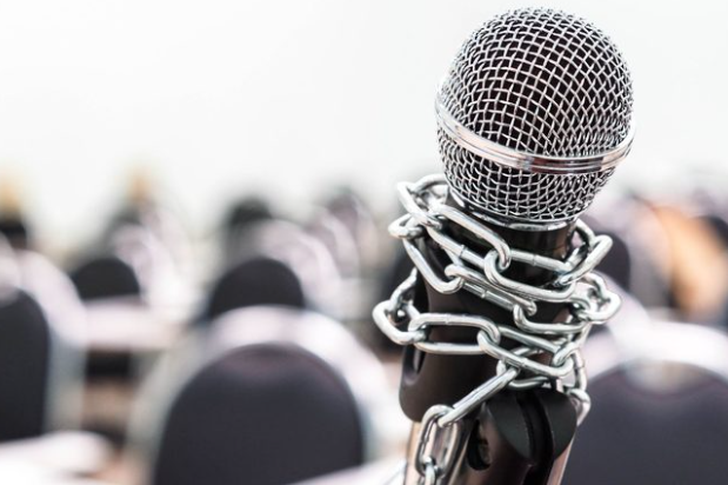
The time has come, and we are even overdue, for the media ...
Yesterday, 'Kapitali' published an investigation into fict...
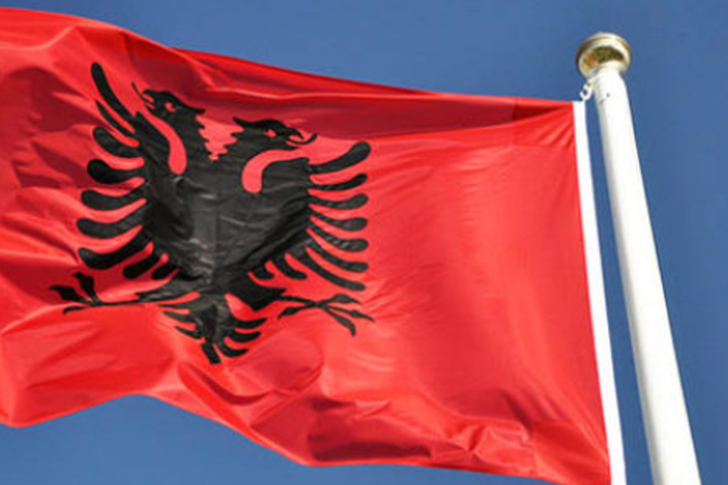
1924-2025, the 101st anniversary of the still unformed Alb...

When political slavery masquerades as love for democracy, ze...
by Iris BEQIRI Recent events in the country have once aga...

No one thought that one day Thethi, a beautiful village in...
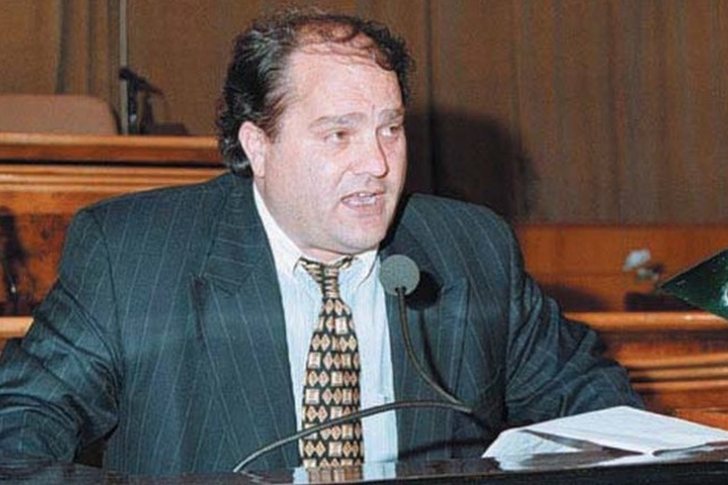
In December 1990, a group of students who thought that the...
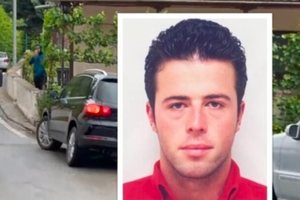
The murder of officer Enea Mekolli in the line of duty has...
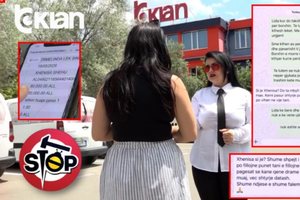
The next case broadcast on the show "Stop", this Thursday,...
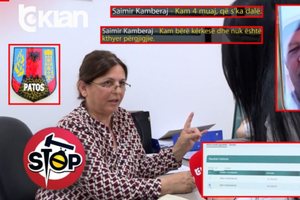
The case published this Thursday, June 4, on the show "Sto...
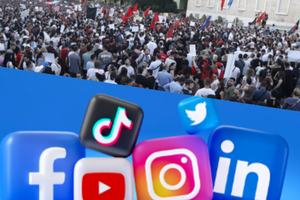
The protests of recent days related to the situation in Zv...

The Special Board of Appeal (KPA) decided this Monday ...

The KPA vetting decided this Thursday to dismiss the p...

Suela Salavaçi, a prosecutor in the Prosecutor's Offic...

The Special Board of Appeal reinstated the prosecutor ...

A money changer in Durrës lost 60 thousand euros after bei...
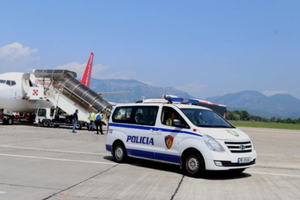
The 6 citizens captured in Dubai, members of criminal grou...
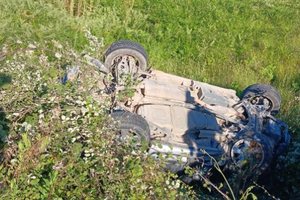
A serious accident occurred on the Kardhiq-Delvinë axis, i...

Authorities have conducted a large-scale anti-drug operati...
Today our country will be affected by stable weather condi...

For many children and teenagers, the long summer holidays ...
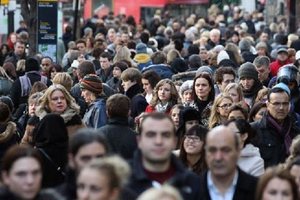
Albania is facing an unprecedented demographic transition,...
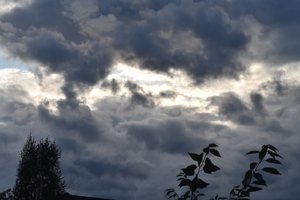
On Thursday, our country will be affected by unstable weat...

Russian President Vladimir Putin said the war in Ukraine c...
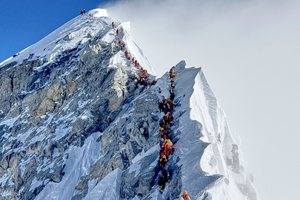
An extraordinary story of survival has been recorded in Ne...
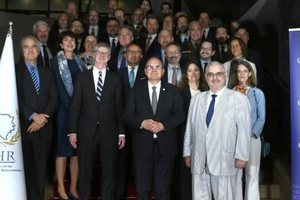
The Peace Implementation Council in Bosnia and Herzegovina...
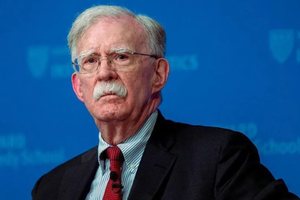
John Bolton, the former national security adviser to US Pr...
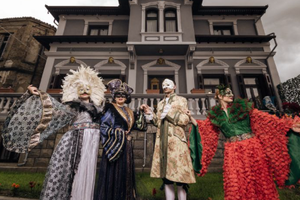
Korça is ready to open the summer season with one of the c...
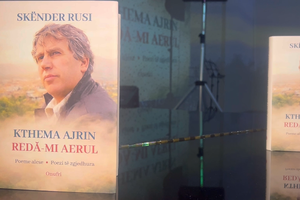
Two years after his passing, the renowned Korçë poet Skënd...
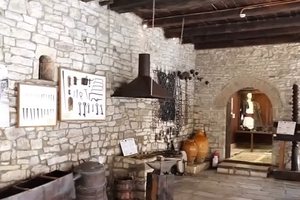
The Ethnographic Museum of Berat has opened its doors to v...
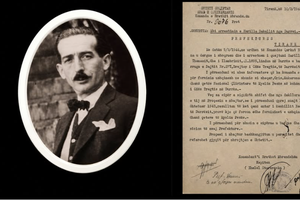
The story of Harilla Bakalli is one of the most chilling t...
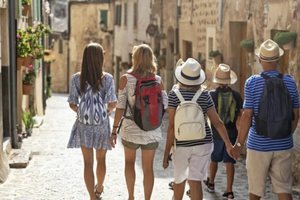
Despite years of efforts at regional cooperation and free ...

Albania is the country with the highest level of severe ma...

This Friday, one US dollar is bought for 81.3 lek and sold...
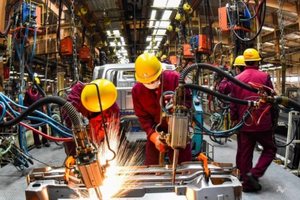
The government aims to transform the country's industrial ...