

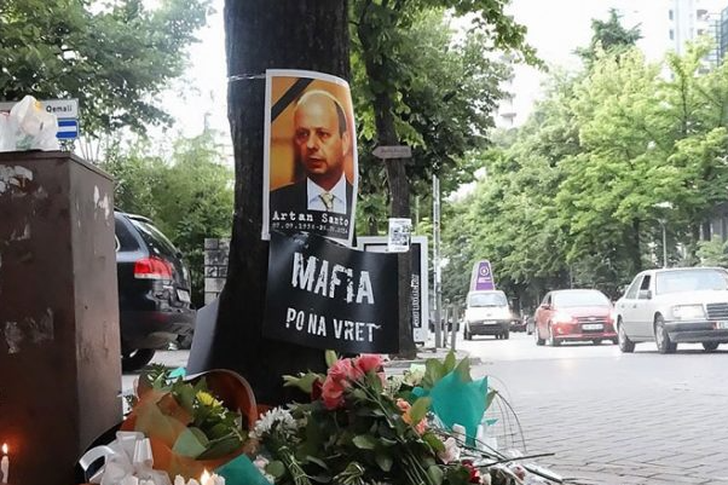
Artan Santo, everyone has forgotten him...
Only 11 years have passed since the event of June 26, 2014...


The reason for writing the following lines was a Facebook group, opened four or five days ago, which aimed to expose corruption in Vlora and which asked me to follow it. Of course, professional curiosity was great and I accepted the invitation.
But from the first day of those "unwashed" that I read, I realized that it was nothing more than a "media group", which blackmailed or spread news regarding decisions of the municipality and the mayor himself for the purpose of personal economic gain. The "principled journalist" served as the "strongman of the city and guarantor" of the one or those who sought to benefit from construction land, a building permit, etc., etc.
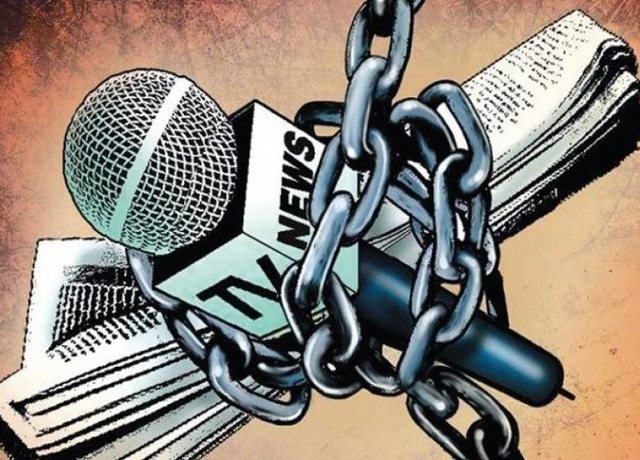
In any healthy democracy, the media is not simply an informative voice, it is an indispensable institution that acts as the "fourth estate", a role that does not stem from any constitutional article, but from the power it has in shaping public opinion, in holding government accountable and in guaranteeing transparency. When it functions with integrity, the media is the bridge between citizens and government; it is a watchdog on corruption and injustice. This term is not accidental: it refers to the ability of the media to supervise the other three powers: the legislative, the executive and the judiciary, by being free, independent and critical. The media, in this sense, is the guardian of the public interest.
So the media acts:
• As a check on the state and monitor the exercise of the three powers, revealing any abuse and ensuring transparency, i.e. they perform the role of "watchdog".
• They provide information on public affairs to more and more groups, thus expanding the political nation. As its size increases, so does its power, that is, its democracy strengthens.
• They convey the voice of the people, unifying all the different opinions that come from society and deserve to be heard through the common prism on which they converge. In other words, they transmit the public consensus as it emerges through social dialogue.
But what happens when it departs from this mission, and instead of a protective and enlightening role, it becomes a tool of blackmail, pressure, manipulation, and personal gain?
This is an issue with serious consequences, not only for the individuals who are unfairly targeted by such media, but also for the very foundations of the democratic functioning of a society.
Mediat që shantazhojnë nuk lindin rastësisht. Ato zakonisht krijohen në një ambient ku mungon rregullimi i tregut mediatik, ku standardet etike janë të dobëta dhe ku ndikimi i politikës ose biznesit është i thellë, ku rol fisnik i gazetarisë zëvendësohet nga interesa të ngushta ekonomike apo politike. Në këto raste, roli i medias si “kontrollor i pushtetit” humbet, dhe ajo bëhet bashkëpunëtore e tij – shpesh duke u përdorur si një instrument për të mbrojtur interesat e grupeve të caktuara dhe për të goditur kritikët e tyre. Portale të vetëshpallura, televizione me financime të errëta apo gazetarë të kapur përdorin fuqinë e fjalës për të kërcënuar, shpifur apo shtrembëruar të vërtetën në këmbim të favoreve.
Shantazhi mediatik ka forma të ndryshme. Mund të jetë një artikull kërcënues ndaj një zyrtari apo biznesmeni, i cili më pas "harrohet" nëse paguhet çmimi i duhur. Mund të jetë një hetim i sajuar për të nxitur panik e dyshim ndaj një kundërshtari politik. Apo edhe një seri shkrimesh dhe emisionesh, që shërbejnë për të kontrolluar narrativën publike në një drejtim të caktuar. E gjitha kjo shoqërohet me mungesë transparence për pronësinë e medias, me financime të dyshimta dhe me një mungesë totale të përgjegjësisë etike.
Efekti më i rrezikshëm i këtij devijimi është rrënimi i besimit të publikut tek media në përgjithësi. Kur qytetarët fillojnë të shohin median si një aktor të korruptuar, të njëjtë me politikën që ajo duhet të kritikojë, atëherë çfarë mbetet për të ruajtur një demokraci funksionale?
Shantazhi në emër të lajmit nuk është vetëm imoral, është i rrezikshëm. Ai kthen fjalën publike në një instrument dhune simbolike. Dhe qytetari i zakonshëm, i cili nuk ka as pushtet, as mbrojtje, bëhet viktimë e një lufte të fshehtë mes interesave të mëdha.
Ndërsa shantazhi në emër të përfitimit vetjak apo të një grupi të caktuar është krim, sepse vret, denigron, manipulon, luan me jetën e personalitetin e njerëzve dhe familjeve të tyre.
Kjo krijon një klimë ku askush nuk beson më askënd: media nuk besohet, pushteti shihet si i korruptuar, drejtësia si e varur, dhe e vërteta si një mall që mund të blihet apo fshihet. Në këtë realitet, qytetari ose bëhet indiferent, ose cinik: dy forma, që ushqejnë krizën demokratike dhe që përbëjnë rrezik serioz për demokracinë, pasi pa një media të lirë dhe të ndershme, vetë liria kthehet në iluzion dhe qytetarët bëhen të pandjeshëm ndaj së vërtetës, të painteresuar për të kontrolluar pushtetin dhe të dorëzuar ndaj manipulimit.
Part of the blame also lies with media professionals themselves. In a market overloaded with portals, anonymous websites, and television stations that often do not even respect minimal ethical standards, many journalists have become “information operators” serving regular clients. Often, “news” is produced not to inform the public, but to hit a person, to protect an interest, or to receive a reward.
This situation has also led to the perversion of the role of the journalist: from a noble profession to a paid weapon. Instead of raising important questions for the public, some profit-oriented media use the word to embarrass, slander, distort, and then "negotiate silence."
Meanwhile, journalists themselves must reevaluate the ethics of their profession. Because every time a microphone is used for blackmail, every time a headline is used for threat, society's conscience is wounded.
To stop this dangerous phenomenon, several necessary steps are required:
1. Full transparency in media financing and ownership: The public should know who is speaking, for whom, and for what purpose.
2. Strengthening the legal framework against defamation, but also against media blackmail: Punishing cases of blackmail through the media must be fair, balanced and effective, without violating freedom of speech.
3. Creating self-regulatory mechanisms and increasing the role of independent organizations of journalists: These organizations should promote ethics and help differentiate between responsible and abusive media.
4. Media education for the public: Citizens must learn to read the media critically, understand sources, analyze purposes, and hold themselves accountable for the information they consume.
Ultimately, the media is one of the most powerful tools a society has. It can shape realities, overthrow governments, protect the vulnerable, and expose the corrupt. But that same power, when used irresponsibly, when it aims to denigrate, manipulate public opinion, or simply blackmail; can become a weapon that destroys people's lives, undermines trust, and strengthens authoritarianism.
When the fourth estate is no longer the guardian of democracy, nor the voice of the public, but a tool of blackmail used by the strongest against the weakest, then we no longer have freedom. We only have a facade, where words are a commodity and truth a luxury.
If the fourth estate falls prey to blackmail and dark interests, then we no longer have a pillar of truth – but a means of obscuring it. And there begins the downfall of every free society./ CNA

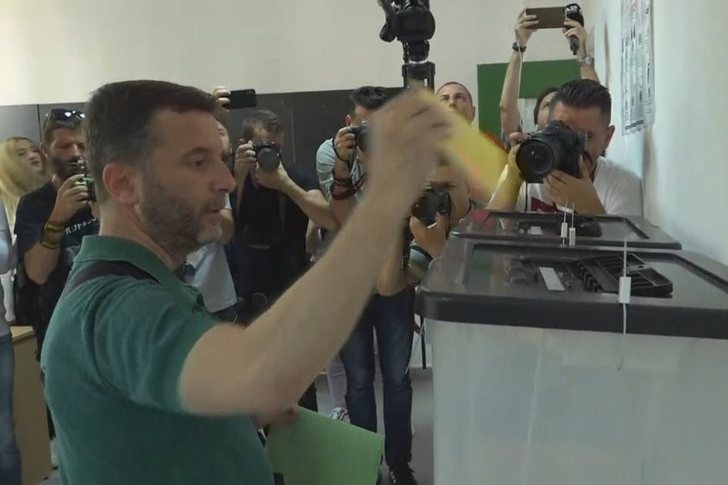
Only 11 years have passed since the event of June 26, 2014...
In the elections we just held, out of respect for my and m...
The elections are over, change was forcibly stopped and, a...
Art is not only represented by artists who create works su...
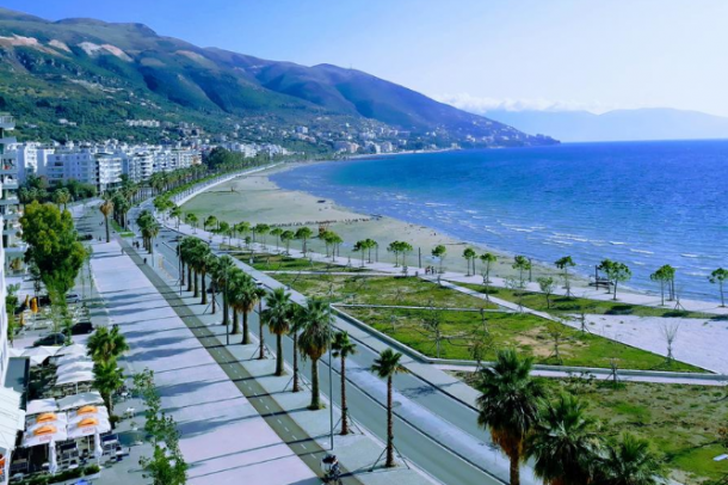
In the last decade, Vlora has transformed into an enviable...
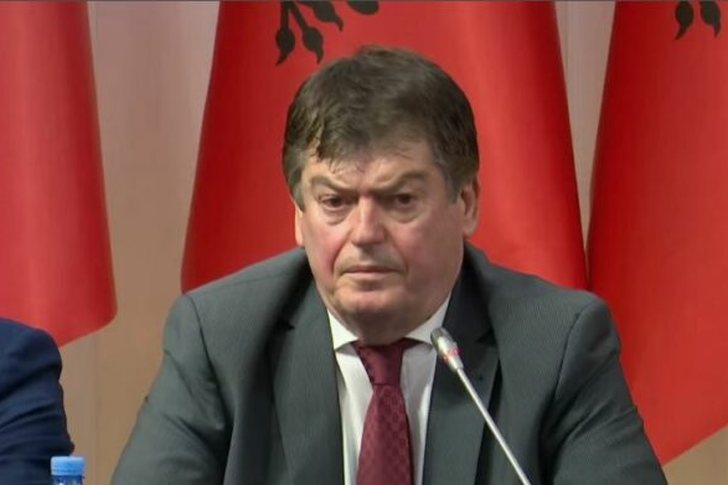
The Albanian nation is facing a grim political crossroads ...
When asked in a television studio if the glasses he was wear...
The eyes/attention of chancelleries, institutions, institu...
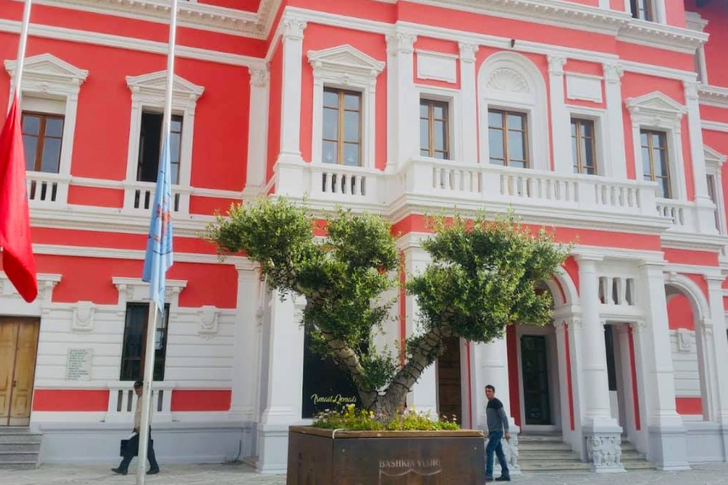
In any city, especially in those with strategic tourist an...
After all diplomatic efforts were exhausted, the unrivaled...
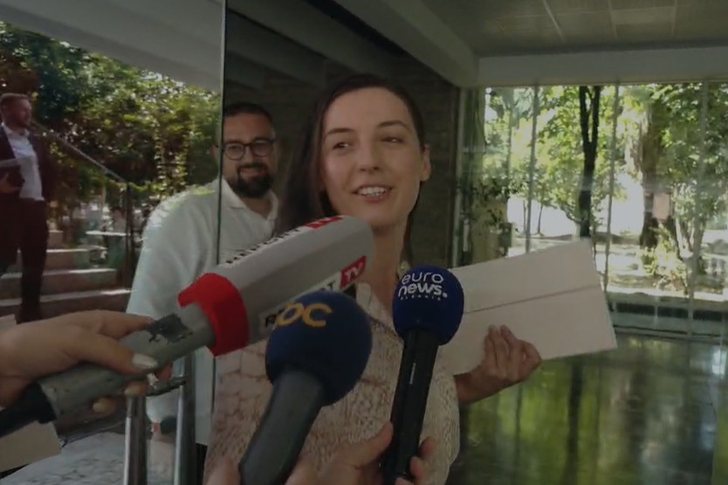
The new SP MPs will hold a training, summer school, party ...

How is it possible for the SP's votes to increase after fo...
I read, I listen, and I am even one of those who writes fr...
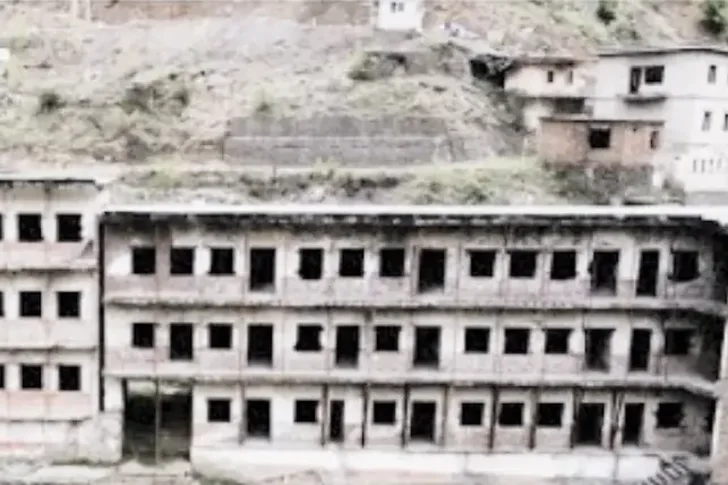
Nga Besim NDREGJONI, Autor i filmit dokumentar “Spaç 1973 ...
They can't get a single MP, but they can give an idea of ...
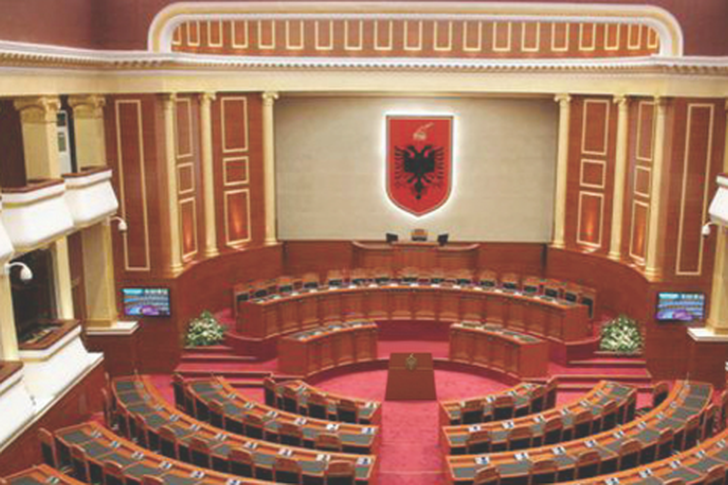
Parliamentarism is a system of government that faces many ...
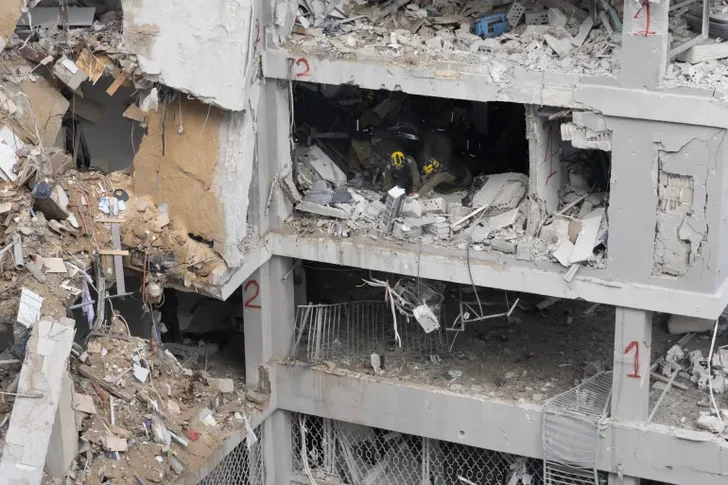
Since 2013, when Albania decided to accept the Khalq Mujah...
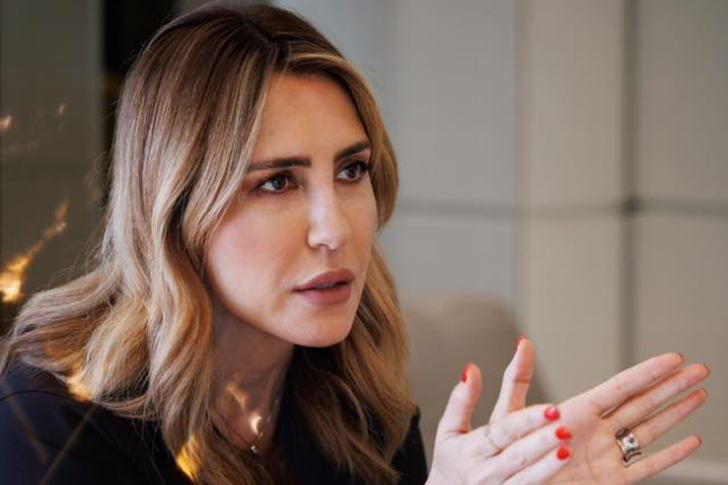
After years of effort and work to understand the European ...
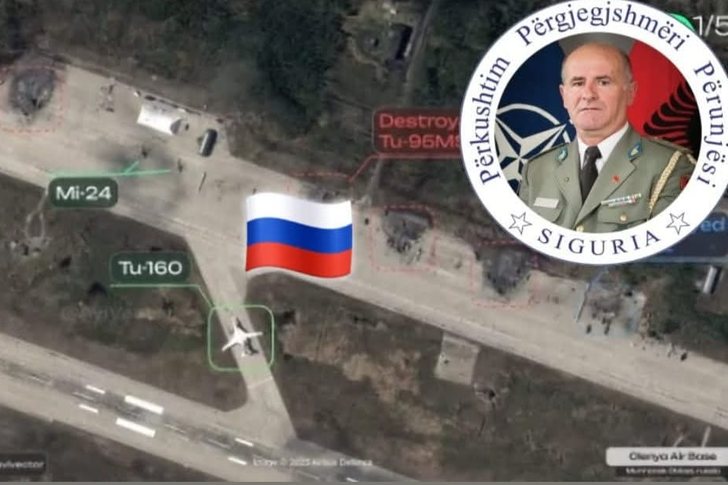
In the capacity of engagements in National Security, Regio...
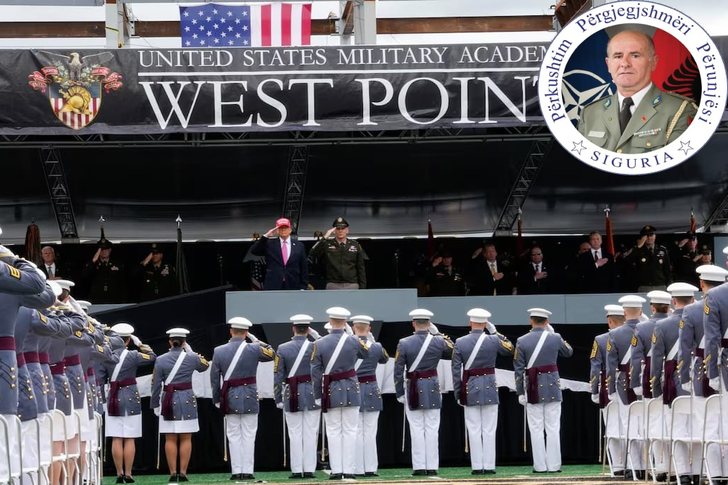
Almost two weeks ago, US President Donald Trump triumphant...
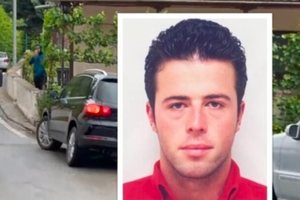
The murder of officer Enea Mekolli in the line of duty has...
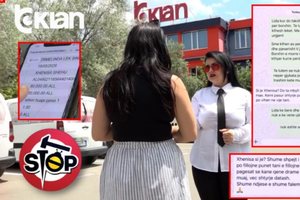
The next case broadcast on the show "Stop", this Thursday,...
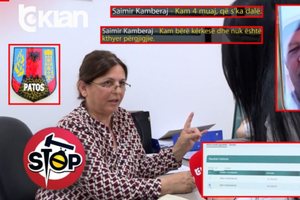
The case published this Thursday, June 4, on the show "Sto...
The protests of recent days related to the situation in Zv...

The Special Board of Appeal (KPA) decided this Monday ...

The KPA vetting decided this Thursday to dismiss the p...

Suela Salavaçi, a prosecutor in the Prosecutor's Offic...

The Special Board of Appeal reinstated the prosecutor ...
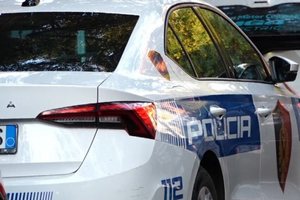
A 38-year-old man was arrested today near the Kamza turnof...
A money changer in Durrës lost 60 thousand euros after bei...
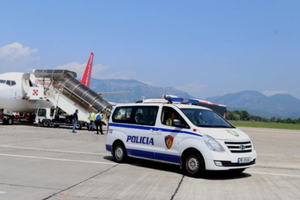
The 6 citizens captured in Dubai, members of criminal grou...
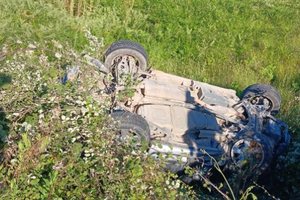
A serious accident occurred on the Kardhiq-Delvinë axis, i...
Today our country will be affected by stable weather condi...

For many children and teenagers, the long summer holidays ...
Albania is facing an unprecedented demographic transition,...
On Thursday, our country will be affected by unstable weat...
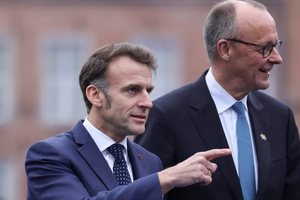
On the eve of the EU-Western Balkans summit, Germany and F...
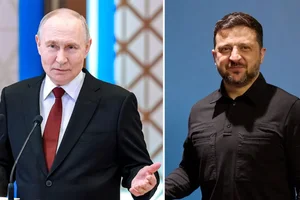
Russian President Vladimir Putin said the war in Ukraine c...
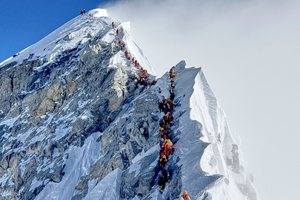
An extraordinary story of survival has been recorded in Ne...
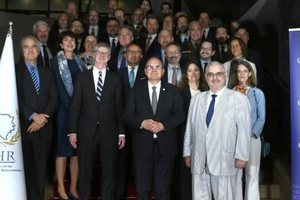
The Peace Implementation Council in Bosnia and Herzegovina...
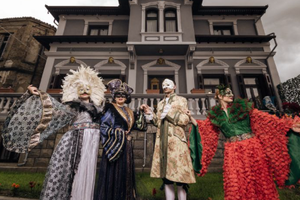
Korça is ready to open the summer season with one of the c...
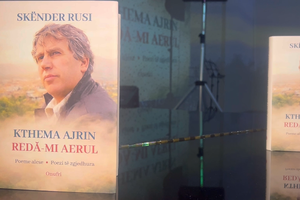
Two years after his passing, the renowned Korçë poet Skënd...
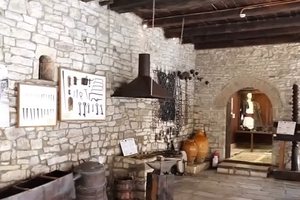
The Ethnographic Museum of Berat has opened its doors to v...
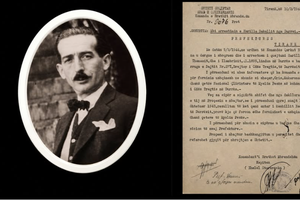
The story of Harilla Bakalli is one of the most chilling t...
Despite years of efforts at regional cooperation and free ...
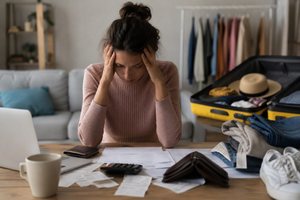
Albania is the country with the highest level of severe ma...

This Friday, one US dollar is bought for 81.3 lek and sold...
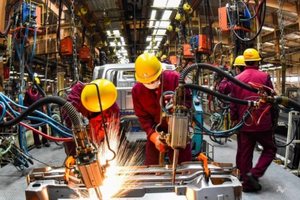
The government aims to transform the country's industrial ...