


"Rotten government"/ Arben Malaj: Rama's resignation, a completely achievable objective
Former Minister of Finance, Arben Malaj, has reacted to th...

Former Minister of Finance, Arben Malaj, has reacted to th...


Shocked by the news that Skenderbeu ate a calf before the battles, the monkey Kiko was meditating on the fact that despite the fact that dozens of books were written, for the Albanian screen journalists, the curiosity was still at the level of a three-year-old child who wants to learn everything about the figure of the Hero. .
This time, the focus of the journalists' interest, who always focus on the public interest, were Skenderbeu's horses.
To quell the curiosity of journalists and to quell the academic debate about this issue, Kiko used the Socratic method of questioning.
- How many horses did Skanderbeg have?
- Horse management in the 15th century was more or less like Uber management in the 21st century. Academic reviews suggest that Skanderbeg changed his horses more often than his battlefield tactics.
- What breed were Skanderbeg's horses? Were they local or imported from Arabia?
-The truth based on documents and hearsay lies somewhere in the middle, suggesting that Skenderbeu was an early advocate for genetic diversity, although he favored local products.
- Were the horses donated or bought?
-Researchers are still biting their nails on this question. Were these horses expensive gifts from Venice to gain favor from Skanderbeg or were they bought at the Korça horse market? Italian scholars lean towards gifts, while Albanian scholars embrace the idea of ??the free market.
- Cost of horses?
- Calculating today's inflation and the weakening of the euro against the lek, it seems that a horse cost as much as a small castle. Skanderbeg, clearly, did not spare the money for "castles"
- What names did Skanderbeg's horses have?
- Every horse had a name and every name had a story. From 'Troku' to 'Storm', or "Kruja", it seems that Skanderbeg was not only a warrior, but also a great poet when it came to finding symbolic names.
- What was the age and color of the horses?
- Historians today know precisely that the age of Skanderbeg's horses was young. Regarding the color, there is no exact data, but it is undeniable that the colors of Skanderbeg's horses made the rainbow jealous. It seems that even in the midst of fierce battles, Skanderbeg's aesthetic approach was never questioned.
- Number of horseshoes?
- It turns out that the horses had four horseshoes each, but their size remains a subject of fierce academic debate and occasional duels between our historians and those of neighboring countries
- Where were Skanderbeg's horses trained?
- The training places were said to be in secret valleys, covered by the fog of the Dibra mountains, more precisely in the Murrizi pass, where today a car can block all the traffic on the Arbri road.
- What were Skanderbeg's horses fed with?
-The culinary preferences of horses are clarified even better than the preferences of Skanderbeg who ate a calf before every battle. Their diet consisted of organic products: hay, grass and, in their absence, straw.
- How much did Skanderbeg's horses weigh?
- The weight of Skanderbeg's horses varied depending on the breed, training intensity and diet. Historical estimates say they weighed 500-600 kilograms. These tanks of the Middle Ages, known for their speed and strong physique, carried a heavily armored knight not only by dress, but also by authority.
- Were the horses environmentally friendly?
- Yes. The hero's horses are said to be ridden exclusively on eco-friendly trails, leaving negligible carbon footprints.
- In what language did Skanderbeg's horses neigh?
- It is now widely accepted that Skanderbeg's horses were polyglot, able to neigh in several dialects; from the local Albanian when they were having fun, to classical Latin when they had to do diplomacy and the Ottoman of the time when they complained about working overtime.
- Did Skanderbeg's horses respect the traffic signals?
- Horses obeyed traffic lights along trade routes, often stopping to think at crossroads, where they decided whether to trot or gallop, contributing to road safety for all medieval travelers.
- Did Skanderbeg's horses cause any road accidents?
- In an era when road safety measures were dictated more by the Leka canon than by the laws of the Empire, Skanderbeg's horses were known for strong discipline. Accidents in the Middle Ages were not uncommon, but it seems that Skanderbeg's horses were rarely, if ever, at fault.
- At what age did the horses die?
-Being thoroughbred horses and under maximum care, they lived to a very old age, setting records that surprised not only the veterinarians of the era, but also INSTAT itself.
- Who was Skanderbeg's horse veterinarian?
-Dr. took care of the horses. Patku-Medicus, a mysterious figure educated in the best veterinary academies of Europe at the time and fluent in medieval Albanian.
- Did Skanderbeg pay the taxes for the horses?
-Skenderbeu was not only a genius of tactics, but also an obedient tax payer, or rather born. He declared every horse he owned in taxes. And since he was known to win the battles, he always paid the profit tax in advance. Skenderbeu's taxes contributed to the maintenance of the medieval infrastructure of Arberia.
- Were the stalls public investments, concessions or PPP?
-Skanderbeg's horse stables, magnificent as they were, apparently enjoyed the status of a PPP (Public Private Partnership), combining public funds with private contributions in straw. This innovative approach ensured that the horses had good accommodation, sufficient calories and environmentally friendly bedding.
- Skanderbeg's horses leaned from the East or the West?
-While geopolitically neutral, it is whispered that the horses had a slight Euro-Atlantic slant, favoring the occasional western gallop, (Diber-Kruje direction) although they had an eastern flair - true diplomats of their time.
- Have Skanderbeg's horses ever crossed Skanderbeg Square?
- While the hooves of modern times may no longer step on this historical ground, it is almost certain that Skenderbe's horses, during their lifetime, have passed at least 30-40 km on the square next to it. Their crossings, whether for parades, battles or simply transit, have left indelible traces on the cobblestones and alleys of time.
- Have Skanderbeg's horses ever visited Italy?
- Skanderbeg himself was a frequent visitor to Italy and it is very likely that some of his horses accompanied him on these diplomatic-military ventures. The magnificent beauty of his horses in the Italian states was probably also a demonstration of strength and this is believed to be the reason for the help that Skanderbeg always received whenever he went to the Vatican or Venice.
- On which horse did Skanderbeu go from Kruja to the Assembly of Lezha?
-The journey from Kruja to the historic Assembly of Lezha, where Skenderbeu, with the help of the Venetian ambassador, united the Albanian princes at a table against the Ottoman Empire, was of historical importance. The horse that carried him on this important journey was likely one of his favorites, known for its reliability and strength. Although the name of this horse still remains a secret, it undoubtedly carries the weight and glory of that key moment in Albanian history.
- Did the Ottoman secret service try to poison Skanderbeg's horses?
- Rumors that the secret service of the Ottoman Empire hatched plans to weaken Skanderbeg's military capabilities by targeting his most valuable assets, which were horses, have now been confirmed by Ottoman archives. SISH of the time uncovered several plots to introduce toxins into the horses' sputum. Fortunately, Skanderbeg's vigilant stables, aware of the dangers, implemented strict security measures around the stables, ensuring the safety and health of the horses.
- Do Skanderbeg's horses have veteran status?
- While the concept of veteran status as we understand it today (hereditary) did not exist in the 15th century, there is no doubt that Skanderbeg's horses were valued and honored just like the veterans of later times. These horses, noted for their bravery and endurance in countless battles, were often given special treatment after service and were remembered in the songs and stories of the era. On the anniversary of the great battles they were offered fruits (mainly apples and pears from Dibra)


\Jam menduar natën e kaluar ta botoj apo jo dhe vendos...
As expected, many television programs last night were ...

1. What is said on the first day is incomplete. The releas...
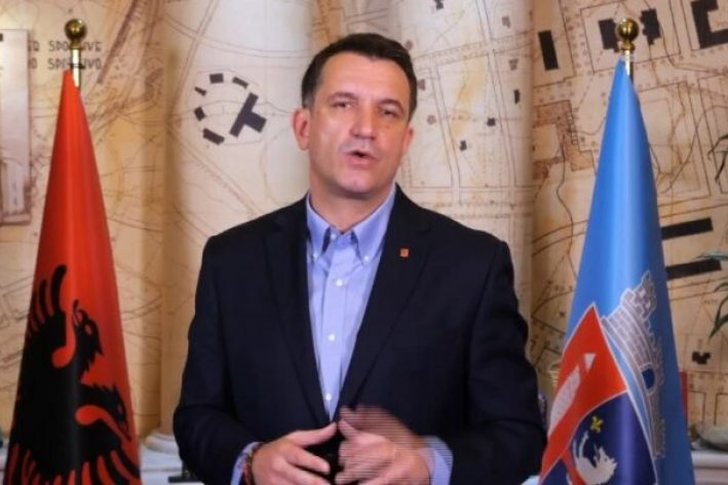
Those who regularly follow the prime minister's Instag...
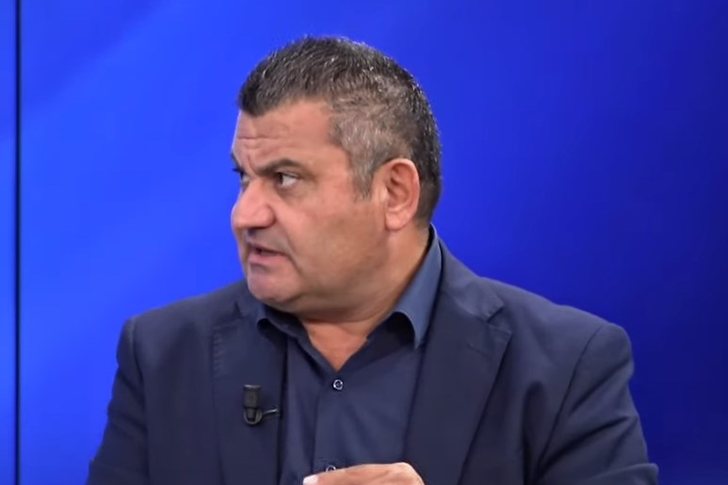
When we say that this is a very serious event, another...
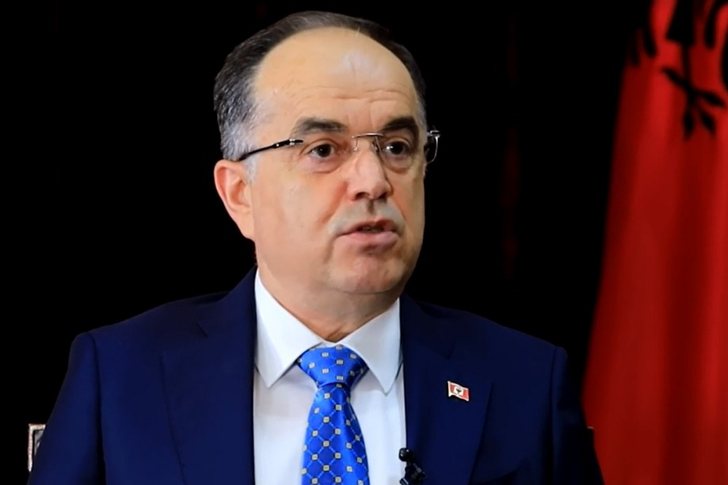
Although a non-delegable protocol obligation stemming ...

Dear friend, Today the letter has lost its power, unl...
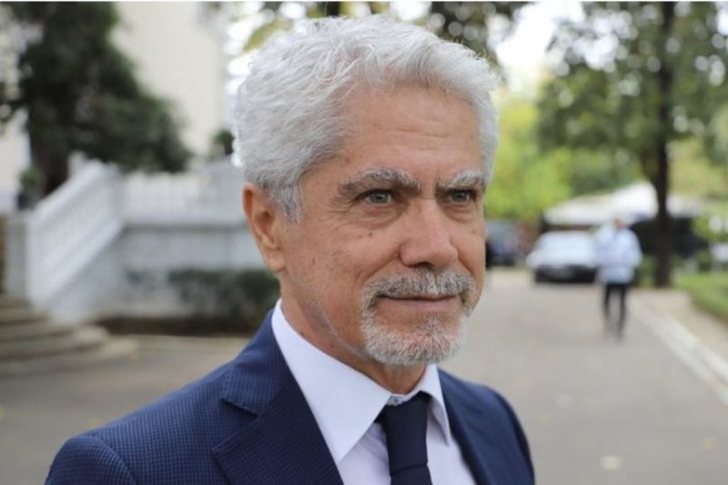
After the fall of the dictatorship, the Albanians did not ...

On the day he was supposed to be arrested, he woke up ...
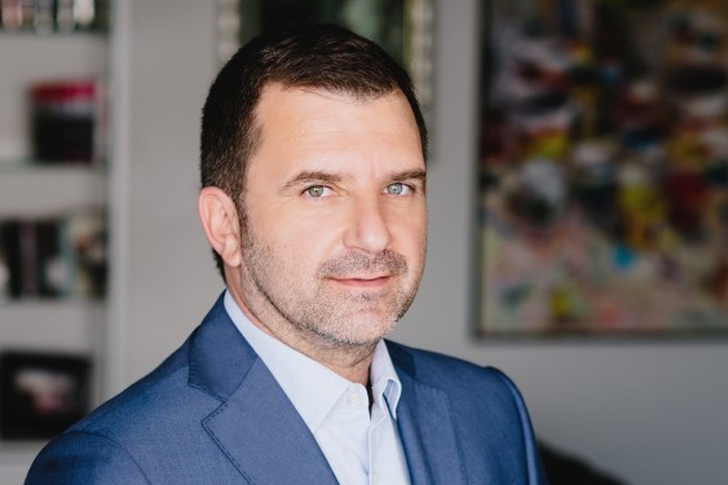
Përplasja e fundit mes Baton Haxhiut dhe Erion Veliajt më ...
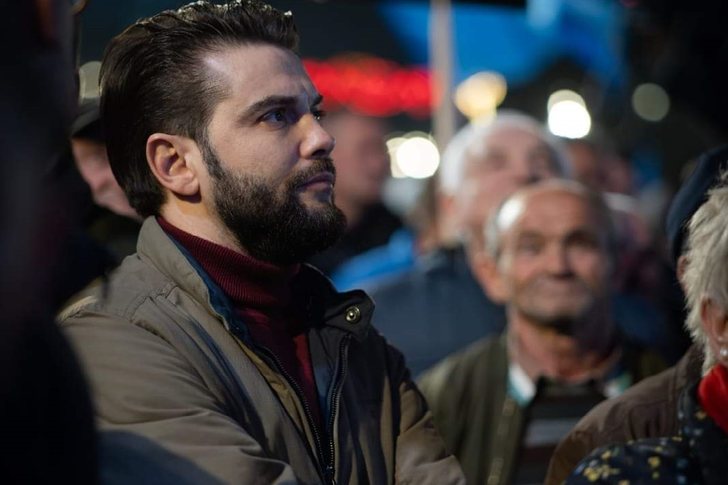
After staying for 7 hours with his colleagues at SPAK, des...
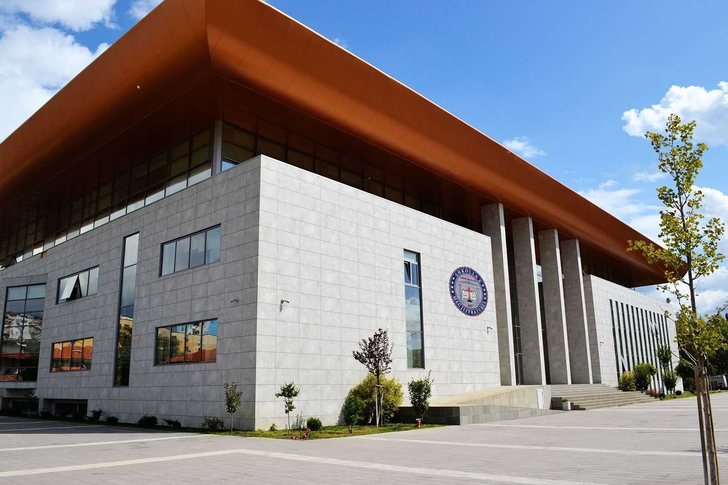
Ajo që ka ndodhur në Shkollën e Magjistraturës është m...
Erion Veliaj is not the individual political project o...
Today's breakfast was quite nice. A warm sun in a clear sk...
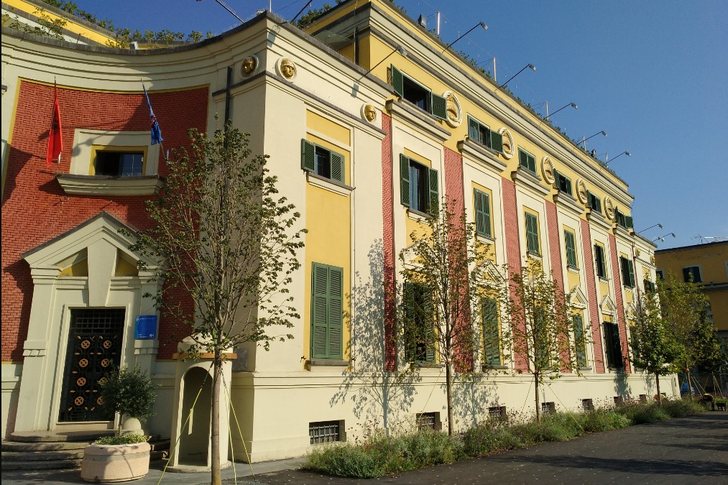
Tirana DC was established in October 2020 as a joint s...

For all those who advised Edi Rama not to deal so much...
When they were alone, the re-established sat happily u...

The journalist of the government, Mero Baze, yesterday, in...

The first round of presidential elections in North Macedon...
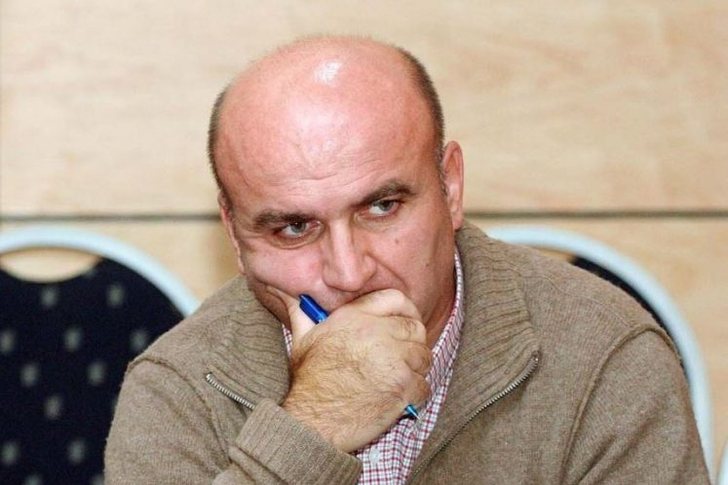
The press has published five months late an event which ra...
Irfan Hysenbelliu claims to be a big businessman, an hones...
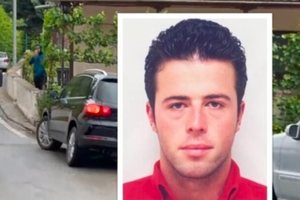
The murder of officer Enea Mekolli in the line of duty has...
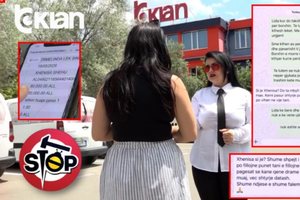
The next case broadcast on the show "Stop", this Thursday,...
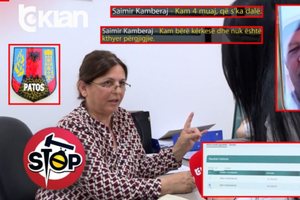
The case published this Thursday, June 4, on the show "Sto...

The Special Board of Appeal (KPA) decided this Monday ...

The KPA vetting decided this Thursday to dismiss the p...

Suela Salavaçi, a prosecutor in the Prosecutor's Offic...

The Special Board of Appeal reinstated the prosecutor ...
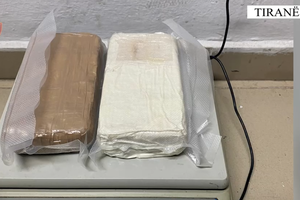
A police operation codenamed "Zonet" has ended with the se...
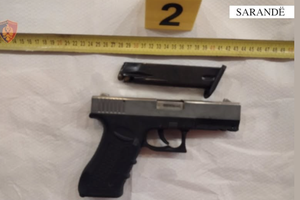
A 37-year-old citizen has been arrested in flagrante delic...
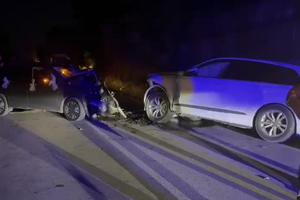
A road accident has been reported on the Fier-Levan axis, ...

An accident was recorded a few minutes ago on the Pogradec...
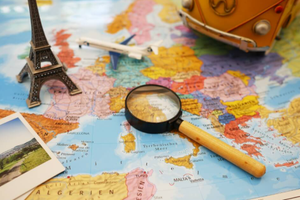
The modern European traveler seeks a meaningful connection...
This Sunday, weather conditions are forecast to be clear a...
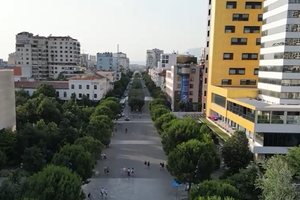
Albanians are officially the hardest working people in Eur...
This Saturday will be characterized by mostly clear weathe...
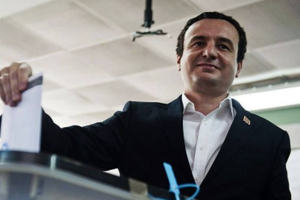
Kryeministri në detyrë i Kosovës, Albin Kurti, votoi sot n...
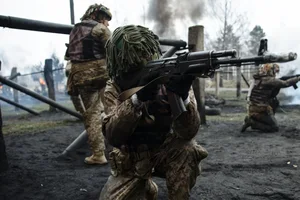
Presidenti rus Vladimir Putin është në pushtet prej 26 vit...
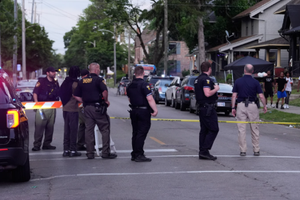
Gunfire erupted in Ohio, USA, in the area where the Old We...
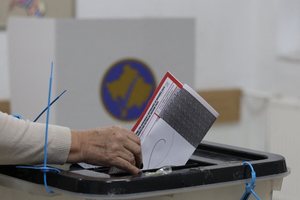
The citizens of Kosovo will today try to give direction to...
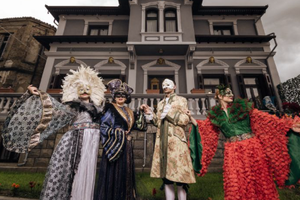
Korça is ready to open the summer season with one of the c...
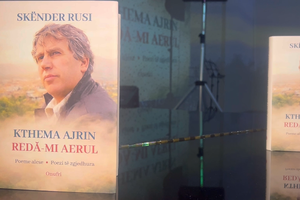
Two years after his passing, the renowned Korçë poet Skënd...
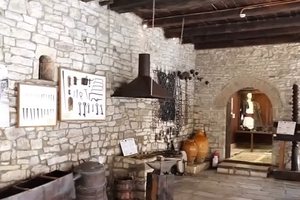
The Ethnographic Museum of Berat has opened its doors to v...
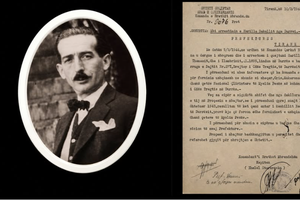
The story of Harilla Bakalli is one of the most chilling t...
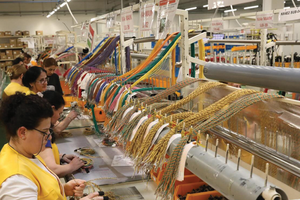
The automotive industry in Albania is currently at a turni...
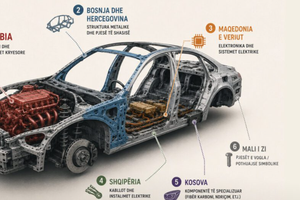
If you were to follow the industrial map of the Western Ba...
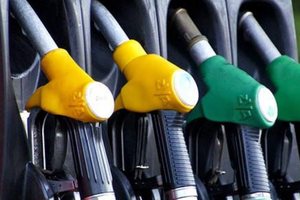
The Transparency Board, in today's meeting, decided to red...
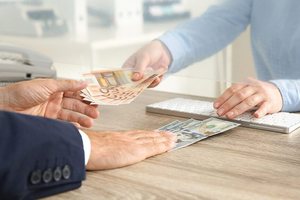
This Saturday, one US dollar is bought for 81.4 lek and so...