

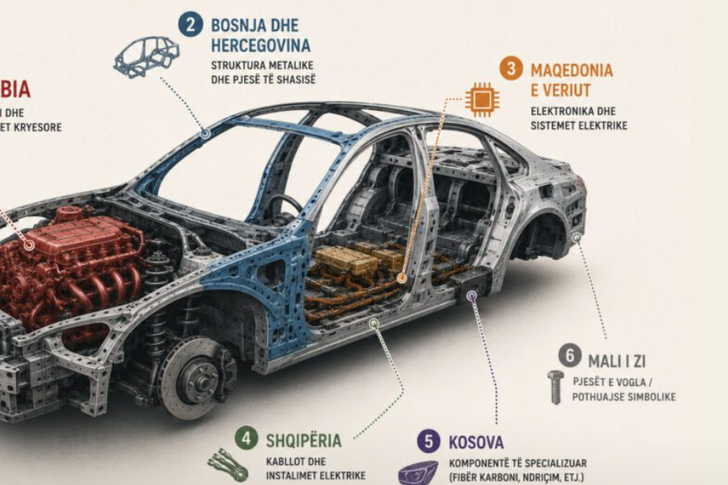
How the Western Balkans became Europe's "factory"... what comes next?
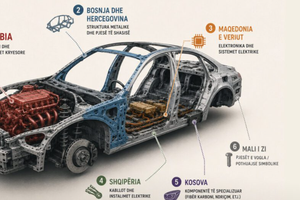
If you were to follow the industrial map of the Western Ba...


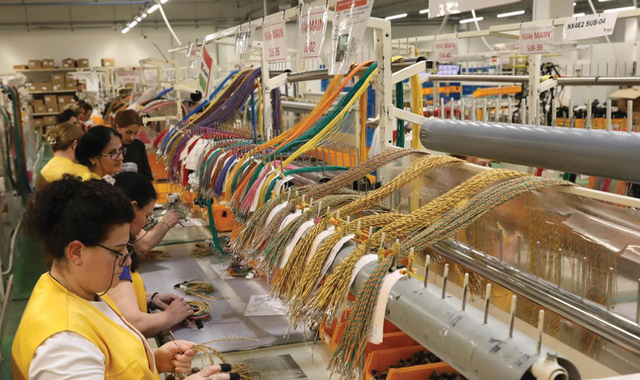
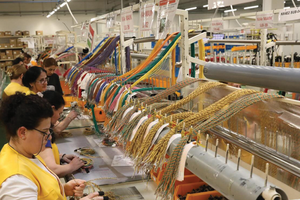
The automotive industry in Albania is currently at a turning point. Foreign trade data shows that exports of the "machinery, equipment and spare parts" group, which also includes automotive components, reached around 39.7 billion lek in 2025.
This is an increase of approximately 6% compared to 2024, after two years of contraction.
In the longer term, the sector has changed scale, the value of exports is about 3.7 times higher than in 2015, with an average annual growth of about 14%. However, the fact that 2025 remained almost at the same level as the peak of 2022 shows that the period of stable growth is over. The industry is growing, but more slowly, with higher costs and more uncertainty.
On the ground, this uncertainty is interpreted differently by different companies. Forschner Albania, one of the major players in the sector, sees demand still being positive. The company has expanded its client base and work volume, increasing the number of employees from around 900-1000 to around 1150.
For 2026, its expectation is an increase of up to 5% before the fall, when activity usually intensifies after the summer slowdown.
Factors increasing pressure on the industry
Two factors are squeezing the industry from within: the exchange rate and labor costs. The weak Euro is the biggest paradox for Albanian exporters. Companies sell in Euros, but a large part of their expenses are in Lek. When the Euro falls, converted revenues shrink, while wages, energy, domestic services, and administrative costs do not follow suit.
In a global industry where every cent counts in the supply chain, price revision is not a simple negotiation. Customers demand stability, while Albanian suppliers are facing more expensive transportation, more costly raw materials, and an exchange rate that reduces the real value of revenues.
Tensions in the Middle East have added to this uncertainty. Rising transportation costs and oil prices, and other domestic reasons, have led to budgets approved at the end of the year being revised within a few months.
For a sector that supplies European and global vehicle manufacturers, logistics is not just an additional expense. It is part of the promise to the customer. Nearshoring, i.e. bringing supply chains closer to Europe, can only benefit Albania if the country manages to guarantee speed, stability and a trained workforce.
This is where the second structural challenge that has been looming for years appears, and that is precisely people. At the level of the simple workforce, the situation seems more stabilized than two or three years ago, when sudden layoffs were a widespread phenomenon.
Tkurrja e industrisë tradicionale fason të veshjeve dhe të këpucëve ka liruar një pjesë të fuqisë punëtore dhe e ka ndihmuar rekrutimin në automotive. Disa operatorë e shohin këtë si një nga arsyet që kur kanë dashur zgjerim e kanë arritur pa shumë vështirësi.
Për investime që kërkojnë 1000 punonjës të rinj, tregu vendas duket i kufizuar. Potenciali mbetet më realist për fabrika të mesme, me deri në 200 punonjës, ose për zgjerime graduale të operatorëve ekzistues që tashmë kanë kulturë prodhimi, staf të trajnuar dhe lidhje me klientë ndërkombëtarë.
Kina, a është një mundësi?
Prania e sfidave nuk do të thotë se dritarja e mundësive për Shqipërinë është mbyllur. Përkundrazi, zhvillimet globale në industrinë e automjeteve mund të hapin një cikël të ri. Prodhuesit kinezë të makinave elektrike po kërkojnë gjithmonë e më shumë baza prodhimi në Europë për t’iu afruar tregut dhe për të gjetur zgjidhje mbi barrierat tregtare.
Nëse më shumë automjete elektrike montohen në Europë, rritet edhe nevoja për komponentë të prodhuar brenda rajonit. Delmon tashmë ka nisur prodhimin e disa komponentëve për modelin BMW iX3 përmes një bashkëpunimi me një kompani franceze që furnizon sisteme elektrike për BMW. Nëse shitjet ecin sipas pritshmërive, porositë mund të rriten dhe të shtrihen drejt Kinës e më pas Meksikës, duke e futur prodhimin shqiptar në një arkitekturë më globale.
Panorama është më komplekse se një cikël i zakonshëm rritjeje ose krize. Industria automotive ka baza që nxisin pritshmëritë pozitive ku së pari eksportet u rimëkëmbën në 2025 dhe së dyti, kompanitë kryesore vijojnë të marrin klientë të rinj. Por industria nuk është më në fazën ku mjaftonte puna e lirë për të bindur porositësit. Sot, ajo duhet të konkurrojë me produktivitet, cilësi, afate dorëzimi dhe aftësi për të përballuar goditje të jashtme, pa prishur kontratat.
Një situatë si kjo duhet të lexohet me kujdes për të zhvendosur debatin nga incentivat e përgjithshme te mbështetja e posaçme për këtë industri, në kushtet ku i vetmi nxitës fiskal është tatimfitimi 5%. Nëse Shqipëria kërkon të tërheqë industri me vlerë më të lartë të shtuar, duhet të marrë masa që e bëjnë këtë industri konkurruese.
Për momentin, sektori ndodhet në një ekuilibër të brishtë. Nga njëra anë ka porosi të reja dhe mundësi që zinxhirët europianë të furnizimit të kërkojnë më shumë kapacitete afër. Nga ana tjetër ka Euro të dobët, transport më të shtrenjtë, treg pune me probleme komplekse dhe luftëra që e bëjnë çdo buxhet të përkohshëm dhe çdo horizont të paqartë.
Shqipëria është ende në hartën automotive, por jo më si destinacioni i lirë në afërsi të Europës. Që të mbijetojë e të rritet, duhet të provojë se mund të jetë një nyje e shpejtë, fleksibël dhe e besueshme në një industri që po riorganizohet me ritëm më të shpejtë se kurrë globalisht.
Ecuria e eksporteve të industrisë automotive
Foreign trade data show that the automotive industry and the machinery, equipment and spare parts segment have had slow but steady growth.
From 2015, when this industry was modest and peripheral in total exports, it turned within a decade into one of the dynamic pillars of production for foreign markets, with a strong cycle of fluctuations, especially over the last four years.
After growing rapidly in 2021 and reaching a record level in 2022, exports fell in 2023 and 2024 under the impact of weakening demand from European markets, higher costs, the depreciation of the Euro, and uncertainties in the global market.
In 2025, the sector returned to growth, reaching around 39.7 billion lek in exports and approaching historical levels again. However, the industry remains exposed to Euro fluctuations, transportation costs and geopolitical tensions that are affecting industrial production in Europe./Monitor

If you were to follow the industrial map of the Western Ba...
The Transparency Board, in today's meeting, decided to red...
This Saturday, one US dollar is bought for 81.4 lek and so...
Despite years of efforts at regional cooperation and free ...

Albania is the country with the highest level of severe ma...
This Friday, one US dollar is bought for 81.3 lek and sold...
The government aims to transform the country's industrial ...
Kursi i këmbimit të euros me lekun ka rënë më tej këtë jav...
Profit margins in the construction sector have increased s...
The Transparency Board, at its meeting today, decided to i...
Today, in the foreign exchange market, one US dollar is bo...
The Minister of Finance, Petrit Malaj, announced today a n...
Guvernatori i Bankës së Shqipërisë, Gent Sejko, priti m...
Today, in the foreign exchange market, one US dollar is bo...
DP MP Igli Cara has submitted to the Parliament a draf...
Annual inflation in the Eurozone rose to 3.2% in May, from...
The Transparency Board on June 2, 2026, at its next meetin...
This Tuesday, one US dollar is bought for 81.4 lek and sol...
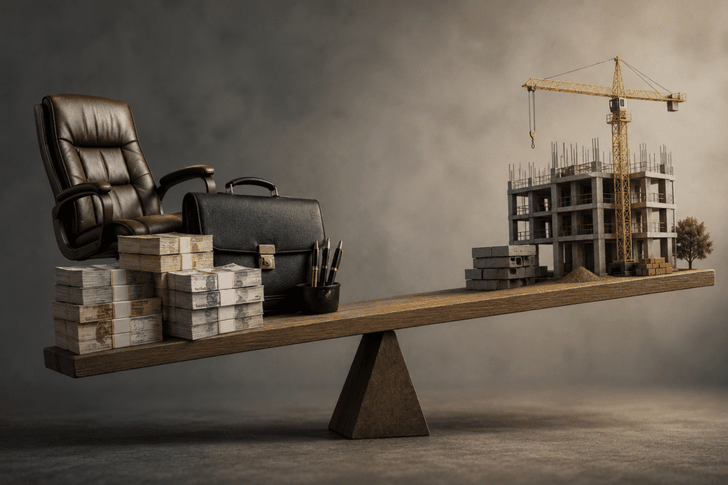
Albania has great needs for new investments, especially in...
This Monday, one US dollar is bought for 81.4 lek and sold...

Irfan Hysenbelliu claims to be a big businessman, an hones...

The murder of officer Enea Mekolli in the line of duty has...
The next case broadcast on the show "Stop", this Thursday,...
The case published this Thursday, June 4, on the show "Sto...

The Special Board of Appeal (KPA) decided this Monday ...

The KPA vetting decided this Thursday to dismiss the p...

Suela Salavaçi, a prosecutor in the Prosecutor's Offic...

The Special Board of Appeal reinstated the prosecutor ...

A road accident has been reported on the Fier-Levan axis, ...

An accident was recorded a few minutes ago on the Pogradec...
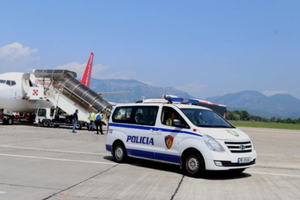
Following the cooperation of Interpol Tirana with Interpol...

An accident occurred this Saturday morning at Shkëmbi i Ka...
The modern European traveler seeks a meaningful connection...

This Sunday, weather conditions are forecast to be clear a...
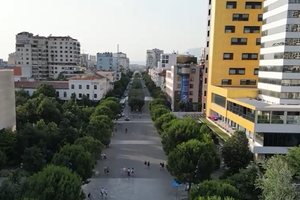
Albanians are officially the hardest working people in Eur...

This Saturday will be characterized by mostly clear weathe...

Gunfire erupted in Ohio, USA, in the area where the Old We...
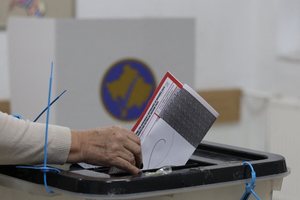
The citizens of Kosovo will today try to give direction to...
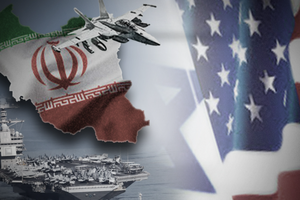
The military advisor to Iran's supreme leader, Mohsen Reza...

US Defense Secretary Pete Hegseth declared that Europe is ...

Korça is ready to open the summer season with one of the c...

Two years after his passing, the renowned Korçë poet Skënd...

The Ethnographic Museum of Berat has opened its doors to v...
The story of Harilla Bakalli is one of the most chilling t...
The automotive industry in Albania is currently at a turni...
If you were to follow the industrial map of the Western Ba...
The Transparency Board, in today's meeting, decided to red...

This Saturday, one US dollar is bought for 81.4 lek and so...