


Iran situation/ Here's where negotiations with Washington have "stuck"
The military advisor to Iran's supreme leader, Mohsen Reza...


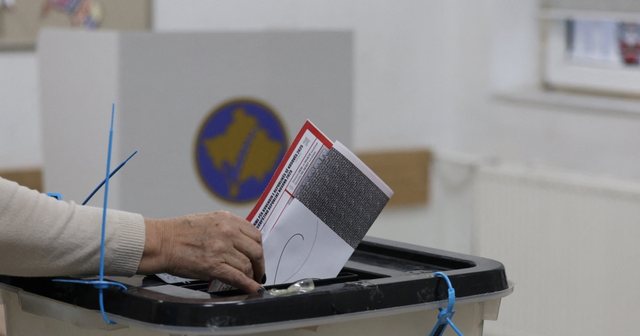
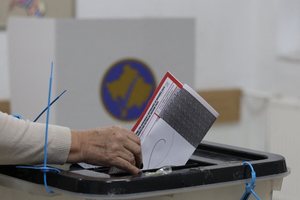
The citizens of Kosovo will today try to give direction to a crisis that, according to observers, stems from the ambition for complete control of power and the lack of willingness to compromise. The way out of it is now limited to only a few scenarios.
Today's elections are the third in less than a year and a half, following regular elections on February 9, 2025, and another early one on December 28.
The former failed to produce a government, while the latter, although they gave the Vetevendosje Movement over 51% of the votes - the largest majority in the Kosovo state - did not produce an agreement for the president, according to a decision of the Constitutional Court.
This automatically led to the dissolution of the Assembly at midnight on April 28 - just two and a half months after its constitution - and two days later the acting president, Albulena Haxhiu, announced new elections.
"After assessing the constitutional deadlines, the organizational needs of the Central Election Commission, and the importance of the widest possible participation of citizens in the process, I have decided that the early elections for the Assembly of the Republic of Kosovo will be held on June 7," Haxhiu declared on April 30.
For the leader of the Vetëvendosje Movement and the acting Prime Minister, Albin Kurti, the dissolution of the tenth legislature was "political misery", caused by the parties previously in the opposition, which he accused of a lack of cooperation and deliberate boycott of the sessions for the election of the president.
"This opposition may bring in some new faces, but its craft and character are old, which is why it is in free fall, it is constantly falling through the electoral cycles," Kurti said.
In the December 28 elections, the Democratic Party of Kosovo came in second with 22 parliamentary mandates, 35 fewer than the Vetëvendosje Movement with 57, the Democratic League of Kosovo won 15, five fewer than in the February elections, and the others fewer.
These parties welcomed the move to new elections, even though LDK leader Lumir Abdixhiku said they were imposed by the government, which, with a majority of 51%, demanded political "submission".
The Central Election Commission announced that 22 political parties and three pre-election coalitions are participating in the June 7th race.
The Vetëvendosje Movement enters the elections in coalition with three small entities - Guxo, Alternativa and the Albanian Democratic Christian Party - while the three main opposition parties, PDK, LDK and AAK, are running alone.
The Serbian List - the largest party of Kosovo Serbs, which is supported by official Belgrade, is also competing alone.
Part of this race is also the country's former president, Vjosa Osmani, who leads the list for MPs of the LDK, the party she was a part of before her presidential mandate.
According to the voter list approved by the CEC, about two million citizens, including the diaspora, have the right to vote. In the December 28 elections, about 900,000 of them voted, or about 45 percent of the electorate.
To organize this process, the acting Government of Kosovo approved the CEC's request for the allocation of around 10.9 million euros. For comparison, the December elections had a planned budget of 11.5 million euros, while the actual expenses, according to CEC reports, amounted to around 7.4 million./rel

The military advisor to Iran's supreme leader, Mohsen Reza...

US Defense Secretary Pete Hegseth declared that Europe is ...

A federal judge in Rhode Island struck down a Trump admini...
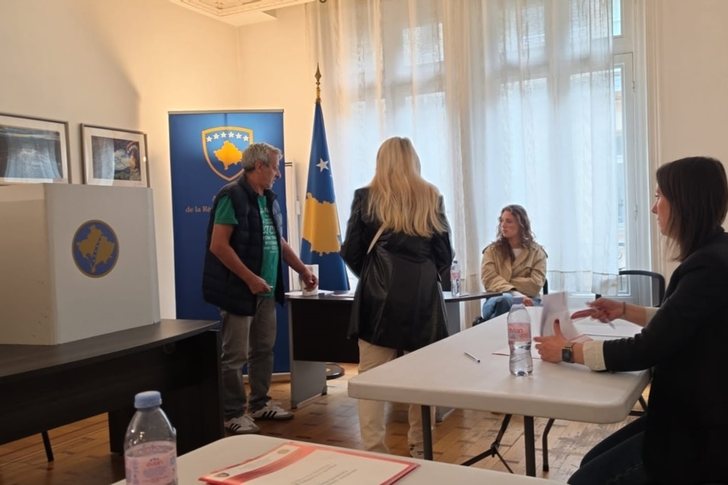
Thousands of Kosovo citizens living abroad are voting phys...
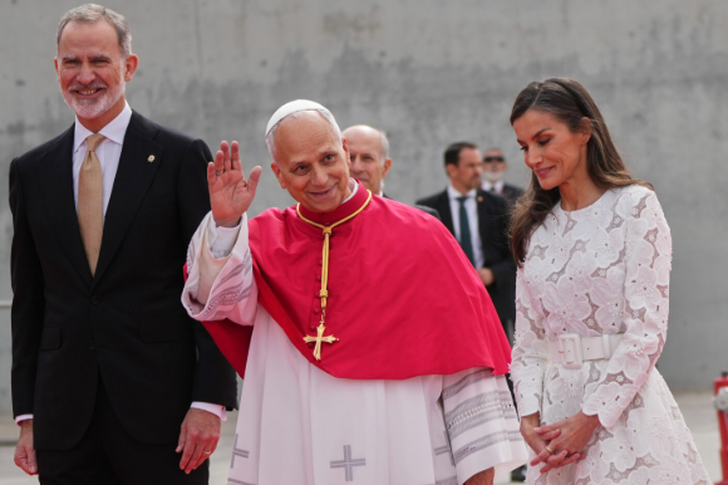
Pope Leo XIV arrived in Madrid this Saturday, where he beg...
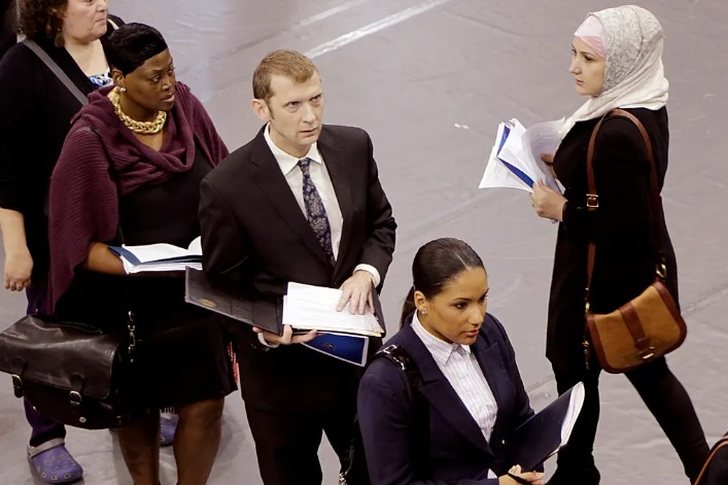
Millions of Europeans still apply for jobs without knowing...

Following the Covid-19 pandemic, the World Health Organiza...
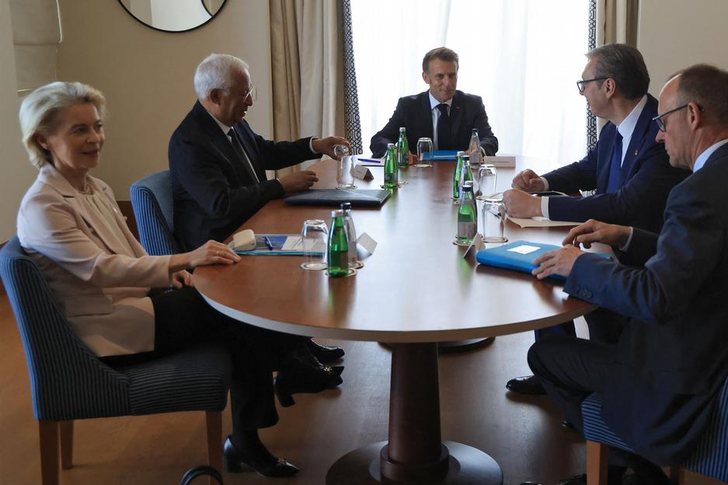
Leaders of the European Union and Western Balkan countries...
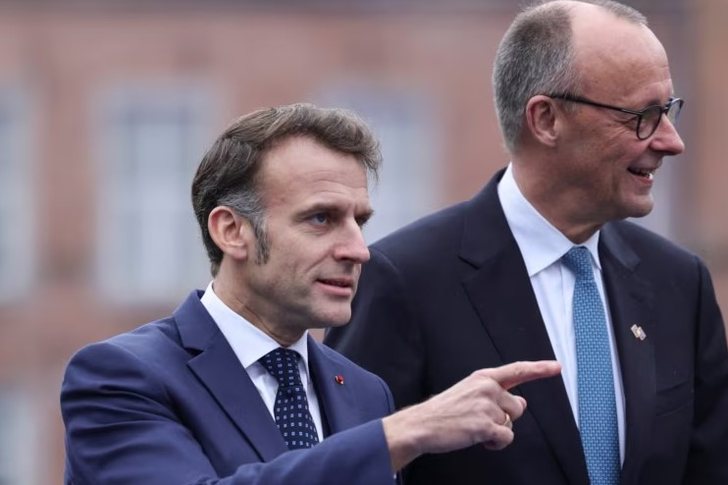
On the eve of the EU-Western Balkans summit, Germany and F...

Russian President Vladimir Putin said the war in Ukraine c...
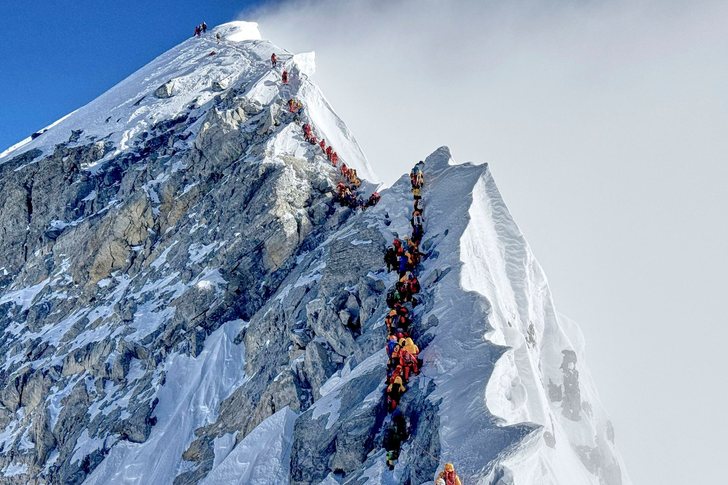
An extraordinary story of survival has been recorded in Ne...
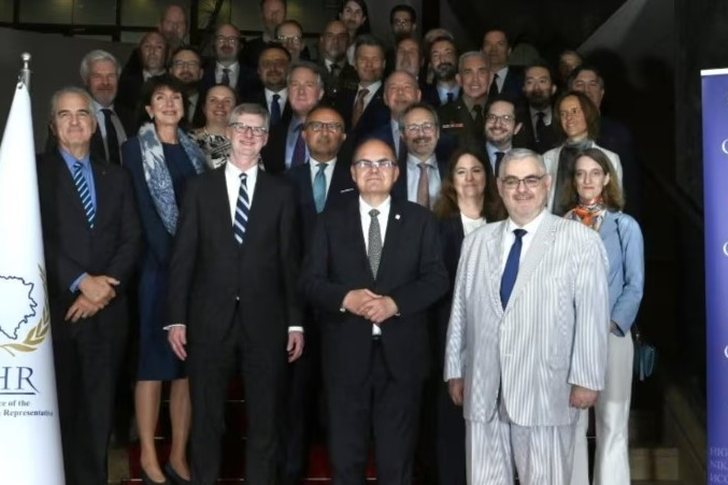
The Peace Implementation Council in Bosnia and Herzegovina...
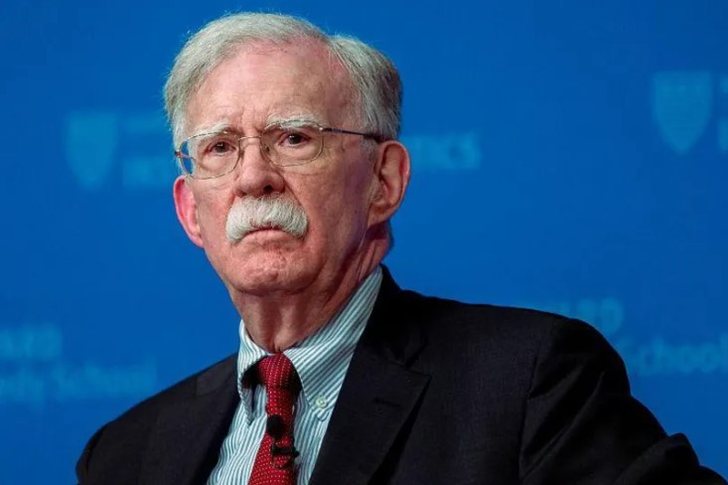
John Bolton, the former national security adviser to US Pr...
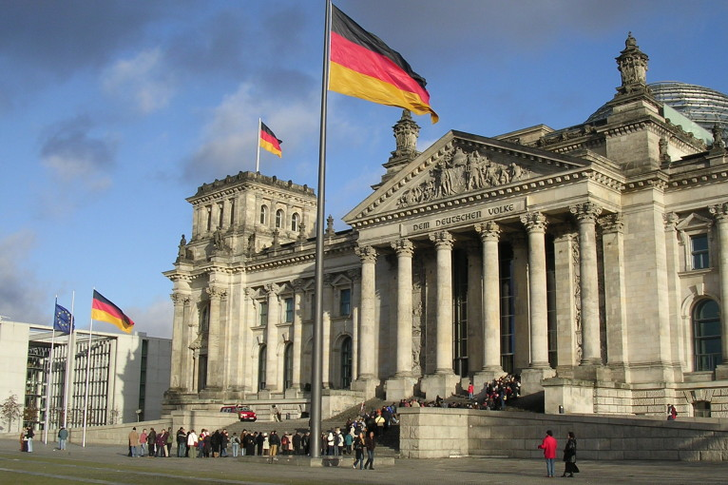
The number of millionaires worldwide rose by nearly 2 mill...
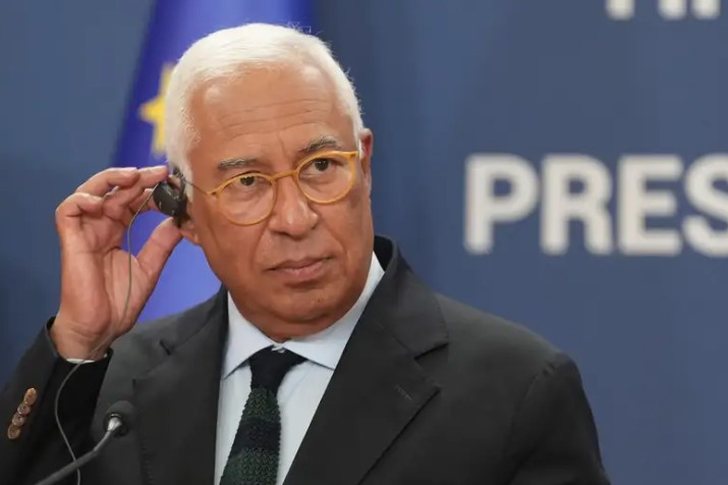
The European Union must find ways to accelerate the member...
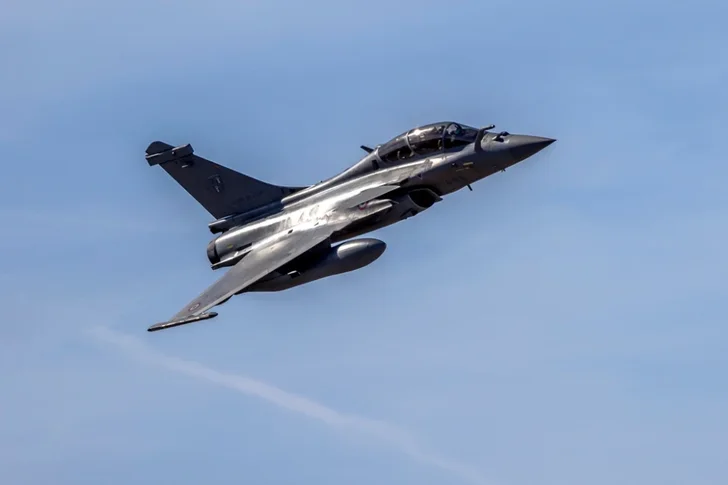
French fighter jets took off 11 times last week as part of...
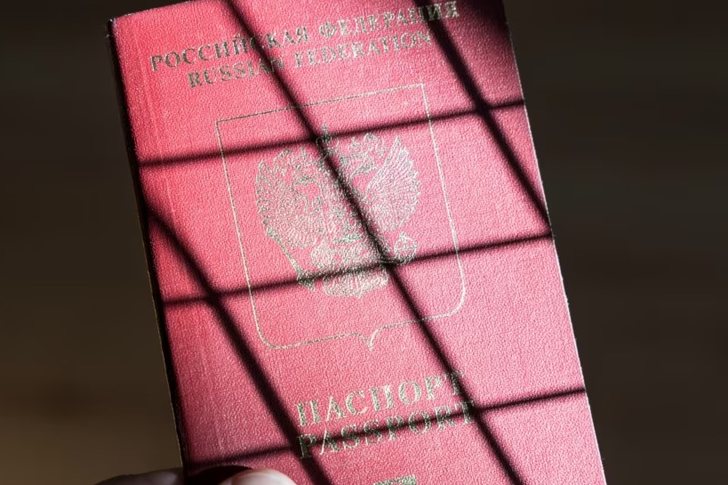
A number of European Union member states are pressuring th...
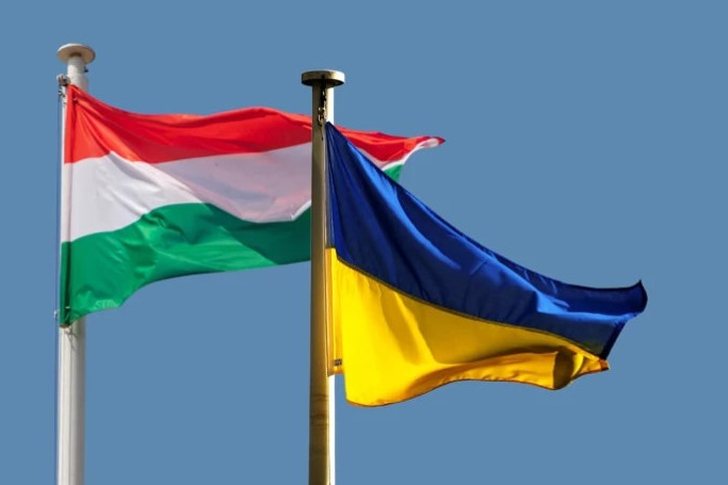
Hungary and Ukraine have reached an agreement on the right...
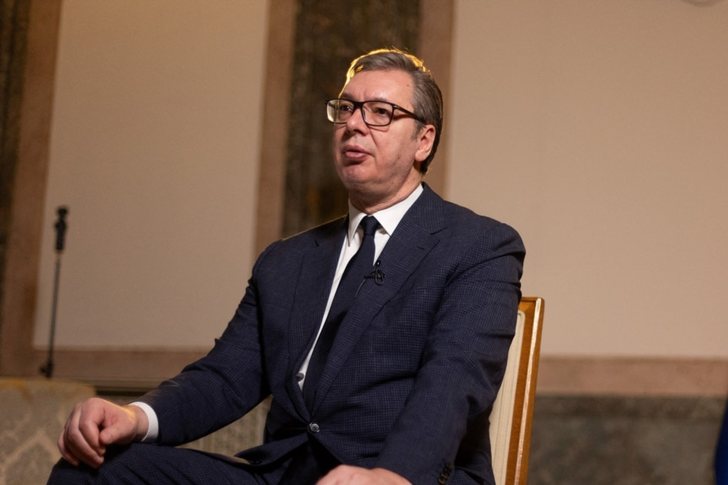
Serbian President Aleksandar Vučić has confirmed that he w...

Israel and Lebanon have agreed to renew their fragile ceas...
Irfan Hysenbelliu claims to be a big businessman, an hones...
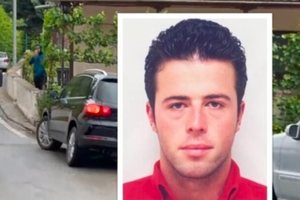
The murder of officer Enea Mekolli in the line of duty has...
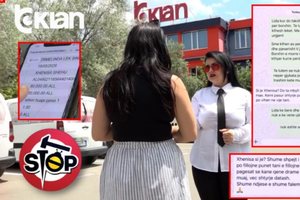
The next case broadcast on the show "Stop", this Thursday,...
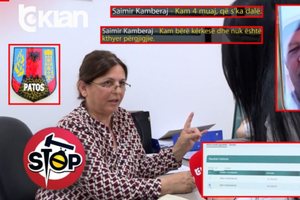
The case published this Thursday, June 4, on the show "Sto...

The Special Board of Appeal (KPA) decided this Monday ...

The KPA vetting decided this Thursday to dismiss the p...

Suela Salavaçi, a prosecutor in the Prosecutor's Offic...

The Special Board of Appeal reinstated the prosecutor ...
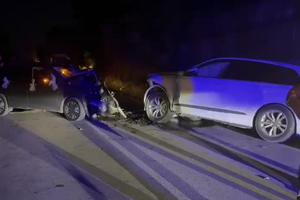
A road accident has been reported on the Fier-Levan axis, ...

An accident was recorded a few minutes ago on the Pogradec...
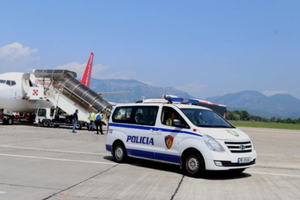
Following the cooperation of Interpol Tirana with Interpol...

An accident occurred this Saturday morning at Shkëmbi i Ka...

The modern European traveler seeks a meaningful connection...

This Sunday, weather conditions are forecast to be clear a...
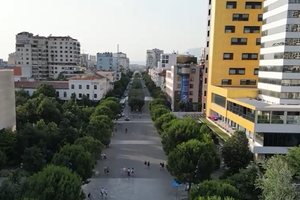
Albanians are officially the hardest working people in Eur...

This Saturday will be characterized by mostly clear weathe...

Gunfire erupted in Ohio, USA, in the area where the Old We...
The citizens of Kosovo will today try to give direction to...

The military advisor to Iran's supreme leader, Mohsen Reza...

US Defense Secretary Pete Hegseth declared that Europe is ...
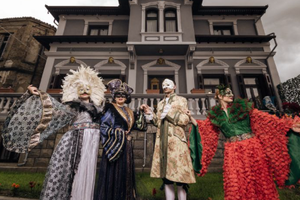
Korça is ready to open the summer season with one of the c...
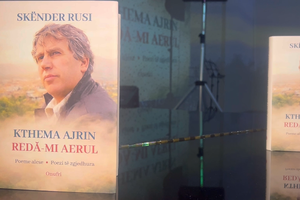
Two years after his passing, the renowned Korçë poet Skënd...
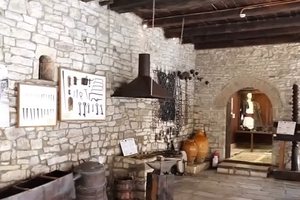
The Ethnographic Museum of Berat has opened its doors to v...
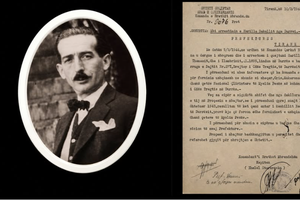
The story of Harilla Bakalli is one of the most chilling t...
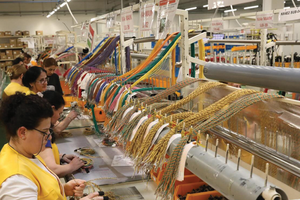
The automotive industry in Albania is currently at a turni...
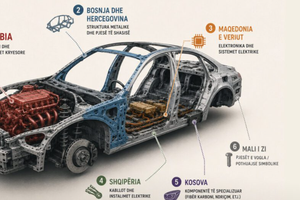
If you were to follow the industrial map of the Western Ba...
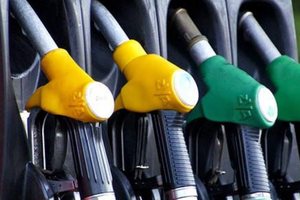
The Transparency Board, in today's meeting, decided to red...

This Saturday, one US dollar is bought for 81.4 lek and so...