


Businessman Artur Shehu breaks his silence: I am a long-time land owner in Zvërnec, I don't know the investors at all
Albanian businessman Artur Shehu spoke on the Opinion show...

Albanian businessman Artur Shehu spoke on the Opinion show...

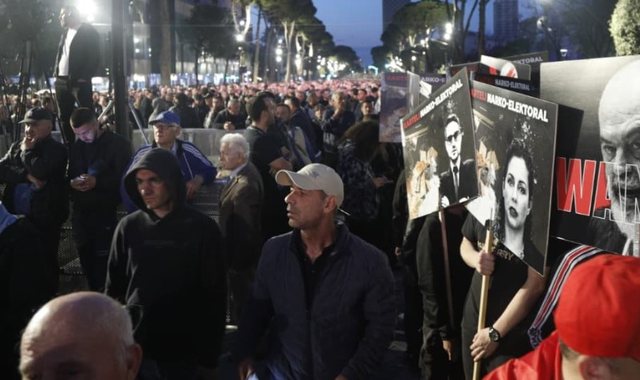
Two words cannot coexist in the same sentence without clashing: uprising and peaceful. One carries the explosion, the other the containment. One implies the breaking of order, the other its preservation. However, in public discourse, especially in politics, these two terms are often used together, not to clarify reality, but to obscure it.
Insurrection, at its core, is an act of subversion. It arises when an order is considered unjust and seeks to be overthrown, not negotiated. Insurrection is a collective energy that does not ask for permission, but imposes change. Historically, insurrections have been associated with violence, not necessarily as a goal, but as an inevitable consequence of a clash with power. Insurrection is an open refusal.
On the other hand, peaceful presupposes restraint. It is a choice not to cross the line of violence, to demand change through moral pressure, not through physical force. Peaceful protest is an appeal, not an ultimatum. It seeks to persuade, not to coerce.
The problem arises when these two concepts are artificially conflated: “Peaceful uprising.” At first glance, it sounds like a modern formula, an attempt to soften radicalism without losing its energy. But in essence, it is a contradiction. Because the moment a movement remains completely peaceful, it has chosen not to be an uprising, but a protest. And the moment it becomes a real uprising, it has crossed the line of peace.
The use of this combination is often strategic. Politicians use it to mobilize followers with strong rhetoric (“insurrection”), while maintaining a public and legal alibi (“peaceful”). It is a way to ignite emotions without taking responsibility for the consequences. A call that calls for fire, but claims to warm without burning.
This phrase placed in Berisha's discourse is a deliberate contradiction, because when Berisha speaks of "peaceful uprisings", he does not describe a reality but constructs a narrative.
Combining these two terms is not simply a linguistic paradox, but a political strategy. Berisha seeks to ignite the emotion of an uprising, the feeling of revolt, of subversion, without taking on the real cost that an uprising brings. So he immediately adds a "peaceful" one, as a kind of public and legal insurance, especially before the internationals. A two-way message: anger below, alibi above.
This rhetoric has a double and dangerous effect. On the one hand, it mobilizes supporters with language that promises radical change. And when language radicalizes faster than action, a dangerous gap is created between expectations and reality. On the other hand, it keeps them tied to an unclear line of action. So it calls for overthrow, but asks them to behave as if in a symbolic protest. The result? Collective frustration and wasted energy in a routine of protests that produce nothing new.
In essence, Berisha's "peaceful uprising" is neither an uprising nor peace. It is a rhetorical construct that serves a single purpose: to keep political tension alive without bringing it to a decisive point. A state of suspense, where everything seems on the verge of explosion, but nothing explodes.
In fragile democratic societies, this play on words is dangerous. It creates false expectations. People are called to “uprising,” but are asked to behave as if they were in a symbolic march. Or, conversely, they are mobilized for peaceful protests that easily slide into tension, because the language that called them was never peaceful. A leadership that cannot “choose” between protest and uprising has in fact chosen nothing, except to prolong an illusion indefinitely.
However, it is a matter of conceptual honesty. A society should know what it is doing. Protesting or insurrection? These are not two forms of the same thing, but two different paths, with different consequences. Mixing them up is not political acumen; it is manipulation.
And manipulation, unlike insurgency and peace, coexists very well with both./ CNA

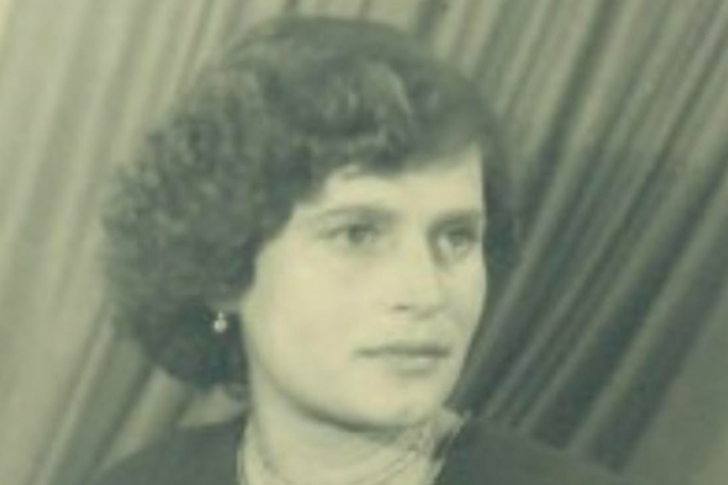
These days, an iconic woman of the anti-communist resistan...
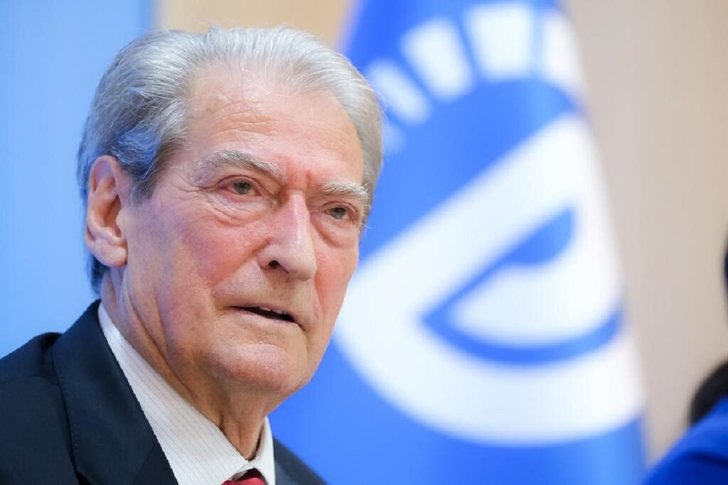
In a normal country, failure produces reflection. In Alban...
Odysseus searched for years to return to Ithaca. But perha...
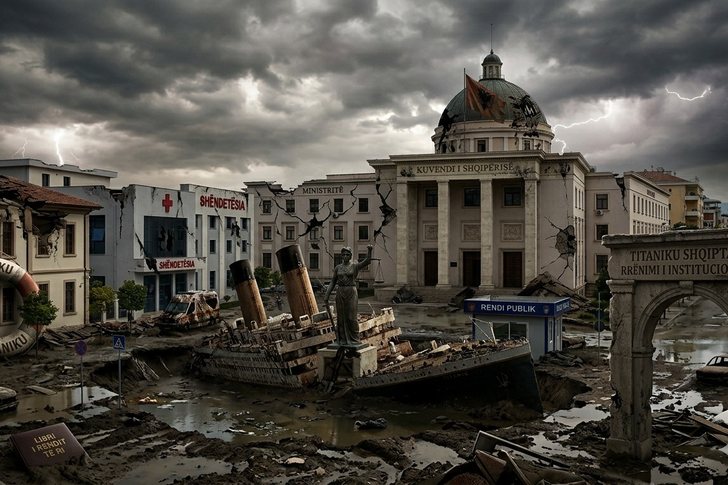
In April 1912, the Titanic, a marvel of engineering and sc...
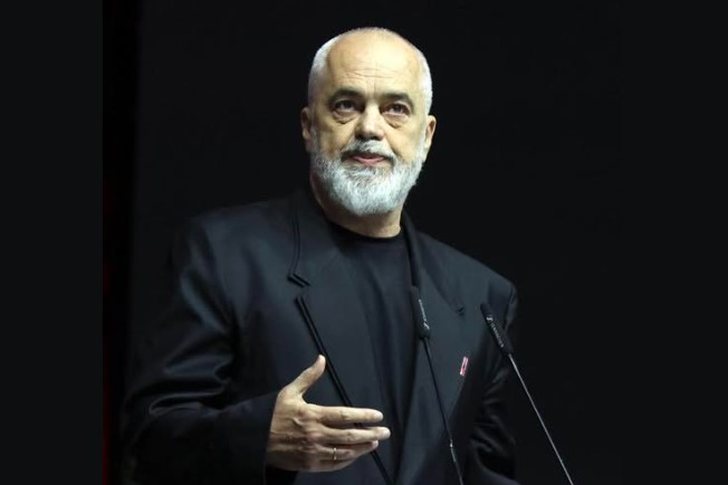
Besides being completely inappropriate, I also found the i...
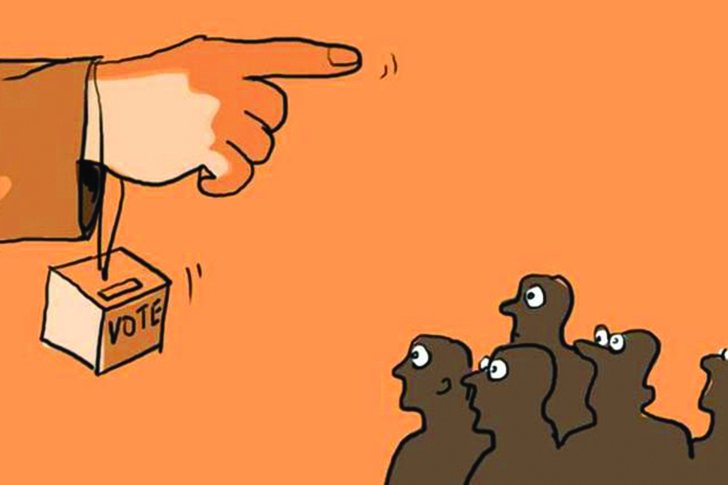
There is a romantic misconception about the end of democra...
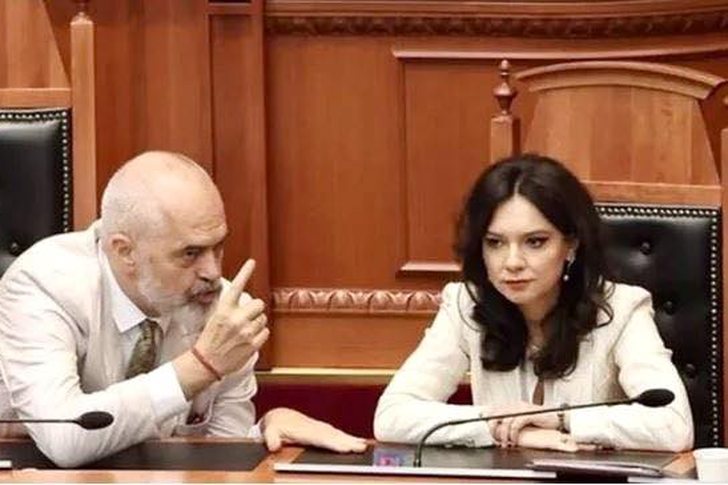
In Albanian politics, moments of individual "awakening" ar...
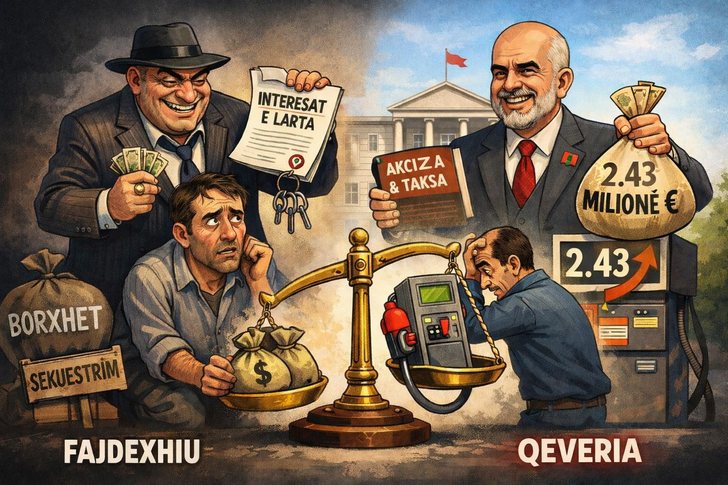
There is a figure that is generally known to every society...
Protest is a legitimate right. It is one of the few mechan...
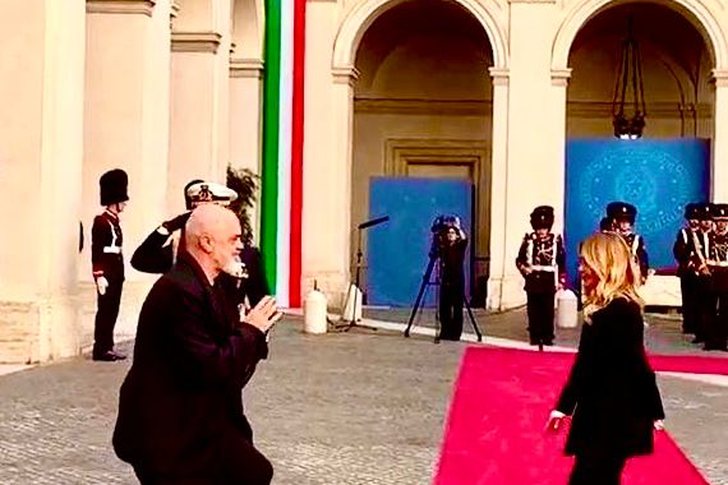
In diplomacy, a gesture is never neutral. It is always a m...
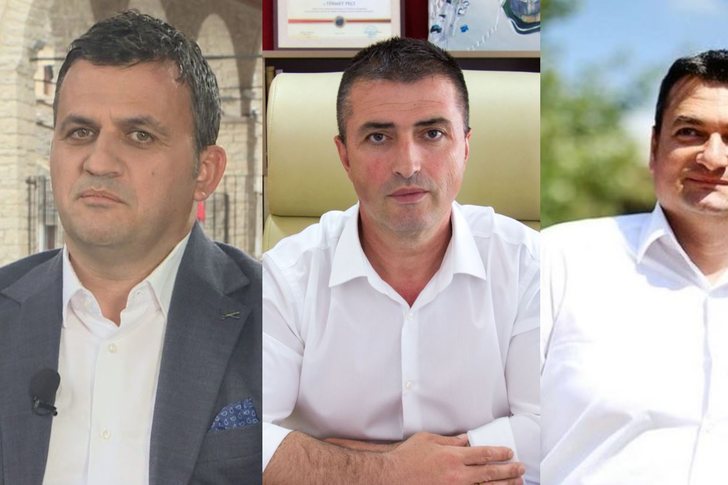
The year began at the height of the electoral campaign bet...
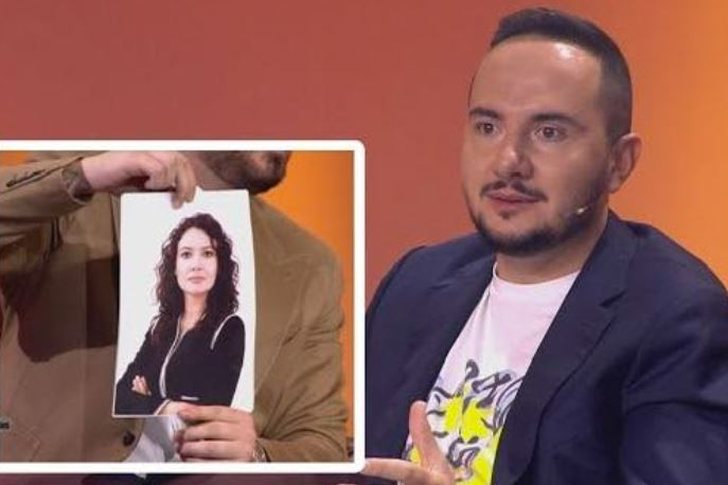
Elisa Spiropali seems to be copying Ervin Salianji. She ha...

One sentence sums up the entire Albanian political situati...
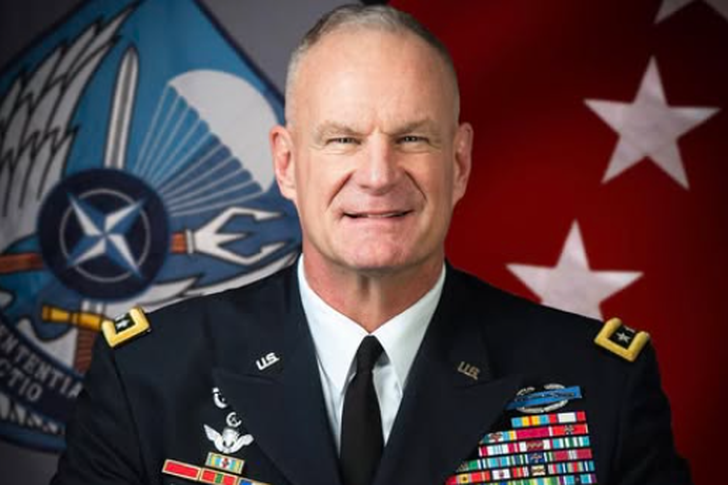
US President Donald J. Trump's proposal to appoint Lieuten...
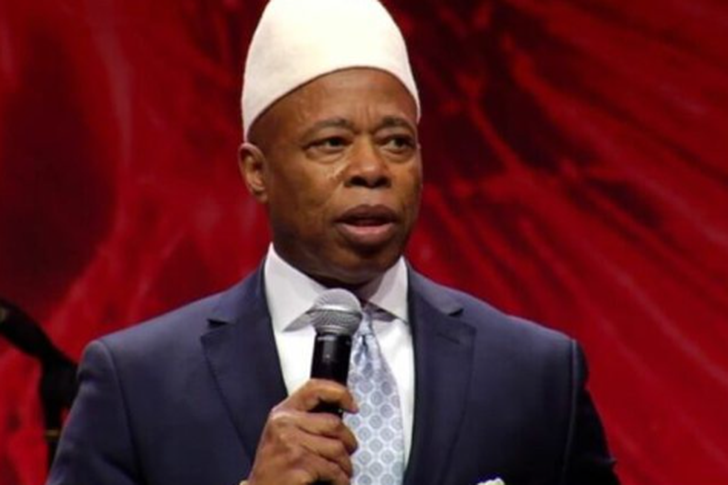
In recent days, several television studios in the capital ...
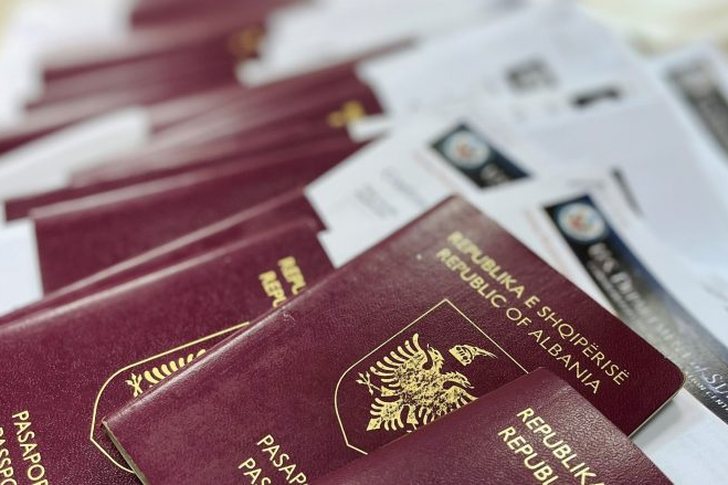
The Albanian diaspora is the only one on the planet that i...
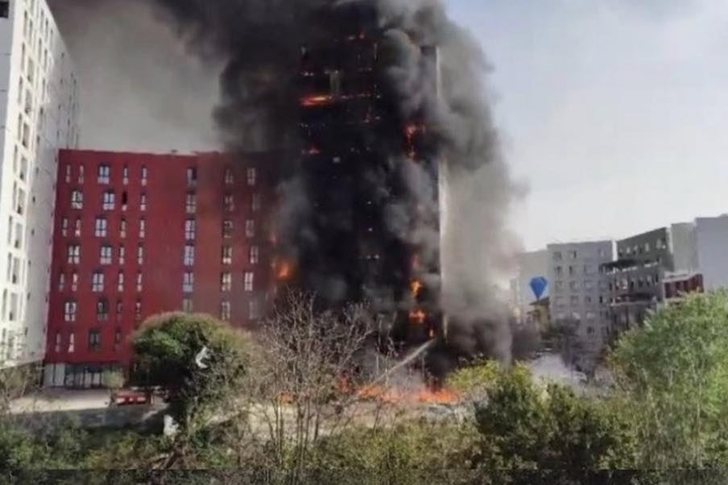
The fire that consumed an entire building in Tirana on Tue...
Watching the Diaspora Summit on TV, I can't help but retur...
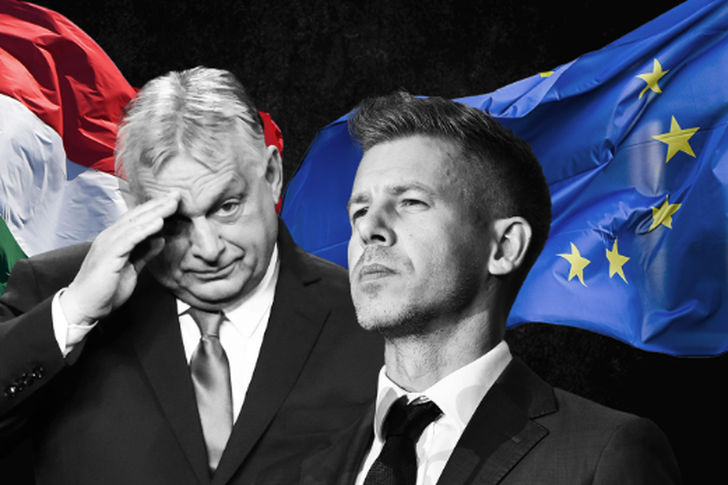
Péter Magyar's victory in Hungary marks an important victo...
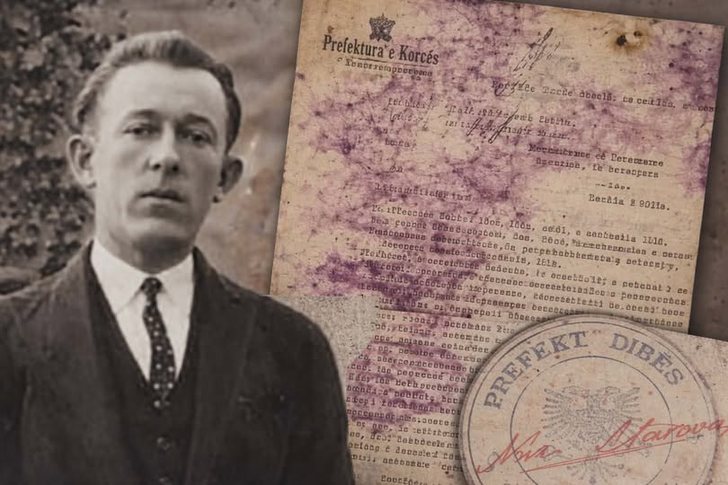
A photograph faded by time, showing a man dressed in a dark ...
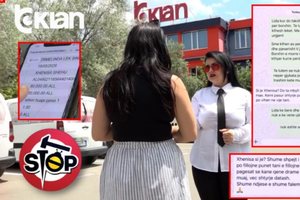
The next case broadcast on the show "Stop", this Thursday,...
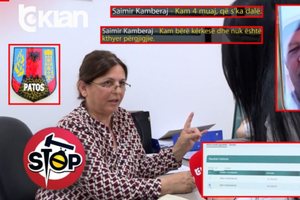
The case published this Thursday, June 4, on the show "Sto...
The protests of recent days related to the situation in Zv...

The case addressed this Wednesday, June 3, on the show "St...

The Special Board of Appeal (KPA) decided this Monday ...

The KPA vetting decided this Thursday to dismiss the p...

Suela Salavaçi, a prosecutor in the Prosecutor's Offic...

The Special Board of Appeal reinstated the prosecutor ...
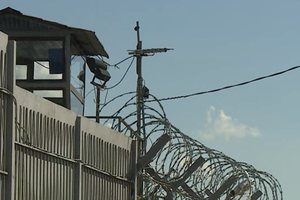
A convict was found dead today in the premises of the Pris...
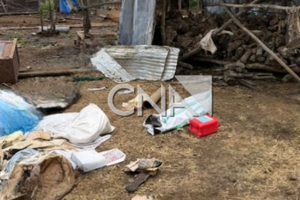
Several images provided by CNA show the area where this mo...
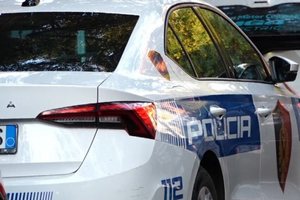
A quantity of explosive material exploded this morning at ...
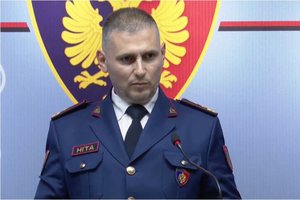
The Head of the State Police, Skënder Hita, expressed his ...

For many children and teenagers, the long summer holidays ...
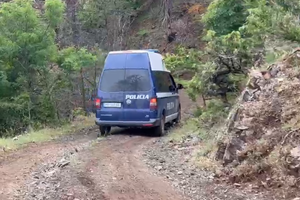
Witnesses in Lozhan, Maliqi, have shared details from the ...
Albania is facing an unprecedented demographic transition,...
On Thursday, our country will be affected by unstable weat...
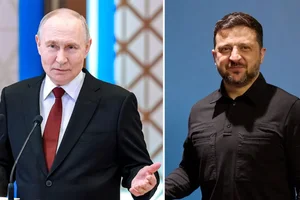
Russian President Vladimir Putin said the war in Ukraine c...
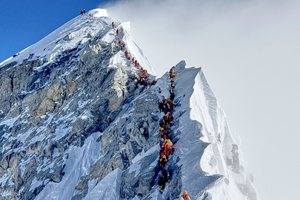
An extraordinary story of survival has been recorded in Ne...
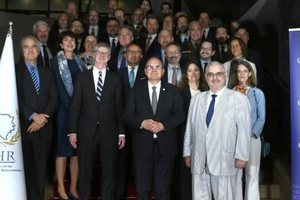
The Peace Implementation Council in Bosnia and Herzegovina...
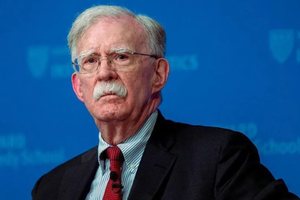
John Bolton, the former national security adviser to US Pr...
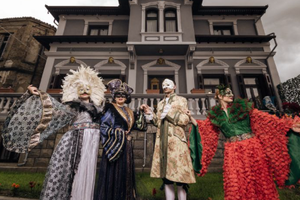
Korça is ready to open the summer season with one of the c...
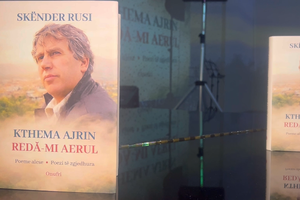
Two years after his passing, the renowned Korçë poet Skënd...
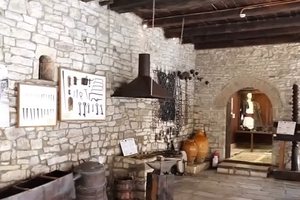
The Ethnographic Museum of Berat has opened its doors to v...
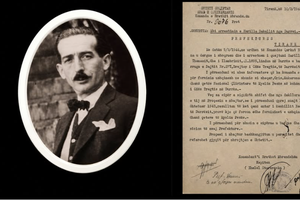
The story of Harilla Bakalli is one of the most chilling t...
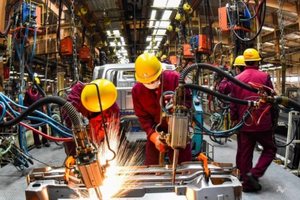
The government aims to transform the country's industrial ...
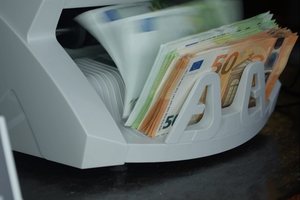
Kursi i këmbimit të euros me lekun ka rënë më tej këtë jav...

Profit margins in the construction sector have increased s...

The Transparency Board, at its meeting today, decided to i...