


Second victim of bad weather/ Fisherman drowns in Ksamil
Citizen MH, 61, a fisherman, was found dead near the islan...

Citizen MH, 61, a fisherman, was found dead near the islan...

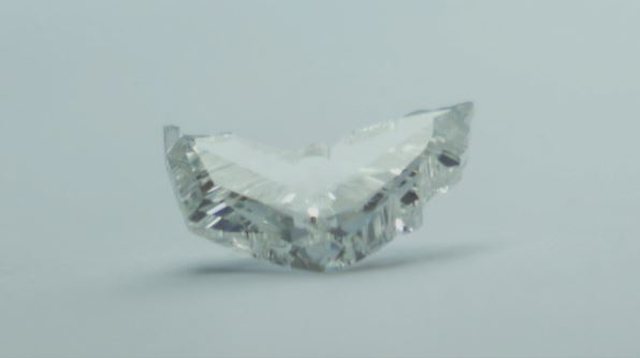
Diamonds are the hardest material on Earth to find.
For thousands of years, humans have dug deep into the Earth in search of diamonds, creating some of the world's largest man-made pits in Russia and South Africa that go as far as 625 meters (2,050 feet) underground.
The intensive process has an impact on both nature and people, with dangerous working conditions and practices that damage ecosystems.
But mining is not the only way to get diamonds. The first lab-grown diamond (LGD) was produced in the 1950s, according to the International Gem Society, and the technology has continued to evolve, enabling labs to grow gem-quality crystals at affordable prices—up to 80% cheaper. without sustainability and mining concerns.
And artificial diamond growth means you can bring diamond production to the most unexpected places, including the desert.
The United Arab Emirates (UAE) is a global leader in diamond imports and exports, but has no diamond mines. Thus, entrepreneur Mohamed Sabeg saw an opportunity not only to trade diamonds, but also to grow them.
In 2022, he co-founded Dubai-based 2DOT4 Diamonds, becoming the first to manufacture, cut and polish lab-grown diamonds in the UAE.
"Our idea was to bring mining to the consumer," says Sabeg. "Instead of diamonds flying around the world, diamonds are produced and sold locally." D
iamante in production
The company's name, 2DOT4, comes from the index of refraction of a diamond, the speed at which light passes through a diamond compared to air, which is approximately 2.4 times slower.
For Sabegu, having a name associated with a physical property of the gem is a representation that parts produced in a laboratory are identical to those in nature.
"The only difference is that we control the pressure, we control the heat, we control the gases," he says.
To grow a diamond, you start with a diamond, either lab-grown or mined, Sabeg explains. It is called a "seed" and is usually about 0.3 to 0.6 millimeters thick.
Placed inside a reactor, the seed is exposed to gases such as hydrogen, methane, oxygen and argon. It is also subjected to a pressure of up to 180 torr, about two-thirds of the pressure at the top of Mount Everest, and reaches temperatures of 1,000 degrees Celsius (1,832 degrees Fahrenheit). In this way, the carbon is slowly deposited on the thin slice.
On average, 2DOT4 grows its diamonds at a rate of about 0.01 millimeters per hour. This means that every 24 hours, the stone grows to a length comparable to the thickness of two sheets of paper.
Once the diamond has grown to at least five millimeters in height, the piece is called a "block" and has three possible outcomes. It can be cut into more seeds, which will be fed back into the reactors to grow more diamonds. Or, upon request, 2DOT4 will cut and polish the gemstone. It can then be sold to jewelers and designers, or turned into a home-designed piece of jewelry./ CNA

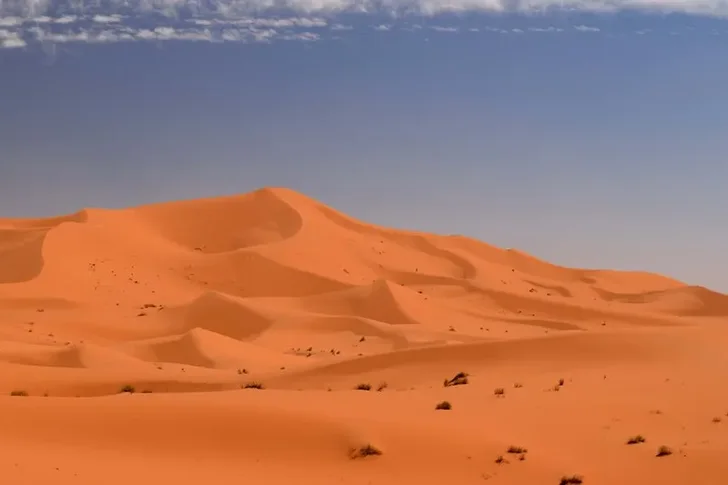
The age of one of the largest and most complex types of sa...

Just over 10 years ago, in October 2013, a Wizz Air A3...

Një kompani koreane ndërtimi po i paguan punëtorët e s...

A pastor in Iowa in the US won $500,000 in a lottery, ...
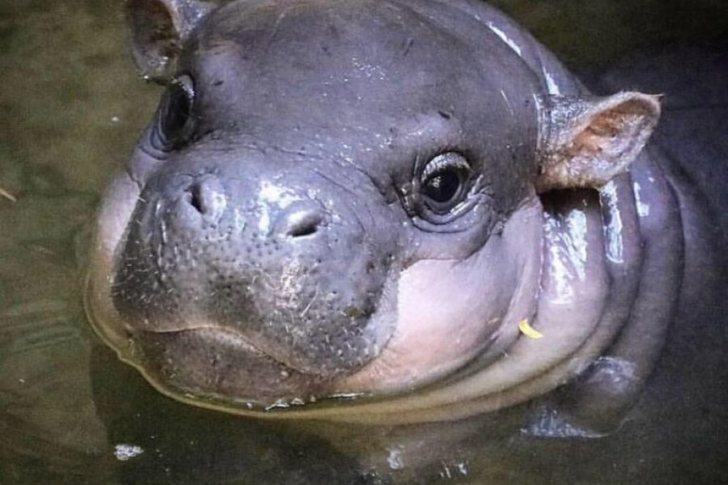
Every year, World Hippo Day on February 15 provides a spec...

Bert Janssen, 57, from the Netherlands, survived for a...
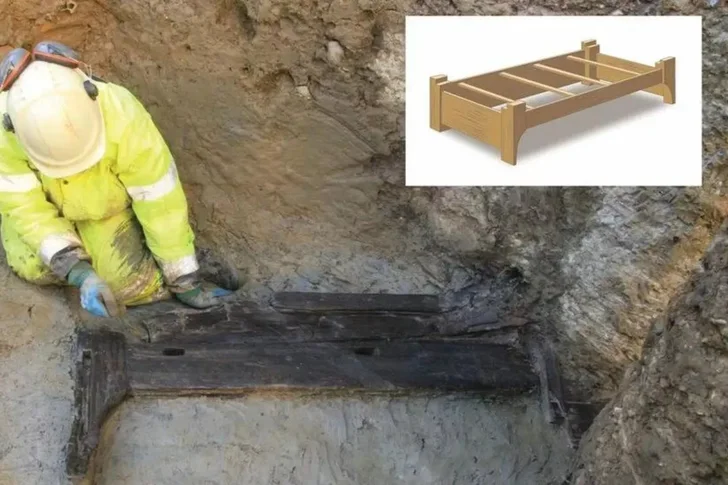
I përshkruar si "tepër i rrallë" nga Muzeu i Arkeologjisë ...

In Vietnam, an entire village is dedicated to the producti...

From fears that vaccines contain small electronic devices ...
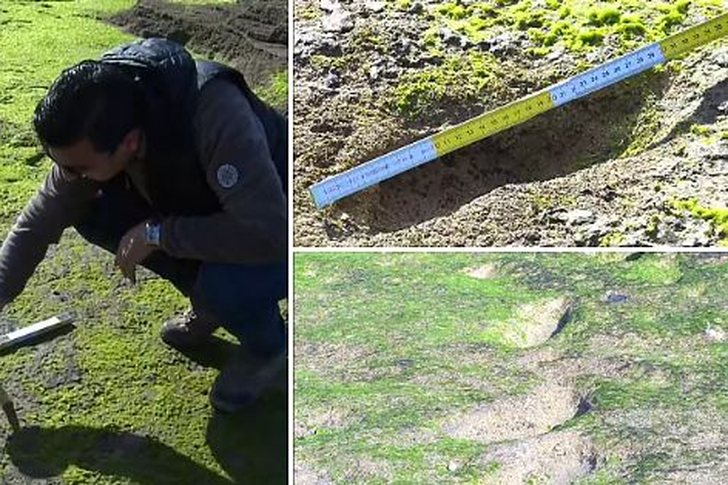
A team of archaeologists have discovered the discovery...

Nuclear scientists on Tuesday kept the "Doomsday Clock...

Some of the most frequently asked questions on the foc...
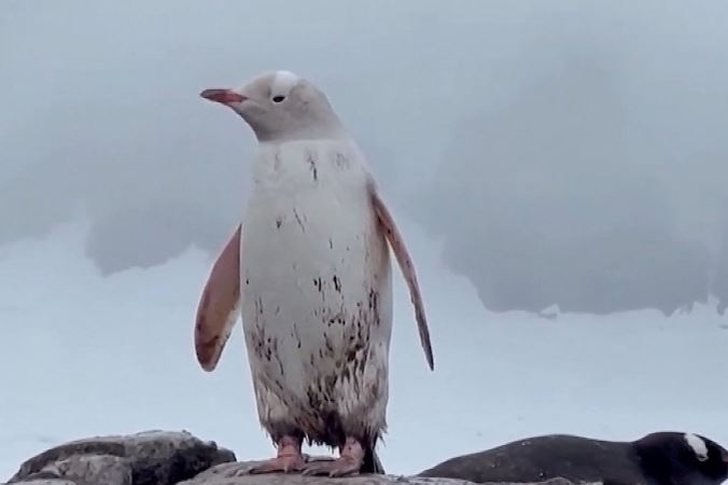
Një pinguin femër me leucizëm nga lloji Gentoo është f...
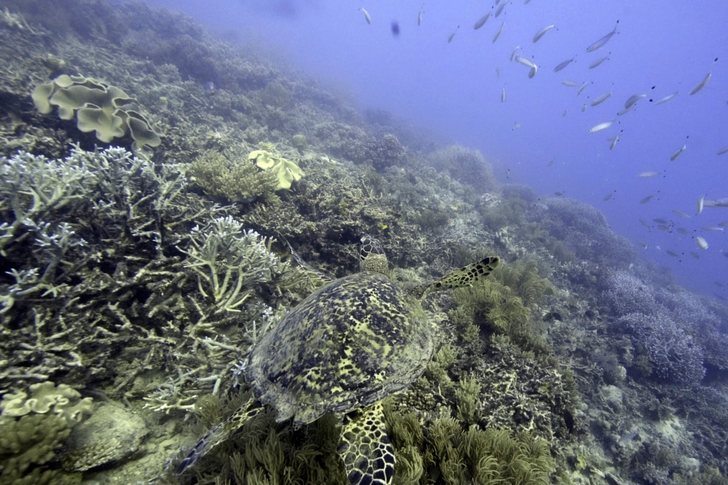
Thousands of meters deep in the Pacific Ocean there are la...
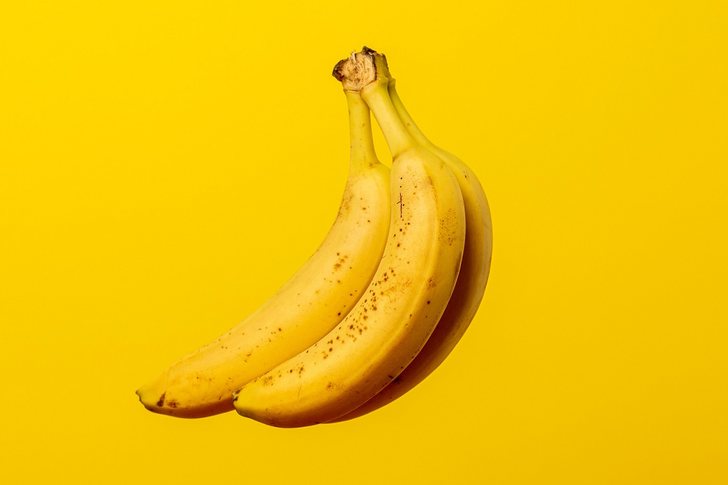
We all know that bananas tend to ripen very quickly. But ...

Often appearing in images with completely different hu...

Our beautiful kitten is a precious and equal member of...

A wild animal has appeared for the first time in the "Divj...
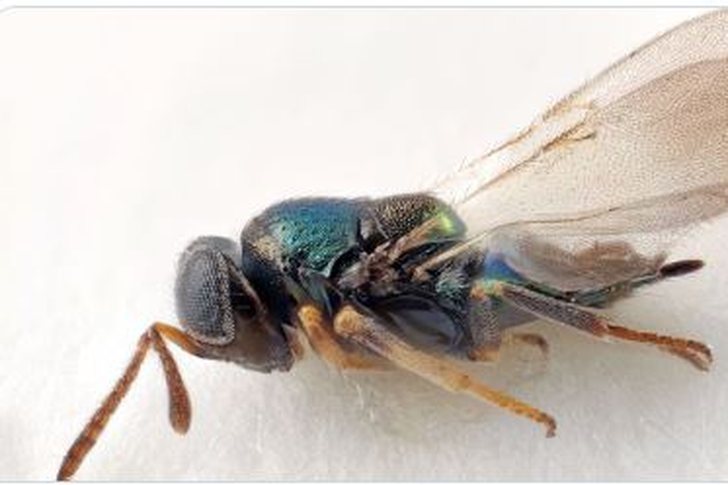
Wasp Dalek 2023 has been the year of the wasp, with 619 new...

Scientists have discovered that New Year's Eve is the wors...

CNA has launched another investigation that could lead to ...

Irfan Hysenbelliu is a businessman that we call "Irfan the...

In March 2026, CNA launched another investigation centered...
The arrested mayor of Tirana, Erion Veliaj, with 13 charge...

The Special Board of Appeal (KPA) decided this Monday ...

The KPA vetting decided this Thursday to dismiss the p...

Suela Salavaçi, a prosecutor in the Prosecutor's Offic...

The Special Board of Appeal reinstated the prosecutor ...
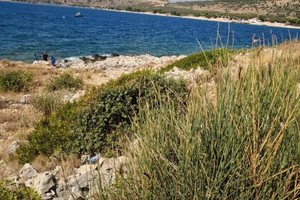
Citizen MH, 61, a fisherman, was found dead near the islan...

Another phase of the international operation, codenamed "T...

Police have arrested a 34-year-old woman at Rinas Airport ...

A serious accident has occurred on the Lezhë-Shëngjin axis...

This Wednesday, our country will be under the influence of...

All of Southern Europe will face changing weather conditio...

Albania was hit by temperatures significantly higher than ...

For the first time, Pogradec welcomed the Inter-Lake Chess...

Prime Minister Andy Burnham has announced that most bus fa...

France's parliament has passed a law to ban social media f...

US Secretary of State Marco Rubio arrived in Manila on Jul...

In the space of a few days, Ukrainian President Volodymyr ...

At a time when industrial products are increasingly taking...

Trust among people is not just a three-syllable word. It c...

Master of humor Todi Llupi has passed away at the age of 7...

The ninth edition of "MIK Festival" kicked off with one of...

Businesses will no longer be required to simply register t...

Despite economic growth and income in recent years, Albani...

This Wednesday, one US dollar is bought for 81.4 lek and s...

Construction company licenses will have a validity period ...