

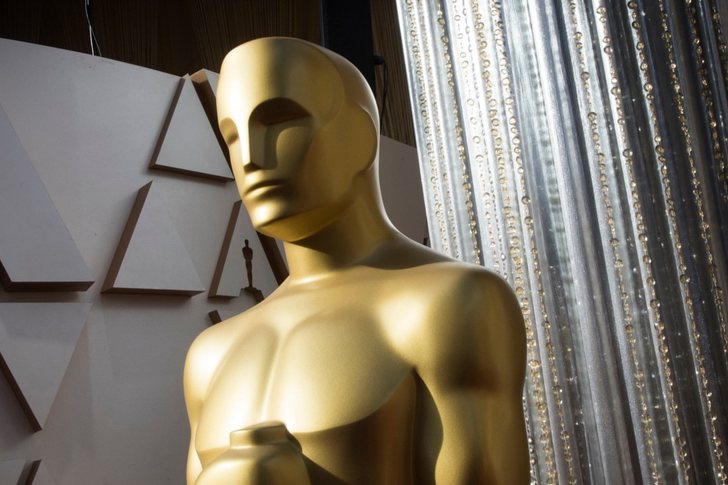
The movie "Everything Everywhere All at Once" earns 11 Oscar nominations
The film "Everything Everywhere All At Once" has been list...



Every 26 seconds, the Earth "pulses" under our feet. This pulse is not strong enough for us to feel it, but seismologists around the world have been able to document it with their instruments. In fact, knowledge of this pulse has existed for decades. But what do we really know about this strange phenomenon?
During the early 1960s, Jack Oliver was a researcher at Columbia University's Geological Observatory in New York. At that time, he published a study of a "microseismic storm" with periods of about 26-27 seconds, and became the first to document this mysterious pulse.
Në studimin e tij, Oliver thoshte se pulsi dukej se e kishte origjinën në “Oqeanin Atlantik Jugor ose Ekuatorial”, dhe hodhi 2 hipoteza në lidhje me mekanizmin e burimit të tij. Hipoteza më e mundshme ishte që pulsi u krijua nga valët e shpërndara të oqeanit që përplaseshin në bregun e Gjirit të Guinesë. Por një hipotezë e dytë, sugjeronte se pulsi ishte një lloj “dridhjeje harmonike” që lidhej me aktivitetin magmatik nën Oqeanin Atlantik Jugor.
Madje Oliver e kuptoi se pulsi ishte më i fortë gjatë muajve të verës në Hemisferën Veriore, kur në Hemisferën Jugore është dimër. Në atë kohë, ai nuk kishte në dispozicion instrumente të avancuara si sizmometrat dixhitalë. Ndaj Oliver bënte regjistrime në letër, të cilat mund të kenë kufizuar aftësinë e tij për ta studiuar pulsin me më shumë detaje.

Rreth 20 vjet më vonë, një studiues me Shërbimin Gjeologjik të SHBA-së e analizoi më tej mikrosizmikën e çuditshme. Geri Holkomb, zbuloi se pulsi ishte më i fortë në periudha të caktuara, gjë që duket se mundësoi kërkime më të hollësishme mbi natyrën e tij.
Mjerisht, pavarësisht përpjekjeve të Holkomb dhe Oliver, veprat e tyre mbetën pothuajse të panjohura. Por në vitin 2005, studenti i sapo-diplomuar Greg Bensen e ringjalli interesin për pulsin e Tokës. Në atë kohë, Bensen po punonte me të dhënat sizmike në Universitetin e Kolorados.
Një ditë, mentori i tij shkencor i kërkoi atij të paraqiste atë që po punonte dhe ai nxori disa të dhëna. Në atë moment zbuloi një sinjal të fortë që vinte nga diku larg. Majk Ricuoler, sizmolog në Universitetin e Kolorados, e përshkroi përvojën e tij me pulsin në një intervistë për “Discover”. Kur ai dhe studiuesi i atëhershëm post-doktoral, Nikolai Shapiro, nisën vëzhgimin e pulsit, ata kuptuan se po ndodhte diçka e çuditshme.
Por ata nuk e kishin idenë se çfarë ishte. I hutuar, ekipi ekzaminoi sinjalet, analizoi të dhënat dhe kontrolloi instrumentet e tyre përpara se të arrinte në përfundimin se ajo lëkundje mikrosizmike ishte e vërtetë. Më pas ata e lokalizuan origjinën e pulsit në një vend të vetëm në Gjirin e Guinesë, në brigjet perëndimore të Afrikës.
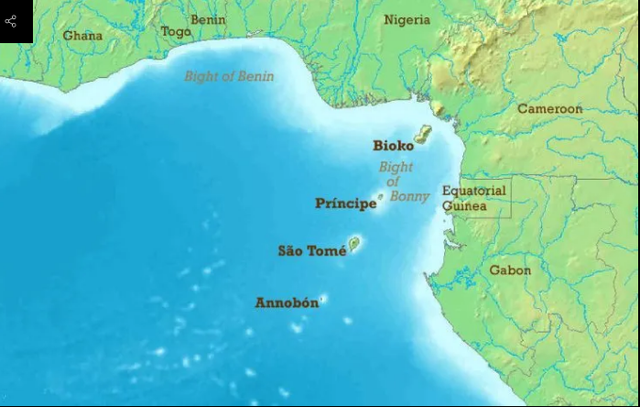
Më pas iu rikthyen studimeve të Oliver dhe Holkomb dhe e botuan studimin e tyre në 2006. Ndërkohë në vitet 2010, një student tjetër i sapo-diplomuar arriti të analizonte pulsin në detaje. Garret Oler, punonte në anë kohë në laboratorin e sizmologut Dag Viens në Universitetin e Uashingtonit.
Edhe studimi i tij zbuloi se burimi i pulsit ishte në Gjirin e Guinesë. Edhe kur nuk ka tërmete apo vullkane që shpërthejnë, zhurma sizmike ekziston në sfond. Sipas Ricuoler, arsyeja kryesore është Dielli. Ai e ngroh ekuatorin më shumë se polet, dhe kjo gjë gjeneron erëra, stuhi, rryma dhe valë oqeanike.
Pastaj, kur një valë godet një vijë bregdetare, energjia transferohet në Tokë. Kjo thotë ai, është e ngjashme me mënyrën se si trokitja mbi një tavolinë e deformon zonën pranë kyçit të dorës. Por energjia nga trokitja transmetohet ende nëpër tryezë dhe mund të ndihet në skajin e kundërt.
Kur valët udhëtojnë përtej oqeanit, ndryshimi i presionit në ujë mund të mos ketë shumë ndikim në fundin e oqeanit. Por kur dallga godet shelfin kontinental, ku toka e fortë është më afër sipërfaqes, presioni e deformon fundin e oqeanit (ashtu si goditja në një tavolinë deformon sipërfaqen e saj) dhe shkakton impulse sizmike që pasqyrojnë aktivitetin e valës.
In 2013, Oler presented his findings at the American Seismological Society conference. However, not everyone seemed to agree. In another study published in 2013 by a team led by Yingjie Xia of the Institute of Geodesy and Geophysics in Wuhan, China, a different explanation was presented: volcanoes.
And in fact, there is at least one volcano on Earth (Aso Volcano in Japan) that produces a microseismic somewhat similar to this one that is recorded every 26 seconds. But it is not the only debate. Another question still remains unanswered: Why does the pulse originate in the Gulf of Guinea? What makes it unique? Unfortunately, researchers have not yet provided an answer.

The film "Everything Everywhere All At Once" has been list...
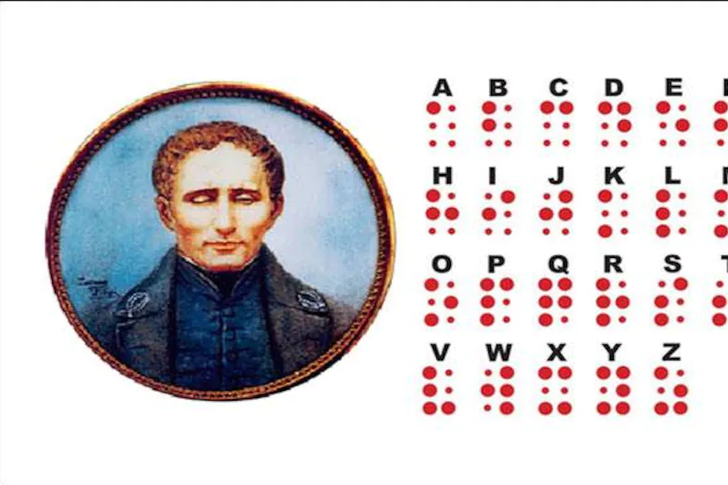
Sot miliona njerëz në mbarë botën përdorin alfabetin Breil...

Wizards have existed since ancient times. The first docume...
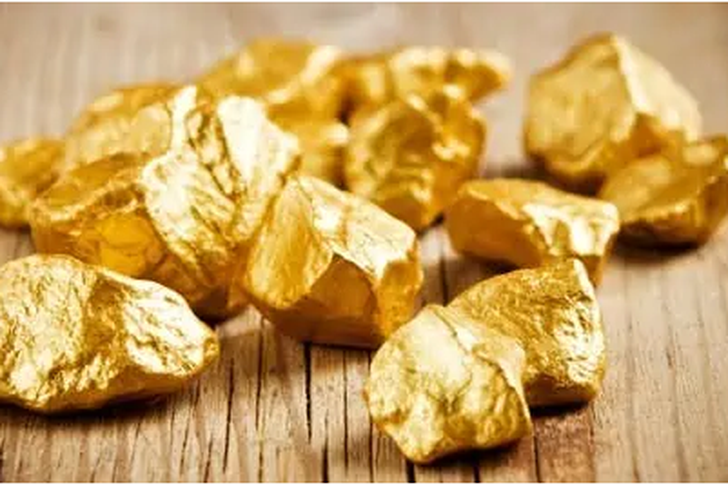
Highly prized for its aesthetic and metallurgical properti...
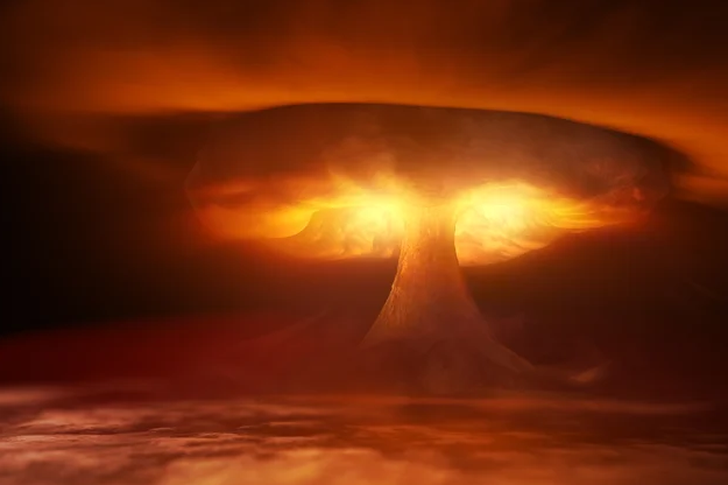
Në fillimin e viteve 1950, kur po “nxehej” Lufta e Ftohtë ...

A e keni menduar ndonjëherë se qenit tuaj i mungon vetëm t...

It looks like an excerpt from the most impressive science ...

Shumica e fëmijëve duan të vizatojnë. Por Andres Valencia ...

Tattoos have become a widespread part of culture in the mo...
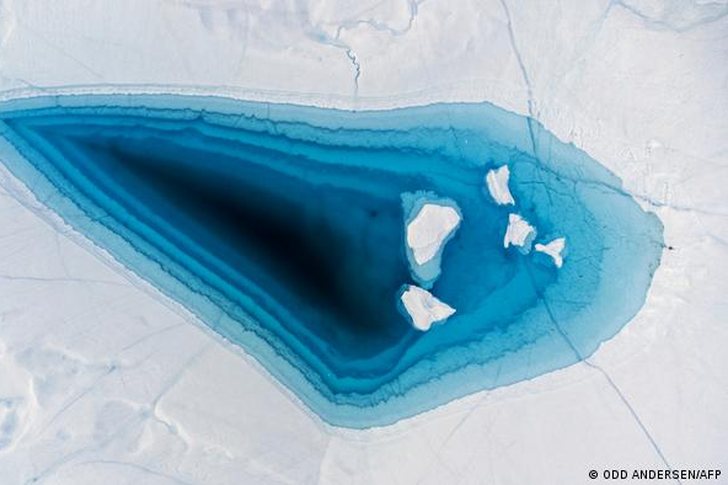
To predict what will happen to the 215,000 glaciers in dif...
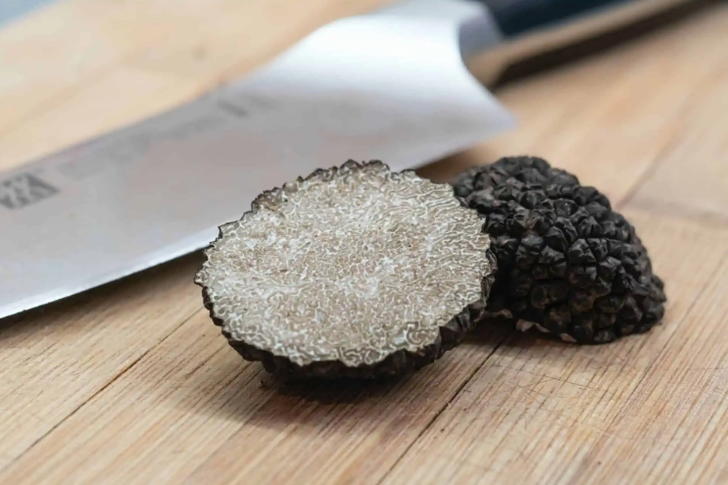
Have you ever tried a fruit worth hundreds of thousands of...
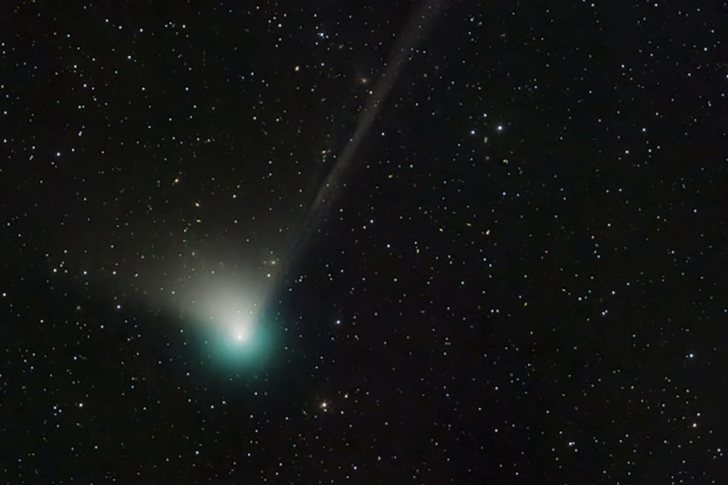
A recently discovered comet will soon appear in the sk...

In the United States, the number of people who speak a...
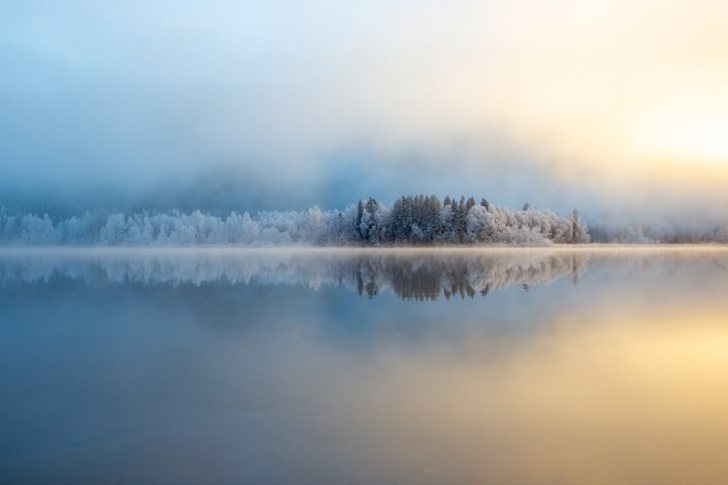
Nature photographers from around the world brought their v...
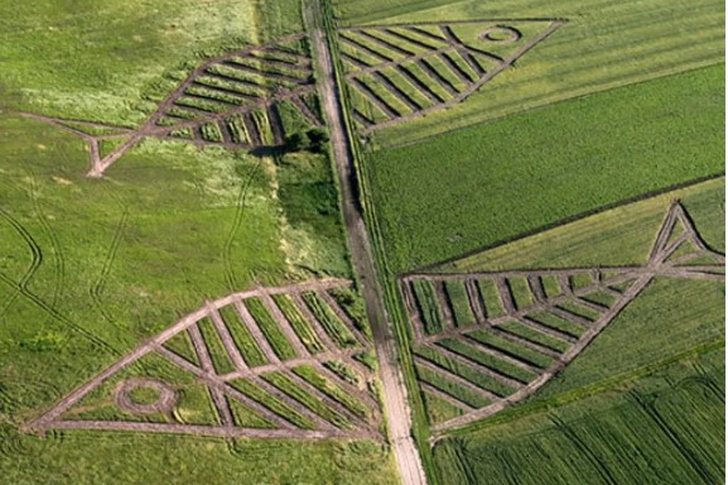
Learn some facts about the most unusual borders in differe...

Frontier Airlines has offered a free trip to travelers...

Have you ever seen a picture of someone from years ago...
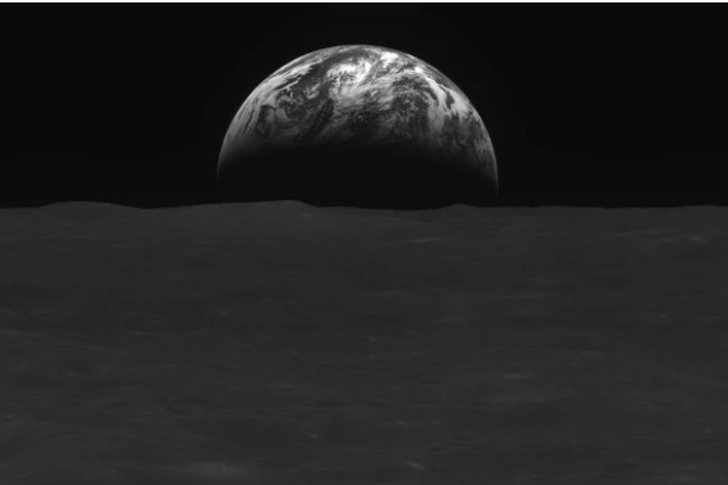
Danuri, South Korea's first lunar probe has sent back stun...
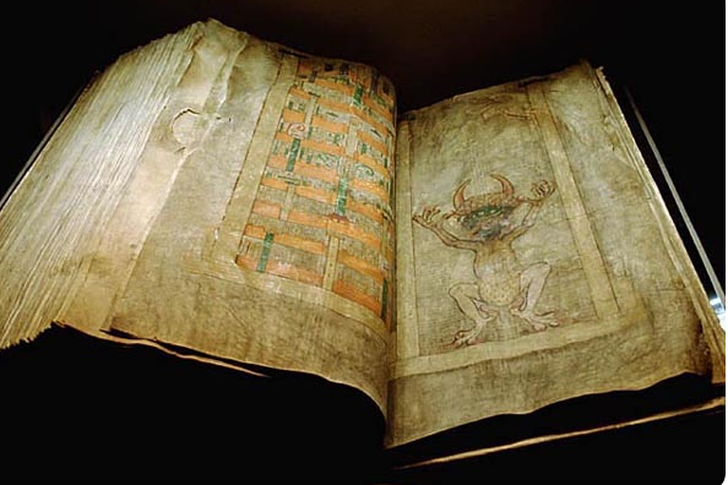
The largest extant medieval manuscript, the Codex Giga...
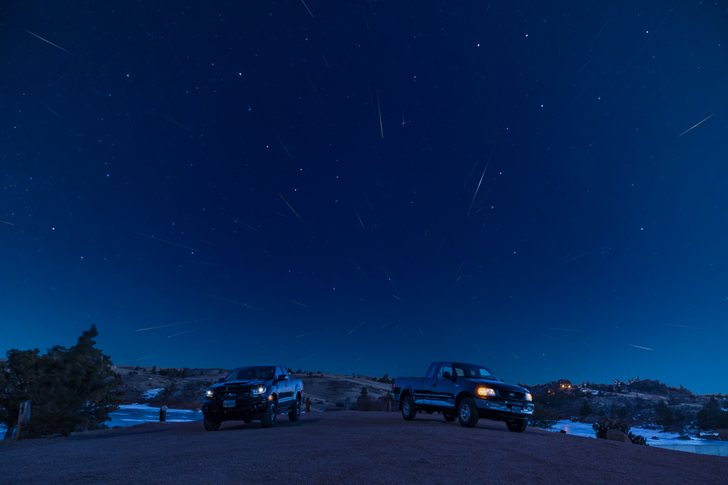
A shower of meteors is expected this evening. The Quad...

CNA has launched another investigation that could lead to ...

Irfan Hysenbelliu is a businessman that we call "Irfan the...

In March 2026, CNA launched another investigation centered...
The arrested mayor of Tirana, Erion Veliaj, with 13 charge...

The Special Board of Appeal (KPA) decided this Monday ...

The KPA vetting decided this Thursday to dismiss the p...

Suela Salavaçi, a prosecutor in the Prosecutor's Offic...

The Special Board of Appeal reinstated the prosecutor ...

A Shkodra traffic police officer was hit with hard objects...
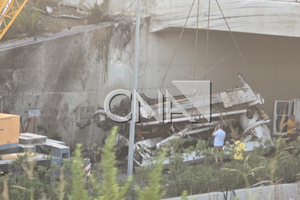
This Wednesday, around 4:00 PM, a serious accident occurre...

Tirana Police have shared details regarding the accident t...

New details have emerged regarding the accident that occur...
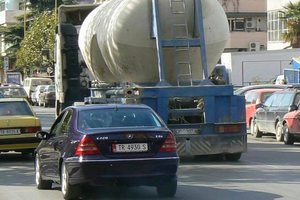
A serious accident that occurred this Wednesday with the c...

The Institute of Geosciences has shared a forecast for wea...

Rising energy and fertilizer prices are expected to contin...

Over 18,000 foreign citizens from 140 countries have appli...
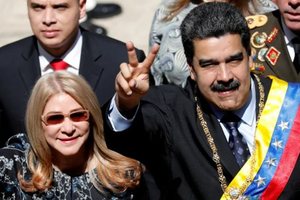
The trial of ousted Venezuelan President Nicolas Maduro on...

US President Donald Trump has issued another warning to Ir...

Prime Minister Andy Burnham has announced that most bus fa...

France's parliament has passed a law to ban social media f...

At a time when industrial products are increasingly taking...

Trust among people is not just a three-syllable word. It c...

Master of humor Todi Llupi has passed away at the age of 7...

The ninth edition of "MIK Festival" kicked off with one of...

The price of diesel reached 206 lek per liter from 198 lek...

Businesses will no longer be required to simply register t...

Despite economic growth and income in recent years, Albani...

This Wednesday, one US dollar is bought for 81.4 lek and s...