


Accident on the Cërrik-Elbasan axis/ Drunk driver arrested in flagrante delicto, crashed into parked vehicle
An accident occurred this Monday on the "Cërrik-Elbasan" r...


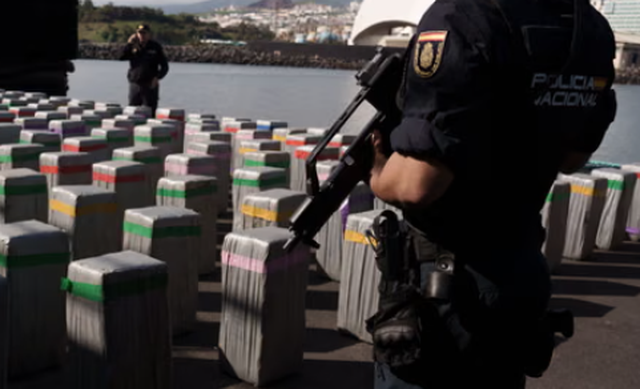
The drug trade is cyclical and every now and then a new player emerges seeking to dominate the game. This has been the case with the Mocro Mafia, the Balkan cartel and the Turkish mafia. One of the most powerful currently is the Vokkri family, which makes millions buying cocaine and is capable of bribing police officers, according to reports from the Garda Civile obtained by ABC.
Civil Guard investigators document all the movements of this criminal organization. Its reach has corrupted even anti-drug agents with decades of experience in these operations.
"This would be an international organization with a strong family character, based mainly in Ibiza, Barcelona and Valencia." "They are suspected of being responsible for smuggling large quantities of cocaine, hashish and weapons into Spain, relying on their international contacts in Albania, who exercise considerable global influence in the drug trade," one of the police reports states.
This clan was allegedly led by Emanuele Vokkri, Donald Vokkri, Robert Muka and Mario Vreta, while the remaining members were Romanian and Albanian nationals with “strong ties” to this family. The criminal organization’s operations were supported by Stefan Milojevic Bjekovic, the son of a former Mallorca CF footballer, leader of the neo-Nazi United Tribunes motorcycle gang in Spain and an MMA fighter, who has already been arrested.
This investigation, carried out jointly by the Civil Guard and the National Police, also led to the arrest of Faustino Nogales, the former head of the National Police's Narcotics Group II in the Balearic Islands. The two men, along with lawyer Ignacio Gonzalo Márquez, have been in custody for months due to their involvement in this corruption scheme.
Internal Affairs agents recorded meetings and conversations between Milojevic and Nogales. ABC has had access to some of the investigative documents. One of these meetings dates back to March 7, 2025, when a conversation was recorded inside a vehicle. The leader of the motorcycle gang showed Faustino a series of weapons. Some were military-grade and similar to an AK-47, a Kalashnikov, and even "mentioned 10,000 euros as the selling price." This amount could vary due to Stefan's influence over the seller: "Leave me alone, I'll sweet-talk him."
The son of the former Mallorca footballer did not only have Albanians in his pocket. The agents intercepted a conversation in Serbian with an unknown person whom he nicknamed "Bad Blondie". This was the connection of the Montenegrin mafia with the Albanian criminal organization. Anti-drug experts suspected that this individual was connected to the Kavac clan. "Stefani tells his contacts that he cannot deal with these people because they will turn against him", details one of the reports.
Extinguishing their enemies
"It is well known that the Kavac clan has a reputation for destroying and 'burning' those who betray them or their enemies. The conversations make it crystal clear that the cocaine shipment that was to be smuggled to Ibiza and later sent to Valencia belonged to this Montenegrin mafia," one of the police reports states.
The port of Valencia was precisely one of the places that attracted the most attention from these drug trafficking organizations. Months ago, an operation was carried out there and a captain of the Civil Guard was arrested. He was investigated on suspicion of being on the payroll of one of these families. This infrastructure is a "secondary route" for drug trafficking. The increased security in Algeciras caused many gangs to pack their bags and move to this area.
The networks that these individuals under investigation had built over the years in the Balearic Islands were very powerful. For months, the agents followed the members of these criminal organizations. Thanks to the information, they became aware of the precarious situation they were in. "Rumors were circulating about the legal system and criminals," they added.
Through these activities, investigators intercepted a conversation between Milojevi? and his lawyer, Ignacio Gonzalo Márquez. They attempted to "build a network of corrupt officials" with Civil Guard officers and police officers who offered them information in exchange for payment.
In this way, they explored recruiting a Civil Guard corporal who belonged to the Judicial Police unit investigating them. This officer had “a long career in high-profile investigations and was nearing the end of his career.” Stefan rejected this idea because they knew he considered him a criminal. “So I don’t think extortion will work very well,” he observed. In one of the many reports prepared as part of these proceedings, the investigating judge detailed that this criminal organization had asked about him.
Faustino's transfer to another unit resulted in the loss of a significant ability to obtain information from police stations, which fueled their attempt to expand their network of collaborators. This effort was hampered by the strict secrecy maintained by the officers involved, who kept the procedures secret to avoid arousing suspicion among drug traffickers.
One of the latest developments in these proceedings is the rejection by the Provincial Court of Palma of motions for dismissal filed by the defense lawyers of some of the suspects. Similarly, the court refused to release three individuals who were still in custody in connection with these events.
The police inspector involved has requested that the heads of Customs and the Fiscal and Border Service of the Civil Guard be summoned. The defense believes that the testimony of these officials would help contextualize the actions being analyzed by the courts. Nogales has been in custody since August. These procedures resulted in 76 arrests and the seizure of 687 kilograms of cocaine and 2,500 kilograms of hashish./abc.es

An accident occurred this Monday on the "Cërrik-Elbasan" r...
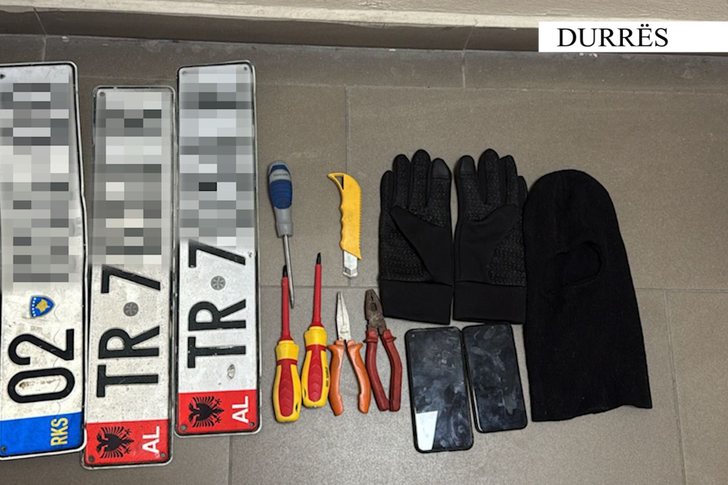
A 36-year-old man was arrested after stealing license plat...
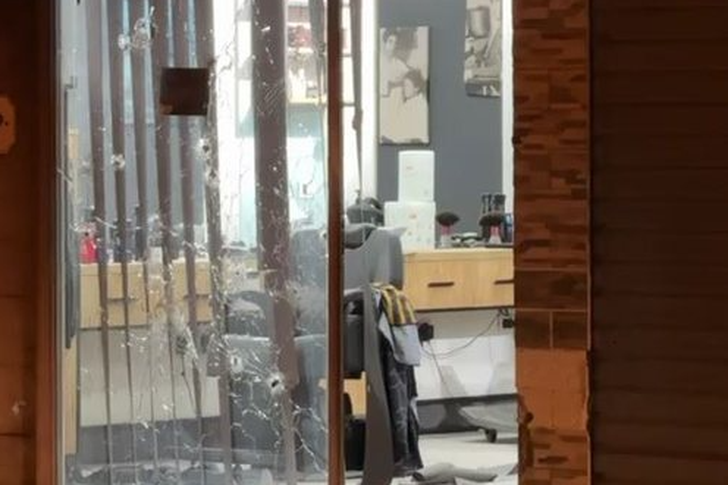
A serious incident involving firearms was recorded in the ...

Lezha Police have reacted to the injury that occurred this...
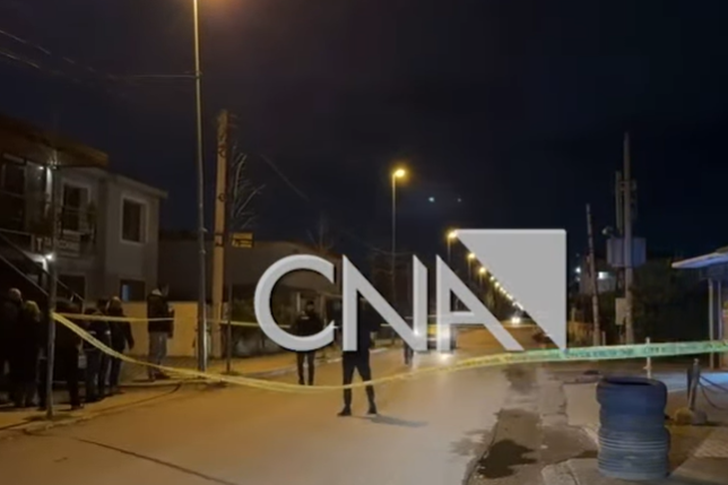
Footage from the scene where the gunshot wound occurred th...
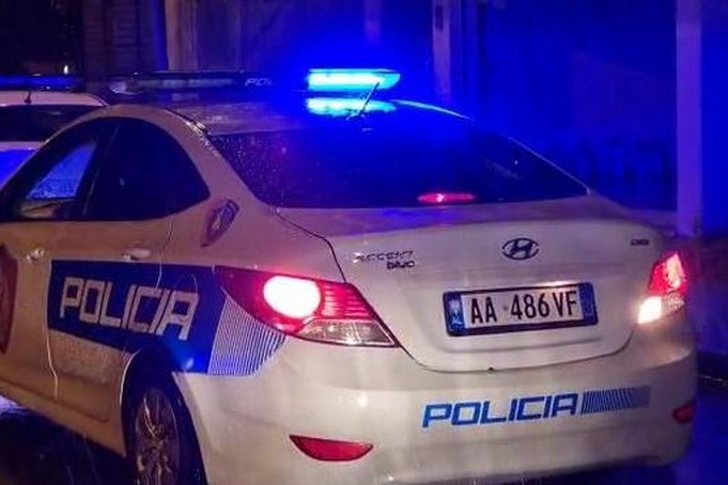
New details have emerged from the gunshot wound that occur...
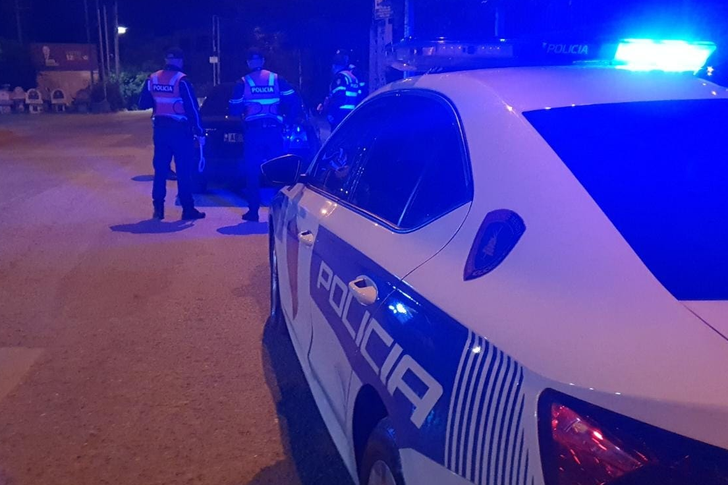
Gunshots were reported this evening at the Rrila intersect...
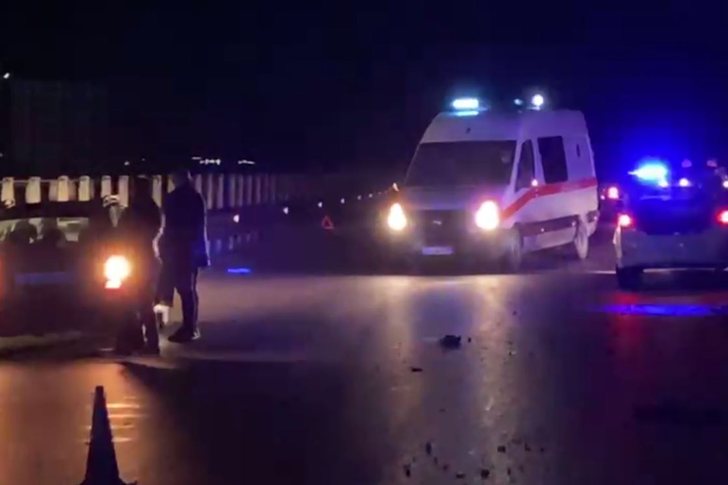
A road accident occurred this evening in "Demokracia" Squa...
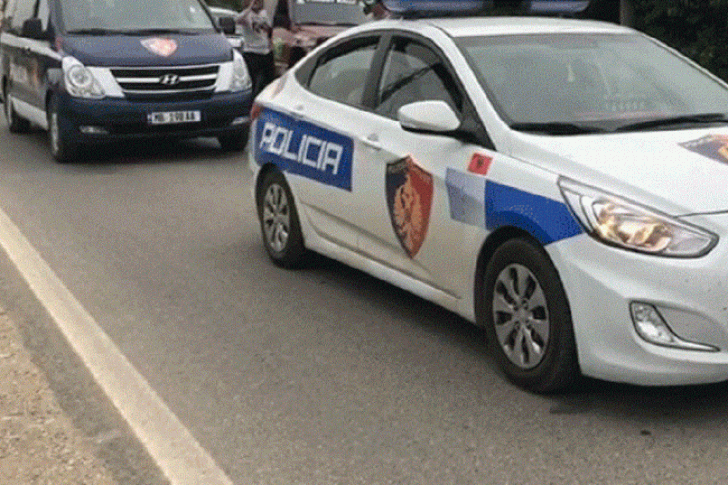
An accident occurred this afternoon on the Mat-Shkopet roa...
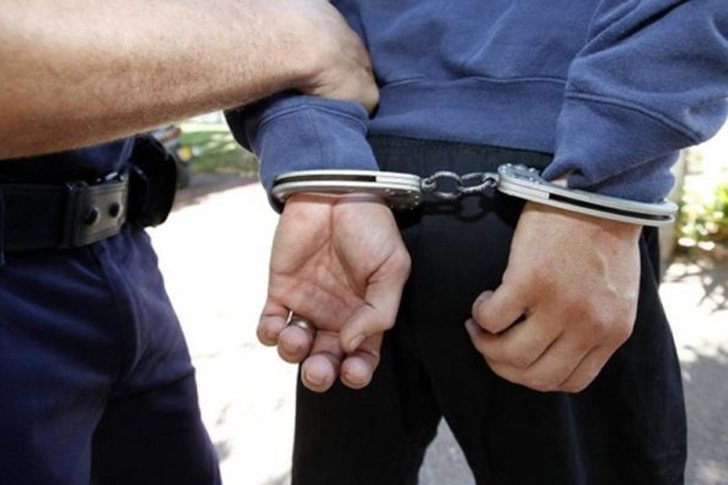
A 37-year-old man was arrested red-handed after attempting...
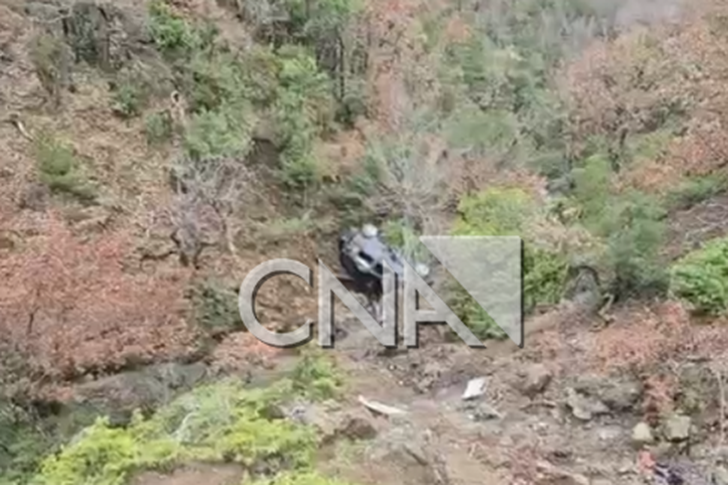
A road accident occurred today on the old Rrëshen-Fushë Ar...
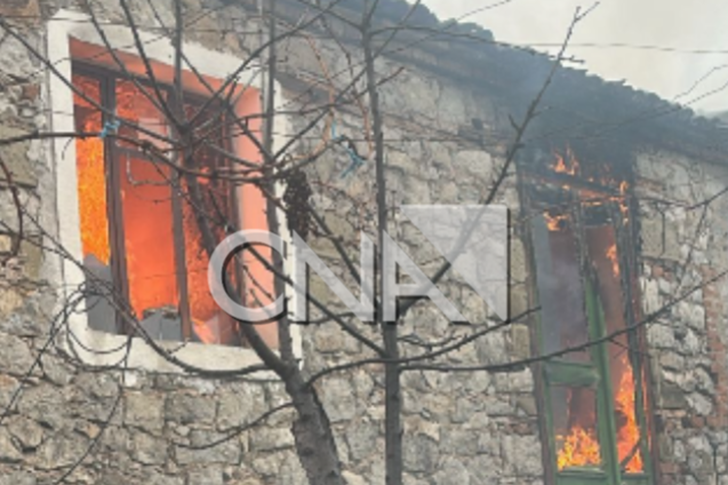
A fire broke out on Sunday morning in a house in the villa...
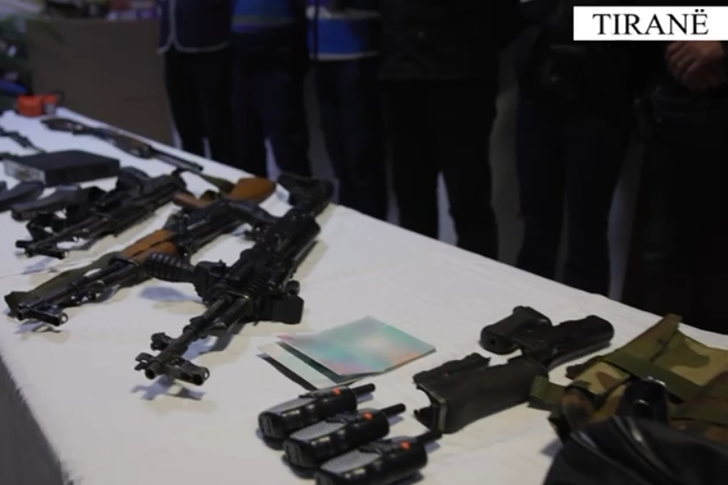
An arsenal of weapons has been discovered by police author...

A 42-year-old man was arrested in Korça, after uncovering ...
Ditën e sotme në qelitë e burgut të Koridhalos është zhvil...
A 45-year-old man who was shot in Shijak a few days ago ha...
Two people are wanted in Durrës after a conflict that occu...
A terrible accident has occurred at the Palasa bridge. Acc...
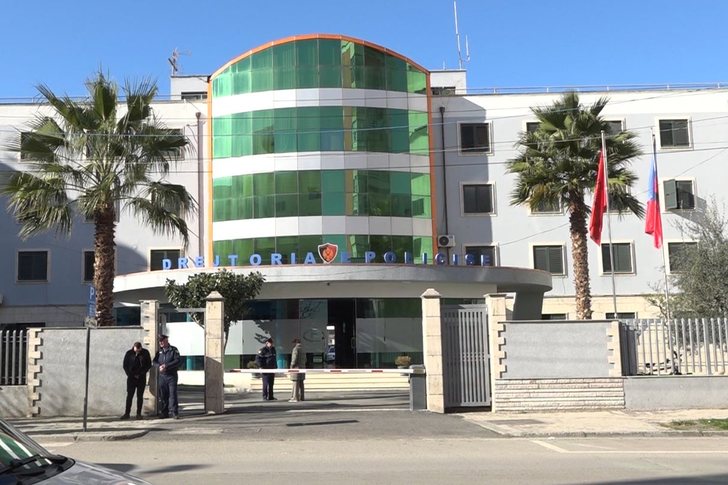
Specialists of the Narcotics Investigation Section, in coo...
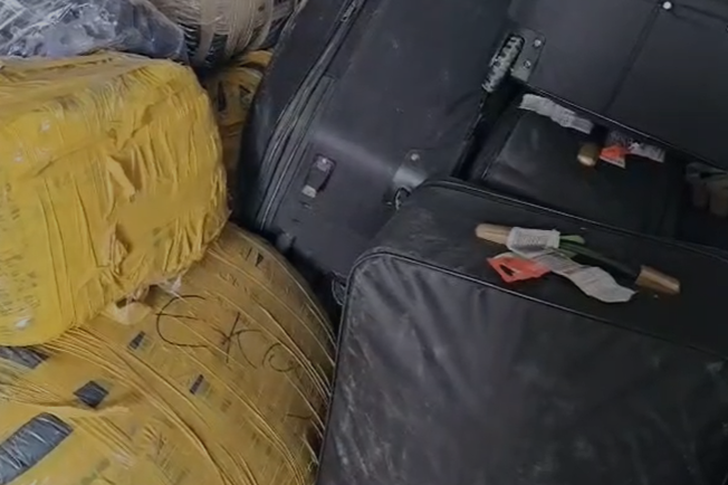
As a result of rapid investigations conducted by the Econo...
Irfan Hysenbelliu claims to be a big businessman, an hones...
The murder of officer Enea Mekolli in the line of duty has...
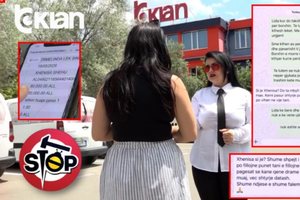
The next case broadcast on the show "Stop", this Thursday,...
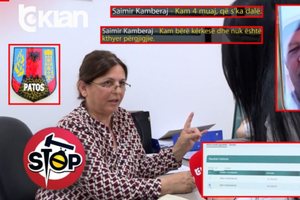
The case published this Thursday, June 4, on the show "Sto...

The Special Board of Appeal (KPA) decided this Monday ...

The KPA vetting decided this Thursday to dismiss the p...

Suela Salavaçi, a prosecutor in the Prosecutor's Offic...

The Special Board of Appeal reinstated the prosecutor ...
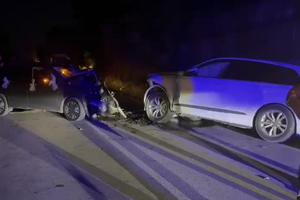
A road accident has been reported on the Fier-Levan axis, ...

An accident was recorded a few minutes ago on the Pogradec...
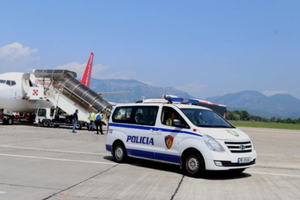
Following the cooperation of Interpol Tirana with Interpol...

An accident occurred this Saturday morning at Shkëmbi i Ka...
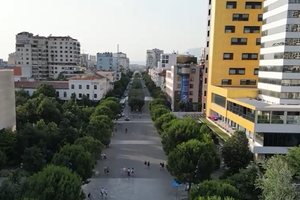
Albanians are officially the hardest working people in Eur...

This Saturday will be characterized by mostly clear weathe...
Today our country will be affected by stable weather condi...

For many children and teenagers, the long summer holidays ...

The military advisor to Iran's supreme leader, Mohsen Reza...

US Defense Secretary Pete Hegseth declared that Europe is ...

A federal judge in Rhode Island struck down a Trump admini...
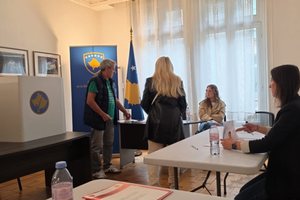
Thousands of Kosovo citizens living abroad are voting phys...
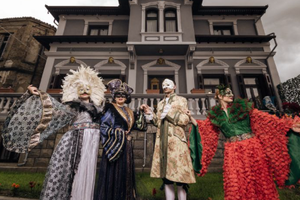
Korça is ready to open the summer season with one of the c...
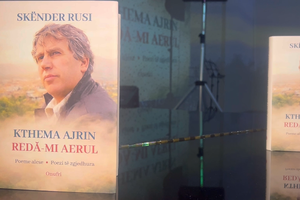
Two years after his passing, the renowned Korçë poet Skënd...
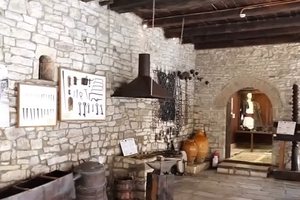
The Ethnographic Museum of Berat has opened its doors to v...
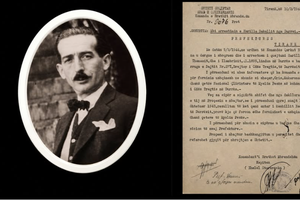
The story of Harilla Bakalli is one of the most chilling t...

The Transparency Board, in today's meeting, decided to red...

This Saturday, one US dollar is bought for 81.4 lek and so...
Despite years of efforts at regional cooperation and free ...

Albania is the country with the highest level of severe ma...