

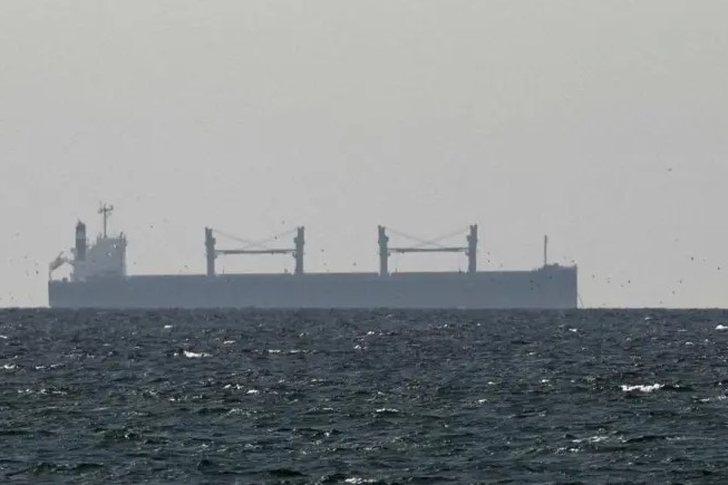
Hopes for peace talks rise / Oil prices stabilize
Oil prices remained steady in Asian stocks today as hopes ...


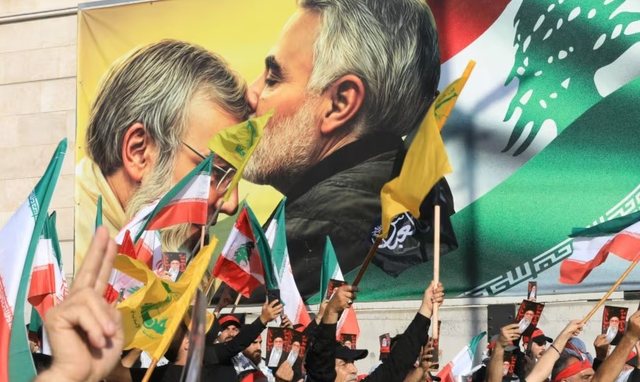
Just 48 hours after the United States and Israel launched a major bombing campaign against Iran, the Lebanese militant group Hezbollah joined the fighting and supported its backer.
Tehran's closest non-state ally, Hezbollah, has fired hundreds of shells, rockets and drones at neighboring Israel since March 2, opening a new front in the war.
Hezbollah is a militant group and political party that controls most of southern Lebanon. It is considered a terrorist organization by the United States, while the European Union has blacklisted only its armed wing.
Israel has launched a ground invasion of southern Lebanon and waged a devastating campaign of airstrikes in response to Hezbollah attacks, killing over 2,000 people and displacing more than 1.2 million others, according to local health authorities.
Now, as Tehran and Washington engage in talks on a possible peace deal, Iran has made a halt to attacks on its allies in the region, specifically Israel's attacks on Hezbollah, one of its main demands.
"The most valuable regional asset"
“Iran sees Hezbollah as its most valuable regional asset, the front line against Israel, so leaving Lebanon out would mean accepting Israel’s continued weakening of its main deterrent force ,” said Sanam Vakil, director of the Middle East and North Africa Program at the London-based think tank Chatham House.
"Unlike Iraqi or Yemeni groups, Hezbollah is located on the border with Israel and has a large arsenal of missiles, making it particularly key to Iran's influence both in war and in negotiations," she added.
Hezbollah is the main pillar of the so-called "axis of resistance," Iran's network of armed allies and militant groups backed by Tehran. This includes Yemen's Houthi rebels and pro-Iranian militias in Iraq, allies that have also been involved in the war.
Built over decades, the axis of resistance has been a key element of Tehran's advanced defense strategy, projecting power beyond its borders and reducing the need for direct confrontation with its main enemies, Israel and the United States.
The alliance has suffered a series of blows in recent years. As a major military and political force in Lebanon, Hezbollah has been weakened after a bitter year-long war with Israel, during which the group's longest-serving leader, Hassan Nasrallah, was killed.
Edhe pas një armëpushimi të brishtë që i dha fund konfliktit në fund të vitit 2024, Izraeli vazhdoi të shënjestrojë udhëheqjen dhe arsenalin ushtarak të grupit.
Hezbollahu pothuajse ishte shkatërruar, të paktën kjo ishte pikëpamja e përhapur gjerësisht. Por, grupi ka befasuar shumë vëzhgues me sulmet e tij të vazhdueshme ndaj Izraelit, duke lënë të kuptohet se ende zotëron arsenal të madh raketash.
“Pavarësisht humbjeve të fundit, Irani ende e trajton Hezbollahun si mjetin e tij kryesor parandalues dhe si garanci kundër sulmeve izraelite, i aftë të kërcënojë drejtpërdrejt Izraelin nëse Irani sulmohet”, tha Vakil.
Mospajtimet për armëpushimin
Kur Irani dhe Shtetet e Bashkuara u pajtuan për një armëpushim dyjavor më 7 prill, marrëveshja pothuajse menjëherë dështoi për shkak të mospajtimeve nëse ajo përfshinte Libanin. Uashingtoni tha se marrëveshja nuk përfshinte ndalimin e sulmeve izraelite ndaj Hezbollahut, por Teherani tha se po.
Më pak se 24 orë pasi armëpushimi hyri në fuqi, Izraeli kreu sulmet e tij më vdekjeprurëse në Liban, duke vrarë mbi 300 njerëz dhe duke plagosur mbi 1.000 të tjerë, gjë që shkaktoi zemërim të madh. Prej atëherë, Izraeli e ka ulur intensitetin e sulmeve në vend.
Duke shkruar në X, presidenti iranian Masud Pezeshkian tha se sulmet izraelite “tregojnë mashtrim dhe mosrespektim” të armëpushimit. “Irani nuk do t’i braktisë kurrë vëllezërit dhe motrat e vet libanezë”, shtoi ai.
Irani nuk u kundërpërgjigj duke goditur Izraelin, por Teherani nuk ka pranuar ta rihapë Ngushticën e Hormuzit, një rrugë kyç për furnizimet globale me naftë dhe gaz dhe një komponent i rëndësishëm i armëpushimit, duke e tensionuar më tej marrëveshjen tashmë të brishtë.
Marina amerikane prej atëherë ka vendosur një bllokadë ndaj porteve iraniane dhe trafikut në ngushticë, duke synuar ta ndalë eksportin e naftës dhe gazit nga Teherani.
Para bisedimeve për paqe midis zyrtarëve amerikanë dhe iranianë në Islamabad më 11 prill, Teherani kërcënoi me tërhiqje nga negociatat në çastin e fundit për shkak të sulmeve të vazhdueshme të Izraelit ndaj Hezbollahut. Delegacioni iranian përfundimisht mori pjesë në bisedime, megjithëse palët nuk arritën marrëveshje për t’i dhënë fund luftës.
Para bisedimeve në Islamabad, Irani kishte paraqitur një plan paqeje me 10 pika, i cili përfshinte, ndër të tjera, ndalimin e sulmeve amerikane dhe izraelite ndaj aleatëve të tij të armatosur në Liban, Irak dhe Jemen.
Projektimi i pushtetit
Ekspertët thanë se mbrojtja e Hezbollahut dhe përfshirja e tij në çfarëdo marrëveshje paqeje do të jetë prioritet për Iranin.
“Hezbollahu ka qenë aleati dhe ndërmjetësi më i vjetër dhe më i rëndësishëm i Iranit në rajon dhe ai hyri në rundin e fundit të luftës në mbështetje të Iranit, kështu që Irani dëshiron të kundërpërgjigjet sa më shumë që të mundet,” tha Farzin Nadimi, specialist i mbrojtjes për Iranin në Institutin e Uashingtonit.
"They also want to keep their most important intermediary relevant and prevent its further weakening ," Nadimi added.
Iran helped found Hezbollah in 1982 in response to Israel's invasion of Lebanon that year, when the country was embroiled in a devastating civil war. Since its inception, the Shiite political and military organization has received significant financial and political support from Iran, a Shiite-majority country.
Naysan Rafati, Iran analyst at the International Crisis Group, said Hezbollah's defense has become even more important since Syrian President Bashar al-Assad, a longtime ally of Tehran, was ousted from power in December 2024. Under Assad, Syria was the only other state actor in the axis of resistance.
"Over the past year and a half, Iran's influence and power projection in the Levant have suffered significant blows," Rafati said.
This includes the weakening of Hezbollah, which has faced increasing domestic and international pressure to disarm. The Lebanese army has also deployed to the south of the country, in Hezbollah's stronghold, dealing another blow to the group.
Ideology and geography make Hezbollah an ally that Tehran does not want to abandon, Rafati said.
“By trying to include it in a broader ceasefire [and peace agreement], the Iranians seem intent on ensuring that the group can survive to fight another day, whether as a political actor or more specifically as a military force along Israel’s northern border ,” he said.
It is not clear whether Israel will agree to stop attacks on Hezbollah and withdraw its forces from southern Lebanon as part of any peace deal between the US and Iran.
Israeli Prime Minister Benjamin Netanyahu has vowed to continue the country's attacks on Hezbollah and destroy the group.
The Israeli and Lebanese ambassadors to the United States will meet in Washington on April 14 in talks mediated by Secretary of State Marco Rubio.
Lebanon has called for a ceasefire, but Israel has rejected a ceasefire with Hezbollah and insists on the group's disarmament. Hezbollah leader Naim Qassem has called for Lebanon to cancel talks in Washington. /REL

Oil prices remained steady in Asian stocks today as hopes ...
A new trial began this Tuesday in San Isidro, near Buenos ...
Kryeministri i Maqedonisë së Veriut, Hristijan Micoski dek...
"Reuters" - Ukrainian President Volodymyr Zelenskyy and hi...
"Reuters" - The Spanish government has approved a new decr...
A 20-year-old man has been shot dead in Helsingborg, Swede...
A massive fire has broken out at a facility inside the com...
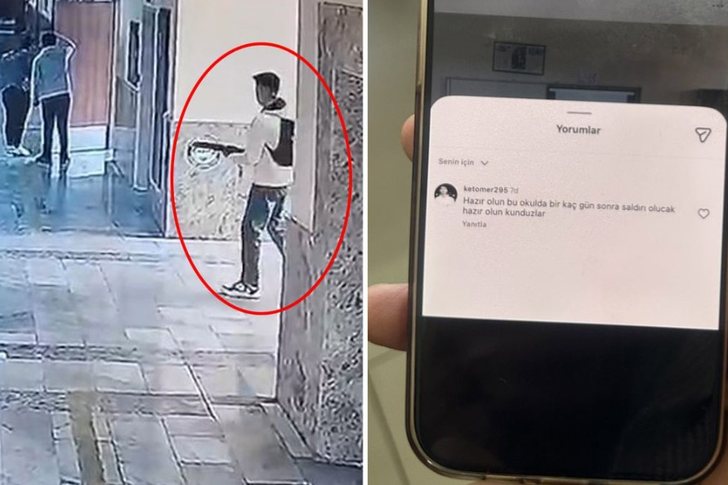
A shooting attack at a vocational high school in the Siver...

Serbian President Aleksandar Vučić has reacted sharply to ...
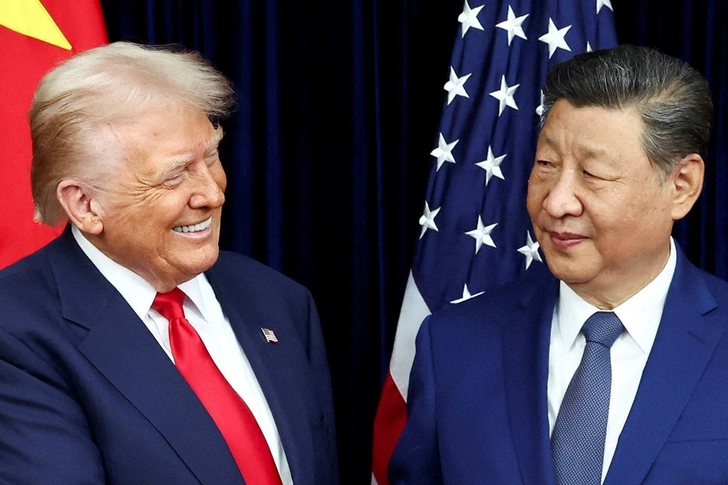
Chinese President Xi Jinping has presented a four-point pr...
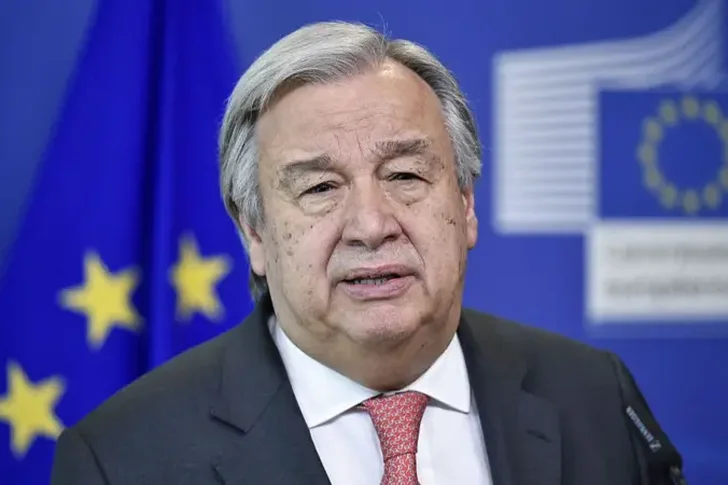
United Nations Secretary-General Antonio Guterres has call...
Në fillim të marsit, një litër benzinë super kushtonte 2 e...
Pakistan has proposed hosting a second round of talks betw...
The European Union does not support any action that restri...
Sekretari i shtetit i SHBA-së, Marco Rubio, do të jetë mid...
Begoña Gómez, the wife of Spanish Prime Minister Pedro Sán...
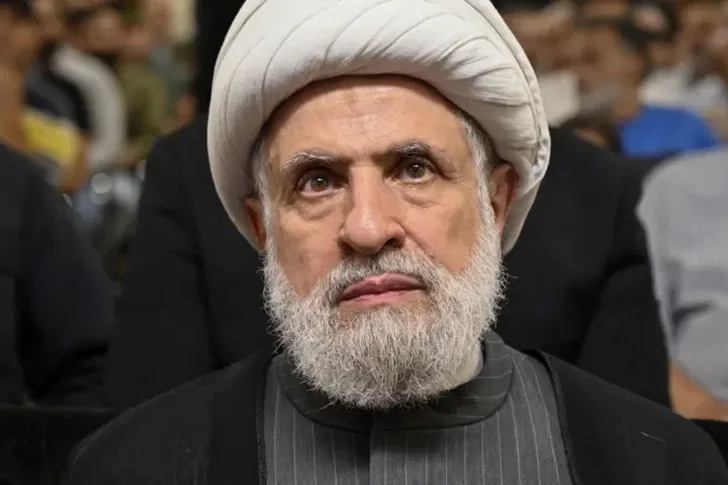
Hezbollah leader Naim Qassem has dismissed talks between I...
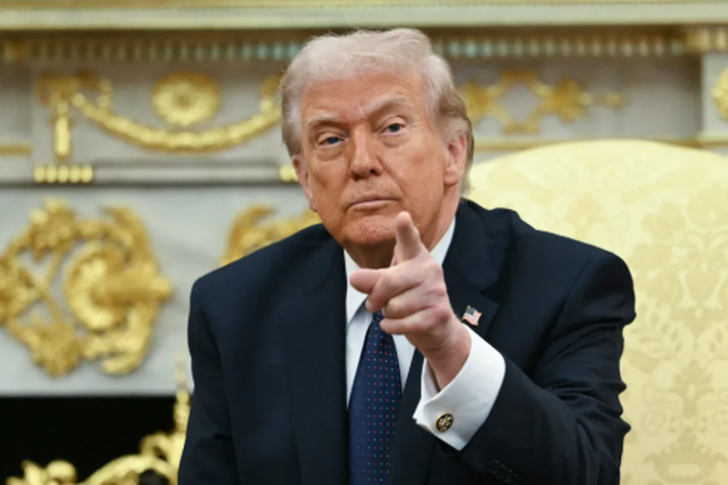
US President Donald Trump said today that Iran wants a dea...
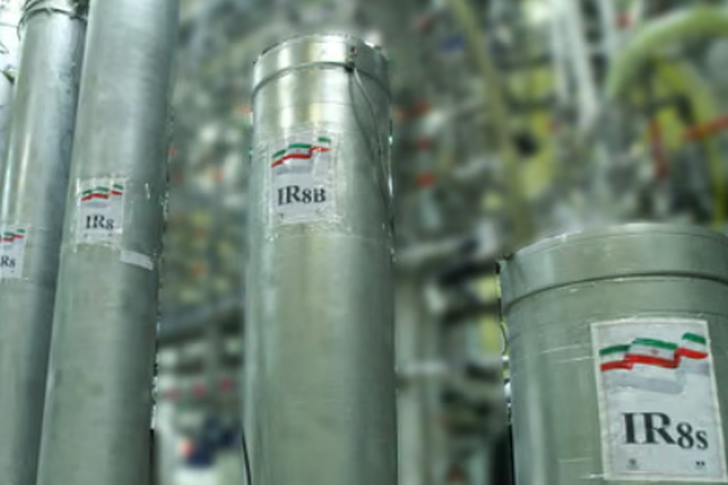
The United States has asked Iran to freeze uranium enrichm...
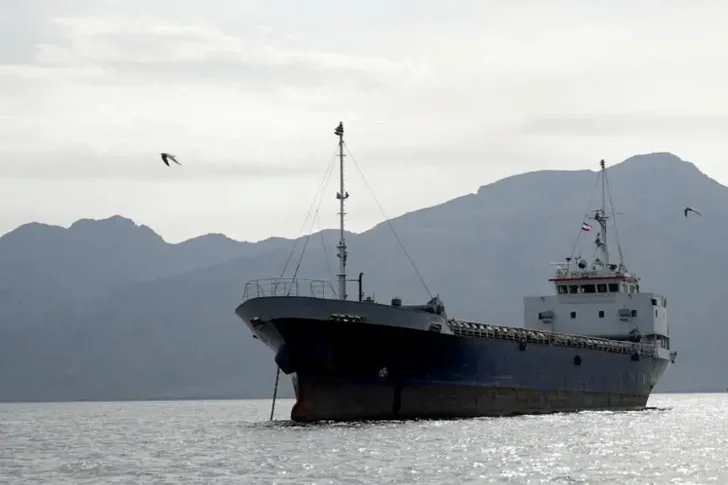
The head of the organization responsible for global mariti...

Irfan Hysenbelliu claims to be a big businessman, an hones...

The murder of officer Enea Mekolli in the line of duty has...

The next case broadcast on the show "Stop", this Thursday,...
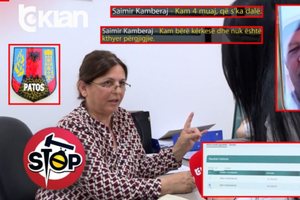
The case published this Thursday, June 4, on the show "Sto...

The Special Board of Appeal (KPA) decided this Monday ...

The KPA vetting decided this Thursday to dismiss the p...

Suela Salavaçi, a prosecutor in the Prosecutor's Offic...

The Special Board of Appeal reinstated the prosecutor ...
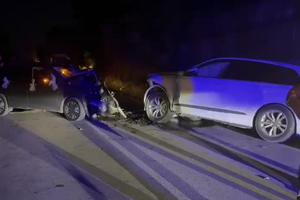
A road accident has been reported on the Fier-Levan axis, ...

An accident was recorded a few minutes ago on the Pogradec...
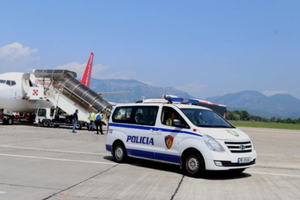
Following the cooperation of Interpol Tirana with Interpol...

An accident occurred this Saturday morning at Shkëmbi i Ka...
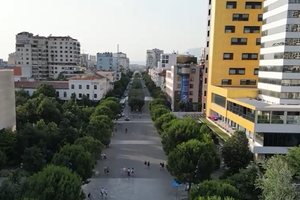
Albanians are officially the hardest working people in Eur...

This Saturday will be characterized by mostly clear weathe...
Today our country will be affected by stable weather condi...

For many children and teenagers, the long summer holidays ...
The military advisor to Iran's supreme leader, Mohsen Reza...

US Defense Secretary Pete Hegseth declared that Europe is ...
A federal judge in Rhode Island struck down a Trump admini...

Thousands of Kosovo citizens living abroad are voting phys...

Korça is ready to open the summer season with one of the c...
Two years after his passing, the renowned Korçë poet Skënd...

The Ethnographic Museum of Berat has opened its doors to v...
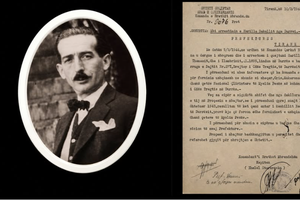
The story of Harilla Bakalli is one of the most chilling t...
The Transparency Board, in today's meeting, decided to red...

This Saturday, one US dollar is bought for 81.4 lek and so...

Despite years of efforts at regional cooperation and free ...

Albania is the country with the highest level of severe ma...