

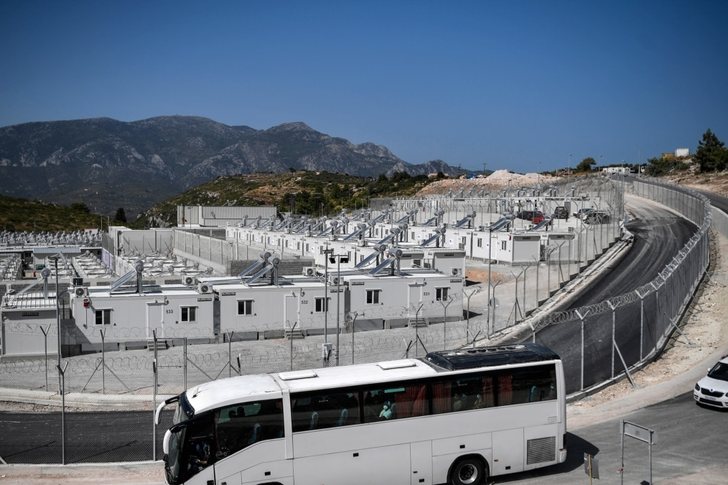
Asylum seekers in Greece face a grim reality
The Greek island of Samos is the scene of a grim reality f...


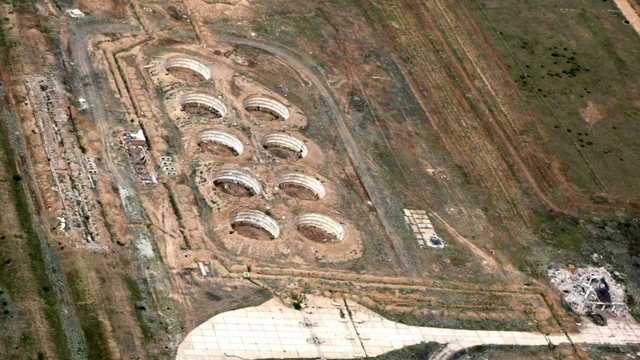
In Kazakhstan, a site where nuclear tests were once conducted remains a vivid reminder of the period when Russia was building up its nuclear arsenal. Meanwhile, scientists around the world continue to study the fallout caused by more than 400 nuclear explosions. Many of those who lived near the nuclear test site in Kazakhstan still suffer from the side effects of the radiation.
This two-stage hydrogen bomb detonation took place on November 22, 1955 at the nuclear test site.
Semipalatinsk in the then Soviet republic of Kazakhstan. This was one of the many tests at this range. The first test at the Semipalatinsk range was carried out on August 29, 1949, with a yield of 22 kilotons.
This proving ground was created amid tensions between the two superpowers, the United States and the Soviet Union. The largest republic in Central Asia, Kazakhstan was once part of the Soviet Union. It is the only test site in the world populated during and after nuclear bomb tests.
About 456 nuclear tests, including 340 underground and 116 atmospheric tests, were conducted at this test site with an area of ??18,500 square meters.
Scientists say that the total power of nuclear weapons tested from 1949 to 1963 at the Semipalatinsk test site exceeded the power of the atomic bomb dropped on Hiroshima by about 2,500 times.
"The main radioactive contamination is the result of aerial tests, exactly as a result of tests on the surface of the earth. I am talking about the three main tests of 1956, 1953 and 1949. The test of 1949 was the first when it was necessary to quickly carry out an explosion without taking into account the atmospheric conditions and the radiation spread by the wind", says Aisan Aydarkhanov, with the Institute of Radiation Safety and Ecology in
Lake Chagan, nicknamed "Atomic Lake", was created as a result of a nuclear test in Chagan on January 15, 1965.
"One of the biggest pollutions happened after the creation of the atomic lake, as a result of an escalating explosion. All the byproducts of the nuclear explosion ended up on the surface," says Mr. Aydarkhanov.
The territory in question was not declared under protection until 2006, causing the local population to use most of it for cattle grazing.
Thanks to the efforts of the local population and scientists from the National Nuclear Center of Kazakhstan, in 2008 protective constructions were made for the most polluted parts of the area, to prevent access by both locals and livestock.
In the protected areas of the former test site, radioactive contamination is about 10 to 20 microroentgens per hour.
The safe zone is 60 kilometers from the epicenter where the hydrogen bomb was tested. According to official data, the Semipalatinsk test site is the only test site in the world that is being used for agricultural purposes by the local population.
Mr. Aydarkhanov says that research shows that larger parts of the area have not been affected by radiation at all.
"Research by specialists from the National Nuclear Center showed that part of the territory was not contaminated by radiation at all. The radiation from the nuclear explosions did not spread to the territory beyond the test site."
Hundreds of thousands of Kazakhs were exposed for 40 years to radiation before the contaminated sites were closed.
Nurgaz Mamrzhanov, a resident of one of the villages near the site, witnessed a nuclear explosion at the Semipalatinsk test site. He says that during the Soviet era it was impossible to talk about it.
“I saw the powerful explosion that created a mushroom-shaped plume. We saw black smoke rising into the sky. They told us not to look at the explosion, but we Kazakhs did."
He lost one of his children as a result of the proximity of the nuclear test site.
"I stayed by his side in the hospital for 45 days. Then they didn't tell us the reason of death", says Mr. Nurgaz Mamrzhanov.
The truth only came to light after Kazakhstan gained independence from the Soviet Union in 1991. Public outrage following an underground nuclear test in 1989 led to the site's closure.
Today, while scientists at Kazakhstan's nuclear power plant say radiation levels are no longer high, children with genetic mutations continue to be born in the region. More than 30 years after the closure of the test site, nuclear radiation continues to have a negative impact on the health of the region's residents.
Director of the Center for Nuclear Medicine and Oncology, Tatiana Belikhina, says there has been an increase in cases of cancer diagnosis "in direct proportion to the dose of radiation and birth defects".
"Children began to be born from parents exposed to radiation. We do not have a definitive scientific answer as to how long this negative impact will last," says Mrs. Belikhina.
According to official data in Kazakhstan, the number of new cancer cases in 2021 increased by 25-30 percent and reached 36,000 cases. The area around the Semipalatinsk polygon and neighboring regions took first place according to the data./ VOA

The Greek island of Samos is the scene of a grim reality f...
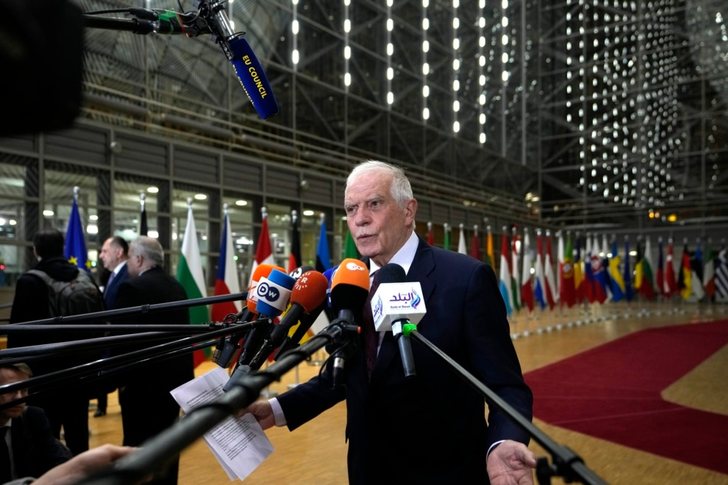
The European Union has expressed concern about reports tha...
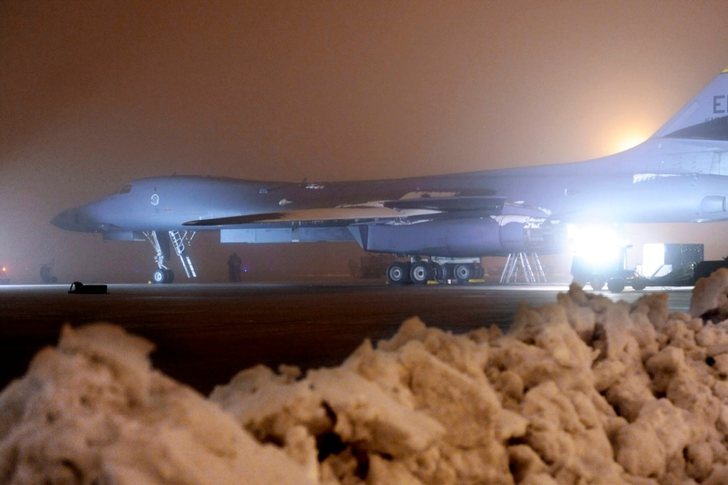
The United States launched airstrikes in Iraq and Syria on...
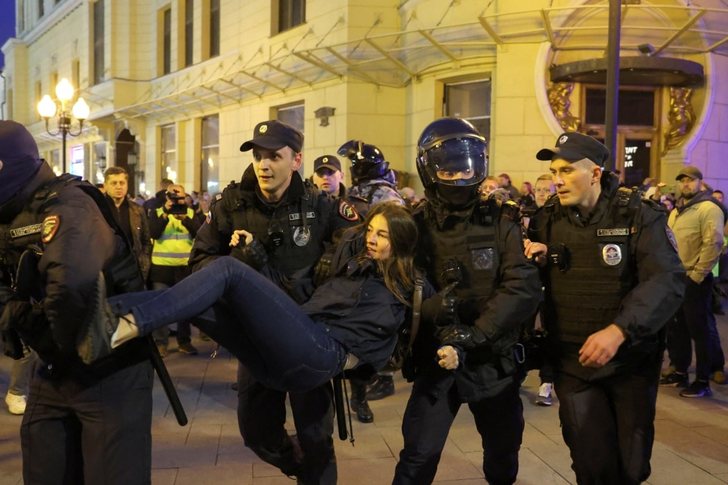
Russian police on Saturday arrested around 30 people in ce...

Several tens of thousands of people responded to the call ...

The chairman of Lista Serbe, the largest party of Kosovo S...

Pakistan's former prime minister Imran Khan and his wife B...

As a result of a knife attack on Saturday morning in Paris...

In one of the propaganda games sold on the Steam platf...
Global cancer diagnoses will reach 35 million by 2050, acc...

Zyrtarët amerikanë besojnë se sulmet ajrore ndaj dhjet...
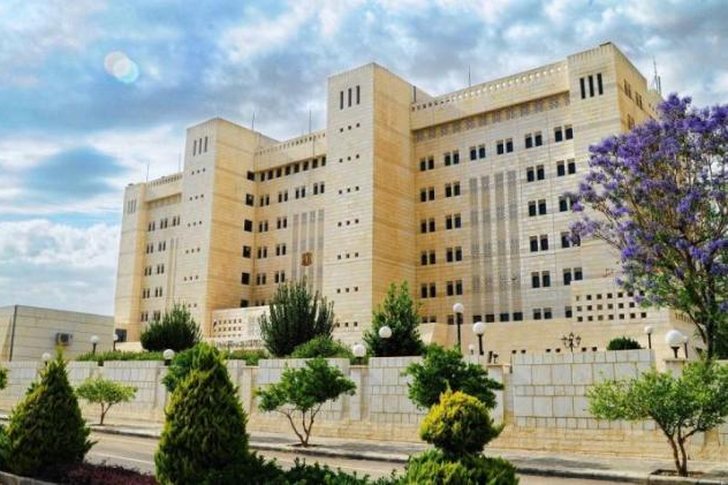
The Syrian Foreign Ministry has condemned overnight US str...
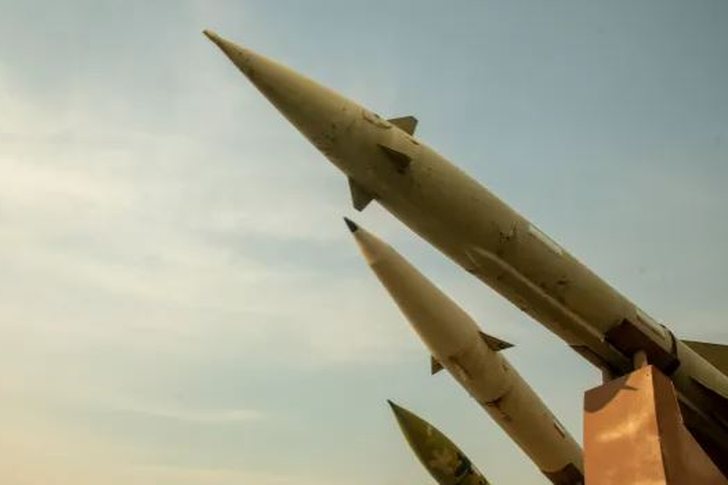
Iran could ignite a terrifying nuclear war "in the blink o...

American actor Carl Weathers has passed away at the ag...
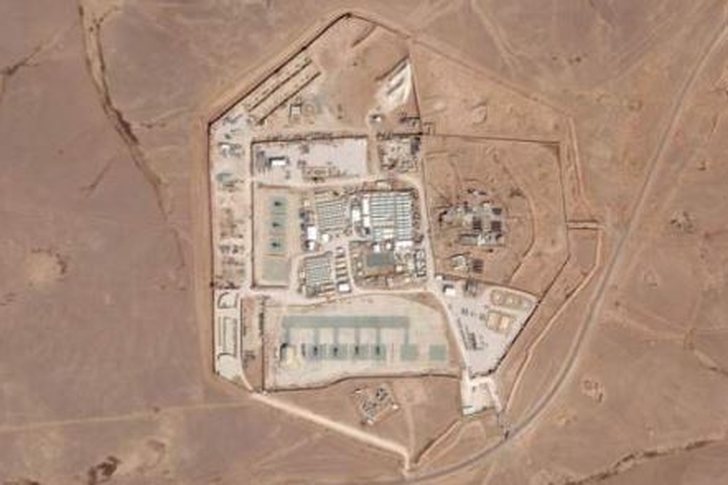
The base, which was hit by a deadly drone strike in a ...
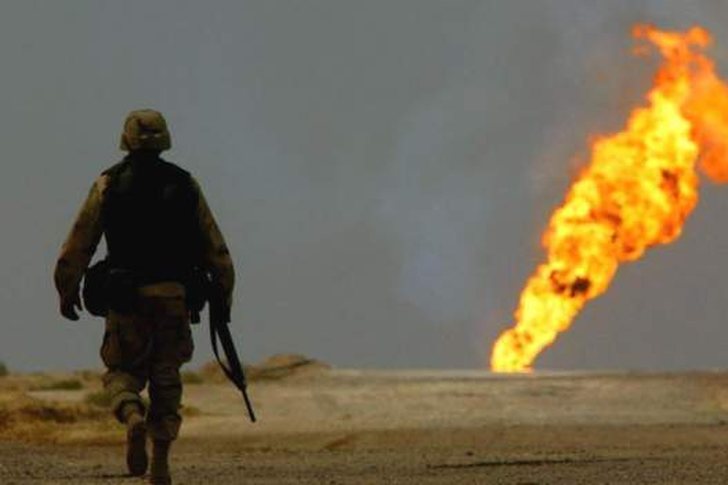
The US has launched strikes on 85 targets in Syria and...

A federal judge formally postponed former President Do...
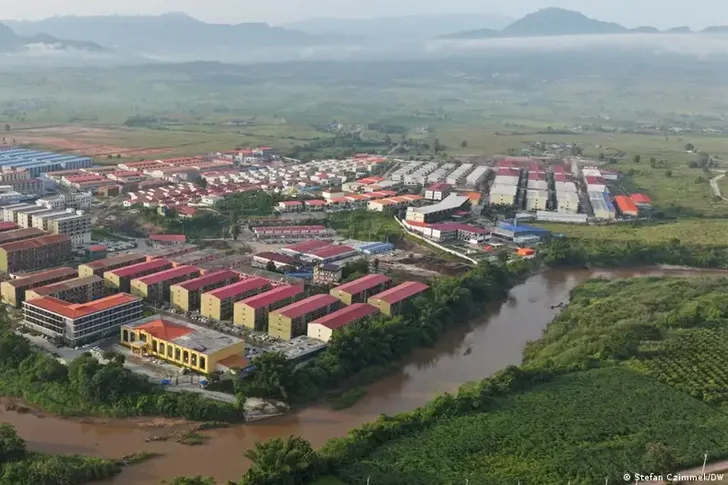
Aaroni nuk mund ta besonte fatin e tij. Një kompani teknol...
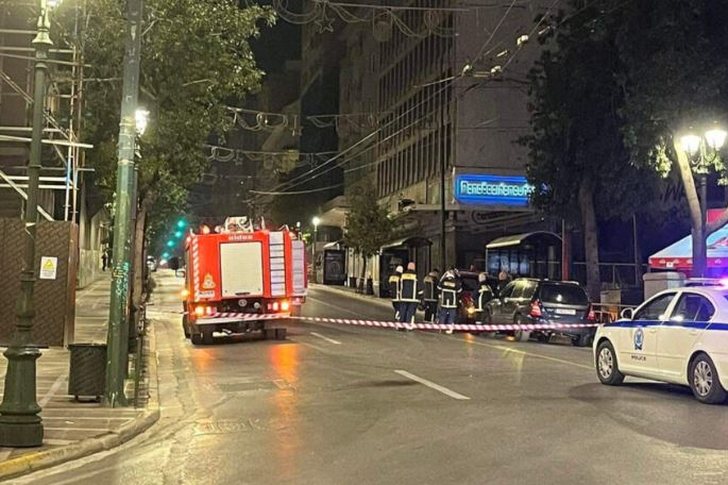
The area in the center of Athens continues to remain b...
The Ministry for Europe and Foreign Affairs of France has ...

The Justice Reform and the vetting process were trumpeted ...

After revealing the property portfolio in Tirana, Kavaja, ...
Four months ago, on March 11, CNA sent an official letter ...
Sokol Sadushi, the president of the Supreme Court, is the ...

The Special Board of Appeal (KPA) decided this Monday ...

The KPA vetting decided this Thursday to dismiss the p...

Suela Salavaçi, a prosecutor in the Prosecutor's Offic...

The Special Board of Appeal reinstated the prosecutor ...
A serious incident occurred on Thursday afternoon in the M...

A vehicle caught fire today in neighborhood no. 4 of the c...
A lightning strike has struck a herd of cattle on Nikollar...

This morning, a powerful explosion suspected to be caused ...
Today is characterized by hot and mostly clear weather thr...
On Wednesday, our country will be affected by relatively s...
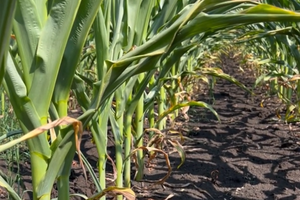
A field inspection has begun in the Maliq area, after the ...
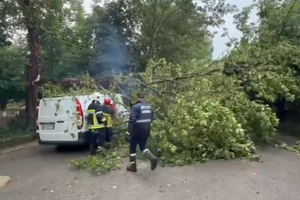
Heavy rainfall accompanied by strong winds has caused prob...

The Vita milk factory in Kosovo has been closed. According...

Iran's Supreme Leader Mojtaba Khamenei will not attend the...
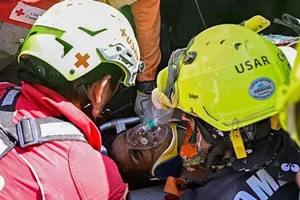
After eight days under the rubble of a building collapsed ...
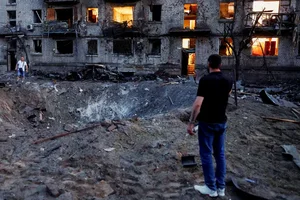
Russian forces have launched a major drone and missile att...

Professor and literature scholar Ali Xhiku has passed away...

During my research into the life and artistic photographic...

This year's edition of the Gjon Mili International Video A...

The promotion of the book by author Aleksandër Ikonomidhi ...
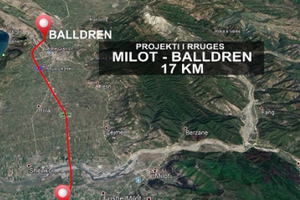
Whenever a new infrastructure project is announced, the fi...
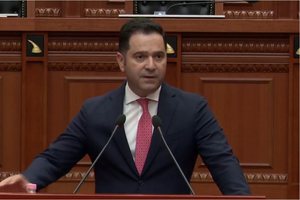
Minister of Finance, Petrit Malaj, spoke in today's plenar...

This Thursday, one US dollar is bought for 82 lek and sold...
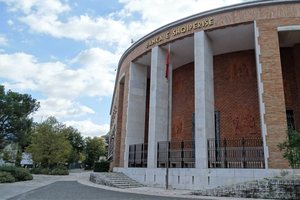
Guvernatori i Bankës së Shqipërisë, Gent Sejko, në një kon...