


European Union legally approves ban on Russian gas imports
The European Union has imposed a permanent and legally bin...


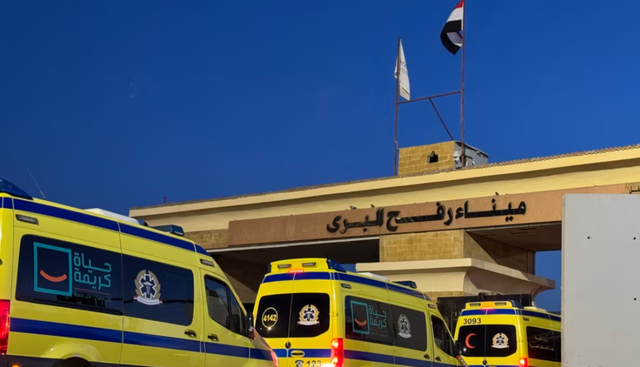
The key border crossing at Rafah in Gaza reopened to Palestinians on Monday, an Israeli security official said, but state-affiliated Egyptian media reported that only 50 people would be allowed to cross in each direction in the first few days.
The resumption of operations comes after Israeli forces took control of this gateway to Egypt in May 2024, during the war with Hamas, declared a terrorist organization by the US.
A partial resumption of operations began on Sunday, in a very limited phase that did not involve the movement of people, after months of calls from aid groups.
"As of this moment, and following the arrival of EUBAM teams on behalf of the European Union, the Rafah crossing point is now open for the movement of residents, both for entry and exit," the Israeli official said, referring to the European border assistance mission.
State-affiliated Egyptian media reported that 50 people were expected to cross in each direction in the first days of the reopening.
AlQahera News, affiliated with state intelligence, reported citing an unnamed source that "fifty people will leave Egypt for Gaza and fifty people will come from Gaza," in the first days of the operation.
A source at the border told AFP that several dozen people arrived on the Egyptian side on Monday awaiting entry into Gaza.
However, Israeli state broadcaster Kan reported that around 150 people were expected to leave Gaza for Egypt on Monday, including 50 patients.
The report said that about 50 others were also expected to enter the territory, adding that the crossing would be open for about six hours a day.
"The Rafah crossing is a lifeline," said Mohammed Nassir, a Palestinian who had his leg amputated after being injured early in the war.
"I need to undergo an operation that cannot be performed in Gaza, but can be done abroad."
Hospitals are preparing
AFP footage from Sunday showed ambulances lined up on the Egyptian side, preparing to accept medical evacuees, who were expected to be the first groups to be allowed to leave.
An official in Gaza's Health Ministry, which operates under Hamas authority, said about 200 patients were waiting for permission to leave the territory.
AlQahera News, citing Egypt's Ministry of Health, reported that 150 hospitals and 300 ambulances were prepared to accept Palestinian patients.
She said 12,000 doctors and 30 rapid deployment teams had been assigned to work with the displaced Palestinians.
Rafah is considered a key entry point for aid into Gaza, where humanitarian conditions remain dire after two years of war, despite a ceasefire in effect since October 10.
The crossing has been closed since Israeli forces took control of it in May 2024 during the war with Hamas, except for a brief and limited reopening in early 2025.
COGAT, the Israeli Defense Ministry body that coordinates Palestinian civilian affairs, made no mention of allowing a long-awaited increase in aid, speaking only of the passage of individuals “in both directions.”
Cairo News, the Egyptian state media, reported that the Egyptian side of the crossing would remain open "24 hours a day."
No displacement of Gaza residents
Meanwhile, the leaders of Egypt and Jordan reiterated their opposition to any efforts to displace Palestinians from Gaza.
Israel had previously linked the reopening of the Rafah crossing to the return of the remains of Ran Gwil, the last Israeli hostage held in Gaza. His body was found and buried last week, prompting Israel to announce the gradual reopening.
Violence continued ahead of the reopening, with the Gaza Civil Defense reporting at least 32 people killed in Israeli strikes on Saturday.
The Israeli military said it had acted after militants emerged from a tunnel in Rafah.
Located on Gaza's southern border with Egypt, Rafah is the only crossing point for entry and exit from the territory that does not pass through Israel.
It is located in an area held by Israeli forces after their withdrawal behind the so-called "Yellow Line," under the terms of the US-brokered ceasefire.
Israeli troops still control more than half of Gaza, while the rest remains under Hamas authority. /REL

The European Union has imposed a permanent and legally bin...
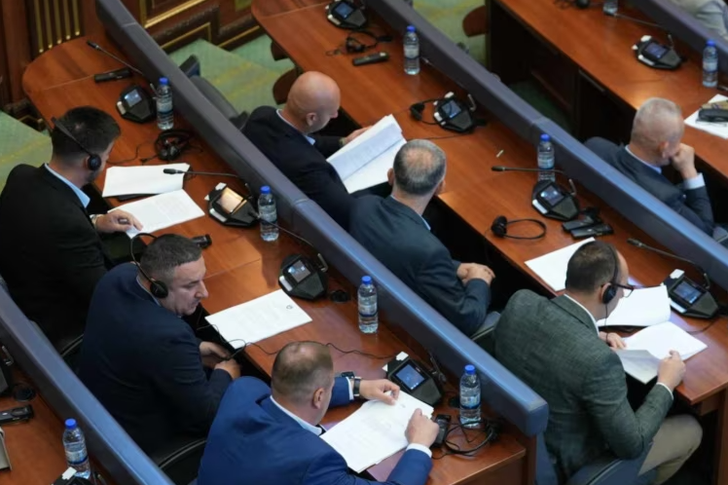
Two days after the announcement of the final results of th...

In India, around 50,000 people die from snakebites every y...
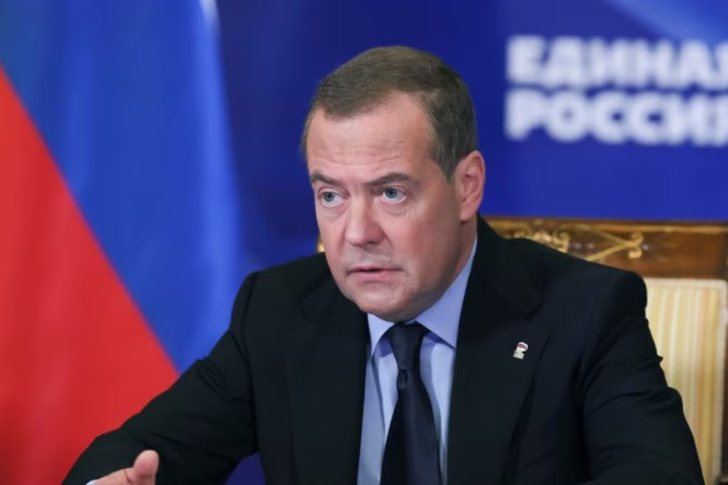
The deputy chairman of the Russian Security Council and fo...

Gjermania po vendos një brigadë të ushtrisë (Bundeswehr-it...

The US has reopened its diplomatic mission in Caracas, whi...

The city of Rome has decided that tourists will pay a fee ...
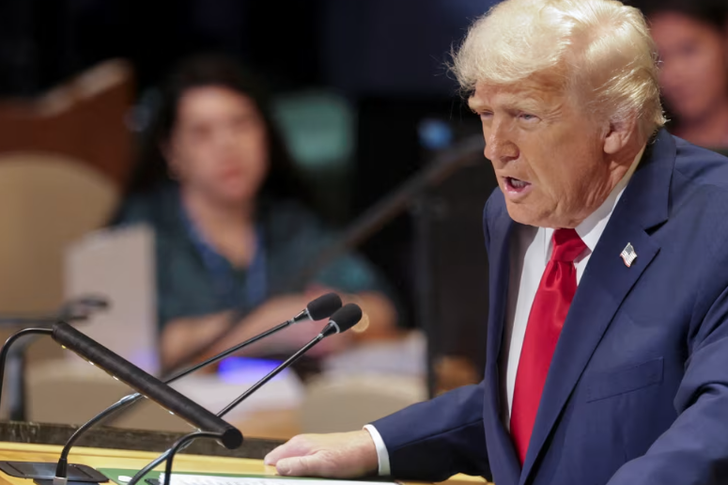
US President Donald Trump said late Sunday that Washington...
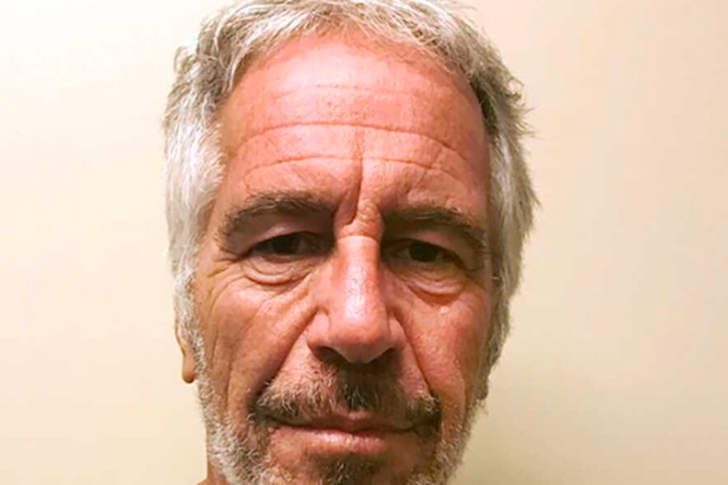
Lord Mandelson has resigned from the Labour Party because ...

The documentary about US First Lady Melania Trump has exce...
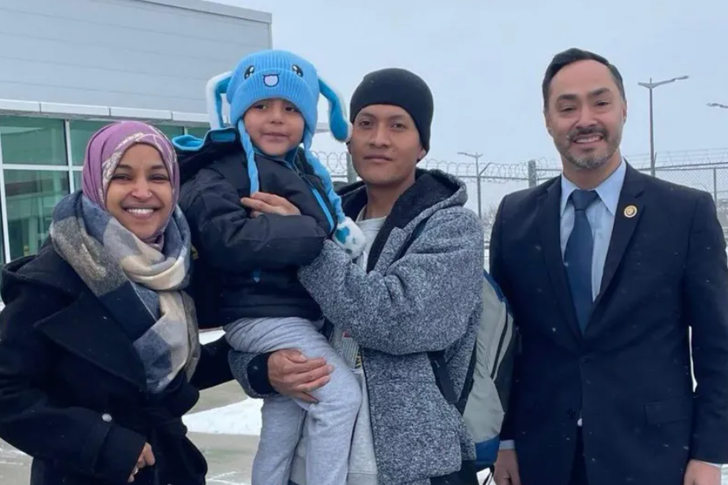
Një djalë pesëvjeçar dhe babai i tij, të cilët u ndaluan n...

An accident occurred today on the Peja-Rugovë road. Accord...
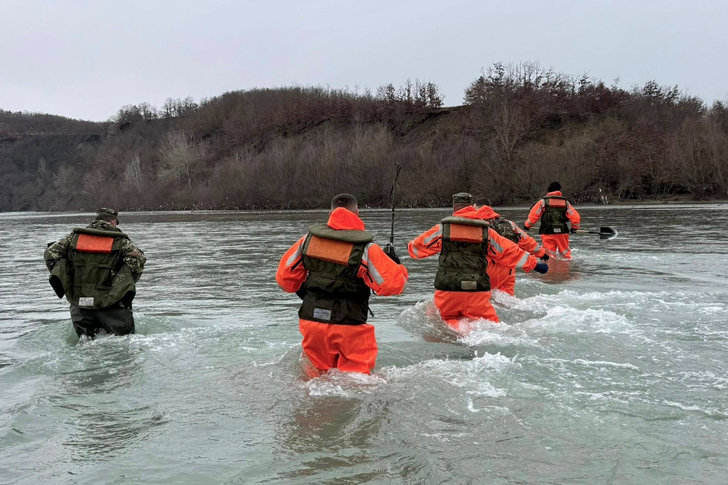
Search operations to find the body of the 30-year-old man ...

Një skiator është plagosur ditën e sotme në Brezovicë nga ...

Serbian President Aleksandar Vučić said on February 1 that...
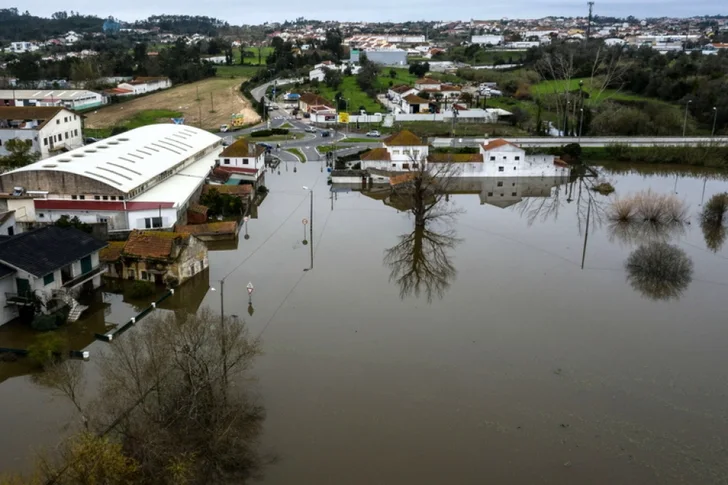
The Portuguese government has announced a €2.5 billion rec...
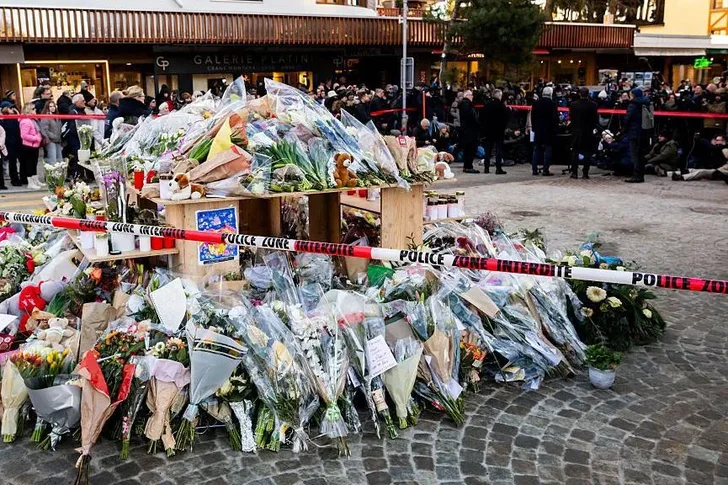
A teenager who was injured in a fire that broke out at a S...

Ukrainian Defense Minister Mikhailo Fedorov today thanked ...
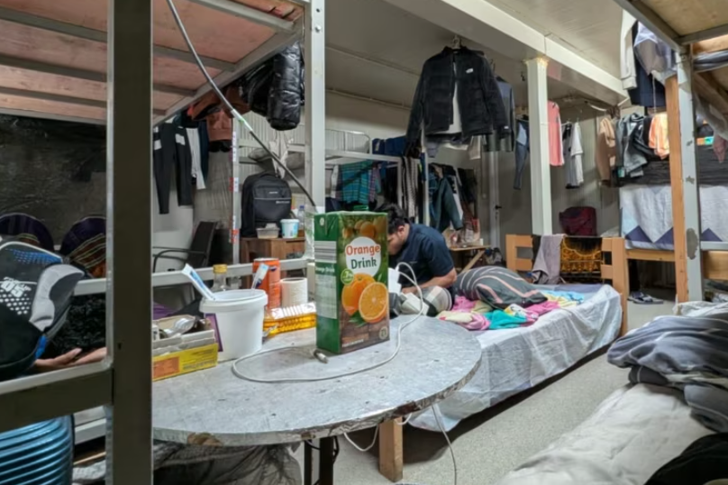
Rights groups say dozens of Bangladeshi workers employed a...

Qeveria e Letonisë raportohet se ka nisur zyrtarisht të sh...

There have been 12 days of protests in the capital, which ...
Dritan Prençi is the SPAK prosecutor who is sleeping on th...
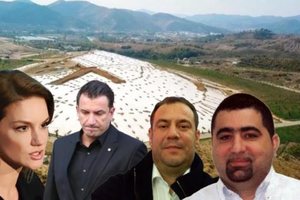
The in-depth investigations that SPAK conducted into Ajola...
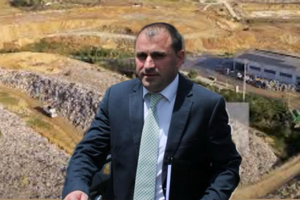
SPAK's standards, the way it investigates, how it secures ...

The Special Board of Appeal (KPA) decided this Monday ...

The KPA vetting decided this Thursday to dismiss the p...

Suela Salavaçi, a prosecutor in the Prosecutor's Offic...

The Special Board of Appeal reinstated the prosecutor ...
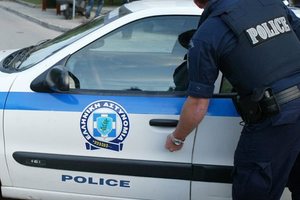
An Albanian businessman was arrested this afternoon in Gre...

A serious accident has occurred on the Korça-Ersekë axis, ...

Fier Police has announced the measures taken this week for...

A robbery attempt has been prevented by police in the Shko...

Today our country will be affected by unstable weather con...

On Thursday, our country will be affected by relatively un...

Albania is facing a deep demographic crisis where official...
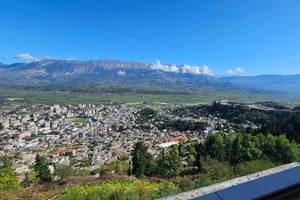
This Wednesday, our country will be affected by relatively...
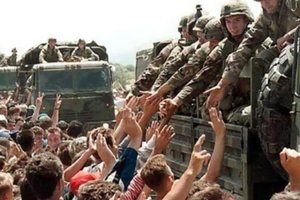
This June 12th marks the 27th anniversary of the liberatio...
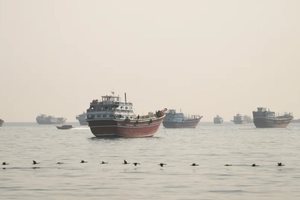
The global economy is expected to face its biggest slowdow...

German Chancellor Friedrich Merz (CDU) defended his govern...

US President Donald Trump has made a post on Truth Social ...

At the Museum of Fine Arts in Chambéry, France, an exhibit...

Korça has transformed this weekend into the capital of cel...

Korça is ready to open the summer season with one of the c...

Two years after his passing, the renowned Korçë poet Skënd...
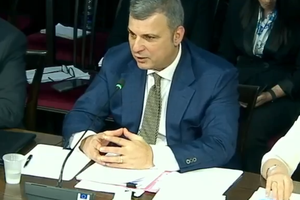
The Governor of the Bank of Albania, Gent Sejko, shared to...

Business lending has increased in the first half of this y...

The labor market has shown worrying trends in early 2026. ...

The number of new retirees in the social security scheme i...