

Trump orders the dismissal of the Federal Reserve governor
US President Donald Trump has said he will immediately fir...


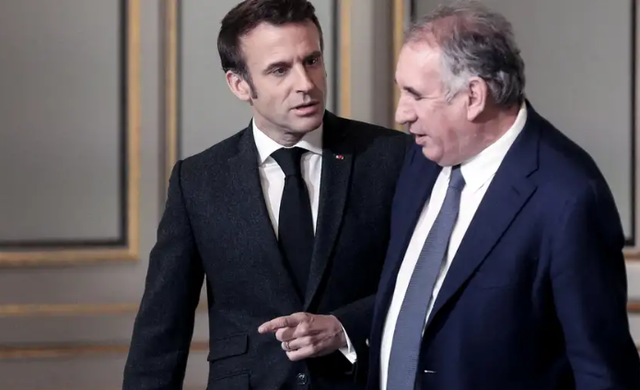
In France, political life after the summer holidays is starting to show signs of crisis: Prime Minister Bayrou will present a vote of confidence to parliament. He needs support for his austerity policy. But the chances are not good.
French Prime Minister François Bayrou is taking all this into account when putting his political future on the line. In a press conference, he announced that he will submit a motion for a vote of confidence to parliament on September 8th.
This aims to create clarity, said Bayrou. He has asked the president to call an extraordinary parliamentary session.
"After the government statement, it will seek a vote of confidence," Bayrou said. "This aims at the fundamental issue of whether there is a danger to the nation – whether urgent action is needed – and to find a way to escape the evil, so that we can have our finances under control.
Interest burden is the largest part of the budget
All summer, Bayrou has been warning that France needs to make massive savings. As early as July, the prime minister presented the main pillars of the budget for next year. Around 44 billion euros must be saved in it. Otherwise, there is a threat of super-debt, which could paralyze the country economically and politically. This year, the interest burden will be the largest part of the budget, Bayrou emphasized during the press conference. Prime Minister Bayrou also proposed removing May 8 and Easter Sunday from the list of public holidays. But there is resistance to his budget plans - not only at the political level, but also in civil society. For weeks, a movement called Bloquons Tout (Block All) has been taking shape, which will paralyze the country on September 10.
"Bayrou has chosen his own farewell date"
The left-wing LFI party has joined this movement by calling for a general strike. And of course it will withdraw the vote of confidence in the government, says the head of the LFI parliamentary group, Mathilde Panot. Bayrou is in a way giving himself the vote of no confidence, says the politician. "He has understood very well that after the summer parliamentary recess he will lose his post anyway." Against the backdrop of resistance, which has also been declared by civil society, Bayrou seems to have chosen his own date for farewell. "We are happy for this first victory of the protest and will approve the overthrow of the prime minister and the government," says Panot.
The opposition's target is actually Macron
The leaders of the parliamentary groups of the ecologists and communists, who with the LFI are part of the so-called New Popular Front, a left-wing alliance in parliament, have also declared that they will not give the prime minister a vote of confidence. The radical right-wing party Rassemblement National (RN) will also act in the same way. Thomas Ménagé is the spokesman for the RN parliamentary group in the National Assembly and told France Info television: "I know that the question of confidence is raised to ensure a majority. François Bayrou does not have this majority either in the National Assembly or in the country. It would be a betrayal of our voters if this government were given a vote of confidence." So Bayrou will probably leave. But in fact, the goal of both the RN and the LFI is not François Bayrou, but Emmanuel Macron. By overthrowing the government, both these parties want to force the president to resign and impose early parliamentary elections.
Who will govern France?
The government and its prime minister will have a very difficult time. The responsibility now lies with the deputies, says Bayrou. On September 8, it is up to the parliament to decide - and everyone is responsible to the French people, Bayrou said at the press conference. The biggest risk is to do nothing. If he and his government fall, the question arises as to who will govern France in the current constellation of parliament - or whether governance is really possible. It is also unclear whether President Macron will dissolve the National Assembly again. / DW

US President Donald Trump has said he will immediately fir...
US President Donald Trump said today that Russian Presiden...
Turkey's transport minister was fined for speeding after p...

Villa Certosa, Silvio Berlusconi's iconic villa on Sardini...
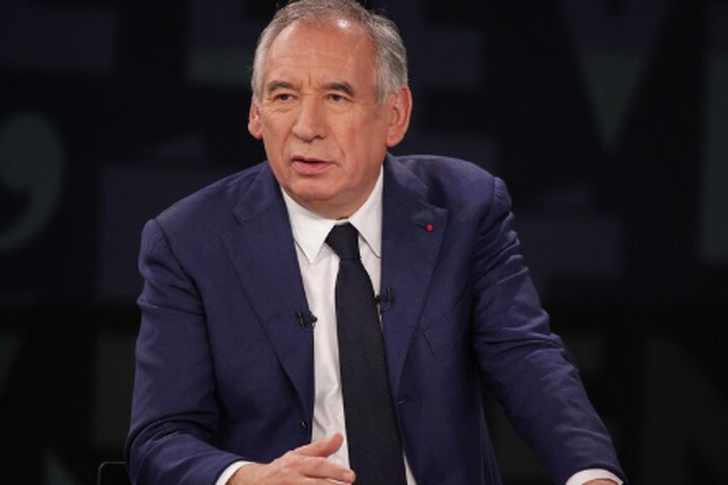
French Prime Minister François Bayrou will seek a high-sta...
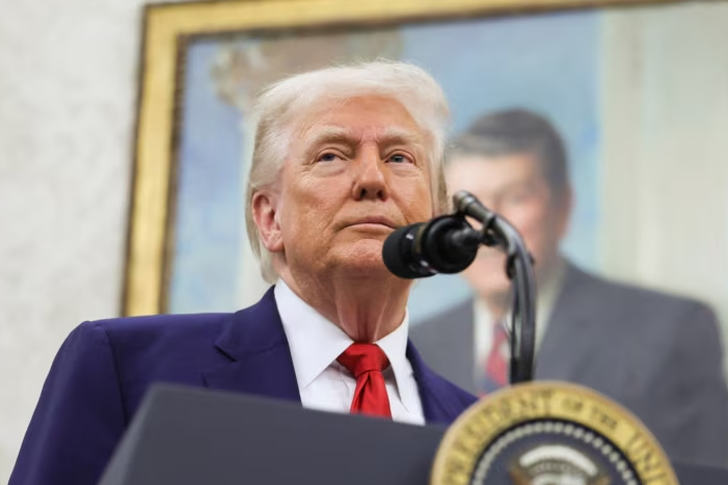
US President Donald Trump said today that there may be a f...
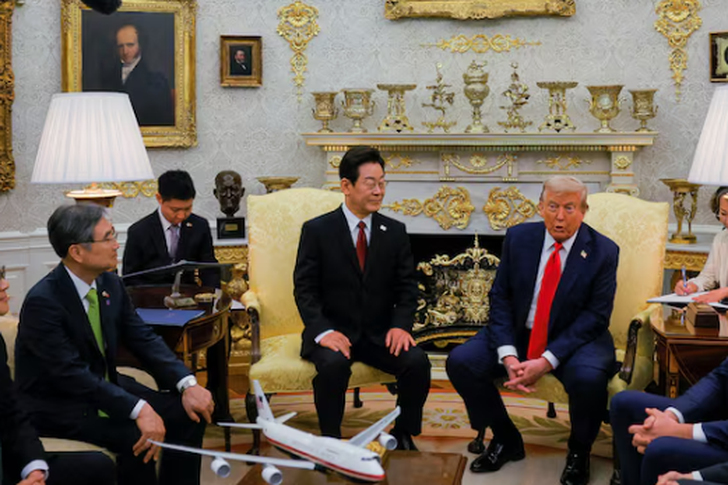
US President Donald Trump hosted South Korean President Le...
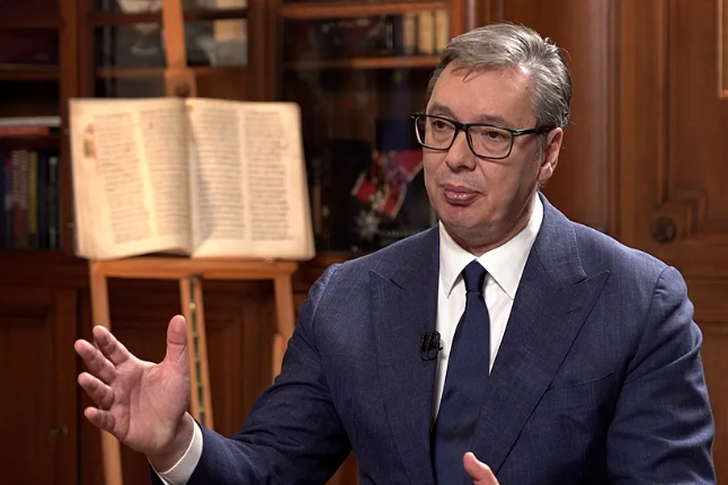
Serbian President Aleksandar Vučić today clarified the sit...
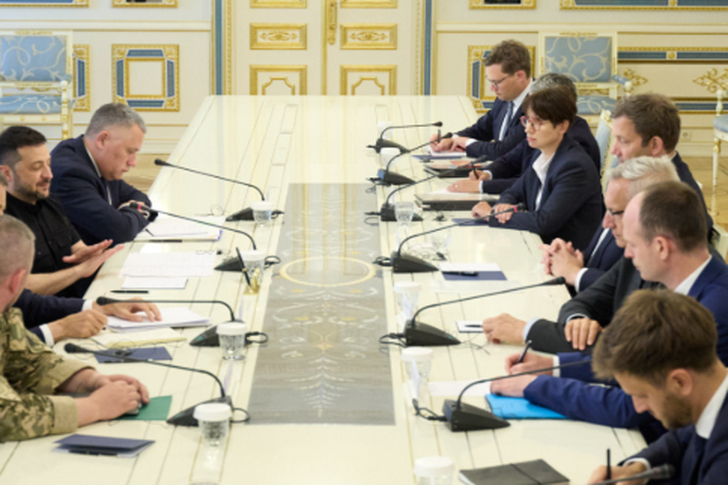
Ukrainian President Volodymyr Zelensky welcomed German ...
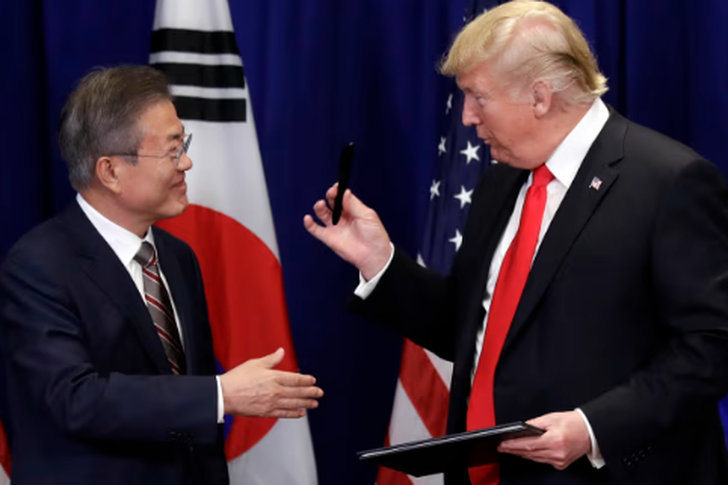
President Trump is scheduled to meet this Monday with Sout...
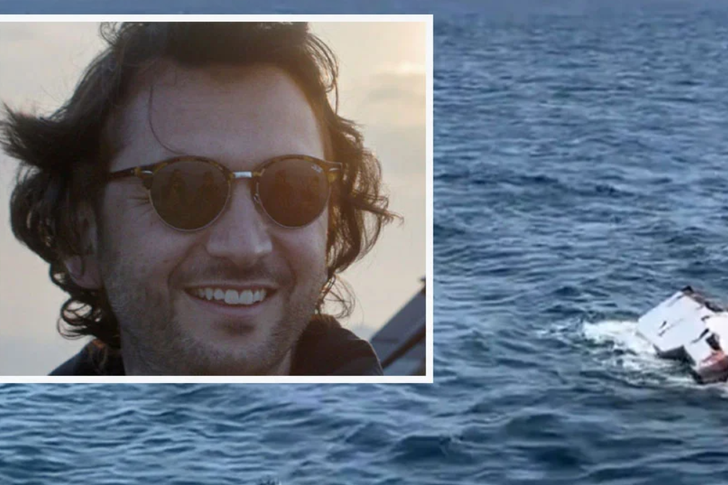
After 19 days of intensive searching, the competent Turkis...
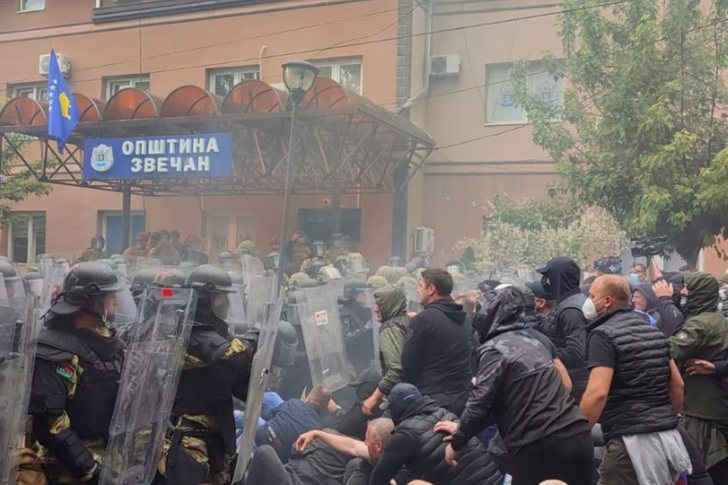
The Kosovo Special Prosecution Office on Monday asked the ...
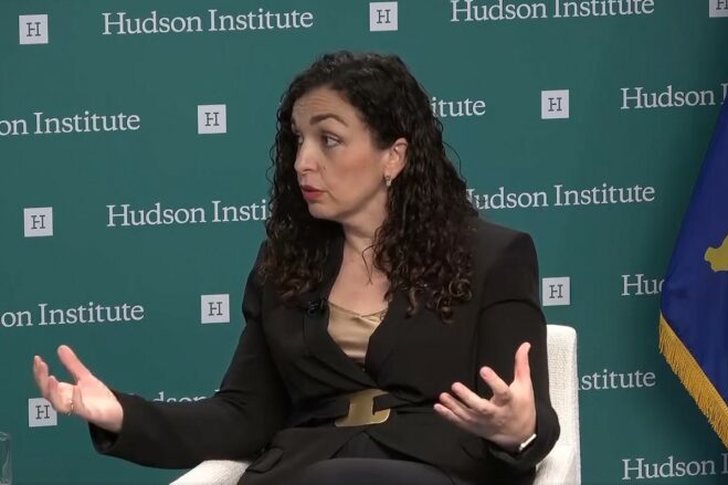
The President of Kosovo, Vjosa Osmani, in an interview cal...
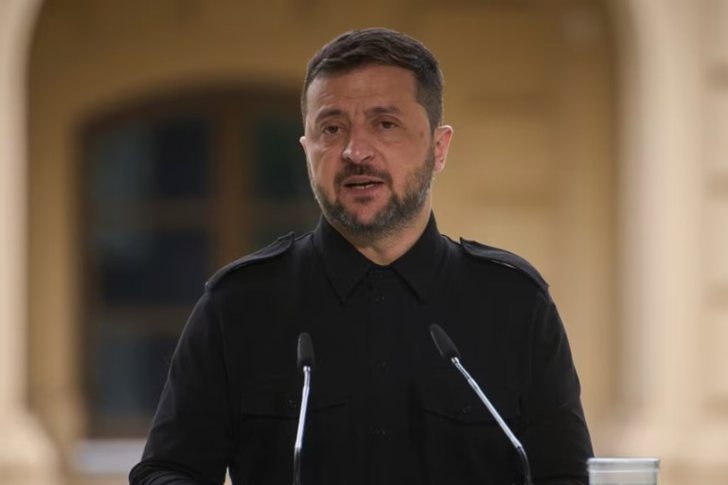
Ukrainian President Volodymyr Zelensky said a meeting with...
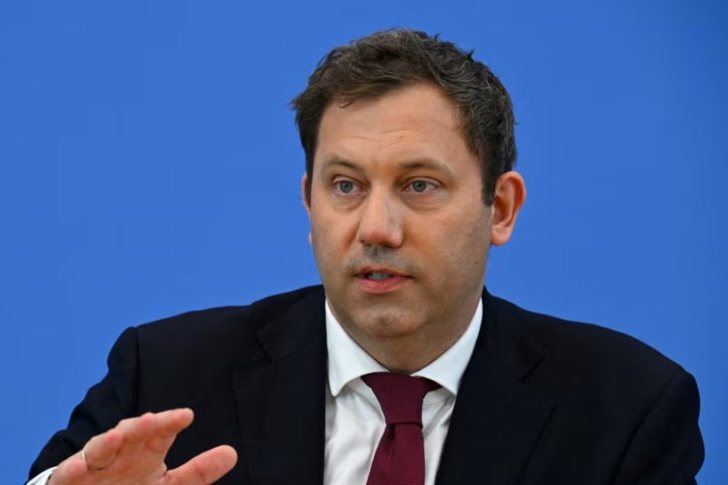
Russian President Vladimir Putin must be clear that German...
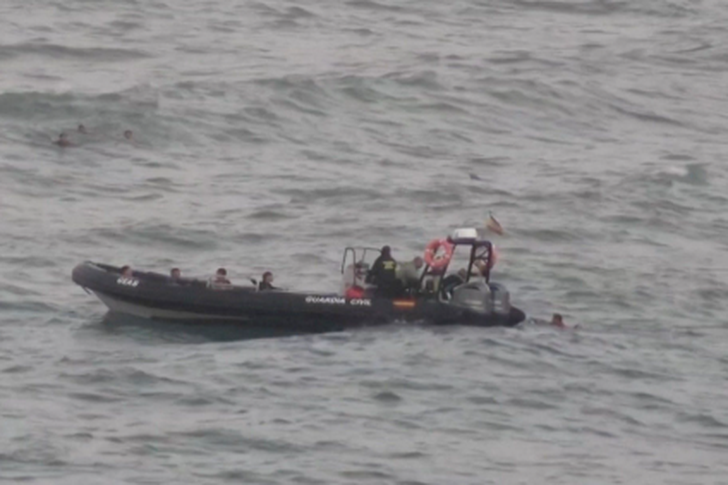
Twelve migrants are missing after jumping off a boat while...

Antarctica, Earth's last great wilderness, is facing incre...
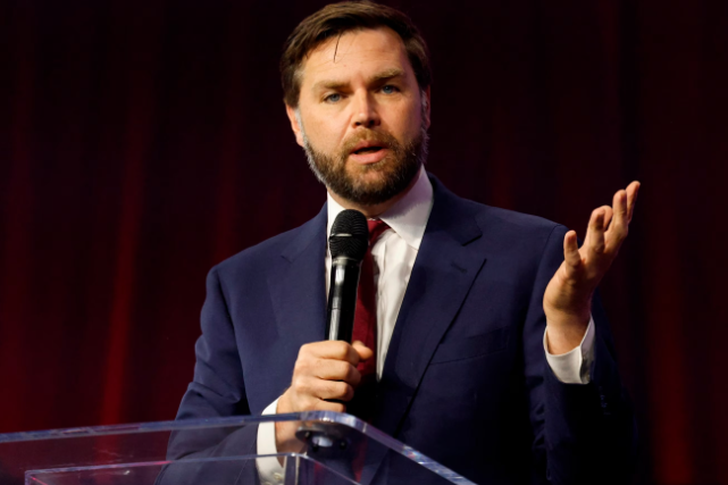
US Vice President JD Vance rejected suggestions that Mosco...

The Israeli air force struck the Yemeni capital on Sunday ...
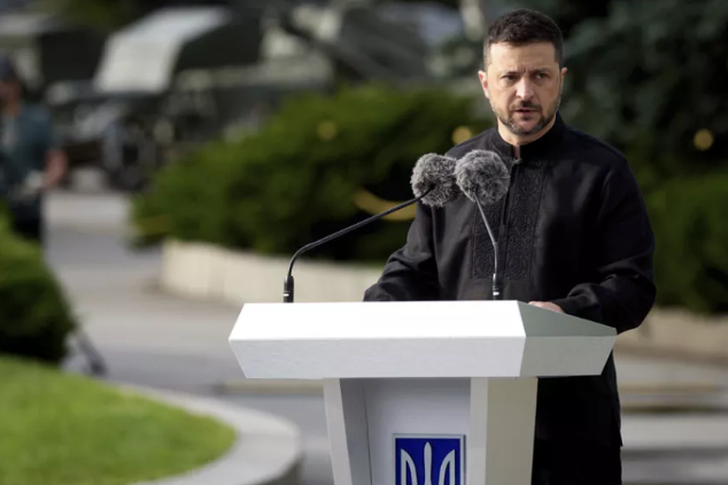
Ukrainian President Volodymyr Zelensky attended a ceremony...

Irfan Hysenbelliu claims to be a big businessman, an hones...

The murder of officer Enea Mekolli in the line of duty has...

The next case broadcast on the show "Stop", this Thursday,...
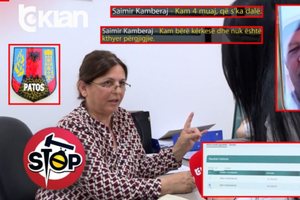
The case published this Thursday, June 4, on the show "Sto...

The Special Board of Appeal (KPA) decided this Monday ...

The KPA vetting decided this Thursday to dismiss the p...

Suela Salavaçi, a prosecutor in the Prosecutor's Offic...

The Special Board of Appeal reinstated the prosecutor ...

A road accident has been reported on the Fier-Levan axis, ...

An accident was recorded a few minutes ago on the Pogradec...
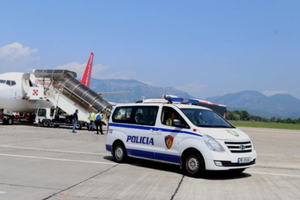
Following the cooperation of Interpol Tirana with Interpol...

An accident occurred this Saturday morning at Shkëmbi i Ka...
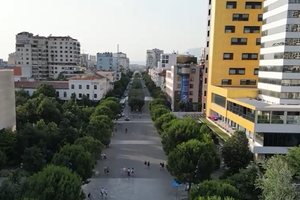
Albanians are officially the hardest working people in Eur...

This Saturday will be characterized by mostly clear weathe...
Today our country will be affected by stable weather condi...

For many children and teenagers, the long summer holidays ...

The military advisor to Iran's supreme leader, Mohsen Reza...

US Defense Secretary Pete Hegseth declared that Europe is ...
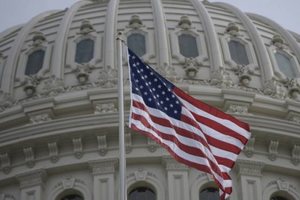
A federal judge in Rhode Island struck down a Trump admini...

Thousands of Kosovo citizens living abroad are voting phys...
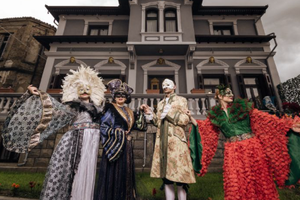
Korça is ready to open the summer season with one of the c...

Two years after his passing, the renowned Korçë poet Skënd...

The Ethnographic Museum of Berat has opened its doors to v...
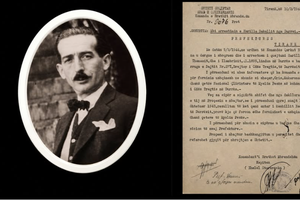
The story of Harilla Bakalli is one of the most chilling t...
The Transparency Board, in today's meeting, decided to red...

This Saturday, one US dollar is bought for 81.4 lek and so...

Despite years of efforts at regional cooperation and free ...

Albania is the country with the highest level of severe ma...