

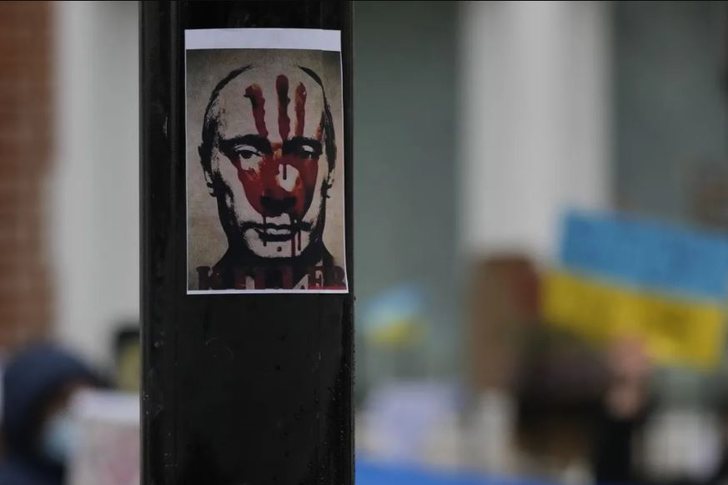
Putin's failures could make Russia even more unpredictable and dangerous
Vladimir Putin was convinced that he would conquer Kie...


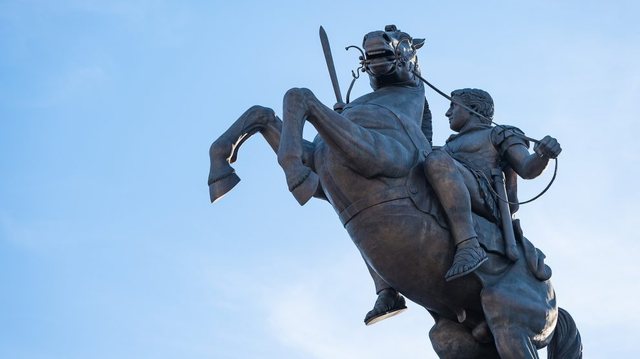
The withdrawal of an ethnic Albanian party from the North Macedonian government may finally allow the Balkan country to officially recognize the existence of a Bulgarian minority in its constitution. And it could end Skopje's dispute with Sofia and allow both North Macedonia and Albania to continue their long march towards European Union membership.
North Macedonia's path to joining international institutions has long been difficult, due to disputes with its neighbors over its language and name. Due to its designation as the "Republic of Macedonia" - or the former Yugoslav Republic of Macedonia (FYROM) to international organizations - Greece opposed its membership in NATO and the European Union, until it added the geographical identifier "North" to its name.
Greece has a very close region called "Macedonia", and a population of ethnic Greeks who also identify as 'Macedonians'. Only after 2 decades of mediation by the United Nations did both countries agree to end their dispute by signing the Prespa Agreement in 2018.
FYROM became "North Macedonia", and in turn Greece allowed it to become the 30th member of NATO in early 2020 and begin the process of joining the European Union. North Macedonia has been an official candidate for EU membership since 2005.
But just when it appeared to have cleared its last hurdle to starting membership negotiations, the Bulgarian government presented a long list of demands to Skopje. "Bulgaria will not allow the integration of the Republic of North Macedonia in the EU to be accompanied by the European legitimization of an anti-Bulgarian ideology" - it is said, among other things, in Sofia's demands.
In late 2020, Bulgaria distributed a document to other EU member states, explaining its refusal to advance North Macedonia's membership. Among other things, he stated that he cannot "accept that the ongoing process of nation building in the Republic of North Macedonia is carried out through the revision of our common history, the denial of our common ethnic and linguistic roots or the baseless claims for the existence of a "Macedonian minority" in Bulgaria".
After several rounds of bilateral negotiations, and the failure of a joint commission on historical and educational issues with the mediation of the EU, France proposed in June 2022 a compromise solution: Bulgaria would unlock the admission of North Macedonia to the EU, if the constitution of North Macedonia to recognize and protect the rights of a Bulgarian ethnic minority.
Both Skopje and Sofia agreed to the deal, but it lacked the parliamentary support needed to actually change the Macedonian constitution. That was until last week.
Dispute with Bulgaria
Many Bulgarian nationalists see North Macedonia as "Western Bulgaria," a part of Bulgaria similar to how Serbian nationalists claim Kosovo and Hungarian nationalists claim Transylvania. To strengthen this position, they point to the high degree of mutual intelligibility between the Macedonian and Bulgarian languages.
In fact, Macedonian is a mutually intelligible language with varieties of Serbo-Croatian, because they are all South Slavic languages, which exist in a continuum of dialects. So the differences between language varieties accumulate in geographical distance, so widely separated varieties are less mutually intelligible than neighboring varieties.
The dividing lines between languages ??were less defined before the rise of the nation-state as a political model in the 20th century. For most of Balkan history—especially during Austro-Hungarian and Ottoman rule—many people were polyglots, that is, spoke many languages, and did not see ethnicity in the mutually exclusive terms that are common today. In the "Macedonian language" there are 29 dialects, and considerable diversity is also present with "Bulgarian". However, this nuance has escaped nationalist politicians in both countries.
But after years of deadlock between Macedonian and Bulgarian nationalists, the breakthrough on this issue has ironically come from the largest party representing North Macedonia's Albanian minority, the Democratic Union for Integration (BDI).
The Albanian factor
"Conscious of the hopes, goals and dreams of the citizens to one day become part of the big European family, we, ministers and government officials from the ranks of the DUI, resign from the functions we currently perform" - says the announcement of the DUI - in a letter addressed to the Prime Minister of North Macedonia Dimitar Kovacevski last weekend.
It stated that "the resignations will automatically come into effect the moment the opposition votes on the constitutional amendments". Constitutional amendments in North Macedonia require the support of 2/3 of the parliament.
The main opposition party, the nationalist VMRO-DPMNE, told the government that its support for the amendment recognizing a Bulgarian ethnolinguistic minority was conditional on DUI leaving the government, forming a new government coalition including opposition parties and setting a date of new early elections.
Albania's membership in the EU is linked to that of North Macedonia, so the veto of Greece and Bulgaria has hindered the progress of the Berlin Process. The leaders of Albania and North Macedonia have been increasingly vocal in expressing their impatience with this stalled process in the country.
"In addition to the political messages that come from this process, we as a region need quick, concrete benefits that will increase the economic potential of the region and narrow the gap between candidate countries for EU membership and EU member states , especially in the region of South-Eastern Europe" - Kovacevski declared in a meeting at the end of July with Albanian Prime Minister Edi Rama.
"Today it is clear that the EU needs us, as much as we need the EU" - declared Rama. Now the way is finally opening for VMRO-DPMNE to join other parties in the Skopje parliament in voting for the constitutional amendment. Once the constitutional changes are approved, North Macedonia and Albania will be able to begin their long march towards membership in the European Union./ Adapted by CNA

Vladimir Putin was convinced that he would conquer Kie...
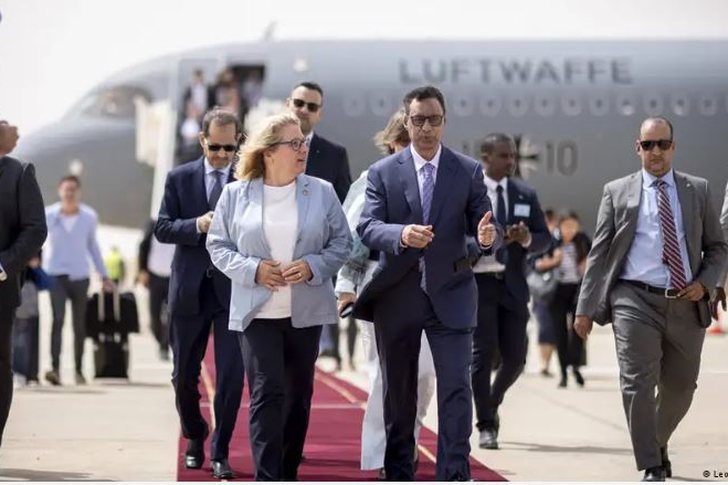
German Development Minister Svenja Schulze arrived on ...
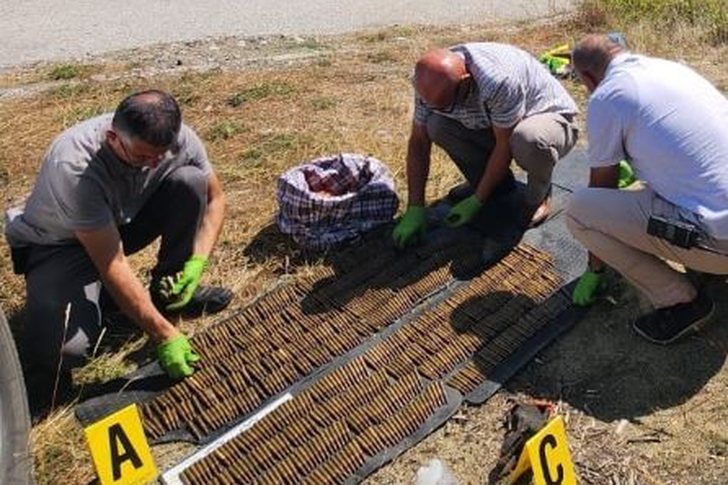
The Kosovo Police confiscated suspected ammunition in the ...
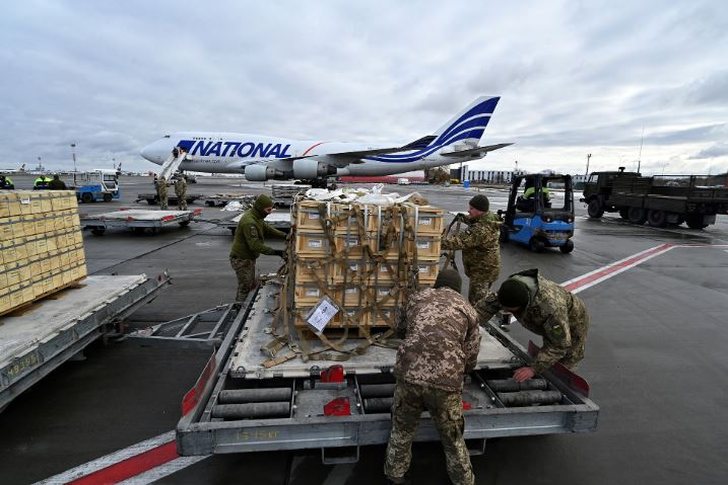
US Secretary of State Antony Blinken announced a new secur...
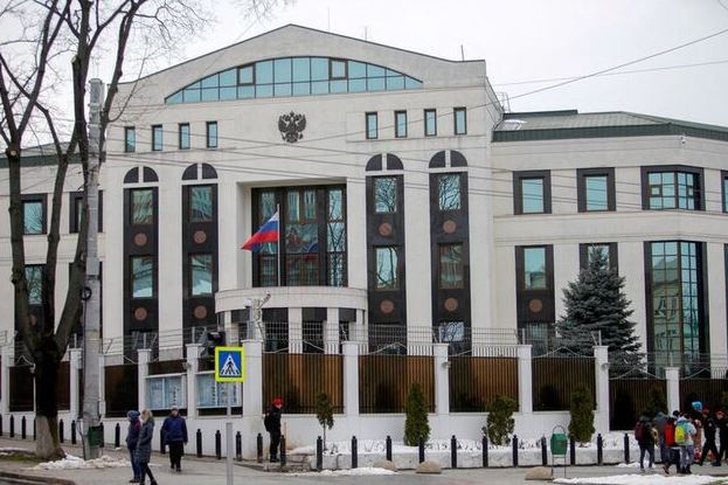
22 Russian diplomats left Moldova as relations between...
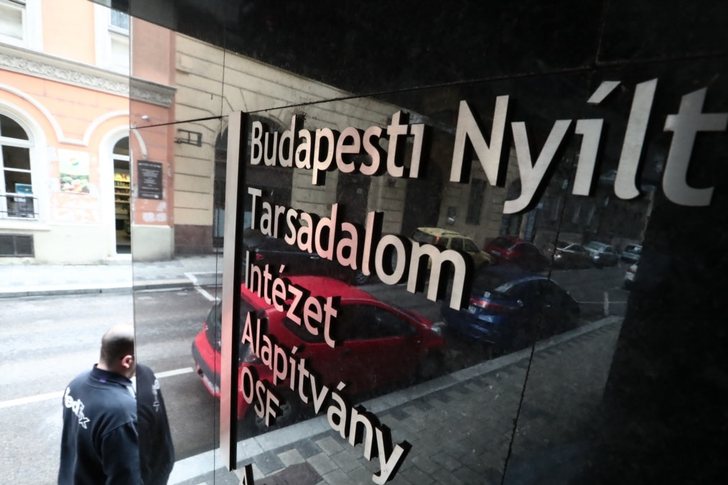
The Open Society Foundation has informed organizations...
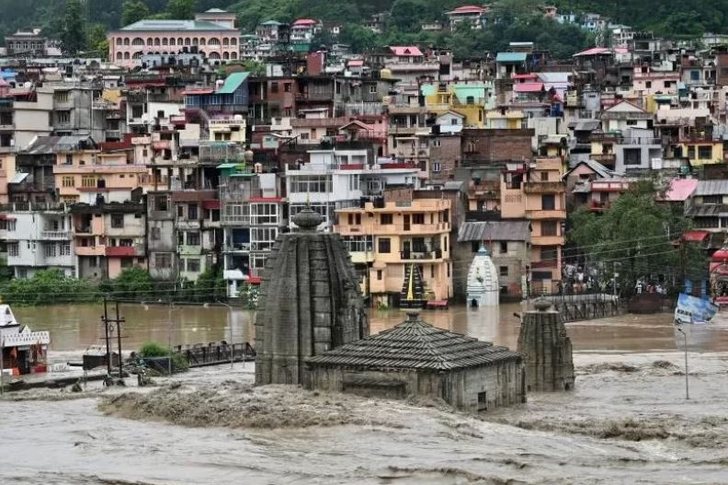
Almost 50 people have died in rain-related incidents in th...
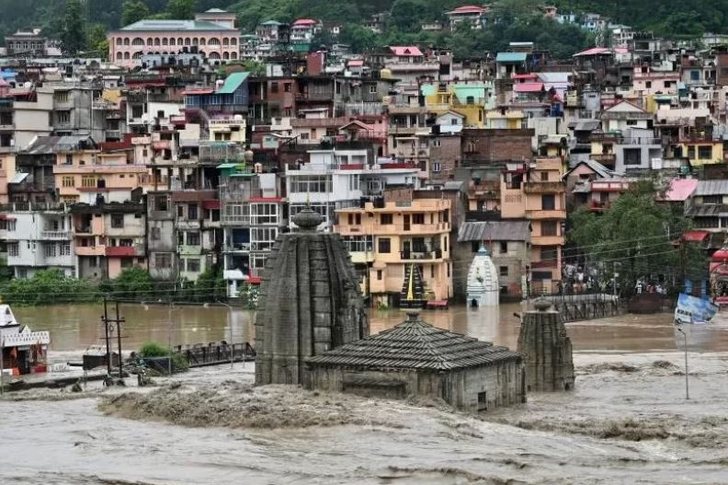
Almost 50 people have died in rain-related incidents in th...
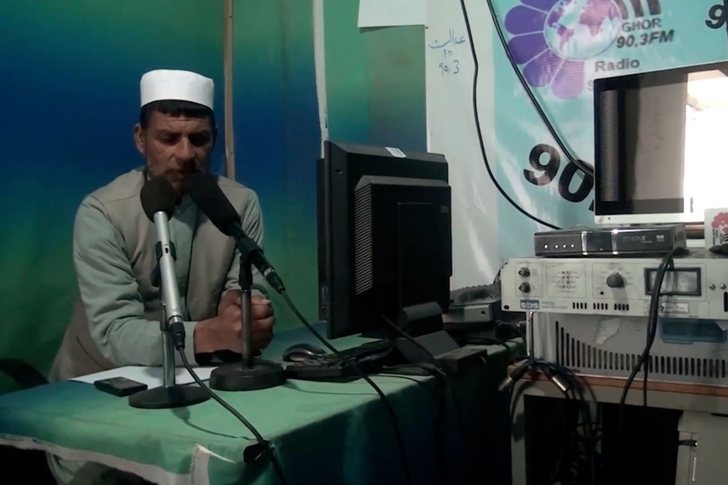
Taliban authorities have arrested two journalists in the s...
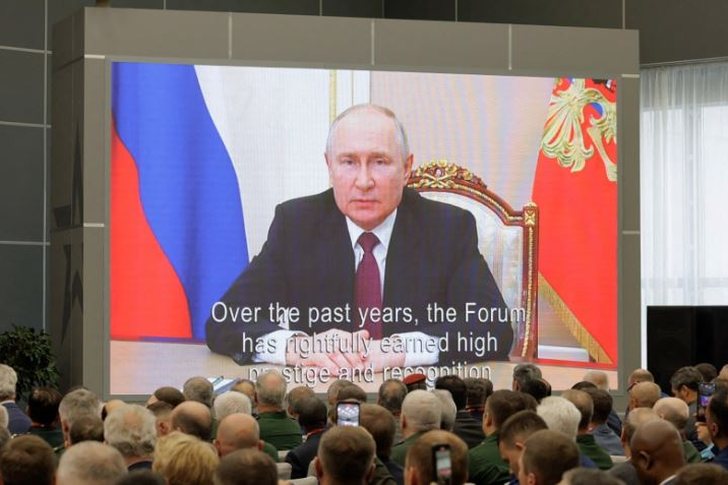
Russia is open to military cooperation with other countrie...
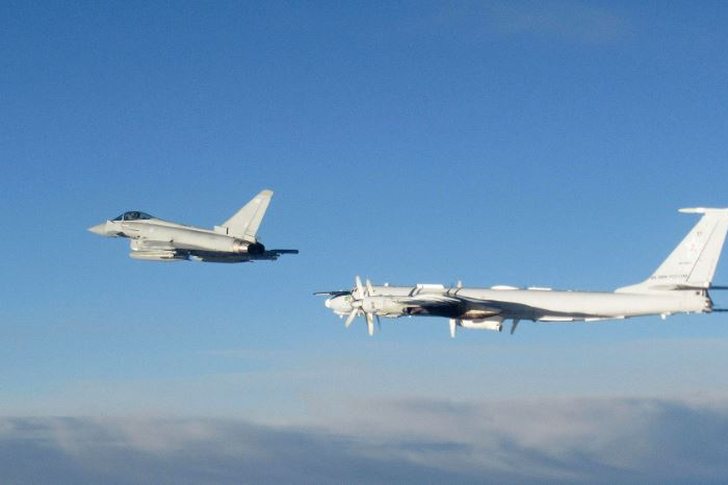
British Royal Air Force (RAF) Typhoon jets set off to inte...
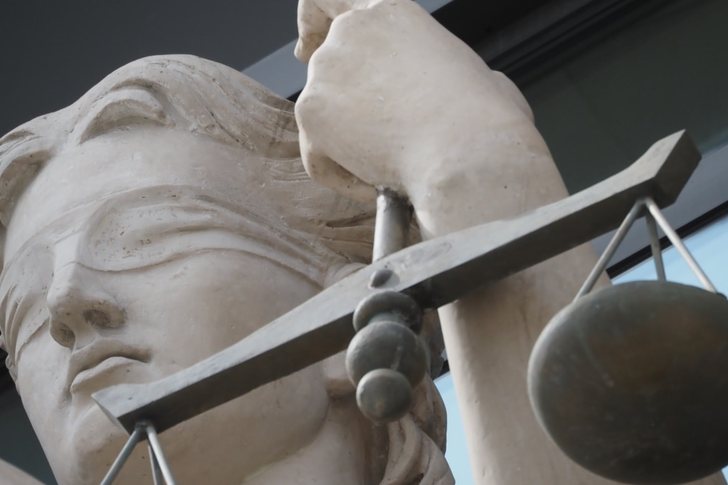
On Monday, the Special Prosecutor's Office of Kosovo filed...
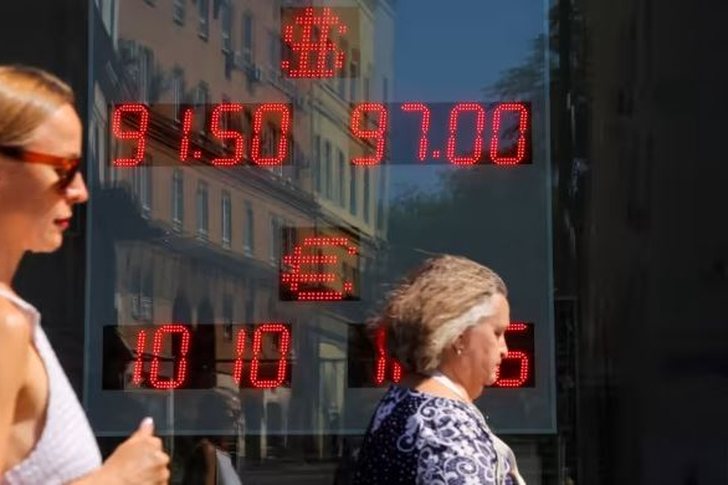
The ruble has fallen to its weakest point in almost 17 mon...
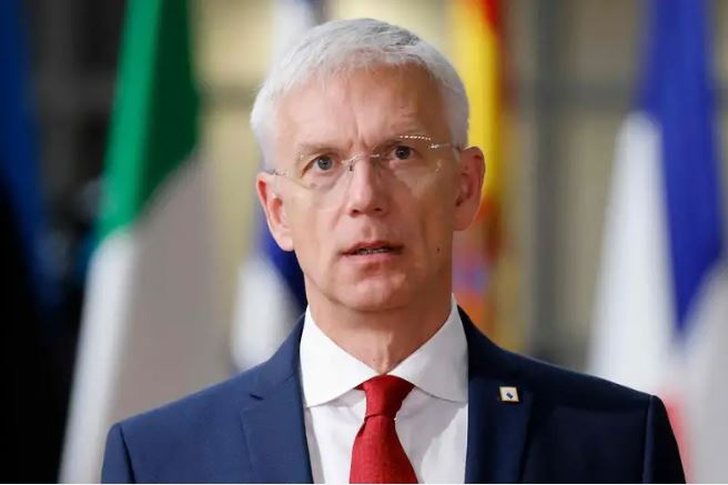
Latvian Prime Minister Krisjanis Karins said Monday he wou...
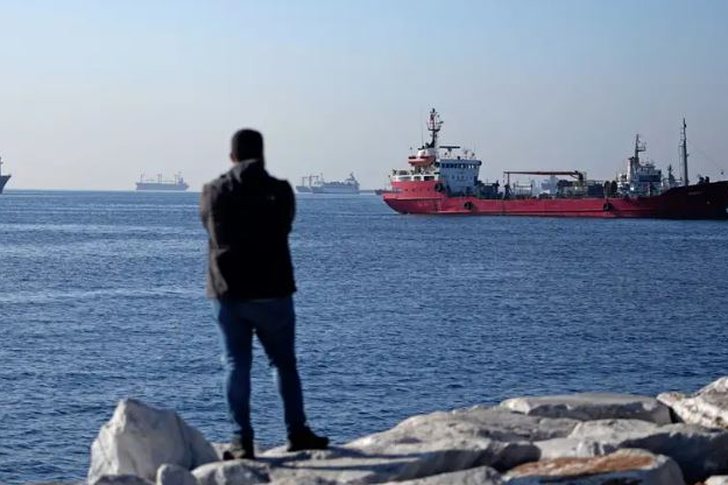
For a long time, the Black Sea was considered in Europe as...
The critical voices that Germany is faltering economically...

Last summer I was in a chic shop on Ermu street in Athens....
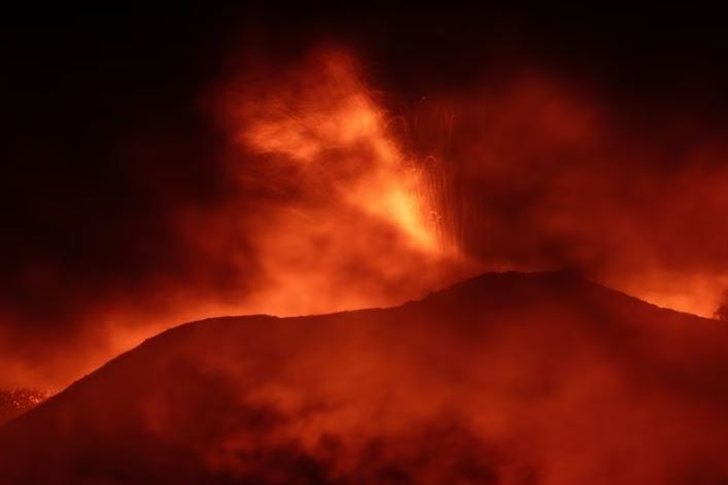
Vullkani më aktiv në Evropë, Etna në Siçili, shpërtheu mbr...
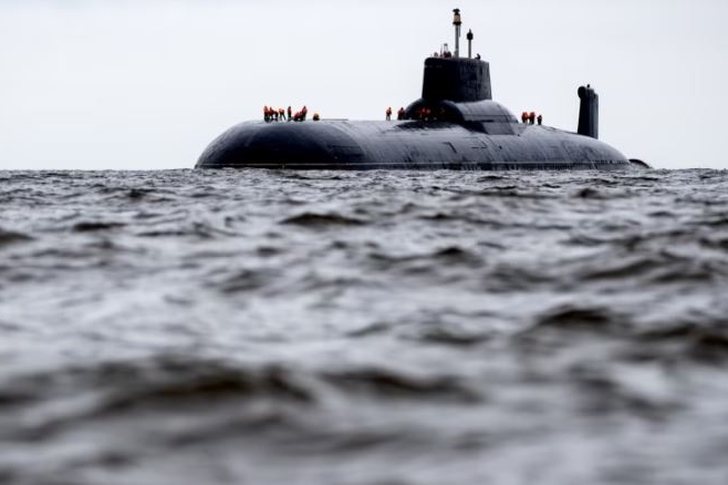
Rusia është në proces të pajisjes së nëndetëseve të re...
When Russia invaded Ukraine, the United States and the Eur...

For 6 months now, CNA has been sending several letters to ...
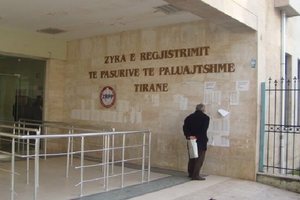
The word "fatherland" with properties is not enough. The m...
The justice reform claimed that it would bring faster, fai...
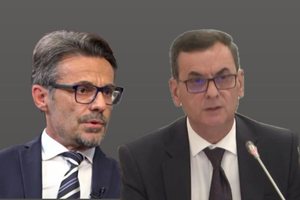
The Justice Reform and the vetting process were trumpeted ...

The Special Board of Appeal (KPA) decided this Monday ...

The KPA vetting decided this Thursday to dismiss the p...

Suela Salavaçi, a prosecutor in the Prosecutor's Offic...

The Special Board of Appeal reinstated the prosecutor ...

It is reported that a few minutes ago, gunshots were recor...

This evening, an accident occurred on the Levan-Tepelena h...
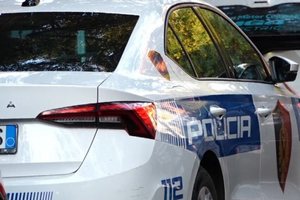
Police have provided details regarding the injury that occ...
One injury is reported to have occurred in the Kuna area o...

Emigration, an aging population, and low participation in ...
Today, our country will be affected by relatively stable w...
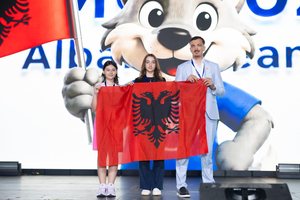
Albania has been awarded two medals of honor at the awards...
Today our country will be affected by relatively unstable ...
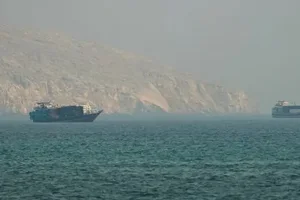
The threat level to maritime security in the Strait of Hor...
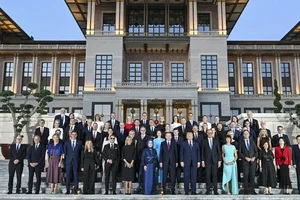
After the end of the NATO summit, Turkish President Recep ...
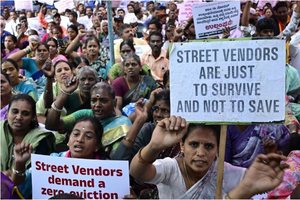
The Indian state of West Bengal has been gripped by protes...

San Francisco home prices have soared to record highs in 2...
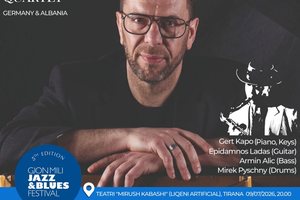
The German Embassy in Tirana has invited the Albanian publ...

Professor and literature scholar Ali Xhiku has passed away...

During my research into the life and artistic photographic...

This year's edition of the Gjon Mili International Video A...

The Tax Directorate has announced that the process of auto...
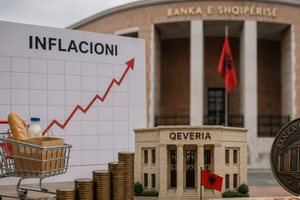
If coordinated policies are not undertaken by the Bank of ...

In the 2026 budget revisions, the Ministry of Defense budg...
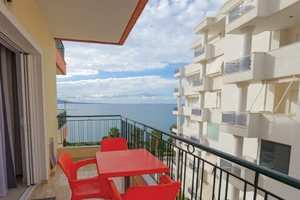
Although about 6 months have passed since the start of the...