

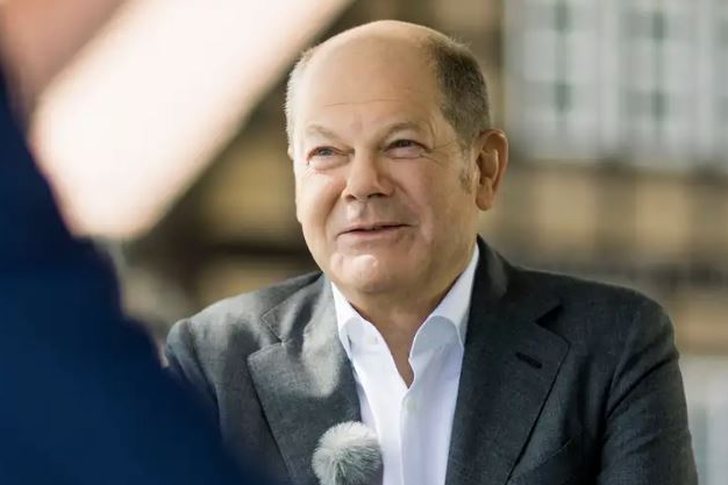
Chancellor Scholz believes in Germany's economic strength
The critical voices that Germany is faltering economically...


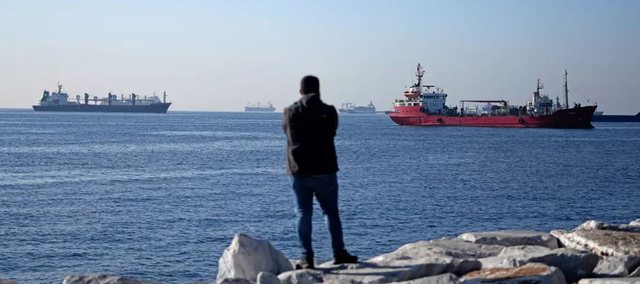
For a long time, the Black Sea was considered in Europe as a secondary geopolitical issue. But since the start of Russia's war against Ukraine, things have changed. Because many different interests collide there.
Since the end of the grain agreement between Russia and Ukraine, attacks against merchant ships of both sides have increased. Since mid-July, Russia has blocked the deal, increasingly bombing Ukrainian ports and threatening to attack cargo ships.
For its part, Ukraine has declared six ports on Russia's Black Sea coast war zones and is threatening to launch retaliatory attacks against Russian cargo ships, tankers and port facilities.
For both countries, the Black Sea is in a way the gateway to the world, its strategic and economic importance is immense. But other littoral countries, notably NATO members Turkey, Bulgaria and Romania, also have strong interests in this inland sea between Europe and Asia.
Russia: Area of ??primary interest
Russia has always considered the Black Sea as its sphere of influence. Since under the Tsarist Empire and later in Soviet times, this sea was the southern arm of the great power. Even today, it is considered a springboard from which Russia can exert its influence in the Mediterranean, the Middle East, North Africa and Southern Europe. The Black Sea also gives Russia access to more distant states in which it is militarily active, such as Syria or Libya. Russia already has its own naval base in Tartous, Syria.
Russia's military heart in the region is the Black Sea Fleet, which has been headquartered in Sevastopol since 1793. The port city on the Crimean peninsula, annexed by Ukraine since 2014, is of particular importance to Moscow. Indeed, it has one of the few deep-water ports in Russia that can be used for military purposes, even in winter, without ice.
Numerous regional conflicts, purposefully provoked in recent years, show how eager Moscow is to maintain its hegemony over the Black Sea region. For example, Russia owns, according to international law, only about ten percent of the entire Black Sea coast, but now has de facto control of almost a third of the coastline, as it has continued to expand the areas under the influence of her. In 2008, Moscow intervened in Georgia and created two republics loyal to Russia and not recognized internationally, including Abkhazia on the eastern Black Sea coast; in 2014, Russia annexed the Crimean Peninsula and since the beginning of the Ukraine War in 2022, it has invaded and occupied large areas of southern Ukraine, located on the Black Sea.
The Black Sea is also of crucial importance to Russia in terms of trade policy. Most of the export of grain, fertilizers and other goods passes through the region's ports. The Black Sea trade route is also gaining importance, as it enables the delivery of goods to countries that have not caved to Western sanctions against Russia.
Ukraine: Vital trade route
If the Black Sea is an important trade route for Russia, it is even more so for Ukraine. In peacetime, Ukraine handled more than 50 percent of its total exports through the largest Black Sea port of Odesa. It was mostly grain destined for the world market that was sent there until the grain agreement with Russia expired in mid-July. Indeed, the Black Sea region is also considered one of the largest granaries in the world. Before the war, Russia and Ukraine together accounted for 60 percent of world exports of sunflower oil, almost 24 percent of wheat and about 19 percent of barley.
Fakti që Rusia dhe Ukraina po synojnë gjithnjë e më shumë anijet tregtare të kundërshtarit, lidhet drejtpërdrejt me këtë situatë. Të dyja vendet do të goditeshin rëndë ekonomikisht nga një ngadalësim i trafikut të mallrave përmes Detit të Zi. Edhe pse Ukraina, si rezultat i luftës, ka diversifikuar ndërkohë rrugët e saj të eksportit - vetëm 40 për qind e drithit ukrainas eksportohet ende përmes Detit të Zi dhe pjesa tjetër me rrugë tokësore përmes BE.
Kievi do të varet gjatë nga funksionimi i qetë i eksporteve të mallrave nga deti.
Evropa: Korridor midis kundërshtarëve politikë
Kështu, ndërsa Rusia dhe Ukraina konkurrojnë për rrugë tregtare në drejtimin veri-jug, lidhja lindje-perëndim po bëhet gjithnjë e më e rëndësishme për Brukselin. Së bashku me Rumaninë dhe Bullgarinë, BE ka dy shtete anëtare në bregun e Detit të Zi dhe Marrëveshjet e Asociimit tashmë janë lidhur me Gjeorgjinë dhe Ukrainën. Brukseli e sheh gjithnjë e më shumë Detin e Zi si një korridor të rëndësishëm për transportin e mallrave dhe energjisë midis Azisë dhe Evropës. Ndërsa Evropa dëshiron të bëhet gjithnjë e më pak e varur nga nafta dhe gazi rus, vendet prodhuese të Kaukazit, veçanërisht Azerbajxhani, po kalojnë gjithnjë e më shumë në fokus. Baku eksporton naftë dhe gaz në Evropë nëpërmjet Gjeorgjisë dhe Turqisë. Rruga përmes Detit të Zi shmang Rusinë në veri dhe Iranin në jug, duke u dhënë rëndësi të veçantë strategjike evropianëve që kanë vendosur sanksione të rënda ekonomike ndaj këtyre dy vendeve.
Prandaj NATO-ja ka gjithashtu interesa të forta sigurie në Detin e Zi.
Nga viti 1997 deri në shpërthimin e luftës në Ukrainë, NATO organizonte çdo vit stërvitje të mëdha atje. Megjithatë, vetëm tre marina të NATO-s, të Bullgarisë, Rumanisë dhe Turqisë janë të pranishme atje në mënyrë të përhershme. Kjo daton që nga Marrëveshja e Montreux, e lidhur qysh në vitin 1936, e cila i garanton Turqisë sovranitet të plotë mbi Bosforin dhe Dardanelet – e vetmja dalje nga Deti i Zi në Mesdhe. Menjëherë pas shpërthimit të luftës në shkurt 2022, Turqia mbylli kalimin për të gjitha anijet luftarake, jo vetëm për anijet ruse, kështu që ekuilibri i fuqisë së forcave detare në Detin e Zi është ruajtur që atëherë.
Turqia: Ekuilibri si objektivi kryesor
Prandaj, Turqia zë një pozicion kyç gjeostrategjik, pasi kontrollon hyrjen në Detin e Zi, edhe nëse garantohet nga traktatet ndërkombëtare. Ankaraja është partneri kryesor i NATO-s në rajonin e Detit të Zi dhe e sheh veten si një qendër tregtare midis Azisë Qendrore, Kaukazit dhe Lindjes së Mesme.
Të dy janë shumë të interesuar për status quo-në politike në rajonin e Detit të Zi: kreu i shtetit turk Erdogan dhe presidenti rus Putin.
Turqia është shumë e prirur të sigurojë rolin e saj udhëheqës në rajon përballë NATO-s. Në këtë kontekst është mbi të gjitha marrëdhënia me Rusinë ajo që është vendimtare për Ankaranë. Deti i Zi konsiderohet si në Ankara ashtu edhe në Moskë si një zonë absolutisht prioritare e interesit, një zonë strategjike.
Turkey is carefully monitoring that the balance of power in the Black Sea region, which has developed over decades, is preserved as much as possible. The Montreux Treaty gives Ankara the opportunity to sideline other players, including NATO, in the Black Sea region. And this also works in favor of Moscow./ Dw

The critical voices that Germany is faltering economically...

Last summer I was in a chic shop on Ermu street in Athens....
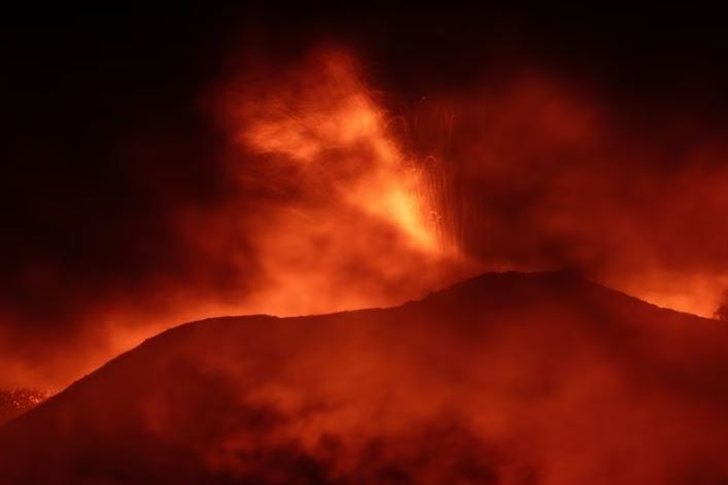
Vullkani më aktiv në Evropë, Etna në Siçili, shpërtheu mbr...
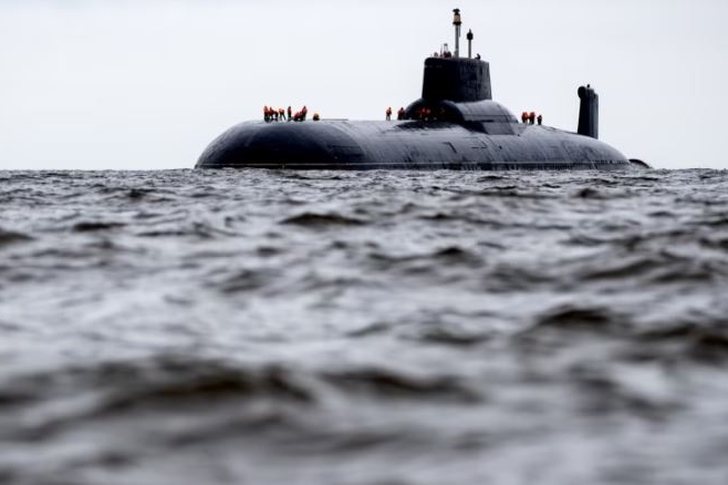
Rusia është në proces të pajisjes së nëndetëseve të re...
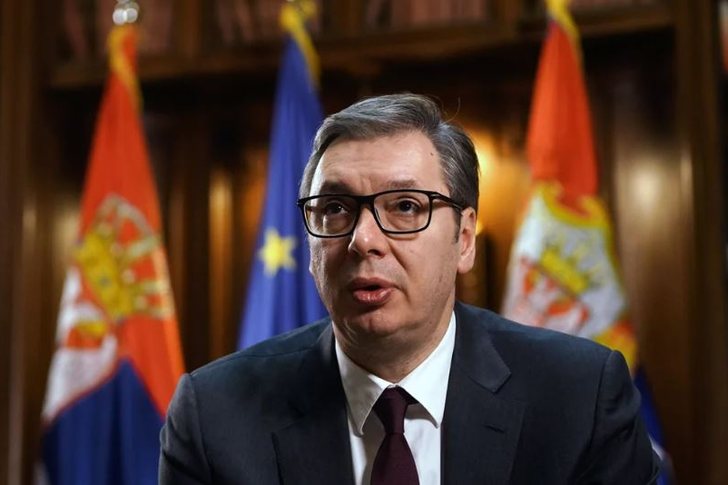
When Russia invaded Ukraine, the United States and the Eur...
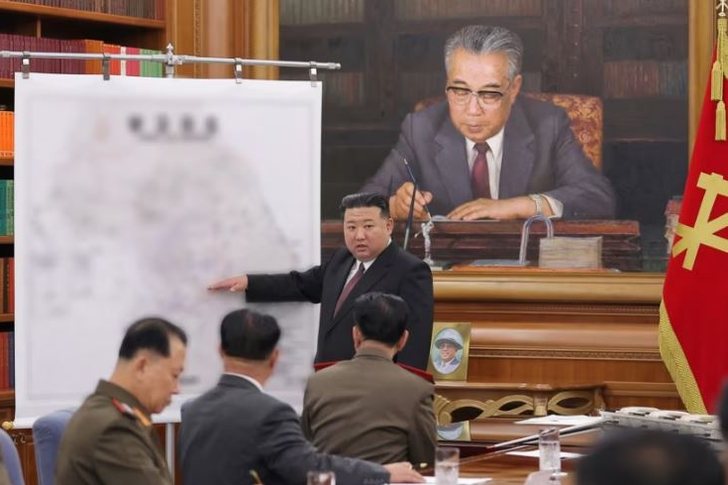
North Korean leader Kim Jong Un has called for a "dramatic...
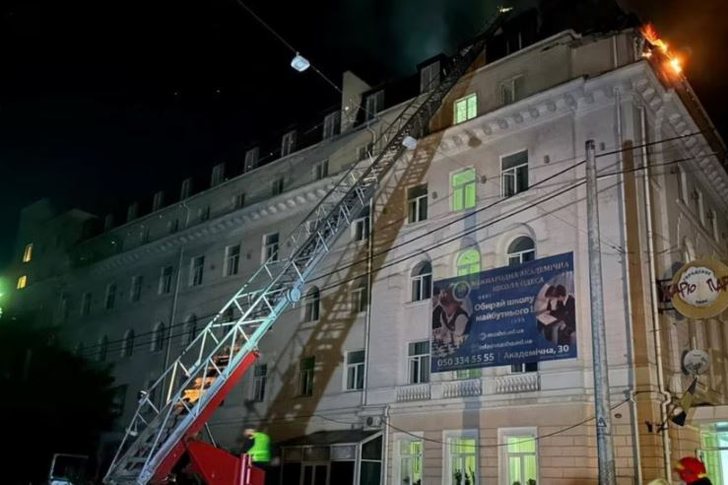
At least three people were injured after a Russian attack ...
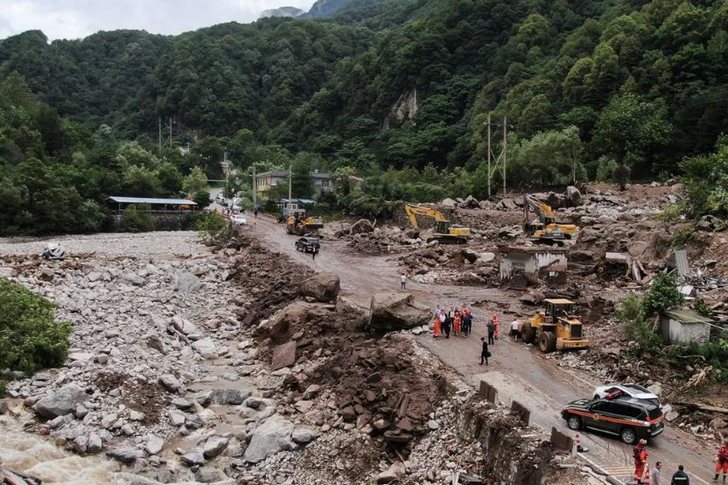
Të paktën 21 persona kanë vdekur dhe gjashtë të tjerë rezu...
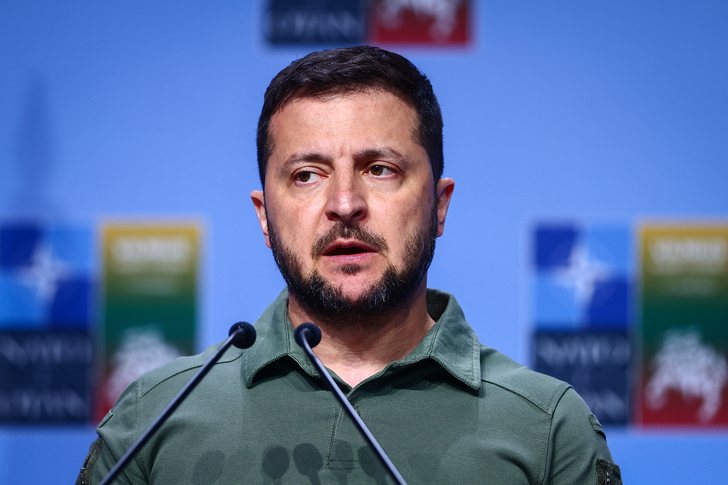
Ukrainian President Volodymyr Zelensky vowed to retali...
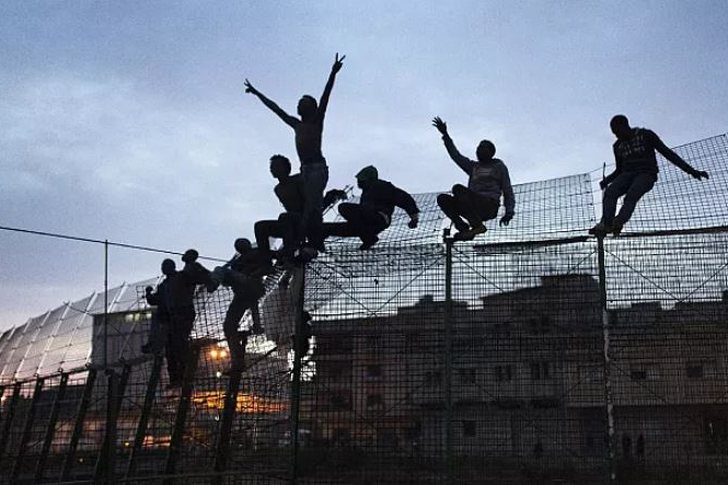
Tre dekada marrëveshjesh për migracionin midis Spanjës dhe...

A 13-year-old boy from North Dakota has survived after...

China's Foreign Ministry expressed its opposition to a tra...
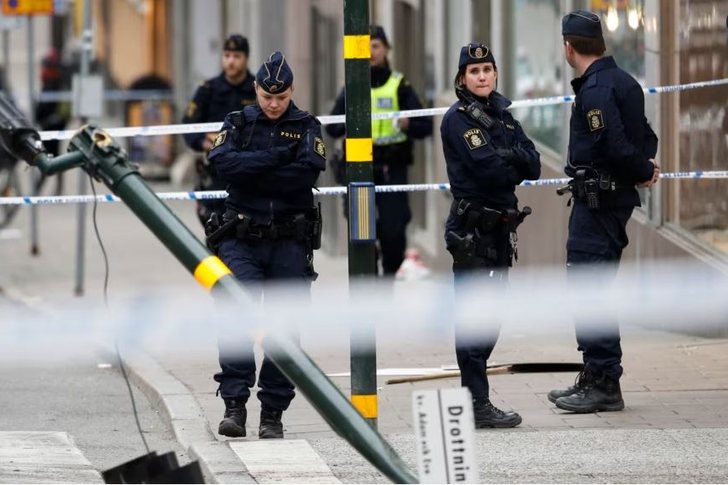
Britain on Sunday warned its citizens traveling to Swe...
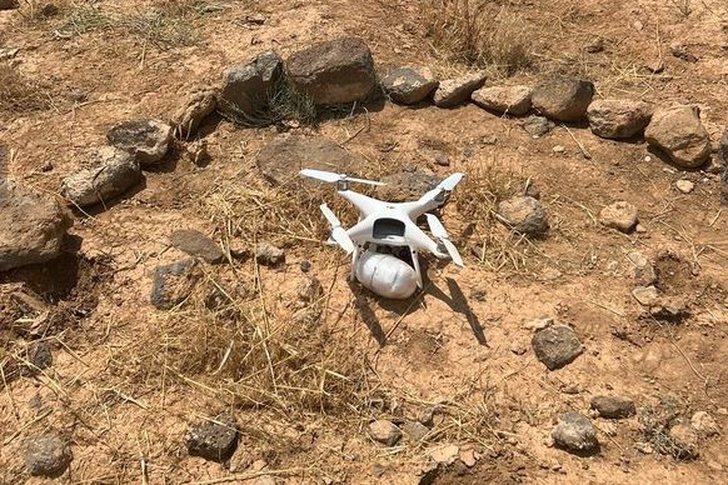
The Jordanian military on Sunday shot down a drug-carrying...

German Chancellor Olaf Scholz called on Sunday for more di...
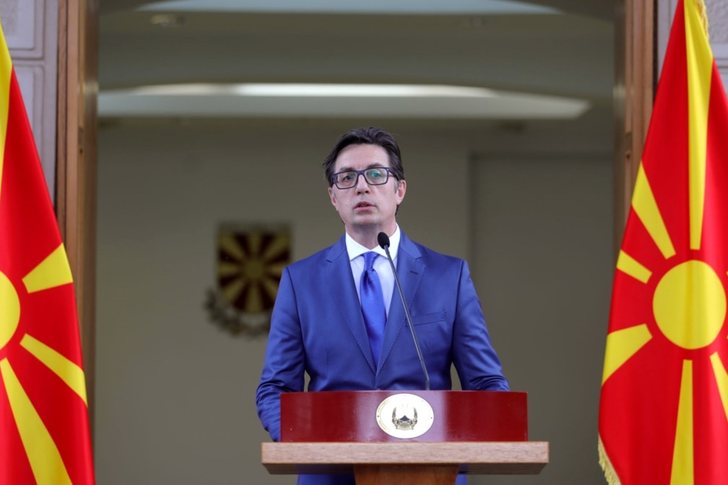
The President of North Macedonia, Stevo Pendarovski, h...
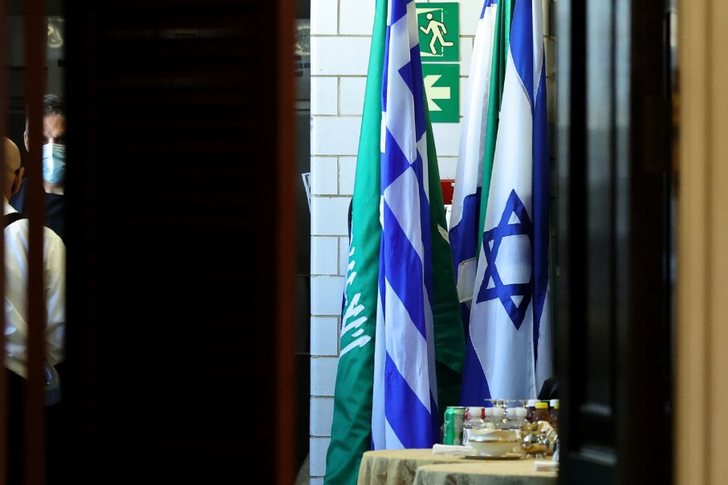
A "terrorist" attack on a Shiite Muslim shrine in the cent...

As the world recorded its hottest month of all time in...

Argentines headed to the polls in primary elections on Sun...
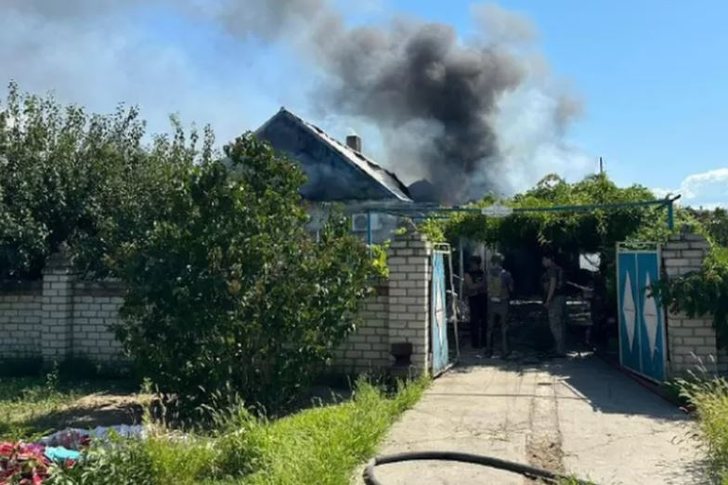
A 23-day-old baby, her 12-year-old brother and their paren...

For 6 months now, CNA has been sending several letters to ...
The word "fatherland" with properties is not enough. The m...

The justice reform claimed that it would bring faster, fai...

The Justice Reform and the vetting process were trumpeted ...

The Special Board of Appeal (KPA) decided this Monday ...

The KPA vetting decided this Thursday to dismiss the p...

Suela Salavaçi, a prosecutor in the Prosecutor's Offic...

The Special Board of Appeal reinstated the prosecutor ...

It is reported that a few minutes ago, gunshots were recor...

This evening, an accident occurred on the Levan-Tepelena h...

Police have provided details regarding the injury that occ...
One injury is reported to have occurred in the Kuna area o...

Emigration, an aging population, and low participation in ...

Today, our country will be affected by relatively stable w...
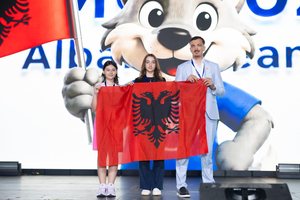
Albania has been awarded two medals of honor at the awards...
Today our country will be affected by relatively unstable ...
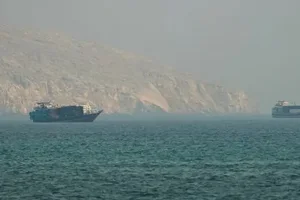
The threat level to maritime security in the Strait of Hor...
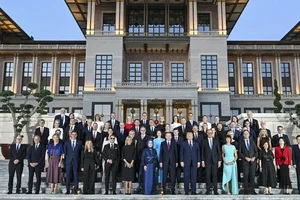
After the end of the NATO summit, Turkish President Recep ...

The Indian state of West Bengal has been gripped by protes...

San Francisco home prices have soared to record highs in 2...

The German Embassy in Tirana has invited the Albanian publ...

Professor and literature scholar Ali Xhiku has passed away...

During my research into the life and artistic photographic...

This year's edition of the Gjon Mili International Video A...

The Tax Directorate has announced that the process of auto...
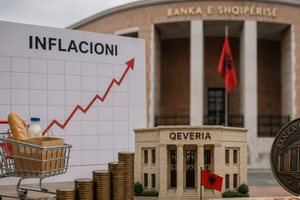
If coordinated policies are not undertaken by the Bank of ...

In the 2026 budget revisions, the Ministry of Defense budg...
Although about 6 months have passed since the start of the...