


The Supreme Court of Kosovo rejects the requests of ten candidates for appointment to the Court of Appeal of General Jurisdiction
Today, on July 10, 2026, the High Judicial Council hel...

Today, on July 10, 2026, the High Judicial Council hel...

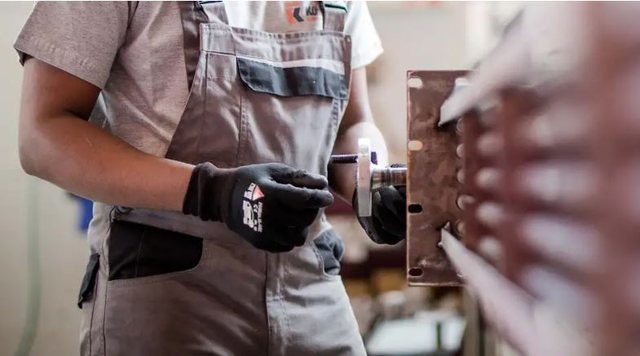
For Herbert Bricker, the result of the research is extremely positive: more than half of the refugees interviewed by him and his colleagues were employed in 2021. Bricker is director of research at the Institute for Labor Market and Employment Research (IAB) , an institution operating as part of the Federal Employment Agency in Nuremberg. Since 2016, the integration of immigrants into the German labor market has been regularly analyzed there.
"In 2015 we thought: if after five or six years we reach an employment rate of 50 percent, we will be very good. Whereas in 2021, we were at 54 percent, despite the pandemic we exceeded expectations", says Bricker, who is also the director of the Institute for Empirical Integration and Migration Research in Berlin, in an interview with DW.
And the longer refugees stay in Germany, the more they get employed: "For people who have been here for seven or eight years, we have an employment rate of 62 percent. That's very good. That's only ten, twelve percentage points less than the German population itself".
According to the results of the IAB study, the employment rate increased by ten percentage points compared to the pandemic year 2020 – this was facilitated by the recovery of the German economy in the time after the strict lockdown in 2020.
Long-term study
The data of the IAB researchers is based on the statements of those who sought protection in Germany, who came to this country between 2013 and 2019. "The total sample now includes 10,111 adults who have been interviewed once or up to six times. for 8,799 refugees of working age (between 18 and 64) who have arrived in Germany since 2013.
The questionnaire contains about 400 questions. While about 100 questions are related "among other things to detailed data on refugee biography and migration, education and training, employment status, receipt of state assistance and participation in education, training, language and integration programs."
The level of education is increasing
As the study shows, in addition to employment, the education level of refugees also increased in 2021. More and more refugees engaged in professions that required a higher qualification. According to the study, six years after arriving in Germany, one in three adults attended schools and universities, or completed training and some further education. 70 percent of employed refugees self-reported having a skilled job that required a professional or academic qualification, and 41 percent of respondents who had been in Germany for six years stated that they performed worse than those who worked in their homelands. While 12 percent performed better jobs in Germany than in the country they come from.
Study co-author Julija Kosjakova believes this is an important potential, considering the lack of skilled workers in Germany: "They are here, they are available and they are very motivated," Kosjakova told the Reuters news agency.
Less profits
Almost two-thirds (65 percent) of employed refugees who have been in Germany for six years were working full-time in 2021. The average gross monthly salary of refugees employed with a permanent contract increased from 1,660 euros in the two years the first after arriving in Germany at 2,037 euros in the sixth year.
"Të moshuarit fitojnë shumë më tepër para në tregun gjerman të punës sesa të rinjtë. Kur bëhet fjalë për refugjatët, të moshës 18 deri në 25 vjeç, të ardhurat e tyre ishin 25 për qind më pak se të ardhurat e kolegëve të tyre gjermanë të së njëjtës moshë. Por diferenca nuk është aq e madhe dhe do të barazohet me kalimin e kohës. Megjithatë akoma ka shumë vend për përmirësim”, thotë Bricker, i cili drejtoi studimin.
Gratë do të punonin, por nuk ka kush të kujdeset për fëmijët
Hendeku midis gjinive është veçanërisht i habitshëm kur bëhet fjalë për integrimin në tregun e punës. Ndërsa 67 për qind e refugjatëve meshkuj kishin një punë në vitin 2021, vetëm 23 për qind e grave ishin të punësuara. Një rol të madh në këtë luan kujdesi ndaj fëmijëve, edukimi dhe përvoja profesionale në vendin e origjinës, si dhe pjesëmarrja në kurse gjuhësore dhe programe të tregut të punës.
"Gjashtëdhjetë deri në shtatëdhjetë për qind e grave kanë fëmijë. E ato që kanë fëmijë, mesatarisht kanë tre fëmijë”, shpjegon Bricker për DW. Si rregull, gratë emigrante kanë fëmijë të vegjël dhe punësimi në këto raste është më i ulët, sikur edhe tek popullata gjermane. Mungesa e ofertave të kujdesit për fëmijët luajnë një rol qendror në këtë, thotë Bricker.
Ka edhe dallime në përvojën e punës midis burrave dhe grave. "Ka një numër dukshëm më të vogël të grave që sjellin përvojë profesionale nga vendet e tyre të origjinës. E një rol të veçantë luan edhe fakti që gratë futen shumë më vonë sesa burrat në programet e integrimit dhe në kurset e gjuhës në Gjermani”, thekson Bricker.
Me kalimin e kohës, numri i grave emigrante që janë të punësuara rritet: tetë vjet pas mbërritjes në Gjermani, shkalla e punësimit të femrave është rritur në 39 për qind, thuhet në studimin e Institutit për Kërkimin e Tregut të Punës dhe Punësimit (IAB).
Fakti që refugjatët fitojnë shumë më pak se popullsia mesatare nuk është vetëm për shkak të moshës më të re të emigrantëve. Studimi tregon se shumica e refugjatëve "janë ende të punësuar në sektorin me paga të ulëta”.
The fact that just over half of the respondents in 2021 had a job also means that a high percentage of refugees six years after arriving in Germany are still living on social benefits.
"Six years after arriving in Germany, 46 percent of refugees receive social assistance from the state or are part of the community in need of assistance," says the IAB study. After seven or more years, that number drops to 40 percent./DW






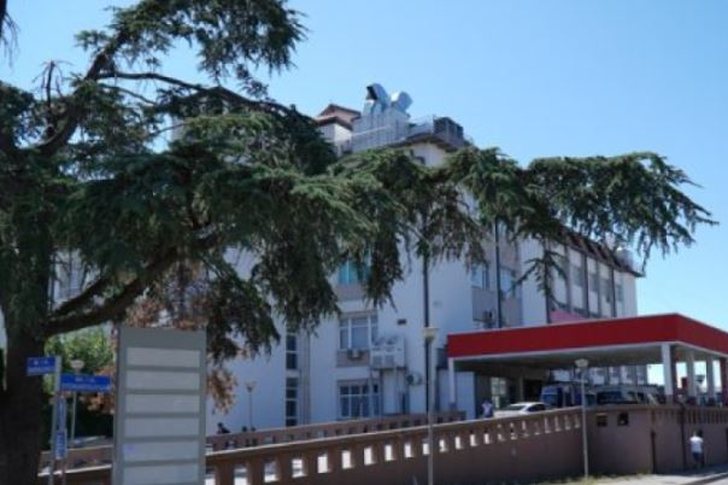
A serious event was recorded in the late hours of Friday e...
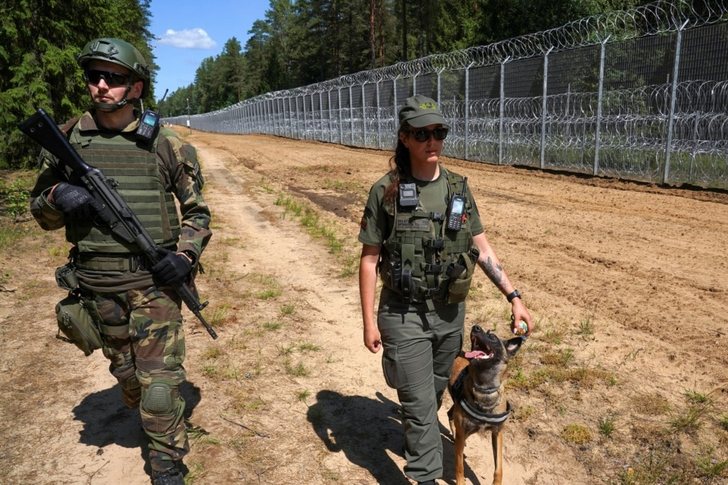
Lithuania will close two of its six border crossings with ...
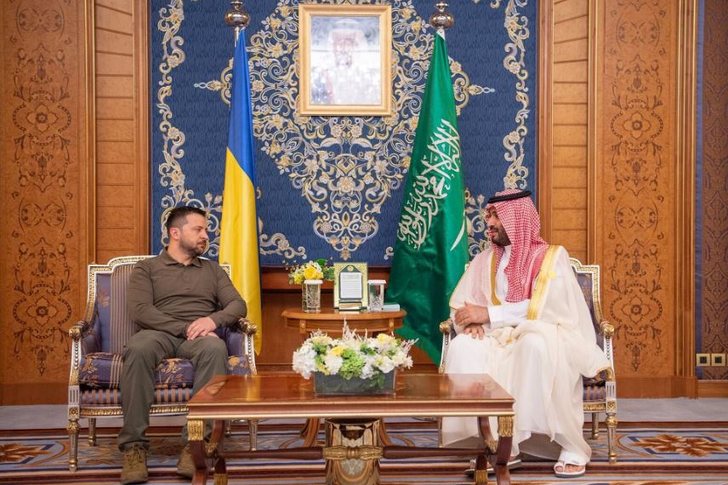
Saudi Arabia will host peace talks on Ukraine this weekend...

The 22nd edition of the International Documentary and Shor...
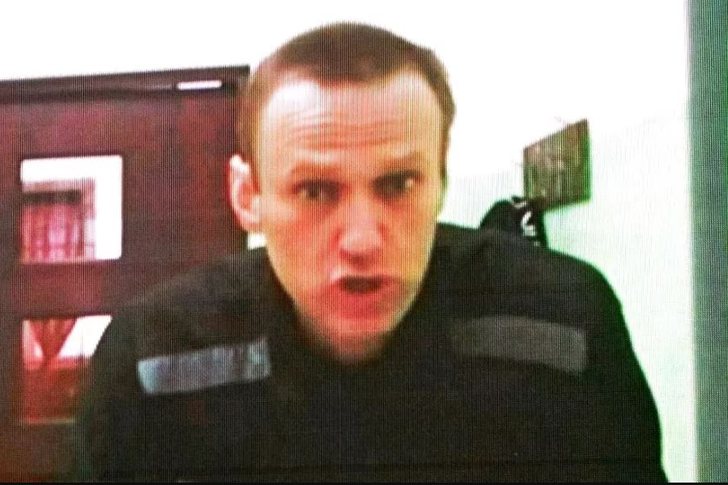
Navalny was found guilty of founding and financing an orga...
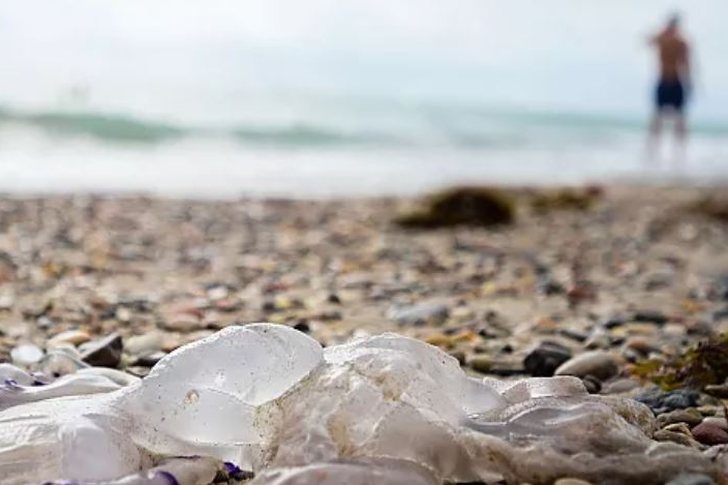
Ocean temperature records are being broken around the worl...
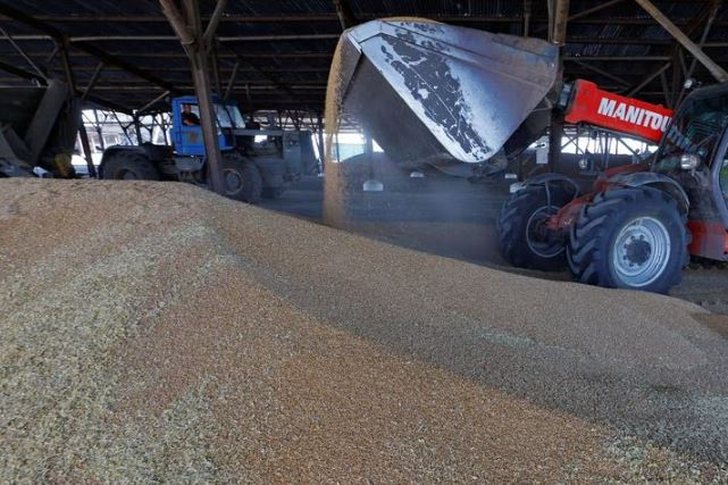
India is considering cutting or removing a 40% import tax ...
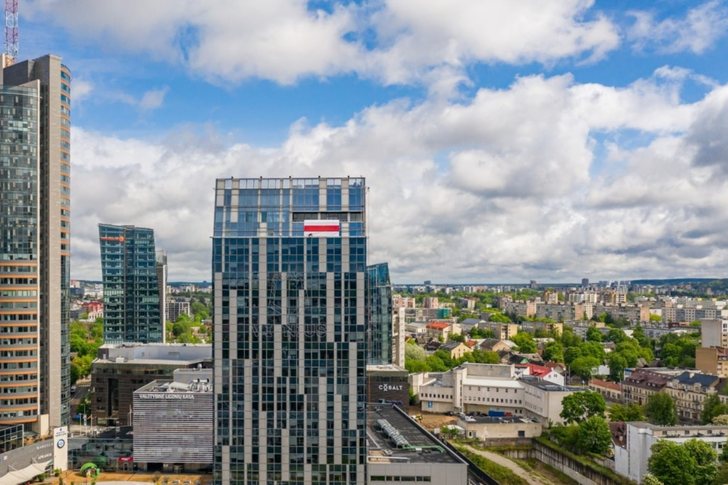
Lithuania has declared more than 1,000 citizens of Russia ...
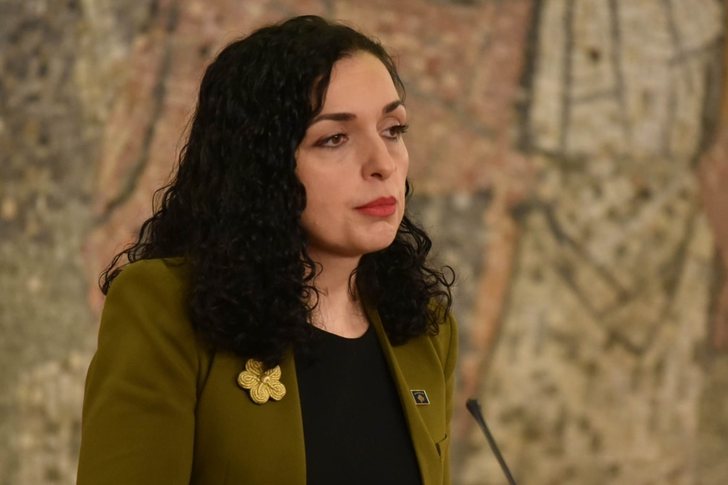
The President of Kosovo, Vjosa Osmani, said on Friday ...

The health system in Great Britain has created a wide deba...
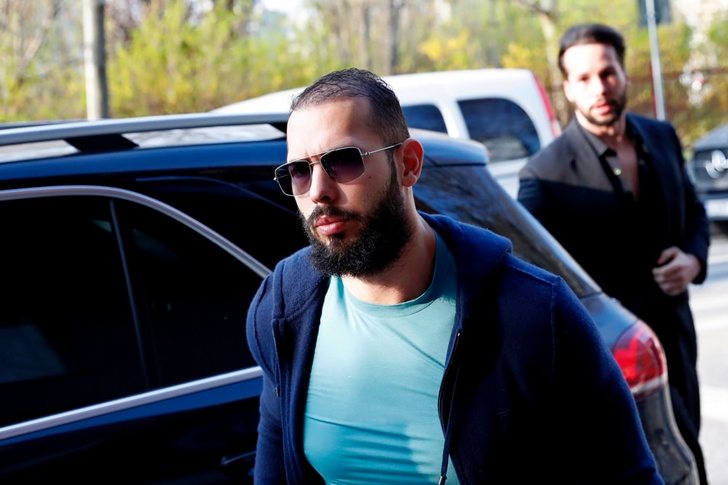
Influential controversial figure Andrew Tates has been rel...

Serial killer James Barnes, who brutally tortured and kill...
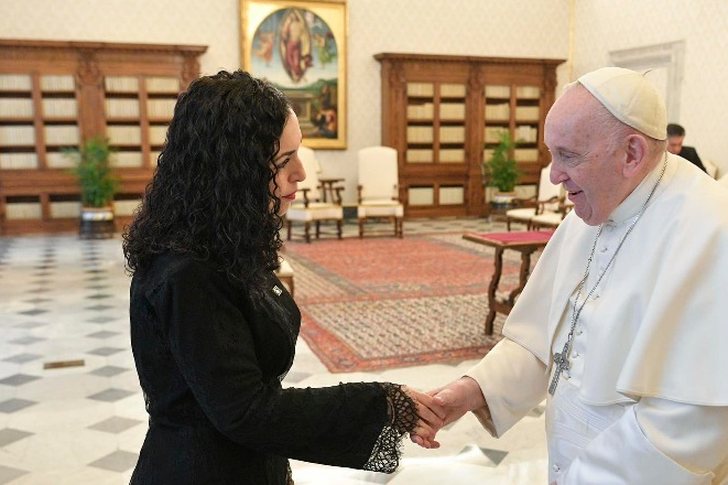
Pope Francis has announced that he may pay a visit to Koso...

Last week's Koran burning is becoming a growing problem fo...
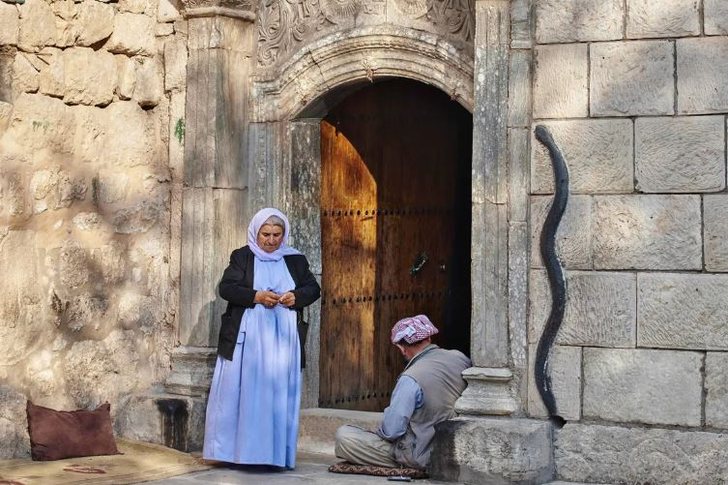
Lalish is a small mountain village in Kurdistan with a pop...
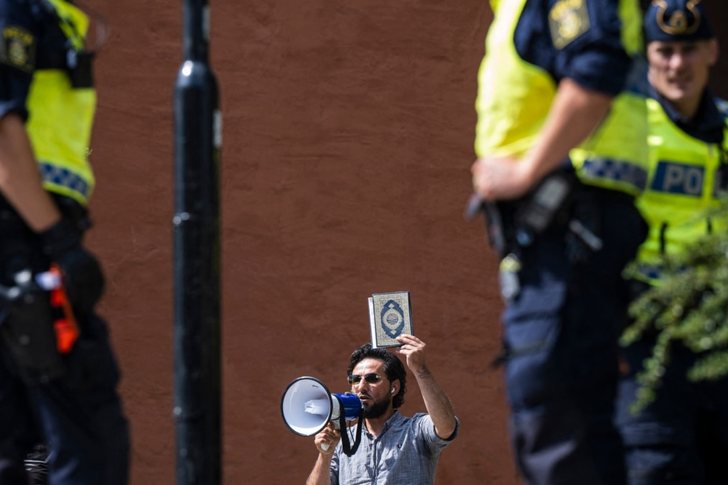
Denmark's police are tightening border controls after ...
The Association of Oil Workers of Kosovo has opposed t...
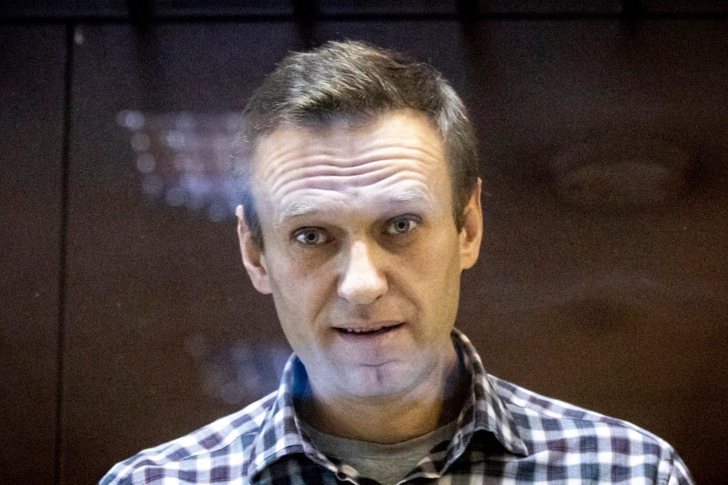
Imprisoned Kremlin critic Alexei Navalny is expected t...

The Minister of Local Government, Elbert Krasniqi, clarifi...
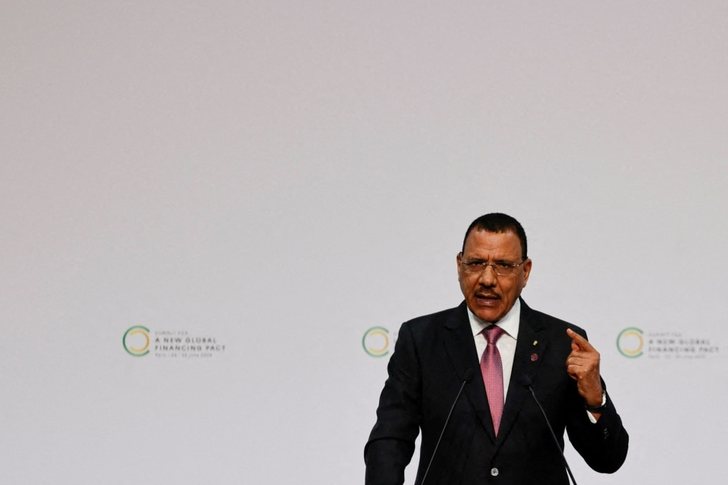
Niger's ousted leader, Mohamed Bazoumi, has called on the ...

For 6 months now, CNA has been sending several letters to ...
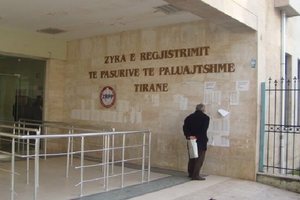
The word "fatherland" with properties is not enough. The m...

The justice reform claimed that it would bring faster, fai...

The Justice Reform and the vetting process were trumpeted ...

The Special Board of Appeal (KPA) decided this Monday ...

The KPA vetting decided this Thursday to dismiss the p...

Suela Salavaçi, a prosecutor in the Prosecutor's Offic...

The Special Board of Appeal reinstated the prosecutor ...

Two citizens with high social risk, wanted by the authorit...
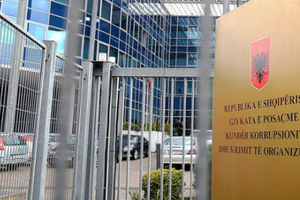
The Special Court against Corruption and Organized Crime h...
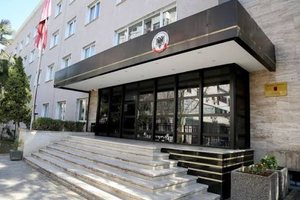
The Berat Prosecution Office has finalized a 6-month proac...
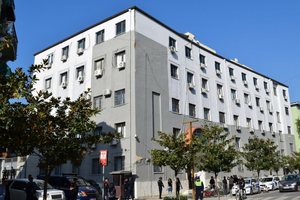
The Durrës Prosecutor's Office has uncovered a sophisticat...

Today our country will be affected by stable weather condi...

Emigration, an aging population, and low participation in ...
Today, our country will be affected by relatively stable w...

Albania has been awarded two medals of honor at the awards...
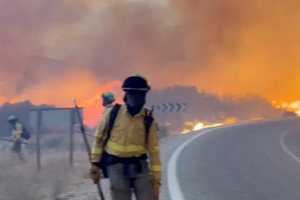
At least 11 people have died and six others have been inju...

Patriot, Tomahawk, Starlink, F-35: Europe's security still...
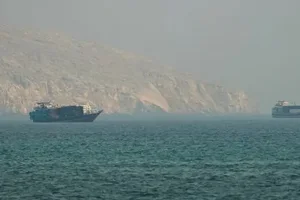
The threat level to maritime security in the Strait of Hor...
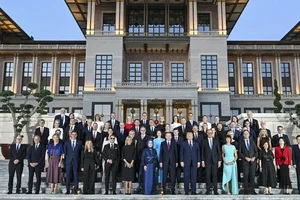
After the end of the NATO summit, Turkish President Recep ...

The German Embassy in Tirana has invited the Albanian publ...

Professor and literature scholar Ali Xhiku has passed away...

During my research into the life and artistic photographic...

This year's edition of the Gjon Mili International Video A...

In addition to food, household appliances, oil, and more, ...
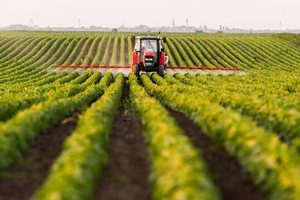
The government has reduced the funds foreseen for rural de...

This Friday, one US dollar is bought for 81.4 lek and sold...

The Tax Directorate has announced that the process of auto...