


Businessman Artur Shehu breaks his silence: I am a long-time land owner in Zvërnec, I don't know the investors at all
Albanian businessman Artur Shehu spoke on the Opinion show...

Albanian businessman Artur Shehu spoke on the Opinion show...

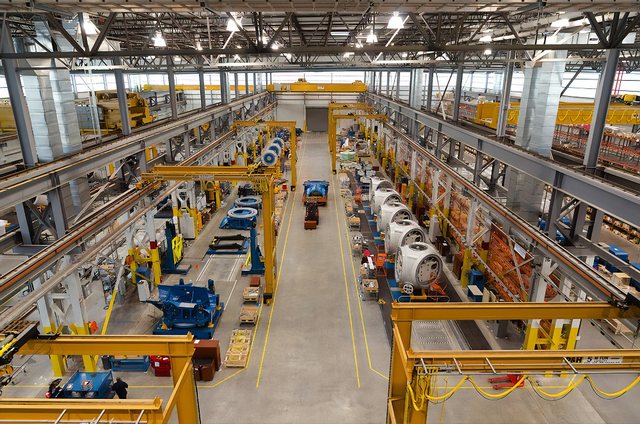
The Western Balkan countries are trying to move from traditional industries towards the "Green" and "Digital" model, but on the other hand, standards and investments in increasing the skills of the workforce are lacking, according to a study by the Regional Cooperation Council (RCC) "Monitoring and Evaluating Industrial Performance and Policy Impact in Six Western Balkan Countries".
The study assesses that industrial performance in the six Western Balkan countries (WB6) is not uniform. Serbia and North Macedonia are more advanced, Albania, Bosnia and Kosovo present more fragile developments, while Montenegro has a narrower base of the industrial sector in the economy.
In 2022, the manufacturing sector contributed 10% to the GDP of the WB6 region, almost at a similar level since 2010, compared to 12% in Croatia, 15% in the EU and 21% in Slovenia.
Despite developments, the industrial capacity of the Balkan region is very small compared to the EU. In Serbia and North Macedonia, which are closer to the EU average, industrial export capacity is only about a quarter of that of the EU, while in Albania it is about 98% lower.
Serbia with the most integrated industry in global markets
Serbia emerged as the economy with the strongest industrial base in the region. It has managed to absorb the largest share of Foreign Direct Investment (FDI) in the manufacturing sector (automobiles, rubber and plastics), leading the weight of industry in the economy to reach 14% in 2022, a level similar to 2010, but with a strong increase in value.
According to the report, Serbia has the highest indicators of technological intensity and a greater diversification of exports to the EU in industry. Serbia has the most integrated industrial policy in European chains, especially in the automotive and machinery sectors. The government is subsidizing the innovation and AI (Artificial Intelligence) sectors. The report emphasizes that Serbia is performing well in high-tech exports, but needs to accelerate environmental standards.
Macedonia enters the upper value chain
North Macedonia has shown positive progress through its Technological Industrial Development Zones (TIDZ). It has managed to integrate its companies into global value chains, especially in electrical components and car parts, increasing the weight of medium and high-tech industries. North Macedonia has not only increased the volume of industrial exports by 92% between 2010-2022, but has also achieved a qualitative transformation, with 65% of exports being high and medium-tech.
Vendi mbetet një model rajonal për tërheqjen e Investimeve të Huaja Direkte (IHD) përmes Zonave të Zhvillimit Teknologjik. Politika e re synon të lidhë më fort investitorët e huaj me furnitorët vendas, duke nxitur transferimin e teknologjisë dhe rritjen e pagave në sektorin e prodhimit të pjesëve të automobilave. Sektori i industrisë në Maqedoni zë 11.2% të PBB-së nga 8.8% në vitin 2010, por vendi spikat me rritje të vlerës së prodhimit dhe integrimin në zinxhirin e lartë të vlerës.
Bosnja vuan përshtatjen e trashëgimisë industriale
Bosnja dhe Hercegovina edhe pse ka një traditë të gjatë industriale, veçanërisht në metalurgji dhe industrinë e drurit, ajo vuan nga mungesa e modernizimit të teknologjisë. Gjithashtu paqëndrueshmëria politike po pengon kalimin drejt një industrie me vlerë më të lartë të shtuar. Pesha e industrisë në ekonominë e Bosnjës arriti në 12% në 2022 nga 11% që ishte në vitin 2010.
Me një bazë të fortë në industrinë e drurit dhe metalit, Bosnja po punon për harmonizimin e politikave midis entiteteve. Fokusimi kryesor është modernizimi i fabrikave ekzistuese dhe përmbushja e standardeve të “Carbon Border Adjustment Mechanism” (CBAM) të BE-së, për të ruajtur aksesin në tregun evropian.
Shqipëria, industri me vlerë të ulët
Në Shqipëri industrializimi mbetet i përqendruar në sektorë me intensitet të lartë pune dhe vlerë të ulët teknologjike (si fasoneria/tekstilet dhe këpucët). Megjithatë, ka një rritje në industrinë nxjerrëse dhe energjetike, por raporti thekson nevojën urgjente për diversifikim drejt sektorëve përpunues që kërkojnë më shumë kualifikim. Shqipëria po synon një diversifikim të bazës industriale.
Politika aktuale po zhvendoset nga industria e lehtë(tekstilet dhe këpucët drejt sektorëve me vlerë më të lartë të shtuar si industria automative. Pesha e industrisë në PBB-në e vendit arriti në 7% në vitin 2022 nga 5% që ishte në vitin 2010. Prioritet mbetet integrimi i agropërpunimit me zinxhirët globalë të vlerës dhe nxitja e industrisë “blu” dhe turizmit të qëndrueshëm. Sfidë mbetet rritja e investimeve në kërkim-zhvillim (R&D).
Kosova, lider në Rajon për industrinë agropërpunuese
Raporti i RCC vëren se industria zë 13 për qind të ekonomisë së Kosovës. Mirëpo sektori ka përqendrim të lartë në pak produkte, teksa është lider në Rajon në zhvillimin e industrisë agropërpunuese. Midis ekonomive të Rajonit, Kosova ka industri me efikasitet të lartë të energjisë, ku për çdo toe (ekuivalent ton nafte) energji të përdorur, ato gjenerojnë afërsisht 4,000 dollarë Vlerë të Shtuar në Prodhim (MVA).
Industria e Kosovës ka integrimin më të ulët jashtë Rajonit. Kosova pozicionohet si një ekonomi me rritje dinamike por me një bazë industriale ende të brishtë. Ajo mbetet pas Serbisë dhe Maqedonisë së Veriut, Bosnjës dhe Shqipërisë për sa i përket vëllimit prodhues dhe eksporteve industriale, por tregon potencial të lartë në sektorët e shërbimeve të lidhura me industrinë dhe në adoptimin e politikave të reja rajonale.
Montenegro with a narrow industrial base
According to the study, Montenegro's economy is strongly oriented towards services and tourism. Industrialization has declined following the closure or downsizing of large metallurgical complexes (such as aluminum). The report notes that Montenegro has the narrowest industrial base.
Montenegro is leading with policies aimed at decarbonizing the industry. After the closure or restructuring of heavy metallurgical industries, the focus has shifted to smart specialization (S3 Strategy). The weight of industry in the country's economy remained at 4 percent in 2022, at the same level as in 2010. Renewable energy and innovation in services are the areas where Podgorica is investing the most to increase competitiveness. /Monitor

Today in the foreign exchange market, the euro will be exc...

The Albanian government held the auction for 20-year bonds...
Today in the foreign exchange market, the euro will be exc...

The Competition Authority has closed its in-depth investig...

According to data from the Financial Supervisory Authority...

The indicator that measures business and consumer confiden...

There are 27 days left until the deadline for implementing...
The value of foreign loans approved but not yet used by Al...
Today in the foreign exchange market, the euro will be exc...

Home loans closed the first quarter of the year in decline...

Last year, Albanian banks began operating in SEPA systems,...

Since 2024, mobile operators have reserved the right to in...
This Sunday, one US dollar is bought for 80.7 lek and sold...

This Saturday, one US dollar is bought for 80.9 lek and so...
Albanian businesses are consolidating their market positio...

Rising energy costs and the new uncertainty caused by the ...
Today is May 1, the day that marks International Workers' ...
This Friday, one US dollar is bought for 81.1 lek and sold...
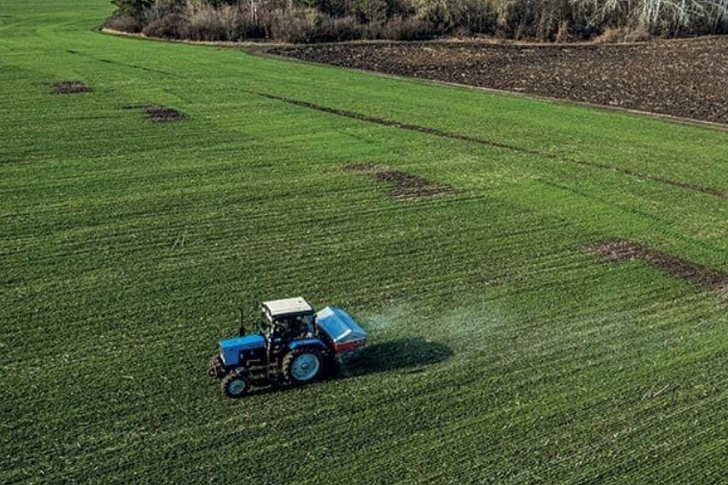
Minister of Finance Petrit Malaj announced in a media stat...
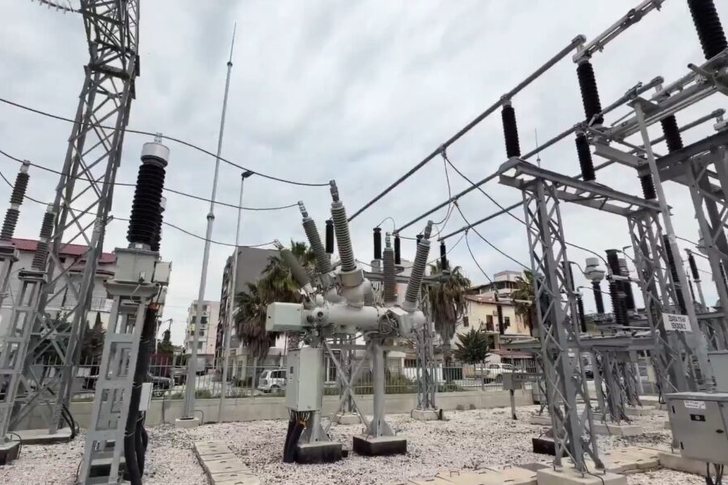
Tourist areas will be prioritized in terms of energy inves...
The next case broadcast on the show "Stop", this Thursday,...
The case published this Thursday, June 4, on the show "Sto...

The protests of recent days related to the situation in Zv...
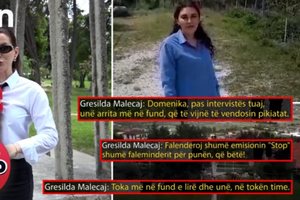
The case addressed this Wednesday, June 3, on the show "St...

The Special Board of Appeal (KPA) decided this Monday ...

The KPA vetting decided this Thursday to dismiss the p...

Suela Salavaçi, a prosecutor in the Prosecutor's Offic...

The Special Board of Appeal reinstated the prosecutor ...
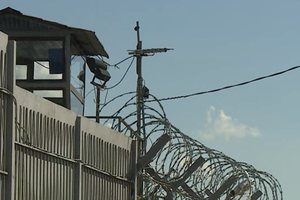
A convict was found dead today in the premises of the Pris...
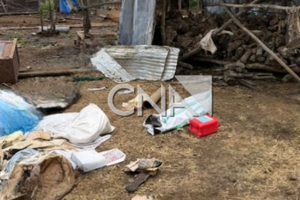
Several images provided by CNA show the area where this mo...

A quantity of explosive material exploded this morning at ...
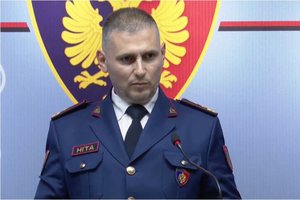
The Head of the State Police, Skënder Hita, expressed his ...

For many children and teenagers, the long summer holidays ...
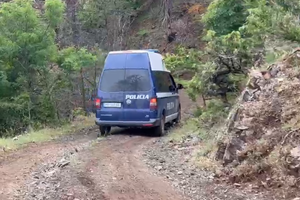
Witnesses in Lozhan, Maliqi, have shared details from the ...
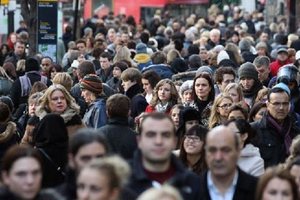
Albania is facing an unprecedented demographic transition,...

On Thursday, our country will be affected by unstable weat...

Russian President Vladimir Putin said the war in Ukraine c...
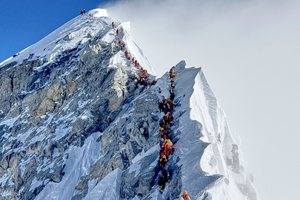
An extraordinary story of survival has been recorded in Ne...
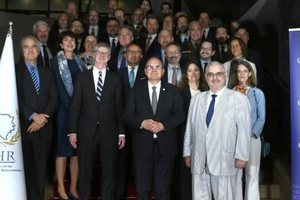
The Peace Implementation Council in Bosnia and Herzegovina...
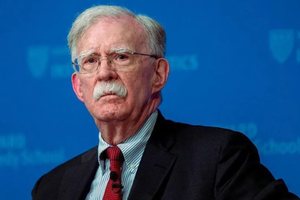
John Bolton, the former national security adviser to US Pr...

Korça is ready to open the summer season with one of the c...

Two years after his passing, the renowned Korçë poet Skënd...
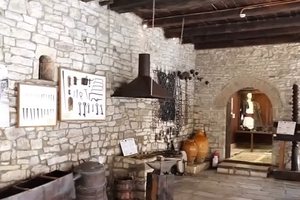
The Ethnographic Museum of Berat has opened its doors to v...
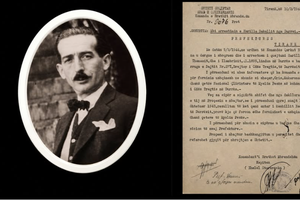
The story of Harilla Bakalli is one of the most chilling t...
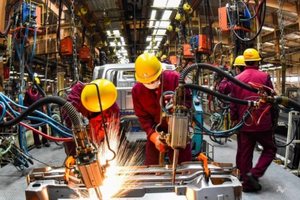
The government aims to transform the country's industrial ...
Kursi i këmbimit të euros me lekun ka rënë më tej këtë jav...
Profit margins in the construction sector have increased s...
The Transparency Board, at its meeting today, decided to i...