

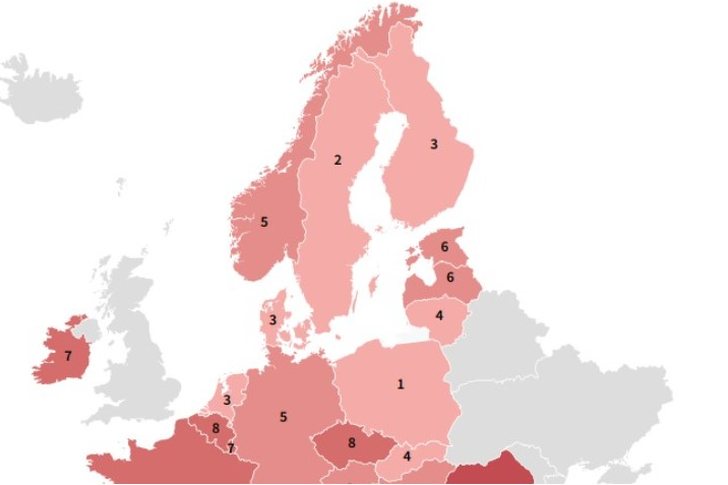
Map, 39% of Albanian employees cannot postpone the month, a record in Europe
Today is May 1, the day that marks International Workers' ...



Rising energy costs and the new uncertainty caused by the war with Iran may once again push European companies towards work-from-home models, while in parallel the search for employees outside the European Union is expected to expand, where labor and taxation costs are lower.
This is the assessment of economic expert Ergis Sefa, who says that such a development could turn into a new opportunity for young Albanians who intend to work remotely for foreign markets.
According to Sefa, if the conflict is prolonged and the wave of price increases continues, European businesses will seek more flexible forms of organization to reduce operating costs. In a situation where energy, transport and supply chains are under pressure, working from home is seen as one of the fastest ways to curb some of the expenses, while hiring staff in countries outside the EU can be used as an instrument to keep total labor costs under control.
"If the war in Iran continues and costs continue to rise, forecasts show that European companies will return to work from home models. It is even expected that they will seek more employees outside the EU for lower tax costs and this will be a new chance for young Albanians who want to work from home," he said.
This trend is not just a prediction. In Brussels, the debate on remote working has returned as part of the energy crisis management packages. The European Commission is encouraging member states to use hybrid models and working from home as a means of reducing energy consumption, especially by reducing the use of offices and the daily movement of employees. The new approach treats the organization of work as an economic instrument, not just a labor market issue.
The statement comes as the economic impact of the conflict is becoming increasingly visible in Europe. The European Commission is preparing new measures to cope with rising energy costs, while Commission President Ursula von der Leyen has called for coordination among member states to avoid further shocks to energy prices. Reuters reported that the war has added about 22 billion euros to the cost of fossil fuels in the EU, while Brussels itself is considering expanding state aid to the hardest-hit sectors.
The pressure has also been reflected in global oil markets. The International Energy Agency has revised down its global supply and demand forecasts, citing major supply disruptions following the escalation of the conflict. In Europe, Reuters reported that physical oil prices for immediate delivery have climbed close to $150 a barrel, as fears about supplies through the Strait of Hormuz are fueling higher costs for industry and transport. The International Energy Agency has also included working from home among its recommendations to ease the pressure from high energy prices, along with limiting travel and reducing fuel consumption.
At the European level, the LSE analysis shows that in European cities hybrid working is the dominant form: around 1 in 5 employees are in the hybrid working model, while only 1 in 10 remain fully remote. So the growth is coming more from flexibility than from working from home alone.
Eurofound also confirms that most companies have standardized 2–3 remote days per week schemes, especially for knowledge-based roles.
If this trend consolidates, the advantage will not only be in more competitive wages for European employers, but in the fact that the labor market may become less tied to geographical location. As the expert suggests, for some young Albanians, this means more opportunities to enter the European market without physically leaving the country./ Monitor

Today is May 1, the day that marks International Workers' ...
This Friday, one US dollar is bought for 81.1 lek and sold...
Minister of Finance Petrit Malaj announced in a media stat...
Tourist areas will be prioritized in terms of energy inves...
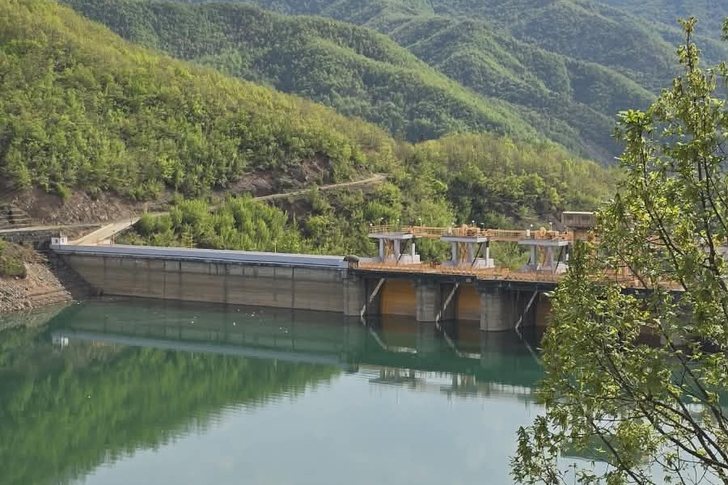
The first three months of the year marked a significant in...
A recent World Bank analysis of the Western Balkans highli...
This Thursday, one US dollar is bought for 81.2 lek and so...

Unlike January, which saw a record increase in savings in ...
Rich Albanians became even richer in 2025, while ordinary ...
Oil prices have risen sharply, approaching $120 per barrel...
The World Bank predicts that economic growth in Kosovo thi...
The country's public debt has marked a significant decline...
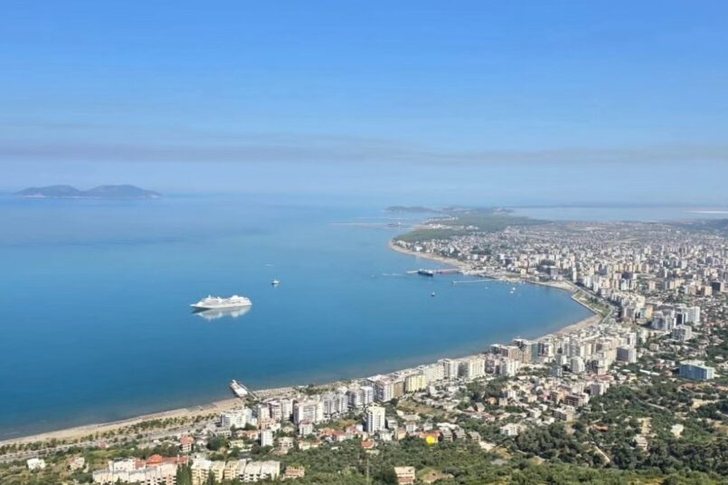
Tourism is Albania's golden opportunity, the fruits of whi...
Money laundering-related criminal offenses in Albania incr...
This Wednesday, one US dollar is bought for 81 lek and sol...
With average apartment prices in the capital exceeding 2,0...

The Tax Administration has reminded all natural persons, c...

After completing the process of submitting approximately 3...
The economies of the Western Balkans are entering a phase ...
The World Bank's latest Commodity Markets Outlook report p...
The protests of recent days related to the situation in Zv...
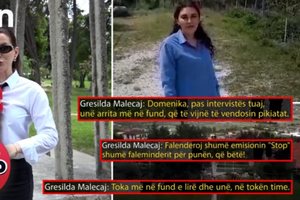
The case addressed this Wednesday, June 3, on the show "St...
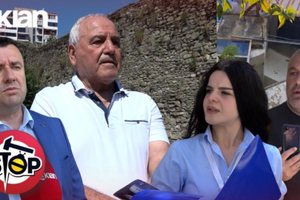
The show "Stop" broadcast this Wednesday, June 3, the case...

Irfan Hysenbelliu claims to be a big businessman, an hones...

The Special Board of Appeal (KPA) decided this Monday ...

The KPA vetting decided this Thursday to dismiss the p...

Suela Salavaçi, a prosecutor in the Prosecutor's Offic...

The Special Board of Appeal reinstated the prosecutor ...
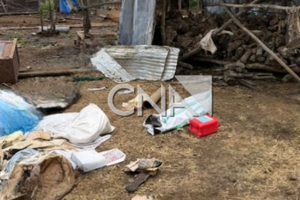
Several images provided by CNA show the area where this mo...

A quantity of explosive material exploded this morning at ...
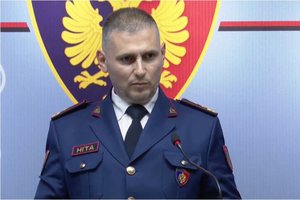
The Head of the State Police, Skënder Hita, expressed his ...
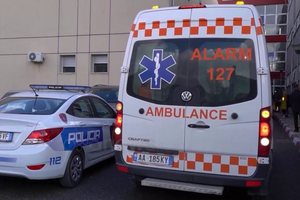
New details have emerged regarding the serious incident th...

For many children and teenagers, the long summer holidays ...
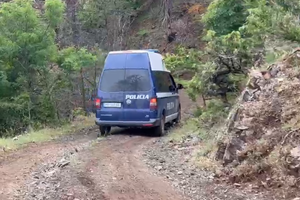
Witnesses in Lozhan, Maliqi, have shared details from the ...
Albania is facing an unprecedented demographic transition,...
On Thursday, our country will be affected by unstable weat...
Serbian President Aleksandar Vučić has confirmed that he w...

Israel and Lebanon have agreed to renew their fragile ceas...

United States President Donald Trump announced in a post o...
Asambleja e Përgjithshme e Kombet e Bashkuara ka përfundua...

Korça is ready to open the summer season with one of the c...
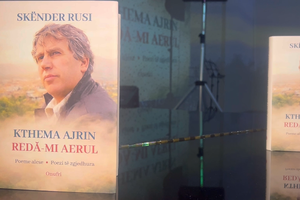
Two years after his passing, the renowned Korçë poet Skënd...
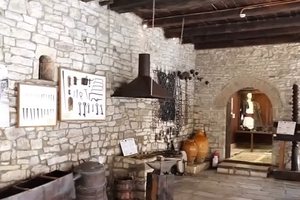
The Ethnographic Museum of Berat has opened its doors to v...
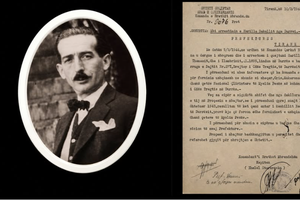
The story of Harilla Bakalli is one of the most chilling t...

Profit margins in the construction sector have increased s...
The Transparency Board, at its meeting today, decided to i...
Today, in the foreign exchange market, one US dollar is bo...
The Minister of Finance, Petrit Malaj, announced today a n...