


Public debt drops to 48.79% of GDP, also decreasing in value in the first quarter
The country's public debt has marked a significant decline...


The World Bank predicts that economic growth in Kosovo this year will be 3.7 percent, or 0.1 percentage point lower than previous forecasts. For 2027, growth is expected to be 3.9 percent.
Meanwhile, economic growth for 2025 in Kosovo, according to the World Bank's estimate, was 3.6 percent.
According to the report, economic growth in the Western Balkans in 2026-2027 is expected to be slow, due to the impact of the knock-on effects of "the conflict in the Middle East, persistent inflation and rising uncertainty."
Following the start of the United States and Israel's war with Iran in late February, global oil prices rose. This increase was reflected in European energy markets and also affected Kosovo, an oil-importing country.
"Global uncertainty and geopolitical tensions are holding back economic growth in the Western Balkans, and rising prices are directly affecting household budgets," said Xiaoqing Yu, World Bank Country Director for the Western Balkans.
“While policymakers are using short-term fiscal measures to cushion the impact of these pressures on households and businesses, our report shows that the key to long-term economic progress is jobs. The Western Balkans has a huge pool of untapped talent – ??women, young people and individuals who want to work but face barriers. Involving them in the labor market is one of the most effective measures the region can take to strengthen the economy,” Yu added.
As for the region, the combined economic growth of Kosovo, Albania, Bosnia and Herzegovina, Montenegro, North Macedonia and Serbia is expected to reach 2.8 percent in 2026, or 0.3 percentage points lower than the previous period. Meanwhile, for 2027, there is expected to be a “modest growth” that, according to the World Bank, will reach 3.2 percent.
"To maintain the pace of reforms in a region facing growing labor shortages, expanding labor market participation is essential, says the latest World Bank report, released today," the World Bank report said.
According to this institution, the region has insufficiently utilized human capital – women, young people and other individuals – who want to work, but face barriers to entering the labor market.
"If the labor force participation rate across the region were the same as that of similar countries in the European Union, this would result in more than 2.8 million additional workers. Just as a result of women's inclusion in the labor market, annual economic growth could increase by 0.35 percentage points," the World Bank said.
According to data from the Kosovo Agency of Statistics, in 2025 the number of employed people exceeded 400 thousand. Meanwhile, among the unemployed there are mostly women, who bear the greatest burden of caring for the family and children.
The World Bank also said that working-age people, including graduates and unskilled workers, are seeking better wages and prospects abroad.
"The paradox lies in the fact that, even though labor shortages are most pronounced in key sectors, many people still remain unemployed or have given up looking for work altogether," the report said.
This international financial institution also warned that the population of the Western Balkans is "aging faster" than anywhere else in Europe, noting that within the next decade, one in five people will be over 65./REL

The country's public debt has marked a significant decline...
Tourism is Albania's golden opportunity, the fruits of whi...
Money laundering-related criminal offenses in Albania incr...
This Wednesday, one US dollar is bought for 81 lek and sol...

With average apartment prices in the capital exceeding 2,0...

The Tax Administration has reminded all natural persons, c...

After completing the process of submitting approximately 3...
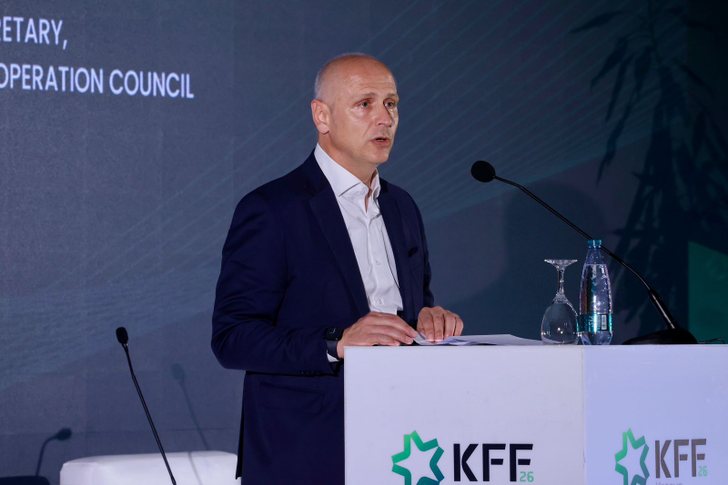
The economies of the Western Balkans are entering a phase ...
The World Bank's latest Commodity Markets Outlook report p...

The Bank of Albania estimates that housing prices continue...
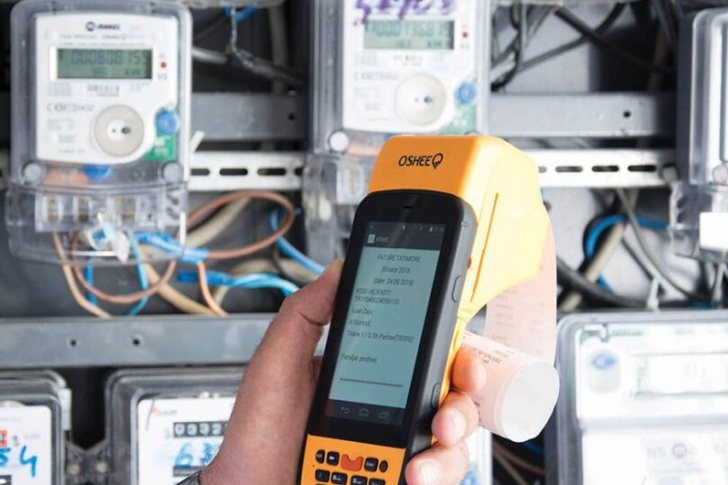
The topic of smart energy meters has once again come back ...

The World Bank Enterprise Survey for 2025 found a signific...
This Tuesday, one US dollar is bought for 80.9 lek and sol...

Budget revenues in relation to Gross Domestic Product reco...
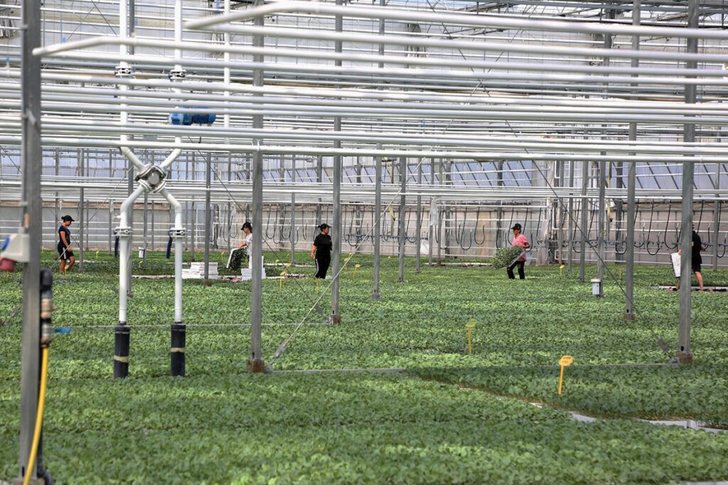
The consumer basket is increasing its dependence on import...
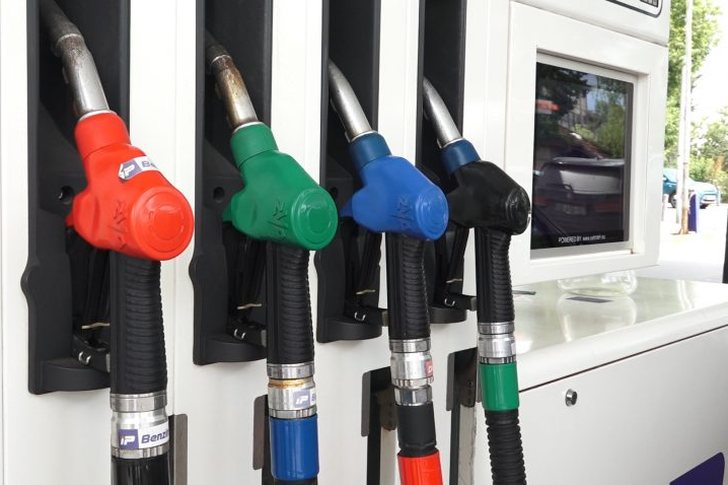
Border gas stations in North Macedonia have recently seen ...
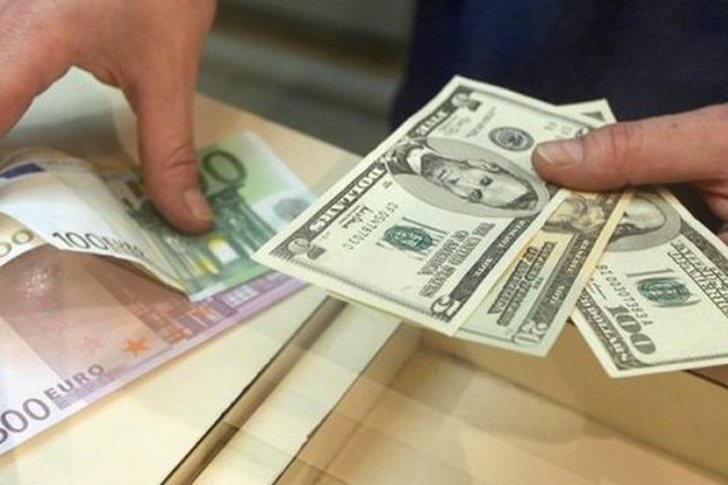
This Monday, one US dollar is bought for 81 lek and sold f...

Albania has seen rapid growth in the car rental market, wh...
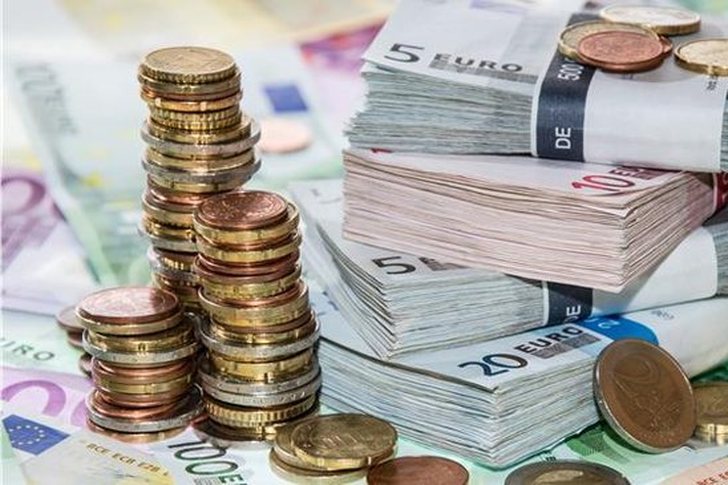
This Sunday, one US dollar is bought for 81 lek and sold f...
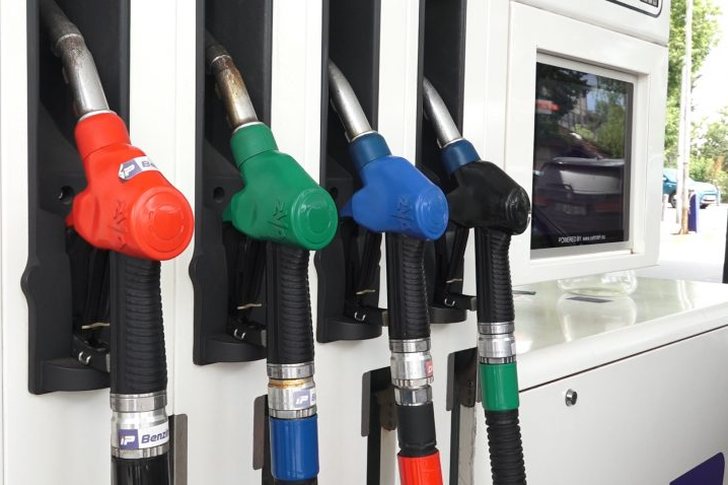
The price crisis caused by the war in the Middle East once...

The case addressed this Wednesday, June 3, on the show "St...

The show "Stop" broadcast this Wednesday, June 3, the case...

Irfan Hysenbelliu claims to be a big businessman, an hones...

The show "Stop" dealt with a denunciation case this Tuesda...

The Special Board of Appeal (KPA) decided this Monday ...

The KPA vetting decided this Thursday to dismiss the p...

Suela Salavaçi, a prosecutor in the Prosecutor's Offic...

The Special Board of Appeal reinstated the prosecutor ...

A road accident occurred this evening on the Tirana-Durres...
Policia e Lezhës ka dalë me reagim zyrtar lidhur me ngjarj...
The Special Court against Corruption and Organized Crime h...

Një banesë është përfshirë nga flakët në lagjen nr. 4 në q...
Albania is facing an unprecedented demographic transition,...

On Thursday, our country will be affected by unstable weat...

An alarming figure of more than 166.4 thousand Albanians a...

The weather today will be mostly clear and temperatures wi...

Israel and Lebanon have agreed to renew their fragile ceas...

United States President Donald Trump announced in a post o...
Asambleja e Përgjithshme e Kombet e Bashkuara ka përfundua...
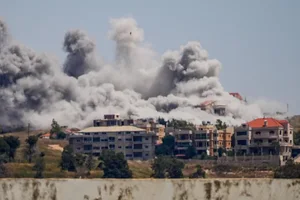
At least nine people have been killed in Israeli airstrike...

Korça is ready to open the summer season with one of the c...

Two years after his passing, the renowned Korçë poet Skënd...
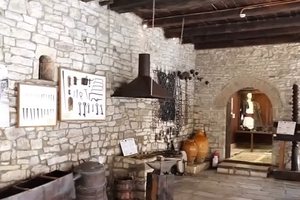
The Ethnographic Museum of Berat has opened its doors to v...
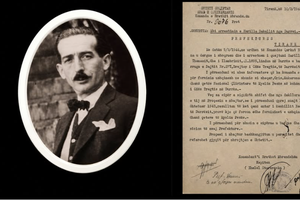
The story of Harilla Bakalli is one of the most chilling t...
Today, in the foreign exchange market, one US dollar is bo...
The Minister of Finance, Petrit Malaj, announced today a n...
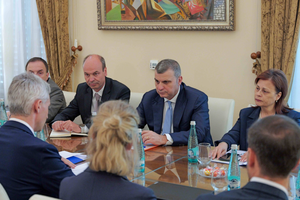
Guvernatori i Bankës së Shqipërisë, Gent Sejko, priti m...
Today, in the foreign exchange market, one US dollar is bo...